Why Do We Get Motion Sickness? The Science of Sensory Conflict

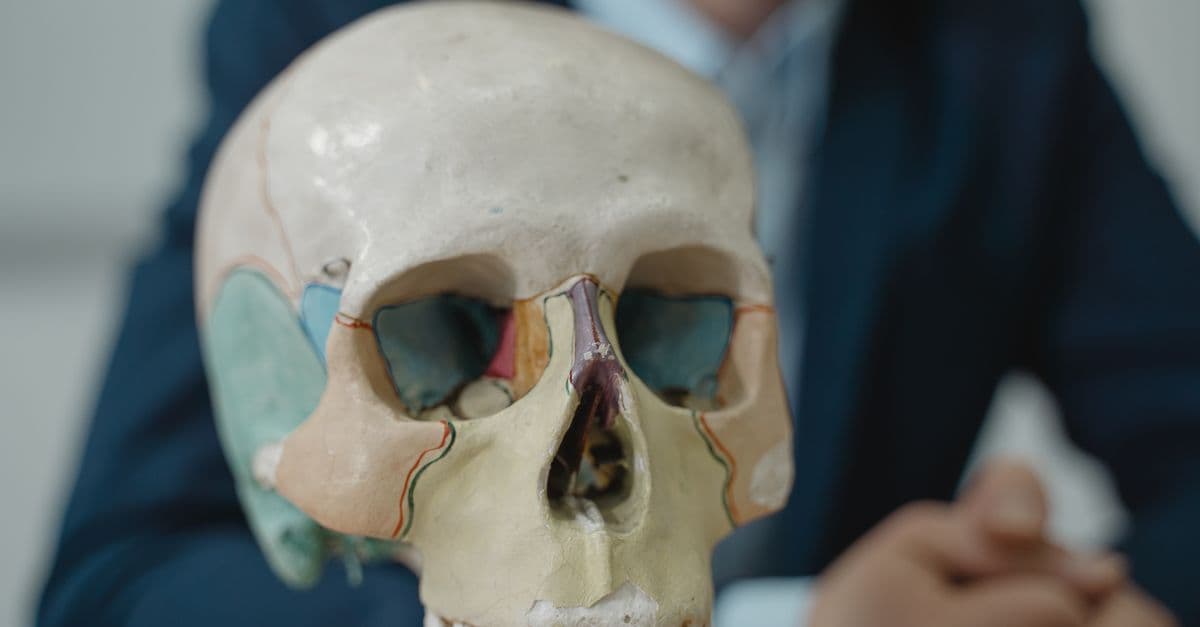
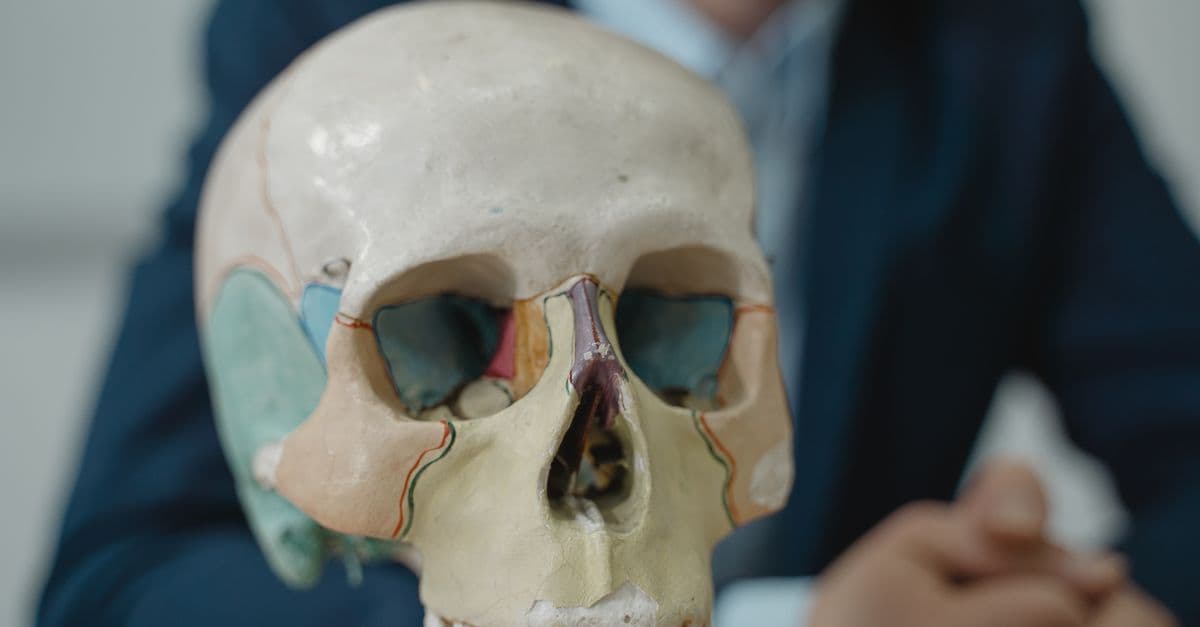
Photo: Sebastian Luna / Pexels
Motion sickness affects up to one-third of the population during car rides, boat travel, or flight turbulence—and nearly all humans experience it in unfamiliar motion contexts like zero gravity or high-speed maneuvering. The experience is universal: nausea, dizziness, sweating, and an overwhelming urge to vomit. For decades, this response seemed maladaptive, even dangerous—why would the body purge food during motion when energy is needed for survival? The answer lies in how your brain interprets sensory conflict as a sign of poisoning, a mismatch so profound it hijacks your autonomic nervous system. Understanding motion sickness requires unpacking the vestibular system's role, the brain's signal-fusion architecture, and an evolutionary detoxification hypothesis that reframes nausea as a protective mechanism, not a flaw.
The Vestibular System: The Inner Ear's Motion Detectors
Motion sickness begins with the vestibular apparatus—a specialized organ in the inner ear that detects acceleration, deceleration, and head position relative to gravity. Vestibular apparatus — the fluid-filled sensory organs in the inner ear (semicircular canals and otolith organs) that detect head motion, acceleration, and orientation. This apparatus is paired, with one on each side of the skull, embedded deep within the temporal bone.
The vestibular system contains two distinct sub-systems: the semicircular canals and the otolith organs (utricle and saccule). The three semicircular canals are oriented perpendicular to one another, allowing them to detect rotational motion along three axes—pitch (nodding), roll (tilting), and yaw (shaking side-to-side). Each canal is filled with a thick, viscous fluid called endolymph. When the head rotates, inertia causes this fluid to lag behind the bone's motion, flowing past tiny sensory hairs called stereocilia that are embedded in a gelatinous structure called the cupula. The stereocilia bend in response to this fluid flow, triggering electrical signals in the vestibular nerve.
The otolith organs work differently. Rather than detecting rotation, they detect linear acceleration (moving forward, backward, sideways) and static head tilt relative to gravity. Each otolith organ contains a sensory patch called a macula, covered in hair cells topped by a gelatinous layer embedded with calcium carbonate crystals called otoliths or statoconia. Because these crystals are denser than the surrounding fluid, gravity pulls them downward. When the head tilts or accelerates, the crystal-laden gel shifts, bending the hair cells and signaling the direction and magnitude of the tilt or acceleration.
The semicircular canals have a critical feature: they respond only to acceleration and deceleration. If you spin at a constant velocity, the endolymph eventually catches up to the canal walls, fluid flow stops, and the hair cells return to their baseline firing rate. Your brain stops registering spinning. This is why constant-speed rotation—like a smoothly turning merry-go-round—feels normal after a few seconds. But the moment you decelerate, the endolymph continues moving, bending the hair cells in the opposite direction and creating the sensation of spinning backward, even though you are stationary. This lag is crucial to understanding motion sickness.
Source: Kandel, E.R., Schwartz, J.H., and Jessell, T.M. (2013), Principles of Neural Science, Fifth Edition, McGraw-Hill — comprehensive coverage of vestibular receptor physiology and transduction mechanisms.
How the Brain Fuses Three Motion Signals
The brain does not rely on a single motion signal. Instead, it integrates information from three independent systems: the vestibular apparatus, the eyes (visual system), and proprioception (body position sense). This multi-source approach is robust; if one system fails, the others can compensate. But when the three systems send contradictory signals, the brain struggles to build a coherent model of body motion, and that struggle triggers motion sickness.
Sensory integration — the brain process of combining vestibular, visual, and proprioceptive signals into a unified perception of motion and body position. This integration occurs in clusters of neurons called the vestibular nuclei located in the brainstem, and is refined by the cerebellum. The brain does not average the three signals equally; instead, it assigns varying weights based on context and past experience.
Under normal conditions on solid ground with good vision, the visual system often dominates. You can stand and walk upright using only your eyes and proprioception, even if your vestibular system is completely non-functional. A person with bilateral vestibular loss (damage to both inner ears) learns to rely almost entirely on vision and proprioception, though balance becomes more fragile in low light or on uneven terrain.
In darkness or low-visibility environments, proprioception takes on greater weight. You can stand and walk blindfolded if proprioceptive feedback from your feet, ankles, hips, and core muscles is intact. However, proprioception alone is less precise and more effortful than combined vestibular and visual input.
The vestibular system becomes the dominant signal in motion-rich environments—an accelerating car, a pitching ship, an airplane maneuver. The inner ear provides information that the eyes might not capture; for example, if you are reading a book in a car, your eyes see a stationary page (no motion signal), but your vestibular system senses the car's acceleration and turning. The conflict between these two signals is the core trigger of motion sickness.
An analogy helps clarify this hierarchy: imagine your brain as a navigation system receiving data from three sensors—accelerometers (vestibular), a camera (vision), and motion-detection radar (proprioception). If all three agree, the system confidently builds a motion estimate and the body acts smoothly. If the camera sees no motion but the accelerometer senses acceleration, the system detects a mismatch, flags uncertainty, and initiates a protective response.
Source: Horak, F.B. and Macpherson, J.M. (2011), "Postural orientation and equilibrium" in Handbook of the Cerebellum and Cerebellar Disorders — detailed review of multi-sensory balance integration mechanisms.
The Sensory-Conflict Theory of Motion Sickness
The prevailing scientific explanation for motion sickness is the sensory-conflict theory, proposed by neuropsychologist James Reason in 1978. Sensory-conflict theory — the hypothesis that motion sickness results from a mismatch between vestibular signals (from the inner ear) and visual or proprioceptive signals (from the eyes and body position sense). The brain interprets this conflict as abnormal and initiates a nausea/vomiting response.
The theory is elegant: motion sickness is not a malfunction of the balance system but rather an appropriate response to a genuinely contradictory input. The brain's job is to build a unified, coherent model of motion. When three independent motion-sensing systems disagree, the brain cannot build that model with confidence. This state of neural confusion itself triggers nausea and vomiting.
What makes this response activate nausea specifically? Here lies a second evolutionary insight: the toxin-detector hypothesis, which proposes that sensory conflict has been evolutionarily repurposed as a sign of poisoning. Toxin-detector hypothesis — the evolutionary theory that motion sickness evolved as a protective response to neurotoxin ingestion; the brain interprets sensory conflict as a hallmark of toxin-induced sensory distortion and triggers vomiting to expel the poison.
In ancestral environments, hallucinogenic or neurotoxic compounds—plant-derived poisons, ergot contamination of grains, spoiled food—would distort sensory perception. A person who had ingested such a poison would experience exactly the kind of sensory conflict seen in motion sickness: the vestibular system might signal spinning while the eyes see no motion, or vice versa. Vomiting, in response to such poisoning, removes the toxin from the stomach and is often followed by symptom improvement. Thus, over evolutionary time, the brain learned to interpret sensory conflict as a sign of poisoning and to trigger vomiting as a protective reflex.
This explains why motion sickness causes such a strong urge to vomit—stronger than almost any other trigger except actual toxin ingestion. The reflex is ancient and deeply embedded. It also explains why vomiting in motion-sick individuals is often followed by relief: the brain, having expelled what it believed was the poison, suppresses the nausea response.
Source: Reason, J.T. (1978), "Motion sickness adaptation: a neural mismatch model," Journal of the Royal Society of Medicine, Vol. 71(5), pp. 366-374 — seminal theory establishing sensory-conflict as the mechanism of motion sickness.
Source: Treisman, M. (1977), "Motion sickness: an evolutionary hypothesis," Science, Vol. 197(4302), pp. 493-495 — original proposal of the toxin-detector hypothesis explaining the evolutionary origin of motion sickness.
High-Risk Situations: When Sensory Conflict is Worst
Not all motion triggers equal sickness. Some situations create far greater sensory conflict than others, and understanding these patterns validates the sensory-conflict theory.
| Situation | Vestibular Input | Visual Input | Proprioceptive Input | Conflict Level | Typical Symptom |
|---|---|---|---|---|---|
| Reading in moving car | Acceleration, turning | Stationary text | At rest in seat | Very High | Nausea, sweating, dizziness |
| Watching scenery from moving car | Acceleration, turning | Matching motion visible | At rest in seat | Low | Minimal sickness |
| Below deck on moving boat | Pitch, roll, heave | Limited visual cues (walls close) | Floating/swaying body | Very High | Severe nausea, vomiting |
| Watching horizon from boat | Pitch, roll | Horizon moves with body | Floating body | Moderate | Some dizziness |
| Flight simulator (stationary cockpit) | No real motion | Simulated motion visually | Stationary body | Very High | Simulator sickness, nausea |
| Commercial airline flight | Smooth acceleration (level flight) | Window view | Seated, stable body | Low (conflict minimal) | Rare sickness |
| Turbulent flight | Sudden accelerations | Jostled view | Unstable seating | Moderate-High | Nausea possible |
The worst-case scenarios share a common feature: one sensory channel sends a strong motion signal while another sends an equally strong no-motion (or contradictory motion) signal. Reading in a car is classic: your eyes fixate on a text on a page (no motion information from the visual system), while your inner ear detects the car's acceleration and curves (strong vestibular signal). The conflict is maximal.
Below deck on a boat is similarly severe. The walls around you are moving (the boat pitches and rolls), but the visual system struggles to establish an external reference frame—the horizon is not visible, only the enclosed cabin walls which are also moving. Simultaneously, your inner ear senses strong pitch and roll accelerations. Proprioceptive feedback indicates you are floating (not supported firmly). The three systems are in maximum disarray.
A flight simulator creates profound conflict: the visual system receives a compelling signal that the simulated aircraft is rolling, pitching, and accelerating, but your vestibular system (in a stationary chair) sends no matching acceleration signal. Your proprioception confirms you are seated but receives no gravitational force that matches the visual simulated maneuvers. The mismatch is severe enough that 5–40% of flight simulator trainees experience simulator sickness comparable to genuine motion sickness.
Conversely, watching scenery flow past from a moving car creates minimal conflict. Your eyes see motion (trees, road, other vehicles flowing past), your vestibular system senses acceleration and turning, and your proprioceptive system confirms you are in a moving vehicle. All three systems agree: "We are accelerating and turning." No conflict, no nausea.
Source: Kennedy, R.S. et al. (2010), "Simulator sickness questionnaire: an enhanced method for quantifying simulator sickness," The International Journal of Aviation Psychology, Vol. 3(3), pp. 203-220 — documentation of simulator sickness as a consequence of visual-vestibular mismatch.
Prevention and Habituation: Reducing Conflict
The most effective way to prevent motion sickness is to minimize sensory conflict. Practical strategies work by creating agreement between the sensory systems.
Horizon fixation is the classic preventative: standing on deck and looking at the distant horizon in rough seas dramatically reduces seasickness. Why? The horizon moves with the boat's pitch and roll, creating a visual signal that matches the vestibular input. The eyes now agree with the inner ear, and conflict diminishes. For drivers prone to car sickness, looking out the window (especially at distant landmarks, not nearby objects rushing past) is far more effective than reading or looking at a phone.
Antihistamines like meclizine and dimenhydrinate (Dramamine) are the most common pharmacological treatments. These drugs do not resolve the sensory conflict; instead, they block signals from the vestibular system to the vomiting center (the chemoreceptor trigger zone in the brainstem), reducing nausea and vomiting without addressing the underlying mismatch. They are effective but cause drowsiness as a side effect and should be taken before travel begins.
Scopolamine is a more potent anticholinergic drug delivered via a skin patch. It has a longer duration than antihistamines and does not cause drowsiness, making it popular among sailors and pilots. Like antihistamines, it suppresses the vomiting reflex rather than eliminating the conflict.
Habituation is perhaps the most remarkable adaptation. Repeated exposure to the same type of motion—aboard a ship, piloting an aircraft, or in a simulator—leads the brain to reinterpret the sensory signals. The brain learns that the conflict is not a sign of poisoning but a normal feature of that environment. The cerebellum adjusts the gain (sensitivity) of the vestibular signals, and over days or weeks, the motion sickness resolves. Sailors who are desperately seasick on their first day often feel fine by day four or five. Astronauts in orbit experience space sickness from the same sensory conflict (vestibular inactivity combined with floating proprioception and unanchored vision), but it typically resolves within three to five days as their brains recalibrate.
The neural mechanisms of habituation involve cerebellar learning—the same process by which the brain compensates for age-related changes or learns new motor skills. Vestibular nuclei receive feedback from the cerebellum indicating whether predictions about motion are accurate. If the brain predicts "sensory conflict is a sign of poisoning" but repeated exposure shows no actual poisoning, the cerebellum gradually suppresses the nausea response.
Source: Gresty, M.A. and Golding, J.F. (2009), "Pathophysiology of motion sickness and the vestibular system," NeuroRx, Vol. 2(4), pp. 524-534 — comprehensive review of habituation mechanisms and therapeutic strategies.
Source: Paloski, W.H. et al. (2008), "Risk of sensorimotor disturbances due to spatial orientation and motion: vestibular," Journal of Applied Physiology, Vol. 94(6), pp. 2255-2268 — documentation of vestibular adaptation in astronauts and mechanisms of central compensation.
Individual Differences: Why Some People Are More Susceptible
Motion sickness susceptibility varies dramatically between individuals. Some people are nearly immune; others feel sick during mild car rides. Multiple factors contribute to this variation.
Age is a significant predictor. Peak susceptibility occurs in children aged 4–8 years. Young infants (under 6 months) rarely experience motion sickness—their vestibular systems are still developing, and they have not yet built strong predictions about motion. Toddlers (ages 1–3) show increasing susceptibility as their balance system matures and their brains build more sophisticated models of expected motion. Children aged 4–8 have fully developed vestibular systems and advanced visual processing, making them acutely sensitive to conflicts. Adolescence and early adulthood show slightly lower susceptibility, and in older adults, motion sickness becomes less common again—likely because the vestibular system itself declines with age, sending weaker signals overall and creating less conflict.
Sex and hormones play a clear role. Women are more susceptible than men, with studies reporting a female-to-male ratio of approximately 1.4:1. Hormonal fluctuations during the menstrual cycle modulate susceptibility, and estrogen appears to enhance vestibular sensitivity. Pregnant women often report increased motion sickness, particularly in the first trimester.
Migraine history is a strong predictor of motion sickness susceptibility. People who experience migraines are roughly twice as likely to experience motion sickness. The link is thought to involve shared neural pathways and heightened sensory sensitivity. Some researchers have proposed that motion sickness is a vestibular variant of migraine—the same brain regions involved in migraines (the brainstem, vestibular nuclei, and serotonergic pathways) are involved in nausea and dizziness.
Experience and expectations matter. Individuals who anticipate motion sickness are more likely to experience it—a form of nocebo effect where expectation alone can heighten sensory conflict or lower the threshold for nausea. Conversely, experience with habituation (people who regularly travel by car, boat, or plane) show lower susceptibility over time.
Genetic variation in vestibular sensitivity and central nervous system responsiveness likely contributes, though no specific genes have been definitively linked to motion sickness susceptibility.
Source: Golding, J.F. (2006), "Motion sickness susceptibility," Autonomic Neuroscience, Vol. 129(1-2), pp. 67-76 — comprehensive review of individual differences in motion sickness.
Source: Furman, J.M. and Marcus, D.A. (2012), "Migraine and motion sensitivity," Current Opinion in Neurology, Vol. 25(3), pp. 249-254 — review of the relationship between migraine and motion sickness.
Space Sickness: Motion Sickness in Microgravity
One of the most striking examples of sensory conflict occurs in orbit. Space sickness affects approximately 50% of astronauts during the first few days in microgravity. In orbit, there is no gravity and no sustained acceleration relative to the spacecraft (both astronaut and spacecraft are in free fall together). As a result, the otolith organs in the astronaut's inner ear send no signal—they detect no tilt and no linear acceleration. The semicircular canals still detect rotation, but in the context of weightlessness, the overall vestibular signal is severely degraded.
Meanwhile, the astronaut's visual system registers the spacecraft's interior and floating objects. Proprioceptive feedback indicates the body is floating, not supported. The three systems are in profound conflict: the vestibular system is nearly silent, while vision and proprioception send signals consistent with weightlessness and spatial disorientation. The brain interprets this as sensory chaos—and nausea ensues.
Unlike motion sickness on Earth, which resolves when the conflicting motion ends, space sickness persists because the astronaut remains in the same sensory environment. However, within three to five days, the brain adapts. The cerebellum learns to suppress reliance on the vestibular system's input (which is providing unreliable signals) and builds a coherent model of orientation based on vision and proprioception alone. The astronauts report that space sickness resolves as they "learn to trust the spacecraft orientation" and stop expecting gravity-based cues.
This adaptation is plastic and reversible. Upon return to Earth, astronauts must readjust to gravity. For the first few days after landing, they experience temporary difficulty with balance and coordinated movement because their brains have relearned to downweight vestibular signals. They must re-adapt to Earth's gravity through the same cerebellar learning process. Some astronauts report that return-to-gravity readaptation is more challenging than the initial adaptation to microgravity.
Source: Harm, D.L. et al. (1999), "Headward fluid shift during oral rehydration after bed rest," Journal of Applied Physiology, Vol. 86(3), pp. 1031-1038 — study of space adaptation physiology.
The Takeaway
Motion sickness is not a malfunction of the balance system but an adaptive response to a genuinely problematic situation—sensory conflict. When your inner ear, eyes, and body position sensors send contradictory motion signals, your brain cannot build a coherent model of your movement. Interpreting this conflict through an ancient evolutionary lens (as a potential sign of poisoning), your brain triggers nausea, sweating, and dizziness to purge the presumed toxin. This explains why reading in a car is worse than watching the road, why standing below deck in rough seas is unbearable, and why flight simulators can induce severe sickness despite the complete absence of real motion. It also explains why the sickness resolves through habituation—your brain learns the conflict is not poisoning, but a new normal. Understanding this mechanism opens practical prevention strategies: minimize conflict by aligning visual, vestibular, and proprioceptive signals, use medications that suppress the vomiting response, and rely on habituation for environments you will experience repeatedly.
Frequently Asked Questions
Q: Why does looking at the horizon reduce seasickness?
A: The horizon moves with the boat's pitch and roll, creating a visual signal that matches the vestibular system's detection of the boat's motion. When vision and vestibular input agree, conflict is minimized and nausea diminishes. Reading or looking at nearby stationary objects (cabin walls) creates conflict because the vestibular system senses motion but the eyes see no motion or contradictory motion, triggering sickness.
Q: Can you build immunity to motion sickness through repeated exposure?
A: Yes, through a process called habituation. The brain learns that sensory conflict in a particular environment is not a sign of poisoning. The cerebellum adjusts how much weight it assigns to vestibular signals, and after days to weeks of repeated exposure, motion sickness resolves. Sailors, pilots, and frequent travelers show lower susceptibility than occasional travelers because their brains have adapted to the repeated conflict.
Q: Is motion sickness more common in children or adults?
A: Motion sickness peaks in children aged 4–8 years and is less common in infants and older adults. Young infants have immature vestibular systems and do not yet have strong predictions about expected motion, so conflict is less meaningful. Peak susceptibility occurs when the vestibular system is fully mature but the brain has limited experience with various motion contexts. Older adults show lower susceptibility partly because the vestibular system itself declines with age, sending weaker signals overall.
Q: Why does motion sickness involve vomiting if the problem is a sensory mismatch, not actual poisoning?
A: The toxin-detector hypothesis explains this: motion sickness evolved because sensory conflict (caused by the brain's misinterpretation of motion) mimics the sensory distortions caused by neurotoxin ingestion in ancestral environments. The brain learned to interpret conflict as a sign of poisoning and to trigger vomiting as a protective response. This response is protective against actual toxins but maladaptive in modern motion contexts where there is no real poison.
Q: Do antihistamines like Dramamine cure motion sickness or just mask symptoms?
A: Antihistamines do not resolve the sensory conflict itself; they suppress the nausea and vomiting response by blocking vestibular signals to the vomiting center in the brainstem. They mask symptoms rather than cure the underlying sensory mismatch. If you take an antihistamine, the sensory conflict still exists, but you do not feel nauseous. Once the medication wears off, susceptibility returns unless you have undergone true habituation.
Q: Do astronauts in orbit experience motion sickness from the same mechanism as people in cars and boats?
A: Yes, but the conflict is more extreme. In orbit, the vestibular system sends almost no signal (no gravity, no acceleration relative to the spacecraft), while vision and proprioception indicate weightlessness and floating. This conflict typically triggers space sickness in about half of astronauts, but within a few days, the brain adapts by learning to downweight vestibular input and rely on vision and proprioception alone. The underlying sensory-conflict mechanism is identical to terrestrial motion sickness, but the solution requires complete retraining rather than simple medication.
Read next:
Follow new articles
Add SciHub101 to your feed reader to see new science and technology stories.
About the Author
SciHub101 is an independent science and technology publication founded and edited by Buğra Sözeri, a software engineer and app developer based in Türkiye. AI tools assist with drafting and research. Source documentation in the existing archive is uneven, and articles are being reviewed and corrected. The Editorial Team byline identifies editorial responsibility; it does not certify specialist or independent human review. Where we compare products, anything built by our own team is labelled as such — see the editorial guidelines and About page for how corrections and disclosures work.
Related Articles

Why Do We Shiver? The Science of Thermoregulation
Shivering is an involuntary muscle contraction that generates heat when your body temperature drops below its set point. Your hypothalamus acts as a thermostat, detecting temperature changes through cold receptors and triggering both shivering and non-shivering heat production. Brown fat provides extra warmth in infants, while shivering during fever occurs because your body's target temperature has been reset upward. Understanding this physiological response reveals how your nervous system maintains the narrow 37°C window needed for survival.
Why Do Our Limbs Fall Asleep? The Science of Paresthesia
Sustained pressure squeezes a nerve and its blood supply, so the signals that carry sensation stop. When the pressure lifts, the recovering fibers fire on their own, and the brain reads that noise as pins and needles. The episode is common and usually harmless, but the same mechanisms underlie nerve compression syndromes, and the pattern of symptoms helps separate the two.

How Does the Sense of Balance Work? The Vestibular System Explained
Balance is not a single sense but a symphony of three systems working in concert: the vestibular system (inner ear acceleration sensors), proprioception (body position awareness), and vision. The vestibular system contains the semicircular canals (which detect rotation) and the otolith organs (which detect linear acceleration and head tilt). Damage to any component creates the sensation of spinning, nausea, and falls. Understanding how the brain fuses these signals explains vertigo, motion sickness, and why astronauts become disoriented in microgravity where the vestibular system receives no gravitational input.

Why Do Our Ears Pop? The Science of Pressure Equalization
Every airplane climb or diving descent reminds us: the human ear is exquisitely sensitive to pressure change. The familiar pop occurs because the middle ear—a small air-filled chamber behind the eardrum—must equalize its pressure to match the ambient environment. When you yawn or swallow, the Eustachian tube opens to let air flow in or out, restoring balance. Altitude, diving, colds, and even weather shifts can create pressure mismatches that strain the tympanic membrane; when equalization finally succeeds, you feel the sudden relief of the pop.

Dizziness Science: Inner Ear, Blood Pressure, and Balance
Dizziness can come from the inner ear, blood pressure, vision, anxiety, dehydration, or neurological signals. This guide explains the main mechanisms.