Skip to content
ISSUE 10.30.26/24 CATEGORIES

human-body

46 articles tagged with #human-body

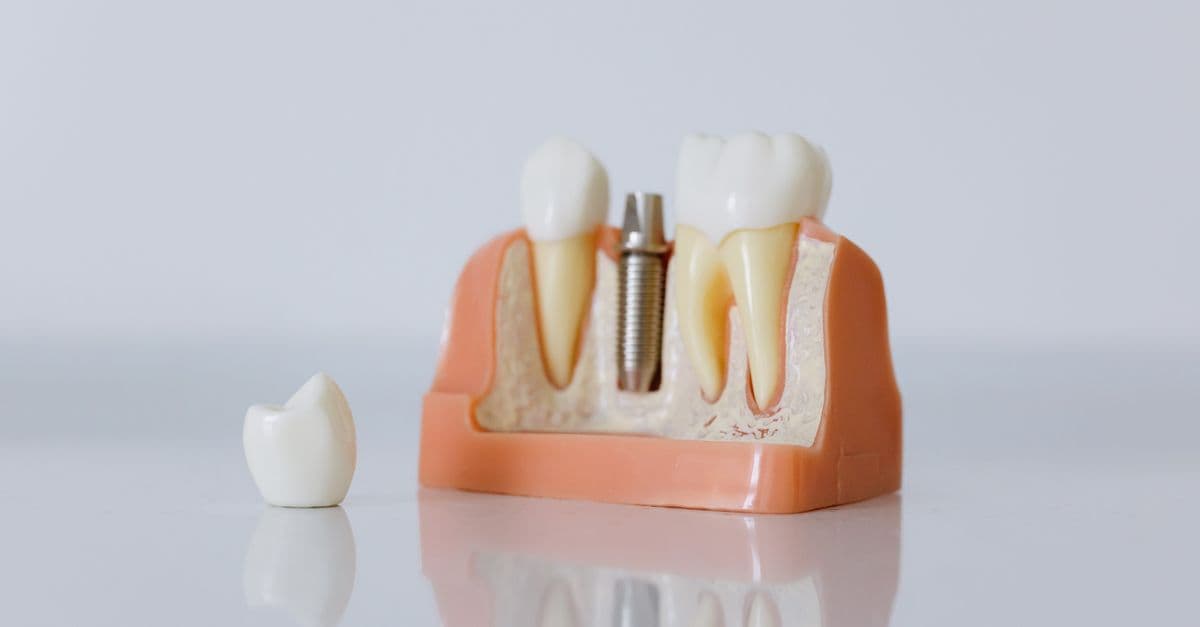
Close-up of a dental implant model featuring artificial teeth and jaw structure.
Human Body

How Do Teeth Work? The Science of Dental Anatomy

Teeth are the only part of the skeleton exposed to the environment, and enamel—the hardest substance in the human body—must withstand decades of grinding, biting, and acid attacks. Unlike bone, enamel cannot regenerate once damaged, making it a one-shot investment in mouth function. Understanding the structure of teeth (enamel, dentin, pulp, cementum), why they fail, and how they differ from bone reveals why dental health requires prevention, not just treatment.


Editorial Team·June 10, 2026·24 min
A soothing back massage performed by a therapist outdoors, focusing on relaxation and well-being.
Human Body

How Do Wounds Heal? The Science of Tissue Repair

Wound healing is a four-stage biological process triggered immediately after injury and lasting weeks to years. Within seconds, platelets plug the wound; within hours, immune cells flood the area and initiate inflammation; over days to weeks, fibroblasts synthesize collagen and new blood vessels form; over months to years, tissue remodels and scars form. Despite apparent simplicity, the process involves coordinated signaling across dozens of cell types, growth factors, and immune mechanisms. Understanding wound healing is critical for treating chronic wounds (affecting 2 percent of the global population) and improving outcomes after surgery, trauma, and burn injuries.

Editorial Team·June 10, 2026·19 min
Shirtless man with beard and shaved head posing against a white background.
Human Body

How Does Hair Grow? The Science of the Hair Cycle

Hair growth is driven by a complex, cyclical process occurring within the hair follicle, a specialized pocket of skin containing stem cells, blood vessels, and sebaceous glands. Each hair shaft is made primarily of keratin, a structural protein also found in nails and skin, layered into three distinct tissue structures: the medulla, cortex, and cuticle. Rather than growing continuously, hair moves through four distinct phases—anagen (growth), catagen (transition), telogen (resting), and exogen (shedding)—which determine whether a hair is actively lengthening, preparing to detach, or falling out. Hair color stems from melanin production in the follicle's base, while hair graying occurs when melanin-producing cells exhaust their stem cell reserves.

Editorial Team·June 10, 2026·21 min
A close-up shot of an intimate and gentle embrace showcasing human connection.
Human Body

How Does the Sense of Touch Work? The Somatosensory System Explained

Touch is a unified sense that detects four distinct stimulus types — pressure, temperature, pain, and vibration — through specialized nerve endings called mechanoreceptors and nociceptors distributed across the skin and deeper tissues. Each receptor type targets a specific frequency band and depth: Meissner corpuscles detect gentle touch and texture at 10–40 Hz, Merkel cells sense sustained pressure and edges, Pacinian corpuscles detect vibration at 200–300 Hz, and Ruffini endings monitor skin stretch. Signals travel through the spinal cord to the thalamus and then to the somatosensory cortex, where a topographic body map called the sensory homunculus allocates disproportionate cortical real estate to sensitive regions like fingers and lips. Understanding touch explains why two-point discrimination (the ability to feel two separate contacts) is exquisite in fingertips but coarse on the back, how proprioception keeps us aware of limb position, and why the discovery of PIEZO channels in 2021 won a Nobel Prize.

Editorial Team·June 10, 2026·21 min
Close-up of people covered in glitter posing artistically with intertwined hands.
Human Body

Why Do We Feel Pain? The Science of Nociception

Pain is not a sensation but a perception — the brain's interpretation of a threat signal from specialized nerve endings called nociceptors. When you touch a hot stove, nociceptors detect the temperature change and fire electrical signals up the spinal cord to the brain. The brain then constructs the feeling of pain, which is why you can feel pain from a phantom limb that no longer exists, or feel no pain during surgery under anesthesia despite injury. Pain serves a critical protective function, preventing injury, but when it persists beyond healing (chronic pain), it becomes a malfunction of the nervous system.

Editorial Team·June 10, 2026·22 min
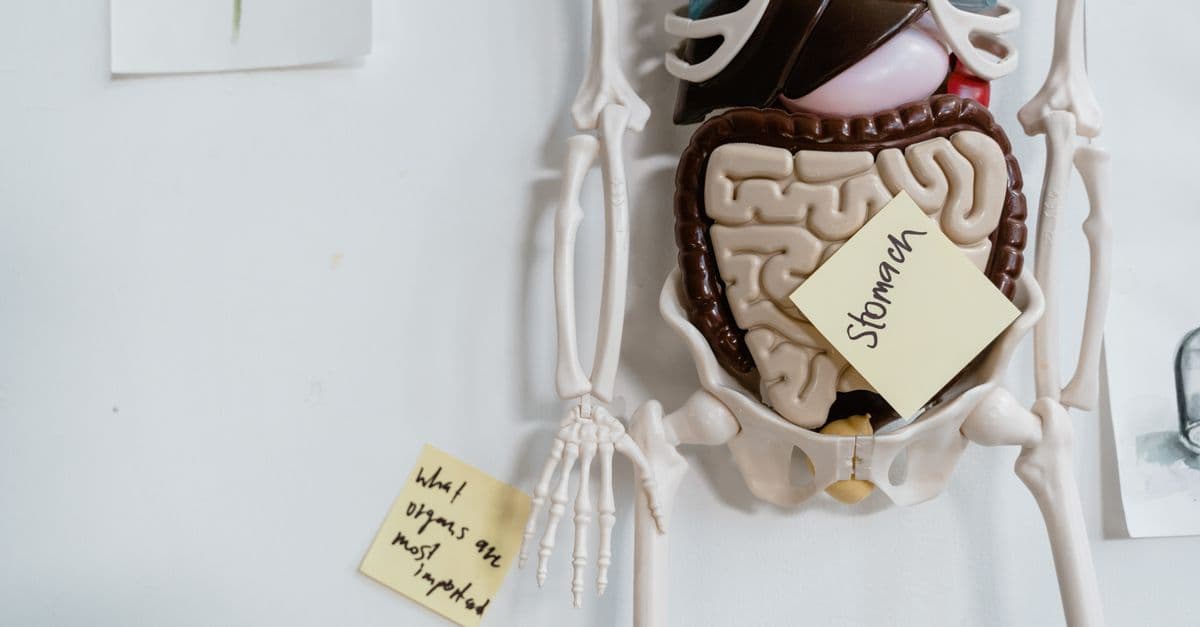
Close-up of anatomical model with sticky notes highlighting the stomach and other parts.
Human Body

Why Do We Get Fevers? The Science of the Fever Response

A fever is not an illness but a weapon—your immune system's coordinated response to infection that raises your body's set-point temperature. When pathogens invade, immune cells release signaling molecules called pyrogens that travel to the brain and reset the temperature thermostat from 37°C to 39°C or higher. This increase is controlled and purposeful: the higher temperature slows bacterial growth, accelerates immune cell activity, and enhances antiviral proteins. Understanding fever as an adaptive defense explains why suppressing it indiscriminately can sometimes hinder recovery, yet also reveals when dangerous fevers require immediate treatment.

Editorial Team·June 10, 2026·17 min
Child learning anatomy using a human skeleton model with organs.
Human Body

Why Do We Get Goosebumps? The Science of Piloerection

Goosebumps are involuntary contractions of arrector pili muscles attached to hair follicles, triggered by cold, fear, or intense emotion. The response is mediated by the sympathetic nervous system and adrenaline, the same system that drives fight-or-flight reactions. In our evolutionary past, when humans were covered in body hair, piloerection served two critical functions: thermal regulation in cold environments and threat display to appear larger and more intimidating to predators. Today, as mostly hairless creatures, goosebumps persist as a vestigial reflex—a relic of our evolutionary history that no longer serves its original purpose but remains embedded in human physiology. Paradoxically, goosebumps can also be triggered by aesthetic and emotional experiences, including music, awe, and profound beauty.

Editorial Team·June 10, 2026·21 min
Athletic man in sportswear drinking water outdoors, promoting hydration.
Human Body

Why Do We Get Thirsty? The Science of Thirst and Fluid Balance

Thirst is not simply a desire for water—it is a complex neural signal triggered by osmoreceptors in the brain that detect changes in blood salt concentration and osmotic pressure. When you lose even 1 percent of your body's water, osmoreceptors in the hypothalamus fire, signaling the anterior pituitary to release vasopressin (ADH), which forces your kidneys to retain water and triggers the conscious sensation of thirst. Remarkably, your brain also drinks before it needs to, through anticipatory thirst, based on learned cues and past dehydration experiences. Understanding thirst reveals how your body maintains the precise electrolyte balance required for every cell to function, and why the myth of '8 glasses a day' is neurobiologically inaccurate.

Editorial Team·June 10, 2026·24 min
Bald acrobat performing a contortion pose on a wooden desk, showcasing extreme flexibility.
Human Body

How Does the Sense of Balance Work? The Vestibular System Explained

Balance is not a single sense but a symphony of three systems working in concert: the vestibular system (inner ear acceleration sensors), proprioception (body position awareness), and vision. The vestibular system contains the semicircular canals (which detect rotation) and the otolith organs (which detect linear acceleration and head tilt). Damage to any component creates the sensation of spinning, nausea, and falls. Understanding how the brain fuses these signals explains vertigo, motion sickness, and why astronauts become disoriented in microgravity where the vestibular system receives no gravitational input.

Editorial Team·June 4, 2026·18 min
A dramatic black and white portrait of a woman sitting in a contemplative pose.
Human Body

Why Do We Blush? The Science Behind Facial Flushing

Blushing is an involuntary reddening of the face triggered by emotional arousal — embarrassment, shame, attention, or self-awareness. Unlike sweating or trembling, blushing is mediated by the sympathetic nervous system and involves dilation of blood vessels in the face and neck. The capillaries in facial skin dilate dramatically, flooding the skin with blood and producing the characteristic red color. Paradoxically, humans appear to be the only species that blushes; other primates do not show this response. Blushing is believed to have evolved as an honest signal of social distress or vulnerability, one that cannot be easily faked, making it a critical element of human social communication.

Editorial Team·June 4, 2026·20 min
Close-up of a woman applying moisturizer to her arm in a studio setting.
Human Body

How the Body Regulates Temperature: The Hypothalamic Thermostat, Sweating, Shivering, and Fever

The human body maintains core temperature within a range of less than 1°C (1.8°F) despite external temperatures swinging 60°C or more across seasons, and despite internal heat generation that — in hard exercise — rises to 20 times the resting rate. This precision requires a thermostat, an active cooling system, an emergency heating system, and dedicated fat that burns itself to generate warmth. None of it is conscious. Here is how thermoregulation actually works.

Editorial Team·June 2, 2026·17 min
Black and white flat lay of various anatomical models including skull, rib, and brain.
Human Body

How Bones Work: Living Tissue, Remodeling, Marrow, and Why Bone Beats Steel by Weight

A cubic centimeter of compact bone can withstand about 170 megapascals of compressive stress — comparable to reinforced concrete, at a fraction of the weight. But unlike concrete, bone is alive. It has its own blood supply, repairs cracks autonomously, completely replaces its mineral matrix every 10 years, and simultaneously serves as the body's primary calcium reservoir and the factory producing every blood cell in your body. Here is how it all works.

Editorial Team·June 2, 2026·15 min