Skip to content
ISSUE 10.28.26/24 CATEGORIES

evolution

50 articles tagged with #evolution

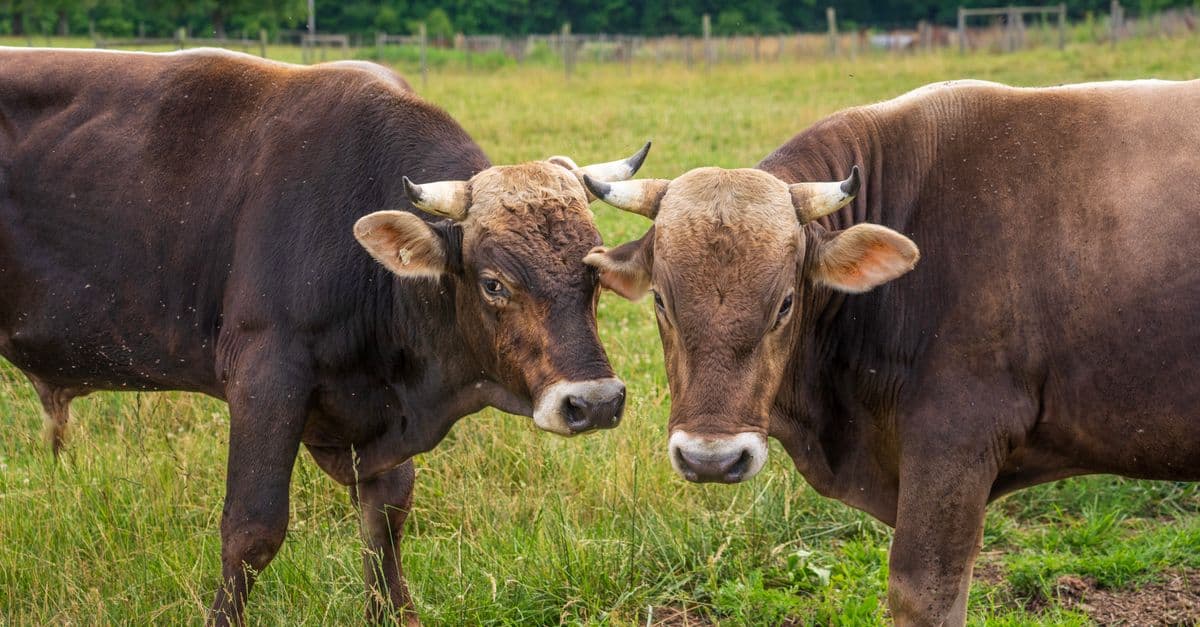
Close-up of two brown cows with horns relaxing in a green pasture.
Animals

How Animals Were Domesticated: Genetics, Behavior, and the Domestication Syndrome

Dogs diverged from wolves at least 15,000 years ago — possibly 40,000 years ago — and the transformation involved not just behavioral tameness but a cascade of physical changes no one selected for: floppy ears, piebald coats, shortened snouts, reduced brain volume. The same cluster of traits appears in domesticated cattle, pigs, horses, and foxes bred in a 60-year Russian experiment. This pattern has a name, a mechanistic explanation, and implications for understanding a transition that reshaped the human species.
Editorial Team·June 2, 2026·18 min
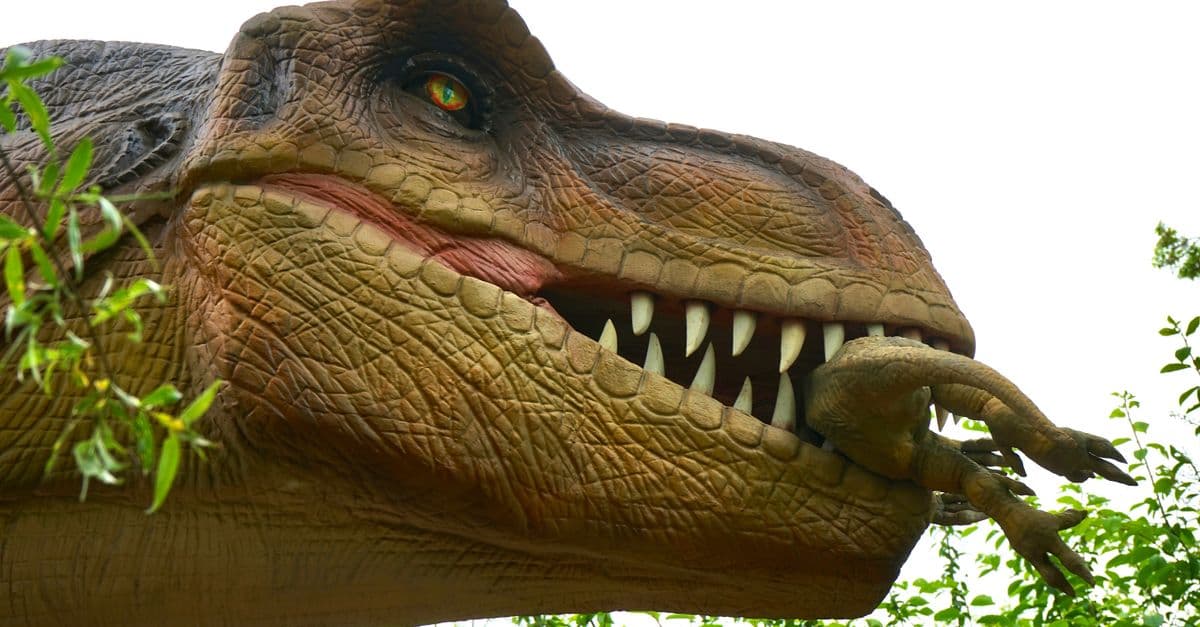
Detailed image of a Tyrannosaurus rex model in an outdoor setting, showcasing teeth and predator features.
Dinosaurs

How Did Dinosaurs Evolve Into Birds? The Theropod-Bird Transition

Birds are not the descendants of dinosaurs. Birds are dinosaurs — a lineage of small feathered theropods that survived the end-Cretaceous extinction and now numbers approximately 10,000 living species. The transition from ground-running theropod to flying bird is documented in extraordinary fossil detail, and nearly every defining feature of modern birds turns out to have a dinosaurian precursor.

Editorial Team·June 2, 2026·18 min
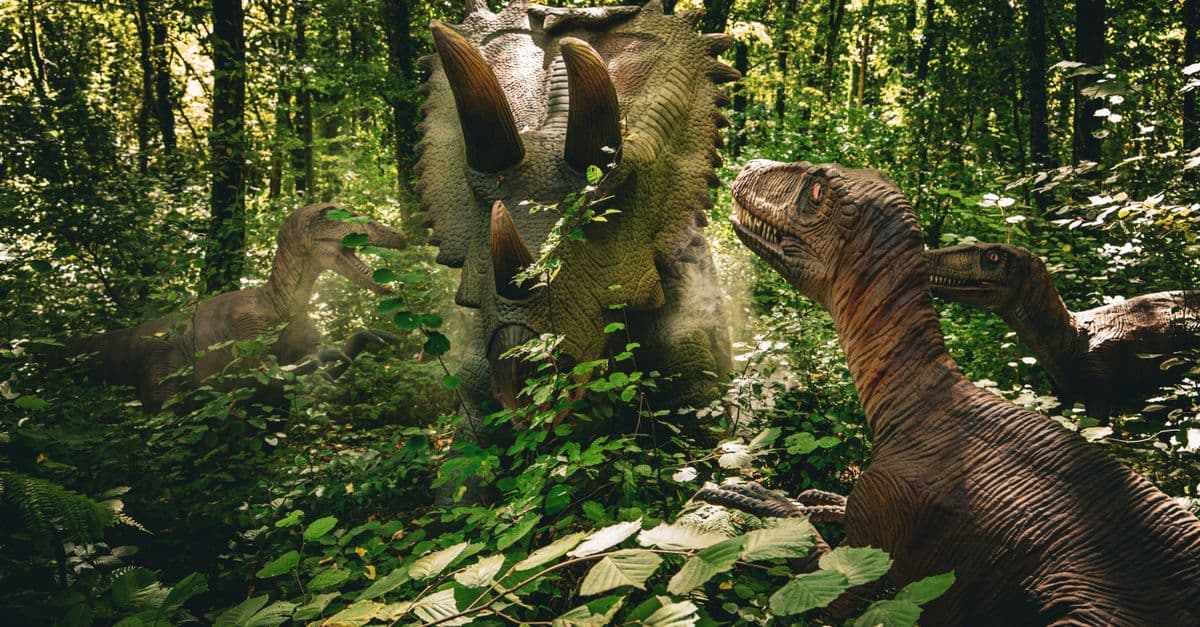
Realistic dinosaur models in a lush forest create an educational prehistoric scene.
Dinosaurs

The First Dinosaurs: Triassic Origins and the Rise of a Dynasty

Dinosaurs did not begin as rulers. They spent the first 30 million years of their existence as minor players in ecosystems dominated by other animals, squeezed into a world recovering from the most catastrophic extinction in Earth's history. Understanding where dinosaurs came from requires understanding the strange, forgotten world they were born into.

Editorial Team·June 2, 2026·17 min
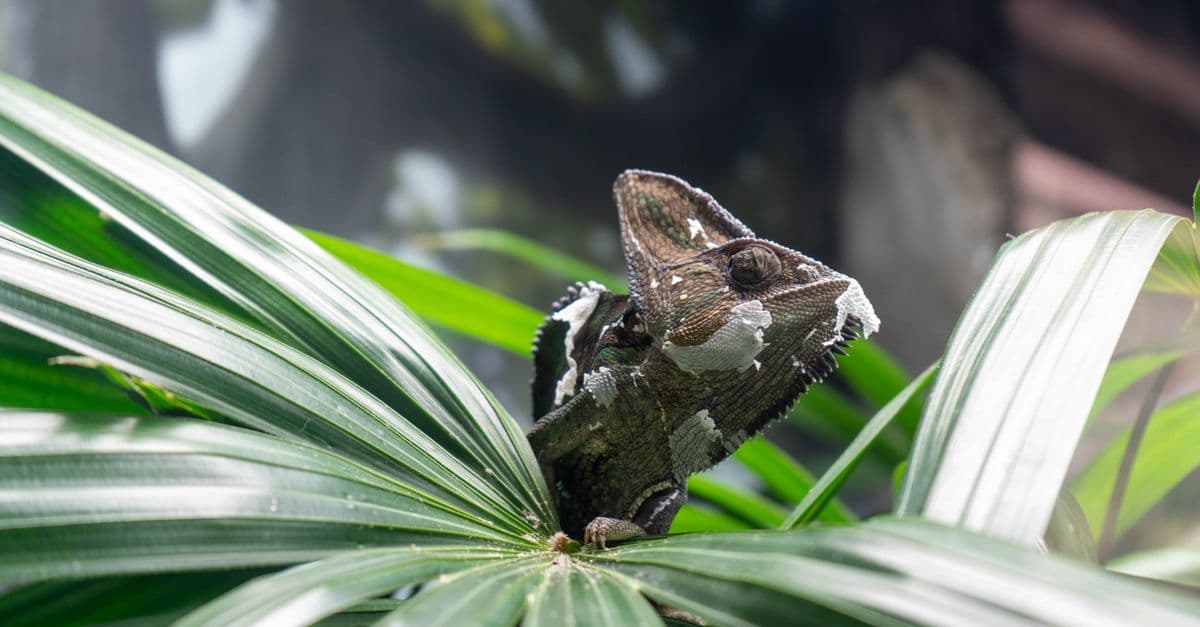
A chameleon blending in with its lush green surroundings in a natural habitat.
Animals

How Animal Camouflage Works: Crypsis, Mimicry, and the Biology of Invisibility

A cuttlefish can reproduce the texture of a gravel bed on its skin — in complete darkness. Chameleons change color not primarily to hide, but to communicate. A stick insect's body plan is so precise that its eggs mimic seeds, tricking ants into carrying them to new locations. Camouflage is not a coat of paint; it is a complete biological system built by evolution over hundreds of millions of years.

Editorial Team·June 2, 2026·18 min
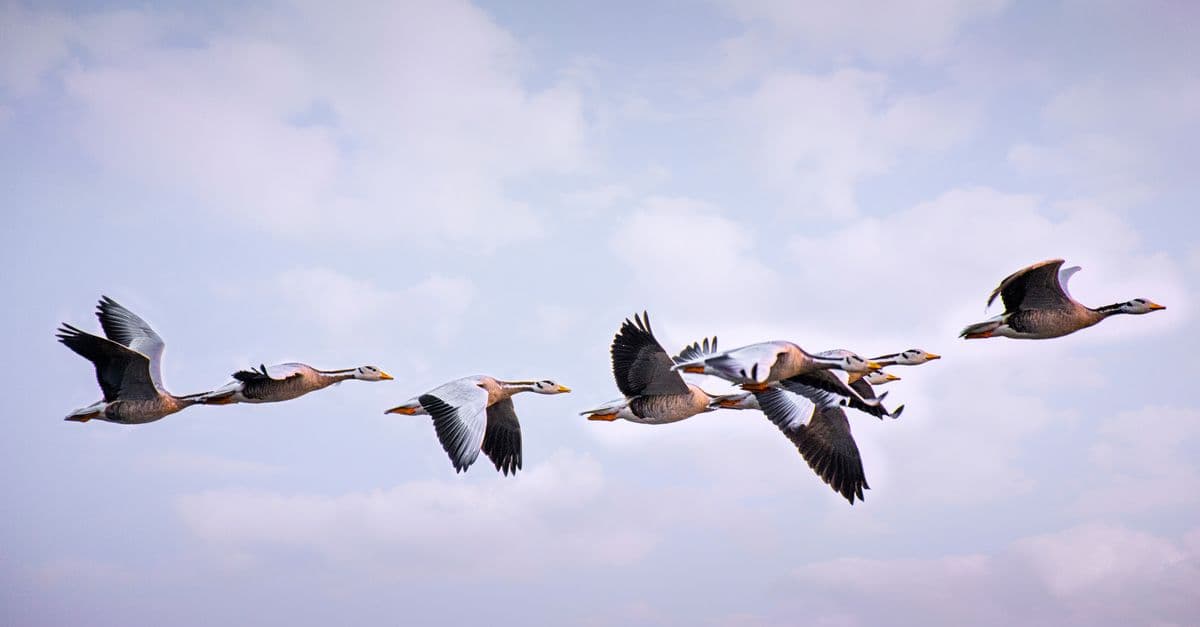
Side view of bar headed geese flipping wings while floating together over cloudy sky
Animals

How Do Birds Migrate Thousands of Miles: Navigation, Fat, and Flight

An Arctic tern chick hatches in Greenland, fledges, and within weeks makes its first 70,000 km round-trip migration to Antarctica — a journey it has never made before, with no experienced adult to follow. By the end of its 30-year life, it will have flown the equivalent of three trips to the Moon and back. The mechanisms behind this feat involve quantum physics, internal clocks, and a navigation system more sophisticated than anything human engineers have yet replicated.

Editorial Team·June 2, 2026·18 min