The Fox Domestication Experiment: Breeding Tameness in Real Time
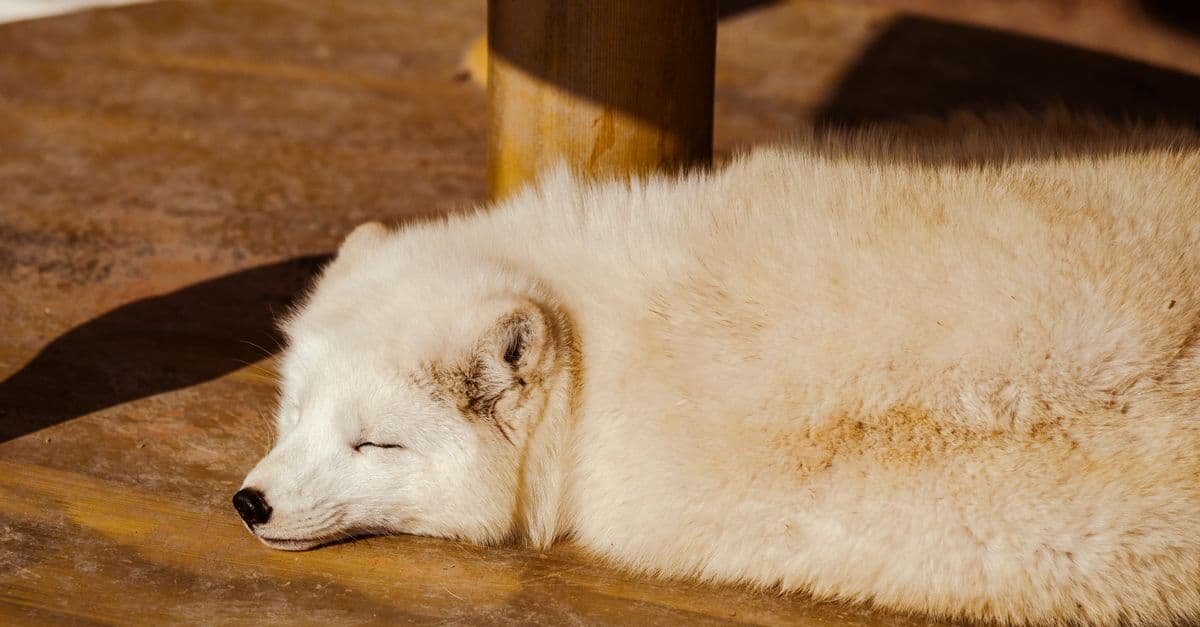
Photo: Suki Lee / Pexels
When dogs were domesticated from wolves, the process took thousands of years and left no written record. Dmitry Belyaev decided to watch it happen instead. Beginning in 1959 with 130 silver foxes purchased from Soviet fur farms, he ran a selective breeding program so methodical and so long-lasting that it is still running today. His central claim — that selecting for one behavioral trait, tameness, would automatically produce the full suite of physical changes seen in domesticated animals — proved correct within a human lifetime, and it fundamentally changed how biologists understand what domestication actually is.
Why Belyaev Started the Experiment
The political context matters. In 1959, Soviet genetics was still recovering from the era of Trofim Lysenko, the politically connected agronomist whose rejection of Mendelian genetics had dominated Soviet biology for nearly three decades. Lysenko's doctrines had effectively banned genetics as a field of inquiry, and practicing geneticists faced career destruction or worse. Belyaev himself had been dismissed from his position at the Central Research Laboratory of Fur Breeding in Moscow in 1948 for refusing to abandon Mendelian principles.
By 1959, when Belyaev became director of the Institute of Cytology and Genetics in Novosibirsk (part of the new Siberian Branch of the Soviet Academy of Sciences, established away from Moscow's political pressures), Lysenkoism was losing its grip but had not yet been formally repudiated. Belyaev needed to frame his domestication work as an applied fur-farming problem — improving the productivity and manageability of farm animals — to conduct genetics research under political cover.
Source: Trut, L.N. (1999), "Early canid domestication: The farm-fox experiment," American Scientist 87(2), 160–169 — Lyudmila Trut's account of the experiment's origins, including the political context and Belyaev's motivations.
Dmitry Konstantinovich Belyaev (1917–1985) was a geneticist and the younger brother of Nikolai Belyaev, also a geneticist. Dmitry had a specific scientific question in mind that went beyond fur farming: he believed that domestication was primarily a selection process acting on behavior — on reduced fearfulness of humans — and that this behavioral selection drove the physical changes associated with domesticated animals through shared developmental and hormonal pathways.
The hypothesis was testable. If you selected animals purely for behavioral tameness, the physical changes should appear automatically, as a byproduct of the developmental biology involved.
The Animals and the Starting Conditions
Silver foxes (Vulpes vulpes) are not wolves, but they are members of the same order (Carnivora) and had been kept on Soviet fur farms since the early twentieth century. Farm foxes were not domestic animals in the behavioral sense — they were wild animals kept in captivity, and they reacted to humans with the fear and aggression typical of wild foxes. They bit, they fled, and they required careful handling to avoid injury.
Source: Belyaev, D.K. (1979), "Destabilizing selection as a factor in domestication," Journal of Heredity 70(5), 301–308 — Belyaev's own theoretical account of the selection process and the domestication hypothesis.
Belyaev and his colleague Lyudmila Trut, who would eventually take over leadership of the experiment after his death in 1985, developed a standardized tameness test. An experimenter approached each fox's cage and attempted to hand-feed and pet the animal. The fox's response was scored on a scale:
Class III: The fox bites or flees aggressively when approached — the typical farm-fox response.
Class II: The fox allows approach but shows no positive social behavior. Passive tolerance.
Class I: The fox shows positive social responses — approaches the human, allows petting, shows no fear.
Elite class (tame): The fox actively seeks human contact, wags its tail, whines when the human leaves, licks hands, and behaves socially in the manner of a domestic dog.
Only the top 10% in each generation — the tamest foxes by this scoring — were allowed to breed. In some generations, the selection threshold was even stricter.
What Happened, Generation by Generation
The speed of the response to selection surprised even Belyaev. The experiment did not require centuries. It did not require decades. Meaningful changes appeared within years.
| Generation | Notable Change |
|---|---|
| 1–3 | Some reduction in fear response; foxes tolerate approach more readily |
| 4 | First "elite tame" individuals appear (approximately 1.8% of the tame line) |
| 6 | 4 out of 213 foxes classified as elite tame (~1.9%) |
| 10 | Tame foxes show earlier social bonding window; floppy ears appear in some individuals |
| 10–15 | Piebald coat patches, curled tails, and shortened legs appear in tame line |
| 15–20 | Corticosteroid (stress hormone) levels in tame foxes approximately half those of control line |
| 30–35 | Tame foxes show altered serotonin metabolism; skulls and snouts measurably shorter |
| 45+ | Almost all foxes in tame line classified as elite tame; domestication syndrome fully expressed |
Source: Trut, L.N., Oskina, I. & Kharlamova, A. (2009), "Animal evolution during domestication: The domesticated fox as a model," Bioessays 31(3), 349–360 — a comprehensive review of the experimental results through generation 45.
By the time Belyaev died in 1985, after 26 years and roughly 25 generations, the tame fox line had been transformed. By generation 45, the experiment had produced foxes that were, behaviorally, essentially dog-like in their relationship to humans, and physically altered in ways that no one had deliberately selected for.
The Physical Changes No One Selected For
This is the most scientifically striking aspect of the experiment. Belyaev selected only for tameness — the behavioral trait scored in the approach-and-petting test. He did not select for ear shape, coat color, tail curvature, skull size, or any other physical feature. Yet those features changed anyway.
Floppy ears: Wild foxes and farm foxes have erect, pointed ears. Tame line foxes began developing ears that remained floppy past the early neonatal period, resembling the pendulous ears of many dog breeds.
Piebald coat: Wild silver foxes are consistently silver-black. Tame line foxes began showing white patches — areas of depigmentation that produced a piebald or spotted appearance similar to many domesticated mammals.
Curled tail: The tame foxes' tails began curling upward and toward the back, resembling the curled tails of some dog breeds rather than the straight, brush-like tail of a wild fox.
Shortened muzzle and altered skull: Measurements of skull dimensions showed that the tame line foxes had shorter snouts and slightly altered cranial proportions compared to control-line foxes.
Extended juvenile social period: Wild fox cubs have a developmental window during which they are receptive to socialization with other species. This window closes earlier in wild foxes than in the tame line, where it remains open longer — allowing tame foxes to form bonds with humans during a developmental stage when wild foxes have already moved toward adult wariness.
Source: Trut et al. (2009), Bioessays 31(3) — detailed measurements of morphological changes across generations, including ear angle, tail curvature, and skull morphology.
These physical changes collectively constitute what researchers now call the domestication syndrome — the cluster of physical and behavioral traits that appear across many independently domesticated species, from dogs and cats to cattle, pigs, and horses.
Domestication syndrome — the suite of traits including floppy ears, piebald coloration, reduced skull size, curled tails, and extended juvenile behavior that appear in domesticated animals and that appear to share developmental and genetic underpinnings.
Why Tameness Produces Physical Changes: The Hormonal Hypothesis
Belyaev's original explanation connected behavior and morphology through the stress-response axis. He hypothesized that selecting for reduced fear of humans was selecting for animals with reduced adrenal reactivity — less cortisol and corticosterone flooding the developing brain when a human approached. These stress hormones interact with developmental pathways that control pigmentation, ear cartilage development, and skull growth.
Neural crest cells — cells that migrate during early embryonic development and contribute to a wide range of tissues including pigment cells, craniofacial cartilage and bone, and parts of the peripheral nervous system — are affected by the same developmental signals that regulate stress response pathways. Altering the stress axis through selection could plausibly affect the migration and differentiation of neural crest cells, producing coordinated changes in pigmentation, skull morphology, and ear shape.
Source: Wilkins, A.S., Wrangham, R.W. & Fitch, W.T. (2014), "The 'domestication syndrome' in mammals: A unified explanation based on neural crest cell behavior and genetics," Genetics 197(3), 795–808 — the neural crest hypothesis, which formalized the mechanistic link between tameness selection and domestication syndrome traits.
The measured corticosteroid data supported this. By generation 15, baseline plasma corticosterone levels in tame-line foxes were roughly half those of control-line foxes — a substantial reduction in the resting level of the primary stress hormone.
Source: Trut, L.N. (1999), American Scientist 87(2) — reports the corticosteroid reduction and interprets it in terms of the adrenal/developmental mechanism.
Think of it like this: selecting for foxes that do not panic when a human approaches is selecting for foxes whose adrenal stress response is calibrated differently. That calibration difference turns out to be upstream of a developmental pathway that shapes many physical features of the growing animal. Pull one thread — calm behavior — and you pull a whole connected system.
The Genetic Findings
For decades, the fox experiment was a behavioral and developmental story without a detailed genetic account. That changed as genomic tools matured. In 2018, a team led by Anna Kukekova at the University of Illinois published a comprehensive genomic analysis of the tame and aggressive fox lines.
Source: Kukekova, A.V. et al. (2018), "Red fox genome assembly identifies genomic regions associated with tame and aggressive behaviours," Nature Ecology & Evolution 2(9), 1479–1491 — the genome assembly and genomic comparison between tame and aggressive fox lines.
The analysis identified a set of genomic regions that differed in allele frequencies between the tame and aggressive lines. These regions were not randomly distributed — they were enriched in genes involved in neurotransmitter signaling, particularly the serotonin and glutamate receptor pathways, as well as genes affecting neural crest cell migration and craniofacial development.
A parallel study by Lindblad-Toh and colleagues from a different angle found that domestication-related genomic regions in dogs and in Belyaev's foxes shared significant overlap, providing molecular-level support for the idea that dog domestication from wolves involved selection on similar genetic machinery.
Source: Axelsson, E. et al. (2013), "The genomic signature of dog domestication reveals adaptation to a starch-rich diet," Nature 495, 360–364 — dog domestication genomics study that identified behavioral and neurological genes under selection, providing context for the fox findings.
The Aggressive Line: The Experiment's Other Half
Less often discussed but scientifically equally important, Belyaev also established a parallel selection line in the opposite direction: selecting only the most aggressive foxes in each generation to breed. This aggressive line became progressively more reactive and fearful of humans, providing a direct comparison for the tame line's changes.
The aggressive-line foxes did not develop floppy ears or piebald coats. Their stress hormone levels remained high. Their social behavior toward humans became more aversive over generations. This bidirectional divergence — tameness increasing in one line, aggression increasing in another, from the same starting population — confirmed that the traits were heritable and that the changes in the tame line were not due to environmental habituation or learning but to genetic selection.
Source: Trut et al. (2009), Bioessays 31(3) — describes the aggressive line, its behavioral characteristics, and its contrast with the tame line.
This is the experimental control that makes the fox experiment scientifically powerful in a way that historical data about dog domestication cannot match. Belyaev did not just show that tame foxes became tamer — he showed that simultaneously, foxes selected for aggression became more aggressive, and the two lines diverged on every measured dimension from behavior to morphology to neurochemistry.
What the Experiment Tells Us About Dog Domestication
The prevailing hypothesis for how wolves became dogs involves a scenario something like this: wolves that were less fearful of human habitations gained access to food sources near human settlements, survived better, reproduced more, and gradually shifted toward a human-tolerant phenotype through natural selection. The fox experiment does not prove this happened — it was not designed to — but it shows that the mechanism is biologically feasible and that the timescale is shorter than many assumed.
If selection for tameness alone can produce a fox that behaves like a dog in six generations of deliberate artificial selection, and the full domestication syndrome is largely complete by generation 45, then the 15,000 to 40,000-year history of dog domestication involved selection pressures orders of magnitude weaker than Belyaev's 10% selection threshold. The timescale is consistent.
Source: Freedman, A.H. et al. (2014), "Genome sequencing highlights the dynamic early history of dogs," PLOS Genetics 10(1), e1004016 — genomic dating of dog domestication, placing the split from wolves at 11,000–16,000 years ago in the most conservative estimates, with some evidence for earlier divergence.
The experiment also has implications for human evolution. Richard Wrangham and others have proposed that Homo sapiens may have undergone a form of self-domestication — selection over tens of thousands of years for reduced reactive aggression — and that the domestication syndrome may partly explain certain aspects of human anatomy, including reduced brow ridges, smaller teeth, and rounder skulls compared to archaic hominids.
Source: Wrangham, R. (2019), The Goodness Paradox: The Strange Relationship Between Virtue and Violence in Human Evolution, Pantheon — the self-domestication hypothesis applied to human evolution.
The Current State of the Experiment
Lyudmila Trut continued running the experiment after Belyaev's death in 1985. As of the mid-2020s, the program at Novosibirsk has continued for over 65 years and more than 50 generations, making it one of the longest-running genetic selection experiments in the world. The foxes are now sufficiently tame to be kept as pets, and a number of tame-line foxes have been placed in homes, both for behavioral research purposes and through a limited commercial sales program.
The institute has faced funding pressures since the dissolution of the Soviet Union, and there have been periods of financial difficulty that threatened to end the experiment. International collaborations, particularly with researchers in the United States, have helped sustain it.
Source: Trut, L., Dugatkin, L.A. (2017), How to Tame a Fox (and Build a Dog), University of Chicago Press — a popular account of the experiment's history and current status, written by Trut and science writer Lee Alan Dugatkin.
The Takeaway
Belyaev's silver fox experiment is one of the most conceptually elegant in twentieth-century biology. By selecting for a single behavioral trait — willingness to approach a human without fear — he produced animals that look, act, and neurochemically resemble domesticated dogs, in a timescale short enough to be observed and measured in a single human career. The physical changes no one selected for appeared anyway, connected to the behavioral changes through shared developmental pathways involving stress hormones and neural crest cell behavior. The experiment transformed domestication from a historical mystery into a biological process that can be watched in real time, and it provided both a mechanistic model and a genetic toolkit for understanding how the animals that live alongside humans came to be the way they are.
Read next:
- The Pavlov Classical Conditioning Experiment
- The Harlow Monkey Experiment
- The Little Albert Experiment
Q: Are the tame Belyaev foxes actually the same as dogs?
A: No. They are still foxes (Vulpes vulpes), a different genus from dogs (Canis lupus familiaris). The tame foxes behave in dog-like ways toward humans but have not undergone the full suite of anatomical, physiological, and genomic changes that distinguish domestic dogs from wolves. The experiment is a model for domestication, not a replication of it.
Q: Why did Belyaev use foxes rather than wolves if he was interested in dog domestication?
A: Practical considerations dominated. Silver foxes were already maintained on Soviet fur farms in large numbers, making it feasible to select from hundreds of animals per generation. Wolves require far more space and resources per animal, reproduce more slowly, and were not available in agricultural settings at the required scale. The fox's behavioral similarity to a pre-domestication canid made it a reasonable model organism for the domestication question.
Q: How long does each generation take in the fox experiment?
A: Silver foxes reach sexual maturity at approximately one year of age and have litters once per year, with an average litter size of five to six pups. Each generation therefore takes roughly one year, meaning that 45 generations of selection represent approximately 45 years — the entire span of the experiment through the mid-2000s.
Q: Did Belyaev also test whether the tame foxes' offspring retained tameness without further selection?
A: Yes. Once a sufficiently tame line was established, the researchers confirmed that pups born to tame parents showed tame behavior even without specific socialization training from humans. The tameness was heritable, not a product of individual learning or habituation during upbringing.
Q: What happened to the foxes that scored low on tameness in the tame line?
A: Foxes that did not meet the tameness threshold were not used for breeding in the tame line. In practice at a fur farm, they would have been kept for fur production. The experiment maintained a separate control line of foxes selected randomly (not for tameness) against which the tame line's changes could be compared.
Q: Can you buy one of the tame foxes as a pet?
A: In theory, yes — the Novosibirsk Institute has sold tame-line foxes to individuals in Russia and abroad, and there was a period when a commercial program operated. In practice, obtaining one is difficult, expensive, and subject to import/export regulations. Tame-line foxes are not bred in large enough numbers to constitute a pet industry, and they still require substantial care and enrichment because, while tame, they are not domesticated in the full multi-generational sense that dogs are.
Weekly digest
Stay ahead of the curve
Get the best science, AI, and tech stories delivered to your inbox every week. No spam — unsubscribe any time.
About the Author
SciHub101 is an independent science and technology publication founded and edited by Buğra Sözeri, a software engineer and app developer based in Türkiye. Articles are drafted against peer-reviewed literature and primary sources, fact-checked, and edited by a human before publication. Where we compare products, anything built by our own team is labelled as such — see the editorial guidelines and About page for how corrections and disclosures work.
Related Articles

The Franck-Hertz Experiment: Direct Proof That Atoms Have Quantized Energy Levels
In 1914, James Franck and Gustav Hertz fired electrons through mercury vapor and watched energy disappear in exact 4.9 eV steps — the first direct proof of quantized atomic energy levels.

The Foucault Pendulum: Direct Proof Earth Rotates
In 1851, Léon Foucault hung a 67-meter pendulum from the Pantheon dome and watched its plane rotate. Here is the physics of why that single swing proved Earth spins.
How Animals Were Domesticated: Genetics, Behavior, and the Domestication Syndrome
Dogs diverged from wolves at least 15,000 years ago — possibly 40,000 years ago — and the transformation involved not just behavioral tameness but a cascade of physical changes no one selected for: floppy ears, piebald coats, shortened snouts, reduced brain volume. The same cluster of traits appears in domesticated cattle, pigs, horses, and foxes bred in a 60-year Russian experiment. This pattern has a name, a mechanistic explanation, and implications for understanding a transition that reshaped the human species.
Mendel's Pea Plant Experiments: How Genetics Was Born
Between 1856 and 1863, Gregor Mendel cross-bred 30,000 pea plants and found the mathematical rules of heredity. Here is what he did and why it still defines genetics.
Complete Biology Guide 2026 — How Life Works
The complete guide to biology in 2026: cells and genetics, evolution, the human body, neuroscience, disease, immune systems, and the future of genetic engineering.