animal-behavior
9 articles tagged with #animal-behavior
Experiments
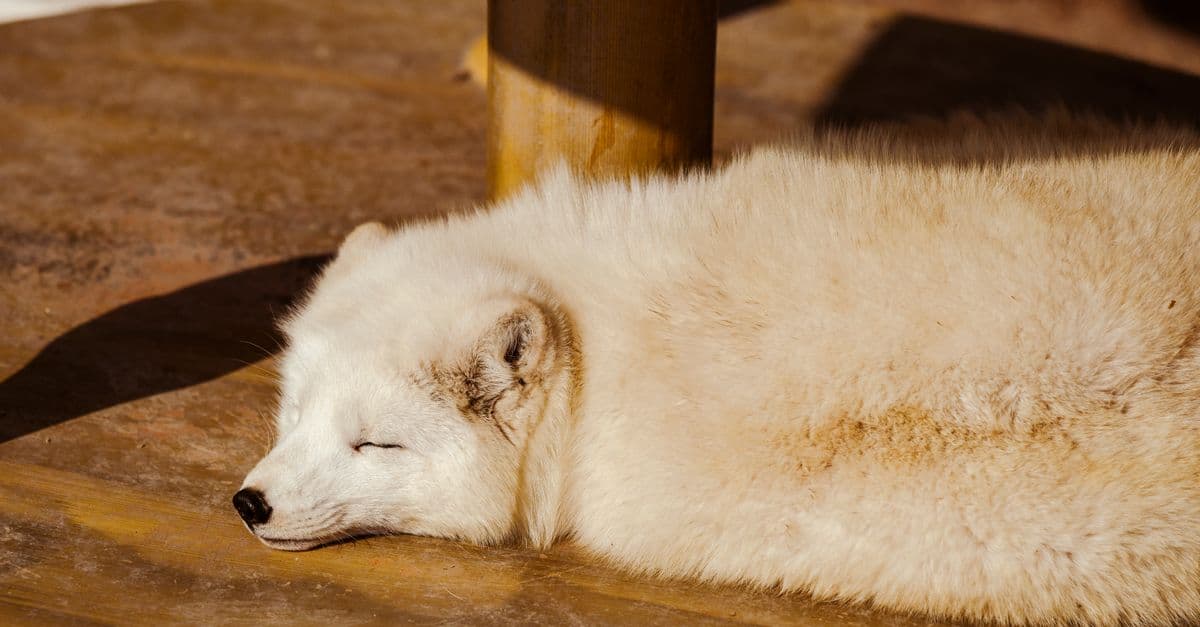
The Fox Domestication Experiment: Breeding Tameness in Real Time
Starting in 1959, Soviet geneticist Dmitry Belyaev selectively bred silver foxes for tameness alone. Within a few generations, the foxes developed floppy ears, piebald coats, and dog-like behavior.
Biology & Health
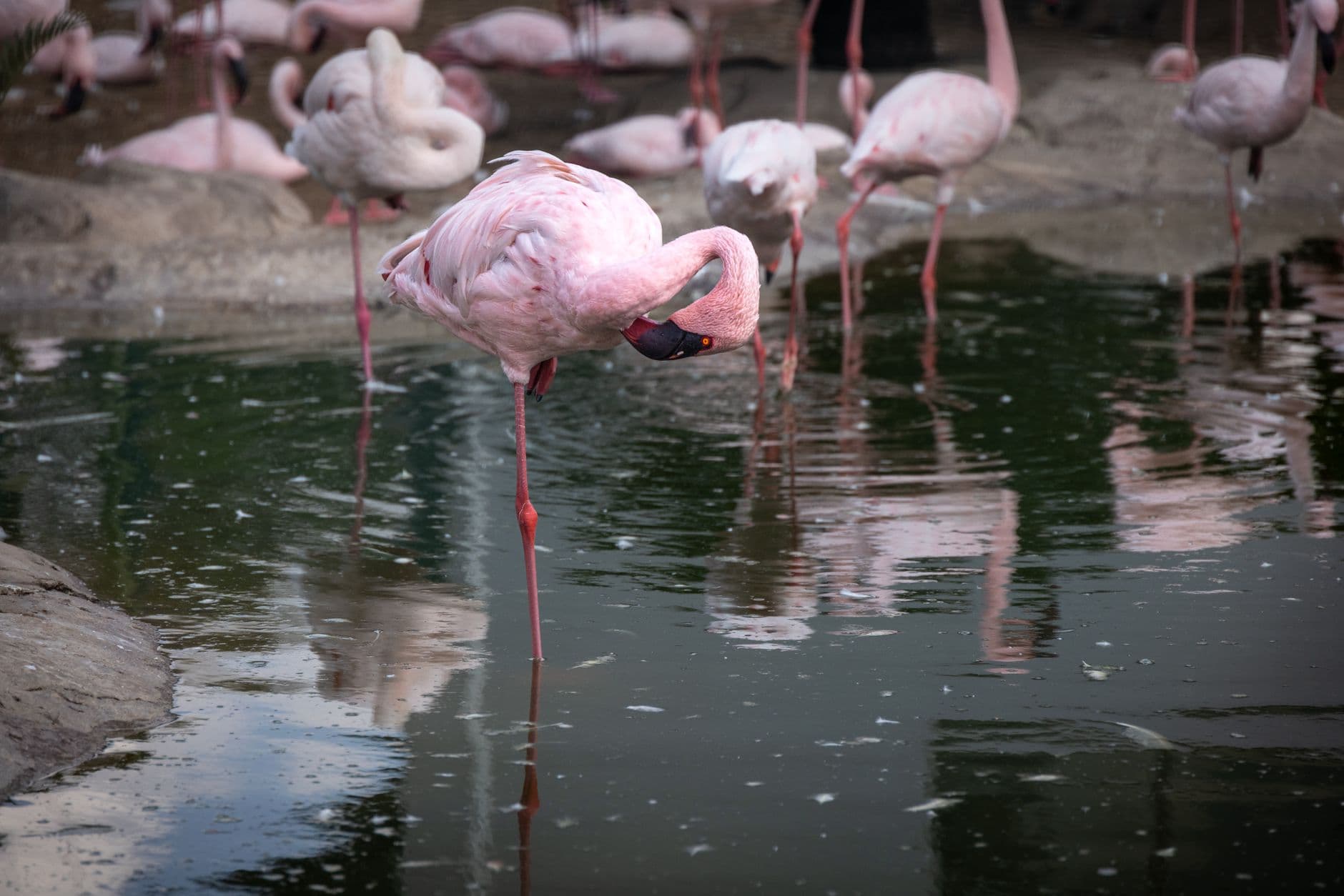
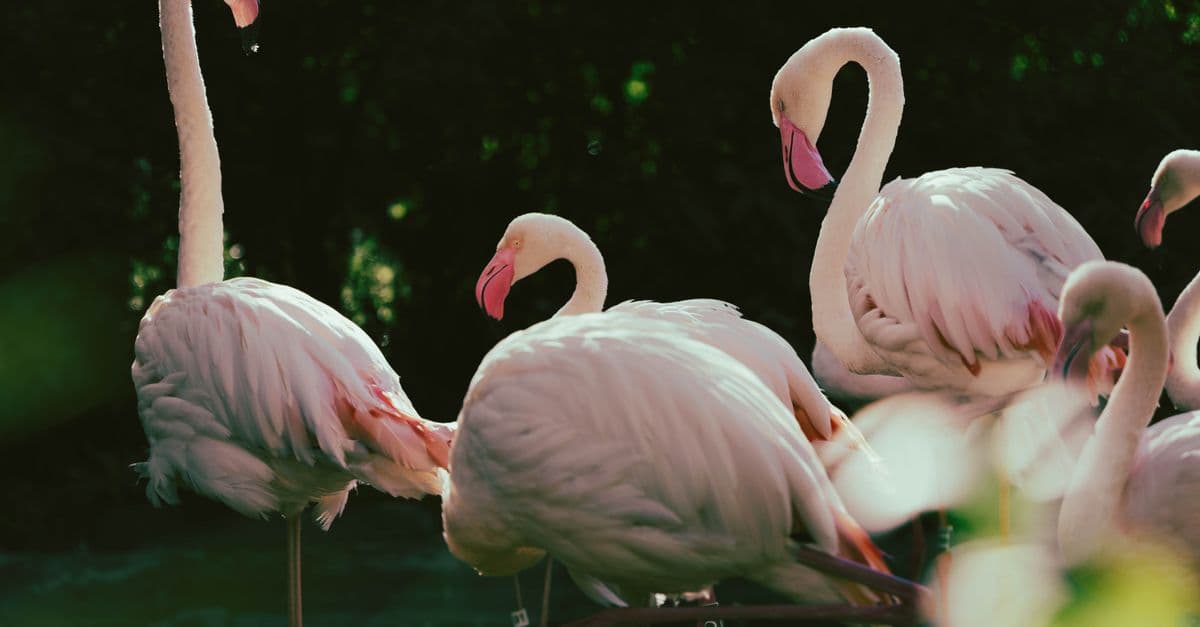
Why Do Flamingos Stand on One Leg? The Science
Flamingos stand on one leg because it's literally easier than two. The biomechanics, thermoregulation, and evolution behind the pink pose.

Biology & Health
Why Are We Ticklish? The Biology of Tickling
Why can't you tickle yourself? The neuroscience of knismesis vs gargalesis, the cerebellum's prediction trick, and why feet/armpits are most ticklish.

Biology & Health
Why Do We Sneeze? The Evolutionary Biology of Sneezing
Why do we sneeze? The evolutionary biology behind sternutation, from 600-million-year-old sponges to wild dogs voting by sneeze to salt-spitting iguanas.
Biology & Health
Animal Sleep: How Different Species Sleep (And Why Some Barely Sleep at All)
Elephants sleep 2 hours a night. Koalas sleep 22 hours. Dolphins sleep with one eye open. Sleep is stranger across the animal kingdom than you imagined.
Biology & Health
How Dogs Understand Humans: The Science of the World's Oldest Partnership
Dogs can read human emotions, follow pointing gestures, and understand hundreds of words — abilities even our closest primate relatives often lack.
Biology & Health
Why Cats Purr: The Science Behind One of Nature's Most Mysterious Sounds
Cats purr when happy, but also when injured, dying, or stressed. The vibration may be self-medicating — healing bones at 25–50 Hz.