Why Cats Purr: The Science Behind One of Nature's Most Mysterious Sounds
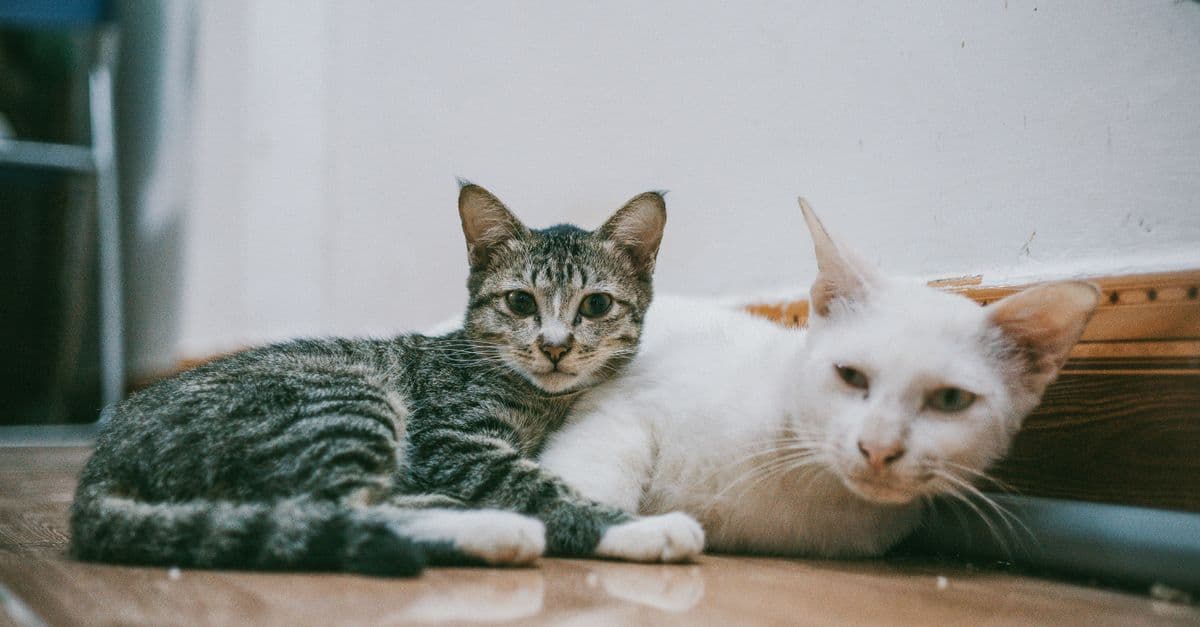
Photo: David Selbert / Pexels
Here is something odd: cats purr when they are happy, but they also purr when they are injured, giving birth, dying, or terrified. If purring were purely an expression of contentment, this would make no sense. Something else is happening — something that scientists have only begun to understand, and which involves physics, bone biology, and a mechanism so unusual that no other animal group has independently evolved it.
Educational content, not medical advice. Talk to your doctor before changing any medication, treatment, or routine. Information here reflects current research but every person's situation differs.
Key takeaways
- Cats produce the purr by rapidly dilating and constricting the glottis (voice box opening) during both inhalation and exhalation — no other large cat group can do this.
- Purr frequencies of 25–50 Hz have been shown in laboratory studies to promote bone density, tendon repair, and wound healing.
- The "solicitation purr" — used by cats to manipulate humans into feeding them — embeds a high-frequency cry component that triggers caregiver responses in people.
- The purr is both inhalation and exhalation continuous, unlike most vocalizations which occur only during exhalation.
- Domestic cats and some wild felids purr; lions and tigers roar but cannot purr — the laryngeal anatomy is mutually exclusive.
The mechanics: how the purr is made
For decades, the mechanism of purring was misunderstood. One discredited theory held that cats vibrate blood in the vena cava (the large vein returning blood to the heart). The actual mechanism is neurological and muscular, and it is stranger.
Cats purr by a rapid, rhythmic neural signal — firing at 25 to 150 times per second — that causes the muscles of the larynx (voice box) to twitch, dilating and constricting the glottis (the opening between the vocal cords) at that frequency. This creates pressure fluctuations in the airstream during both breathing in and breathing out, producing the characteristic continuous rumble. The rhythm of the purr is maintained by a "neural oscillator" — a pacemaker circuit in the brainstem that fires independently of voluntary control.
This explains why cats continue to purr when they are unconscious, when they are dying, and in situations that seem emotionally neutral. The purr can be a voluntary behavior, but it has a semi-autonomous mechanical underpinning that continues without deliberate initiation.
The physical constraint that allows purring prevents roaring, and vice versa. Big cats like lions and tigers have a hyoid bone (a small bone supporting the larynx) that is partially cartilaginous and flexible — this flexibility allows the vocal folds to vibrate in a way that produces very low-frequency roars. In purring cats (domestic cats, cheetahs, pumas, bobcats), the hyoid is fully ossified (bony) and rigid, which prevents the low-frequency roar but allows the stable neural-driven laryngeal flutter of the purr. Cheetahs purr; lions roar. The anatomy chooses.
The healing hypothesis: bones and the purr frequency
The most striking and medically significant research on purring concerns its frequency. Domestic cat purrs range from about 25 to 50 Hz, with harmonics extending higher. This range is physically interesting because it overlaps almost exactly with the frequencies used in clinical vibrational medicine to promote bone healing.
Studies of bone biology have long known that mechanical loading — vibration, in particular — stimulates osteoblast activity (bone-building cells) and can increase bone density. A 1999 paper by Clinton Rubin and colleagues at SUNY Stony Brook showed that whole-body vibration at 30 Hz improved bone density in animal models. The US Air Force studied low-frequency vibration to counteract bone loss in high-altitude pilots. The frequencies that work best? 25–50 Hz — the purr range.
Veterinary researcher Elizabeth von Muggenthaler proposed the "healing purr" hypothesis: that cats purr partly as a self-healing mechanism, using vibrations to maintain bone density, stimulate tendon repair, and promote wound healing during the prolonged rest periods that feline life involves. Cats sleep 12–16 hours per day, and extended rest is known to cause bone loss in mammals. The purr, if it stimulates bone and connective tissue, would counteract this — essentially a built-in physiotherapy system.
Supporting this idea is the clinical observation that cats suffer far fewer post-surgical orthopedic complications than dogs, and broken bones in cats heal more cleanly and quickly relative to body size than in most similarly-sized mammals. Causation is not proven, but the circumstantial evidence is compelling.
The solicitation purr: manipulating humans
Not all purrs are equal, and cats appear to know this. Karen McComb and colleagues at the University of Sussex identified a specific vocalization they called the "solicitation purr" — used by cats almost exclusively when they want to be fed. Unlike ordinary purrs, solicitation purrs embed a higher-frequency cry component (around 300–600 Hz) within the normal purr rumble. This cry component closely resembles the acoustic structure of an infant's hunger cry.
When McComb played recordings of solicitation purrs to human subjects — including people with no cat experience — they rated the purrs as more urgent and less pleasant than ordinary purrs, and were more motivated to respond to them. The effect persisted even when the high-frequency component was removed and listeners could only hear a manipulated version that removed it — they still rated the original as more demanding.
This suggests cats have evolved — or learned — to embed a signal specifically tuned to trigger caregiver responses in humans. Cats essentially hack the mammalian caregiver instinct. The purr says "I am calm" while the embedded cry says "I need attention" — a dual signal that is simultaneously reassuring and demanding.
Cats do not use solicitation purrs with other cats — only with humans. This behavior appears to have developed through domestication, as cats learned which vocalizations reliably produced feeding responses in their human partners.
What Cats Are Actually Saying
Research by Nicholas Nicastro and Michael Owren at Cornell studied human perceptions of cat vocalizations, finding that people could reliably distinguish "positive" from "negative" cat vocalizations — but that this was based primarily on acoustic structure (frequency, rise time, duration) rather than context. The implication is that cats modulate their calls to match human perceptual sensitivity, effectively learning to speak in a frequency dialect that humans can understand.
Jonathan Losos at Harvard has argued that the entire emotional vocabulary of domestic cat vocalizations — meowing, trilling, chirping, chattering at birds — is largely a product of domestication. Adult wild cats rarely meow at each other. The meow appears to be a behavior specifically selected or developed during the 10,000 years of human-cat coexistence, directed almost entirely at humans. Cats do not meow at each other; they meow at us.
The Evolution of Purring in Cats
The ability to purr evolved in the subfamily Felinae (the smaller cats), which diverged from the subfamily Pantherinae (the big roaring cats) approximately 10 million years ago. The anatomical choice made then — a rigid hyoid bone permitting rapid laryngeal flutter instead of a flexible hyoid permitting deep roars — locked the two groups into separate evolutionary pathways. No large cat that roars has ever secondarily evolved purring, and no purring cat has ever evolved roaring. The anatomies are incompatible.
Why did the smaller cats go down this evolutionary path? The current best theory is that purring was selected for because it served multiple functions simultaneously. A sound that could be produced continuously during rest, that communicated contentment and affiliativeness, and that may have accelerated healing during the long rest periods that characterize feline life, would be favoured by natural selection. Unlike roaring (which is metabolically expensive, attracts attention, and serves primarily in mate attraction and territorial defence), purring is cheap to produce and beneficial during rest.
Source: Schötz, S., et al., Journal of Feline Medicine and Surgery (2016) — The Felid Purr: A Phonetic and Biomechanical Analysis.
The fossil record provides limited evidence for this evolution, but the behaviour is so pervasive in modern smaller felids that it likely has deep evolutionary roots.
Purring and Stress: The Paradox of Fearful Purring
One of the most counterintuitive findings in cat research is that cats purr when terrified, in pain, or dying. A cat brought to a veterinary clinic purrs frequently, not because it's content but because it's stressed. This challenged the initial assumption that purring was simply "cat happiness" and led researchers to reconsider the purr's function.
The hypothesis is that purring is partly a self-soothing mechanism. When a cat is stressed, elevated cortisol (stress hormone) levels may trigger the semi-autonomous purr circuit as a way of dampening the stress response. The vibrations themselves may reduce anxiety by stimulating parasympathetic (calming) nervous system pathways. This is sometimes called the "feline self-medication" hypothesis.
Supporting this idea is the observation that stressed or injured cats often seek out safe spaces, rest for long periods, and purr frequently during these rest periods. If the purr frequency genuinely promotes healing (as the bone density research suggests), then a stressed cat that purrs while resting is essentially activating its own therapeutic system while also calming itself.
This dual function — simultaneously expressing affiliation and self-soothing during stress — may explain why purring appears in such diverse emotional contexts. The purr mechanism is a general-purpose anxiety reliever and healing accelerator that gets triggered in any state requiring physiological or emotional regulation.
The Acoustic Signature and Individual Variation
Every cat's purr has an individual acoustic signature — frequency, harmonic structure, and temporal pattern vary considerably. Your specific cat's purr is somewhat unique to it, shaped by body size, laryngeal anatomy, and learned behaviour.
Larger cats produce lower-frequency purrs (some domestic cats purr as low as 16 Hz), while smaller cats may purr at 40–50 Hz or higher. Some cats are "loud purrers" with high acoustic energy, while others produce barely audible purrs. This variation appears to be both innate and learned — kittens' purrs develop distinctiveness over their first weeks of life, suggesting they learn to modulate the purr output in response to parental and social feedback.
The solicitation purr identified by McComb is acoustically distinct not just because of the embedded cry component but also in its overall temporal structure — it's often more urgent and pulsed than a resting cat's continuous purr. Cats appear to modulate purr structure depending on what they're trying to achieve, suggesting a level of vocal control and intentionality that scientists only recently recognised.
The Healing Paradox: Purring When Injured
One of the most compelling observations supporting the healing hypothesis is that cats purr intensively when they have serious injuries. After major surgery, a cat often purrs heavily during recovery — seemingly counterintuitive if purring were purely a sign of contentment. But if purring accelerates healing, then an injured cat that purrs is activating its own therapeutic system.
Veterinarians have long noted that cats recover from orthopedic surgery faster and with fewer complications than comparably-sized mammals. Broken femurs in cats heal cleanly; tendon repairs hold well. Whether this is due to the purr's healing frequency or due to other factors (better nutrition, different pain responses, evolutionary adaptation to falls and injuries from hunting) remains unclear. Controlled experiments specifically testing the healing effect of purring in cats have not been conducted, partly because it's technically difficult to prevent a cat from purring and measure the resulting healing differences.
However, clinical studies on bone healing with artificial vibration at purr-equivalent frequencies (25–50 Hz) have shown measurable increases in bone density and faster fracture healing in both animal and human models. The frequency overlap is striking enough that some veterinarians now consider purring a form of endogenous (self-generated) vibrational therapy.
Domestic Cats vs Wild Felids: The Domestication Effect
Domestic cats are outliers among felids in the degree and sophistication of their vocalisations directed at humans. Wildcats (Felis silvestris, the ancestor of Felis catus) are not particularly vocal; they use scent marking and physical communication far more than sound. Yet modern domestic cats have an extensive repertoire of vocalizations, many of which appear to be specifically tuned to human hearing and caregiver responses.
The selection pressure during domestication was clear: cats that communicated effectively with humans — that meowed to be fed, purred when petted, chirped to indicate hunting success — were more likely to be tolerated and fed by humans. Over 10,000 years, cats that were less vocal or whose vocalisations were not appealing to humans were less likely to reproduce. This created strong artificial selection for cat-to-human communication.
Interestingly, feral cat colonies that have minimal human contact revert to lower vocalization rates than housecats but higher than wildcats. This suggests that feline vocalization is developmentally plastic — cats learn vocalization patterns by living alongside humans. Kittens raised without human contact produce fewer and less varied meows; kittens raised by talkative humans produce more.
This domestication effect extended even to the purr. While purring is ancestral to all small felids and was certainly present in wildcats, the sophistication of domestic cat purring — the modulation, the context-sensitivity, the use of purring to manipulate humans — appears to be amplified through domestication.
Purring in Maternal Contexts and Kitten Development
One of the most critical and least-studied uses of purring occurs in the maternal context. Mother cats purr extensively during pregnancy and lactation, particularly in the nursing stage. Kittens are born deaf and blind, unable to navigate their mother's teats or understand any visual or auditory signal. The mother's purr, however, is felt as vibration — a tactile signal that kittens can perceive and respond to from birth.
The maternal purr serves multiple developmental functions. First, it acts as an acoustic beacon, helping kittens locate the nursing site. Vibrations transmitted through the mother's body guide newborns toward the ventral surface where teats are located. This is particularly important in the chaotic first week of life when kittens are scrambling over each other to find food.
Second, the mother's purring during nursing appears to reduce stress and promote relaxation in kittens. Kittens nursing from purring mothers show lower cortisol levels (a marker of stress) compared to nursing from non-purring mothers in experimental settings. This early exposure to the calming effects of purring may establish a neural template for purring as a self-soothing mechanism later in life.
Third, the maternal purr may provide the kittens with their first experience of the purring mechanism itself. Kittens begin attempting to purr around 2 weeks of age, initially producing weak, barely audible rumbles. By 3-4 weeks, kittens are purring robustly. The exposure to the mother's purring vibrations during early development may prune and shape the neural circuits responsible for producing purrs in the offspring — a form of motor learning through tactile imitation.
Research by Susanne Schötz, a bioacoustics researcher at Lund University, tracked acoustic development in kittens from birth through weaning. She found that purr frequency stabilizes around 4-6 weeks of age and that variation in individual kittens' purr development correlates with how much their mothers purr. Kittens of high-purring mothers developed more complex purr structures, suggesting that early experience shapes later vocal production.
Additionally, the mother's continuous purring during the nursing period may indicate to kittens that the mother's presence is safe and non-threatening — an important signal when mother cats are highly protective and may kill unfamiliar animals nearby. The purr essentially broadcasts "relax, I am not predatory, your family situation is secure."
Weaning introduces the solicitation purr from the kitten's side. As kittens approach weaning, they begin to demand food not just by nursing but by engaging the mother with vocalizations. Kittens that purr and meow more persistently at their mothers are more likely to receive supplementary food from prey the mother brings. Over weeks, these kittens learn that certain vocalizations — particularly those with the cry-like components that elicit caregiver responses — are effective at securing resources.
By the time kittens are independent at around 12 weeks, they have internalized multiple functions of the purr: it is both a self-soothing mechanism (learned from maternal experience), a communication tool (for soliciting food), and possibly a healing accelerator (through the frequency effects on bone and tissue). The developmental trajectory from infant vulnerability to independent predator is scaffolded, in part, by the purr.
This maternal context is also where the differential in vocalization between wild and domestic cats becomes apparent. Wildcats do use purring in the mother-kitten context, but wildcats use far fewer vocalizations overall in social contexts. Domestic cats, by contrast, have amplified the use of purring and meowing into nearly every social interaction. This amplification appears to have begun during domestication but continues to be shaped through early experience with human caregivers — kittens raised around vocal humans learn to vocalize more than kittens raised with silent humans.
Source: Schötz, S. (2010). "Acoustic Patterns in Cat Vocalizations from Birth to Adulthood" — Developmental trajectory of feline vocalizations with focus on purring.
Why Purring Matters: The Human-Cat Bond
Understanding purring isn't just scientific curiosity — it shapes how people interpret and respond to their cats. If purring is partly self-soothing and partly healing-promoting, then a cat that purrs when stressed is not necessarily in contentment but in a state of regulating its own physiology. An owner who recognises this can be more attuned to their cat's actual emotional state and provide appropriate care. For the canine side of the relationship, see how dogs understand humans.
Additionally, understanding that the solicitation purr is a learned manipulation — not an honest signal of contentment — changes how we interpret the cat's behavior. Your cat isn't meowing because it's happy; it's meowing because it's learned that vocalising at the right pitch and with the right acoustic structure will trigger feeding behavior. It's sophisticated animal behaviour, not deception exactly, but not innocent either.
The Takeaway
The cat's purr is one of nature's most elegant and multifunctional devices. It works as a social signal, an anxiety reducer, a potential healing mechanism, and a tool for manipulating human behaviour — all through a semi-autonomous neural circuit that produces vibrations at precisely the frequency where bone and tissue respond to mechanical stimulation. That cats purr when content is true but incomplete; they also purr when stressed, injured, and dying, suggesting the mechanism serves purposes far deeper than expressing contentment. The domestic cat has refined this ancestral trait through ten millennia of coexistence with humans into a tool so effective at triggering human caregiver responses that it has become one of the most successful manipulations of the human mind ever achieved by another species.
Frequently Asked Questions
Q: Do cats purr for humans or for themselves?
A: Both. Some purring appears to be self-directed — it occurs in contexts where humans are absent and is consistent with the healing hypothesis, providing physiological self-regulation. But purring is also clearly social and communicative, including the human-directed solicitation purr. The same mechanism serves multiple functions simultaneously.
Q: Can big cats purr?
A: Only cats with fully ossified hyoid bones can purr — this group includes domestic cats, cheetahs, pumas, bobcats, lynx, and ocelots. Lions, tigers, leopards, and jaguars roar but cannot produce a true continuous purr. Snow leopards occupy an ambiguous middle ground and produce a purr-like chuffing sound that shares elements of both.
Q: Is a cat purring always a good sign?
A: Not always. Cats purr when content, but also when frightened, in pain, or dying. A purring cat at the veterinarian may be more frightened, not more relaxed. Context matters enormously; a cat curled on your lap purring is emotionally different from a cat in a carrier at the vet purring — the latter is using purring to self-soothe during stress.
Q: Can purring actually heal injuries?
A: Controlled studies in cats specifically are limited, but the frequency overlap between purr vibrations (25–50 Hz) and bone/tissue-stimulating frequencies used in clinical medicine is striking and compelling. Clinical studies on vibration therapy in humans and animals show significant bone density and healing improvements at these frequencies. Some veterinary researchers take the healing hypothesis very seriously.
Q: Do cats learn their owner's name?
A: Research from Kyoto University published in 2022 showed that cats know their names — they orient toward the sound when called — and can also learn the names of their housemate cats and some words associated with daily routines. Their vocabulary comprehension is more limited than dogs', but significantly more present than most people assume.
Q: Why do some cats purr more than others?
A: Purring frequency and intensity vary with body size, laryngeal anatomy, and learned behaviour. Kittens raised by particularly vocal humans tend to purr more. Some cats are genetically predisposed to louder or lower-frequency purrs. Stress and personality also influence purring — anxious cats often purr more frequently as a self-soothing response.
Read next:
Follow new articles
Add SciHub101 to your feed reader to see new science and technology stories.
About the Author
SciHub101 is an independent science and technology publication founded and edited by Buğra Sözeri, a software engineer and app developer based in Türkiye. AI tools assist with drafting and research. Source documentation in the existing archive is uneven, and articles are being reviewed and corrected. The Editorial Team byline identifies editorial responsibility; it does not certify specialist or independent human review. Where we compare products, anything built by our own team is labelled as such — see the editorial guidelines and About page for how corrections and disclosures work.
Related Articles
Epigenetics: How Your Environment Changes the Way Your DNA Is Read
Your DNA sequence is mostly fixed at birth. But which genes get turned on or off is a different story entirely.
How Chameleons Change Color: The Physics Inside Living Skin
Chameleons don't change color with pigment — they tune light like a crystal, rearranging nanostructures to shift wavelengths in seconds.
Animal Sleep: How Different Species Sleep (And Why Some Barely Sleep at All)
Elephants sleep 2 hours a night. Koalas sleep 22 hours. Dolphins sleep with one eye open. Sleep is stranger across the animal kingdom than you imagined.
How Dogs Understand Humans: The Science of the World's Oldest Partnership
Dogs can read human emotions, follow pointing gestures, and understand hundreds of words — abilities even our closest primate relatives often lack.
Why Do Cats Purr? The Science Behind the Sound
A domestic cat produces one of the most recognizable sounds in the animal kingdom, yet scientists spent decades arguing about how it works. The mechanism turns out to involve a neural oscillator, self-sustaining vocal fold vibrations, and a frequency range that overlaps precisely with medical bone-healing equipment. Here is what the research actually shows.
Corvid Intelligence: Why Crows and Ravens Are Nature's Problem Solvers
Crows make tools, plan for the future, recognize 500+ human faces, and hold grudges for years. Their intelligence rivals great apes — in a 400-gram brain.