How the Human Brain Actually Works — Neurons, Networks, and Consciousness
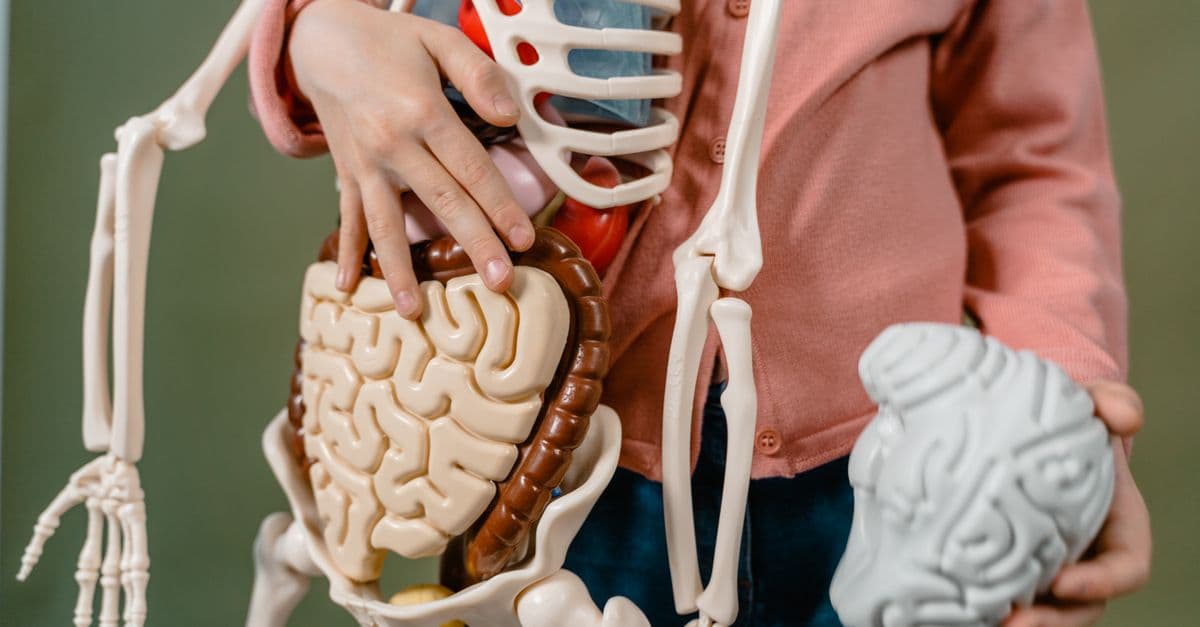
Photo: MART PRODUCTION / Pexels
The human brain is the most complex object we know of in the universe. It contains 86 billion neurons, connected by roughly 100 trillion synapses, running on about 20 watts — less power than a dim lightbulb. From these bare ingredients arise everything you experience: vision, language, emotion, memory, and the strange feeling of being "you." Here's what we know about how it works — and what we still don't.
Educational content, not medical advice. Talk to your doctor before changing any medication, treatment, or routine. Information here reflects current research but every person's situation differs.
Key takeaways
- The brain is a network of 86 billion neurons connected at 100 trillion synapses.
- Neurons communicate by electrical pulses and chemical neurotransmitters.
- Different regions handle different jobs: vision in the back, language on the left, planning in the front.
- Memory isn't stored as files — it's distributed across networks of neurons.
- Consciousness — the feeling of experiencing — remains the field's biggest unsolved problem.
The basic unit: the neuron
A neuron is a specialised cell that sends signals. It has three main parts:
- Dendrites — branching structures that receive signals from other neurons.
- Cell body (soma) — integrates incoming signals.
- Axon — a long fibre that sends signals to other neurons.
When enough signals arrive, the neuron fires — an electrical pulse called an action potential travels down the axon to the synapse at the end. There, it releases chemicals called neurotransmitters (dopamine, serotonin, glutamate, GABA, and dozens of others) that affect the next neuron — exciting it, inhibiting it, or modulating it.
A typical neuron connects to roughly 1,000 others, forming circuits that can encode any pattern, memory, or behaviour.
Brain regions and their jobs
Different parts of the brain specialise in different tasks. Here are the major players:
Frontal lobe — planning, decision-making, personality
The front of the brain handles executive function: evaluating choices, planning ahead, controlling impulses, and the sense of self. The famous case of Phineas Gage — a railway worker whose personality changed dramatically after a metal rod went through his frontal lobe in 1848 — is a foundational study.
Parietal lobe — spatial awareness and sensation
Top-rear of the brain. Handles where your body is in space, attention, and the integration of sensory input with movement.
Temporal lobe — hearing, language, memory
Sides of the brain (just behind your ears). Critical for understanding speech (Wernicke's area on the left), recognising faces, and memory formation. The hippocampus, deep inside the temporal lobe, is essential for forming new long-term memories.
Occipital lobe — vision
Back of the brain. Processes visual input from the retinas, breaking it down into edges, motion, colour, and faces before reassembling into the perception of a scene.
Cerebellum — coordination
The small structure at the back-bottom. Coordinates movement and motor learning. Despite being only ~10% of brain volume, it contains roughly half of all neurons.
Brainstem — autonomic control
Connects the brain to the spinal cord. Controls breathing, heart rate, sleep cycles — the things you don't think about.
Limbic system — emotion
Deep structures including the amygdala (fear, threat detection) and hippocampus (memory, navigation). This is the emotional engine of the brain.
How memory works
Memory isn't a single thing. It comes in several types:
Working memory
Holds information for seconds while you use it (a phone number, a sentence you're parsing). Capacity: famously about 4 ± 1 chunks.
Short-term memory
Lasts seconds to minutes. Stored as brief patterns of neural activity in the prefrontal cortex.
Long-term memory
Encoded over hours and consolidated during sleep. The hippocampus moves new information into permanent storage in the cortex. Long-term memory comes in two flavours:
- Explicit (declarative) — facts and events you can recall consciously ("Paris is the capital of France").
- Implicit (procedural) — skills and habits ("how to ride a bike").
Memory is distributed — no single neuron holds a memory. A specific memory is a particular pattern of activation across many neurons. Reactivating that pattern reactivates the memory.
The brain on chemicals: neurotransmitters
Major neurotransmitters and what they do:
| Neurotransmitter | Role |
|---|---|
| Glutamate | Main excitatory signal — most learning and thinking |
| GABA | Main inhibitory signal — calming, sleep, anxiety control |
| Dopamine | Reward, motivation, motor control (Parkinson's involves dopamine loss) |
| Serotonin | Mood, sleep, digestion (SSRIs target this system for depression) |
| Norepinephrine | Alertness, attention |
| Acetylcholine | Movement, learning, memory (Alzheimer's involves loss) |
Most psychiatric medications work by adjusting one or more of these systems.
How the brain develops
A baby's brain has roughly 100 billion neurons at birth — actually slightly more than an adult. What develops over decades is the wiring: synapses form, strengthen, and prune based on experience. By age 25, the prefrontal cortex (planning, judgment) is fully developed, which is why teenage decision-making is famously suboptimal.
Critical periods exist: the brain is much better at learning languages, motor skills, and emotional regulation in childhood than later in life. The brain remains plastic throughout life — neurons can rewire — but plasticity declines with age.
Sleep and the brain
Sleep is when the brain does maintenance:
- NREM sleep consolidates declarative memories.
- REM sleep processes emotional and procedural learning.
- The glymphatic system flushes metabolic waste, including amyloid-beta — the protein associated with Alzheimer's.
Chronic sleep deprivation shrinks brain volume, impairs memory, and dramatically raises dementia risk. Studies from UC Berkeley found that sleep-deprived individuals showed a 30% reduction in the brain's ability to convert new experiences into lasting memories, because the hippocampus cannot effectively hand off information to long-term cortical storage without sufficient sleep.
Source: UC Berkeley Sleep and Neuroimaging Lab (2019) — Sleep deprivation impairs memory consolidation and hippocampal-cortical dialogue.
The brain cycles through roughly 90-minute sleep cycles, alternating between NREM and REM stages. Each stage serves distinct functions: NREM Stages 1-2 prepare the brain for deep sleep, Stage 3 (slow-wave sleep) is when the most dramatic memory consolidation occurs, and REM sleep (when most dreams happen) processes emotional content and procedural skills.
Neuroplasticity and Learning: How the Brain Rewires Itself
The brain was once thought to be "hard-wired" after childhood — locked into fixed circuits. This view was fundamentally wrong. Neuroplasticity — the brain's ability to reorganise and form new connections — continues throughout life. Every time you learn something, practice a skill, or have a novel experience, your synapses physically rewire.
This rewiring happens through Hebbian plasticity: "neurons that fire together wire together." When two neurons fire simultaneously, the synapse between them strengthens. Repetition and reinforcement build the strength of pathways. A London taxi driver who memorises 25,000 street routes over years actually grows a larger hippocampus — the brain structure critical for spatial memory — measurable by MRI.
Source: Maguire et al., University College London (2003) — Navigation-related structural change in the hippocampi of taxi drivers.
Neuroplasticity underlies all learning and skill acquisition. When you learn an instrument, your motor cortex expands to devote more neurons to finger control. When you learn a new language late in life, new synaptic connections form in Broca's area (production) and Wernicke's area (comprehension), though not as densely as in childhood learners. This is why languages are easier to acquire young — the child brain has higher baseline plasticity — but can still be learned at any age.
Recovery from brain injury also leverages plasticity. After a stroke damages motor cortex, patients can regain function through intensive rehabilitation because other brain regions can assume the damaged region's role, if repeatedly trained. This typically takes months of daily practice, as new pathways must be strengthened enough to handle the load.
Source: National Institute of Neurological Disorders and Stroke (2021) — Adult Neuroplasticity in Stroke Recovery.
The Aging Brain and Neurodegeneration
The brain reaches peak volume in the late 20s and begins a gradual decline thereafter — a net loss of roughly 5% by age 80. This isn't uniform; the prefrontal cortex (executive function, planning) shrinks faster than sensory cortex. White matter (the myelinated axons carrying long-distance signals) degrades with age, slowing communication between regions.
Cognitive consequences follow a predictable pattern. Processing speed — how fast you retrieve information and execute mental tasks — declines from the 20s onward. Working memory capacity drops slightly. However, crystallised intelligence — accumulated knowledge and wisdom — often improves or holds stable into the 70s. An older adult may take longer to solve a problem but may solve it more elegantly, having seen more patterns.
The most feared aspect of aging is neurodegeneration — pathological loss of neurons. Several diseases accelerate this:
Alzheimer's disease is the most common form of dementia, affecting roughly 6.7 million Americans. It involves two hallmark pathologies: (1) amyloid-beta plaques accumulating outside neurons, and (2) tau tangles forming inside neurons. Together, these trigger neuroinflammation and neuronal death, starting in the hippocampus and spreading outward. Cognitive decline is often first noticed as memory loss (trouble recalling recent events), progressing to language, spatial reasoning, and eventually basic bodily functions. There is currently no cure, though symptomatic treatments (cholinesterase inhibitors, memantine) and emerging immunotherapies targeting amyloid-beta show modest slowing of decline.
Source: National Institute on Aging (2022) — Alzheimer's Disease Fact Sheet.
Parkinson's disease involves loss of dopamine-producing neurons in the substantia nigra, a region critical for motor control. Cardinal symptoms are tremor, rigidity, bradykinesia (slow movement), and postural instability. The dopamine system also supports motivation and reward processing, so Parkinson's patients often experience depression. Levodopa (L-DOPA) replacement therapy remains the gold standard, though long-term use develops complications.
Vascular dementia results from repeated small strokes starving brain regions of blood and oxygen, fragmenting cognition in a stepwise pattern rather than the smooth decline of Alzheimer's.
Normal aging is not inevitable dementia. Risk factors — hypertension, diabetes, obesity, poor sleep, cognitive inactivity, social isolation — dramatically accelerate decline. Protective factors include aerobic exercise (which stimulates BDNF, a growth factor supporting neurons), cognitive engagement, social connection, Mediterranean diet, and quality sleep.
Stress and Brain Function
The brain's response to threat is mediated by the hypothalamic-pituitary-adrenal (HPA) axis. When you perceive danger, the amygdala signals the hypothalamus, which releases corticotropin-releasing hormone (CRH). CRH triggers the pituitary to release adrenocorticotropic hormone (ACTH), which prompts the adrenal glands to release cortisol — the primary stress hormone.
Cortisol does useful things in small doses: it mobilises glucose for quick energy, increases blood pressure to ensure blood reaches muscles, and sharpens attention. This is adaptive for acute threats (a car swerving toward you). However, chronic activation of this system — persistent psychological stress, poverty, discrimination, abuse — leads to elevated baseline cortisol, which damages the brain.
High cortisol impairs the hippocampus, reducing memory formation and spatial navigation ability. It triggers neuroinflammation, promoting neurodegeneration. It suppresses neurogenesis (new neuron formation) in the hippocampus, reducing the brain's ability to learn and adapt. The prefrontal cortex — the rational, decision-making region — atrophies under chronic stress, while the amygdala (fear/threat detection) expands and becomes hyperactive. This imbalance is a core feature of anxiety disorders and PTSD.
Source: McEwen, B.S., Journal of Neuroendocrinology (2017) — Stress Hormones and the Brain: An Integration.
Children exposed to chronic early adversity show long-term structural brain differences: smaller hippocampus and prefrontal cortex, larger amygdala. These changes persist into adulthood even after adversity ends, though therapy, social support, and environmental enrichment can partially reverse them through neuroplasticity. This is why early intervention in high-stress environments (poverty, abuse, neglect) is so critical — the developing brain is most malleable but also most vulnerable.
Conversely, meditation and mindfulness appear to buffer against stress-related brain changes. Long-term meditators show increased grey matter in the prefrontal cortex and anterior insula (a region involved in interoception — sensing internal states), and decreased amygdala volume. Regular meditation correlates with lower baseline cortisol.
Source: Hölzel et al., Psychiatry Research (2011) — Meditation practice leads to increased cortical thickness.
Neurotransmitter Systems and Psychiatric Disorders
Beyond individual neurotransmitters, the brain has systems — networks of neurons using the same neurotransmitter across distant regions, coordinating behaviour. Dysfunction in these systems underlies most psychiatric illness.
The dopamine system supports reward, motivation, movement, and learning. In depression, dopamine tone is often low, producing anhedonia (inability to feel pleasure) and apathy. In schizophrenia, dopamine signalling is dysregulated, with excess in mesolimbic pathways (driving hallucinations) and deficiency in mesocortical pathways (causing cognitive and negative symptoms). Antipsychotics block dopamine receptors; stimulants (like methylphenidate in ADHD) enhance dopamine availability.
The serotonin system modulates mood, sleep, appetite, and social behaviour. Low serotonin correlates with depression, anxiety, and aggression (though causality is debated — is serotonin low because of depression, or does low serotonin cause depression?). SSRIs (selective serotonin reuptake inhibitors) block reuptake of serotonin into the presynaptic neuron, keeping it active longer in the synapse. They are the most prescribed psychiatric medication.
Source: Cowen, P.J., British Journal of Psychiatry (2008) — Serotonin and Depression — Old Molecules, New Ideas.
The GABA system is the brain's primary inhibitory/calming system. Benzodiazepines (like diazepam) enhance GABA's effect by increasing the frequency with which GABA receptors open, reducing neural firing. They are effective for acute anxiety but carry addiction risk. Alcohol also enhances GABA, which is why it's sedating and why chronic alcohol use can lead to downregulation of GABA receptors — requiring more alcohol for the same effect.
The norepinephrine system drives alertness, attention, and arousal. Low norepinephrine in depression reduces motivation and energy. Medications targeting it (like bupropion) or enhancing it (stimulants) can improve mood and focus.
Understanding these systems has been transformative for medicine, yet much remains unknown: why do SSRIs take 4-6 weeks to improve mood when they alter serotonin within hours? Why do antidepressants work for some people but not others? These questions drive current neuroscience research.
Brain Rhythms and Oscillations: From Sleep Spindles to Gamma Waves
While individual neurons fire action potentials, the brain as a whole exhibits rhythmic activity — populations of neurons oscillating in synchrony. These oscillations, measurable via electroencephalography (EEG) or magnetoencephalography (MEG), correlate with mental states and cognitive processes.
Brain waves are named by frequency:
Delta waves (0.5-4 Hz) appear during deep sleep. Large, slow, synchronized oscillations indicate the cortex is in a consolidated, internally-focused state, supporting memory consolidation. Loss of delta waves predicts poor sleep quality and cognitive decline.
Theta waves (4-8 Hz) are prominent during hippocampal-dependent memory formation and navigation. Stronger theta during learning correlates with better memory encoding. In meditation, increased theta (especially in frontal regions) correlates with the subjective sense of "flow" and reduced mind-wandering.
Alpha waves (8-12 Hz) dominate when you're relaxed but awake, especially with eyes closed. When you open your eyes or engage in a task, alpha decreases — this is called alpha desynchronization and reflects a shift from internal focus to external attention. Low alpha at baseline has been associated with anxiety disorders and ADHD.
Beta waves (12-30 Hz) are prominent during focused cognitive tasks and motor activity. Healthy motor function depends on beta oscillations between motor cortex and basal ganglia; in Parkinson's disease, this rhythmicity breaks down, contributing to movement impairment.
Gamma waves (30-100+ Hz) are the fastest. They correlate with conscious perception, sensory binding (combining features from different senses into one unified percept), and high-level cognition. There's debate about whether gamma is necessary for consciousness or merely correlates with it. Increased gamma power during attentional tasks suggests it reflects the binding of distributed neural activity into a unified representation.
Why oscillations matter. Oscillations provide a mechanism for temporal coordination — aligning when different brain regions fire relative to each other. Consider binding: your visual cortex processes the red colour of an apple, while a different region processes its round shape. These pieces of information are separated in space and processed at different speeds. Somehow, they need to be bound together into a unified perception of "red apple." One leading theory: gamma oscillations in both regions synchronise them, creating a temporal tag saying "these firing patterns belong together." This is called the binding-by-synchrony hypothesis.
Oscillations also gate communication between brain regions. If cortical area A wants to send a signal to area B, the effectiveness depends on the phase of B's ongoing oscillations when the signal arrives. Signals arriving at certain phases are amplified; signals at other phases are suppressed. This creates flexible routing of information — which pathways are active depends on the rhythmic state.
Critical periods and oscillations. During development, the brain transitions from slower (delta, theta) to faster (alpha, beta) oscillations as it matures. This shift reflects increasing specialization and hierarchical organization of neural circuits. Disruption of normal oscillatory development (from prenatal stress, infections, or genetic factors) is implicated in conditions like autism and schizophrenia, which show atypical brain rhythms (less alpha desynchronization during attention, reduced gamma coherence).
Neurotransmitters tune oscillations. The level of dopamine affects the speed and synchronisation of oscillations in prefrontal-basal ganglia loops; in Parkinson's disease, dopamine loss causes abnormally strong beta oscillations that interfere with movement planning. Acetylcholine enhances gamma oscillations and promotes attention and learning. Disruption of these neurochemical systems is why drugs affecting dopamine or acetylcholine alter cognition.
Sleep and oscillatory dynamics. During NREM sleep, the cortex produces sleep spindles (bursts of 12-15 Hz activity lasting 0.5-2 seconds, tens of thousands per night). Spindles appear to replay and consolidate waking memories, progressively transferring information from hippocampus to cortex. Individuals with higher sleep spindle density (more spindles per night) show better learning ability and higher IQ. Spindle disruption — from sleep apnea, certain medications, or neurological conditions — impairs memory consolidation and accelerates cognitive decline in aging.
The progression through sleep stages also involves oscillatory changes: as you descend into deeper NREM, slower (delta) oscillations dominate; REM sleep features faster, desynchronized activity closer to waking. These transitions appear necessary for optimal memory processing — disrupting the natural rhythm of sleep stages (from sleep fragmentation) degrades learning.
Translational implications. Brain stimulation techniques targeting oscillations — transcranial alternating current stimulation (tACS), real-time brain-computer interfaces — can enhance or suppress oscillations in targeted regions. Early studies suggest tACS at theta frequency during learning enhances memory encoding; tACS at alpha might reduce anxiety. These are still research tools, but they suggest oscillations are not merely markers of brain state but potentially causal drivers of cognition.
Understanding neural oscillations has transformed neuroscience from viewing the brain as a network of individual firing neurons to seeing it as an orchestra of coordinated rhythms. Consciousness, attention, memory, and emotion may all depend not just on which neurons fire, but when they fire relative to each other.
Source: Buzsáki, G. (2006). Rhythms of the Brain — Foundational text on neural oscillations and their role in brain function.
What we still don't know
Consciousness
The biggest unsolved problem. Why does electrical activity in 1.5 kg of fatty tissue feel like something? Why is there a subjective experience? This is the hard problem of consciousness (David Chalmers). We have many theories — global workspace theory, integrated information theory, higher-order theories — but no definitive answer. Understanding consciousness remains one of science's grand challenges.
Free will
When you decide to move your arm, fMRI scans show brain activity initiating the movement before you're consciously aware of the decision. Whether that means free will is an illusion, or just that decisions surface to awareness slightly late, is hotly debated.
Why we dream
Many theories — memory consolidation, simulation of dangers, random neural noise. None fully accepted.
The takeaway
The brain is a 1.5 kg network of cells running on 20 watts that somehow produces every thought, feeling, memory, and decision in your life. We've mapped its regions, identified its chemistry, found out how memory and learning work at a cellular level, and revealed that it remains plastic and capable of rewiring throughout life. What we haven't solved is why any of this feels like anything at all — why consciousness exists. But that unsolved mystery also tells us something profound: the brain remains one of science's greatest frontiers, and understanding it better may reshape how we treat disease, learn, age, and relate to ourselves.
Frequently Asked Questions
Q: Do we only use 10% of our brain?
A: No. This myth has no scientific basis. Brain imaging shows essentially all regions are active during normal function, just for different purposes at different times. Even during sleep, the entire brain remains metabolically active.
Q: Can the brain repair itself?
A: Limited adult neurogenesis — the creation of new neurons — happens mostly in the hippocampus. Recovery from brain injury relies more on rewiring and reassigning function through neuroplasticity than growing new cells, though targeted rehabilitation can prompt new connections.
Q: Is left brain versus right brain really true?
A: Massively oversimplified. While some functions (language on left, spatial reasoning on right for most people) lateralise, the two hemispheres work together constantly. There's no "right-brained" versus "left-brained" personality type.
Q: How fast do brain signals travel?
A: Up to 120 metres per second in fast nerves — about a third the speed of sound. Slower than computer chips, but with massive parallelism that more than compensates, allowing complex thoughts to emerge from billions of simultaneous interactions.
Q: Can we upload consciousness to a computer?
A: Not yet, and possibly never. Consciousness may depend on biological substrates we don't fully understand. Even if we mapped every neuron and synapse (the "connectome"), running it on silicon may produce a functional simulation, not a transferred mind.
Q: What role do glial cells play in the brain?
A: Glial cells (astrocytes, oligodendrocytes, microglia) outnumber neurons 10:1. They insulate axons (speeding signals), regulate the chemical environment, provide immune defence, and scaffold neural circuits. Recent research shows they are far more active in cognition than once thought.
Read next:
Follow new articles
Add SciHub101 to your feed reader to see new science and technology stories.
About the Author
SciHub101 is an independent science and technology publication founded and edited by Buğra Sözeri, a software engineer and app developer based in Türkiye. AI tools assist with drafting and research. Source documentation in the existing archive is uneven, and articles are being reviewed and corrected. The Editorial Team byline identifies editorial responsibility; it does not certify specialist or independent human review. Where we compare products, anything built by our own team is labelled as such — see the editorial guidelines and About page for how corrections and disclosures work.
Related Articles

What Is CRISPR and How Does Gene Editing Actually Work?
Forget the headlines about designer babies for a minute. Here's what actually happens at the molecular level when Cas9 finds, unzips, and cuts a strand of DNA.

How Learning Actually Works — The Science of Getting Better at Anything
Decades of cognitive science research have transformed our understanding of how brains learn. The methods most students use are among the worst. Here's what actually works.

How the Brain Works — Neuroscience Overview
Neurons, action potentials, brain regions, plasticity, and the science behind consciousness — a clear neuroscience primer.
How the Brain Processes Information
86 billion neurons, trillions of synapses, about 20% of your resting energy. How the human brain actually processes information, and where the computer analogy breaks.

Why Time Slows in Emergencies — Brain Science
In a crash or fall, time seems to stretch. The science says it's not real-time slowdown — it's denser memory. Here's how the brain does it.
How Memory Works — The Neuroscience of Remembering
How the brain encodes, stores, and retrieves memories: the hippocampus, long-term potentiation, sleep consolidation, forgetting, and why false memories feel real.