genetics
40 articles tagged with #genetics
Biology & Health
Complete Biology Guide 2026 — How Life Works
The complete guide to biology in 2026: cells and genetics, evolution, the human body, neuroscience, disease, immune systems, and the future of genetic engineering.
Biology & Health
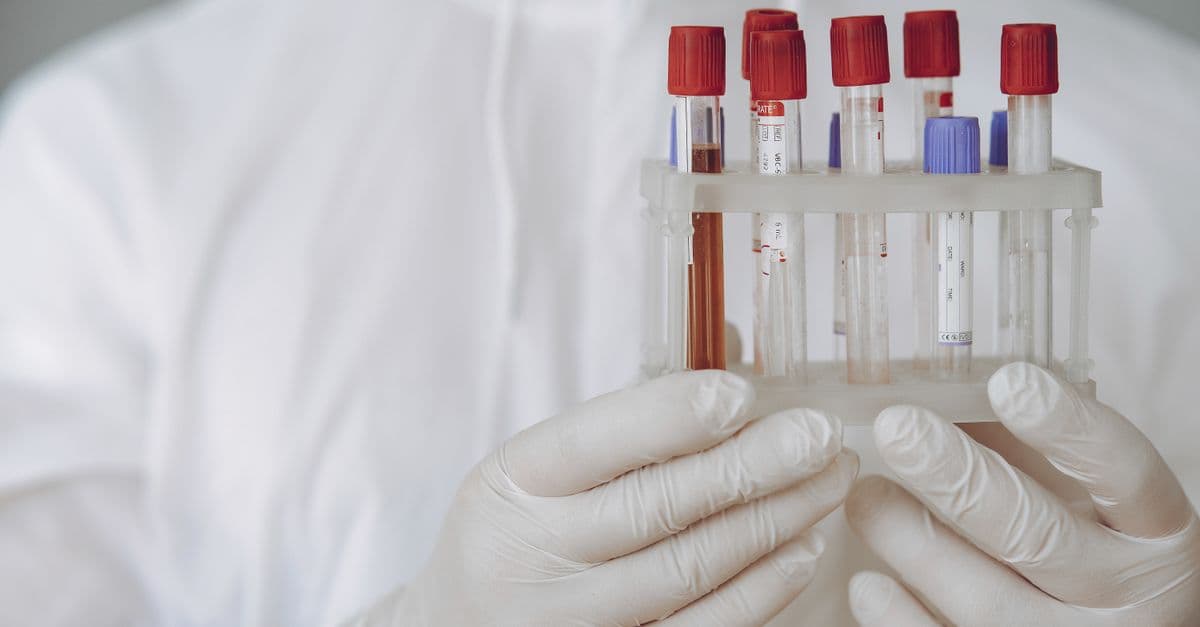
Why Do We Have Blood Types? The Science and Evolution
Blood types are inherited molecular markers on red blood cells. The ABO polymorphism has been kept alive in primates for at least 20 million years, and infections such as malaria, cholera, and norovirus are the leading explanation for why.
Experiments
The Dolly the Sheep Cloning Experiment
Dolly proved that an adult cell nucleus could be reprogrammed to create a whole animal. This guide explains the experiment and its impact.

Human Body
How Does Hair Grow? The Science of the Hair Cycle
Hair growth is driven by a complex, cyclical process occurring within the hair follicle, a specialized pocket of skin containing stem cells, blood vessels, and sebaceous glands. Each hair shaft is made primarily of keratin, a structural protein also found in nails and skin, layered into three distinct tissue structures: the medulla, cortex, and cuticle. Rather than growing continuously, hair moves through four distinct phases—anagen (growth), catagen (transition), telogen (resting), and exogen (shedding)—which determine whether a hair is actively lengthening, preparing to detach, or falling out. Hair color stems from melanin production in the follicle's base, while hair graying occurs when melanin-producing cells exhaust their stem cell reserves.
Dinosaurs
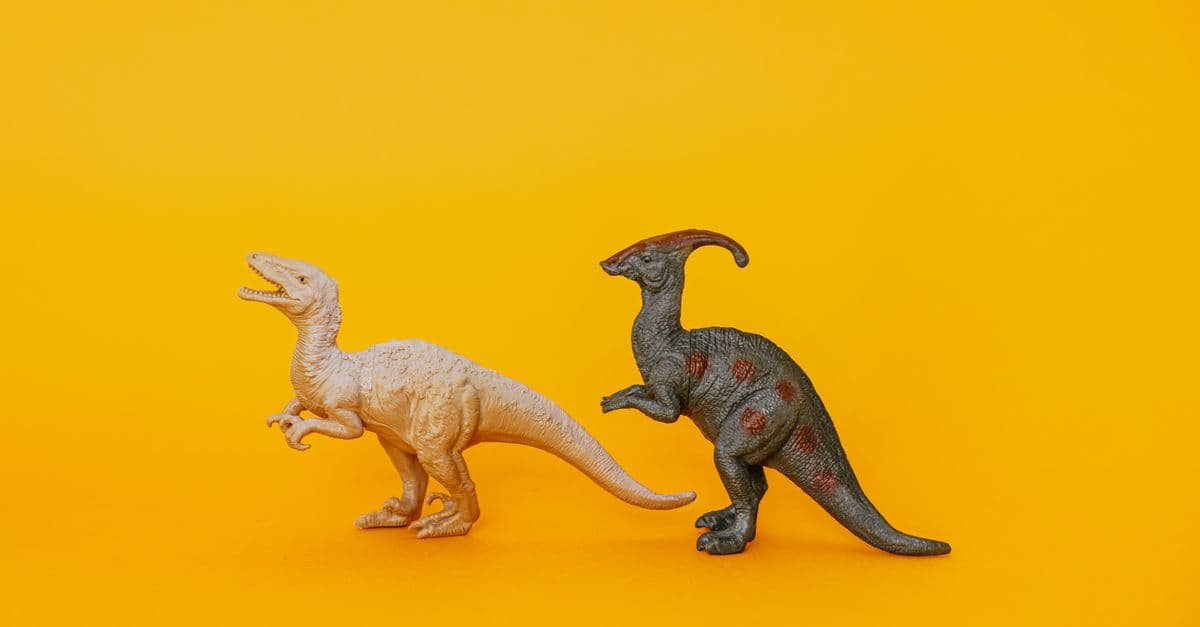
Could We Clone a Dinosaur? The Science Behind Jurassic Park
Jurassic Park proposed that dinosaur DNA could be recovered from insects preserved in amber, sequenced, gap-filled with frog DNA, and used to resurrect living dinosaurs. The film was entertaining. The science does not hold up. What the real science shows is both more limiting and, in some ways, more interesting than what Hollywood imagined — and the question of what is actually possible tells us something profound about DNA, deep time, and the nature of extinction.
Animals
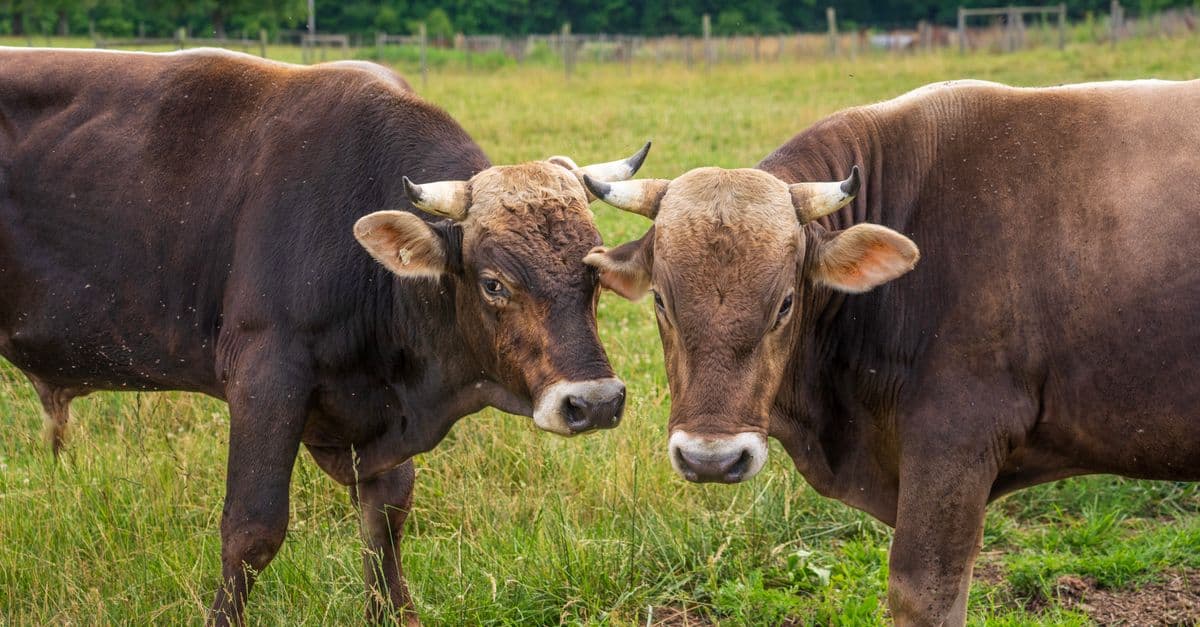
How Animals Were Domesticated: Genetics, Behavior, and the Domestication Syndrome
Dogs diverged from wolves at least 15,000 years ago — possibly 40,000 years ago — and the transformation involved not just behavioral tameness but a cascade of physical changes no one selected for: floppy ears, piebald coats, shortened snouts, reduced brain volume. The same cluster of traits appears in domesticated cattle, pigs, horses, and foxes bred in a 60-year Russian experiment. This pattern has a name, a mechanistic explanation, and implications for understanding a transition that reshaped the human species.
Animals
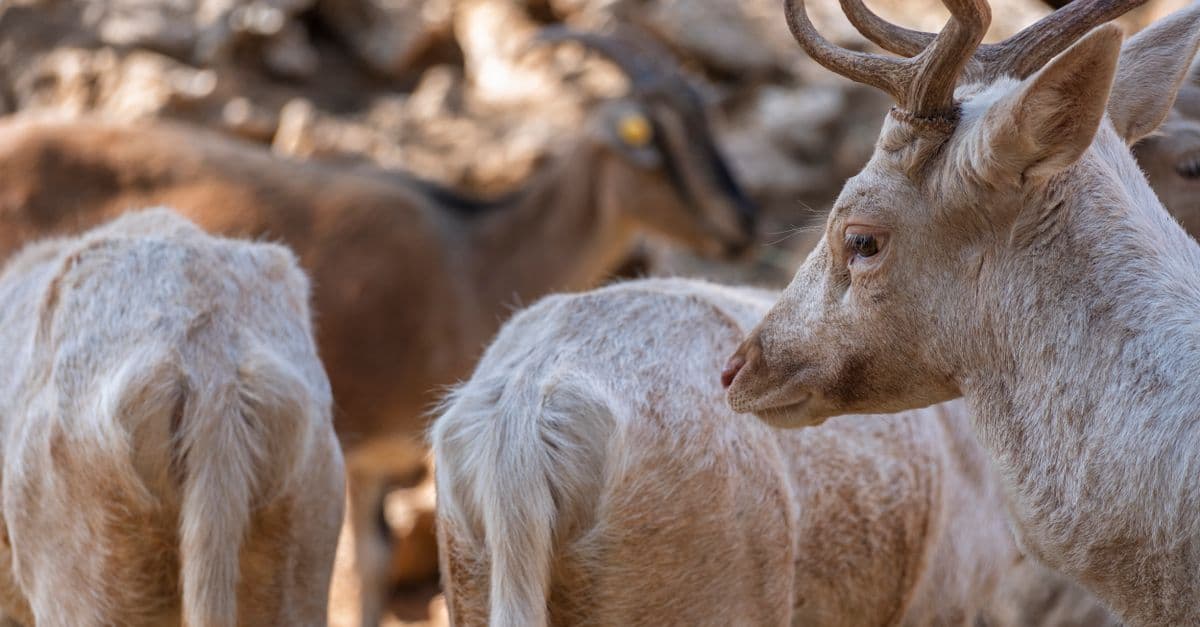
The Science of Animal Regeneration: How Axolotls, Planarians, and Starfish Rebuild Themselves
An axolotl can regrow an amputated limb — including bones, nerves, blood vessels, muscle, and skin — in perfect working order within six weeks. It can also regrow portions of its brain, heart, and spinal cord. A planarian flatworm cut into 200 pieces will grow 200 new worms, each complete. The genetics behind these abilities are not alien to mammals; we have most of the same genes. The question is why we stopped using them.
Experiments
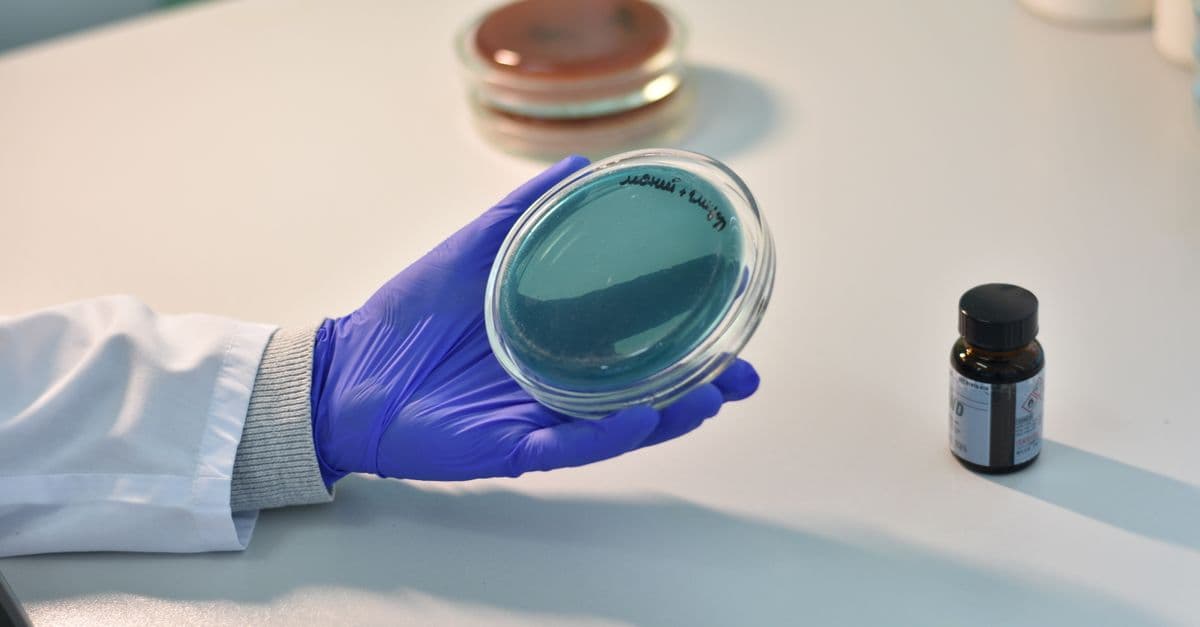
The Beadle-Tatum Experiment: One Gene, One Enzyme
In 1941, Beadle and Tatum X-rayed bread mold and proved that each gene controls one enzyme. The experiment that bridged genetics and biochemistry — and won a Nobel Prize.
Experiments
The Nirenberg Experiment: Cracking the Genetic Code
In 1961, Marshall Nirenberg used a synthetic poly-U RNA to show UUU codes for phenylalanine — the first codon ever cracked, starting the complete decipherment of the genetic code.
Experiments
The Fox Domestication Experiment: Breeding Tameness in Real Time
Starting in 1959, Soviet geneticist Dmitry Belyaev selectively bred silver foxes for tameness alone. Within a few generations, the foxes developed floppy ears, piebald coats, and dog-like behavior.
Page 1 of 4Next →