Experiments
Mendel's Pea Plant Experiments: How Genetics Was Born
Between 1856 and 1863, Gregor Mendel cross-bred 30,000 pea plants and found the mathematical rules of heredity. Here is what he did and why it still defines genetics.
40 articles tagged with #genetics
Between 1856 and 1863, Gregor Mendel cross-bred 30,000 pea plants and found the mathematical rules of heredity. Here is what he did and why it still defines genetics.
In 1958, Meselson and Stahl used heavy nitrogen and a centrifuge to prove DNA replicates semiconservatively. Here's exactly how they did it and why it matters.
Gregor Mendel's pea plant experiments from 1856–1863 established the laws of heredity. Discover how an Augustinian monk built the foundation of modern genetics.
Barbara McClintock discovered transposons — genes that move within genomes — in 1950. She waited 30 years for the Nobel. She said she could imagine herself inside the chromosome.

Axolotls do it effortlessly. What would it mean for medicine, warfare, disability, and human identity if we could too? The science is closer than you think — and the implications are stranger than you'd expect.

Some people are born unable to feel pain. The genes behind CIP — SCN9A, PRDM12, NTRK1, FAAH-OUT — are reshaping the future of pain medicine.

Why are 10% of people left-handed? The genetics, brain lateralization, and evolutionary theories — including the combat advantage hypothesis.
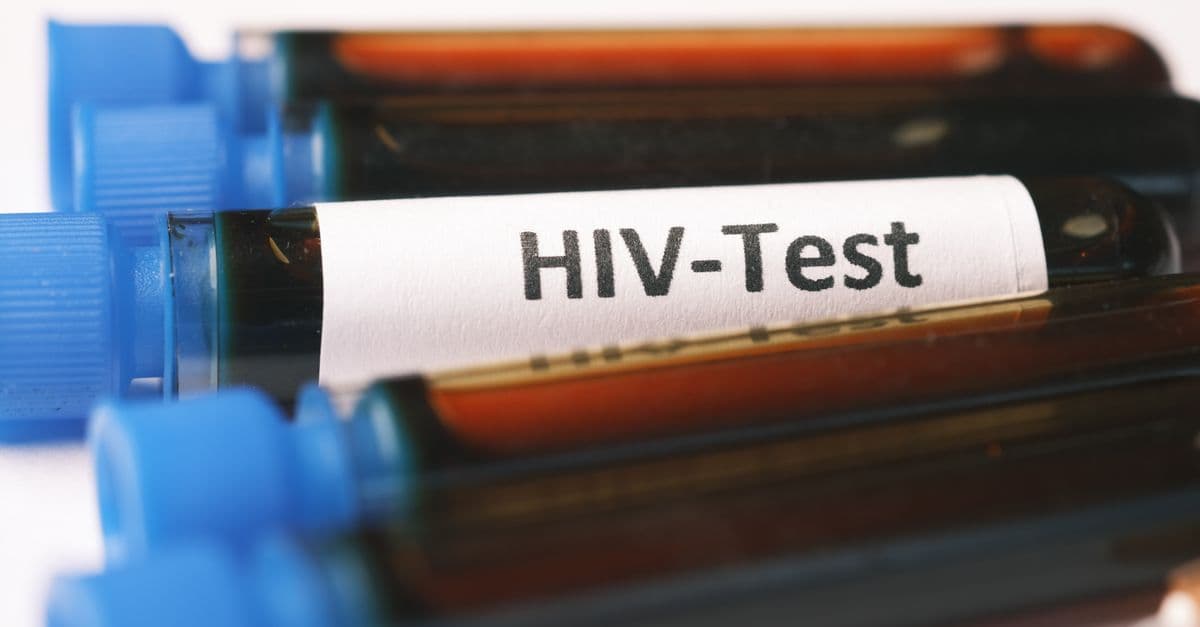
ABO and Rh blood groups explained — antigens, antibodies, inheritance, transfusion compatibility, and whether blood type can be changed.

Proteins are chains of 20 amino acids that fold into 3D shapes powering every cell. Learn structure levels, the genetic code, folding, and AlphaFold.
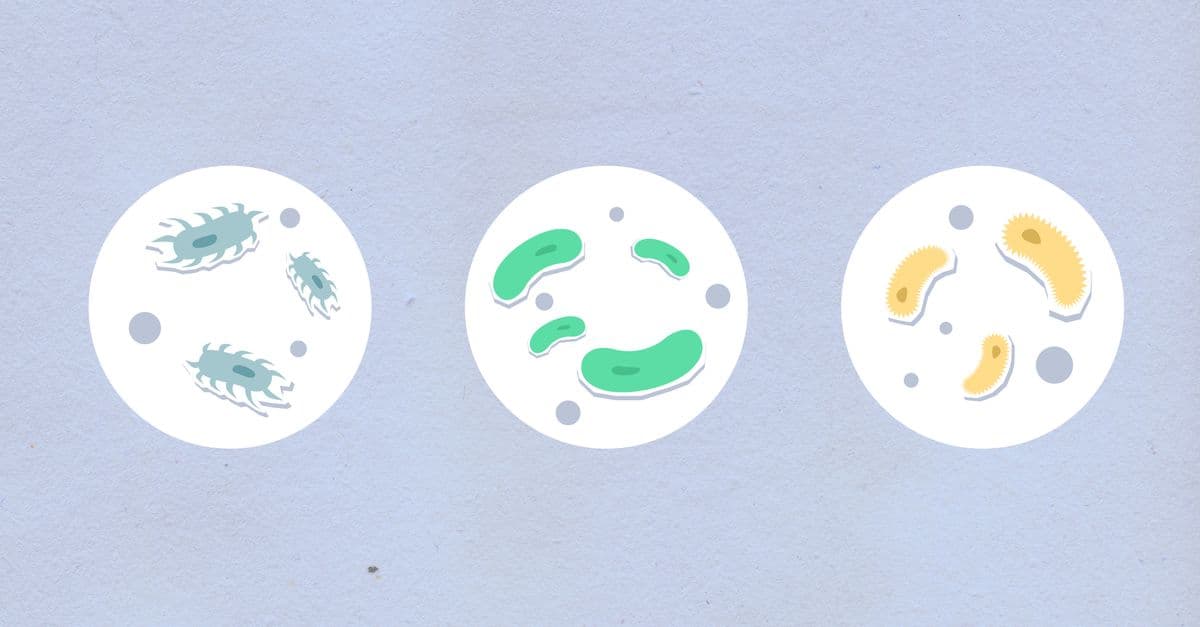
How cells divide for growth and reproduction, the phases of mitosis and meiosis, checkpoints, and what goes wrong in cancer and Down syndrome.

Autism spectrum disorder neuroscience explained: DSM-5 criteria, genetics, brain connectivity, sensory processing, and what research says about vaccines.
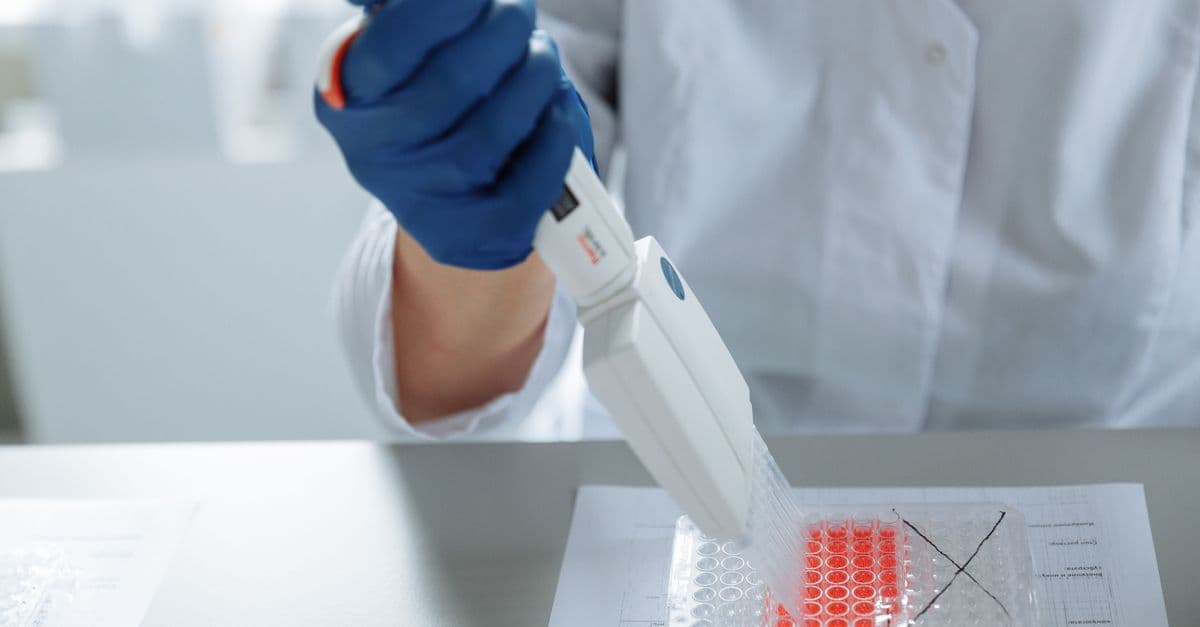
How DNA replicates, the central dogma, mutations, epigenetics, and how consumer genetics tests like 23andMe actually work.