DNA Replication and Genetics Explained
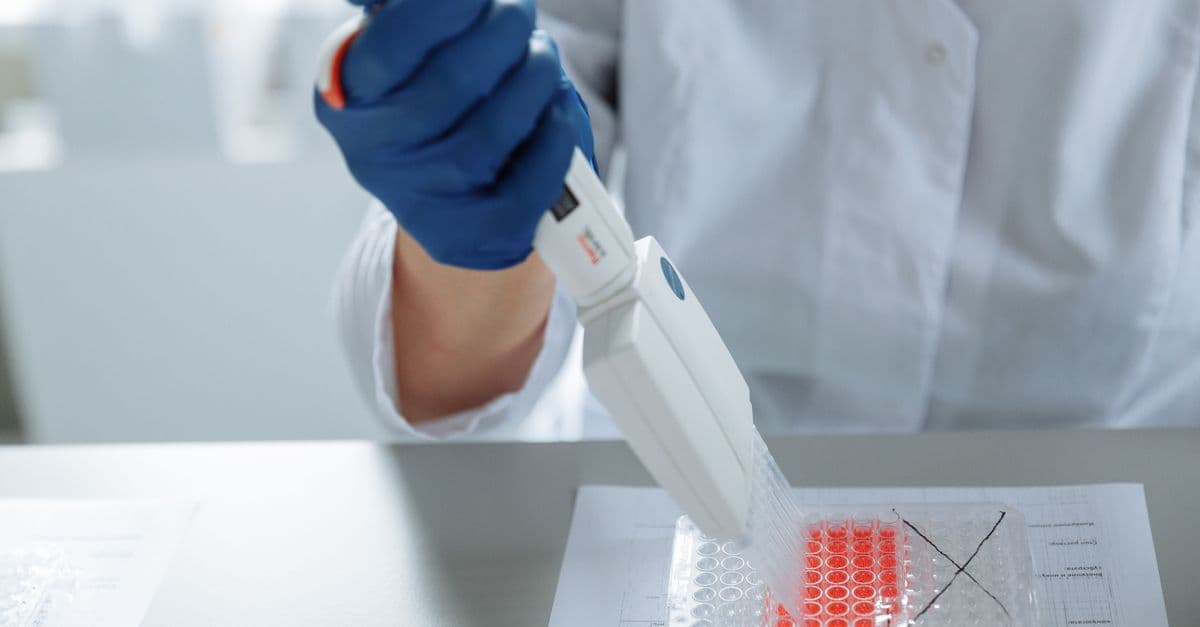
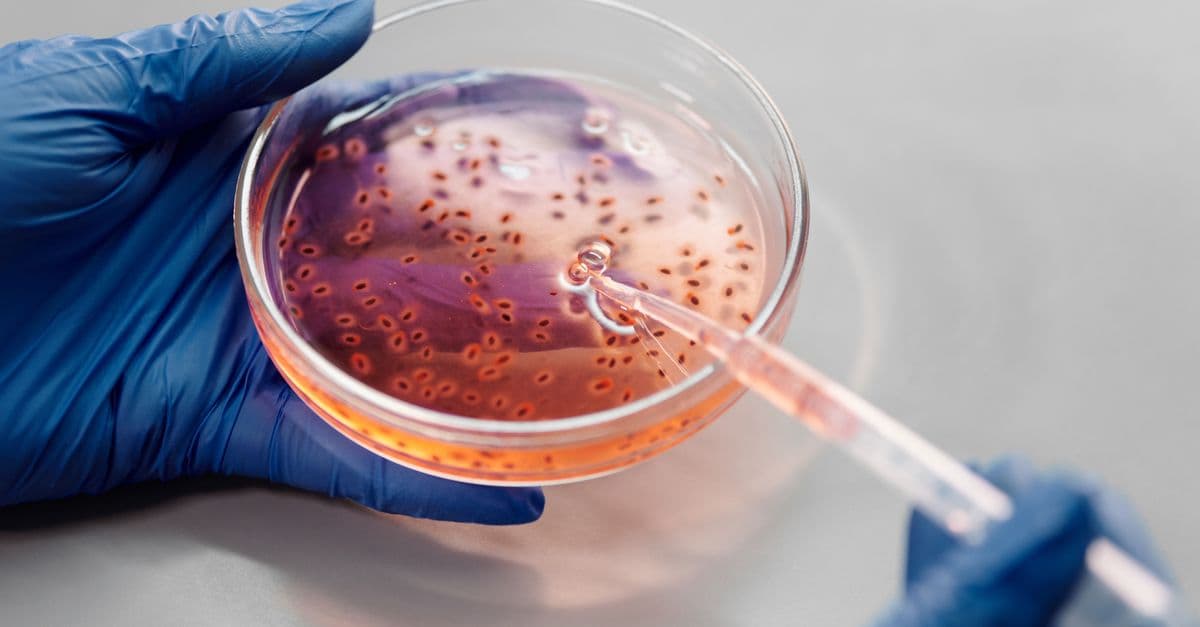
Photo: Thirdman / Pexels
Every time a human cell divides, it must copy roughly 6.4 billion base pairs of DNA with extraordinary accuracy — completing the job in a matter of hours. That feat of molecular engineering underlies everything from inheritance to cancer to your 23andMe ancestry report. This guide walks through the structure of DNA, how it is copied and expressed, what happens when errors occur, and what modern genetic testing actually measures.
The Double Helix: Watson, Crick, and Franklin
In April 1953, James Watson and Francis Crick published a one-page letter in Nature describing a double-helical model for DNA. What the paper did not prominently credit was that their model depended critically on X-ray diffraction images taken by Rosalind Franklin at King's College London — particularly the famous "Photo 51" — as well as data from her colleague Maurice Wilkins. Franklin's crystallographic work revealed the helical dimensions and the placement of the phosphate backbone on the outside of the helix.
The structure that emerged from this work has four key features:
- Two antiparallel strands. One strand runs 5′ to 3′; the complementary strand runs 3′ to 5′. The directionality is set by the asymmetry of the deoxyribose sugar.
- Base pairing. Adenine (A) pairs with thymine (T) via two hydrogen bonds; guanine (G) pairs with cytosine (C) via three hydrogen bonds. These pairings — and only these — fit the geometry of the helix.
- Major and minor grooves. The two grooves that spiral around the outside of the helix are not equal. The wider major groove exposes more chemical information to proteins, making it the primary site where transcription factors and restriction enzymes "read" the sequence without unwinding the DNA.
- Phosphate backbone on the outside. The negatively charged backbone interacts with water and with histone proteins; the bases stack on the inside, stabilised partly by hydrophobic interactions.
A single human diploid cell contains about 2 metres of DNA compressed into a nucleus roughly 6 micrometres across — a packing ratio of approximately 1:300,000 — achieved through successive levels of histone wrapping, nucleosome organisation, and higher-order chromatin folding.
The Central Dogma: DNA → RNA → Protein
Francis Crick articulated the central dogma of molecular biology in 1958: genetic information flows from DNA to RNA to protein, and not in reverse (with the notable exception of retroviruses, which carry reverse transcriptase). This one-directional flow is the molecular foundation of classical genetics.
| Step | Process | Key Enzyme(s) |
|---|---|---|
| DNA → DNA | Replication | DNA polymerase III, helicase, primase, ligase |
| DNA → RNA | Transcription | RNA polymerase II (eukaryotes) |
| RNA → Protein | Translation | Ribosome, aminoacyl-tRNA synthetases |
| RNA → DNA | Reverse transcription | Reverse transcriptase (retroviruses only) |
| RNA → RNA | RNA replication | RNA-dependent RNA polymerase (RNA viruses only) |
DNA Replication in Detail
Semiconservative Replication: The Meselson-Stahl Proof
Three models existed before 1958: conservative (parental strands stay together), semiconservative (each daughter gets one old strand), and dispersive (parental DNA is fragmented throughout both daughters). Matthew Meselson and Franklin Stahl settled the question elegantly by growing E. coli in heavy nitrogen (15N) medium, then switching to light nitrogen (14N) and centrifuging DNA in a caesium chloride density gradient. After one generation, all DNA banded at an intermediate density — one heavy, one light strand per molecule. After two generations, half the molecules were intermediate and half were fully light. This result fits only the semiconservative model.
The Replication Fork
Replication does not proceed from one end of a chromosome to the other. Instead, it initiates at multiple origins of replication (roughly 50,000 in humans) and proceeds bidirectionally, creating replication bubbles that eventually merge.
At each replication fork, a tightly coordinated set of proteins operates:
- Helicase (specifically MCM2-7 in eukaryotes) unwinds the double helix by breaking hydrogen bonds, consuming ATP.
- Single-strand binding proteins (SSBPs) coat exposed single strands to prevent re-annealing and secondary structure formation.
- Topoisomerase I/II relieves torsional stress ahead of the fork that would otherwise lock up the unwinding.
- Primase synthesises a short RNA primer (roughly 10 nucleotides) complementary to the template. DNA polymerase cannot start a new chain; it can only extend an existing one.
- DNA polymerase III (the main replicative polymerase in bacteria; the analogous eukaryotic enzyme is pol δ/ε) extends the primer, adding deoxyribonucleotides in the 5′→3′ direction only, using the template strand read 3′→5′.
Leading Strand vs. Lagging Strand
Because polymerase can only synthesise 5′→3′, and the two template strands are antiparallel, one strand is replicated continuously and the other in short segments.
- Leading strand: synthesised continuously toward the fork.
- Lagging strand: synthesised away from the fork in short segments called Okazaki fragments (100–200 nucleotides in eukaryotes, 1,000–2,000 in bacteria). Each fragment requires its own RNA primer.
Once Okazaki fragments are in place:
- DNA polymerase I (or RNase H + pol δ in eukaryotes) removes the RNA primers and fills the gaps with DNA.
- DNA ligase seals the remaining nick between adjacent fragments by forming a phosphodiester bond, using ATP or NAD⁺ as energy source.
Proofreading and Error Correction
DNA polymerase III has a 3′→5′ exonuclease domain — a built-in proofreader. If an incorrect nucleotide is incorporated, the polymerase stalls, the mismatched nucleotide is excised, and the correct one is inserted. This reduces the error rate from roughly 1 in 105 (raw polymerase accuracy) to about 1 in 107.
After replication, mismatch repair (MMR) proteins (MutS, MutL, MutH in bacteria; MSH2/MLH1 and others in humans) scan newly synthesised DNA for distortions caused by mismatches and correct them. The combined error rate after replication and repair is approximately 1 mistake per 109 base pairs per generation — equivalent to copying the entire works of Shakespeare roughly five times and making a single typo.
Defects in MMR genes (particularly MLH1 and MSH2) cause Lynch syndrome, dramatically increasing risk of colorectal and endometrial cancer.
Transcription: Reading the Gene
Transcription converts the DNA sequence into a messenger RNA (mRNA) copy.
- Initiation: RNA polymerase II binds the promoter — a sequence upstream of the gene (classically the TATA box at −30 from the transcription start site). Enhancers, which may be thousands of base pairs away, loop into contact with the promoter and boost transcription rate. Transcription factors recruit the polymerase and open the chromatin.
- Elongation: The polymerase unwinds a ~12 bp "transcription bubble" and synthesises a single-stranded pre-mRNA 5′→3′, complementary to the template (antisense) strand.
- Termination: Signal sequences in the RNA trigger cleavage and polyadenylation.
mRNA Processing in Eukaryotes
Before leaving the nucleus, the pre-mRNA is extensively modified:
- 5′ cap: A methylated guanosine cap protects the mRNA from exonucleases and is recognised by the ribosome.
- Poly-A tail: ~200 adenine nucleotides added at the 3′ end increase stability and assist nuclear export.
- Splicing: Non-coding introns are removed and exons are joined by the spliceosome, a large ribonucleoprotein complex. The human genome encodes approximately 25,000 genes, yet produces more than 100,000 distinct proteins — the difference is largely explained by alternative splicing, where different combinations of exons are joined in different cell types. The DSCAM gene in Drosophila can generate over 38,000 distinct proteins from a single locus.
Translation: Building Proteins
Translation occurs at the ribosome, a complex of rRNA and protein with two subunits (60S + 40S in eukaryotes; 50S + 30S in bacteria).
- The ribosome reads mRNA codons (three-nucleotide words) and matches each to a transfer RNA (tRNA) carrying the corresponding amino acid via anticodon–codon complementarity.
- The start codon (AUG, methionine) sets the reading frame. Three stop codons (UAA, UAG, UGA) terminate synthesis.
- Peptide bond formation occurs in the peptidyl transferase centre of the large subunit (the catalytic activity is the rRNA itself — a ribozyme).
- A protein of 300 amino acids is synthesised in roughly 20 seconds in bacteria; eukaryotic rates are similar.
Mutations: When Copying Goes Wrong
Even with proofreading, errors occur. Mutations are classified by their molecular nature:
- Point mutation (substitution): A single base changes. If within a codon: synonymous (same amino acid, due to degeneracy of the genetic code), missense (different amino acid), or nonsense (premature stop codon).
- Frameshift mutation: Insertion or deletion of nucleotides not in multiples of three shifts the reading frame, usually producing a nonfunctional protein. The sickle cell allele, by contrast, is a missense point mutation: a single A→T substitution converts glutamic acid to valine in haemoglobin, causing the protein to polymerise under low-oxygen conditions.
- Trinucleotide repeat expansion: Sequences like CAG can expand during replication; expansion beyond threshold lengths causes diseases such as Huntington's disease (CAG repeat in HTT gene) and fragile X syndrome.
Environmental mutagens — UV radiation (causing thymine dimers), alkylating agents, intercalating compounds — accelerate mutation rates and are major contributors to cancer.
Epigenetics: Same DNA, Different Expression
Two genetically identical cells — say, a neuron and a liver cell — express very different gene sets. This is governed by epigenetics: heritable changes in gene expression that do not alter the DNA sequence itself.
- DNA methylation: Methyl groups added to cytosine (typically at CpG dinucleotides) by DNMT enzymes generally silence gene expression. Methylation patterns are erased and reset in germline development. Aberrant methylation of tumour suppressor gene promoters is a hallmark of many cancers.
- Histone modification: DNA wraps around histone octamers. Chemical modifications to histone tails — acetylation, methylation, phosphorylation — alter how tightly DNA is packed. Acetylation of H3K27 marks active enhancers; trimethylation of H3K27 (by Polycomb complexes) represses developmental genes.
- Chromatin remodelling: ATP-dependent complexes physically reposition nucleosomes to expose or conceal regulatory sequences.
Epigenetic marks can be influenced by environment — diet, stress, toxin exposure — and some marks are transmitted across cell generations during mitosis, and in some cases across generations of organisms.
For a deeper look at cellular mechanisms, see how cells work and cellular respiration explained.
Mendelian Genetics and Its Molecular Basis
Gregor Mendel's 1866 laws of segregation and independent assortment described inheritance patterns in peas decades before DNA was known to be the genetic material. We can now restate them in molecular terms:
- Law of segregation: During meiosis, the two alleles of a gene (one from each homologous chromosome) are distributed to different gametes. Molecular basis: homologous chromosomes separate at meiosis I.
- Law of independent assortment: Alleles of different genes segregate independently. Molecular basis: applies when genes are on different chromosomes; violated by linked genes (corrected by Morgan's mapping of crossover frequency).
- Dominance: A dominant allele typically encodes a functional protein; the recessive allele often encodes a nonfunctional or reduced-function version. One working copy is sufficient for normal phenotype (haploinsufficiency exceptions exist, e.g., BRCA1).
Genetics in Medicine
Understanding the molecular basis of inheritance has transformed clinical practice:
- Carrier testing: For autosomal recessive diseases (cystic fibrosis, sickle cell anaemia, spinal muscular atrophy), sequencing or genotyping identifies heterozygous carriers who are phenotypically normal but can pass the allele to offspring.
- Prenatal diagnosis: Cell-free fetal DNA in maternal blood allows non-invasive prenatal testing (NIPT) for aneuploidies (trisomy 21, 18, 13) from 10 weeks gestation. Chorionic villus sampling and amniocentesis allow full karyotyping and sequencing when indicated.
- Polygenic risk scores (PRS): For common diseases like type 2 diabetes, coronary artery disease, and schizophrenia, risk is distributed across thousands of common variants. PRS aggregate effect sizes from genome-wide association studies (GWAS) into a single risk estimate; clinical utility is active research but already used in some cardiovascular risk stratification tools.
- Pharmacogenomics: Variants in CYP2D6, CYP2C19, and other drug-metabolising enzymes determine whether a patient will be a poor, intermediate, extensive, or ultrarapid metaboliser — affecting dose requirements for drugs from codeine to clopidogrel.
See CRISPR gene editing explained and cancer biology and tumour suppressor genes for how these principles apply at the therapeutic frontier.
How 23andMe and AncestryDNA Actually Work
Consumer genetic tests do not sequence your entire genome. They use a technology called SNP genotyping (single-nucleotide polymorphism). A microarray chip — typically assaying 600,000 to 900,000 specific positions in the genome — detects which of two possible nucleotides (alleles) you carry at each position.
SNPs are positions in the genome where individuals commonly differ. Because nearby SNPs on the same chromosome tend to be inherited together (linkage disequilibrium), even 700,000 SNPs can tag most common variation across the genome.
What the tests do with your SNP data:
- Ancestry: Your SNP pattern is compared against reference panels from populations worldwide. Ancestry inference works best for populations well-represented in the reference panel; it degrades for admixed populations or groups historically underrepresented in genomic databases.
- Relative matching: Segments of DNA shared identical-by-descent (IBD) between you and another customer indicate recent common ancestry. The amount of shared DNA (measured in centimorgans) predicts relationship degree.
- Health reports: Variants with established associations (e.g., BRCA1/2 selected pathogenic variants, APOE ε4 for Alzheimer risk, hemochromatosis HFE variants) are reported. These cover only a small fraction of clinically relevant variants; a negative result does not rule out disease risk.
- What they do NOT test: Rare variants, most of the non-coding genome, structural variants, and the vast majority of clinically significant mutations. For medical decision-making, clinical-grade sequencing (exome or genome) by a certified laboratory is required.
For broader context on evolutionary genetics, see human evolution and natural selection.
FAQs
Q: What is the difference between DNA replication and transcription? A: Replication copies the entire DNA molecule to produce two identical double-stranded DNA molecules before cell division. Transcription copies a specific gene into a single-stranded RNA molecule for the purpose of protein production. Replication uses DNA polymerase and produces DNA; transcription uses RNA polymerase and produces RNA.
Q: Why can DNA polymerase only synthesise in the 5′ to 3′ direction? A: DNA polymerase catalyses the formation of a phosphodiester bond between the 3′ hydroxyl group of the last nucleotide in the growing chain and the 5′ phosphate of the incoming nucleotide. The chemistry of this reaction means only the 3′ end can be extended — there is no mechanism to add to the 5′ end without a free hydroxyl group.
Q: What is semiconservative replication? A: In semiconservative replication, each of the two daughter DNA molecules contains one original (parental) strand and one newly synthesised strand. This was proven by Meselson and Stahl in 1958 using density-gradient centrifugation with nitrogen isotope labelling in E. coli.
Q: How do Okazaki fragments get joined into a continuous strand? A: After each Okazaki fragment is synthesised with its RNA primer, DNA polymerase I (in bacteria) or RNase H plus pol δ (in eukaryotes) removes the RNA primer and fills the gap with DNA. DNA ligase then seals the remaining nick between adjacent fragments by catalysing formation of a phosphodiester bond, using ATP as an energy source.
Q: What is the error rate of DNA replication in humans? A: After the combined action of DNA polymerase proofreading and mismatch repair, the error rate is approximately one mistake per 10⁹ base pairs replicated. Given a genome of ~3.2 billion base pairs, this means roughly 1–3 mutations arise per cell division in normal somatic cells.
Q: What is alternative splicing and why does it matter? A: Alternative splicing is the process by which different combinations of exons from a single pre-mRNA are joined together in different cells or conditions, producing structurally distinct proteins from the same gene. Humans have roughly 25,000 genes but produce more than 100,000 protein isoforms; alternative splicing accounts for much of this diversity and allows complex organisms to achieve complexity with relatively compact genomes.
Q: How does epigenetic inheritance differ from genetic inheritance? A: Genetic inheritance involves transmission of DNA sequence (mutations, alleles) from parent to offspring. Epigenetic inheritance involves transmission of gene expression states — such as DNA methylation patterns or histone modifications — that do not change the underlying sequence. Epigenetic marks are largely reset between generations in sexually reproducing organisms, though some "transgenerational epigenetic inheritance" has been documented in plants, nematodes, and to a limited extent in mammals.
Q: What do consumer DNA tests like 23andMe actually measure? A: They genotype roughly 600,000–900,000 specific SNP positions using a microarray, detecting which alleles you carry at those positions. They do not perform whole-genome sequencing and therefore miss most rare variants and the majority of the non-coding genome. Results are useful for ancestry inference, relative matching, and flagging a small set of well-characterised disease variants, but are not substitutes for clinical diagnostic sequencing.
Key Takeaways
- The double helix structure (informed by Franklin's crystallography) explains how genetic information is stored and faithfully copied.
- DNA replication is semiconservative, initiates at thousands of origins, and achieves an error rate of ~1 per 10⁹ through polymerase proofreading and mismatch repair.
- The central dogma — DNA → RNA → protein — is mediated by transcription and translation, with extensive mRNA processing in eukaryotes generating far more protein diversity than gene count implies.
- Mutations range from silent synonymous changes to frameshifts that abolish protein function; environment and repair capacity determine how many accumulate.
- Epigenetics explains how identical DNA sequences produce different cell types and how environment influences gene expression without altering sequence.
- Consumer genetic tests measure SNPs, not full genome sequences — useful for ancestry and some risk flagging, but limited for clinical diagnosis.
Sources and Further Reading
- Watson JD, Crick FHC. "Molecular structure of nucleic acids: A structure for deoxyribose nucleic acid." Nature 171, 737–738 (1953).
- Meselson M, Stahl FW. "The replication of DNA in Escherichia coli." PNAS 44(7), 671–682 (1958).
- Alberts B et al. Molecular Biology of the Cell, 7th ed. W.W. Norton, 2022.
- Lander ES et al. "Initial sequencing and analysis of the human genome." Nature 409, 860–921 (2001).
- Mardis ER. "The impact of next-generation sequencing technology on genetics." Trends in Genetics 24(3), 133–141 (2008).
- Lynch M. "The cellular, developmental and population-genetic determinants of mutation-rate evolution." Genetics 180(2), 933–943 (2008).
- Graur D et al. "On the immortality of television sets: 'function' in the human genome according to the evolution-free gospel of ENCODE." Genome Biology and Evolution 5(3), 578–590 (2013).
Read next:
Follow new articles
Add SciHub101 to your feed reader to see new science and technology stories.
About the Author
SciHub101 is an independent science and technology publication founded and edited by Buğra Sözeri, a software engineer and app developer based in Türkiye. AI tools assist with drafting and research. Source documentation in the existing archive is uneven, and articles are being reviewed and corrected. The Editorial Team byline identifies editorial responsibility; it does not certify specialist or independent human review. Where we compare products, anything built by our own team is labelled as such — see the editorial guidelines and About page for how corrections and disclosures work.
Related Articles
Evolution and Natural Selection — How Life Changes
Darwin's theory, modern synthesis, mechanisms, evidence, speciation, and human evolution — explained clearly with common misconceptions corrected.
Machine Learning in Drug Discovery: AI Finds Medicines
How neural networks accelerate drug discovery from years to months.
How Stem Cells Work and What They Can Actually Treat
A single fertilized egg becomes a complete human being, and a few of its descendants never stop being flexible. This is how stem cells work, how scientists learned to reprogram them, and which therapies have reached patients.
Human Evolution: From Primates to Homo Sapiens
Humans and chimpanzees share a common ancestor from roughly 6 to 7 million years ago. Here is how fossils, tools, and ancient DNA reconstruct what happened next.
How Viruses Work: From Infection to Replication
Viruses are not quite alive, yet they've shaped every living thing on Earth. Here's how they hijack your cells and replicate themselves from the inside out.
Epigenetics: How Your Environment Changes the Way Your DNA Is Read
Your DNA sequence is mostly fixed at birth. But which genes get turned on or off is a different story entirely.