Experiments
The Nirenberg Experiment: Cracking the Genetic Code
In 1961, Marshall Nirenberg used a synthetic poly-U RNA to show UUU codes for phenylalanine — the first codon ever cracked, starting the complete decipherment of the genetic code.
21 articles tagged with #molecular biology
In 1961, Marshall Nirenberg used a synthetic poly-U RNA to show UUU codes for phenylalanine — the first codon ever cracked, starting the complete decipherment of the genetic code.
In 1944, Avery, MacLeod, and McCarty proved DNA carries hereditary information by identifying it as Griffith's transforming principle. The experiment that made the DNA era possible.
In 1928, Frederick Griffith injected mice with dead bacteria and live harmless bacteria — and the mice died. Here's why that result rewrote the history of genetics.
In 1952, Alfred Hershey and Martha Chase used radioactive isotopes and a kitchen blender to prove DNA is the genetic material. Here's how the experiment worked.
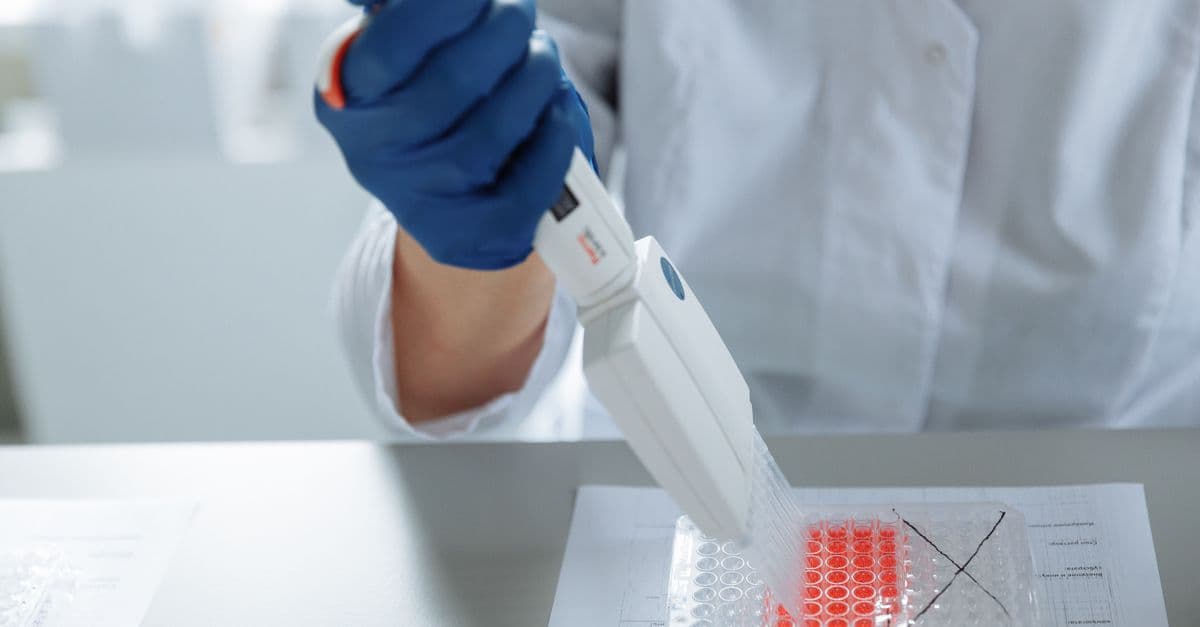
In 1958, Meselson and Stahl used heavy nitrogen and a centrifuge to prove DNA replicates semiconservatively. Here's exactly how they did it and why it matters.
How Doudna and Charpentier repurposed a bacterial immune system into a precise gene-editing tool, winning the 2020 Nobel and sparking a decade of scientific and ethical debate.
Watson and Crick solved DNA's double helix structure in 1953 using Franklin's X-ray data without her knowledge. Crick shouted 'the secret of life' in a Cambridge pub. The full story is complicated.
Rosalind Franklin's life, discoveries, and verified quirks: Photo 51, refusal to marry, death at 37, and how her X-ray crystallography work was used without her knowledge.
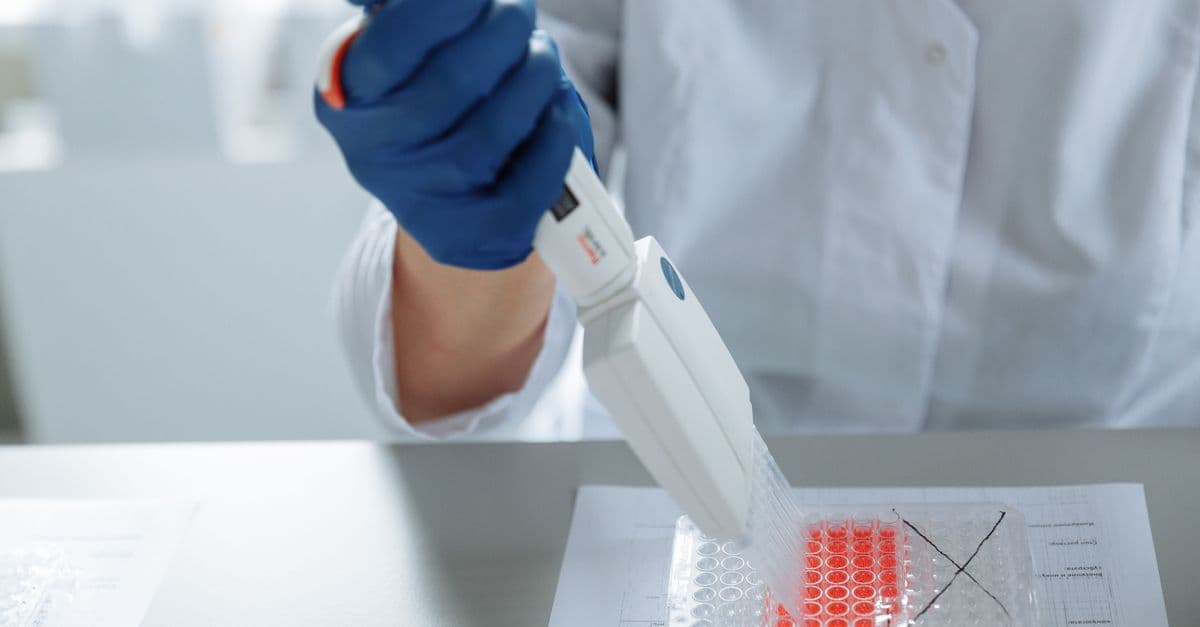
How DNA replicates, the central dogma, mutations, epigenetics, and how consumer genetics tests like 23andMe actually work.
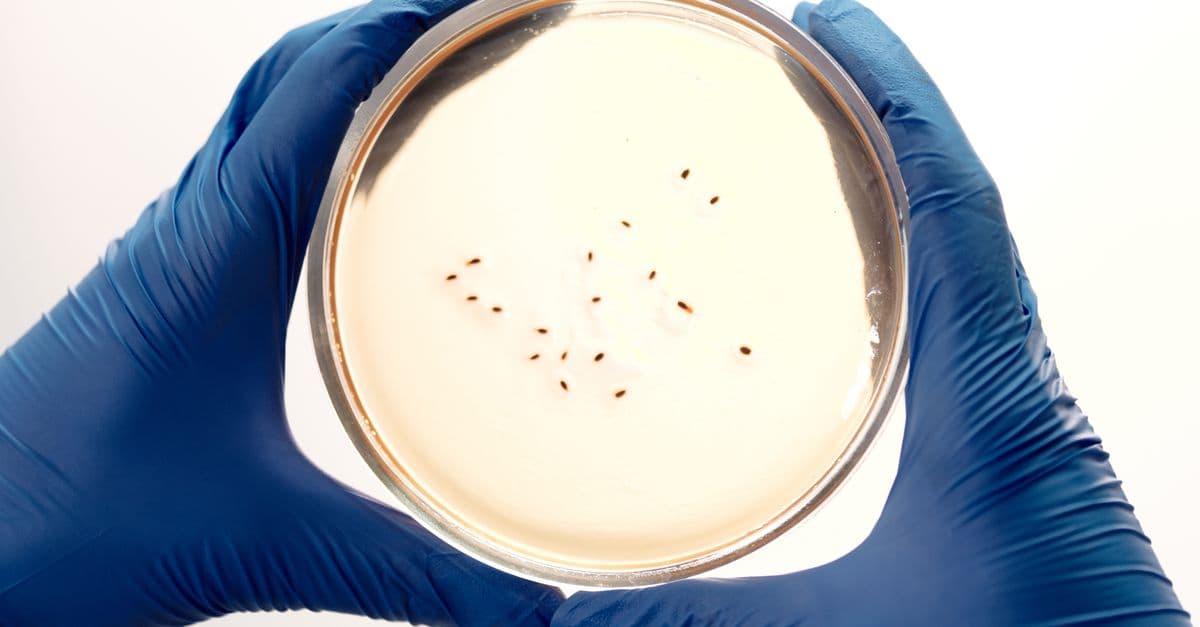
From bacterial immune system to approved therapies: how CRISPR-Cas9, base editing, and prime editing are rewriting the genetic code of medicine.
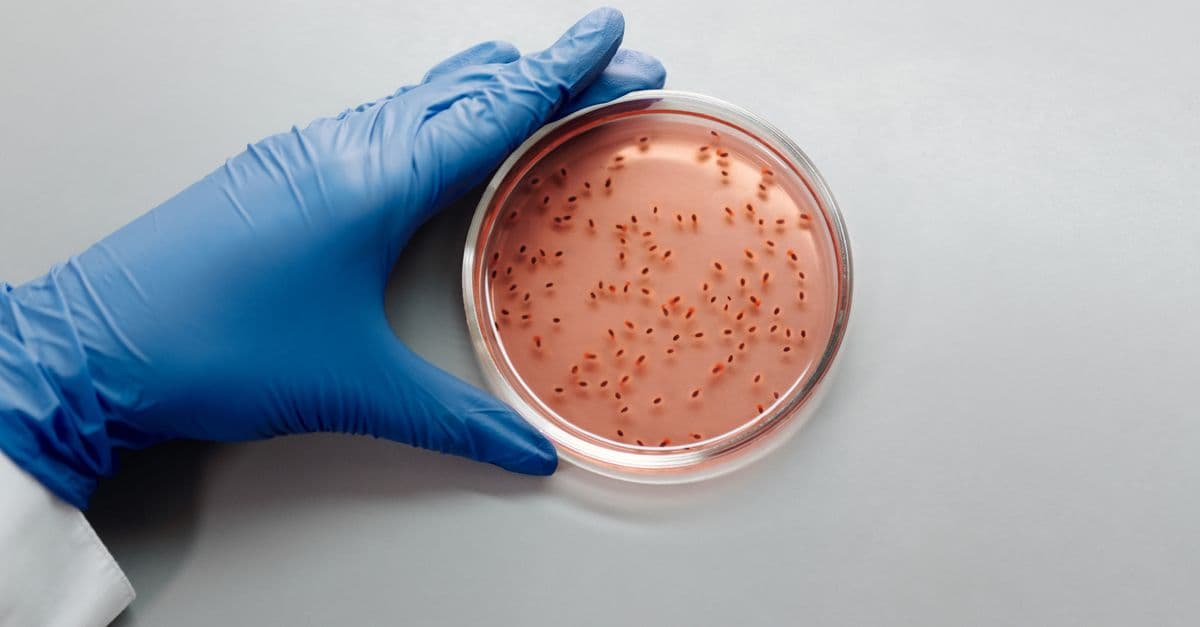
A single fertilized egg becomes a complete human being, and a few of its descendants never stop being flexible. This is how stem cells work, how scientists learned to reprogram them, and which therapies have reached patients.
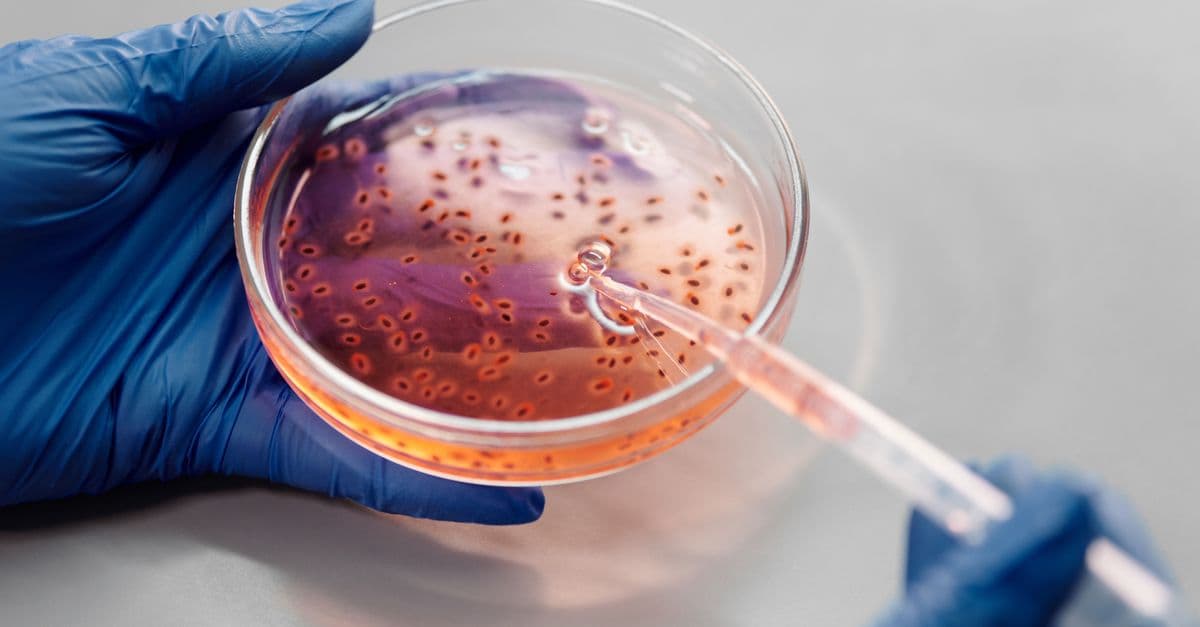
Humans and chimpanzees share a common ancestor from roughly 6 to 7 million years ago. Here is how fossils, tools, and ancient DNA reconstruct what happened next.