How Stem Cells Work and What They Can Actually Treat
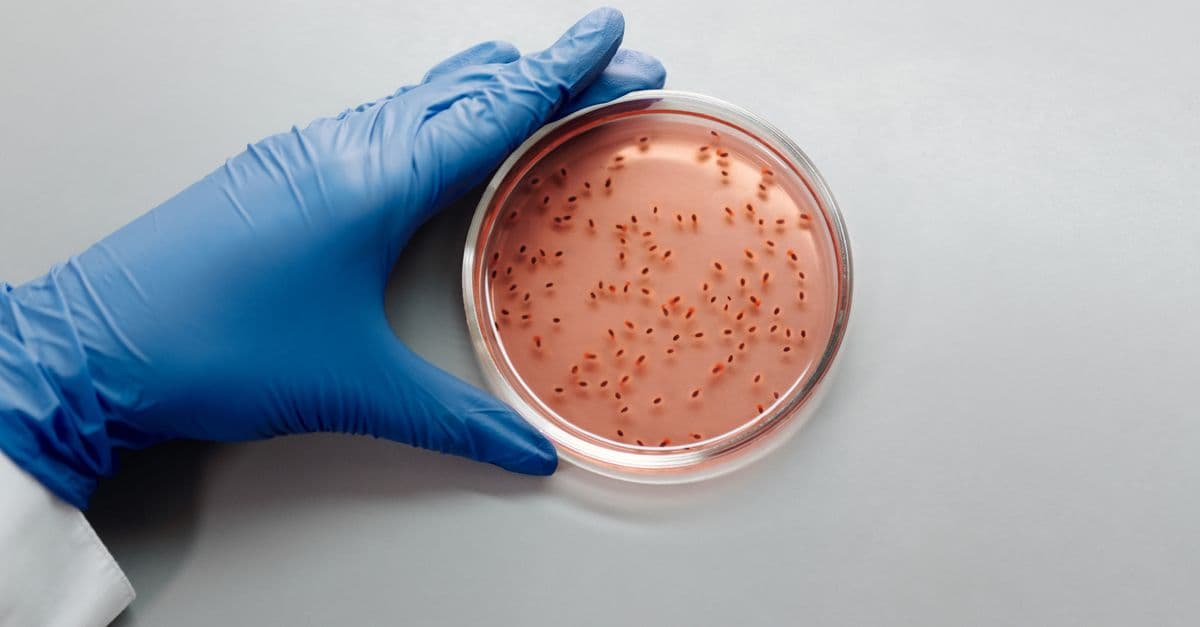
Photo: Edward Jenner / Pexels
An adult human body holds an estimated 37 trillion cells, and every one of them descended from a single fertilized egg. Most of those descendants committed long ago to being a neuron, a heart muscle cell, or a skin cell, and they cannot go back. A small minority never fully committed. Understanding how stem cells work means understanding which cells kept their options open, how they decide, and how scientists learned to reopen the options in cells that had closed them.
Educational content, not medical advice. Talk to your doctor before changing any medication, treatment, or routine. Information here reflects current research but every person's situation differs.
Key takeaways
- Two defining properties: A stem cell can renew itself by dividing, and it can give rise to more specialized cell types. Either property alone is not enough to qualify.
- Potency is a range, not a switch: Totipotent, pluripotent, multipotent, and unipotent cells can each make progressively fewer cell types, though real cells blur these categories.
- Reprogramming changed the field: Four transcription factors can convert an ordinary adult cell into an induced pluripotent stem cell (iPSC), avoiding the use of embryos.
- Blood stem cells are the proven therapy: Bone marrow and cord blood transplants have been used for decades. Most other stem cell treatments remain experimental.
- 2026 marked a regulatory first: Japan granted conditional, time-limited approval to two iPSC-derived products in March 2026, each evaluated in fewer than ten patients.
What makes a cell a stem cell
A stem cell is defined by two properties that have to occur together. The first is self-renewal: the cell can divide and produce at least one daughter that is still a stem cell. The second is differentiation: the cell can also produce daughters that commit to a more specialized identity, such as a red blood cell or a gut lining cell.
Think of a sourdough starter. Each time a baker takes a portion to make a loaf, the remaining starter is fed and regrows, so the supply never runs out. The loaf is the differentiated product, and the jar is the stem cell pool. If the jar stopped regrowing, the baker would eventually run out of bread; if loaves were never baked, the jar would just sit there growing.
Stem cells manage this balance in two ways. A stem cell can divide asymmetrically, producing one stem cell and one committed daughter, which keeps the pool at a constant size. It can also divide symmetrically, producing two stem cells to expand the pool after an injury or two committed cells to deplete it. Tissues tune the ratio depending on what the body needs, and the ordinary machinery of mitosis and the cell cycle is the same in either case. What differs is the signaling around the dividing cell.
That surrounding environment is called the niche. Adult stem cells sit in specific anatomical locations, such as the base of an intestinal crypt or the bone marrow cavity, where neighboring cells and the surrounding matrix send signals that say stay as you are or go and specialize. Remove a stem cell from its niche and it often loses its stem-like behavior, which is one reason that growing adult stem cells in a dish is harder than it sounds.
The potency ladder, from a whole embryo to a single cell type
Potency describes how many different cell types a stem cell can produce. Biologists sort it into four commonly used categories.
| Category | What it can make | Where it occurs | Example |
|---|---|---|---|
| Totipotent | A whole organism, including placenta and other extraembryonic tissue | Fertilized egg and the first few cleavage-stage cells | Zygote |
| Pluripotent | Any cell type of the body, but not extraembryonic tissue on its own | Inner cell mass of the early embryo; reprogrammed cells in culture | Embryonic stem cells, iPSCs |
| Multipotent | Several related cell types within one tissue family | Adult tissues | Hematopoietic (blood-forming) stem cells |
| Unipotent | One cell type | Adult tissues | Many epidermal and muscle stem cells |
The table suggests a tidy staircase, and the real picture is messier. Cells in the early embryo can shift between states depending on culture conditions. Some differentiated cells can revert or convert to a different identity after injury, and experimental tools can push cells across supposedly fixed boundaries. A better mental model than a staircase is the old developmental biology picture of a ball rolling down a hillside landscape: the ball starts at the top with many possible valleys ahead of it, and each valley it settles into is a cell fate. Normal development rolls the ball downhill. Reprogramming, as discussed below, pushes it back up.
The decision about which valley to roll into is controlled by chemical gradients that tell a cell where it is and by epigenetic marks that lock in the choice. That mechanism has its own deep dive in how stem cells know what to become, so this article focuses instead on the cells themselves and what they are being used for.
Embryonic stem cells: the first pluripotent cells in a dish
Embryonic stem cells (ESCs) come from the inner cell mass of the blastocyst, the hollow ball of cells that forms around day five after fertilization. The outer layer of the blastocyst becomes the placenta. The inner cell mass, a small cluster on one side, is the part that goes on to build the fetus.
In 1998, James Thomson and colleagues at the University of Wisconsin reported in Science that they had derived human ESC lines from blastocysts. They isolated 14 inner cell masses and obtained five stable lines, each originating from a separate embryo. The cells had normal chromosomes, high levels of the enzyme telomerase (which lets cells keep dividing without their chromosome ends wearing down), and the ability to form tissue from all three embryonic germ layers after four to five months of undifferentiated growth (Thomson et al., Science, 1998).
A small set of proteins holds the pluripotent state in place. Three of them, OCT4, SOX2, and NANOG, are transcription factors, meaning they bind DNA and switch genes on or off. They activate each other's genes and many others, forming a mutually reinforcing circuit that keeps pluripotency genes running while suppressing genes that drive specialization. When differentiation begins, the circuit collapses and cell-type-specific factors take over.
Why embryonic stem cells became a political issue
Deriving human ESCs destroys the blastocyst, which is the source of the ethical dispute. In the United States, the policy announced on August 9, 2001 limited federal funding to embryonic stem cell lines that already existed on that date. A Congressional Research Service review describes how Executive Order 13505, signed in March 2009, reversed that limit and directed the National Institutes of Health to issue new guidelines, which it did in July 2009 (CRS report on stem cell research funding and oversight). Different countries drew different lines, and that patchwork shaped where research happened and how fast.
ESCs also have a practical problem that has nothing to do with ethics. Cells derived from one embryo are genetically foreign to any patient, so transplanted ESC-derived tissue faces immune rejection. A patient-specific alternative was needed, and the way to get one came from an unexpected direction.
iPSCs: how scientists rewound a cell
The idea that a specialized cell could be turned back begins with an experiment in frogs. In the early 1960s, John Gurdon transplanted nuclei from tadpole intestinal cells into an egg whose own nucleus had been removed, and some of those eggs developed into tadpoles. The result indicated that a specialized cell keeps its entire genome and that specialization is largely a matter of which genes are switched on rather than which are lost. The full story is in the Gurdon frog cloning experiment, and the same logic underlies Dolly the sheep, the first mammal cloned from an adult cell.
In 2006, Shinya Yamanaka and Kazutoshi Takahashi at Kyoto University asked whether the egg's rewinding power could be replaced by a handful of genes. They introduced four transcription factors (Oct3/4, Sox2, Klf4, and c-Myc) into mouse fibroblasts, a common connective-tissue cell. A fraction of the treated cells became pluripotent. The team named them induced pluripotent stem cells, and the cells formed tumors containing tissue from all three germ layers when transplanted into mice, which is the standard test for pluripotency (Takahashi and Yamanaka, Cell, 2006). A year later the same four factors worked on adult human skin fibroblasts (Takahashi et al., Cell, 2007). Yamanaka and Gurdon shared the 2012 Nobel Prize in Physiology or Medicine for the discovery that mature cells can be reprogrammed to pluripotency. Our walkthrough of Yamanaka's iPSC experiments covers the technique in more detail.
The easiest analogy is a factory reset. A phone that has been customized for years can be returned to its factory settings by a short sequence of commands, not by building a new phone. Reprogramming factors do something similar to the epigenetic settings of a cell: they erase much of the mark pattern that says this is a skin cell and restore a state in which the cell can become many things again.
What iPSCs are used for
iPSCs sidestep the embryo question, because they come from an adult donor's skin or blood. They also open three practical doors.
- Patient-specific cells. Cells reprogrammed from one person are genetically matched to that person, which in principle lowers rejection risk for an autologous transplant. In practice, making a custom cell line for each patient is slow and expensive, so many programs now use banked donor lines instead.
- Disease modeling. Cells from patients with inherited conditions can be reprogrammed and differentiated into the affected tissue, giving researchers a living human model of a disease. This matters most for tissues that cannot be sampled safely, such as neurons from the brain.
- Drug testing. Cultured human heart or liver cells made from iPSCs can be exposed to candidate drugs earlier in development, before a compound reaches a human volunteer.
Where iPSCs fall short
iPSCs are very similar to ESCs, but they are not identical. Reprogramming can leave behind residual epigenetic marks from the cell's former identity, and the process can introduce genetic changes. One of the original reprogramming factors, c-Myc, is itself an oncogene, so later protocols often drop it or replace it. Any cell product that includes leftover undifferentiated pluripotent cells risks forming a teratoma, a tumor containing a jumble of tissue types. Clinical manufacturing therefore depends on testing for purity and genetic stability, which adds cost and time. The biology of runaway cell growth behind that risk is laid out in what causes cancer.
Adult stem cells: the maintenance crew
Adult (or tissue) stem cells are not pluripotent. They are multipotent or unipotent, committed to maintaining their home tissue, and many remain quiet until the tissue is damaged. Four examples show how different they can be.
Blood-forming stem cells
Hematopoietic stem cells in the bone marrow generate every blood and immune cell type through a chain of increasingly specialized progenitors. The output is enormous, because the body replaces red blood cells continuously, and the stem cell pool supplying that output is very small. The blood article in our human body series explains what those cells do once they enter circulation. Hematopoietic stem cells are also the one adult stem cell type that has been used clinically for decades, as described below.
Intestinal stem cells
The lining of the small intestine is renewed continuously, with replacement cells arising from stem cells in the crypts, the small pits between the finger-like villi. In 2009, Toshiro Sato and colleagues showed that a single Lgr5-expressing stem cell, cultured in the right conditions, could build a miniature crypt-villus structure containing all the differentiated cell types of the intestinal lining, without a supporting mesenchymal niche (Sato et al., Nature, 2009). That experiment created intestinal organoids, which are now a standard laboratory model for gut biology.
Skin stem cells and a gene-corrected epidermis
Skin gives one of the most striking demonstrations of what adult stem cells can do. In 2017, Michele De Luca's group reported in Nature the case of a seven-year-old boy with junctional epidermolysis bullosa, a genetic disease in which a faulty LAMB3 gene (which encodes a protein called laminin-332) makes skin separate and blister. Researchers took a small skin biopsy, used a viral vector to add a healthy LAMB3 copy to cultured cells, and grafted sheets of the corrected cultures onto the boy in three operations between October 2015 and January 2016. The regenerated epidermis stayed intact and blister-free through 21 months of follow-up. The work also showed that the human epidermis is sustained by a limited number of long-lived stem cells rather than by many equivalent progenitors (Hirsch et al., Nature, 2017). This was a single patient, so it proves feasibility rather than benefit for a population, but it showed that a gene-corrected adult stem cell population can rebuild a whole organ's outer layer. The way skin normally repairs itself after a cut is covered in how wounds heal.
Muscle and neural stem cells
Muscle satellite cells lie dormant between muscle fibers and the surrounding membrane, and they activate when the fiber is injured. Neural stem cells are the contested case. Whether the adult human hippocampus keeps producing new neurons has been argued for years. Sorrells and colleagues reported in 2018 that neurogenesis in the human hippocampus falls to negligible levels in childhood, while Boldrini and colleagues reported the opposite in the same year. A commentary reviewing both papers argues that many lines of evidence still support adult neurogenesis and attributes the conflict to species differences, marker limitations, and post-mortem factors (review in PMC). Researchers have not settled the question, and the neurons in question would be a small fraction of the hippocampus either way.
Compared with a salamander, humans regenerate poorly. Axolotls and planarians rebuild limbs and whole body segments using stem-cell-like cell populations, a story told in the science of animal regeneration and explored speculatively in what if humans could regrow limbs. Human adult stem cells do their work inside much tighter limits.
| Tissue | Stem cell type | Normal job | Clinical use today |
|---|---|---|---|
| Bone marrow | Hematopoietic stem cell | Make all blood and immune cells | Transplantation for blood cancers and some inherited blood disorders |
| Small intestine | Lgr5-expressing crypt stem cell | Replace the gut lining | Research models (organoids) |
| Skin | Epidermal stem cell | Renew the outer skin layer | Experimental gene-corrected grafts |
| Skeletal muscle | Satellite cell | Repair injured fibers | None established |
| Hippocampus | Neural stem cell | Possibly generate new neurons (debated in humans) | None |
From stem cell to usable medicine
Getting from a pluripotent cell to a therapy involves a chain of steps that each fail in their own way.
- Directed differentiation. Researchers expose the cells to a timed series of signals that imitate embryonic development, steering them toward, say, dopamine-producing neurons or insulin-producing islet cells. Protocols take weeks and can yield mixtures of cell types, not a pure population.
- Purification and testing. The final product is screened to remove leftover undifferentiated cells, which could form tumors, and to confirm that cells behave as expected, which for a neuron means producing the right neurotransmitter.
- Delivery. Cells must be placed where they are needed and survive there. A patch of retinal cells, a brain injection, and an infusion into the liver's portal vein all pose different engineering problems.
- Immune compatibility. Cells from a donor line carry surface proteins that a recipient's immune system may recognize as foreign, a process described in how the immune system recognizes threats. The usual solution is immunosuppressive drugs, which carry their own risks, so some groups are engineering cells to hide from immune surveillance.
- Long-term follow-up. Because cells can persist for years, regulators expect long monitoring periods for tumor formation and loss of function.
Cells that work well in a dish also behave differently inside a body. A neuron made from a stem cell has to wire into existing circuitry, and a heart cell has to beat in time with its neighbors. Many promising lab results have met their hardest test at this stage.
What has actually reached patients
The honest summary is that one kind of stem cell therapy is routine, a few are approved for narrow uses, and a larger group is still in trials. The table sorts them by evidence level.
| Therapy | Cell type | Status | Evidence base |
|---|---|---|---|
| Bone marrow and cord blood transplantation | Hematopoietic stem cells | Standard care for certain leukemias, lymphomas, and inherited blood disorders | Decades of use; E. Donnall Thomas performed a marrow transplant between identical twins in 1956 |
| Ryoncil (remestemcel-L-rknd) | Donor bone marrow mesenchymal stromal cells | FDA-approved December 18, 2024 for steroid-refractory acute graft-versus-host disease in children | Single-arm study of 54 children; 70% overall response at day 28 |
| Casgevy and Lyfgenia | Patient's own hematopoietic stem cells, gene-modified | FDA-approved December 8, 2023 for sickle cell disease | Single-arm trials; in the Casgevy trial, 93.5% of 44 treated patients were free of severe pain crises for at least 12 months |
| Amchepry (Parkinson's) | iPSC-derived dopamine neuron progenitors | Conditional, time-limited approval in Japan, March 2026 | Seven patients in a phase I/II trial |
| ReHeart (ischemic heart failure) | iPSC-derived heart muscle cell sheets | Conditional, time-limited approval in Japan, March 2026 | Small early-stage trial, fewer than ten patients |
| Stem cell-derived islets (type 1 diabetes) | Donor stem cell-derived pancreatic islet cells | Phase 3 | Phase 1-2 trial: 10 of 12 full-dose participants insulin-independent at one year |
The established case: blood stem cell transplants
Bone marrow transplantation is the cornerstone of stem cell medicine. A patient's diseased marrow is destroyed with chemotherapy or radiation, and healthy blood-forming stem cells from a matched donor are infused to rebuild the blood and immune system. Thomas carried out a marrow transplant between identical twins in 1956, and shared the 1990 Nobel Prize in Physiology or Medicine for his work on transplantation. Tissue-matching methods developed afterward made transplants between non-twins feasible. Umbilical cord blood is another source of blood-forming stem cells, and the FDA's patient-information page states that the stem cell products it has approved are cord blood-derived products for disorders affecting blood production (FDA patient and consumer information).
Approved, but not a miracle: mesenchymal stromal cells
Ryoncil, approved on December 18, 2024, was the first mesenchymal stromal cell therapy approved by the FDA. Its indication is narrow: children two months and older with steroid-refractory acute graft-versus-host disease, a complication in which donor immune cells attack the recipient's body after a transplant. In the 54-child pivotal study, the overall response rate at day 28 was 70%, with a 30% complete response rate (FDA announcement). The cells appear to act mainly by calming inflammation rather than by turning into new tissue, which is why many researchers prefer the term stromal cells to stem cells for this product class.
Stem cells plus gene editing
Casgevy and Lyfgenia, approved by the FDA on December 8, 2023, start from the patient's own blood stem cells. The cells are collected, modified outside the body, and returned after chemotherapy clears the marrow. Casgevy uses CRISPR-Cas9 editing and Lyfgenia uses a lentiviral vector, and Lyfgenia carries a boxed warning about hematologic cancer (ASGCT summary). Our piece on CRISPR in 2026 covers what the technique has and has not delivered.
CAR-T therapy often gets lumped into this category, but it is a different thing. Kymriah, approved on August 30, 2017, was the first CAR-T therapy cleared in the United States. It engineers a patient's mature T cells, not stem cells, to attack leukemia cells. The distinction matters because stem cells and engineered immune cells carry different risks and different regulatory histories, and immunotherapy for cancer deserves its own explanation.
The iPSC frontier: Japan's 2026 approvals
On March 6, 2026, Japan's health ministry granted conditional, time-limited approval to two iPSC-derived products. One is Amchepry from Sumitomo Pharma and Racthera, a dopamine-producing neural progenitor cell therapy for Parkinson's disease. The other is ReHeart from Cuorips, a sheet of iPSC-derived heart muscle cells placed on the surface of the heart for severe ischemic heart failure. Both were evaluated in fewer than ten patients, and the approval lets the companies sell the products for a limited period while they collect more outcome data (The Medicine Maker).
The evidence behind the Parkinson's product comes from a Kyoto University phase I/II trial published in Nature in 2025. Seven patients, aged 50 to 69, received transplants of iPSC-derived dopaminergic progenitors; the report described no serious adverse events attributed to the cells and no graft overgrowth on MRI, with some patients showing motor improvement (Sawamoto et al., Nature, 2025). A companion trial using embryonic stem cell-derived cells appeared in the same journal that year. Both studies were small, open-label, and designed mainly to test safety, so the efficacy signals are preliminary.
Type 1 diabetes and the immunosuppression problem
In type 1 diabetes, the immune system destroys the insulin-producing beta cells of the pancreas. Stem cell-derived islets aim to replace them. A phase 1-2 trial of Vertex's zimislecel, published in the New England Journal of Medicine on September 4, 2025, infused stem cell-derived islets into the portal vein; among 12 participants who received the full dose, 10 were insulin-independent at one year. All participants took immunosuppressive drugs, and the trial recorded serious adverse events, including two deaths (Reichman et al., NEJM, 2025). The result is encouraging, but swapping insulin injections for lifelong immunosuppression is a hard trade for many patients, which is why the field is chasing cells that avoid immune attack.
Early signs and early failures
The retinal pigment epithelium, a thin layer of cells under the retina, was an early target. In a 2017 New England Journal of Medicine report, researchers made retinal pigment cell sheets from a patient's own reprogrammed skin cells for neovascular age-related macular degeneration. One of two patients received the graft; a year later the sheet was intact, and the patient's vision had neither improved nor worsened (Mandai et al., NEJM, 2017). The study was a safety test, and it did what it was designed to do.
The history of embryonic stem cell trials includes a sobering example. Geron Corporation received clearance for the first human embryonic stem cell trial, in spinal cord injury. The FDA had placed the program on hold in 2009 after non-proliferative cysts appeared in animal studies, lifted the hold in 2010, and then Geron discontinued the program in November 2011 when only four patients had been treated (MIT Technology Review). A company's finances, not only the biology, determine what reaches patients.
Why unproven clinics are a different story
Many clinics sell injections of fat-derived or bone marrow-derived cells for arthritis, autism, and neurological disease. The FDA's patient information page says these products are not approved for conditions including macular degeneration, neurological disorders, heart and lung disease, and orthopedic conditions, and that the agency has received reports of blindness, tumor formation, and infections linked to unapproved products (FDA). In 2017, three women were severely and permanently injured in their eyes after receiving stem cell injections at a Florida clinic, a case reported in the New England Journal of Medicine, and in 2019 a federal court sided with the FDA in its case against the clinic's operator (Foundation Fighting Blindness).
The pattern is consistent. A clinic charges thousands of dollars for a treatment that is not part of a regulated trial, and it points to approved uses for blood stem cells as proof that stem cells work in general. Approved blood stem cell transplants say nothing about whether an injection of fat cells helps a knee. The FDA's advice is to contact the agency if offered such products outside a trial overseen by the agency.
Common misunderstandings about stem cells
"Stem cell" is a category, not a single treatment. A bone marrow transplant, a gene-edited blood stem cell infusion, and a clinic's knee injection share a label and almost nothing else. Each has its own mechanism, evidence, and risks.
iPSCs are not the same as embryonic stem cells. They behave similarly in the lab, but they come from adult tissue, carry some epigenetic memory of their origin, and can accumulate changes during reprogramming.
A first approval is not a cure. The Japanese approvals are conditional and time-limited, based on small trials, and come with a requirement to gather more data. Regulators approved them to allow continued collection of evidence in patients, not to declare the question closed.
More plasticity does not mean more safety. The same flexibility that makes pluripotent cells useful is what lets leftover undifferentiated cells form tumors. Purity testing exists for this reason.
Stem cells do not simply reverse aging. Stem cell function does decline with age, a theme in the biology of aging, but there is no approved therapy that restores youth by adding stem cells. Claims that suggest otherwise are marketing, not medicine.
The takeaway
Stem cell biology is really two stories that have started to merge. One is about the cells your body already uses to renew blood, gut, and skin, a story that has produced a half-century of transplant medicine. The other is about the discovery that specialization is reversible, which made it possible to manufacture human cells on demand and, in March 2026, produced the first regulatory approvals for iPSC-derived products. Both stories end at the same bottleneck: getting cells to survive, function, and avoid immune attack inside a body, over years, without forming tumors. Expect progress to come as narrow, well-tested treatments for specific diseases, each with its own evidence, and be skeptical of any claim that treats stem cells as a single cure for everything.
FAQ
Q: What is the difference between embryonic stem cells and adult stem cells? A: Embryonic stem cells are pluripotent, so they can become any cell type in the body, and they are derived from the inner cell mass of an early embryo. Adult stem cells live in mature tissues, are multipotent or unipotent, and mainly replace cells in their home tissue. Embryonic cells have a wider range but involve ethical disputes about embryo use, while adult stem cells are more limited and harder to grow in culture.
Q: Are iPSCs the same as embryonic stem cells? A: They are very similar, but not identical. Both can form all three germ layers, and the 2006 and 2007 papers by Takahashi and Yamanaka showed iPSCs forming teratomas with tissue from each layer. However, iPSCs can retain epigenetic marks from the tissue they came from and can accumulate genetic changes during reprogramming, so quality testing is a major part of making them for clinical use.
Q: Which stem cell treatments are actually approved? A: Blood stem cell transplants from bone marrow or cord blood are established care for certain blood cancers and inherited blood disorders. In the United States, the FDA approved Ryoncil, a mesenchymal stromal cell therapy for pediatric graft-versus-host disease, in December 2024, and Casgevy and Lyfgenia, which modify a patient's own blood stem cells, in December 2023. Japan granted conditional approval to two iPSC-derived products in March 2026.
Q: Why is stem cell therapy not more widely available? A: Several obstacles overlap. Cells must be manufactured in consistent, pure batches, and any leftover undifferentiated cells can form tumors. Donor cells provoke immune rejection, so recipients often need immunosuppressive drugs. Regulators require long follow-up, and early trials are small. Cost is high as well. Many promising results come from fewer than a dozen patients, so confirmation in larger trials takes years.
Q: Can stem cells be used to grow organs? A: Not yet in a form that can be transplanted. Researchers grow organoids, which are miniature simplified structures that mimic parts of the intestine, kidney, liver, lung, or brain. Sato's 2009 intestinal organoid work is an early example. Organoids lack the blood vessel networks and full architecture of a real organ, so they serve as research models, not replacement parts.
Q: What are the risks of stem cell therapy? A: The main risks are immune rejection of donor-derived cells, tumor formation from incompletely differentiated cells, cells ending up in the wrong location, and the side effects of immunosuppressive drugs. Approved therapies such as transplants have well-characterized risk profiles. Unapproved clinic products carry additional risks, and the FDA has received reports of blindness, tumor formation, and infections linked to them.
Sources
- Bianconi et al., "An estimation of the number of cells in the human body" (3.72 x 10^13 cells), via BioNumbers
- Thomson et al., Science, 1998
- Takahashi et al., Cell, 2007
- Sato et al., Nature, 2009
- Hirsch et al., Nature, 2017
- FDA: Ryoncil approval
- FDA: patient and consumer information about regenerative medicine therapies
- Sawamoto et al., Nature, 2025
- Reichman et al., NEJM, 2025
Read next:
Follow new articles
Add SciHub101 to your feed reader to see new science and technology stories.
About the Author
SciHub101 is an independent science and technology publication founded and edited by Buğra Sözeri, a software engineer and app developer based in Türkiye. AI tools assist with drafting and research. Source documentation in the existing archive is uneven, and articles are being reviewed and corrected. The Editorial Team byline identifies editorial responsibility; it does not certify specialist or independent human review. Where we compare products, anything built by our own team is labelled as such — see the editorial guidelines and About page for how corrections and disclosures work.
Related Articles
Human Evolution: From Primates to Homo Sapiens
Humans and chimpanzees share a common ancestor from roughly 6 to 7 million years ago. Here is how fossils, tools, and ancient DNA reconstruct what happened next.

How Dogs Understand Humans: The Science of the World's Oldest Partnership
Dogs can read human emotions, follow pointing gestures, and understand hundreds of words — abilities even our closest primate relatives often lack.
How Viruses Work: From Infection to Replication
Viruses are not quite alive, yet they've shaped every living thing on Earth. Here's how they hijack your cells and replicate themselves from the inside out.
DNA Replication and Genetics Explained
How DNA replicates, the central dogma, mutations, epigenetics, and how consumer genetics tests like 23andMe actually work.
PCR Invention: Copying DNA Millions of Times Explained
How Kary Mullis's 1983 idea became the polymerase chain reaction, how the three-step cycle works, and why it underpins diagnostics, forensics, and research
Sanger Sequencing: Reading DNA Code Explained
How Frederick Sanger's chain-termination method turned the order of DNA bases into something a laboratory could read, and why it still matters.