What If Humans Could Regrow Limbs Like Axolotls?

Photo: Marek Pavlík / Pexels
Thought experiment. This article explores a hypothetical scenario for educational and speculative purposes. The events described are not predictions and should not be interpreted as warnings, advocacy, or instructions.
Every year, an estimated 1.5 to 1.6 million amputations happen worldwide because of diabetes-related complications alone, according to a systematic review published in Diabetes Research and Clinical Practice, and the global economic burden of those diabetic amputations runs to roughly $86 billion annually. Add trauma, vascular disease, and cancer, and the true global total climbs well past that. Each amputation is, biologically speaking, permanent. No natural process regrows the missing tissue.
The axolotl, a Mexican salamander that never quite loses its juvenile features, has no such problem. Sever its arm at the shoulder, and a new one — bones, muscles, nerves, blood vessels, skin, all correctly patterned — grows back within about six to eight weeks. Its heart, spinal cord, jaw, and parts of its brain regenerate too. The question "what if humans could do this?" is not idle speculation. Researchers are actively mapping the molecular machinery that separates axolotls from us, and in narrow domains, the gap is already closing.
So let's take the science seriously and walk through what a world with regenerating humans would actually look like — medically, economically, militarily, and psychologically.
The Biology Required
Human cells are not categorically incapable of regeneration. The axolotl's trick is not some alien biochemistry unique to salamanders; it runs largely on genes and signaling pathways that humans also carry. What differs is the regulatory program governing when and how those genes switch on.
In axolotls, an amputation triggers a specific cascade. The wound epidermis forms rapidly and, unlike a human wound, it does not close over with scar tissue — it stays as a thin, specialized covering called the wound epithelium. Within hours, immune cells called macrophages flood the site. A 2013 study in PNAS by James Godwin and colleagues showed that if you deplete macrophages from an axolotl before amputation, the limb fails to regenerate at all and forms scar tissue instead, which demonstrated for the first time that these immune cells are not just cleanup crew — they are required signaling hubs that tell nearby tissue to switch into a regenerative mode rather than a scarring one.
Cells near the wound then partially reverse their identity, a process called dedifferentiation: a muscle cell does not become a stem cell exactly, but it loosens its grip on being "just" a muscle cell and starts dividing again. These cells accumulate into a mass called a blastema — essentially a bud of progenitor cells sitting at the stump. Guided by positional signals left over from the original limb (a kind of molecular map telling cells "you are the elbow" or "you are the wrist"), the blastema divides, differentiates, and rebuilds the missing structure piece by piece, most proximal parts first. Cheng-Ming Chuong and Elly Tanaka's work, summarized in a widely cited 2016 Cell review by Tanaka, describes this "choreography" in detail: it is not random regrowth, it is a tightly sequenced developmental program running a second time, in an adult body.
For humans to regrow a limb, several things would need to happen simultaneously, not sequentially over years of separate breakthroughs:
- Macrophage reprogramming — human wound macrophages default to a pro-inflammatory, scar-promoting posture. They would need to be pushed toward the pro-regenerative phenotype axolotls use by default.
- Controlled dedifferentiation — adult human cells would need to partially reverse their fate without drifting into uncontrolled, cancer-like proliferation.
- Blastema formation and patterning — dedifferentiated cells would need to organize into a structure that "knows" what to build next, using positional information that in adult humans is largely dormant.
- Vascular and neural integration — new bone, muscle, and skin are useless without nerves and blood vessels growing in step with them, not after.
- A stop signal — regeneration has to know when to end. The axolotl blastema builds exactly one hand, not an indefinitely growing mass.
No researcher claims this is close to easy. But for this thought experiment, assume we cross the threshold — perhaps through localized gene therapy that activates the right transcription factors at the wound site, perhaps through bioengineered scaffolds that physically guide a blastema, perhaps through some combination the field hasn't landed on yet. What follows if it works?
Medical Transformation
The most immediate consequence would be the effective disappearance of permanent limb loss as a medical outcome. The people currently living with limb loss worldwide — commonly estimated in the tens of millions when trauma, vascular disease, and congenital cases are combined — would gain access to a procedure that restores their own biological limb, not a prosthesis and not a donor graft.
That would ripple through medicine in ways that are not obvious at first glance.
Amputation as a treatment decision would change. Diabetic peripheral artery disease currently forces amputation because infection and tissue death often outrun the body's ability to heal. If regrowth were reliable, surgeons could remove compromised tissue earlier and more decisively, the same way oncologic surgeons sometimes widen resection margins when reconstruction is a certainty rather than a hope.
Trauma and combat medicine would be reorganized around a different timeline. A soldier, construction worker, or crash victim facing traumatic limb loss would be facing a temporary, if grueling, medical process rather than a permanent one. That would not eliminate the psychological shock of losing a limb suddenly, but it would fundamentally change the long-term calculus of injury.
A large, specialized industry would contract sharply. The global prosthetics and orthotics market has been valued at well over a billion dollars annually and continues to grow, driven by aging populations and rising diabetes rates; regenerative medicine that made most permanent prosthetic use unnecessary would shrink that market for long-term devices even as it created a new one for short-term assistive devices used only during the weeks or months of regrowth.
Adjacent regenerative fields would benefit from spillover research. Axolotls also regenerate portions of their spinal cord and heart tissue, and zebrafish are a major model organism for cardiac regeneration — research summarized in reviews of "15 years of discoveries" on zebrafish heart regrowth has identified epicardial activation and cardiomyocyte dedifferentiation as central mechanisms. Cracking the code for limb regrowth would almost certainly hand cardiologists and neurologists new tools too, since much of the underlying cellular machinery (macrophage reprogramming, dedifferentiation, controlled proliferation) overlaps across organs.
The Slower, Stranger Consequences
Beyond the headline medical benefit, limb regeneration would quietly restructure things that get less attention.
Phantom limb pain, which affects a large majority of amputees, would presumably resolve once the limb returns — but the regrowth process itself would not necessarily be painless. Nerve regeneration is well known to be uncomfortable; people recovering from peripheral nerve injuries frequently describe tingling, burning, and shooting pain as axons regrow and reconnect. A months-long regrowth process might trade one kind of pain for another, at least temporarily.
Rehabilitation would remain essential, possibly for longer than people expect. A regrown limb starts small and functionally immature — closer to an infant's limb, grafted onto an adult nervous system, than to the limb that was lost. The motor cortex representation for that limb has to be relearned, muscles have to be built from nothing, and fine motor control (handwriting, buttoning a shirt, playing an instrument) typically takes children years to master the first time. There is no guarantee an adult brain would relearn it faster just because it had done it once before.
Cultural and philosophical frameworks built around bodily permanence would need to adjust. Disability studies, religious traditions, and art all carry centuries of meaning built around the idea that some physical losses cannot be undone. Regeneration would not make disability meaningless — many disabilities are congenital, sensory, cognitive, or unrelated to missing limbs — but it would reshape the specific cultural weight carried by amputation and limb loss.
Insurance and healthcare economics would need entirely new actuarial models. A one-time regenerative procedure, even an expensive one, would likely be cheaper over a patient's lifetime than decades of prosthetic replacement, fitting, and revision surgery. Insurers and health systems would face pressure to cover it quickly, and access disparities between wealthy and poor healthcare systems would become a serious equity question — much like the current global gap in access to advanced cancer therapies.
What About Cancer Risk?
This is the most serious biological objection to the entire scenario, and it deserves to be taken as seriously as the potential benefit.
Regeneration requires cells to dedifferentiate and re-enter the cell cycle — the same basic process that, when it escapes regulation, produces tumors. One of the leading evolutionary hypotheses for why mammals lost robust regenerative capacity is that tight control over cell proliferation is a load-bearing part of cancer prevention. Give cells permission to divide freely and you have traded regenerative potential for cancer risk, and evolution in warm-blooded, long-lived animals appears to have leaned toward the latter trade-off.
In this scenario, assume the intervention is precisely targeted: it activates regenerative pathways locally, at the wound site only, with molecular safeguards that shut the cascade down once the missing structure is complete. This is not fantasy — the axolotl itself does exactly this. Its regenerative cells proliferate vigorously but stop on schedule, and axolotls do not show elevated cancer rates from the process. The checkpoints that make this possible would need to be preserved, or re-created, in any human application.
That is not a trivial ask, but it is arguably a solvable engineering problem rather than a fundamental biological impossibility. Targeted gene therapy already achieves high spatial precision in approved treatments for other conditions. The harder part is duration: human limb regrowth would plausibly take weeks to months, and maintaining tight, localized control over cell proliferation for that entire window is a much bigger ask than the single-dose interventions gene therapy handles well today.
If the safeguards failed, the realistic worst case would be a highly proliferative growth at the regeneration site requiring surgical or oncological intervention — which is exactly why regenerative medicine researchers spend so much of their effort on kill-switch mechanisms (inducible suicide genes, drug-controlled "off" switches) rather than on regeneration alone.
Comparative Regeneration Across Species
Humans are not regeneration's blank slate. Different species and even different human tissues sit at different points on a wide biological spectrum, and comparing them clarifies exactly what a regenerating human would need to borrow from where.
| Organism / tissue | What regenerates | Time to regrow | Known mechanism | Source |
|---|---|---|---|---|
| Axolotl | Whole limbs, tail, jaw, parts of heart, spinal cord, brain | ~6-8 weeks (limb) | Macrophage-dependent blastema formation, dedifferentiation | Godwin et al., PNAS 2013 |
| Zebrafish | Fins, heart muscle, spinal cord | Weeks | Cardiomyocyte dedifferentiation, epicardial activation | Cardiac regeneration reviews, NCBI/PMC |
| MRL "super-healer" mouse | Ear punch holes (cartilage + skin) | ~30 days | Blastema-like structure, complement factor H signaling | PLOS ONE studies on MRL mice |
| Human child (under ~11 years) | Fingertip beyond the first joint, if left unclosed | Weeks to months | Conservative wound management preserves regenerative niche | Illingworth, 1974 |
| Adult human | Liver mass, intestinal lining, bone fracture healing | Weeks (partial) to months | Compensatory hypertrophy and cell division, not true blastema regeneration | Standard hepatology and orthopedic literature |
| Adult human | Whole limb | Does not occur naturally | N/A | — |
Table: Regenerative capacity compared across model organisms and human tissue types.
Two entries on this table matter more than they first appear. First, ordinary lab mice cannot close an ear punch hole, but a genetically distinct mouse strain can — proof that the difference between "regenerator" and "non-regenerator" inside a single mammalian species can come down to a handful of identifiable genetic and immune factors, not some unbridgeable evolutionary chasm. Second, human children under roughly 11 years old can spontaneously regenerate a fingertip lost beyond the first joint, provided the wound is managed conservatively (kept open and clean rather than surgically closed), a finding first documented by British surgeon Cynthia Illingworth in 1974 and replicated in later case studies. That means a limited, real form of epimorphic regeneration already exists in the human body — it just switches off with age and is confined to the very tip of a digit.
Warfare and Its Consequences
Military implications cut in two directions at once, and it is worth being honest about both.
On one hand, soldiers who would otherwise be permanently disabled by combat trauma could recover fully, removing one of war's most enduring and costly human consequences. Nations that developed reliable regenerative treatment first would maintain a fighting force other nations could not match — creating pressure to acquire or develop the same technology, not unlike the arms-race dynamics seen historically around antibiotics, blood transfusion, and battlefield trauma surgery, each of which changed what militaries were willing to risk.
On the other hand, historians of military medicine have long noted that better trauma care does not reduce a society's willingness to go to war — if anything, it can lower the perceived cost of committing troops to dangerous operations. If political and military leaders believe injured soldiers can be reliably "fixed," the psychological and political barrier to accepting casualties could weaken, even though the lived experience of losing and regrowing a limb would remain physically and psychologically demanding for the person going through it.
Is Any of This Actually Coming?
Human limb regeneration is not a near-term prospect, and no credible researcher currently claims otherwise. But the research trajectory toward it is real and moving faster than a decade ago.
- In 2022, a team led by Nirosha Murugan published a study in Science Advances showing that adult Xenopus laevis frogs — which normally cannot regenerate limbs at all, much like humans — regrew partially functional hindlimbs after a 24-hour treatment with a wearable, drug-eluting bioreactor delivering five regeneration-promoting compounds. The regrowth continued progressively for roughly 18 months after the single brief treatment, producing limbs with bone, muscle, and some nerve tissue, along with partial swimming function.
- Macrophage reprogramming toward a pro-regenerative phenotype, first shown to be necessary in axolotls, has since been demonstrated experimentally in mammalian (mouse) wound models, suggesting the switch is not species-locked.
- Researchers studying MRL "super-healer" mice have identified specific proteins, including complement factor H, that when applied to ordinary non-healing mouse wounds, measurably improve regeneration and reduce scarring — a direct hint that mammalian regenerative capacity can be partially restored with the right molecular signal rather than requiring an entirely new biological system.
The full picture — reliable, complete limb regrowth in an adult human — likely requires gene therapy delivery systems, biomaterial scaffolds, and immune reprogramming working together in ways that do not yet exist in combination. Researchers in the field have suggested timelines in the range of decades rather than years for even partial clinical translation, and it is entirely possible some components (say, nerve regeneration) arrive well before others (say, full limb patterning).
What People Get Wrong About Regeneration
A few misconceptions come up often enough to be worth addressing directly.
"Salamanders have magic cells humans don't have." They don't. The genes and signaling pathways involved (Wnt, FGF, BMP signaling among others) are broadly conserved across vertebrates, including humans. What differs is largely regulatory: when and where those genes are permitted to activate, not whether humans possess them at all.
"If we could regrow limbs, we could regrow anything, including brains." Not necessarily. Different tissues have very different regenerative ceilings even within regenerating species — axolotls regrow limbs far more completely than they regrow complex brain structures, and human children's fingertip regeneration is confined to a small distal region, not the whole digit. Solving limb regeneration would not automatically solve organ or brain regeneration; each tissue type has its own patterning and safety challenges.
"This is basically the same as a prosthetic, just biological." It isn't, functionally. A well-engineered prosthetic can restore function faster than biological regrowth ever could — modern myoelectric prosthetic hands can be fitted and usable within weeks, while a regrown limb, per the mechanisms observed in axolotls, would need weeks of tissue growth followed by additional months of neuromuscular retraining. The appeal of true regeneration is not necessarily speed; it's the restoration of one's own tissue, with its own sensory nerve endings and long-term integration, rather than an external device.
"Stem cell injections already do this." Existing stem cell therapies used in orthopedics and regenerative medicine mostly support and accelerate the body's existing repair processes (cartilage or tendon healing, for example) rather than triggering true epimorphic regeneration of an entire missing structure. That distinction, between assisted repair and structure-from-scratch regrowth, is the entire gap this thought experiment is asking to close.
FAQ
Q: Can humans currently regenerate any body parts? Yes, in a limited sense. The liver can regrow substantial mass after partial removal, the intestinal lining renews itself continuously, fractured bone heals and remodels, and young children can sometimes fully regenerate an amputated fingertip if the wound is managed without surgical closure, according to research dating back to Cynthia Illingworth's 1974 case series. None of these match the scale of an axolotl regrowing a whole limb, but they show human regenerative biology is not entirely dormant.
Q: What animals besides axolotls can regenerate limbs or major organs? Many invertebrates regenerate extensively, including starfish, sea cucumbers, and planarian flatworms, some of which can regrow an entire body from a small fragment. Among vertebrates, various salamander and newt species regrow limbs, deer regrow antlers annually, and zebrafish regenerate fins, spinal cord, and heart muscle. The capacity is broadly distributed across the animal kingdom but sharply reduced in warm-blooded vertebrates like mammals and birds.
Q: Would a regrown human limb be identical to the original? In axolotls, regrown limbs are functionally equivalent to the originals, with only subtle differences in bone microstructure and nerve distribution documented in the literature. For humans, this is genuinely unknown. The signals that built the original limb during embryonic development might differ meaningfully from whatever injury-response signals an adult body could be induced to produce, so a regrown limb might be functional without being a perfect structural copy.
Q: What is the most promising current research path toward human tissue regeneration? Most researchers currently focus on specific tissues rather than whole limbs, because the molecular targets are clearer and the clinical pathway is shorter. Cardiac muscle regeneration after heart attacks, peripheral nerve repair, and scar-reduction in skin wound healing are the most active near-term research areas, drawing directly on lessons from zebrafish heart regeneration and MRL mouse wound studies.
Q: Why can't ordinary lab mice regenerate, while MRL mice can? The difference appears to be genetic and immunological rather than a difference in the presence or absence of any single "regeneration gene." Studies of MRL mice have identified specific proteins, including complement factor H, along with distinct fibroblast gene-expression patterns, that push wound healing toward a blastema-forming, regenerative path instead of the default scar-forming path most mammals use.
Q: Does regeneration research raise the same ethical concerns as cloning or embryonic stem cell research? Not directly. Most current limb regeneration research uses adult cells reprogrammed locally at a wound site, rather than embryonic tissue or reproductive cloning, so it avoids the specific ethical debates tied to embryo use. The main ethical and safety concerns center instead on cancer risk from uncontrolled cell proliferation and on equitable access if an expensive regenerative therapy became available.
Q: Could regeneration research help with conditions other than limb loss? Very likely, because the underlying cellular tools overlap across organs. Macrophage reprogramming, controlled dedifferentiation, and blastema-like structures are being studied for applications in cardiac regeneration after heart attacks, peripheral nerve repair, cartilage and joint regeneration, and reducing fibrotic scarring after major surgery.
Q: Is human limb regeneration likely to happen in most people's lifetimes? It's genuinely uncertain. Researchers working in the field have pointed to component technologies, immune reprogramming, gene delivery, and biomaterial scaffolds, that would each need further breakthroughs before combining into a working human therapy, with realistic estimates spanning decades rather than years. Partial applications (nerve regrowth, cartilage regrowth) are plausible on a nearer timeline than whole-limb regrowth.
Q: How does the axolotl's ability to avoid cancer during regeneration actually work? Researchers have identified checkpoint mechanisms that allow axolotl blastema cells to proliferate rapidly but stop precisely once the missing structure is complete, unlike the unchecked growth seen in tumors. The exact molecular brakes are still being characterized, but the practical takeaway for human applications is that any regenerative therapy would need a comparably reliable "off switch" built in from the start.
The Takeaway
The distance between a human and an axolotl is not a wall; it is a stack of regulatory switches that evolution happened to set differently, and researchers are learning to flip a few of them experimentally, tissue by tissue, species by species. Full human limb regeneration remains a genuine unknown, likely decades away if it arrives at all in a clinically reliable form, and the cancer-safety problem is real rather than a footnote. What the research already shows, from MRL mice closing ear wounds to children regrowing fingertips to frogs regrowing partial limbs after a single treatment, is that regenerative capacity is not an all-or-nothing trait locked away in salamanders. It is a spectrum, and humans already sit somewhere on it, just not very far along.
Read next:
- How Biological Regeneration Works: From Axolotls to Human Healing
- Stem Cells and Regenerative Medicine Explained
- Explore more biology explainers
Sources
- Murugan, N.J. et al. (2022). "Acute multidrug delivery via a wearable bioreactor facilitates long-term limb regeneration and functional recovery in adult Xenopus laevis." Science Advances, 8(4). https://doi.org/10.1126/sciadv.abj2164
- Tanaka, E.M. (2016). "The molecular and cellular choreography of appendage regeneration." Cell, 165(7), 1598–1608.
- Godwin, J.W. et al. (2013). "Macrophages are required for adult salamander limb regeneration." PNAS, 110(23), 9415–9420.
- "Regeneration in MRL mice: further genetic loci controlling the ear hole closure trait." PubMed, PMID 15225218.
- "Allele-specific expression reveals genetic drivers of tissue regeneration in mice." PMC/bioRxiv, PMC/PubMed 37714154.
- Illingworth, C.M. (1974). "Trapped fingers and amputated finger tips in children." Journal of Pediatric Surgery, 9(6), 853–858.
- Shieh, S.J. & Cheng, T.C. (2015). "Regeneration and repair of human digits and limbs: fact and fiction." Regeneration, 2(2), 149–168.
- "Zebrafish heart regeneration: 15 years of discoveries." PMC, PMC5617908.
- "Advances in Cardiac Development and Regeneration Using Zebrafish as a Model System." PMC, PMC8544412.
- Diabetes-related amputation incidence: "Global estimates of diabetes-related amputations incidence in 2010–2020: A systematic review and meta-analysis." Diabetes Research and Clinical Practice, ScienceDirect, 2022.
Follow new articles
Add SciHub101 to your feed reader to see new science and technology stories.
About the Author
SciHub101 is an independent science and technology publication founded and edited by Buğra Sözeri, a software engineer and app developer based in Türkiye. AI tools assist with drafting and research. Source documentation in the existing archive is uneven, and articles are being reviewed and corrected. The Editorial Team byline identifies editorial responsibility; it does not certify specialist or independent human review. Where we compare products, anything built by our own team is labelled as such — see the editorial guidelines and About page for how corrections and disclosures work.
Related Articles

What If All Water on Earth Disappeared?
What would happen if every drop of water on Earth vanished? Explore the catastrophic consequences for life, atmosphere, and planet.

What If Earth's Magnetic Field Collapsed Tomorrow?
Earth's magnetic field has weakened by about 15 percent in 150 years, according to ESA. What would actually happen if it failed outright, and what is exaggerated?
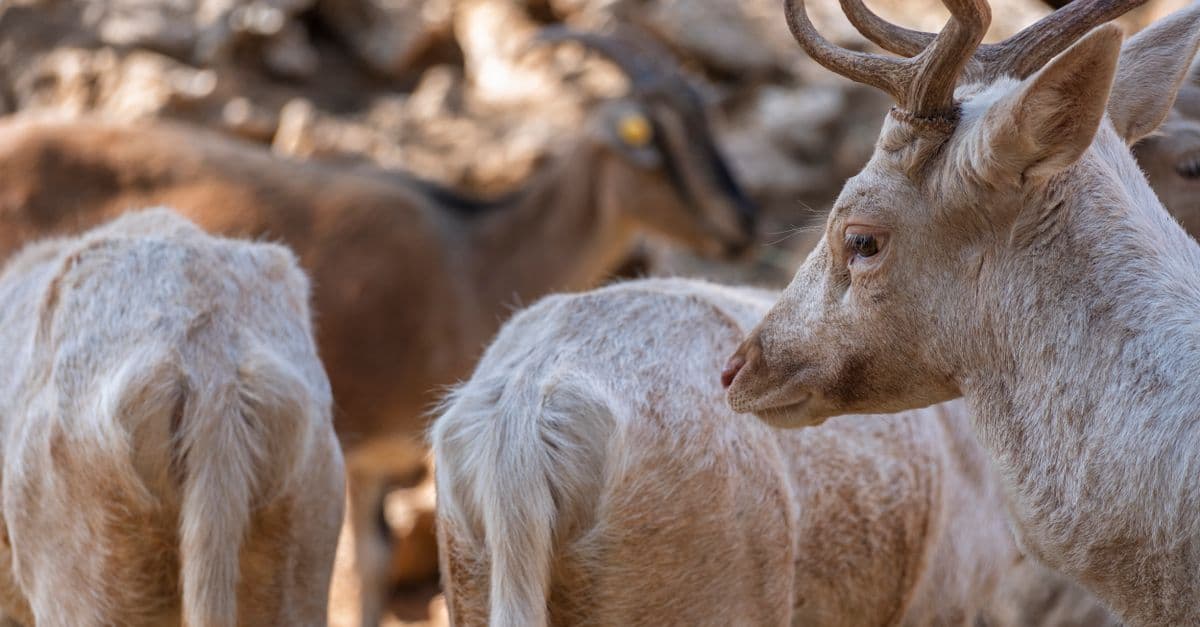
The Science of Animal Regeneration: How Axolotls, Planarians, and Starfish Rebuild Themselves
An axolotl can regrow an amputated limb — including bones, nerves, blood vessels, muscle, and skin — in perfect working order within six weeks. It can also regrow portions of its brain, heart, and spinal cord. A planarian flatworm cut into 200 pieces will grow 200 new worms, each complete. The genetics behind these abilities are not alien to mammals; we have most of the same genes. The question is why we stopped using them.
What If Antibiotics Stopped Working?
Antimicrobial resistance is rising fast. If antibiotics universally failed, common infections would kill again, surgery and chemotherapy would become extraordinarily risky, and life expectancy would drop by years. The world would resemble the medical landscape of 1925.
Blood Type Classification: Understanding Transfusions Explained
How Karl Landsteiner discovered ABO blood groups enabling safe blood transfusions

What If Every Person Had a Personal AI Doctor?
A doctor who knows your complete medical history, never forgets, is available at 3 AM, and has read every study ever published. What's not to like?