Psychology
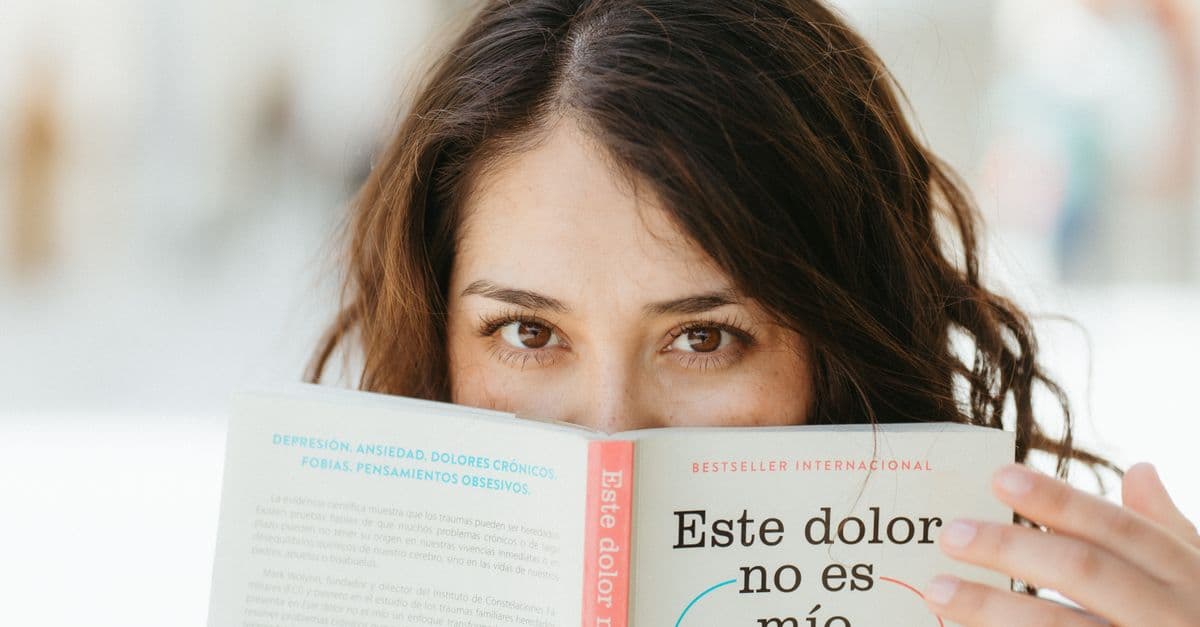
Placebo Effect Science: Expectation, Pain, and the Brain
The placebo effect is not fake healing. Expectation, conditioning, attention, and brain chemistry can produce measurable changes in symptoms.
39 articles tagged with #medicine
The placebo effect is not fake healing. Expectation, conditioning, attention, and brain chemistry can produce measurable changes in symptoms.
2025 marked significant scientific progress across multiple disciplines: a structural biology breakthrough in protein folding, advances in quantum computing error correction, discovery of a novel class of high-temperature superconductors, clinical trials demonstrating efficacy of novel Alzheimer's disease therapies, successful gene therapy applications for hereditary blindness, and confirmation of predicted gravitational wave signatures. This article examines the most consequential discoveries of 2025 — those that represent genuine advances in human knowledge, demonstrate technological capability, or have immediate clinical applications — explaining the science, why each discovery matters, and the implications for future research.

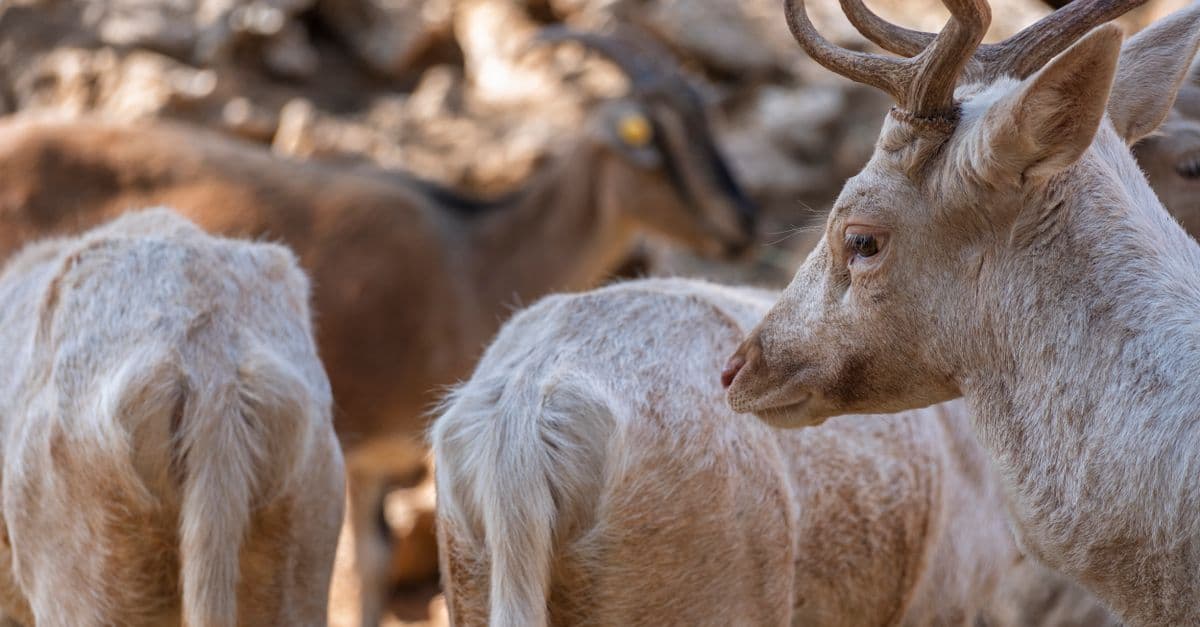
A hibernating ground squirrel can drop its body temperature to -3°C, slow its heart to one beat per minute, and stop breathing for up to an hour at a time — then wake up three months later with no organ damage and no muscle atrophy. Understanding how they pull this off is one of the most medically important questions in biology.
An axolotl can regrow an amputated limb — including bones, nerves, blood vessels, muscle, and skin — in perfect working order within six weeks. It can also regrow portions of its brain, heart, and spinal cord. A planarian flatworm cut into 200 pieces will grow 200 new worms, each complete. The genetics behind these abilities are not alien to mammals; we have most of the same genes. The question is why we stopped using them.
Cuba has 9.54 physicians per 1,000 people — the highest doctor-to-population ratio of any large nation on earth. That is nearly three times the OECD average of 3.7, and more than six times the WHO's minimum recommended threshold of 1.5. Behind Cuba sit Monaco, Greece, Belgium, and Lithuania in a top five dominated by an unexpected mix of a Caribbean socialist state and small European nations.
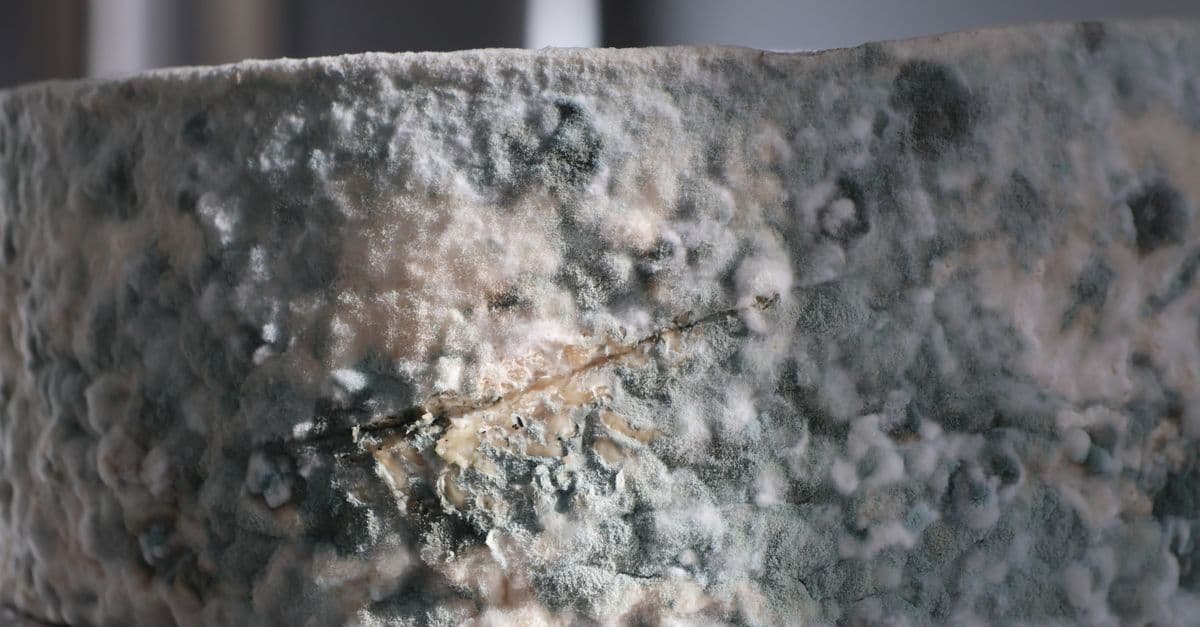
In 1928, Alexander Fleming noticed a mold dissolving bacteria on a contaminated plate. Here is the full story of the discovery, the 12-year gap before clinical use, and how it transformed medicine.
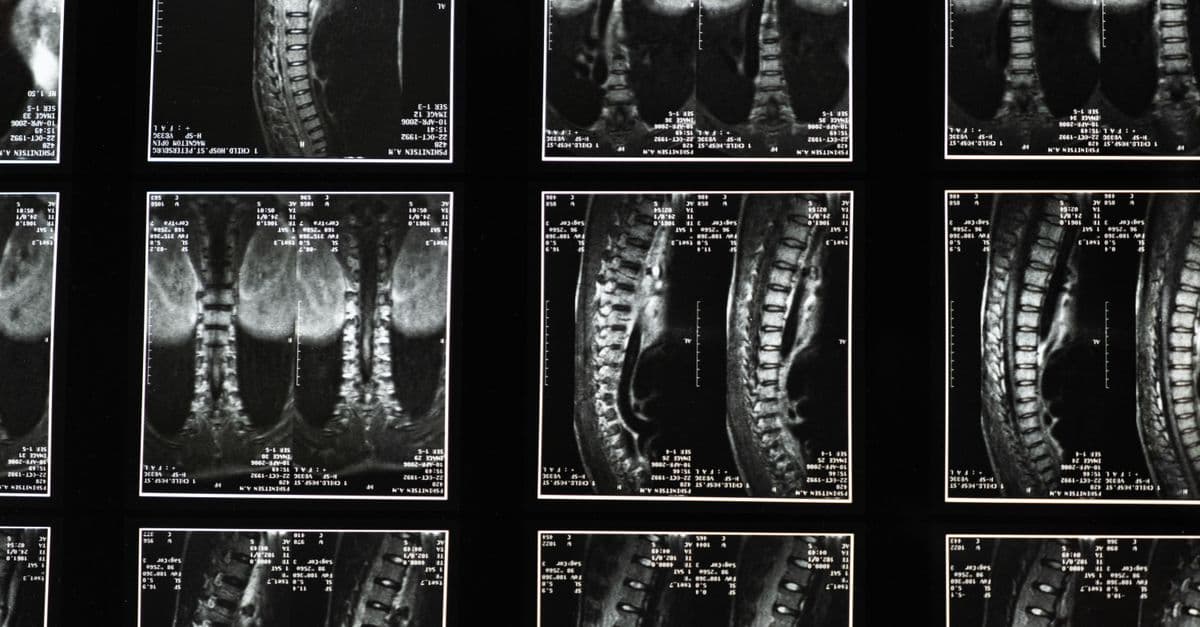
How Lauterbur's 1973 Nature paper and Mansfield's math turned nuclear magnetic resonance into the scanner that sees inside living tissue without radiation.
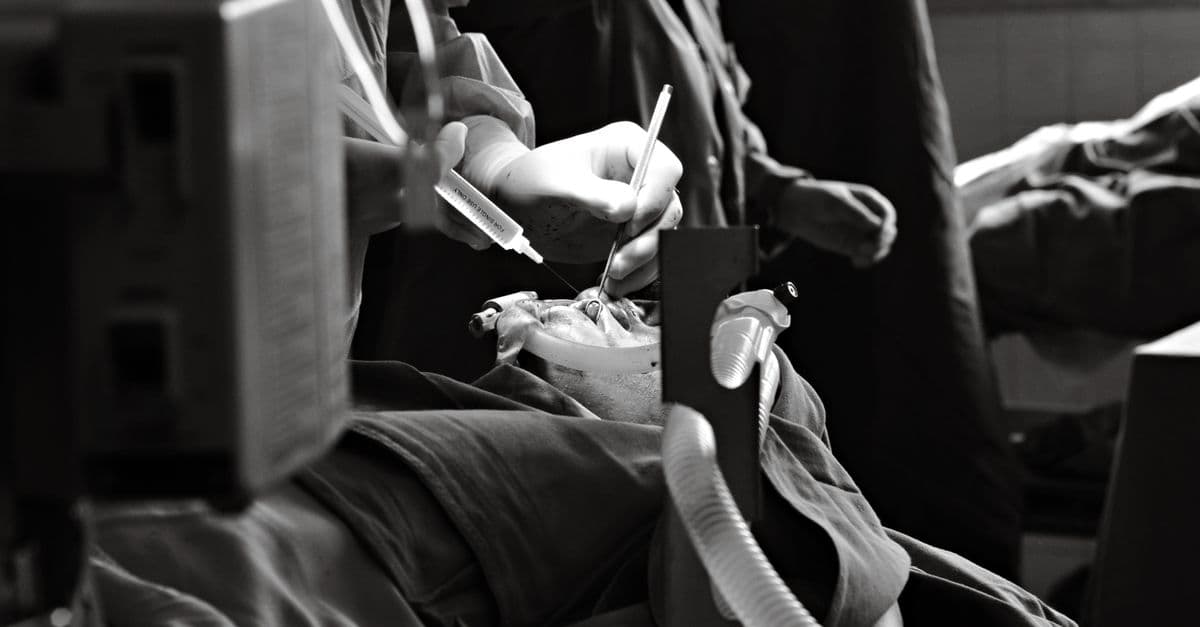
How William Morton's 1846 ether demonstration at Mass General transformed surgery from conscious agony into painless procedure — and why we still don't fully understand it.
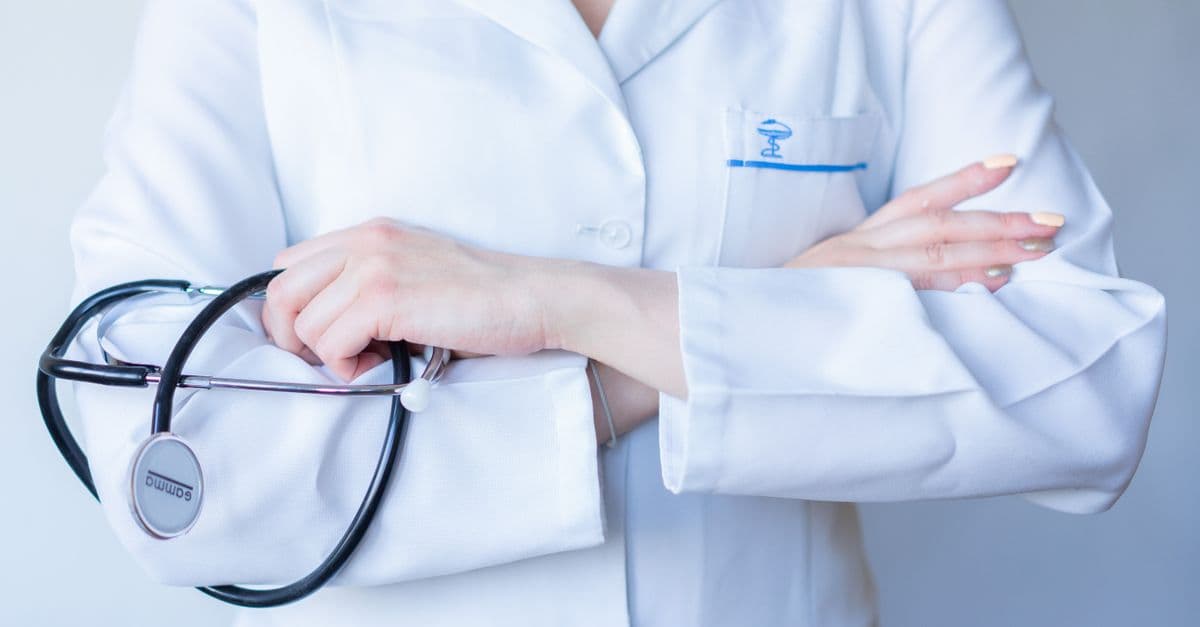
René Laennec invented the stethoscope in 1816 from rolled paper to examine a patient's heart. Two centuries later, AI is listening through the same basic principle.
Ibn Sina (Avicenna) life, discoveries, and verified quirks: Quran memorized at 10, wine while writing, solving problems in dreams, and a Canon of Medicine used until 1650.
Alexander Fleming's life, discoveries, and verified quirks: the contaminated petri dish that became penicillin, painting with bacteria, and what Florey and Chain actually did.
Axolotls do it effortlessly. What would it mean for medicine, warfare, disability, and human identity if we could too? The science is closer than you think — and the implications are stranger than you'd expect.