The Fleming Penicillin Discovery: How an Accident Changed Medicine
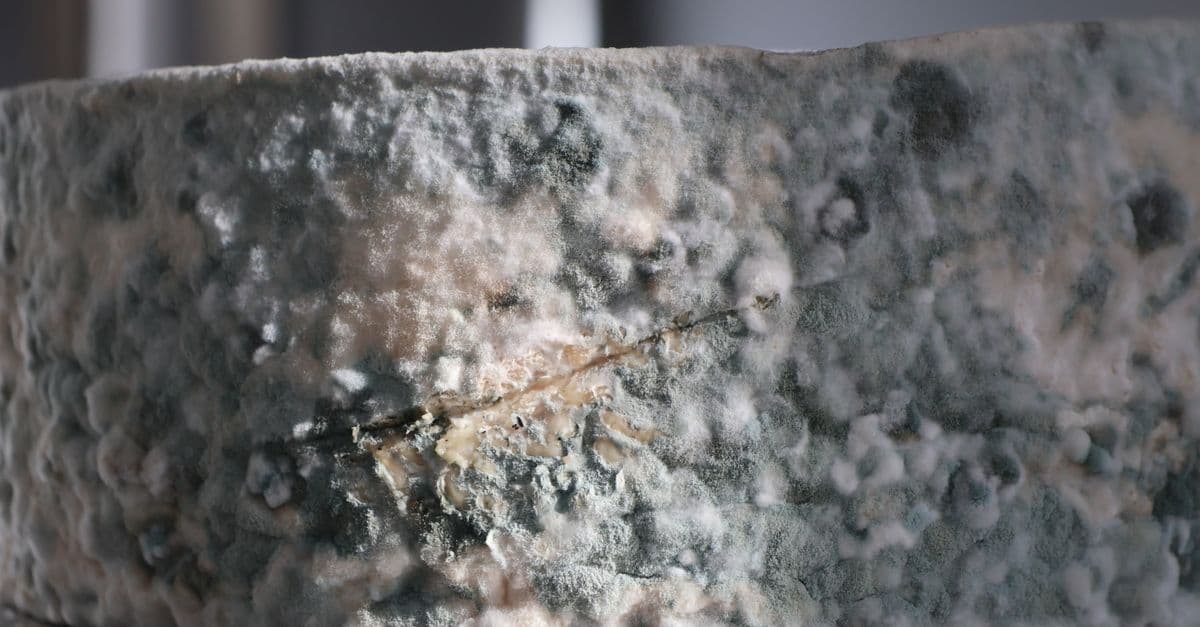
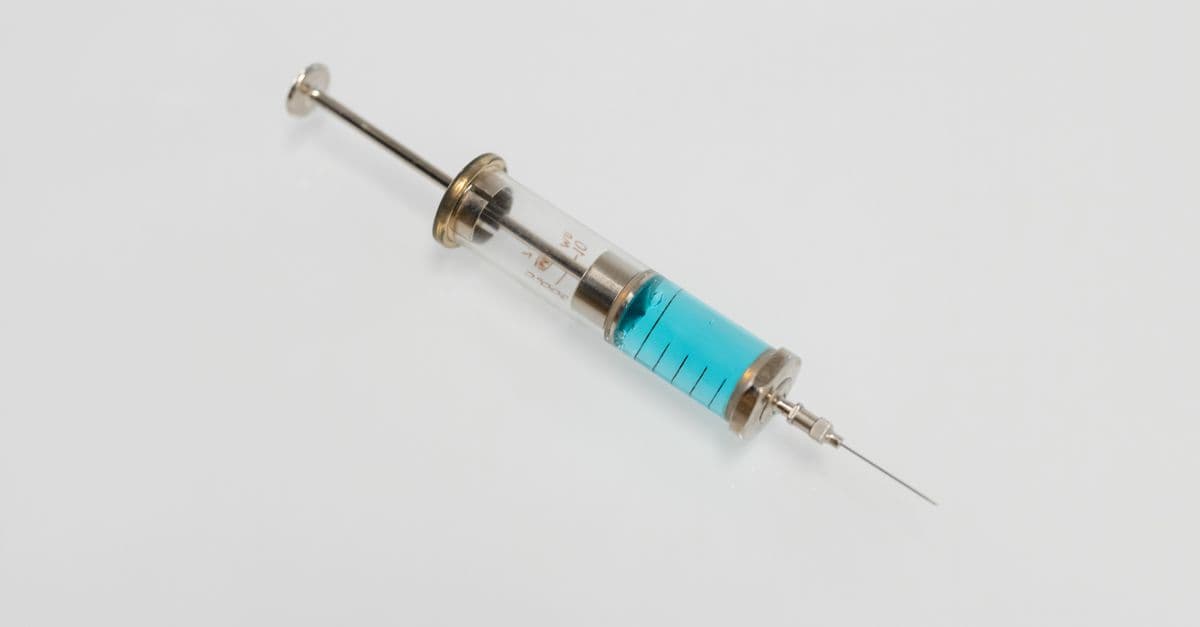
Photo: lina bernardi / Pexels
In September 1928, Alexander Fleming returned to his laboratory at St. Mary's Hospital in London after a two-week holiday and found that one of his petri dishes of Staphylococcus bacteria had been contaminated by a mold. What he noticed was not the contamination but its effect: around the mold colony, the bacterial growth had been dissolved. Most microbiologists would have discarded the plate. Fleming kept it, cultured the mold, and published his finding in 1929. His observation initiated the antibiotic era, a revolution in medicine that would save an estimated 200 million lives in the 20th century alone — though the path from Fleming's contaminated plate to a usable drug took 12 more years and required two other scientists to do the difficult work Fleming could not.
The Medical World Before Antibiotics
To appreciate what penicillin changed, consider what bacterial infections meant before 1940. Pneumonia killed between one-quarter and one-third of people who developed it. Streptococcal infections of the blood (septicemia) were almost universally fatal. A scratch that became infected could kill a healthy adult within days through gas gangrene or sepsis. Tuberculosis killed more people in the 19th and early 20th centuries than any other infectious disease. Meningitis, typhoid fever, and scarlet fever were common causes of death in children and young adults.
Surgeons worked in constant awareness that even technically successful operations could end in infection and death. During World War I, infected wounds killed more soldiers than the initial injuries — antibacterial agents available at the time (carbolic acid, hydrogen peroxide, iodine) killed bacteria but also damaged human tissue and were toxic at doses needed for deep infections.
Bacteremia — the presence of bacteria in the bloodstream, often a precursor to sepsis. Before antibiotics, bacteremia from any source — a dental abscess, a skin wound, a urinary tract infection — carried high mortality.
The only significant antibacterial agents available before 1940 were sulfonamides, developed in Germany by Gerhard Domagk in 1935. Sulfonamides worked against some bacterial infections, notably streptococcal and some pneumococcal infections, but had significant toxicity, narrow spectrum, and could not address many common killers. The field was desperate for new options.
Source: Science History Institute — "Alexander Fleming" (sciencehistory.org/education/scientific-biographies/alexander-fleming/)
Fleming: Who He Was and What He Was Studying
Alexander Fleming was born in Ayrshire, Scotland, in 1881 and trained as a physician before becoming a bacteriologist at St. Mary's Hospital, London, under Almroth Wright. Wright was one of the leading proponents of treating infections with killed bacterial vaccines to stimulate the immune system — an approach that had partial successes but was eventually overshadowed by chemotherapy.
Fleming had a personal history with antibacterial research before 1928. During World War I, he had observed the carnage of wound infections and become convinced that the antiseptics then in use were doing more harm than good — they killed white blood cells and disrupted the body's natural defenses faster than they killed bacteria in deep wounds. In 1921, he had discovered lysozyme, an enzyme present in tears, nasal mucus, and egg white that dissolves certain bacterial cell walls. Lysozyme was Fleming's first natural antibacterial substance, though it proved too weak and too narrow in spectrum to be therapeutically useful. It showed him that nature produced compounds capable of selectively harming bacteria, and it shaped his laboratory habits: he was accustomed to looking for zones of bacterial inhibition on plates.
Lysozyme — an enzyme that cleaves the peptidoglycan layer in bacterial cell walls, causing bacterial lysis. Present in human tears, saliva, and mucus; also abundant in egg whites. Fleming discovered lysozyme in 1921; it was too weak for clinical use but demonstrated the principle of natural antibacterial action.
By 1928, Fleming was professor of bacteriology at St. Mary's and was studying the properties of Staphylococci — bacteria responsible for boils, abscesses, food poisoning, and wound infections. He was culturing various Staphylococcus strains on nutrient agar plates.
Source: Britannica — "Alexander Fleming" (britannica.com/biography/Alexander-Fleming)
The Contamination: What Actually Happened in September 1928
Fleming left London for a summer holiday in late July or early August 1928. Before leaving, he had been stacking used petri dishes of Staphylococcus cultures in a tray on his bench rather than immediately sterilizing them in the autoclave — a somewhat untidy practice that turned out to be scientifically fortunate.
When he returned in September, he began sorting through the plates. Holding one up to examine it, he noticed a clear zone surrounding a mold colony that had contaminated the plate. The Staphylococci around the mold had been lysed — dissolved — while bacteria farther from the mold colony continued growing normally.
Fleming later said he did not know why he did not throw the plate away. His history with lysozyme is probably the explanation: he was primed to notice bacterial inhibition zones and to treat them as potentially significant rather than as mere contamination artifacts.
The temperature conditions of that August played a critical role. Penicillium molds grow well at cool temperatures (around 20 °C, 68 °F) but stop producing penicillin at warmer temperatures. Staphylococci grow well at warmer temperatures but not at cool ones. The plates had apparently experienced a brief cold period in early August — London had an unusually cool stretch — during which the Penicillium grew and produced penicillin, followed by a warmer period in which the Staphylococci resumed growing, except where penicillin had already diffused into the agar. The sequence of temperatures was crucial: if the plates had stayed warm throughout, the Staphylococci would have dominated and no inhibition zone would have formed.
The mold was later identified as Penicillium notatum (now reclassified as Penicillium chrysogenum). The source of the contaminating spore has been debated for decades. The most plausible explanation, confirmed by Ronald Hare (one of Fleming's laboratory colleagues) in retrospective investigation, is that the spore floated up from a floor below where C. J. La Touche was studying molds as part of asthma research. La Touche's collection included a strain of Penicillium notatum that was unusually efficient at penicillin production.
Source: Live Science — "Science history: Alexander Fleming wakes up to funny mold in his petri dish" (livescience.com/health/science-history-alexander-fleming-wakes-up-to-funny-mold-in-his-petri-dish-and-accidentally-discovers-the-first-antibiotic-sept-28-1928)
Source: PBS News — "The real story behind penicillin" (pbs.org/newshour/health/the-real-story-behind-the-worlds-first-antibiotic)
Fleming's Experiments: What He Did and Did Not Do
Having observed the inhibition zone, Fleming cultured the mold in broth — liquid growth medium — and showed that the filtered broth itself (which he called "mould juice" and subsequently "penicillin") could inhibit bacterial growth. This identified that a diffusible substance produced by the mold was responsible, not the mold itself.
He tested the broth's antibacterial effect on a range of bacteria and found a pattern that would later be recognized as the distinction between gram-positive and gram-negative bacteria. Penicillin was highly effective against Staphylococci, Streptococci, pneumococci, gonococci, and the diphtheria bacillus — all gram-positive or susceptible gram-negative organisms. It was largely ineffective against Escherichia coli, Salmonella, and other gram-negative organisms.
Gram-positive bacteria — bacteria whose cell walls contain a thick peptidoglycan layer, causing them to retain crystal violet dye in the Gram staining procedure and appear purple. Penicillin works by interfering with peptidoglycan synthesis, making gram-positive bacteria generally more susceptible.
Fleming also noticed that penicillin at concentrations sufficient to kill bacteria appeared not to harm white blood cells — an advantage over the chemical antiseptics of the time. He tested the broth on infected mice in one experiment, and he applied it topically to some infected wounds in patients, but he did not pursue animal or human trials systematically.
This is the point at which the usual narrative of "Fleming discovered penicillin" becomes incomplete. Fleming published his results in the British Journal of Experimental Pathology in June 1929. The paper described the antibacterial activity, the spectrum, the apparent low toxicity to leukocytes, and the potential for selective bacteriostasis. But Fleming was unable to purify the active compound from the broth filtrate, and without purification, he could not determine dosing, safety, or whether the active substance survived in the human body long enough to be therapeutically useful. He lost interest in the clinical potential of penicillin and by the early 1930s had largely moved on to other work.
Crucially, Fleming did not try to use penicillin to treat systemic bacterial infections — infections that had reached the bloodstream. His experiments were primarily in vitro (in culture dishes) and topical. The gap between identifying that something kills bacteria in a petri dish and using it to treat a dying patient is substantial: it requires concentration, purification, stability testing, animal efficacy trials, and toxicology. Fleming lacked the biochemical skills and possibly the motivation to bridge that gap.
Source: ACS Landmarks — "Alexander Fleming Discovery and Development of Penicillin" (acs.org/education/whatischemistry/landmarks/flemingpenicillin.html)
Source: NCBI PMC — "The Penicillin Pioneer: Alexander Fleming's Journey to a Medical Breakthrough" (ncbi.nlm.nih.gov/pmc/articles/PMC11339718/)
The 12-Year Gap: Why Penicillin Sat Unused
Fleming's 1929 paper attracted little attention. The bacteriology community was focused on sulfonamides (still a few years in the future) and on vaccine-based approaches. Attempts by others to work with Fleming's penicillin broth in the early 1930s failed because of the substance's instability — penicillin degrades rapidly at room temperature in aqueous solution — and because the broth was too dilute and impure for clinical testing. Without knowing the chemical structure, chemists could not stabilize it.
The breakthrough came from an unexpected direction. In 1938, Howard Florey, an Australian pathologist at the Sir William Dunn School of Pathology at Oxford, assigned Ernst Boris Chain, a Jewish biochemist who had fled Nazi Germany, to survey the literature on antibacterial substances as part of a broader program on natural antibacterials. Chain encountered Fleming's 1929 paper, recognized its potential significance, and persuaded Florey to make penicillin purification a research priority.
Chain developed the first method for concentrating and partially purifying penicillin using freeze-drying (lyophilization) and solvent extraction techniques. By March 1940, the Oxford group had enough purified penicillin to test in animals. The critical experiment in May 1940: eight mice were infected with lethal doses of Streptococci; four were left as controls, four received penicillin injections. The four treated mice survived; the four controls died within 16 hours. Florey reportedly remarked: "It looks like a miracle."
Source: Science History Institute — "Howard Walter Florey and Ernst Boris Chain" (sciencehistory.org/education/scientific-biographies/howard-walter-florey-and-ernst-boris-chain/)
Timeline: From Mold to Medicine
| Year | Event |
|---|---|
| Sep 1928 | Fleming observes bacterial inhibition zone around Penicillium colony |
| Jun 1929 | Fleming publishes in British Journal of Experimental Pathology |
| 1930–1938 | Several attempts to purify penicillin fail; interest fades |
| 1938 | Chain, working under Florey at Oxford, rediscovers Fleming's paper |
| Mar 1940 | Chain achieves partial purification; stable dry powder obtained |
| May 1940 | Florey and Chain publish mouse protection experiment; all treated mice survive |
| Feb 1941 | First human clinical trial: Albert Alexander, a police officer dying of septicemia; penicillin injection produces dramatic improvement but supply runs out; he dies |
| 1941 | Florey travels to United States to arrange industrial-scale production |
| 1943 | First large-scale production by Pfizer and other US manufacturers |
| D-Day, Jun 1944 | Allied forces equipped with sufficient penicillin to treat infected wounds routinely |
| Oct 1945 | Nobel Prize in Physiology or Medicine awarded to Fleming, Florey, and Chain |
| 1957 | John Sheehan at MIT achieves complete chemical synthesis of penicillin |
| 1960s | Semi-synthetic penicillins developed (ampicillin, methicillin) to broaden spectrum and address resistance |
Source: History of Penicillin — Wikipedia (en.wikipedia.org/wiki/History_of_penicillin)
How Penicillin Works: The Mechanism
Fleming identified that penicillin killed bacteria, but the mechanism was not understood until decades later.
Bacteria must continuously synthesize their cell walls, which are made of a polymer called peptidoglycan — a mesh of sugar chains crosslinked by short peptide bridges. This crosslinking is performed by a family of enzymes called penicillin-binding proteins (PBPs), which use a transpeptidase reaction. As bacteria grow and divide, they must build new cell wall material to enclose the two daughter cells.
Peptidoglycan — a polymer of alternating N-acetylglucosamine and N-acetylmuramic acid sugar units, crosslinked by peptide bridges, that forms the structural layer of bacterial cell walls. It is absent in human cells, making it an ideal drug target.
Penicillin and all beta-lactam antibiotics (which include later generations: ampicillin, amoxicillin, cephalosporins, carbapenems) work by irreversibly binding to penicillin-binding proteins and blocking the transpeptidase reaction. The bacteria can no longer crosslink new peptidoglycan. Actively growing bacteria therefore develop weak spots in their cell walls, which rupture under osmotic pressure, causing the cell to burst and die.
Because human cells have no cell walls and no peptidoglycan synthesis machinery, penicillin has essentially no direct toxicity to human cells at therapeutic doses. This selectivity — attacking a bacterial-specific target with no equivalent in the human host — is why penicillin was transformative. It could be given at doses effective against bacteria without poisoning the patient.
The main reason penicillin is ineffective against gram-negative bacteria is that gram-negative organisms have an outer membrane surrounding the peptidoglycan layer, which prevents most penicillin molecules from reaching their target. Gram-positive bacteria lack this outer membrane and are therefore susceptible.
Source: Britannica — "Alexander Fleming" (britannica.com/biography/Alexander-Fleming)
The First Clinical Trial: Albert Alexander's Case
The first systematic human trial of purified penicillin took place at Oxford's Radcliffe Infirmary in February 1941. The patient was Albert Alexander, a 43-year-old police constable who had scratched his face on a rosebush months earlier. The scratch had become infected with both Staphylococci and Streptococci; by early 1941 he had lost one eye to the infection and the other was threatened, with abscesses covering much of his face and scalp and septicemia progressing rapidly. He was dying.
Charles Fletcher, a clinical colleague of Florey's, began penicillin injections on February 12, 1941. Within 24 hours, Alexander's fever had dropped and the infection was visibly receding. By day five, he was dramatically improved. But the Oxford group had only a limited supply of penicillin — and such was the scarcity that they retrieved Alexander's urine each day and re-extracted active penicillin from it for re-injection. On the sixth day, the penicillin supply ran out. Without continued treatment, the infection returned and Alexander died five weeks later.
The case was both triumph and tragedy. It demonstrated unambiguously that penicillin could arrest a systemic infection that was killing a patient. And it exposed with brutal clarity the central problem: production of penicillin at scale sufficient for clinical use was far beyond the capacity of an Oxford laboratory. Florey and Norman Heatley traveled to the United States in July 1941 to seek industrial manufacturing partners.
Source: EBSCO Research — "Florey and Chain Develop Penicillin as an Antibiotic" (ebsco.com/research-starters/history/florey-and-chain-develop-penicillin-antibiotic)
Industrial Production and World War II
When Florey and Heatley arrived in the United States, they found a pharmaceutical industry with the fermentation expertise to scale up penicillin production — primarily from experience making beer, vinegar, and citric acid. Pfizer, which had been producing citric acid through deep-tank fermentation using Aspergillus mold, adapted this technology for penicillin.
A critical improvement: the Penicillium strain that Florey and Heatley brought from Oxford produced modest quantities of penicillin. In 1943, Andrew Moyer at the USDA Northern Regional Research Laboratory in Peoria, Illinois, discovered that growing the mold in corn steep liquor (a byproduct of corn starch processing) dramatically increased yield. The research group also identified a contaminated cantaloupe at a Peoria market that carried a natural Penicillium chrysogenum strain producing 200 times more penicillin than Fleming's original strain. Subsequent X-ray and ultraviolet mutagenesis of that strain further improved yields.
By the time of D-Day on June 6, 1944, the Allied forces had access to approximately 2.3 million doses of penicillin. A soldier with an infected wound — the leading cause of death in previous wars — could now receive treatment instead of facing amputation or death. American and British penicillin production reached approximately 650 billion units per month by the end of 1944.
Source: ACS Landmarks — "Alexander Fleming Discovery and Development of Penicillin" (acs.org/education/whatischemistry/landmarks/flemingpenicillin.html)
Antibiotic Resistance: Fleming's Warning and Its Consequences
Fleming was among the first scientists to warn publicly about antibiotic resistance — and he did so at his Nobel Prize ceremony in 1945, before resistance had become a clinical problem of any significance.
In his Nobel lecture, Fleming said: "There is the danger that the ignorant man may easily underdose himself and by exposing his microbes to non-lethal quantities of the drug make them resistant." He was describing a concern that was then theoretical but had already been observed in the laboratory: Staphylococci exposed to sublethal concentrations of penicillin could develop resistance.
The mechanism was beta-lactamase, an enzyme that bacteria secrete which cleaves the beta-lactam ring at the core of the penicillin molecule, rendering it inactive before it reaches its target. Some Staphylococcus strains naturally produced beta-lactamase; others acquired the gene for it from neighboring bacteria through horizontal gene transfer. Within a decade of penicillin's widespread clinical introduction in the late 1940s, penicillin-resistant Staphylococci were widespread in hospitals.
Beta-lactamase — a bacterial enzyme that hydrolyzes (cleaves) the beta-lactam ring of penicillin and related antibiotics, destroying the molecule's ability to bind to penicillin-binding proteins. The gene encoding beta-lactamase is often located on mobile genetic elements called plasmids, allowing rapid spread between bacterial strains and species.
The pharmaceutical industry responded by developing methicillin (1960), a semi-synthetic penicillin designed to resist beta-lactamase. Methicillin-resistant Staphylococcus aureus (MRSA) appeared in clinical samples within two years of methicillin's introduction, in 1961 — not because bacteria evolved resistance during those two years, but because MRSA strains carrying the mecA resistance gene already existed in nature and were selected for by the new antibiotic. MRSA resistance works through a different mechanism: a modified penicillin-binding protein (PBP2a) with very low affinity for all beta-lactam antibiotics.
This pattern — antibiotic development followed by resistance emergence, sometimes within months to years — has repeated with every subsequent antibiotic class. The World Health Organization estimated in its 2019 report that antimicrobial resistance causes approximately 700,000 deaths per year globally, with projections reaching 10 million per year by 2050 if current trajectories continue. Fleming's contaminated petri dish started the antibiotic era; the resistance problem that era created is now one of medicine's central challenges.
Source: Wikipedia — "History of penicillin" (en.wikipedia.org/wiki/History_of_penicillin)
Source: Nobel Prize — "Nobel Prize in Physiology or Medicine 1945" (nobelprize.org/prizes/medicine/1945/chain/facts/)
What People Get Wrong About Fleming's Discovery
The most persistent misconception is that Fleming "discovered" penicillin in the sense that he created a usable medicine. He identified a biological phenomenon — a mold that produced something that killed bacteria — and published it. The transformation of that observation into a medicine was performed by Florey, Chain, Heatley, and the industrial chemists who solved production and formulation. Fleming could not purify penicillin, did not determine its structure, and did not pursue clinical application. His contribution was the critical initial observation and the insight to recognize its significance, but the journey from contaminated petri dish to injectable drug required entirely different skills.
A second common error is the story that penicillin spores "floated in through an open window" from outdoors. The evidence from Ronald Hare's retrospective investigation suggests the spore came from the mold collection on the floor below Fleming's laboratory — a more prosaic but better-supported origin.
Third: the claim that Fleming was about to throw the plate away and only noticed the inhibition zone at the last moment. Fleming himself encouraged this dramatic version, but his actual behavior — keeping the plates after going on holiday rather than sterilizing them, a known habit — suggests he routinely examined old plates before discarding them. The discovery was more the product of systematic habits and trained observation than of last-second dramatic insight.
For the biology of bacterial cell walls that penicillin targets, see how the immune system fights infection. For the subsequent development of antibiotic resistance, see antibiotic resistance explained.
FAQs
Q: Why couldn't Fleming purify penicillin himself, and why did it take 12 years?
A: Penicillin is chemically unstable in aqueous solution at room temperature and degrades rapidly. Fleming's broth filtrate was extremely dilute — perhaps one part active compound per million parts broth — and the compound was not yet even characterized chemically. Purification required freeze-drying and solvent extraction techniques that were not well developed in the early 1930s and required biochemistry expertise that Fleming did not have. Ernst Chain's training in enzyme chemistry and biochemical separation methods was what ultimately made purification possible in 1940.
Q: Why did the three Nobel laureates share the prize equally when their contributions were so different?
A: The Nobel Committee recognized that the medical application of penicillin required all three contributions: Fleming's initial observation identified the biological phenomenon; Florey provided the organizational leadership and clinical vision that turned basic research into a medicine; Chain provided the biochemical expertise to purify and characterize the compound. The prize citation was explicitly "for the discovery of penicillin and its curative effect in various infectious diseases" — a formulation that covers both discovery and development.
Q: Why does penicillin not harm human cells if it kills bacteria by targeting cell wall synthesis?
A: Human cells have no cell walls and synthesize no peptidoglycan. Penicillin's target — the transpeptidase active site of penicillin-binding proteins — simply does not exist in human biochemistry. Penicillin molecules that enter human blood and tissues have nothing to bind to. They circulate until cleared by the kidneys. The primary adverse effects of penicillin in humans are allergic reactions (in about 1–10% of patients), not direct toxicity, because some people develop immune responses to penicillin or its metabolic breakdown products.
Q: What is beta-lactamase and why does it matter?
A: Beta-lactamase is an enzyme produced by some bacteria that cleaves the beta-lactam ring at the core of penicillin molecules, rendering them inactive before they can reach their target. The first penicillin-resistant Staphylococcus aureus strains producing beta-lactamase appeared within a few years of penicillin's clinical introduction. This was the first antibiotic resistance mechanism identified, and it previewed a pattern that would recur with every subsequent antibiotic class: clinical use creates selection pressure, and bacterial populations evolve resistance through mutation or horizontal gene transfer. Methicillin was developed specifically to resist beta-lactamase; methicillin-resistant Staphylococcus aureus (MRSA) subsequently evolved resistance through a different mechanism.
Q: How much penicillin did Fleming's mold actually produce?
A: Very little. Fleming's Penicillium notatum strain produced approximately 2 units of penicillin per milliliter of culture broth — where one unit is defined as the amount of penicillin that inhibits a test Staphylococcus culture in a standard assay. The Penicillium chrysogenum strain found on a Peoria cantaloupe in 1943 produced about 250 units per milliliter, and after mutagenesis, yields reached over 50,000 units per milliliter. Modern industrial strains produce penicillin at roughly 50,000 to 100,000 units per milliliter. The difference between Fleming's original strain and modern industrial strains represents a roughly 25,000-fold improvement in productivity.
Q: Is Fleming's original petri dish still preserved?
A: Yes. Fleming preserved his original culture plate and several derived cultures. His original contaminated plate is held in the collection of the British Library. St. Mary's Hospital, Paddington, where Fleming worked, maintains a museum dedicated to his work, including replicas and artifacts from his laboratory.
The Takeaway
Fleming's contaminated plate in September 1928 was a crucial initial observation, but the penicillin story is really about three acts: the chance observation by a trained eye that recognized what others would have discarded; the 12-year gap during which the chemistry to turn an observation into a medicine did not yet exist; and the Oxford team's systematic scientific and engineering work that bridged that gap under wartime urgency. The medical revolution that followed — the ability to treat bacterial infections that had killed millions for all of human history — did not flow from a single moment of inspiration. It required accumulated knowledge in biochemistry, industrial fermentation, and clinical pharmacology that only existed by the late 1930s. Fleming's genius was in not throwing the plate away. The rest was science.
Read next:
Follow new articles
Add SciHub101 to your feed reader to see new science and technology stories.
About the Author
SciHub101 is an independent science and technology publication founded and edited by Buğra Sözeri, a software engineer and app developer based in Türkiye. AI tools assist with drafting and research. Source documentation in the existing archive is uneven, and articles are being reviewed and corrected. The Editorial Team byline identifies editorial responsibility; it does not certify specialist or independent human review. Where we compare products, anything built by our own team is labelled as such — see the editorial guidelines and About page for how corrections and disclosures work.
Related Articles

The Foucault Pendulum: Direct Proof Earth Rotates
In 1851, Léon Foucault hung a 67-meter pendulum from the Pantheon dome and watched its plane rotate. Here is the physics of why that single swing proved Earth spins.
The Festinger Cognitive Dissonance Experiment: Why $1 Beats $20 at Changing Your Mind
Festinger and Carlsmith's 1959 Stanford experiment showed that people paid $1 to lie rated a boring task as enjoyable — while $20 payers did not. The reason rewrote attitude theory.
How Antibiotics Were Discovered: The Penicillin Story
Alexander Fleming noticed a contaminated petri dish in 1928. That accident would eventually save hundreds of millions of lives — but the path from mold to medicine was anything but simple.
Alexander Fleming: The Messy Lab That Changed Medicine Forever — SciHub101
Alexander Fleming's life, discoveries, and verified quirks: the contaminated petri dish that became penicillin, painting with bacteria, and what Florey and Chain actually did.
History of Medicine: From Hippocrates to Genomics
Medicine has gone from bloodletting and prayer to gene editing in just a few centuries. Here's how we got there.
Fleming's Penicillin Discovery: Antibiotics Revolution Explained
How Alexander Fleming's chance discovery of penicillin revolutionized medicine and transformed bacterial infection treatment