Antibiotic Resistance — How It Develops and Why
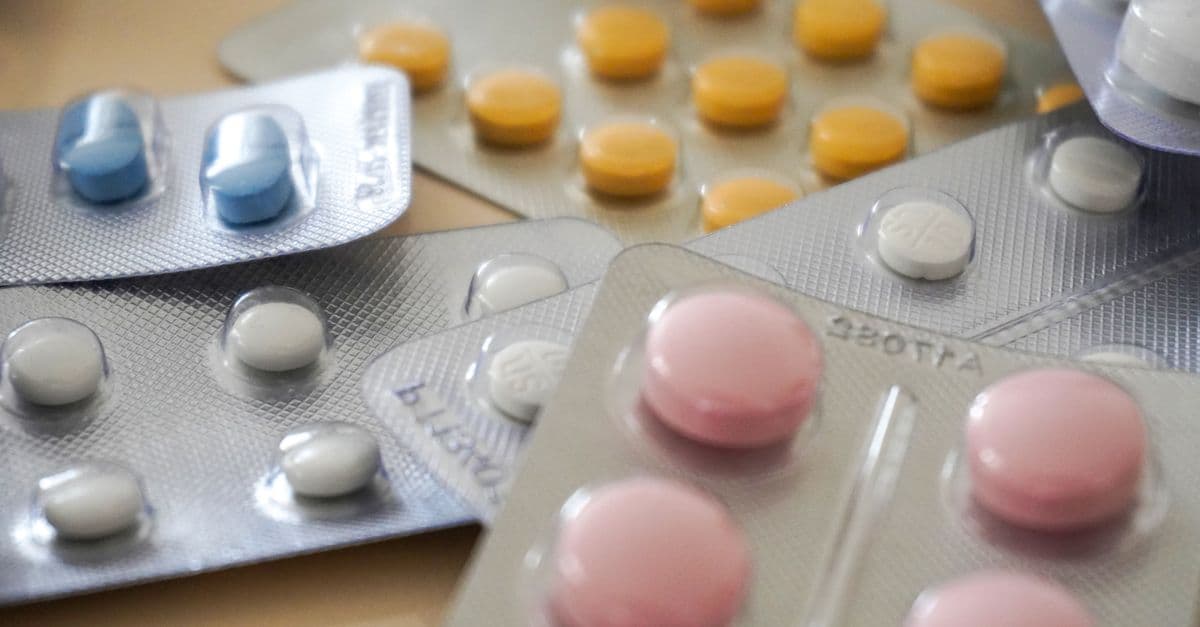
Photo: www.kaboompics.com / Pexels
In 2019, antibiotic-resistant infections killed approximately 1.27 million people directly and were associated with nearly 5 million deaths globally — more than HIV/AIDS or malaria in that year. That figure comes from the most comprehensive analysis of antimicrobial resistance (AMR) to date, published in The Lancet in 2022. The WHO has declared AMR one of the top global public health threats.
The problem is both biological and economic. Bacteria evolve resistance faster than we develop new drugs, and the pharmaceutical pipeline has been nearly empty for decades. Understanding how resistance works — and what might stop it — is essential context for anyone following public health, biology, or medicine.
How Antibiotics Work
To understand resistance, you first need to understand what antibiotics target. Antibiotics kill or inhibit bacteria by attacking structures and processes that are essential to bacterial life but absent in human cells — that selectivity is what makes them useful as medicines.
The main mechanisms of action:
1. Cell wall inhibition Bacteria (unlike human cells) have rigid cell walls made of peptidoglycan. Beta-lactam antibiotics — penicillins, cephalosporins, carbapenems — bind to enzymes called penicillin-binding proteins (PBPs) that cross-link peptidoglycan strands. Without a functional cell wall, bacteria swell and burst. Vancomycin works similarly, binding directly to peptidoglycan precursors.
2. Protein synthesis inhibition Bacterial ribosomes (70S) are structurally different from human ribosomes (80S). Many antibiotic classes exploit this difference:
- Aminoglycosides (e.g., gentamicin) bind to the 30S ribosomal subunit, causing misreading of mRNA
- Tetracyclines block aminoacyl-tRNA binding at the 30S subunit
- Macrolides (e.g., azithromycin) and chloramphenicol target the 50S subunit, blocking peptide elongation
- Linezolid binds the 50S subunit and prevents formation of the initiation complex
3. DNA replication and transcription Fluoroquinolones (e.g., ciprofloxacin) target bacterial DNA gyrase and topoisomerase IV — enzymes that manage DNA topology during replication. By trapping these enzymes in toxic complexes with DNA, fluoroquinolones cause double-strand breaks that kill the cell. Rifampicin blocks bacterial RNA polymerase.
4. Cell membrane disruption Polymyxins (colistin, polymyxin B) insert into the bacterial outer membrane and disrupt its integrity, causing leakage of cellular contents. These are last-resort antibiotics due to toxicity.
How Bacteria Develop Resistance
Resistance arises through genetic changes that allow bacteria to survive antibiotic exposure. Crucially, antibiotics do not cause mutations — they select for mutations that already exist at low frequencies in bacterial populations, or that arise spontaneously during replication.
Mechanism 1: Efflux Pumps
Bacteria can deploy membrane proteins that actively pump antibiotics out of the cell before they reach their targets. Efflux pumps are often broad-spectrum — a single pump can expel multiple antibiotic classes. Pseudomonas aeruginosa, one of the most dangerous hospital-acquired pathogens, has at least 12 efflux pump systems. Efflux pump overexpression is a common early step in resistance development.
Mechanism 2: Enzymatic Degradation
Bacteria can produce enzymes that chemically inactivate antibiotics. The most clinically important example: beta-lactamases, which hydrolyze the beta-lactam ring of penicillins and cephalosporins, rendering them inactive.
Extended-spectrum beta-lactamases (ESBLs) can inactivate most beta-lactams. Carbapenemases — including KPC (Klebsiella pneumoniae carbapenemase) and NDM-1 (New Delhi metallo-beta-lactamase) — inactivate even carbapenems, the last-resort beta-lactam class. NDM-1-producing bacteria, first identified in 2009, are now found on every continent.
Mechanism 3: Target Modification
Bacteria can mutate or chemically modify the target site so antibiotics can no longer bind effectively.
- MRSA (methicillin-resistant Staphylococcus aureus) produces an altered PBP (PBP2a) with low affinity for beta-lactams
- Fluoroquinolone resistance often arises from point mutations in gyrA or parC genes encoding DNA gyrase and topoisomerase IV
- Vancomycin-resistant enterococci (VRE) modify the peptidoglycan precursor target so vancomycin cannot bind
Mechanism 4: Biofilm Formation
Biofilms are structured communities of bacteria encased in a self-produced matrix of polysaccharides, proteins, and DNA. Within a biofilm:
- Antibiotics penetrate poorly through the matrix
- Bacteria in the interior grow slowly and are inherently less susceptible (many antibiotics target active processes)
- A subpopulation of "persister" cells enters a dormant, non-growing state and survives antibiotic exposure
Biofilms on medical devices (catheters, prosthetic joints, heart valves) are especially problematic. Antibiotic concentrations 10–1,000 times higher than minimum inhibitory concentrations may be needed to clear a biofilm infection.
Horizontal Gene Transfer: How Resistance Spreads
Resistance genes don't just spread through bacterial reproduction — bacteria can transfer resistance genes between cells of different species through horizontal gene transfer (HGT).
The primary mechanism: conjugation via plasmids. Plasmids are small circular DNA molecules that replicate independently of the bacterial chromosome. Resistance genes are often carried on plasmids, which can be transferred from one bacterium to another through a physical connection (pilus). A non-resistant bacterium can acquire a resistance plasmid from a resistant neighbor — instantly becoming resistant without evolving the trait itself.
This mechanism explains how resistance can spread explosively across diverse bacterial populations. NDM-1 spread globally on plasmids within years of its first description. A single resistant bacterium in a hospital can transfer its plasmid to dozens of different bacterial species within days.
The ESKAPE Pathogens
The ESKAPE pathogens are six bacteria responsible for the majority of drug-resistant hospital-acquired infections, named as an acronym by the Infectious Diseases Society of America:
| Pathogen | Key Resistance Features | Main Clinical Problem |
|---|---|---|
| Enterococcus faecium | VRE; intrinsic ampicillin resistance | Endocarditis, UTI, bacteremia |
| Staphylococcus aureus | MRSA; biofilm former | Skin, lung, bloodstream infections |
| Klebsiella pneumoniae | ESBL, carbapenemase (KPC) | Pneumonia, UTI, sepsis |
| Acinetobacter baumannii | Pan-resistance possible; extreme environmental persistence | Ventilator-associated pneumonia |
| Pseudomonas aeruginosa | Multiple efflux pumps; intrinsic resistance | Lung infections in CF patients, wound infections |
| Enterobacter spp. | AmpC beta-lactamase; ESBL | Hospital-acquired infections broadly |
A. baumannii deserves special mention: strains have been isolated that are resistant to every available antibiotic. These "pandrug-resistant" strains represent a genuine medical dead end in which no antibiotic treatment is effective.
The Pipeline Problem
Between 1980 and 2000, almost no new antibiotic classes were discovered. The "discovery void" persists because antibiotic development is economically unattractive:
- Short treatment courses — antibiotics are taken for days to weeks, not lifetime (like statins or antidepressants)
- Resistance undermines value — a successful new antibiotic should be used sparingly to delay resistance, which limits revenue
- High clinical trial costs — multi-drug-resistant infection trials are logistically complex
- Low prices — generic antibiotics set low price expectations
As a result, most major pharmaceutical companies exited antibiotic R&D in the 1990s–2000s. Several small biotech companies that developed new antibiotics (e.g., Achaogen, Melinta, Paratek) went bankrupt despite FDA approval, because hospitals refused to pay premium prices.
Between 2000 and 2020, fewer than 20 new antibiotics reached market, almost all modifications of existing classes rather than truly novel mechanisms. The last genuinely new antibiotic class in clinical use — daptomycin — was discovered in the 1980s.
Solutions and Emerging Approaches
Phage Therapy
Bacteriophages are viruses that infect and kill bacteria with extraordinary specificity. Phage therapy was explored before the antibiotic era, largely abandoned when penicillin arrived, and is now experiencing a revival as a potential answer to drug-resistant infections.
The Georgia Center for Phage Research and the Center for Innovative Phage Applications and Therapeutics (IPATH) at UCSD have treated dozens of patients with compassionate-use phage therapy, including documented cures of infections that had failed all antibiotic options. The challenge: phages are highly specific, treatment must be tailored to the individual bacterial strain, and regulatory frameworks for individualized phage therapy are underdeveloped.
Antimicrobial Peptides (AMPs)
AMPs are short amino acid sequences that disrupt bacterial membranes through non-specific physical mechanisms — making resistance harder to evolve. Dozens of AMPs are in clinical development. The challenge is toxicity (membrane disruption can affect human cells) and stability (peptides degrade rapidly in vivo).
New Drug Discovery: Exploiting the "Unculturable" Majority
Historically, antibiotics came from soil bacteria — but most soil bacteria cannot be grown in the laboratory. Only about 1% of soil bacteria are culturable using standard methods. New techniques — including iChip (isolation chip) technology that grows bacteria in their native environment — are accessing this untapped reservoir.
Teixobactin, discovered via iChip in 2015, kills bacteria by binding lipid II (a peptidoglycan precursor) through a mechanism that makes resistance evolution difficult. It remains in development as of 2026.
Antibiotic Stewardship
The most immediately deployable solution is using existing antibiotics more carefully — prescribing only when necessary, using narrow-spectrum agents when possible, completing full courses, and eliminating agricultural overuse (approximately 70% of medically important antibiotics used globally are used in livestock, mostly for growth promotion).
WHO's Global Action Plan on AMR and national stewardship programs have reduced inappropriate antibiotic use in several countries, but global antibiotic consumption has continued to rise overall.
Combination Strategies and Adjuvants
Beta-lactamase inhibitors (e.g., clavulanate, avibactam, vaborbactam) block the enzymes that destroy beta-lactam antibiotics, restoring their activity. Combinations like ceftazidime-avibactam have become critical treatments for carbapenem-resistant infections. This approach extends the life of existing antibiotics against resistant strains.
FAQs
Q: Does taking antibiotics for a cold contribute to resistance? A: Yes, indirectly. Colds are caused by viruses, not bacteria, so antibiotics have no effect on them. But taking antibiotics still kills susceptible bacteria in your body, leaving resistant strains to proliferate and creating selection pressure. Unnecessary antibiotic use is a direct driver of resistance.
Q: Can I get antibiotic-resistant infections from food? A: Yes. Resistant bacteria from livestock treated with antibiotics can spread through the food supply. Proper food handling, cooking temperatures, and hand hygiene reduce this risk, but it represents a genuine transmission route.
Q: Why haven't we just made stronger antibiotics? A: "Stronger" is not the right frame. Bacteria evolve resistance to any antibiotic eventually. The goal is discovering antibiotics with novel mechanisms (targets bacteria haven't seen), developing inhibitors that block resistance mechanisms, and preserving existing antibiotics through stewardship. There is no simple "stronger antibiotic" solution.
Q: What is an MRSA infection and why is it dangerous? A: MRSA (methicillin-resistant Staphylococcus aureus) is resistant to all beta-lactam antibiotics, the most commonly used antibiotic class. It requires treatment with vancomycin or newer agents like linezolid and daptomycin. MRSA infections — especially bloodstream infections — have significantly higher mortality than infections with drug-susceptible strains.
Q: How close are we to having no effective antibiotics for some infections? A: We are already there for some patients. Pandrug-resistant Acinetobacter baumannii strains with no susceptibility to any approved antibiotic have been isolated globally. The WHO tracks "critical priority" pathogens for which treatment options are already severely limited, including carbapenem-resistant K. pneumoniae, P. aeruginosa, and A. baumannii.
Q: What is the difference between antibiotic resistance and antibiotic tolerance? A: Resistance is a heritable genetic trait that allows bacteria to survive and grow in the presence of antibiotics. Tolerance means bacteria survive but do not grow — they are not killed by the antibiotic, but cannot replicate either. Persister cells in biofilms exhibit tolerance. Both are clinically problematic, but through different mechanisms.
Internal Links
- How the Immune System Works
- Viruses vs. Bacteria — What's the Difference
- CRISPR Gene Editing Explained
- Global Health Threats in 2026
Sources
- Murray, C. J. L. et al. (2022). "Global burden of bacterial antimicrobial resistance in 2019: a systematic analysis." The Lancet, 399(10325), 629–655.
- WHO. (2022). Global Antimicrobial Resistance and Use Surveillance System (GLASS) Report 2022. World Health Organization.
- Tacconelli, E. et al. (2018). "Discovery, research, and development of new antibiotics: the WHO priority list of antibiotic-resistant bacteria and tuberculosis." The Lancet Infectious Diseases, 18(3), 318–327.
- Ling, L. L. et al. (2015). "A new antibiotic kills pathogens without detectable resistance." Nature, 517, 455–459.
- Schooley, R. T. et al. (2017). "Development and use of personalized bacteriophage-based therapeutic cocktails to treat a patient with a disseminated resistant Acinetobacter baumannii infection." Antimicrobial Agents and Chemotherapy, 61(10).
- Van Boeckel, T. P. et al. (2019). "Global trends in antimicrobial resistance in animals in low- and middle-income countries." Science, 365(6459).
Follow new articles
Add SciHub101 to your feed reader to see new science and technology stories.
About the Author
SciHub101 is an independent science and technology publication founded and edited by Buğra Sözeri, a software engineer and app developer based in Türkiye. AI tools assist with drafting and research. Source documentation in the existing archive is uneven, and articles are being reviewed and corrected. The Editorial Team byline identifies editorial responsibility; it does not certify specialist or independent human review. Where we compare products, anything built by our own team is labelled as such — see the editorial guidelines and About page for how corrections and disclosures work.
Related Articles
Nuclear Fusion Explained — How It Works in 2026
From ITER to NIF's 2022 ignition milestone — how nuclear fusion works, the leading approaches, and the real timeline to commercial power.
CRISPR Gene Editing: How It Works in 2026
From bacterial immune system to approved therapies: how CRISPR-Cas9, base editing, and prime editing are rewriting the genetic code of medicine.
Antibiotic Resistance: The Silent Pandemic
How bacteria evolve to defeat our best drugs, why 1.27 million people died from AMR in 2019, and what science is doing about it.
What If Antibiotics Stopped Working?
Antimicrobial resistance is rising fast. If antibiotics universally failed, common infections would kill again, surgery and chemotherapy would become extraordinarily risky, and life expectancy would drop by years. The world would resemble the medical landscape of 1925.

Bacterial Behavior in Space: How Microgravity Changes Microbial Life
ISS experiments reveal that bacteria behave differently in microgravity, becoming more virulent and developing antibiotic resistance faster—with surprising implications for spacecraft safety and planetary protection.