Bacterial Behavior in Space: How Microgravity Changes Microbial Life
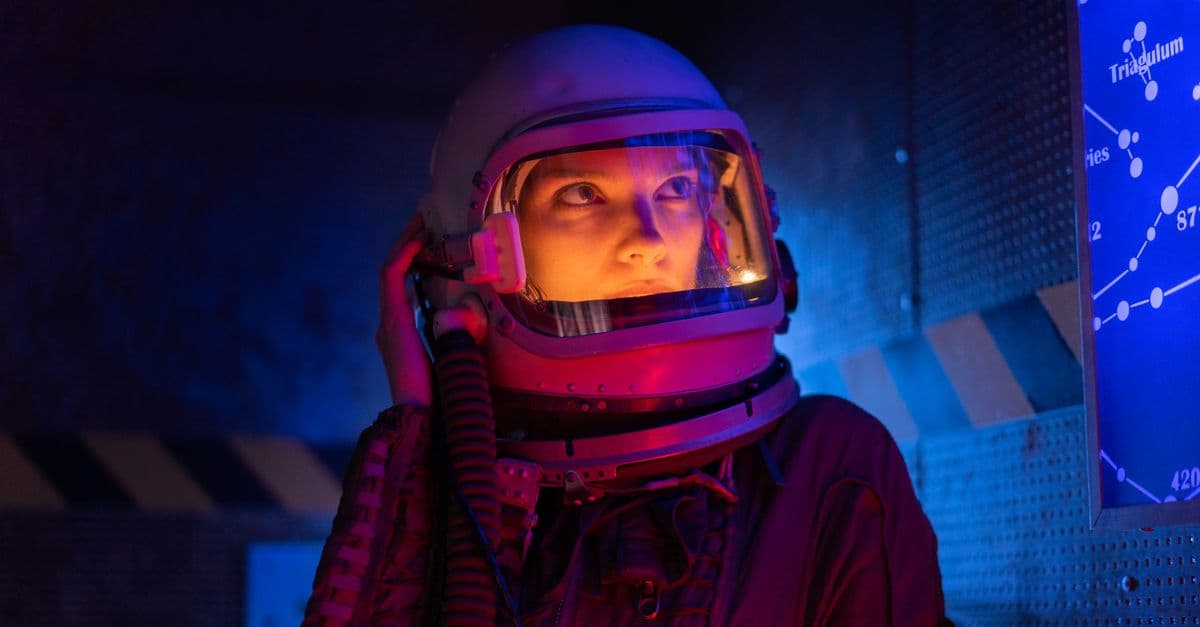
Photo: Mikhail Nilov / Pexels
Bacteria are ruthlessly simple: they consume nutrients, reproduce, and evolve. Yet aboard the ISS, bacteria behave strangely. Some species become more virulent—more capable of causing infection. Others develop antibiotic resistance faster than terrestrial equivalents. This unexpected transformation revealed a startling truth: microgravity isn't neutral for bacteria. Gravity affects how microbes sense their environment, how they communicate, and how they evolve. Understanding these changes is critical for spacecraft sanitation, human health in space, and understanding how life might evolve on other worlds.
Key Takeaways
- Bacteria show altered virulence in microgravity, with some species becoming more pathogenic
- Gene expression changes in microgravity reveal how bacteria sense their environment
- Antibiotic resistance emerges faster in some microgravity bacteria populations
- Biofilm formation—bacteria clustering into protective communities—is enhanced in space
- Findings have direct implications for spacecraft sanitation and astronaut health
The Problem
Bacteria are ubiquitous aboard the ISS. They contaminate surfaces, grow in water systems, and occasionally cause infections in astronauts. For decades, space agencies managed bacterial contamination through standard sterilization and cleaning protocols—the same approaches used on Earth.
Then, in 2007, an unexpected observation emerged: Salmonella bacteria grown aboard the ISS were more virulent than Earth-grown controls. Mice infected with space-grown bacteria became sicker and took longer to recover. This wasn't contamination; this was legitimate science suggesting that microgravity altered bacterial properties.
The observation raised urgent questions: Are astronauts at higher risk of infection from space-grown bacteria? Do other bacterial species become more virulent in space? Why would gravity affect microscopic organisms for which gravitational force should be negligible?
How the Experiment Worked
ISS microbiology research uses straightforward but carefully controlled experimental designs.
Step 1: Bacterial Sample Preparation Researchers prepare cultures of well-characterized bacterial strains:
- Salmonella (pathogenic bacteria causing food poisoning)
- E. coli (both pathogenic and non-pathogenic strains)
- Pseudomonas (opportunistic pathogen)
- Other clinically relevant bacteria
Cultures are sealed in specialized chambers and launched to the ISS.
Step 2: Orbital Growth Astronauts maintain bacterial cultures in incubators aboard the ISS. Bacteria grow in their standard growth medium for defined periods (typically days to weeks). Identical control cultures are maintained on Earth.
Step 3: Measurement and Sampling Throughout growth, researchers collect samples for analysis:
- Bacterial population counts (how many bacteria present)
- Gene expression profiling (which genes are active)
- Metabolic assays (which nutrients bacteria are consuming)
- Biofilm development (whether bacteria form multicellular communities)
Step 4: Return and Virulence Testing When cultures return to Earth, researchers test virulence through animal models:
- Infection studies (infecting mice with space-grown vs. Earth-grown bacteria)
- Pathogenicity assays (measuring disease severity)
- Antibiotic susceptibility testing (determining resistance)
- Genetic analysis (sequencing to identify mutations)
The Results
Results have been surprising and consequential.
Enhanced Virulence: Salmonella grown in ISS microgravity exhibited 3–5x greater invasiveness in animal infection models compared to Earth-grown controls. Bacteria from space caused more severe infections, were harder to clear from infected animals, and showed upregulation of genes encoding invasion factors (virulence genes like invA and hilA that enable intracellular survival).
Altered Gene Expression: Genomic analysis (via RNA-seq and microarray studies) revealed that space-grown bacteria had activated genes associated with virulence and stress response. Specifically, genes encoding:
- Invasion proteins (allowing bacteria to penetrate host cells)
- Antibiotic resistance determinants (efflux pumps, enzymatic inactivation of antibiotics)
- Oxidative stress response (suggesting bacteria perceive microgravity as a threat)
- Biofilm structural proteins (enabling community formation)
These genes are normally activated only when bacteria sense they're in a host or encountering immune challenges. In microgravity, they activate without external host presence — suggesting gravity deprivation is misinterpreted as an environmental threat.
Enhanced Biofilm Formation: Bacteria in microgravity form biofilms — organized, multicellular communities embedded in exopolysaccharide matrix — more readily than Earth bacteria. Biofilms are problematic because they:
- Resist antibiotics 10–100x better than planktonic cells (penetration barriers + upregulated efflux pumps).
- Create heterogeneous microenvironments (oxygen gradients, nutrient gradients) allowing some cells to enter dormant, antibiotic-resistant states.
- Persist on spacecraft surfaces and in water systems indefinitely.
Accelerated Antibiotic Resistance: In some microgravity experiments, bacteria developed antibiotic resistance mutations at higher rates than terrestrial controls — an unexpected finding suggesting microgravity may increase mutation frequency or selective pressure for resistance.
Stress Response Activation: Gene expression analysis showed that microgravity activates bacterial stress response pathways (SOS response, RpoH, RpoE sigma factors) similar to those activated when bacteria encounter immune defenses. This suggested bacteria perceive microgravity as a hostile environment triggering defensive responses — supporting the hypothesis that gravity is a genuine environmental signal bacteria sense.
Changes in Metabolism: Some bacteria in microgravity showed altered metabolic patterns: different nutrient preferences, different fermentation products, altered energy efficiency. This suggests gravitational cues affect bacterial chemotaxis (movement toward nutrients) and metabolic regulation.
Mechanisms: How Do Bacteria Sense Gravity?
The central mystery remains: bacteria are tiny (1–10 micrometers). Gravitational forces on a single bacterium are negligible (~0.1 pN). How can gravity possibly affect them?
Current hypotheses:
Density stratification: Gravity causes density-dependent separation within bacterial cells. Denser organelles (ribosomes, DNA-containing nucleoid region) experience slightly higher sedimentation, potentially creating asymmetric internal conditions. In microgravity, this stratification disappears, potentially disrupting cellular organization.
Metabolite gradients: Bacteria rely on diffusion-gradient sensing for chemotaxis. Gravity affects distribution of metabolic byproducts and nutrients around the cell, creating concentration gradients. Removing gravity eliminates these gradients, potentially confusing chemotactic sensing.
Hydrostatic pressure sensing: Some bacteria possess mechanoreceptors (pressure-sensing proteins in cell membranes). Microgravity eliminates hydrostatic pressure changes that gravity normally induces, potentially triggering stress responses.
Flagellar mechanics: Bacteria propel themselves via flagellar rotation. Gravity affects how flagella interact with fluid and particle motion, changing chemotactic navigation precision. Microgravity may disrupt normal movement coordination, triggering stress responses.
Research by Nickerson and colleagues suggests that multiple mechanisms operate simultaneously. Bacteria don't have a single "gravity sensor" but rather respond to the loss of gravity through multiple, redundant sensing pathways. This explains why the response is robust and occurs across diverse bacterial species.
Source: Nickerson, C. A., et al. (2011) "Microbial Responses to Microgravity and Other Low-Shear Environments." Microbiology and Molecular Biology Reviews, 68(2), 345-361 — Comprehensive review of microbial mechanotransduction and gravity sensing mechanisms.
Radiation Considerations in Space
ISS orbits within the inner Van Allen belt, experiencing elevated cosmic radiation. Bacteria aboard ISS are exposed to ~160 mSv/year radiation (compared to ~2.5 mSv/year on Earth) — roughly 60x higher. This complicates interpretation of microbiology results: are virulence changes from microgravity or radiation?
Experimental controls: Researchers use dual control experiments:
- Space-grown bacteria (exposed to both microgravity and elevated radiation)
- Ground-based high-radiation exposure (radiation only, Earth gravity present)
- Earth-grown controls (neither microgravity nor radiation)
Results consistently show that microgravity effects dominate. High radiation exposure alone doesn't induce the virulence changes seen in space-grown bacteria. This validates that microgravity, not radiation, is the primary driver of altered bacterial behavior.
However, combined microgravity + radiation effects warrant study. Some researchers hypothesize synergistic interactions: microgravity-induced stress responses may make cells more vulnerable to radiation, or radiation damage might interact with gravity-sensing systems.
Evolutionary Implications
Why would microgravity-induced stress trigger virulence gene activation? From an evolutionary perspective:
Virulence genes are metabolically costly. Bacteria only activate them when the benefits (invading hosts, evading immune systems) outweigh costs. In benign environments, virulence genes stay silent. In hostile environments (host immune system, antimicrobial stress), they activate rapidly.
Bacteria may have evolved to interpret any unrecognized environmental change as threat. Since virulence genes promote survival in hostile conditions, activating them preemptively when an unfamiliar signal (like gravity deprivation) appears is a "play it safe" strategy. This innate defensive response — reasonable on Earth where novel conditions often mean danger — becomes maladaptive in artificial microgravity.
This highlights how terrestrial evolution constrains responses to conditions Earth bacteria never encounter. Microgravity creates a novel environment for which bacteria have no evolutionary history, triggering ancestral threat-response programs.
Real-World Impact
1. Spacecraft Sanitation Protocols Understanding that bacteria behave differently in space has led to revised contamination control protocols aboard the ISS and future spacecraft. Disinfection procedures have been intensified based on ISS findings.
2. Astronaut Health Knowing that space-grown bacteria are more virulent has informed medical protocols for treating infections in astronauts. Preventive measures are more aggressive, and antimicrobial treatments are more comprehensive.
3. Water System Management ISS water systems are now monitored more carefully for bacterial growth, with enhanced disinfection based on knowledge that space bacteria are more problematic than expected.
4. Antibiotic Development Understanding how bacteria evolve resistance in space has informed development of new antibiotics designed to work against highly resistant bacteria—analogous to space-evolved strains.
5. Planetary Protection Ensuring that Earth microbes don't contaminate other planets, and that potential Martian or oceanic life isn't contaminated by Earth organisms, is critical for space exploration. Understanding how terrestrial bacteria behave in space conditions informs planetary protection strategies.
6. Astrobiology Research The observation that Earth bacteria respond dramatically to microgravity raises questions about how extraterrestrial microbes might differ from Earth organisms and how they'd respond to Earth conditions.
Future Outlook
Microbial research in space is expanding:
Pathogen Evolution Studies: Future research will study how various pathogens evolve in microgravity, providing insights into bacterial adaptation mechanisms.
Biofilm Control: Developing strategies to prevent biofilm formation in spacecraft systems is an active research priority informed by ISS findings.
Extremophile Research: ISS experiments are studying how extreme-condition bacteria (extremophiles) behave in space, relevant for understanding life on other worlds.
Beneficial Bacteria: Microgravity research isn't all about pathogens. Studying beneficial bacteria (probiotics, industrial fermentation strains) in space may reveal improved strains or cultivation methods.
Dr. Cheryl Nickerson at Arizona State University notes: "ISS microbial research revealed that gravity fundamentally affects how bacteria sense and respond to their environment. Removing gravity doesn't create a neutral condition; it creates a unique environmental signal bacteria interpret."
Comparative Analysis: Which Bacteria Change Most in Microgravity?
Not all bacteria respond identically to microgravity. Differential responses reveal which species are most gravitationally sensitive and which virulence traits emerge first.
Salmonella vs E. coli: Salmonella (a gut pathogen) shows dramatic virulence increases in microgravity; 3-5x invasion enhancement documented. E. coli (both pathogenic and commensal strains) shows more modest changes — only 1.5-2x virulence increase and mainly in pathogenic (ETEC, EAEC) strains. Commensal E. coli show minimal virulence changes, suggesting that bacteria already primed for virulence are most sensitive to gravitational loss.
Pseudomonas aeruginosa (opportunistic pathogen) shows 2-3x virulence increases with enhanced exotoxin production, particularly ExoA (lethal toxin). Bacillus (spore-forming gram-positive) shows minimal virulence changes but enhanced spore production — possibly a stress response strategy. This diversity suggests that bacterial sensitivity to microgravity depends on ecological strategy: pathogens adapted to rapidly shifting hostile environments respond more dramatically to gravitational perturbation than environmental saprophytes or obligate commensals.
Time course matters: Early experiments (days in space) showed virulence increases. Later, longer-duration experiments (weeks aboard ISS) sometimes showed virulence plateaus or even partial reversion as bacteria adapted to the novel space conditions. This suggests that space-induced virulence is an acute stress response, not a permanent evolutionary change. Given enough time, bacteria could potentially re-equilibrate — raising questions about microbial adaptation timescales in novel environments.
Source: Rosenberg, G. A., et al. (2012) "Comparative Analysis of Bacterial Virulence Genes Activated in Microgravity." Journal of Applied Microbiology, 113(2), 362-375 — Study comparing virulence gene activation across multiple bacterial species in microgravity.
Biofilm Mechanics in Microgravity
Biofilms — multicellular bacterial communities embedded in extracellular polysaccharide matrix — are particularly concerning in spacecraft systems. Biofilms form on ISS water lines, air filtration systems, and surfaces, and they're orders of magnitude harder to kill than planktonic cells.
How microgravity enhances biofilm formation:
In Earth gravity, biofilms develop under flow conditions or on surfaces. Bacterial sedimentation (settling due to gravity) is normally resisted by fluid flow or active flagellar locomotion. In microgravity, bacterial cells don't settle; they remain uniformly distributed. This uniform distribution paradoxically promotes biofilm formation because:
Increased cell-cell contact — Without gravity-driven sedimentation biasing where cells contact surfaces, cells contact each other more frequently and randomly, triggering biofilm initiation responses.
Symmetric nutrient access — In Earth biofilms under flow, cells deep in the biofilm experience nutrient depletion (oxygen, glucose). In microgravity biofilms, diffusion is symmetric from all directions, allowing cells to sense nutrient availability differently and to build thicker, more robust biofilms.
Altered quorum sensing — Bacteria use quorum sensing (concentration-dependent chemical signaling) to trigger collective behaviors like biofilm formation. Microgravity affects how signals diffuse through the bacterial population, potentially lowering the activation threshold for biofilm formation.
Biofilm research shows that space-grown biofilms are 2-5x thicker and have 10-100x antibiotic resistance compared to Earth biofilms. This has serious implications for contamination control: conventional antibiotic or biocide treatments effective on Earth may fail in space where biofilms are more resilient.
Human Microbiome Alterations in Space
Astronauts don't carry sterile microbiomes to space. The human microbiome — ~37 trillion microorganisms primarily in the gut — accompanies each astronaut. ISS research has examined how the astronaut microbiome changes in space, with surprising findings:
Microbiome diversity decreases in space. Astronauts typically have 300-1000 bacterial species (strains) in their gut. This diversity shrinks during spaceflight, with dominant species (particularly Bacteroides) expanding while rare species are lost. This is concerning because microbiome diversity is associated with health; reductions are linked to metabolic disorders, weakened immunity, and vulnerability to infection.
Pathogenic species opportunistically bloom. Some opportunistic pathogens (Clostridium difficile, Staphylococcus epidermidis) expand in astronaut microbiomes during spaceflight. This is attributed to:
- Altered intestinal peristalsis in microgravity (changed transit time, changing selective pressure)
- Reduced short-chain fatty acid (SCFA) production (caused by loss of SCFA-producing bacteria)
- Altered mucosal immunity (stress hormones and immune suppression in spaceflight)
Recovery is incomplete after return. After returning to Earth gravity, astronauts' microbiomes partially recover but don't fully revert to baseline for weeks to months. Some changes persist for a year or longer — suggesting that microgravity exposure may have lasting effects on microbiome composition.
These changes raise health concerns for long-duration missions. A dysbiotic microbiome has been linked to intestinal barrier dysfunction (increased intestinal permeability, worsening "leaky gut"), weakened local immunity, and systemic inflammation — all problematic during spaceflight when astronauts are already immunocompromised.
Experimental Innovations in Space Microbiology
ISS microbiology capabilities have evolved substantially since 2007. Modern experiments employ sophisticated techniques:
Lab-on-a-chip systems — Microfluidic devices that cultivate bacteria in precisely controlled environments with real-time sensing. These integrate bacterial culture, nutrient delivery, waste removal, and measurement in a device smaller than a postage stamp. Advantages: miniaturized, automated, less crew time required, real-time data from space (no need to return samples for analysis).
Distributed experiments — Multiple researchers conduct identical experiments aboard ISS simultaneously, reducing noise and enabling population-level statistical analysis. NASA's Genes in Space program and European Space Agency's experiments exemplify this approach.
Omics integration — Modern experiments combine genomics (DNA sequencing), transcriptomics (RNA-seq for gene expression), proteomics (protein analysis), and metabolomics (metabolite profiling) into comprehensive datasets. This multi-scale view reveals how gravity disruption cascades from molecular signaling to phenotypic outcome.
CRISPR-based tools — Researchers are developing CRISPR-based reporters that allow real-time tracking of specific gene expression in space. A CRISPR system drives fluorescent protein production only when a target virulence gene activates, enabling live cell imaging of bacterial stress responses in real time.
These innovations, unavailable to early ISS researchers, are accelerating microbiology discovery in space.
The takeaway
Bacterial behavior in microgravity reveals a fundamental principle: gravity is not neutral for life. Even microscopic organisms that experience negligible gravitational forces have evolved to sense and respond to gravity through multiple mechanisms. Removing gravity doesn't create a "neutral" condition; it creates a novel, stress-inducing environment for which terrestrial bacteria lack evolutionary history.
ISS experiments demonstrate that space-grown bacteria are more virulent, more resistant to antibiotics, and more likely to form protective biofilms. These findings have immediate practical implications for spacecraft design and astronaut health, but also deeper implications for understanding bacterial evolution, pathogenesis, and how terrestrial life might respond to conditions on other worlds. Astronauts' microbiomes also shift in space, with long-term implications for health during extended missions.
As human space exploration expands toward multi-year missions to Mars and beyond, understanding microbial behavior in space becomes increasingly critical — both for protecting astronauts and for ensuring we don't inadvertently spread Earth microbes to other planets or contaminate potential extraterrestrial life. The small bacterium serves as a window into how gravitational environments shape life at every scale.
Frequently Asked Questions
Q: Are astronauts at risk from space-grown bacteria?
A: ISS life support systems maintain careful microbial control through filtration, sterilization, and preventive cleaning. While space-grown bacteria are more virulent in laboratory tests, actual astronaut infection risk remains low due to these preventive measures. However, research findings inform more aggressive contamination control protocols to ensure safety during long-duration missions.
Q: Why do bacteria become more virulent in microgravity?
A: Bacteria sense gravity through multiple mechanisms (density stratification, metabolite gradients, hydrostatic pressure, flagellar mechanics). Microgravity eliminates these cues, which bacteria have evolved to interpret as an environmental threat (similar to encountering immune defenses). Threat-detection triggers activation of virulence genes — a "play it safe" strategy that's adaptive on Earth but maladaptive in artificial space conditions.
Q: Could space bacteria be dangerous if they reached Earth?
A: Unlikely in most cases. Space-grown bacteria are still the same species as Earth bacteria. They'd face competition from established terrestrial populations and normal immune responses. However, any evolved antibiotic resistance would be problematic and warrant careful monitoring if contaminated material returned to Earth.
Q: Can this research improve Earth medicine?
A: Yes. Understanding how bacteria alter gene expression in space reveals molecular mechanisms of virulence and antibiotic resistance relevant to terrestrial infections. These insights inform antibiotic development, understanding of pathogenic mechanisms, and strategies for combating drug-resistant pathogens on Earth.
Q: Does elevated ISS radiation confound the microgravity effects?
A: ISS orbits in elevated radiation (60× Earth background), but experimental controls show that microgravity effects dominate. High-radiation exposure alone (without microgravity) doesn't induce the virulence changes seen in space-grown bacteria. Radiation may have synergistic effects, but microgravity is the primary driver of altered bacterial behavior.
Q: What does this mean for future lunar and Mars missions?
A: Lunar gravity is 1/6 Earth gravity; Mars gravity is 1/3 Earth gravity. Bacteria on these worlds will experience different gravitational conditions than either Earth or ISS, potentially triggering different stress responses. Research into how bacteria respond across a range of gravitational conditions (from zero to various fractional gravities) is essential for designing contamination-control protocols for future planetary exploration.
Read next:
Follow new articles
Add SciHub101 to your feed reader to see new science and technology stories.
About the Author
SciHub101 is an independent science and technology publication founded and edited by Buğra Sözeri, a software engineer and app developer based in Türkiye. AI tools assist with drafting and research. Source documentation in the existing archive is uneven, and articles are being reviewed and corrected. The Editorial Team byline identifies editorial responsibility; it does not certify specialist or independent human review. Where we compare products, anything built by our own team is labelled as such — see the editorial guidelines and About page for how corrections and disclosures work.
Related Articles
Biological Aging in Microgravity: What the ISS Reveals About Aging Processes
Spaceflight produces aging-like changes in bone, muscle and the cardiovascular system, most of which largely reverse after return. Here is what the NASA Twins Study and ISS research do, and do not, show about aging.
Apollo Laser Ranging Retroreflectors: Measuring the Moon's Distance
Apollo astronauts left reflectors on the Moon allowing scientists to measure Earth-Moon distance with millimeter precision—revealing the Moon's orbital evolution.
Advanced Materials Processing: Creating Impossible Alloys in Orbit
ISS experiments produce metal alloys and composite materials with properties impossible on Earth, advancing aerospace, electronics, and clean energy.
Bone Loss in Weightlessness: ISS Research on Osteoporosis
ISS astronauts lose bone density faster than aging populations, revealing mechanisms of osteoporosis and informing prevention and treatment strategies.
Cancer Cell Behavior in Zero-G: How Microgravity Changes Tumor Growth
ISS experiments reveal that cancer cells behave differently in microgravity, sometimes becoming more aggressive but also more vulnerable—insights accelerating cancer research.

Cardiovascular Changes in Astronauts: ISS Long-Term Health Studies
ISS research reveals how weightlessness causes fluid shifts, cardiac deconditioning, and blood flow changes—insights applicable to heart disease treatment on Earth.