astrobiology
44 articles tagged with #astrobiology

Experiments
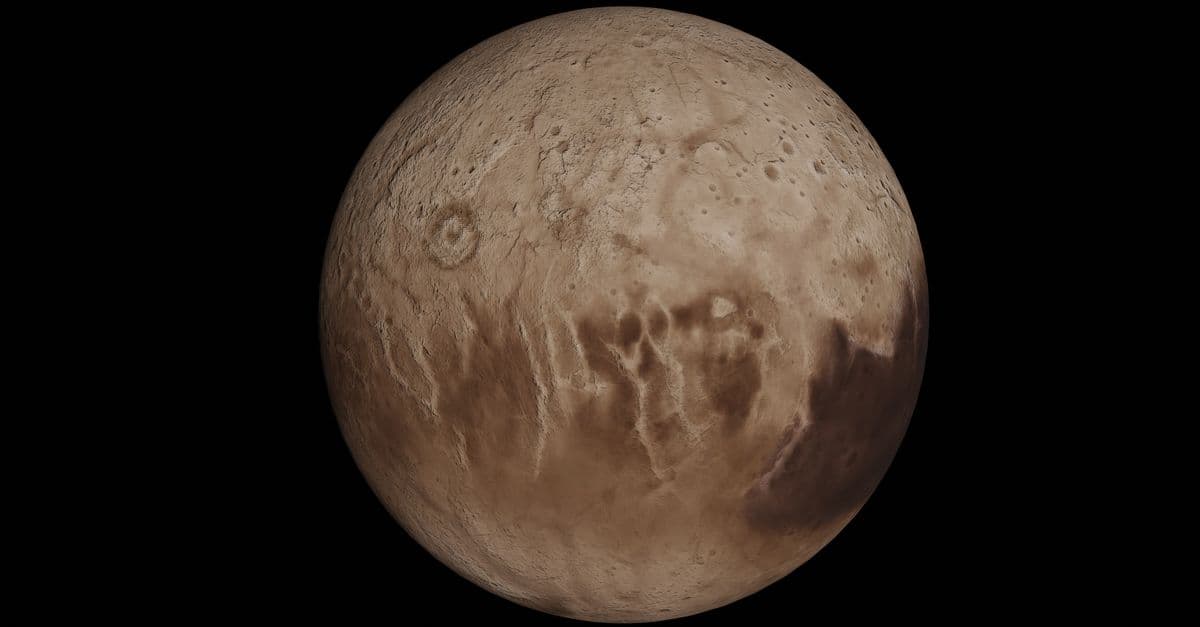
The Mars Viking Life Detection Experiments
NASA's Viking landers ran the first direct biology tests on Mars. The results were provocative, disputed, and still important.
Space
Most Earth-Like Planets Discovered So Far
TRAPPIST-1e, Proxima b, LHS 1140 b, TOI-700 d and more: how the most Earth-like planets compare, and what each has and has not shown about air and water.
Space
Nearest Exoplanets That Could Host Life
A guide to the nearest potentially habitable exoplanets, from Proxima b to TRAPPIST-1e, what JWST has found, and why 'habitable' rarely means confirmed.

World Records
The Most Extreme Organisms: Extremophiles and the Limits of Life
Tardigrades — eight-legged microscopic animals roughly half a millimeter long — have survived exposure to the vacuum of outer space, temperatures from -272°C to 150°C, pressures six times the deepest ocean trench, and radiation doses 1,000 times the lethal threshold for humans. They accomplish this not by being indestructible, but by entering a state of suspended animation called cryptobiosis that effectively stops time in their cells. The study of these organisms has redrawn the boundary of where life can exist — and raised serious questions about what might be alive elsewhere in the solar system.
Space
Ceres: The Asteroid Belt's Dwarf Planet Has Brine and Organics
Ceres is the largest object in the asteroid belt and the only dwarf planet in the inner solar system. NASA's Dawn spacecraft found salty brine deposits in Occator Crater and carbon-rich organic material near Ernutet Crater.
Space
Enceladus's Hydrothermal Vents and the Case for Life
Saturn's tiny moon Enceladus shoots plumes of water vapor and hydrogen gas into space from cracks in its icy crust. Those plumes carry direct evidence of 90°C hydrothermal vents on the ocean floor — the same kind of environment where life on Earth may have started.
Space
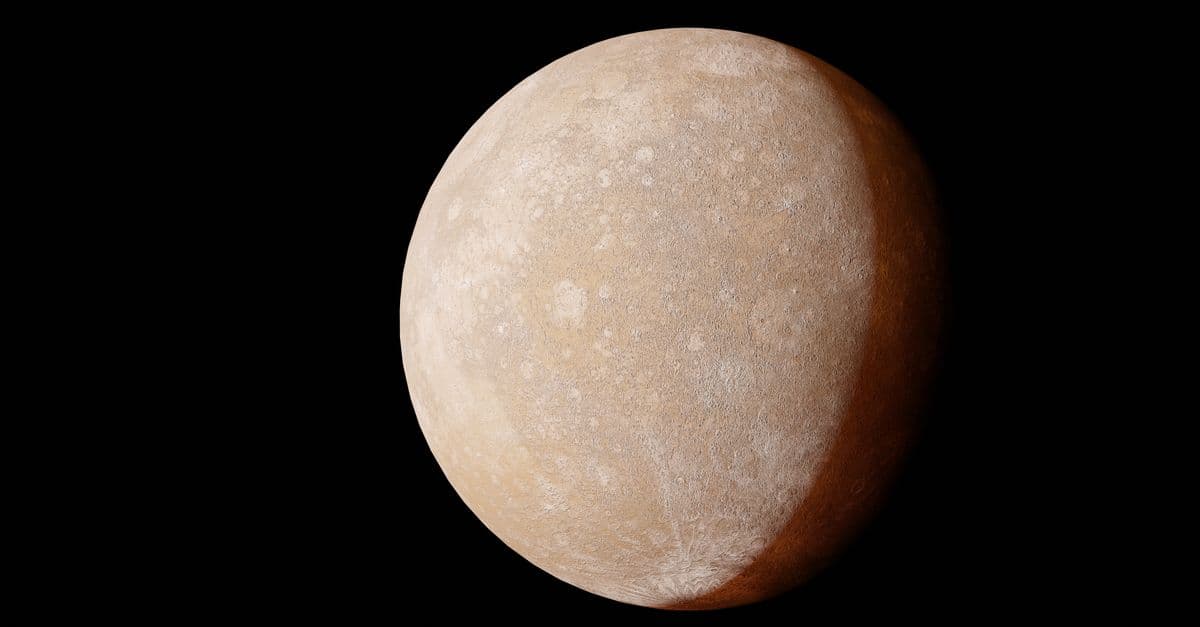
Ganymede: The Largest Moon Is Also an Ocean World
Ganymede is bigger than Mercury, has its own magnetic field, and hides a saltwater ocean containing more water than all of Earth's surface oceans combined. It took a Hubble telescope observation of auroral lights rocking back and forth to prove it.
Space
The Exoplanet Atmosphere Revolution: What JWST Has Found So Far
For most of the history of exoplanet science, astronomers could detect planets but not smell them. They could measure orbital periods, estimate masses, and infer temperatures — but the chemical composition of another world's atmosphere was almost entirely out of reach. JWST changed that. In its first two years, it detected carbon dioxide on a gas giant 700 light-years away, found evidence of methane and CO₂ on a possible ocean world 120 light-years out, and ruled out thick atmospheres on the rocky TRAPPIST-1 planets — all using a technique called transmission spectroscopy that is as elegant as it is precise.
Page 1 of 4Next →