microbiology
23 articles tagged with #microbiology
World Records
The Most Extreme Organisms: Extremophiles and the Limits of Life
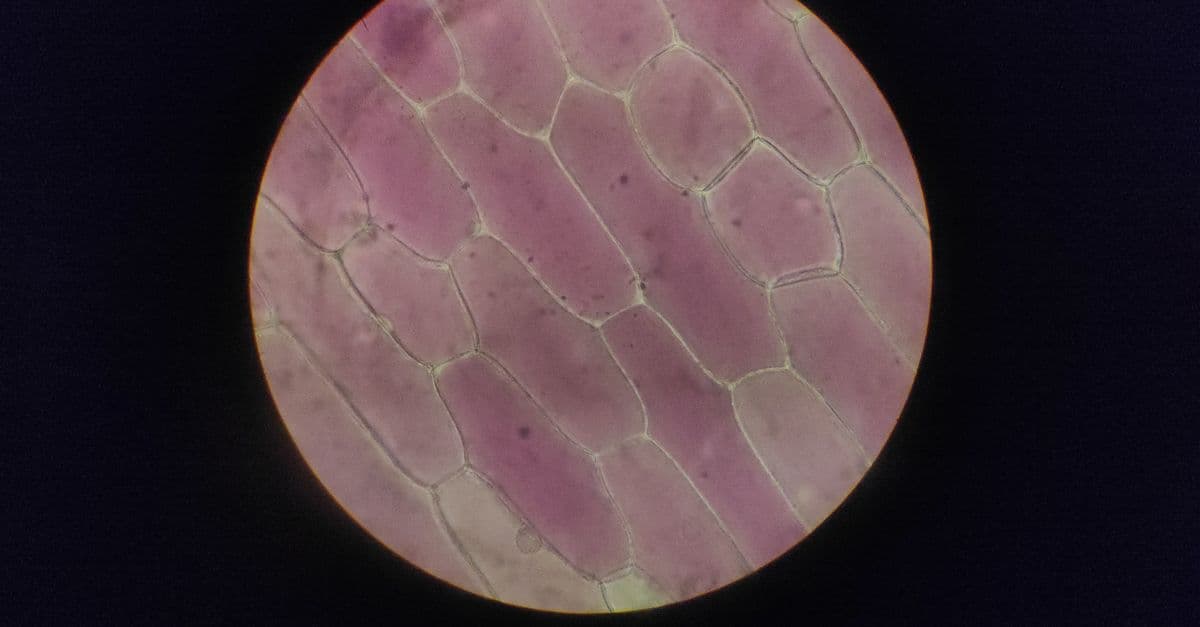
Tardigrades — eight-legged microscopic animals roughly half a millimeter long — have survived exposure to the vacuum of outer space, temperatures from -272°C to 150°C, pressures six times the deepest ocean trench, and radiation doses 1,000 times the lethal threshold for humans. They accomplish this not by being indestructible, but by entering a state of suspended animation called cryptobiosis that effectively stops time in their cells. The study of these organisms has redrawn the boundary of where life can exist — and raised serious questions about what might be alive elsewhere in the solar system.
Experiments
The Lenski Long-Term Evolution Experiment: Evolution in Real Time
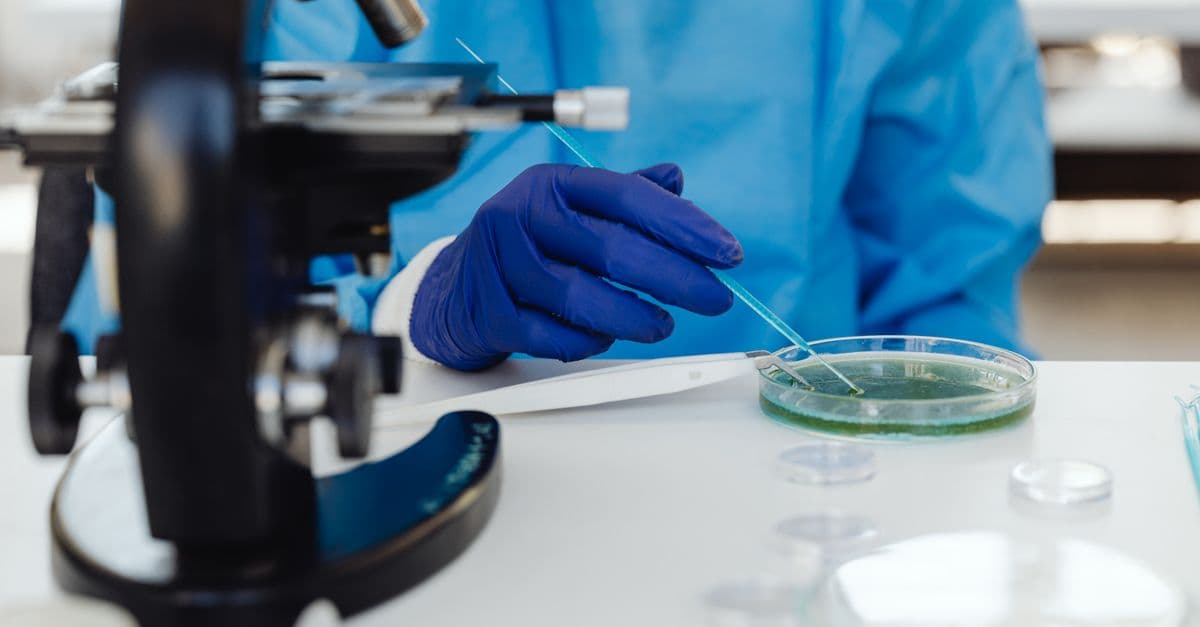
Since 1988, Richard Lenski has grown E. coli for 80,000+ generations. The result: a living record of evolution, including a once-impossible citrate mutation, visible in real time.
Experiments
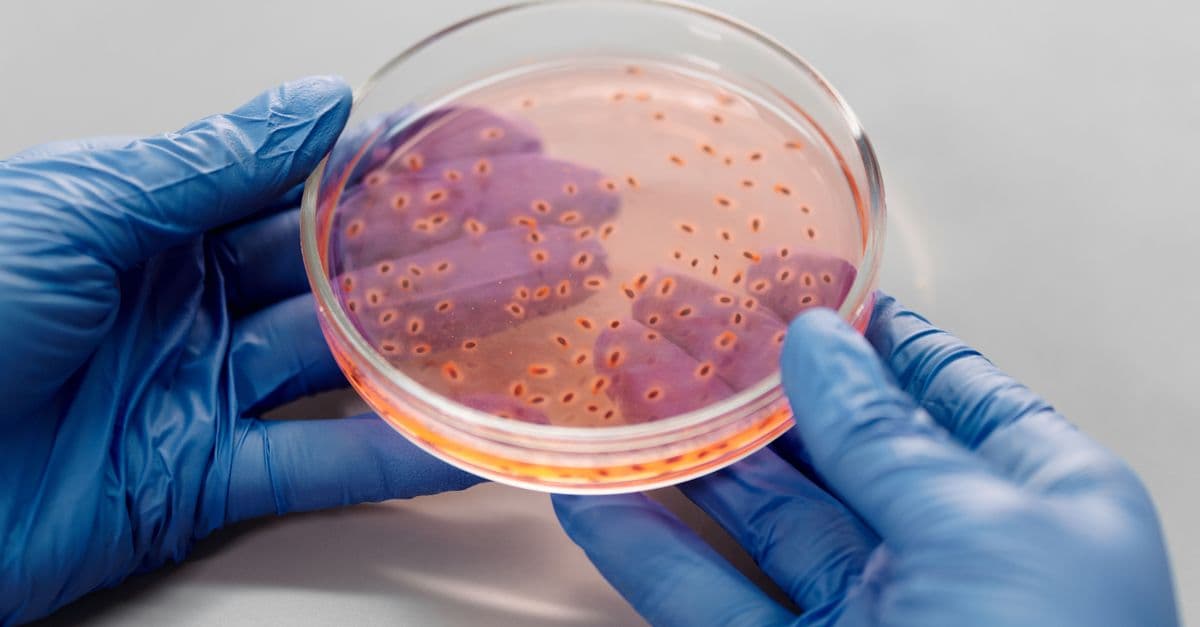
The Fleming Penicillin Discovery: How an Accident Changed Medicine
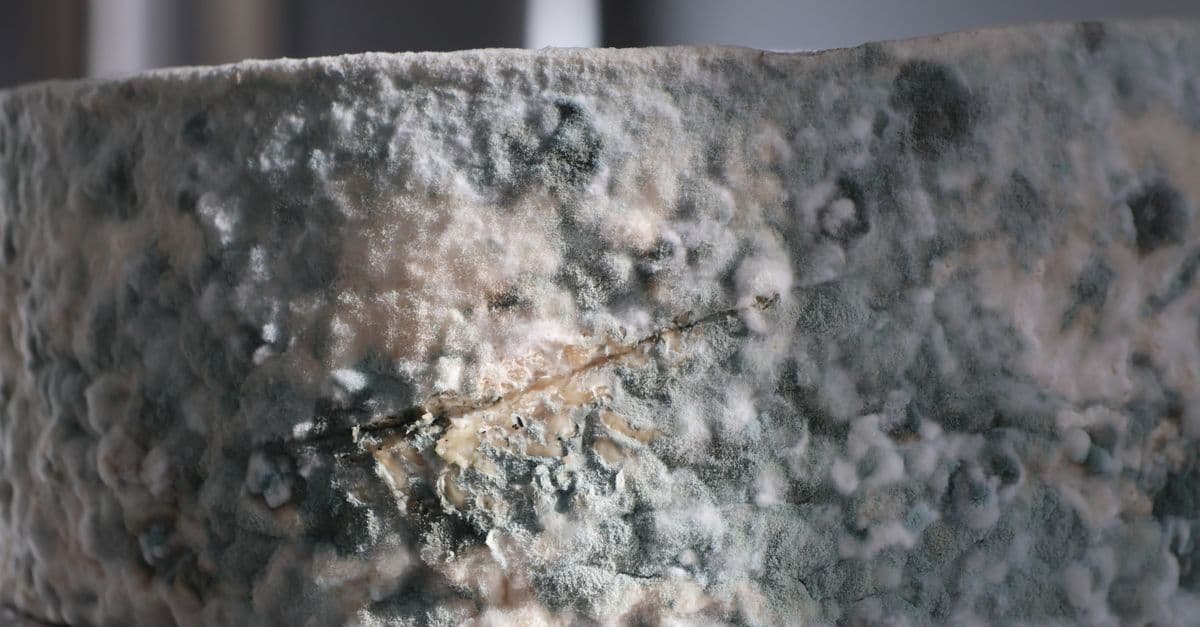
In 1928, Alexander Fleming noticed a mold dissolving bacteria on a contaminated plate. Here is the full story of the discovery, the 12-year gap before clinical use, and how it transformed medicine.
Experiments
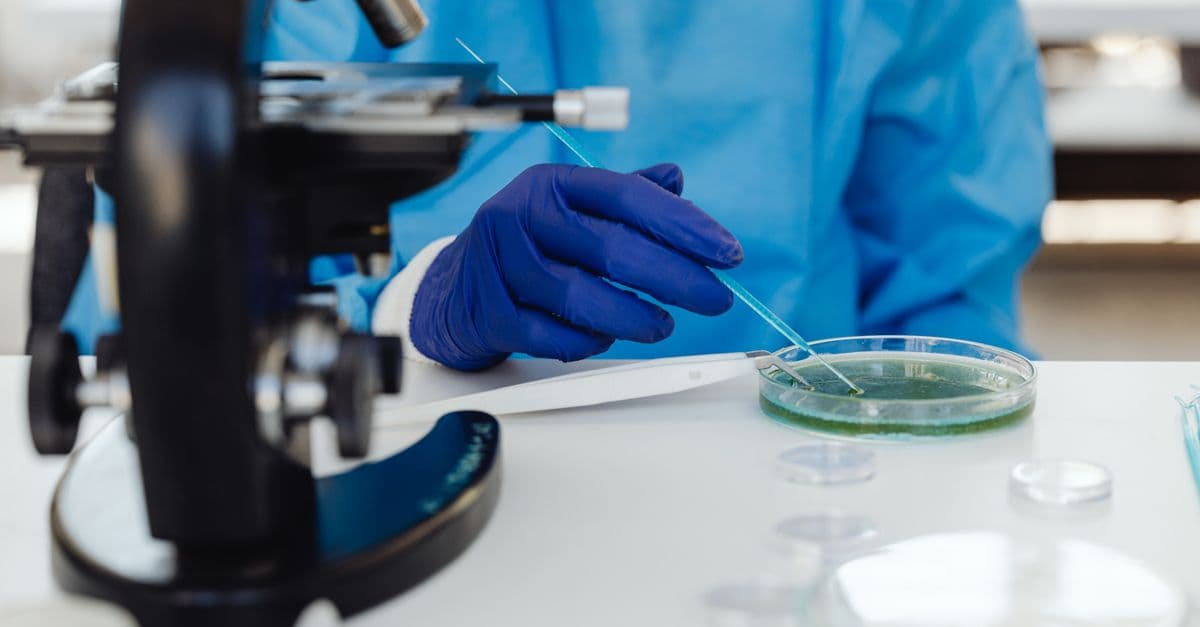
Pasteur's Swan-Neck Flask: Ending Spontaneous Generation
In 1859, Louis Pasteur designed a flask whose curved neck let air in but kept microbes out. The broth stayed sterile until the neck was broken. Here is the full experiment.
Experiments
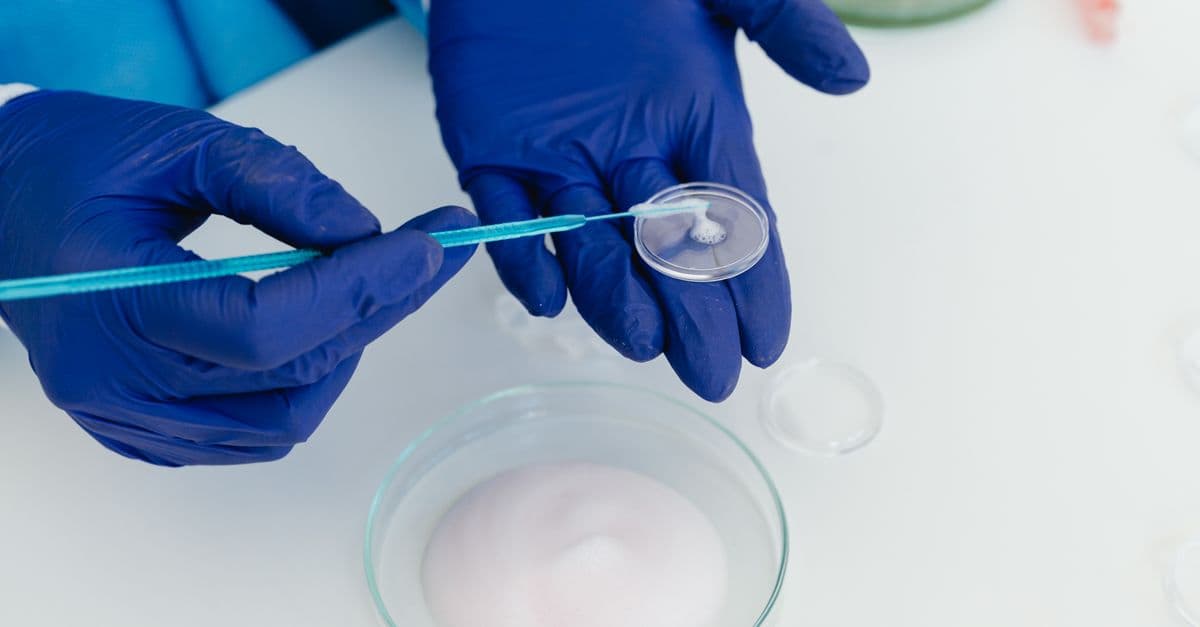
Redi's Experiment: The First Controlled Test in Biology
In 1668, Francesco Redi covered jars of meat with gauze and proved maggots come from fly eggs, not from meat itself. Here is how he designed the first controlled experiment in biology.
Scientists
Robert Koch: The Country Doctor Who Founded Modern Bacteriology
Robert Koch proved specific bacteria cause specific diseases, discovered TB and cholera pathogens, and won the 1905 Nobel Prize. His postulates still govern microbiology today.
Inventions
Pasteurization: How Heating Milk Changed the History of Childhood Death — SciHub101
Louis Pasteur invented pasteurization in 1864 to save wine. It took another 50 years to reach milk—and the delay cost hundreds of thousands of children their lives.
Inventions
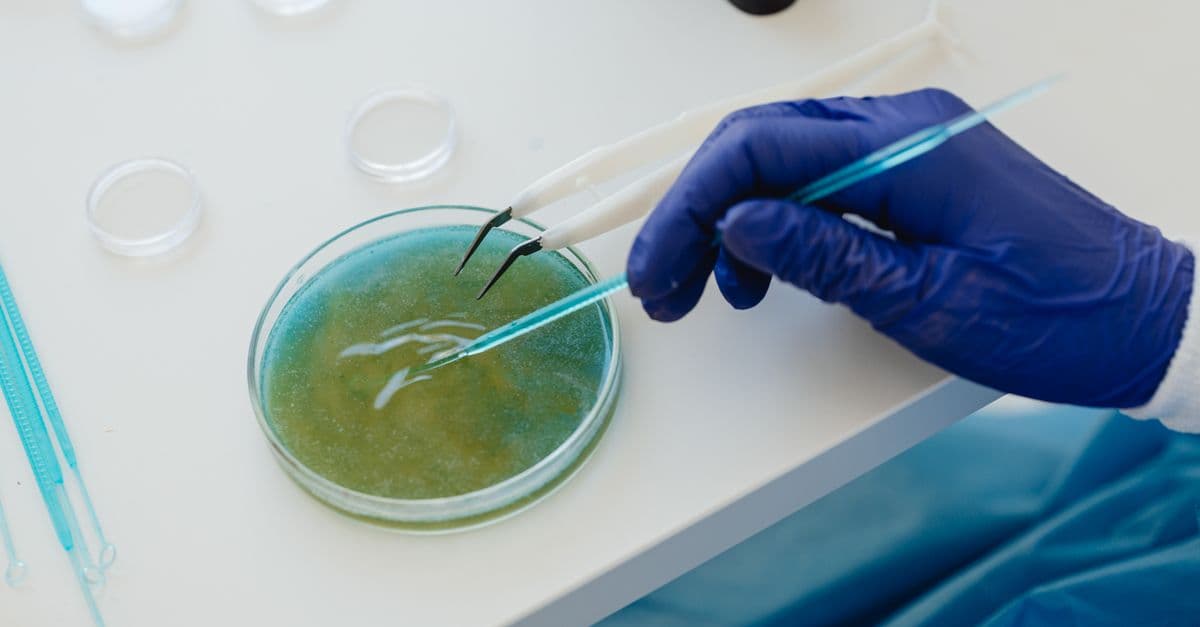
The Petri Dish: The Simple Invention That Made Modern Microbiology Possible — SciHub101
How Julius Richard Petri's shallow glass dish, Fanny Hesse's agar suggestion, and Robert Koch's lab protocols combined to create the tool behind every bacterial discovery since 1887.
Scientists
Alexander Fleming: The Messy Lab That Changed Medicine Forever — SciHub101
Alexander Fleming's life, discoveries, and verified quirks: the contaminated petri dish that became penicillin, painting with bacteria, and what Florey and Chain actually did.
Scientists
Louis Pasteur: Germ Theory, Vaccines, and the Falsified Notebooks — SciHub101
Louis Pasteur founded germ theory, developed the rabies vaccine, and invented pasteurization. His biography, verified quirks, and the 1995 discovery about his lab notebooks.
Page 1 of 2Next →