Robert Koch: The Country Doctor Who Founded Modern Bacteriology
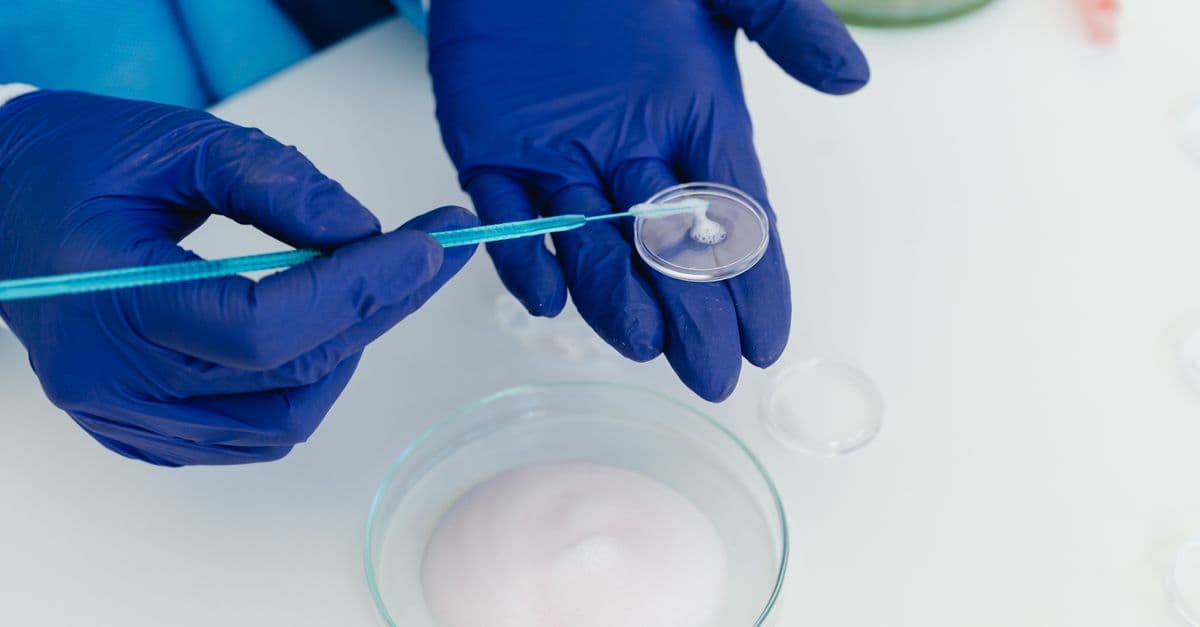
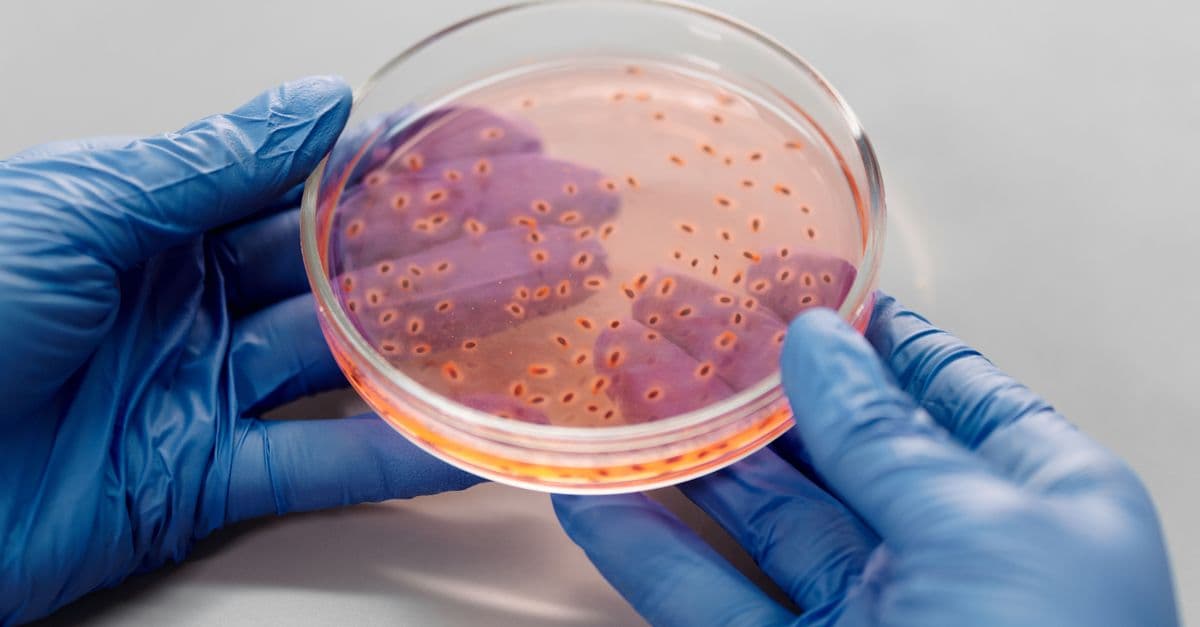
Photo: www.kaboompics.com / Pexels
In 1876, a rural district physician in a small Prussian town with no university affiliation, no professional assistants, and no dedicated research budget identified the entire lifecycle of the anthrax bacterium — including its dormant spore stage — using equipment he had assembled himself in a converted room of his home. The scientific establishment took him seriously immediately. Within a decade, Robert Koch had also identified the bacteria responsible for tuberculosis and cholera, invented the laboratory techniques that made modern microbiology possible, and established the logical framework — four postulates — that still governs how scientists prove infectious causation today.
A District Physician With Ambitions Larger Than His Practice
Heinrich Hermann Robert Koch was born on December 11, 1843, in Clausthal, a mining town in the Upper Harz Mountains of what was then the Kingdom of Hanover. He was the third of thirteen children. His father worked as a mining official; the family was comfortable but not wealthy. Koch reportedly taught himself to read from newspapers before starting formal schooling — a detail that, whether strictly true or not, is consistent with the lifelong pattern of self-directed learning that would define his scientific career.
He entered the University of Göttingen in 1862 to study medicine. The choice of institution mattered. Göttingen was home to Jacob Henle, one of the first physicians to propose systematically that infectious diseases were caused by living microorganisms — a hypothesis that, in 1862, was still contested and far from proven. Henle's influence on Koch was direct and lasting. Koch absorbed the idea that each specific disease might have a specific microbial cause, and spent the next four decades trying to prove it, one organism at a time.
Source: Nobel Prize Organization — Robert Koch Biographical (2026) https://www.nobelprize.org/prizes/medicine/1905/koch/biographical/
Koch received his medical degree in 1866, worked briefly in Hamburg and Berlin, and eventually settled into general practice. He served as a field surgeon during the Franco-Prussian War of 1870–71, an experience that gave him sustained exposure to wound infections, dysentery, and the general lethal chaos that infectious disease introduced into military campaigns. By 1872 he had been appointed district medical officer for Wollstein — a small town in what is now western Poland — and it was there, over the following eight years, working in a laboratory he built himself in one room of his house, that he made the discoveries that changed medicine.
| Year | Event |
|---|---|
| 1843 | Born in Clausthal, Upper Harz Mountains, Germany |
| 1862 | Enters University of Göttingen; studies medicine under Jacob Henle |
| 1866 | Graduates with M.D. degree |
| 1870–71 | Serves as field surgeon in Franco-Prussian War |
| 1872 | Appointed district medical officer, Wollstein |
| 1876 | Identifies Bacillus anthracis as cause of anthrax; documents spore formation |
| 1880 | Moves to Imperial Health Office, Berlin |
| 1881 | Introduces agar plate culture method; praised by Pasteur at London congress |
| 1882 | Announces discovery of Mycobacterium tuberculosis on March 24 |
| 1883–84 | Leads German Cholera Commission; identifies Vibrio cholerae in India |
| 1885 | Appointed Professor of Hygiene, University of Berlin |
| 1890 | Announces tuberculin; controversy follows |
| 1891 | Founds and directs Institute for Infectious Diseases, Berlin |
| 1905 | Awarded Nobel Prize in Physiology or Medicine |
| 1910 | Dies in Baden-Baden on May 27, aged 66 |
The Home Laboratory Where Bacteriology Was Born
The Wollstein laboratory was not a purpose-built facility. Koch had converted a room of his house and equipped it largely at his own expense and with his own ingenuity. His wife Emmy had given him a microscope as a birthday gift in 1871. He built on that foundation systematically, learning to prepare and stain specimens, to use oil-immersion lenses for greater magnification, and to document what he saw through microphotography — the practice of photographing specimens through a microscope — which was then so novel that it qualified as a technical innovation in itself.
Microphotography — the technique of attaching a camera to a microscope and photographing the magnified field of view, producing a permanent and shareable record of what the observer sees. Before this, scientists relied on hand-drawn illustrations, which introduced observer bias and were impossible to independently verify.
The anthrax problem was an obvious target. Anthrax killed livestock and occasionally farmers across rural Germany, and its epidemiology was baffling: it seemed to recur in the same fields year after year, even when no infected animals had grazed there recently. The French veterinary scientist Casimir Davaine had proposed in the 1860s that rod-shaped organisms he observed in anthrax blood were causative, but he had not conclusively demonstrated this. Koch set out to do so rigorously.
Working with the anthrax bacterium he isolated from local livestock, Koch cultivated it through multiple generations in ox-eye fluid — a transparent, sterile medium that let him watch bacterial growth under the microscope. He demonstrated that the bacteria, separated entirely from any animal host through many generations of laboratory culture, still produced anthrax when injected into mice. This addressed the central objection to germ theory: that the organisms seen in diseased tissue were byproducts of disease rather than its cause.
Source: PMC / Cureus — "Robert Koch: From Anthrax to Tuberculosis" (2024) https://pmc.ncbi.nlm.nih.gov/articles/PMC11617125/
More important was what Koch found when he extended the incubation. Under certain conditions — drying, unfavorable temperature — the anthrax bacillus formed spores: tough, metabolically dormant structures that could survive in soil for years. When conditions became favorable again, the spores germinated back into active bacteria. This explained the recurring anthrax fields. The pathogen was not vanishing between outbreaks; it was waiting. Koch documented the entire lifecycle, from vegetative bacteria to spore to germination, in a single continuous microscopic observation, and published the results in 1876.
Bacterial spore — a dormant, highly resistant cell produced by certain bacteria when environmental conditions become unfavorable. Spores can survive heat, desiccation, and chemical exposure that would kill the active bacterium, then revert to normal bacterial form when conditions improve. Bacillus anthracis spores can remain viable in soil for decades.
Ferdinand Cohn, Germany's leading botanist and an authority on bacteria, reviewed Koch's findings and invited him to Breslau to demonstrate the work personally. Cohn was persuaded. His endorsement opened the doors of the German scientific establishment to the young country doctor.
Koch's Postulates: The Logic That Made Microbiology Rigorous
Between the anthrax work and his subsequent discoveries, Koch developed the conceptual framework that made it possible to prove — not merely assert — that specific organisms cause specific diseases. The framework is now called Koch's postulates, though it was formally written out by his student Friedrich Loeffler in 1883.
Think of the postulates as a checklist that works like criminal forensics: you cannot convict a suspect based on proximity to a crime scene alone. You need to find them there, identify them precisely, confirm they could have committed the act, and independently verify their identity afterward.
The four postulates:
- The microorganism must be found in every case of the disease, and must not be present in healthy individuals.
- The microorganism must be isolated from the diseased individual and grown in pure culture outside the host.
- The pure culture, when introduced into a healthy susceptible host, must reproduce the same disease.
- The microorganism must be re-isolated from the experimentally infected host and confirmed as identical to the original organism.
Source: PMC / Cureus — "Robert Koch: From Anthrax to Tuberculosis" (2024) https://pmc.ncbi.nlm.nih.gov/articles/PMC11617125/
Each postulate eliminates a specific alternative explanation. Postulate 1 rules out organisms that are simply common in the environment. Postulate 2 allows precise identification of what you are working with. Postulate 3 establishes causation rather than correlation. Postulate 4 closes the logical loop and ensures the organism you re-isolate is the same one you started with, not a contaminating pathogen introduced during the experiment.
Pure culture — a laboratory preparation containing only one species of microorganism, with no contaminants. Before Koch's innovations, growing pure cultures was extremely difficult, because liquid broths allowed different organisms to mingle and overgrow each other. Solid growth media solved this problem.
Koch's postulates were not purely theoretical. He built the laboratory methods that made them practically achievable. His most important methodological contribution was the use of solid culture media — first cooked potato slices, then gelatin, and eventually agar — to grow bacteria on surfaces rather than in liquid. When a single bacterium lands on a solid surface and divides, its descendants stay put and form a visible colony. Each colony represents a genetically uniform population descended from one cell: a pure culture. Growing organisms in liquid allowed different species to mix; growing them on solid surfaces permitted isolation.
The suggestion to use agar came from Angelina Fanny Hesse, wife of one of Koch's assistants, Walther Hesse. She had used agar as a gelling agent in cooking and noted that it remained solid at the temperatures where gelatin melted. Koch adopted it, and the agar plate became the universal tool of microbiology. The petri dish that holds the agar was developed by Julius Richard Petri, one of Koch's assistants, in 1887.
Source: PMC / Cureus — "Robert Koch: From Anthrax to Tuberculosis" (2024) https://pmc.ncbi.nlm.nih.gov/articles/PMC11617125/
For more on the Petri dish's origins, see The Petri Dish.
March 24, 1882: The Day Koch Named Tuberculosis
By 1880 Koch had moved to the Imperial Health Office in Berlin, finally working in a proper institutional setting with trained assistants. He turned to tuberculosis — then called consumption or phthisis — the disease that killed more Europeans in the 19th century than any other single pathogen. One in seven deaths across Europe in the mid-1800s was attributed to tuberculosis. The disease destroyed lungs, bones, kidneys, and lymph nodes with equal indifference, progressing slowly over years and killing a large fraction of everyone it infected. Its cause was completely unknown.
Koch suspected a bacterium. The challenge was finding it. Unlike the anthrax bacillus, which grew readily, the tuberculosis organism grew slowly, was present in tissue in small numbers, and resisted standard staining techniques — meaning it was essentially invisible under the microscope even when it was there. Koch developed a staining procedure using alkaline methylene blue and Bismarck brown that caused the bacterium to take up dye that other tissue elements resisted, making the organism visible for the first time.
He then demonstrated, through the full four-postulate logic, that this rod-shaped organism — later named Mycobacterium tuberculosis — was the cause of tuberculosis in all its forms: pulmonary, intestinal, and of the bone. He grew it in pure culture, injected it into guinea pigs, produced tuberculosis, and re-isolated the organism from the guinea pigs. The work was meticulous and comprehensive.
Source: PMC / Cureus — "Robert Koch: From Anthrax to Tuberculosis" (2024) https://pmc.ncbi.nlm.nih.gov/articles/PMC11617125/
On March 24, 1882, Koch presented his findings to the Berlin Physiological Society. That date is now marked annually as World Tuberculosis Day. The physician and future Nobel laureate Paul Ehrlich was in the audience. He later described it as one of the greatest scientific experiences of his life. The audience reportedly sat in silence for an unusually long time after Koch finished — not from doubt, but from the weight of what they had just heard.
Source: Britannica — "Robert Koch: Studies of Tuberculosis and Cholera" https://www.britannica.com/biography/Robert-Koch/Studies-of-tuberculosis-and-cholera
Mycobacterium tuberculosis — the bacterial species, classified in the family Mycobacteriaceae, that causes tuberculosis. It is an obligate aerobic bacillus (rod-shaped) with a waxy cell wall composed partly of mycolic acids, which makes it resistant to standard staining techniques, slow-growing in culture (colonies take weeks to appear), and unusually resilient to some antibiotics. Its slow growth rate — dividing once every 15–20 hours, compared to once every 20 minutes for E. coli — was a major reason identifying it required Koch's specialized staining methods.
For a broader look at the competition between Koch and Louis Pasteur in establishing germ theory, see Germ Theory: Pasteur, Koch, and the Microbial Revolution.
Cholera and the Method That Saved Cities
In 1883 a cholera epidemic was burning through Egypt. The German government sent Koch to Alexandria at the head of a scientific commission. He examined cholera patients and performed autopsies but could not isolate the organism conclusively — the Egyptian epidemic was waning. He continued to India, where cholera was endemic, and set up a laboratory in Calcutta.
There, in January 1884, Koch isolated the bacterium in pure culture from both cholera patients and from the water tanks that supplied Calcutta's drinking water. The organism had a distinctive comma shape under the microscope. Koch identified it as Vibrio cholerae, gave a description of its morphology, and hypothesized that it produced a toxin that caused the disease's characteristic profuse watery diarrhea.
It is worth noting that an Italian physician, Filippo Pacini, had actually observed and named the cholera bacterium in 1854, nearly thirty years earlier, but Pacini's work had been ignored and was not widely known. Koch independently rediscovered the organism and, critically, performed the experimental work that established its causative role. Pacini received posthumous recognition when the International Committee on Systematic Bacteriology formally honored his priority in 1965.
Source: PMC / Cureus — "Robert Koch: From Anthrax to Tuberculosis" (2024) https://pmc.ncbi.nlm.nih.gov/articles/PMC11617125/
Koch's cholera findings had immediate practical consequence. His identification of contaminated water as the vehicle for transmission confirmed and extended the epidemiological work John Snow had done during the 1854 London outbreak. Koch drafted sanitary rules for water supply management that were adopted internationally by 1893, contributing to the reduction of cholera mortality in European cities.
Vibrio cholerae — a comma-shaped gram-negative bacterium that causes cholera by colonizing the small intestine and secreting cholera toxin, which triggers massive fluid secretion from intestinal cells. The resulting watery diarrhea can cause fatal dehydration within hours if untreated. The bacterium survives in aquatic environments and spreads primarily through water contaminated with fecal material from infected individuals.
The Tuberculin Controversy: A Setback That Still Mattered
In 1890, at the Tenth International Medical Congress in Berlin, Koch announced a substance he called "old tuberculin" — a glycerin extract derived from tuberculosis cultures — which he claimed could arrest the disease in guinea pigs. The announcement generated enormous excitement. Patients traveled to Berlin from across Europe seeking treatment. The German press described it as a cure.
It was not a cure. Clinical results were deeply disappointing. Tuberculin caused intense inflammatory reactions — what became known as the "Koch phenomenon," a localized hypersensitivity response — and in some patients with active tuberculosis, the reaction was severe and potentially dangerous. Koch had moved too quickly from animal experiments to clinical claims, and the credibility damage was significant.
Source: Nobel Prize Organization — Robert Koch Biographical https://www.nobelprize.org/prizes/medicine/1905/koch/biographical/
The tuberculin episode is a useful historical caution: even scientists with extraordinary track records can allow premature enthusiasm to outpace their evidence. Koch's reputation recovered, but the tuberculin failure colored the last two decades of his career and contributed to tensions with colleagues, including the pathologist Rudolf Virchow, who had long been skeptical of germ theory.
Tuberculin itself was not abandoned. The immune reaction Koch observed became the basis of the tuberculin skin test — the Mantoux test — which is still used diagnostically to detect latent tuberculosis infection. A substance that failed as a therapy became a standard diagnostic tool. The Koch phenomenon, his name for the hypersensitivity reaction, is now understood as a classic delayed-type hypersensitivity response mediated by T lymphocytes.
A Rivalry That Shaped a Science: Koch and Pasteur
Koch's relationship with the French microbiologist Louis Pasteur was professionally complex and nationally charged. The Franco-Prussian War of 1870–71 had left lasting hostility between French and German scientific communities, and Koch and Pasteur embodied opposing national schools of thought on germ theory.
Both men were correct about the fundamentals: specific microorganisms cause specific infectious diseases. But they disagreed, sometimes sharply, about methodology, priority, and interpretation. Koch criticized Pasteur's culture methods as insufficiently rigorous. Pasteur defended his approaches and made claims about anthrax vaccines that Koch contested. Their exchanges in the scientific literature were pointed.
At the Seventh International Medical Congress in London in 1881, however, Pasteur publicly praised Koch's agar plate method as a genuine advance — an unusually generous acknowledgment from a scientific competitor. The two men's work was ultimately complementary: Pasteur's focus on immunization and attenuation of virulence combined with Koch's rigorous culture and identification methods to form the foundations of modern infectious disease medicine.
Source: PMC / Cureus — "Robert Koch: From Anthrax to Tuberculosis" (2024) https://pmc.ncbi.nlm.nih.gov/articles/PMC11617125/
Later Career: Tropical Diseases and the Nobel Prize
After the tuberculin controversy, Koch did not retreat. Between 1896 and 1907 he conducted field investigations in Africa and Asia on rinderpest, malaria, plague, sleeping sickness (trypanosomiasis), and tick-borne fever. The African work was conducted under brutal colonial conditions, and some of Koch's interventions — particularly his use of atoxyl (an arsenic compound) to treat sleeping sickness — caused harm to local populations. This aspect of his career receives less attention in standard scientific histories and deserves honest acknowledgment.
He directed the Institute for Infectious Diseases in Berlin — now the Robert Koch Institute, Germany's federal public health agency — from 1891 until his retirement. The institute became a center of bacteriological research and a training ground for the next generation of German microbiologists.
In 1905 Koch was awarded the Nobel Prize in Physiology or Medicine "for his investigations and discoveries in relation to tuberculosis." The prize citation referenced specifically his 1882 identification of Mycobacterium tuberculosis and the body of experimental and methodological work that surrounded it.
Source: Nobel Prize Organization — Nobel Prize in Physiology or Medicine 1905 https://www.nobelprize.org/prizes/medicine/1905/koch/facts/
He suffered a heart attack in April 1910 and never fully recovered. Three days after delivering a lecture on tuberculosis research at the Prussian Academy of Sciences, Koch died in Baden-Baden on May 27, 1910, at the age of 66.
What Koch Built That Outlasted Koch
The specific discoveries — anthrax, tuberculosis, cholera — are the headline items. But Koch's methodological contributions may have had greater long-term impact than any single pathogen identification.
The agar plate, the petri dish, bacterial staining techniques, pure culture methodology, and the systematic application of Koch's postulates created the infrastructure that allowed every subsequent generation of microbiologists to work. Fleming's discovery of penicillin depended on the ability to grow pure bacterial cultures on agar. Pasteur's successors who developed vaccines needed pure cultures of attenuated organisms. The identification of every bacterial pathogen discovered after 1880 used some variant of the methods Koch introduced or systematized.
Koch's postulates themselves have been refined rather than abandoned. Molecular biology has extended them: when a bacterial gene rather than an entire organism is being studied, Falkow's molecular Koch's postulates (proposed in 1988 by Stanley Falkow) apply the same logic to genetic determinants of virulence. The underlying structure — find the agent, grow it in isolation, reproduce the disease, re-identify the agent — is the same.
Source: Britannica — Robert Koch https://www.britannica.com/biography/Robert-Koch
The Robert Koch Institute in Berlin, named in his honor, coordinates Germany's response to infectious disease outbreaks and conducts epidemiological surveillance. During the COVID-19 pandemic it served as the central scientific authority for Germany's public health response — a function Koch himself would have recognized and approved of.
What People Get Wrong About Koch's Postulates
The most common misunderstanding about Koch's postulates is that they are still the required standard for proving infectious causation, universally applicable. They are not — and Koch himself knew this.
Koch recognized exceptions during his own career. He noted that Vibrio cholerae could be found in some healthy carriers who showed no disease — violating postulate 1 as strictly stated. He also noted that not all individuals infected with the tuberculosis bacterium developed tuberculosis — which complicates postulate 3. Host susceptibility, immune status, and the dose and route of infection all matter.
Modern infectious disease medicine uses Koch's postulates as a guiding framework, not an absolute checklist. For viral diseases, growing the organism in pure culture outside a host was impossible with 19th-century methods (viruses require living cells to replicate). Molecular approaches have replaced or augmented each postulate with sequence-based and genetic methods. The Human Microbiome Project revealed that many organisms previously thought to be strict pathogens are present in healthy individuals at low levels, requiring probabilistic rather than categorical interpretations.
The postulates did exactly what Koch intended them to do at the time he designed them: impose rigorous logical discipline on a field that had been dominated by speculation and association. That they have since been extended and refined is a sign that they worked — they created a standard precise enough to be productively challenged.
FAQs
Q: What were Koch's postulates and why do they matter?
A: Koch's postulates are four criteria that must be satisfied to prove a specific microorganism causes a specific disease: the organism must be present in all diseased individuals, isolated in pure culture, cause the same disease when introduced into a healthy host, and be re-isolated from the newly infected host. They imposed logical rigor on infectious disease research and remain the foundational framework — now extended by molecular variants — for proving microbial causation.
Q: When did Koch discover the tuberculosis bacterium?
A: Koch announced his discovery of Mycobacterium tuberculosis to the Berlin Physiological Society on March 24, 1882. That date is now observed annually as World Tuberculosis Day. His identification followed months of work developing special staining techniques to make the slow-growing, waxy-walled bacterium visible under the microscope.
Q: What was the tuberculin controversy?
A: In 1890 Koch announced that "old tuberculin" — an extract from tuberculosis cultures — could cure the disease. It could not. Clinical use showed it caused intense and sometimes dangerous immune reactions without reliably treating active tuberculosis. The failure damaged Koch's reputation. Tuberculin was subsequently repurposed as a diagnostic tool: the tuberculin skin test (Mantoux test) detects immune sensitization to the tuberculosis bacterium and is still used to identify latent tuberculosis infection.
Q: Did Koch and Pasteur get along?
A: Their relationship was competitive and nationally charged — the Franco-Prussian War had left deep hostility between French and German scientific communities, and each man represented his nation's school of bacteriology. They disagreed on methodology and priority. At the 1881 International Medical Congress in London, however, Pasteur publicly praised Koch's agar plate technique. Their contributions were ultimately complementary, not opposed.
Q: Why is March 24 World Tuberculosis Day?
A: The World Health Organization designated March 24 as World Tuberculosis Day to commemorate the date in 1882 when Robert Koch announced the discovery of Mycobacterium tuberculosis to the Berlin Physiological Society. Tuberculosis still kills approximately 1.3 million people per year globally, making it one of the leading infectious disease killers worldwide despite being curable with antibiotics.
Q: What was Koch's connection to the petri dish?
A: Koch's laboratory methods required solid culture media to grow pure bacterial cultures. His assistant Julius Richard Petri devised the shallow circular glass dish with a fitted lid that bears his name in 1887, as a refinement of Koch's earlier flat glass plate method. The dish was designed to allow airborne contamination to settle on the lid rather than onto the growth medium.
Q: Did Koch's postulates have limitations even in his own time?
A: Yes, and Koch was aware of them. He noted that Vibrio cholerae could be found in healthy carriers and that not all people exposed to tuberculosis developed disease — both observations that complicated strict application of the postulates. He understood them as a rigorous framework for the common case, not an absolute universal law applicable to every host-pathogen interaction.
The Takeaway
Robert Koch arrived at the most important questions in 19th-century medicine — what causes anthrax, tuberculosis, cholera — and answered them with a combination of methodological invention and relentless experimental discipline that was new to biology. The microscope, the agar plate, the staining technique, the pure culture, the four postulates: these were not just tools for Koch's specific questions. They were the toolkit that made microbiology a rigorous science rather than a speculative one. Every antibiotic target identified since 1882, every bacterial vaccine developed, every cholera water-treatment protocol implemented — all of it rests on the methodological infrastructure that a country doctor built in a converted room in Wollstein, with a microscope his wife gave him for his birthday.
Read next:
Weekly digest
Stay ahead of the curve
Get the best science, AI, and tech stories delivered to your inbox every week. No spam — unsubscribe any time.
About the Author
SciHub101 is an independent science and technology publication founded and edited by Buğra Sözeri, a software engineer and app developer based in Türkiye. Articles are drafted against peer-reviewed literature and primary sources, fact-checked, and edited by a human before publication. Where we compare products, anything built by our own team is labelled as such — see the editorial guidelines and About page for how corrections and disclosures work.
Related Articles

Willis Carrier: The Engineer Who Invented Modern Air Conditioning
Willis Carrier invented the first modern air conditioning system in 1902 to solve a humidity problem at a Brooklyn printing plant. His psychrometric equations still govern HVAC design today.

Robert Goddard: The Engineer Who Built the First Liquid-Fueled Rocket
Robert Goddard launched the first liquid-fueled rocket in 1926, held 214 patents, and was ridiculed by the NYT — which retracted its criticism hours before Apollo 11 landed.
Louis Pasteur: Germ Theory, Vaccines, and the Falsified Notebooks — SciHub101
Louis Pasteur founded germ theory, developed the rabies vaccine, and invented pasteurization. His biography, verified quirks, and the 1995 discovery about his lab notebooks.
The Fleming Penicillin Discovery: How an Accident Changed Medicine
In 1928, Alexander Fleming noticed a mold dissolving bacteria on a contaminated plate. Here is the full story of the discovery, the 12-year gap before clinical use, and how it transformed medicine.
Pasteur's Swan-Neck Flask: Ending Spontaneous Generation
In 1859, Louis Pasteur designed a flask whose curved neck let air in but kept microbes out. The broth stayed sterile until the neck was broken. Here is the full experiment.