Experiments
Eijkman's Chickens: How Beriberi Led to Vitamins
Christiaan Eijkman's chickens in Java developed beriberi on white rice and recovered on brown, starting the path to vitamin B1 and a 1929 Nobel Prize.
47 articles tagged with #nobel-prize
Christiaan Eijkman's chickens in Java developed beriberi on white rice and recovered on brown, starting the path to vitamin B1 and a 1929 Nobel Prize.
AlphaFold changed structural biology by predicting protein shapes at scale. This guide explains the problem, the model, and the limits.
In 1941, Beadle and Tatum X-rayed bread mold and proved that each gene controls one enzyme. The experiment that bridged genetics and biochemistry — and won a Nobel Prize.
In 1967, graduate student Jocelyn Bell Burnell detected CP 1919 — the first pulsar. The discovery confirmed neutron stars exist and sparked the most debated Nobel Prize omission in physics history.
Jean Perrin's 1908–1909 experiments on Brownian motion confirmed Einstein's 1905 atomic theory and measured Avogadro's number to 1% accuracy — ending 2,400 years of debate about whether atoms exist.
In 1923, Arthur Compton showed that X-rays scatter off electrons like billiard balls — shifting wavelength in a way only particles explain. The Compton effect settled the wave-particle debate and won the 1927 Nobel Prize.
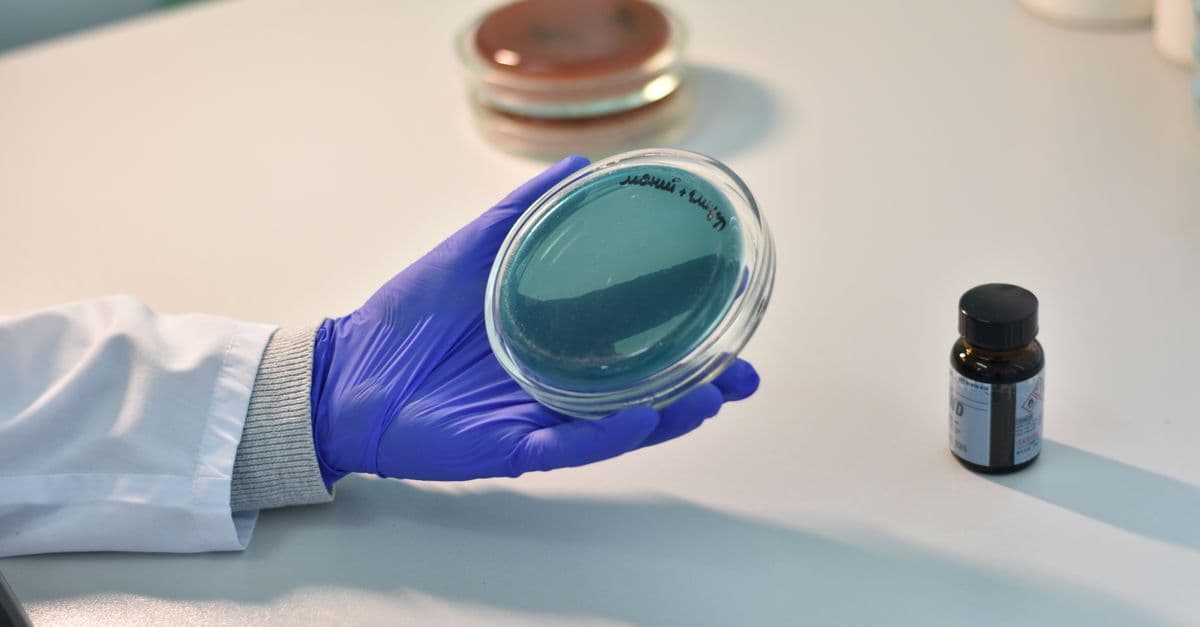
In 1961, Marshall Nirenberg used a synthetic poly-U RNA to show UUU codes for phenylalanine — the first codon ever cracked, starting the complete decipherment of the genetic code.
Chien-Shiung Wu's 1956-57 cobalt-60 experiment proved the weak force violates parity — and she never received the Nobel Prize for it.
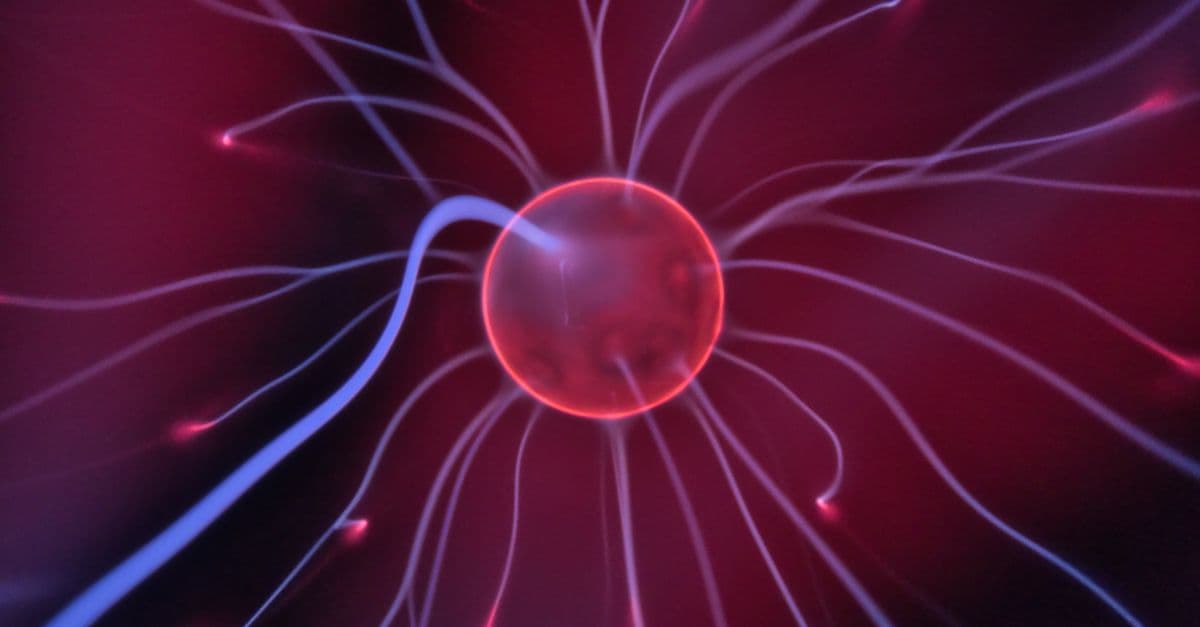
In 1896, Pieter Zeeman placed sodium flame between magnet poles and watched spectral lines split. The experiment revealed the electron's charge-to-mass ratio and earned the 1902 Nobel Prize in Physics.
Alain Aspect's 1982 Bell test used entangled photons to close the locality loophole, violating Bell inequalities and ending Einstein's hidden-variable debate.
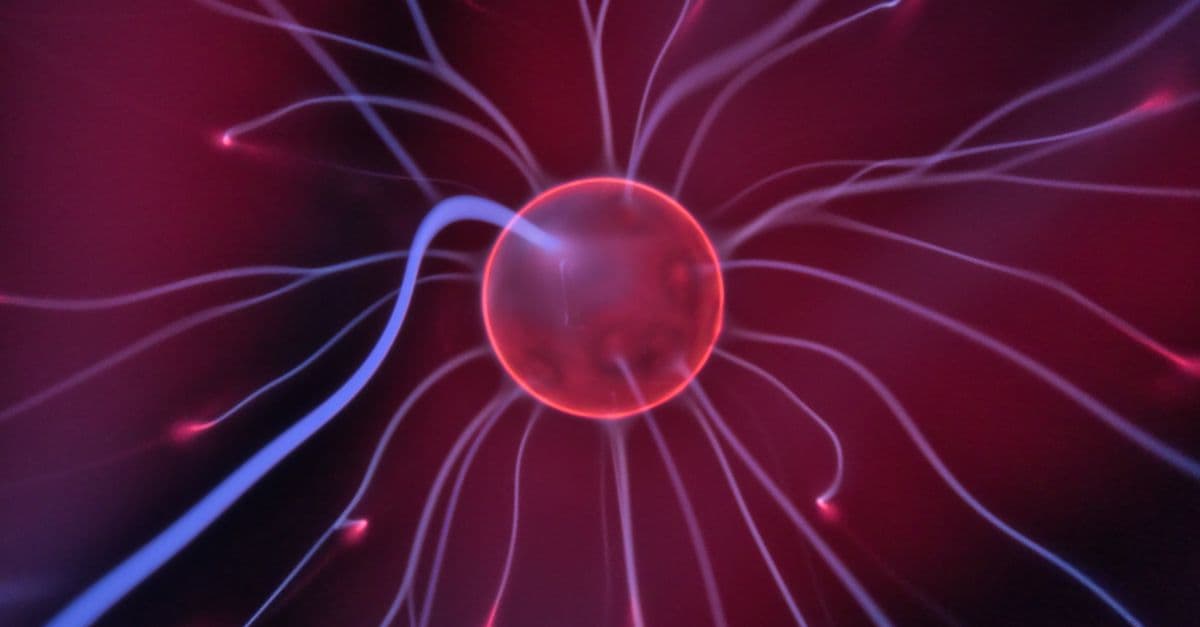
On July 4, 2012, CERN announced the discovery of the Higgs boson at 125 GeV. Here is how the LHC, ATLAS, and CMS found the particle that gives other particles mass.