How Antibiotic Resistance Spreads
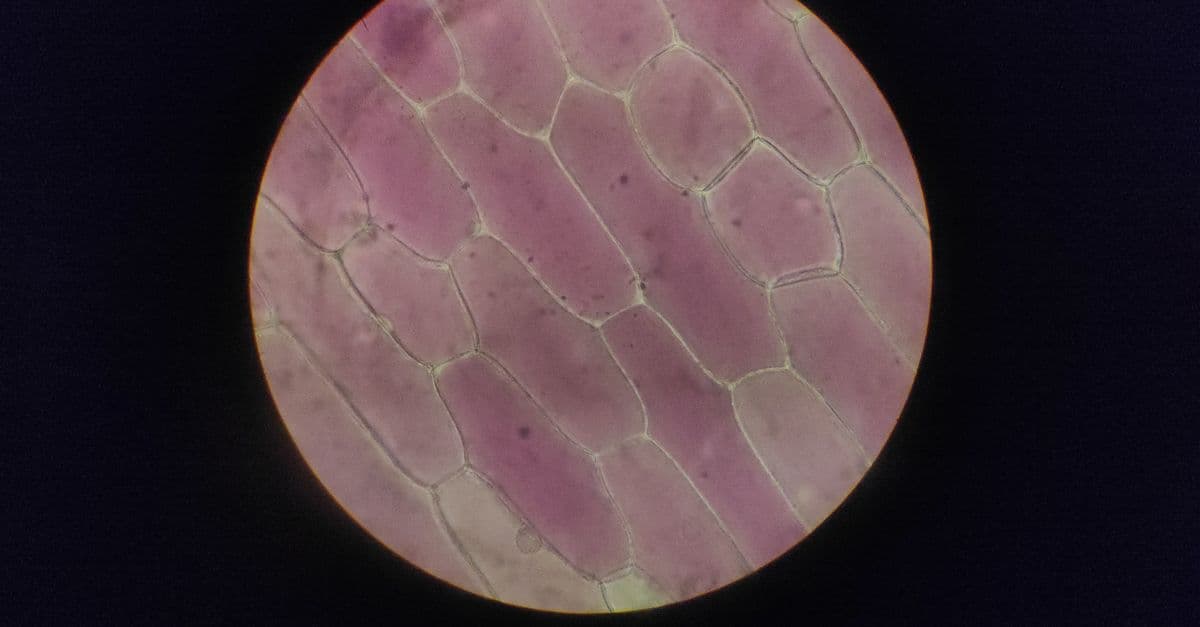
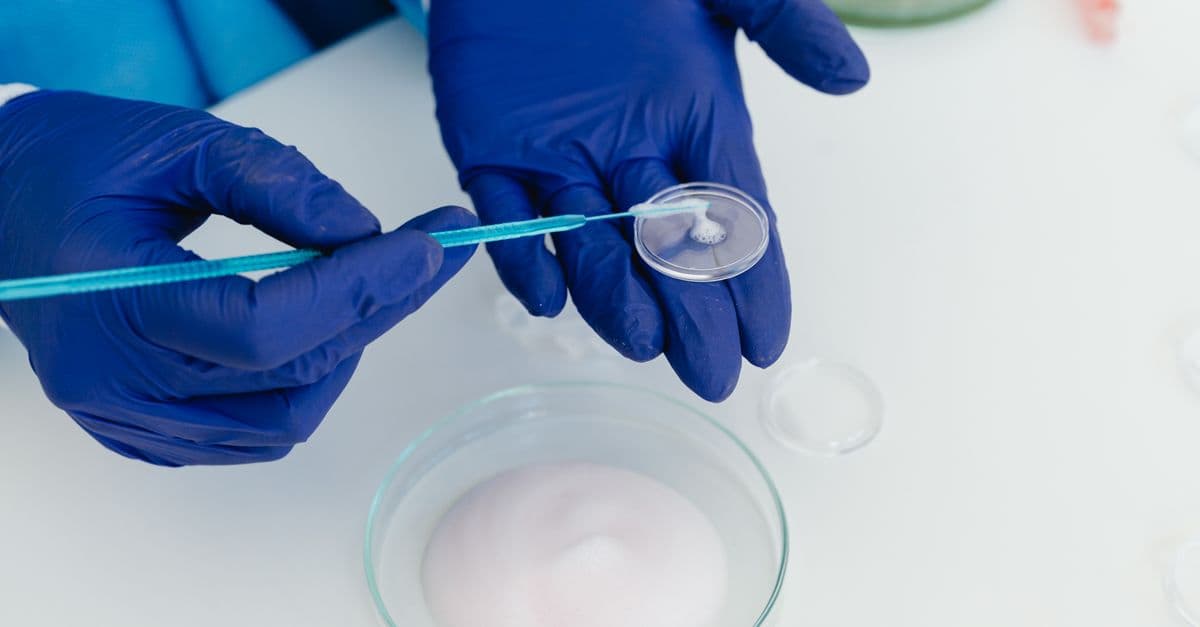
Photo: Leo Freire / Pexels
Antibiotic resistance spreads through two combined biological processes: natural selection, which favors bacteria that already carry resistance traits before a drug is ever given, and horizontal gene transfer, which lets bacteria hand resistance genes to entirely unrelated species. A 2024 global analysis in The Lancet estimated that bacterial antimicrobial resistance (AMR) was directly responsible for 1.14 million deaths in 2021 and was associated with 4.71 million deaths overall (GRAM, 2024), and this article explains the microbiology behind how selection and gene exchange make resistant infections harder to treat. This is a science explainer, not medical guidance; questions about a specific infection or prescription belong with a doctor or pharmacist.
What "antibiotic resistance" actually means
Antibiotic resistance is the ability of a bacterium to survive exposure to a drug concentration that would normally kill it or stop it from multiplying. It is a property of the bacterial cell, encoded in its DNA, not a property of the person who is infected. A person does not "become resistant" to an antibiotic; the bacteria living in or on that person do.
This distinction matters because it explains a fact that surprises a lot of people: a drug that used to cure an infection can fail on the very next patient, in the very next town, even though neither patient did anything differently. What changed is the bacterial population, not the human immune system. The World Health Organization describes AMR as microbes no longer responding to antimicrobial medicines; the resistance belongs to the microbe (WHO, antimicrobial resistance).
Susceptibility tests measure whether a particular drug can inhibit a particular organism under standardized conditions. Interpretation also depends on achievable drug exposure: EUCAST uses susceptible at standard exposure, susceptible at increased exposure, and resistant categories. Its “I” category means susceptible with increased exposure, not simply an intermediate step toward resistance (EUCAST, S, I, and R definitions).
Multidrug-resistant organisms, sometimes shortened to MDROs, resist multiple antimicrobial treatments. Definitions depend on the organism and surveillance system; the label does not always mean resistance to exactly three drug classes. The CDC lists carbapenem-resistant Enterobacterales (CRE) and drug-resistant Neisseria gonorrhoeae among its urgent threats (CDC, 2019 threat classifications).
The molecular toolkit: four ways a bacterial cell resists a drug
Resistance is not one trick. Bacteria have evolved several distinct physical and chemical strategies to survive antibiotic exposure, and different bacterial species tend to rely on different combinations of them. Understanding these mechanisms is what separates "the drug stopped working" from an actual explanation of what is happening at the molecular level inside the cell.
| Mechanism | How it physically works | Example bacteria / drug pair |
|---|---|---|
| Enzymatic drug inactivation | The bacterium produces an enzyme that chemically breaks down the antibiotic before it can act; beta-lactamase enzymes cut open the ring structure that penicillin-class drugs depend on | Staphylococcus aureus and Escherichia coli producing beta-lactamases against penicillins |
| Target-site mutation | A mutation changes the shape of the molecule the antibiotic normally binds to, so the drug can no longer attach and block it | Streptococcus pneumoniae with altered penicillin-binding proteins |
| Reduced membrane permeability | The cell alters its outer membrane's porin channels so less of the drug gets inside the cell in the first place | Pseudomonas aeruginosa reducing porin channel expression against carbapenems |
| Efflux pumps | Protein pumps embedded in the cell membrane actively expel the antibiotic back out of the cell faster than it can accumulate | E. coli and P. aeruginosa using multidrug efflux pump systems against fluoroquinolones |
These mechanisms can act together. See CDC’s resistance-mechanism diagram and its clinical mechanism discussion.
None of these mechanisms require the bacterium to "decide" anything. Each is the product of a gene, or a small set of genes, that either arose through mutation or arrived from another cell. The next two sections cover how each of those origin stories plays out.
A single bacterial plasmid, the small circular loop of DNA bacteria trade with each other, can carry resistance genes against several unrelated antibiotic classes at once. That means one gene-transfer event between two bacterial cells can make a previously treatable infection resistant to multiple drugs simultaneously, not just the one drug that happened to be in use at the time.
Natural selection: antibiotics favor resistant survivors
Random mutations arise as bacteria replicate their DNA, and some mutations reduce susceptibility to a particular drug. Resistance genes can also arrive from another cell before treatment begins. Antibiotic exposure can then favor those resistant cells; how quickly they multiply depends on the species, nutrients, host defenses, and drug concentration, rather than a universal bacterial doubling time (CDC, how resistance happens).
When antibiotic exposure kills off the susceptible majority, the rare pre-existing resistant cells suddenly face far less competition for nutrients and space. They multiply rapidly and can come to dominate the population within the same infection. This is textbook natural selection: the antibiotic favors a resistance trait already present in the population. That is an important mechanism, but not the only one: laboratory experiments have also shown increased mutation rates under some sublethal antibiotic exposures (Kohanski and colleagues, 2010).
A useful analogy is a lottery that was already drawn before anyone bought a ticket. Imagine a stadium crowd where a handful of people, purely by chance, are wearing a rare color of shirt. If a spotlight only lets people wearing that color leave the stadium safely while everyone else is stopped, the crowd outside the exits will look overwhelmingly like the rare color, not because the spotlight turned people's shirts that color, but because it filtered who got through. This analogy describes selection of existing variants; it does not cover every way antibiotic stress can affect bacterial evolution.
Treatment duration cannot be reduced to "longer is always safer" or "stopping early always creates resistance." Undertreatment can leave an infection inadequately treated, while unnecessarily prolonged exposure also adds selection pressure and adverse effects. WHO stewardship guidance recognizes evidence supporting shorter courses for some infections; the appropriate duration depends on the infection and clinical evidence (WHO, antimicrobial stewardship). Questions about changing a prescription belong with the prescribing clinician.
How fast can a resistant strain take over a bacterial population?
A resistant subpopulation can expand across bacterial generations when antibiotic exposure suppresses susceptible competitors. There is no single clinical timetable: growth conditions, the organism, the resistance mechanism, and treatment all matter. A fast laboratory culture is not a reliable clock for every infection (CDC, resistance and spread).
Horizontal gene transfer: sharing resistance across species lines
What makes bacterial resistance spread faster and further than resistance traits in most multicellular organisms is horizontal gene transfer (HGT), the movement of genetic material between bacteria that are not parent and offspring, including bacteria of entirely different species. Human children inherit genes only from their two parents; a bacterium can pick up a useful gene from a completely unrelated microbe living in the same environment. Three mechanisms dominate this process in bacteria.
| Mechanism | How it works | Why it matters for resistance |
|---|---|---|
| Conjugation | Direct cell-to-cell contact transfers a plasmid, a small circular piece of DNA separate from the main bacterial chromosome | Plasmids frequently carry several resistance genes together, so one transfer event can confer resistance to multiple drug classes at once |
| Transformation | Bacteria absorb free DNA fragments released into the environment by dead or ruptured cells | Lets resistance genes persist and keep spreading even after the original resistant bacterium has died |
| Transduction | A bacteriophage, a virus that infects bacteria, accidentally packages bacterial DNA and injects it into its next host cell | Can move resistance genes between bacterial species that never make direct physical contact with each other |
These routes do not work between every pair of bacteria: compatibility and biological barriers limit transfer. The CDC’s discussion of environmental resistance genes explains how mobile DNA connects otherwise separate bacterial populations.
Think of a plasmid the way you might think of a USB drive passed hand to hand at a conference: it is separate from the main "hard drive" of the bacterial chromosome, and a compatible recipient that receives DNA through conjugation can acquire a full copy of whatever resistance genes that plasmid happens to carry. Unlike a chromosome, a plasmid can move between cells that are only distantly related, which is exactly why a resistance gene that first appeared in a harmless soil bacterium can eventually surface in a hospital pathogen.
Why does antibiotic use in agriculture matter if the resistant bacteria aren't infecting humans directly?
Resistance genes that evolve in livestock-associated bacteria do not stay confined to farm animals. Both the CDC and WHO track evidence of resistance genes moving from agricultural settings into human pathogens through contaminated food, water runoff, and direct animal contact, which is why the WHO's global guidance on antimicrobial use explicitly covers agricultural and veterinary use alongside human medicine, not human medicine in isolation (WHO, antimicrobial resistance). Horizontal gene transfer is what makes this cross-boundary movement possible: a resistance gene does not need to originate in a human pathogen to eventually end up in one.
Why hospitals and intensive care units are resistance hotspots
Hospitals, and intensive care units in particular, combine three conditions that accelerate both natural selection and horizontal gene transfer at the same time: concentrated antibiotic use, a patient population with weakened immune defenses, and close physical proximity between many different bacterial populations circulating on surfaces, equipment, and staff hands.
Concentrated antibiotic use means more selective pressure acting on more bacterial generations in a shorter span of time and space than almost anywhere else. Vulnerable patients, including those recovering from surgery or on ventilators, provide more opportunities for bacteria to establish infections that require aggressive antibiotic treatment, which further concentrates that selective pressure. Close proximity between different bacterial strains, meanwhile, increases the physical opportunities for conjugation, transformation, and transduction to occur between species that would rarely interact in the outside environment.
This combination is part of why healthcare-associated infections such as MRSA (methicillin-resistant Staphylococcus aureus) and CRE (carbapenem-resistant Enterobacterales) are tracked so closely by hospital infection control programs and public health agencies worldwide. The CDC lists CRE among its most urgent antibiotic resistance threats in the United States, citing both its resistance to a broad class of last-resort antibiotics and its capacity to transfer resistance genes to other bacterial species within a hospital environment (CDC, antimicrobial resistance).
Infection control practices in hospitals, including hand hygiene, isolation protocols for resistant infections, and antibiotic stewardship programs that review whether a prescribed antibiotic is truly necessary, exist specifically to interrupt these two accelerants. None of this is guidance for individual patients to act on; it describes institutional-level practices that hospital epidemiologists and infection control teams design and monitor.
Fleming's warning and a century of accumulating evidence
Alexander Fleming discovered penicillin's antibacterial effect in 1928, but the detail that gets left out of most retellings is that Fleming himself warned about resistance from the moment the drug reached the public. In his 1945 Nobel Prize acceptance lecture, delivered after penicillin had already saved large numbers of lives during the Second World War, Fleming described a hypothetical scenario in which a person underdoses himself with penicillin for a minor infection, "not enough to kill the streptococci but enough to educate them to resist penicillin," then unknowingly passes the now-resistant bacteria to someone else with a more serious infection that the drug can no longer treat (Fleming, Nobel Lecture, December 11, 1945).
Fleming's warning was not abstract speculation. Resistant strains of Staphylococcus aureus were documented in hospitals within a few years of penicillin's widespread clinical use in the mid-1940s, and resistance to nearly every subsequent antibiotic class has followed a similar pattern: introduction, widespread clinical success, and resistant strains emerging within years to decades. This pattern is now well documented across the history of antibiotic development and is part of why public health agencies frame AMR as an inevitable evolutionary consequence of antibiotic use rather than a preventable side effect that better drugs alone can solve.
The practical lesson from this history is not that antibiotics are a mistake. Penicillin and the antibiotic classes that followed it are credited with transforming bacterial infections from frequent killers into treatable conditions across the 20th century. The lesson is closer to what Fleming himself argued: that the biology of resistance was predictable from the very beginning, and that treating it as an afterthought rather than a built-in cost of antibiotic use is what let the problem outpace new drug development in the decades since.
What the current data show
The scale of modern antibiotic resistance is documented through large, peer-reviewed surveillance efforts rather than any single study. The Global Research on Antimicrobial Resistance (GRAM) project, published in The Lancet in 2024, estimated that bacterial AMR was directly responsible for 1.14 million deaths worldwide in 2021, with a broader estimate of 4.71 million deaths associated with resistant infections (GRAM, The Lancet, 2024). The same analysis projected roughly 39 million cumulative deaths attributable to bacterial AMR between 2025 and 2050 under its reference forecast, a projection built from forecasting models rather than a certainty, but one that reflects the trajectory surveillance data has shown so far.
WHO’s 2025 Global antibiotic resistance surveillance report estimated that one in six laboratory-confirmed bacterial infections within the common infection types it covered was resistant to antibiotic treatment in 2023. It is not a count of all infections everywhere, and the report year differs from the data year (WHO, October 13, 2025). In the United States, CDC’s 2019 threat report estimated more than 2.8 million antimicrobial-resistant infections and more than 35,000 deaths annually; those are report-era estimates, not a new 2026 count (CDC).
These estimates use different methods and should not be treated as a single laboratory-confirmed case count. GRAM combines microbiology, mortality, hospital, and other data in statistical models, including estimates for places without direct data. WHO and CDC surveillance also has coverage limitations, so estimates carry uncertainty (GRAM methods). This kind of uncertainty is disclosed by the agencies themselves, not a weakness unique to any single study; it reflects the genuine difficulty of tracking a biological process happening inside patients across every country in the world simultaneously.
What people get wrong about antibiotic resistance
A recurring misconception is that a person's body becomes resistant to an antibiotic the way it might become tolerant of a substance through repeated exposure. That is not how bacterial resistance works. Resistance is a trait of the bacterial cell's genome, not the human immune system, and someone who has never taken a particular antibiotic before can still be infected by bacteria that are already resistant to it, because that person picked up an already-resistant strain from another source entirely.
Another common misunderstanding is that resistance only spreads within a single bacterial species, the way a trait might spread only within a single species of animal through breeding. Horizontal gene transfer breaks that assumption; a resistance gene that evolves in a harmless environmental bacterium can move, through conjugation, transformation, or transduction, into a species capable of causing serious human disease, without that species ever having been directly exposed to the antibiotic in question.
A third misconception treats antibiotic resistance as a problem that new drug development alone can outrun. Historically, resistance to each new antibiotic class has emerged within years to a few decades of its introduction, following the same selection-and-transfer dynamics described throughout this article, which is why public health guidance from the WHO and CDC pairs calls for new drug development with calls for more judicious antibiotic use and stronger surveillance, rather than treating new drugs as a standalone fix.
Finally, some assume resistant bacteria are inherently "stronger" or more dangerous in every respect than susceptible bacteria. Resistance genes often carry a fitness cost, meaning resistant strains can sometimes grow slightly more slowly than susceptible ones in the absence of the antibiotic, which is part of why resistance can occasionally decline in a population when use of a particular drug drops significantly. Resistant bacteria are not more dangerous by nature; they are simply harder to treat with the drugs a given infection would otherwise respond to.
The takeaway
Antibiotic resistance spreads through two combined mechanisms operating on very different timescales but reinforcing each other constantly: ordinary natural selection, which favors rare bacteria that already carried resistance traits before treatment began, and horizontal gene transfer, which lets bacteria hand those traits across species lines through plasmids, environmental DNA uptake, and viral transfer. Fleming predicted the core dynamic in 1945, and eight decades of surveillance data, including the Lancet estimate of 1.14 million direct deaths in 2021, have confirmed it played out largely as he described. None of this makes antibiotics themselves the problem; it makes the biology of how bacteria respond to them a permanent, predictable cost that public health systems, clinicians, and researchers have to keep managing rather than a threat that better drugs alone will someday retire.
Read next:
FAQ
Q: Do antibiotics cause bacteria to become resistant?
Antibiotics can select resistant cells already present in a population by suppressing susceptible competitors (CDC). That does not mean exposure can never contribute to new resistance: some sublethal exposures increased mutation rates in laboratory experiments (Kohanski and colleagues, 2010). Selection and mutation are distinct processes.
Q: How do bacteria share resistance genes with unrelated species?
Through horizontal gene transfer, primarily via conjugation (direct transfer of a resistance-carrying plasmid between cells), transformation (absorbing free DNA released by dead bacteria in the environment), and transduction (a bacteriophage accidentally carrying bacterial DNA between cells). This lets resistance genes cross species lines that inheritance alone never could.
Q: Why is it important to finish a prescribed antibiotic course?
The relevant aim is an evidence-based duration for the particular infection. Too little treatment can undertreat an infection, while unnecessary extra exposure can increase selection pressure and adverse effects; shorter courses are supported for some infections (WHO stewardship guidance). Changes to a prescription should be discussed with the prescribing clinician.
Q: How many deaths are linked to antibiotic resistance globally?
A 2024 global analysis published in The Lancet by the GRAM project estimated that bacterial antimicrobial resistance was directly responsible for 1.14 million deaths worldwide in 2021, with 4.71 million deaths overall in which a resistant infection played a contributing role.
Q: Does antibiotic use in farm animals affect human antibiotic resistance?
Yes. The CDC and WHO track evidence of resistance genes moving from agricultural bacteria into human pathogens through food, water, and direct contact, showing that horizontal gene transfer lets resistance cross between animal and human bacterial populations rather than staying confined to livestock.
Q: What did Alexander Fleming say about antibiotic resistance?
In his 1945 Nobel Prize lecture, Fleming warned that underdosing penicillin could "educate" bacteria to resist it rather than kill them, describing a hypothetical case where an underdosed patient's resistant bacteria later caused a fatal, untreatable infection in someone else, a prediction that resistant strains bore out within years of penicillin's widespread use.
Q: Are resistant bacteria more dangerous than non-resistant bacteria?
Not inherently. Resistance genes often carry a fitness cost that can make resistant strains grow somewhat more slowly than susceptible ones when the antibiotic is absent. Resistant bacteria are not stronger by nature; they are simply harder to treat with drugs the infection would otherwise respond to.
Correction — October 14, 2026: Clarified selection versus antibiotic-associated mutagenesis and evidence-based treatment duration, removed a universal bacterial doubling time, updated CRE terminology and susceptibility categories, corrected the WHO report year and scope, and identified the vintage and uncertainty of mortality estimates.
Follow new articles
Add SciHub101 to your feed reader to see new science and technology stories.
About the Author
SciHub101 is an independent science and technology publication founded and edited by Buğra Sözeri, a software engineer and app developer based in Türkiye. AI tools assist with drafting and research. Source documentation in the existing archive is uneven, and articles are being reviewed and corrected. The Editorial Team byline identifies editorial responsibility; it does not certify specialist or independent human review. Where we compare products, anything built by our own team is labelled as such — see the editorial guidelines and About page for how corrections and disclosures work.
Related Articles

Single-Cell RNA Sequencing Explained: How Scientists Read Gene Activity One Cell at a Time
Single-cell RNA sequencing measures gene activity in individual cells instead of averaging a tissue. See how the workflow runs, what it finds, and where it misleads.
Mpox Clade I Outbreak Explained: What Made 2024 Different
Mpox clade I explained: how clade Ib emerged in the DRC, why WHO declared a 2024 emergency, what data show on severity and vaccines, and why it ended in 2025.
West Nile Virus Explained
West Nile virus: mosquito transmission, bird reservoirs, neuroinvasive disease, the 1999 NYC outbreak, and why no human vaccine exists yet.
Robert Koch: The Country Doctor Who Founded Modern Bacteriology
Robert Koch proved specific bacteria cause specific diseases, discovered TB and cholera pathogens, and won the 1905 Nobel Prize. His postulates still govern microbiology today.

Pasteurization: How Heating Milk Changed the History of Childhood Death — SciHub101
Louis Pasteur invented pasteurization in 1864 to save wine. It took another 50 years to reach milk—and the delay cost hundreds of thousands of children their lives.