Pasteurization: How Heating Milk Changed the History of Childhood Death — SciHub101
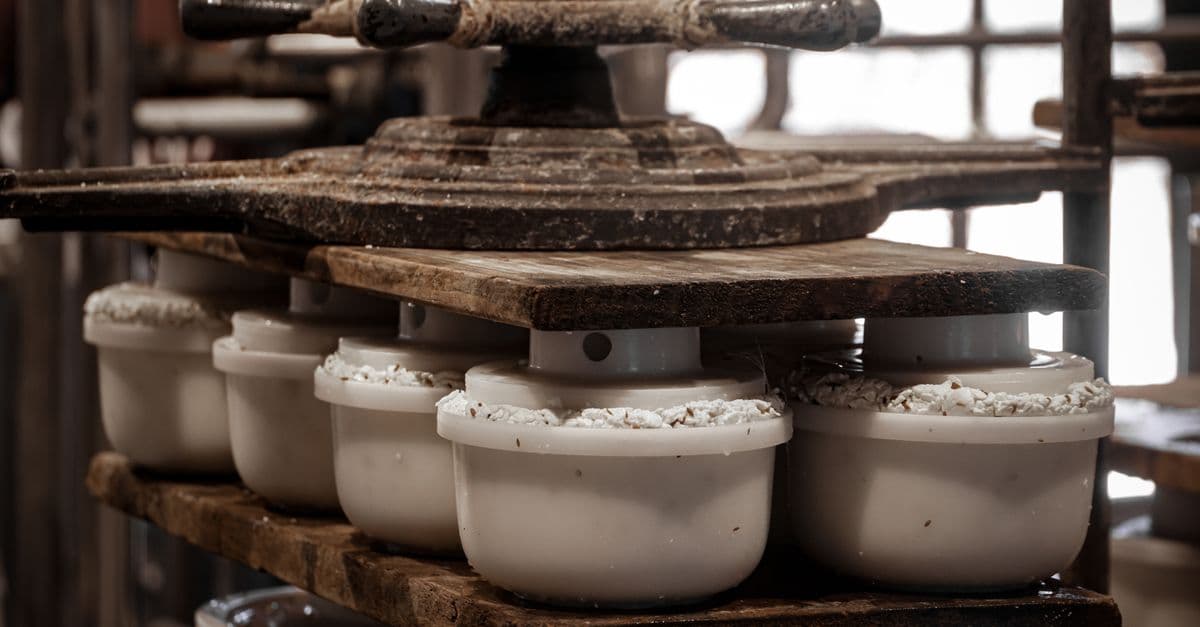
Photo: Magda Ehlers / Pexels
Louis Pasteur did not invent pasteurization to protect children. He invented it in 1864 to save French wine from turning sour. The process he developed — briefly heating a liquid to kill microorganisms without boiling it — would eventually become the single most effective food safety intervention in human history, cutting infant mortality rates in major cities by half within a generation. But first, for fifty years, it had to fight for the right to touch milk. That delay is one of the most instructive case studies in how industrial interests, scientific uncertainty, and political resistance combine to let people die.
Source: Pasteurization — Wikipedia
The Wine Problem That Started Everything
In the summer of 1864, Emperor Napoleon III asked Louis Pasteur to investigate why French wine and beer so frequently soured during transport and storage. At the time, fermentation was believed to be a purely chemical process — the idea that living microorganisms caused it was still contested. Pasteur had already spent years developing the germ theory of disease, and he suspected microbes were responsible for wine spoilage.
Source: 150th Anniversary of First Pasteurization Test — ChemistryViews
Working during a summer holiday in the wine country of Arbois, Pasteur found that heating young wine briefly to 50–60 degrees Celsius (122–140 degrees Fahrenheit) killed the microorganisms causing souring without destroying the wine's flavor. The wine could then be aged normally. He patented the process on April 11, 1865. In honor of its inventor, it became known as pasteurization.
The physical logic is elegant. Most disease-causing bacteria die within a temperature range well below water's boiling point of 100 degrees Celsius. Boiling kills them, yes, but it also denatures proteins, drives off volatile compounds, and dramatically alters flavor. Pasteur's contribution was finding the narrow window — hot enough to kill the pathogens, cool enough to spare the food.
Source: The Experimental Origins of Pasteurization — Tasting Table
The technique was quickly applied to beer. Application to milk would take another two decades — and not because the science was unclear.
The Person Who Proposed It, and the Years Nobody Listened
In 1886, a German agricultural chemist named Franz von Soxhlet read the accumulating evidence on milk-borne disease and made a straightforward proposal: apply Pasteur's technique to milk. Infant mortality in European and American cities was catastrophic. In the slums of New York City's Lower East Side, one in four babies died before their first birthday. A large fraction of those deaths were caused by contaminated milk.
Source: Who first suggested that milk be pasteurized? — McGill University Office for Science and Society
Soxhlet's proposal was scientifically sound. It was also commercially inconvenient. Raw milk spoiled faster after pasteurization equipment failed, which meant the dairy industry would need capital investment in equipment. Farmers feared that acknowledging milk could be dangerous would collapse consumer confidence. Some physicians, trained on the theory that fresh raw milk had nutritional properties destroyed by heat, resisted on clinical grounds. And regulators in the United States and Europe were reluctant to mandate a process that still lacked legislative frameworks.
So the proposal sat. Babies died. And in New York City in 1891, investigators determined that contaminated milk was directly linked to 23 percent of all deaths in children under the age of three.
Source: Millions of Lives Saved by Pasteurized Milk — Philanthropy Roundtable
Nathan Straus and the Milk Depots of New York
The man who finally forced the issue was not a scientist or a legislator. He was a department store owner. Nathan Straus co-owned R.H. Macy & Company and Abraham & Straus, two of New York City's largest retailers. In the early 1890s, two of his three young children died — and Straus connected their deaths to the family's raw milk supply. When a cow on his estate was found to have died of tuberculosis, his conviction hardened: raw milk was, in his words, "white poison."
Source: Nathan Straus — Wikipedia
In 1893, Straus opened the first Nathan Straus Pasteurized Milk Laboratory on the Lower East Side of Manhattan, distributing pasteurized milk to poor families at subsidized prices — eventually below cost and sometimes free. By 1920 he had operated over 300 milk depots across New York and other cities. The results were recorded with precision: of the 20,111 children fed on pasteurized milk supplied by Straus' depots over a four-year tracking period, only six died — a mortality rate that would have been unimaginable for children raised on raw milk from the same neighborhoods.
Source: Of Milk, and Macy's Crusade to Safely Provide It — American Council on Science and Health
During the first decade that the milk laboratory operated, the child mortality rate in New York City dropped from 126 deaths per thousand to 74.5 per thousand. Straus testified before state legislatures, funded political campaigns for pasteurization laws, and fought the dairy industry's lobbying with his own money. He is today credited as the single most important private citizen in the history of mandatory milk pasteurization in the United States.
Source: Millions of Lives Saved by Pasteurized Milk — Philanthropy Roundtable
Chicago became the first major American city to mandate pasteurization of commercially sold milk in 1908. New York followed in 1912. By 1917, most US states had passed pasteurization laws. The US infant mortality rate, which stood at 125.1 deaths per thousand live births in 1891, had fallen to 15.8 by 1925 — a decline driven by multiple factors, but in which pasteurized milk played a documented and central role.
How Pasteurization Works: The Science Behind the Heat
Milk is an ideal growth medium for bacteria. It is warm when it leaves the cow, rich in sugars (lactose) and proteins, and opaque enough to conceal contamination. Bovine tuberculosis (caused by Mycobacterium bovis), Salmonella, Listeria monocytogenes, E. coli O157:H7, and Campylobacter jejuni are all naturally transmitted through raw milk. Several of these organisms can survive for days to weeks in refrigerated milk without changing its smell or appearance.
The key concept is thermal death time: every pathogenic organism has a specific time-temperature relationship above which it cannot survive. Pasteurization exploits this by heating milk to a target temperature for a defined period. There are three main methods in commercial use:
| Method | Temperature | Time | Common use |
|---|---|---|---|
| Low Temperature Long Time (LTLT) | 63°C (145°F) | 30 minutes | Batch, artisanal dairy |
| High Temperature Short Time (HTST) | 72°C (161°F) | 15 seconds | Most commercial US milk |
| Ultra-High Temperature (UHT) | 135°C (275°F) | 2–5 seconds | Shelf-stable carton milk |
HTST is the workhorse of modern dairy production. Milk flows continuously through a heat exchanger — a series of stainless steel plates where hot water passes on one side and cold milk on the other — reaching 72 degrees Celsius for exactly 15 seconds before being immediately cooled to below 4 degrees Celsius. The process is precise to the second and monitored continuously.
UHT processing takes pasteurization to an extreme: milk heated to 135 degrees for two to five seconds is commercially sterile — every organism capable of causing disease or spoilage is destroyed. UHT milk requires no refrigeration until opened and has a shelf life of six to nine months. It is the dominant milk format in continental Europe and much of Latin America. In the United States, where cold-chain infrastructure is robust and consumers prefer fresh milk, HTST dominates; UHT accounts for roughly 5 percent of the US market.
The trade-off is nutritional and sensory. HTST causes minimal loss of vitamins (some B vitamins are slightly reduced, vitamin C is negligible in milk to begin with). UHT causes greater loss of heat-sensitive nutrients and produces a faintly cooked taste from Maillard reactions between the milk's proteins and sugars — which is why shelf-stable milk tastes different from refrigerated milk.
Source: History of Beverage: History of Milk Pasteurization — BeverageHistory.com
The Raw Milk Movement: A Controversy That Refuses to Go Away
Today, approximately 95 percent of commercially sold milk in the United States is pasteurized. But a vocal raw milk movement has grown since the early 2000s, built on claims that pasteurization destroys beneficial enzymes, probiotics, and immune factors in milk, and that raw milk from clean, grass-fed cows poses minimal risk.
The evidence does not support the safety portion of that claim. The US Centers for Disease Control and Prevention (CDC) consistently reports that raw milk causes 840 times more illness per unit consumed than pasteurized milk. Between 2009 and 2014, 81 percent of all dairy-related disease outbreaks in the United States were linked to raw milk or raw milk products, despite raw milk accounting for a small fraction of total consumption.
The claim about destroyed nutrients is partly valid and largely irrelevant. HTST pasteurization does degrade some heat-sensitive vitamins, but milk is not a primary source of vitamin C, and the reductions in B vitamins are modest. The claim that pasteurization destroys all beneficial bacteria is accurate, but also the point — milk does not naturally contain significant populations of the specific probiotic strains marketed in supplements or fermented dairy products like yogurt and kefir.
Source: Louis Pasteur Never Pasteurized Milk — Lakeview Farm Store analysis
Retail sale of raw milk is legal in 30 US states with varying restrictions as of 2026. It is illegal in interstate commerce under federal law. The raw milk debate is, at its core, a debate about individual versus collective risk management — the same debate that Nathan Straus was having with dairy farmers in 1893. The farmers won that argument for twenty years. Children paid for it.
A Timeline of Pasteurization
| Year | Event |
|---|---|
| 1864 | Pasteur develops heating process for French wine under Napoleon III's commission |
| 1865 | Pasteur patents the process; it becomes known as pasteurization |
| 1873 | Pasteurization adopted commercially for beer |
| 1886 | Franz von Soxhlet proposes applying pasteurization to milk to reduce infant mortality |
| 1891 | NYC investigation links contaminated milk to 23% of deaths in children under 3 |
| 1893 | Nathan Straus opens first pasteurized milk depot on New York's Lower East Side |
| 1908 | Chicago becomes first major US city to mandate milk pasteurization |
| 1912 | New York City mandates pasteurization of commercially sold milk |
| 1924 | US Public Health Service issues Grade A Pasteurized Milk Ordinance |
| 1938 | Milk-borne disease outbreaks drop 90% from 1938 levels within a generation |
| 1987 | FDA mandates pasteurization of all milk sold in interstate commerce |
| 2000s | Raw milk movement gains political momentum; 30 states permit retail sale |
Source: Bacteria, a French Scientist, and the History of Pasteurization — Union Kitchen
What Pasteurization Gets Wrong (and Right)
The most durable criticism of pasteurization as a system is not about raw milk. It is about complacency. Because consumers trust pasteurized milk to be safe, contamination events post-pasteurization — through faulty equipment, dirty processing lines, or improper cold-chain handling — are often detected late. A 1985 Salmonella outbreak in Illinois caused by post-pasteurization contamination at a Jewel Food Store plant sickened approximately 16,000 people and killed at least 7, because neither consumers nor regulators were watching for problems after the pasteurization step.
Source: Pasteurize or Certify: Two Solutions to "The Milk Problem" — Real Milk
Pasteurization is a kill step, not a cleaning step. It works by reducing microbial load to safe levels; it does not produce sterile milk (except UHT). If milk is heavily contaminated before pasteurization or is recontaminated after, the safety benefit is diminished or lost. This is why modern dairy food safety uses pasteurization as one layer of a multi-barrier system that includes farm hygiene standards, cold chain management, equipment sanitation, and end-date labeling.
What pasteurization gets undeniably right is scale. It is cheap. An HTST system costs a fraction of what a food recall costs. It requires no consumer behavior change — no washing, no cooking, no caution. It works on milk that looks, smells, and tastes completely normal but contains invisible pathogens. In public health terms, an intervention that works without requiring the public to do anything is enormously more effective than one that requires vigilance.
Pasteurization Beyond Milk
The technique Pasteur developed for wine in 1864 is now applied across the food and beverage industry in forms that would have been unrecognizable to him. Fruit juices, liquid eggs, ice cream mixes, canned soups, and many packaged foods undergo some form of heat treatment designed on the same thermal death time principles. Beer pasteurization remains standard practice for most commercial brewers. Even some honey and maple syrup products are heat-treated to retard crystallization and kill wild yeast.
High-pressure processing (HPP) — sometimes called cold pasteurization — represents a newer approach that achieves pathogen reduction without heat, using pressures up to 600 megapascals (roughly six times the pressure at the deepest point of the ocean) applied for a few seconds. HPP preserves heat-sensitive nutrients and fresh flavors better than thermal pasteurization. It is used for premium fruit juices, guacamole, deli meats, and some seafood products, though its cost is substantially higher than HTST.
Irradiation — exposing food to ionizing radiation to kill pathogens — is approved by the FDA for fruits, vegetables, meat, and spices, though consumer acceptance remains limited.
Why Raw Milk Advocacy Keeps Returning
Every decade or so, the argument against pasteurization is repackaged and finds a new audience. The current resurgence is more politically potent than previous iterations. The Weston A. Price Foundation has promoted raw milk as a health food since the 1990s, funding research, building distribution networks, and lobbying state legislatures to loosen retail sale restrictions. In 2022, Robert F. Kennedy Jr. announced from the stage at the foundation's annual conference that he had switched to drinking only raw milk. By October 2024, as Trump's HHS secretary nominee, Kennedy was citing the FDA's stance on raw milk as an example of what he called the agency's "aggressive suppression" of healthy food choices.
Source: Raw milk advocates wonder: Where is Kennedy? — NBC News
The claims underlying the advocacy fall into three categories: some are false, some are true but irrelevant, and one is legitimate.
The false claim is that pasteurization reduces lactose. It does not. Lactose is a sugar; heat at pasteurization temperatures does not break it down. People who are lactose intolerant are intolerant to raw milk and pasteurized milk alike.
The true but irrelevant claim is that raw milk contains beneficial bacteria. It does. But pathogens and probiotics do not coexist in a safety tradeoff where removing one requires sacrificing the other. Pasteurization targets all bacteria, both helpful and harmful. The specific probiotic strains associated with gut health benefits — Lactobacillus acidophilus, Bifidobacterium species — are not naturally present in significant counts in fresh raw cow's milk in any case. They are deliberately added in fermented products like yogurt and kefir, and those products can be made from pasteurized milk.
The legitimate claim is that pasteurization causes some vitamin loss. HTST processing reduces heat-sensitive B vitamins by an estimated 5–10 percent. Vitamin C loss is negligible because milk contains very little vitamin C to begin with. The nutritional impact is real but minor — and it is fully outweighed by the epidemiological record.
That record is not ambiguous. A CDC analysis of outbreak data from 2009 to 2014 found that unpasteurized dairy products — consumed by roughly 3 percent of the US population — caused 96 percent of all dairy-related outbreak illnesses tracked by the National Outbreak Reporting System. The incidence rate for raw dairy was 840 times higher per billion servings than for pasteurized dairy. Across that same period, 81 percent of all dairy-related disease outbreaks were linked to raw milk or raw milk products.
The 2024 H5N1 avian influenza outbreak in US dairy cattle added a new data point. Infected cows shed H5N1 virus into milk at concentrations as high as 10^8.8 tissue-culture infectious doses per milliliter — among the highest titers of any animal product. Raw milk from infected herds was confirmed to contain live, infectious H5N1 virus. Pasteurized retail milk collected during the same period showed fragments of viral RNA but no live virus, confirming that HTST processing inactivated it. The outbreak reached dairy herds in at least 19 states by the end of 2024.
Source: Outbreak of Highly Pathogenic Avian Influenza A(H5N1) Viruses in U.S. Dairy Cattle — CDC MMWR, 2024
Source: Investigation of Avian Influenza A(H5N1) Virus in Dairy Cattle — FDA
The state-by-state legal map reflects the political compromise rather than the science. As of 2026, retail sale of raw milk is permitted under varying conditions in 30 states. Interstate sale remains federally prohibited. States where it is legal tend to require herd certification, mandatory testing, and point-of-sale warning labels — a regulatory layer that acknowledges the risk without banning the choice. That patchwork is the current equilibrium between public health agencies citing outbreak data and a consumer constituency that has decided personal autonomy overrides population-level risk statistics.
What has not changed is the underlying arithmetic. A small fraction of the population drinks raw milk. That small fraction generates a wildly disproportionate share of foodborne illness from dairy. The argument being made in 2024 is the same one the dairy lobby made in 1900: the risk is overstated, the benefits are real, and government should not decide for individuals. Nathan Straus answered that argument by tracking child mortality in neighborhoods where his pasteurized milk depots operated. The data then was the same kind of data the CDC is publishing now.
FAQs
Q: Does pasteurization kill all bacteria in milk? No. HTST pasteurization kills pathogens — disease-causing bacteria — and most spoilage organisms, but it does not sterilize milk. Non-pathogenic heat-resistant organisms survive in small numbers. UHT processing produces commercially sterile milk, but even UHT milk is not absolutely sterile in the laboratory sense.
Q: Does pasteurization change the nutritional value of milk? Minimally for HTST. Heat-sensitive B vitamins are slightly reduced, but the differences are nutritionally small. Milk is not a significant source of vitamin C regardless. Proteins, calcium, and most minerals are unaffected. UHT causes greater nutritional changes than HTST.
Q: Why is raw milk illegal to sell across state lines in the United States? The FDA banned interstate sale in 1987 based on the epidemiological evidence that raw milk causes disproportionate shares of dairy-related illness outbreaks. Intrastate sale is regulated at the state level, with 30 states permitting it under various conditions.
Q: Is pasteurized milk the same as homogenized milk? No — these are different processes. Pasteurization kills pathogens with heat. Homogenization breaks fat globules into smaller particles by forcing milk through tiny orifices under high pressure, preventing the cream from separating to the top. Most commercial milk is both pasteurized and homogenized, but they are independent steps.
Q: How long does pasteurized milk last? HTST milk typically has a refrigerated shelf life of 2–3 weeks from pasteurization. UHT milk lasts 6–9 months unopened at room temperature. Once opened, UHT milk should be refrigerated and consumed within 7–10 days.
Q: Who is credited with pushing pasteurization into public policy? Franz von Soxhlet proposed applying it to milk in 1886. Nathan Straus funded the first large-scale demonstration of its effectiveness in New York City from 1893 onward and campaigned for legislation for three decades. His milk depots are the strongest historical case study for what mandatory pasteurization actually achieved in terms of child survival.
The Takeaway
Pasteurization is the story of a technique that was scientifically validated in 1886 and fought for another three decades because it was commercially inconvenient. The gap between Soxhlet's proposal and mandatory pasteurization laws cost hundreds of thousands of lives — mostly young children who died from bovine tuberculosis, typhoid, and diarrheal illness from contaminated milk. The current raw milk debate is repeating the same argument with better marketing and the same underlying math: rare individual risk versus measurable population harm. Pasteur heated wine. Nathan Straus changed what that meant for children. The science has not changed since.
Read next:
Weekly digest
Stay ahead of the curve
Get the best science, AI, and tech stories delivered to your inbox every week. No spam — unsubscribe any time.
About the Author
SciHub101 is an independent science and technology publication founded and edited by Buğra Sözeri, a software engineer and app developer based in Türkiye. Articles are drafted against peer-reviewed literature and primary sources, fact-checked, and edited by a human before publication. Where we compare products, anything built by our own team is labelled as such — see the editorial guidelines and About page for how corrections and disclosures work.
Related Articles

The Personal Computer: From Kit to Commodity — SciHub101
How the Altair 8800, Apple I, and IBM PC turned computing from an institution's tool into a personal one — and why IBM's open architecture was its biggest strategic blunder.

The Invention of the Pacemaker — SciHub101
How a wrong resistor in 1958 led Wilson Greatbatch to invent the implantable pacemaker — and how Arne Larsson lived to 86 wearing 26 of them.
Louis Pasteur: Germ Theory, Vaccines, and the Falsified Notebooks — SciHub101
Louis Pasteur founded germ theory, developed the rabies vaccine, and invented pasteurization. His biography, verified quirks, and the 1995 discovery about his lab notebooks.
Vaccination: The Invention That Has Saved More Lives Than Any Other
Vaccination began with cowpox, a boy named James Phipps, and Edward Jenner in 1796. Discover how the science of immunization works and why it remains our most powerful public health tool.