Vaccination: The Invention That Has Saved More Lives Than Any Other
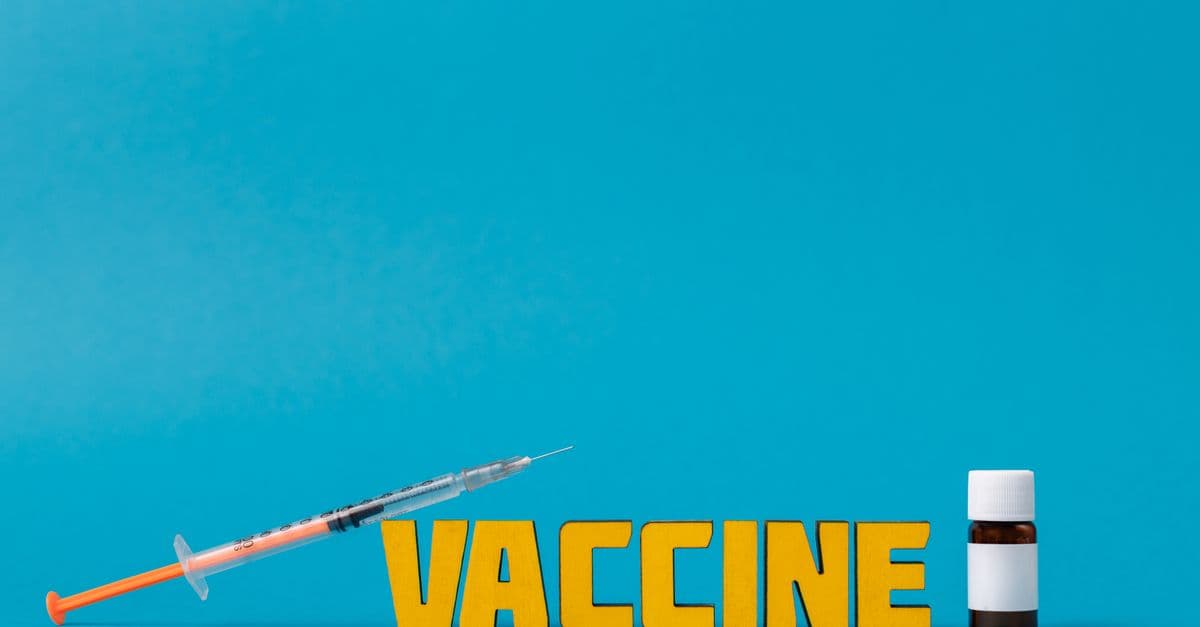
Photo: Thirdman / Pexels
On May 14, 1796, an English country doctor scraped pus from a cowpox blister on the hand of a milkmaid, rubbed it into two small cuts on the arm of an eight-year-old boy, and waited. Six weeks later, the same doctor exposed the boy to live smallpox — a disease that killed roughly 30 percent of everyone it infected. The boy did not get sick. That experiment, conducted by Edward Jenner in the village of Berkeley, Gloucestershire, launched the science of vaccination and set in motion a chain of events that would, 184 years later, see a disease that had killed an estimated 300 million people in the twentieth century alone declared completely eradicated from the planet.
The Story Behind the Discovery
Variolation — the practice of deliberately infecting a person with material from a mild smallpox case to induce immunity, predating vaccination by centuries and carrying a real risk of causing full-blown disease.
The concept behind vaccination — using a mild pathogen to train the immune system against a deadly one — did not originate with Jenner. The practice of variolation, in which a small amount of material from a smallpox pustule was introduced into a scratch on an uninfected person's skin, had been carried out in China and India for centuries before Europeans encountered it. In China, some practitioners blew dried smallpox scabs into the nostrils. These methods worked, roughly: they reduced mortality compared to natural infection, but they still caused smallpox and killed about 2 percent of those who received them.
The practice reached Western medicine through a remarkable act of observation and advocacy. Lady Mary Wortley Montagu, wife of the British ambassador to the Ottoman Empire, witnessed variolation in Constantinople and had her own son inoculated in 1718. She brought the practice to Britain, where it was demonstrated on condemned prisoners at Newgate Prison in 1721 and then on royal children — which gave it sufficient social credibility to spread among the English upper classes.
Source: Royal Society (Philosophical Transactions B, 2015) — Analysis of early smallpox inoculation history in Britain; Lady Montagu's role confirmed via historical records.
Benjamin Jesty, a Dorset farmer, made a more direct precursor discovery in 1774. Having noticed that dairymaids who caught cowpox seemed immune to smallpox, he inoculated his wife and sons with cowpox matter using a stocking needle. They did not develop smallpox when later exposed. Jesty was mocked by neighbors and is rarely mentioned in popular histories. His observation anticipated Jenner's by more than two decades.
Edward Jenner knew the same folk observation that Jesty had acted on. Gloucestershire dairymaids regularly contracted cowpox from cows they milked, and it was a running local observation that these women were spared during smallpox outbreaks. Jenner's contribution was to test the hypothesis systematically, document it rigorously, and publish it in a form that could be replicated.
| Year | Event |
|---|---|
| 1718 | Lady Mary Montagu has her son variolated in Constantinople |
| 1721 | Variolation demonstrated on prisoners at Newgate, then on royal children |
| 1774 | Benjamin Jesty inoculates his family with cowpox |
| May 14, 1796 | Edward Jenner vaccinates James Phipps with cowpox material |
| July 1, 1796 | Jenner challenges Phipps with smallpox; no disease results |
| 1798 | Jenner publishes "An Inquiry into the Causes and Effects of the Variolae Vaccinae" |
| 1840 | Britain bans variolation; vaccination becomes the legal method |
| 1880 | Pasteur develops attenuated chicken cholera vaccine |
| 1881 | Pasteur's public anthrax vaccine demonstration at Pouilly-le-Fort |
| 1885 | Pasteur treats Joseph Meister with first human rabies vaccine |
| 1955 | Salk polio vaccine licensed in the United States |
| 1980 | WHO certifies global eradication of smallpox |
| 2020 | First mRNA vaccines authorized for emergency use |
How Vaccination Actually Works
The immune system operates on two broad levels. The innate immune response is fast and general — it recognizes that something foreign has entered the body and responds within minutes to hours with inflammation, fever, and the deployment of general-purpose cellular defenders. The adaptive immune response is slower but precise: specialized white blood cells called B cells and T cells identify specific molecular features of the pathogen (antigens), mount a targeted attack, and — crucially — create memory cells that persist long after the infection clears.
Antigen — any molecule that the immune system can recognize as foreign and mount a response against, typically a protein on the surface of a bacterium or virus.
Vaccination exploits the adaptive immune system's memory. By introducing a killed pathogen, a weakened (attenuated) version, a protein fragment, or instructions for making a protein, a vaccine triggers the adaptive response without causing disease. The immune system destroys the vaccine material, but the memory B and T cells remain. When the real pathogen arrives, the immune system recognizes it immediately and responds so fast that the infection is cleared before symptoms develop.
Think of it like a training drill versus actual combat. The immune system gets to practice identifying and destroying a specific threat in a low-stakes setting. When the real threat appears, the defensive response is already rehearsed and several orders of magnitude faster than a naive immune system could manage.
Herd immunity — when enough individuals in a population are immune to a pathogen that its spread is blocked even without infecting every susceptible person; the threshold varies by pathogen (roughly 95 percent for measles, lower for influenza).
Different vaccine platforms achieve this by different routes. Killed-whole-pathogen vaccines (flu, some polio) use inactivated microorganisms. Live-attenuated vaccines (measles, MMR) use weakened pathogens that still replicate slightly but cannot cause disease in healthy immune systems. Subunit vaccines (hepatitis B, pertussis) use purified proteins from the pathogen. Conjugate vaccines (Hib, pneumococcal) attach bacterial polysaccharides to a carrier protein so the immune system can recognize them. mRNA vaccines (Pfizer-BioNTech and Moderna COVID-19 vaccines) deliver genetic instructions that prompt the recipient's own cells to produce an antigen, which the immune system then responds to.
Source: WHO (2023) — "A Brief History of Vaccination"; overview of vaccine types and mechanisms.
The People Involved
Edward Jenner
Edward Jenner (1749–1823) was a country physician in Berkeley, Gloucestershire, trained under the surgeon John Hunter in London. His experiment on James Phipps on May 14, 1796 was methodologically straightforward but ethically complicated by modern standards: Phipps was the eight-year-old son of Jenner's gardener, and Jenner deliberately exposed the boy to live smallpox material six weeks after vaccination to test the result.
The source of the cowpox material was Sarah Nelmes, a milkmaid who had contracted cowpox from a cow named Blossom. Jenner published his findings in 1798 in "An Inquiry into the Causes and Effects of the Variolae Vaccinae." The work was initially rejected by the Royal Society, so Jenner self-published. Within years, vaccination was spreading across Europe. Napoleon, despite being at war with Britain, had his entire army vaccinated and reportedly called Jenner "one of the greatest men in history."
Source: PMC / NIH (2024) — "Edward Jenner's Discovery of Vaccination: Impact and Legacy," PMC11463195.
Jenner coined the term "vaccination" from the Latin vacca (cow) and vaccinia (cowpox). He never profited from the discovery — he spent considerable personal funds promoting it and spent years fighting misinformation from physicians who preferred the more lucrative practice of variolation.
Louis Pasteur
The person who transformed vaccination from a single observed phenomenon into a scientific method was Louis Pasteur (1822–1895). Working in the 1870s and 1880s, Pasteur established the germ theory of disease — the idea that specific microorganisms cause specific diseases — and showed that artificially weakening pathogens (attenuation) could produce safe vaccines.
Pasteur's first vaccine came almost by accident. His laboratory assistant, instructed to infect chickens with fresh chicken cholera cultures before a summer holiday, forgot. When the assistant returned and injected the chickens with the old, stale culture, they developed only a mild illness. When Pasteur then exposed the same chickens to fresh, virulent cholera bacteria, the chickens survived. The aged culture had been an accidental vaccine.
Pasteur extended the attenuation concept deliberately to anthrax in 1881, conducting a dramatic public demonstration at Pouilly-le-Fort where vaccinated sheep survived anthrax injection and unvaccinated controls died. In 1885, he treated nine-year-old Joseph Meister with a series of 13 inoculations of increasingly fresh rabbit-spinal-cord rabies material — the first successful human rabies vaccine. Meister survived.
Source: Institut Pasteur (2024) — Historical timeline 1877–1887; Meister treatment documented July 6, 1885.
Pasteur's work established that Jenner's cowpox finding was not a peculiarity of one disease but an instance of a general biological principle: exposure to weakened or related pathogens trains the immune system. He also named the broader practice "vaccination" in Jenner's honor.
Jonas Salk and Albert Sabin
The polio vaccine story illustrates how vaccination science matured in the twentieth century and how priority disputes can arise even within the scientific community.
Jonas Salk developed an inactivated (killed) poliovirus vaccine at the University of Pittsburgh. Field trials began on April 26, 1954, involving 1.8 million children across the United States, Canada, and Finland — the largest public health experiment in history to that point. On April 12, 1955, University of Michigan epidemiologist Thomas Francis Jr. announced the results: the vaccine was 80 to 90 percent effective against paralytic polio.
Source: University of Michigan School of Public Health (2024) — 1955 Polio Vaccine Trial Announcement archive.
Albert Sabin, working in parallel, developed a live-attenuated oral polio vaccine that could be administered on a sugar cube and did not require injection. The Sabin vaccine became the dominant global polio eradication tool because its oral administration made mass campaigns vastly simpler. The two men were fierce professional rivals who disliked each other intensely. Their competing vaccines served different contexts: the Salk IPV (inactivated) remains safer in immunocompromised populations; the Sabin OPV (oral) was better suited for rapid deployment in low-resource settings.
Patent and Priority Disputes
Jenner took no patent on vaccination and received no commercial royalty. He was awarded £10,000 by the British Parliament in 1802, and another £20,000 in 1807, in recognition of the public benefit of his discovery — a form of governmental acknowledgment that the invention was too important to be held by any individual.
The modern vaccine industry operates under a complex web of patents on specific formulations, manufacturing processes, delivery systems, and adjuvants. The patent battles that arose from COVID-19 vaccine development — particularly around mRNA technology, where Moderna and BioNTech-Pfizer both held foundational intellectual property derived partly from Katalin Karikó and Drew Weissman's work on modified mRNA at the University of Pennsylvania — are part of an ongoing tension between commercial incentives and public health access.
Source: /inventions/mrna-vaccines — for a full account of the mRNA platform's development and patent landscape.
Pasteur did patent some of his fermentation and vaccine processes, particularly in the brewing industry, and his institute used those revenues to fund further research — an early model of what is now called tech transfer. The anthrax vaccine demonstration at Pouilly-le-Fort was, in part, a marketing event: Pasteur wanted the vaccine to be taken seriously by agricultural and government interests.
Unintended Consequences
Vaccination's primary consequence was intended and measurable: fewer people died of preventable disease. Smallpox had killed an estimated 300 million people in the twentieth century alone before its eradication in 1980.
Source: WHO (2023) — History of Smallpox Vaccination; global eradication certified May 1980.
The eradication of smallpox remains the single greatest public health achievement in human history. The WHO's Intensified Eradication Programme, begun in 1967, used a strategy of surveillance and containment — finding and isolating cases, vaccinating all their contacts — rather than attempting to vaccinate every human on earth. The last naturally occurring case was Ali Maow Maalin in Somalia in October 1977. Formal eradication was certified in May 1980.
The unintended consequence most discussed today is vaccine hesitancy. Opposition to vaccination is not new — organized anti-vaccination societies existed in Britain in the 1870s, largely in response to compulsory smallpox vaccination laws. What changed in 1998 was publication of a now-retracted paper in The Lancet claiming a link between the MMR vaccine and autism. The paper was based on fraudulent data and its lead author, Andrew Wakefield, lost his medical license. The retraction came in 2010, but the claim had already propagated widely.
Measles, which vaccination had suppressed to near-zero in many countries, surged repeatedly after 1998. The WHO listed vaccine hesitancy as one of the top ten threats to global health in 2019.
Source: WHO (2019) — Ten Threats to Global Health; vaccine hesitancy listed alongside antimicrobial resistance and climate change.
A more subtle consequence is the success paradox: vaccination works so well at suppressing disease that younger generations have no lived experience of the devastation those diseases caused. Polio killed and paralyzed hundreds of thousands of children annually in the early 1950s; today its absence is taken for granted, which makes the cost-benefit calculation of vaccination feel different to parents than it did to parents in 1954.
Where It Stands Today
The vaccine pipeline in 2026 looks fundamentally different from any previous era because of the mRNA platform, developed by Katalin Karikó and Drew Weissman at the University of Pennsylvania and scaled at commercial speed by Pfizer-BioNTech and Moderna during the COVID-19 pandemic.
Source: /inventions/mrna-vaccines — RNA into cells, instructing them to temporarily produce a viral protein that trains the immune system.">mRNA vaccine technology, development history, and current pipeline.
The mRNA platform allows vaccine designers to pivot to a new target in weeks rather than years. An mRNA vaccine against a novel pathogen can be in Phase 1 clinical trials before the pathogen has even been fully characterized, because the manufacturing process — make an RNA sequence, encapsulate it in lipid nanoparticles — does not require growing the actual pathogen.
The WHO's current global vaccination programs cover 14 diseases as part of routine childhood immunization schedules. Malaria, which kills an estimated 619,000 people annually, now has a licensed vaccine (RTS,S/AS01, approved 2021) and a more effective second-generation candidate (R21/Matrix-M, recommended by WHO in 2023).
Source: WHO (2023) — Malaria vaccine recommendation; R21/Matrix-M recommended October 2023.
The ambition is no longer limited to infectious disease. Cancer vaccines — both therapeutic (treating existing tumors) and prophylactic (preventing virus-associated cancers) — are in clinical trials. The HPV vaccine, in widespread use since 2006, already prevents the cancers caused by human papillomavirus. mRNA-based personalized cancer vaccines, tailored to the specific mutations of an individual's tumor, showed promising Phase 2 results in melanoma in 2023.
Source: Moderna / NEJM (2023) — mRNA-4157 personalized cancer vaccine Phase 2 data published December 2023.
FAQs
Q: Who actually invented vaccination? A: Edward Jenner is credited with inventing vaccination in 1796, based on his systematic experiment using cowpox to prevent smallpox and his publication of the results in 1798. However, the underlying concept — using a related or weakened pathogen to induce immunity — was practiced earlier in other forms, including variolation in China and India, and the farmer Benjamin Jesty used cowpox on his own family in 1774. Jenner's contribution was experimental rigor and dissemination.
Q: What is the difference between a vaccine and variolation? A: Variolation used actual smallpox material — from a mild case — to infect people with the goal of causing a milder version of the disease. It worked roughly 98 percent of the time but still caused real smallpox in 2 percent of recipients and could trigger outbreaks. Vaccination uses a related but harmless pathogen (cowpox) or a modified version of the dangerous one, so it cannot cause the target disease at all.
Q: How did smallpox get eradicated? A: The WHO launched an intensified eradication campaign in 1967 using a strategy called surveillance and containment: find every case, isolate it, and vaccinate everyone the infected person had contact with. This ring vaccination approach was more efficient than attempting universal vaccination. The last natural case occurred in Somalia in October 1977. WHO formally certified eradication in May 1980.
Q: Did Louis Pasteur know about Jenner? A: Yes, and Pasteur explicitly honored Jenner by naming the broader practice "vaccination" (from vacca, Latin for cow) — even though Pasteur's own vaccines had nothing to do with cows. Pasteur described himself as extending Jenner's principle from one disease to a general method.
Q: Are mRNA vaccines fundamentally different from older vaccines? A: The platform is different but the immune system response it aims for is the same. Instead of delivering a protein or a weakened pathogen, mRNA vaccines deliver instructions for the recipient's own cells to make a specific viral protein. The immune system responds to that protein, generating memory cells. The mRNA itself degrades within days and never enters the cell nucleus, so it cannot alter DNA.
Q: What disease could vaccination eradicate next? A: Polio is the most likely candidate. Wild poliovirus type 2 was certified eradicated in 2015, and type 3 in 2019. Only wild poliovirus type 1 remains circulating, in Afghanistan and Pakistan. Measles is biologically eradicable — humans are the only reservoir — but requires 95 percent vaccination coverage, a threshold that vaccine hesitancy has made difficult to sustain in many regions.
The Takeaway
Vaccination is not the most dramatic invention in this collection — there is no single machine to point to, no moment of visible mechanical action. Its power is statistical and cumulative: deaths that did not happen, paralysis that did not occur, pandemics that ran out of susceptible hosts before they could spread. Edward Jenner's 1796 experiment with cowpox pus and a gardener's son initiated the logical chain that ended with a disease killing 300 million people being declared extinct. The mRNA platform now being deployed against cancer and future pandemics is the same chain continuing forward — the same principle that cowpox belongs to a class of phenomena that the immune system can be trained to recognize, and that training can be delivered without the full cost of the disease itself.
Read next:
Follow new articles
Add SciHub101 to your feed reader to see new science and technology stories.
About the Author
SciHub101 is an independent science and technology publication founded and edited by Buğra Sözeri, a software engineer and app developer based in Türkiye. AI tools assist with drafting and research. Source documentation in the existing archive is uneven, and articles are being reviewed and corrected. The Editorial Team byline identifies editorial responsibility; it does not certify specialist or independent human review. Where we compare products, anything built by our own team is labelled as such — see the editorial guidelines and About page for how corrections and disclosures work.
Related Articles
The X-Ray: Röntgen's Accidental Discovery That Transformed Medicine
How Wilhelm Röntgen's accidental November 1895 discovery of X-rays — using a Crookes tube and a glowing screen — earned the first Nobel Prize in Physics and created modern medical imaging.
The Jenner Smallpox Vaccination: The First Vaccine
Edward Jenner vaccinated James Phipps with cowpox in 1796 and created the world's first vaccine. Learn how the experiment worked and why it ended smallpox.

Edward Jenner: The Vaccine Pioneer Who Was a Fellow for Studying Cuckoos
Edward Jenner invented the smallpox vaccine in 1796 but was elected to the Royal Society for studying cuckoos. His verified biography, ethics, and medical legacy.
History of Vaccines — From Jenner to mRNA
From variolation and Jenner's cowpox to Pasteur, polio, smallpox eradication, and mRNA — the full history of vaccines and modern frontiers.
Pasteurization: How Heating Milk Changed the History of Childhood Death
Louis Pasteur invented pasteurization in 1864 to save wine. It took another 50 years to reach milk—and the delay cost hundreds of thousands of children their lives.