mRNA Vaccines: The Technology That Took 30 Years to Arrive
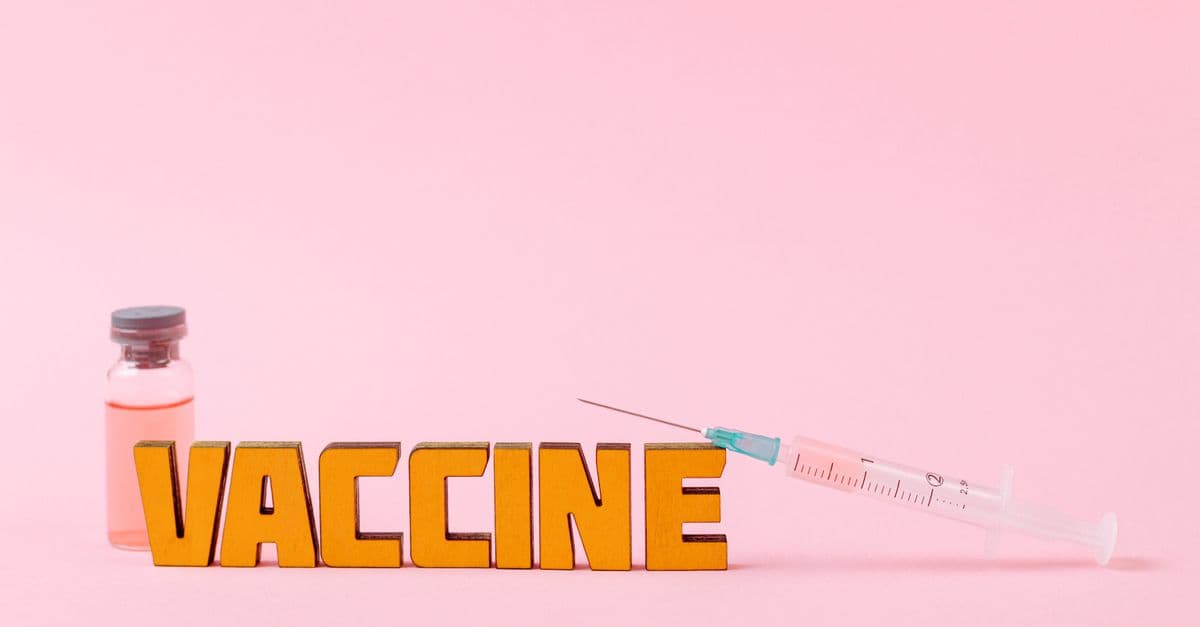
Photo: Thirdman / Pexels
mRNA vaccines work by delivering genetic instructions — messenger RNA — into human cells, which then produce a target protein that trains the immune system to recognize and destroy a pathogen. The key breakthrough, published by Katalin Karikó and Drew Weissman at the University of Pennsylvania in 2005, solved why the immune system attacked synthetic mRNA before it could work: replacing the RNA base uridine with a modified version called pseudouridine made mRNA invisible to immune sensors. Moderna and BioNTech used this discovery to build COVID-19 vaccines in 2020, and in 2023, Karikó and Weissman received the Nobel Prize in Physiology or Medicine.
The Problem: mRNA That the Body Destroyed Before It Could Work
The idea of using mRNA as a drug is simple in principle. Every protein in the human body is produced by cells reading mRNA — messenger RNA — and using it as a template. If you could deliver the right mRNA into cells, they would produce whatever protein you specified. For vaccines, the protein would be an antigen from a pathogen — something the immune system could learn to recognize. No weakened virus, no inactivated virus, just the instructions for one protein.
mRNA (messenger RNA) — a single-stranded RNA molecule that carries the genetic instructions from DNA to the ribosome, where the information is used to synthesize a protein.
The obstacle was that synthetic mRNA, made outside a cell and injected into an organism, triggered a fierce inflammatory response. The innate immune system — the body's first-line defense — contains pattern-recognition receptors called Toll-like receptors (TLRs) that are designed to detect foreign nucleic acids, including viral RNA. Synthetic mRNA looked exactly like viral RNA to these receptors. The immune system attacked the mRNA before the cells could use it, and the resulting inflammation made the animal sick.
This was not a minor engineering problem. It was a fundamental biological barrier. The immune system had evolved over millions of years precisely to destroy foreign RNA — because foreign RNA is one of the signatures of viral infection. Trying to use mRNA as a therapeutic meant trying to fool a system that had evolved to be unfoolable.
Source: Karikó, K. and Weissman, D. (2005). "Suppression of RNA Recognition by Toll-like Receptors: The Impact of Nucleoside Modification and the Evolutionary Origin of RNA" — Immunity, Vol. 23, pp. 165–175. The foundational paper solving the immunogenicity problem.
Katalin Karikó and the Copy Machine Meeting
Katalin Karikó was a Hungarian biochemist who had been working on mRNA therapeutics since the 1990s at the University of Pennsylvania. Her career at Penn had been a series of setbacks. She could not secure NIH grant funding for mRNA research — reviewers consistently concluded the technology was too speculative to fund. Penn demoted her from her faculty position in 1995 because she had not brought in sufficient grant money. She kept working, as an adjunct researcher, on a salary that barely covered her costs.
Drew Weissman was an immunologist who had trained at the NIH under Anthony Fauci and joined Penn's medical school. He was studying HIV vaccines and had a complementary expertise in immune responses. The two met in the late 1990s at a copy machine in Penn's medical school building, where they discovered a mutual interest: Karikó wanted to make mRNA work as a therapeutic, and Weissman needed to understand why mRNA triggered such strong immune activation.
Their collaboration produced a series of observations over several years. They knew that naturally occurring RNA in mammalian cells — the mRNA made by your own cells — does not trigger an immune response. The immune system tolerates it. Synthetic mRNA made in a test tube does trigger a response. What was different?
Source: Penn Today (2023). "Katalin Karikó and Drew Weissman, Penn's historic mRNA vaccine research team, win 2023 Nobel Prize in Medicine" — University of Pennsylvania account of the collaboration's origins and the Nobel recognition.
The answer came from an analysis of the chemical differences between natural mammalian mRNA and synthetic mRNA. Mammalian mRNA contains modified nucleosides — in particular, a substantial fraction of the uridine nucleotide is naturally converted to pseudouridine, a structural isomer of uridine. Pseudouridine has the same chemical formula but a different arrangement: the glycosidic bond between the uracil base and the ribose sugar is in a different position (C-glycoside rather than N-glycoside). This structural difference is small but consequential.
Pseudouridine — a modified form of uridine found naturally in mammalian transfer RNA and ribosomal RNA, where the uracil base is attached to the ribose sugar at carbon-5 rather than nitrogen-1, which alters how the nucleoside is recognized by immune receptors.
Karikó and Weissman tested whether replacing uridine with pseudouridine in synthetic mRNA would reduce its immunogenicity. It did. Dramatically. The modified mRNA not only failed to trigger the Toll-like receptor response — it also survived longer in cells and was translated more efficiently into protein. The 2005 paper in Immunity reported all three results: reduced immune activation, enhanced stability, and increased protein production.
The 15 Years of Obscurity
The 2005 paper was not ignored so much as it was not absorbed. The field of mRNA therapeutics was small and not considered a credible path to drugs. The paper was cited — other researchers referenced it — but it did not transform institutional investment in mRNA. Karikó and Weissman published further work over the following years: a 2008 paper showing that pseudouridine modification also reduced mRNA degradation by cellular enzymes, and additional work characterizing which modified nucleosides worked best.
Penn's technology transfer office licensed the pseudouridine modification IP to two small companies. In 2010, Karikó and Weissman's patents were licensed to Moderna, a startup founded in 2010 explicitly to develop mRNA therapeutics. BioNTech, a German biotechnology company co-founded by Ugur Sahin and Özlem Türeci in 2008, also licensed the technology and hired Karikó herself in 2013 — Penn had declined to renew her research position.
The investment case for mRNA therapeutics remained difficult. The technology had never produced an approved drug. Clinical trials are expensive. And the existing vaccine platforms — inactivated virus, live attenuated virus, recombinant protein — had decades of safety data and manufacturing expertise behind them. Venture capital flowed to mRNA companies during 2013–2019, but the technology still hadn't proven itself at clinical scale.
Source: Nobel Prize Organization (2023). "Press release: The Nobel Prize in Physiology or Medicine 2023" — documenting the discovery and the commercial pathway to the COVID vaccines.
The other critical piece was the lipid nanoparticle delivery system. mRNA is chemically fragile and cannot cross cell membranes on its own. Delivering it into cells requires encapsulating it in something that cells will take up. Pieter Cullis at the University of British Columbia and his collaborators developed ionizable lipid nanoparticles — microscopic fat bubbles that encase the mRNA and fuse with cell membranes, releasing the mRNA inside. This technology, originally developed for delivering gene therapies, became the delivery vehicle for mRNA vaccines. The LNP technology is as important to the vaccines as the mRNA modification itself.
Lipid nanoparticle (LNP) — a spherical particle made of lipids (fats), 50–200 nanometers in diameter, used to encapsulate and deliver nucleic acids (mRNA or DNA) into cells; the delivery vehicle for Moderna and Pfizer-BioNTech COVID-19 vaccines.
The Pfizer-BioNTech and Moderna Race in 2020
On January 10, 2020, Chinese researchers published the genome sequence of SARS-CoV-2, the virus causing the outbreak in Wuhan. Both Moderna and BioNTech had their vaccine candidates designed within days.
The design process was straightforward in principle: identify an antigen from the virus — the spike protein, which the virus uses to enter human cells, was the clear target — determine the mRNA sequence that encodes it, apply the pseudouridine modification and LNP encapsulation, and begin manufacturing. The pseudouridine modification that Karikó and Weissman had published 15 years earlier was now embedded in the production process as a standard step.
Moderna filed for its first clinical trial on February 24, 2020 — 65 days after the genome sequence was published. This timeline was only possible because of the platform nature of mRNA vaccine technology. Unlike traditional vaccine manufacturing, which requires growing virus in eggs or cell culture and can take six months to a year to scale up, mRNA manufacture is essentially the same process regardless of what sequence the mRNA contains. Changing the vaccine target means changing the RNA sequence, not rebuilding a manufacturing facility.
Source: Science AAAS (2023). "mRNA discovery that paved way for COVID-19 vaccines wins Nobel Prize in Physiology or Medicine" — covering the 2020 development timeline and the 2023 award.
The US government's Operation Warp Speed, launched in May 2020, committed approximately $18 billion to accelerate vaccine development, manufacturing scale-up, and distribution for multiple vaccine candidates including Moderna's mRNA-1273 and the Pfizer-BioNTech BNT162b2. The program contracted manufacturing capacity before clinical trials were complete — an unprecedented risk that allowed doses to be ready immediately upon approval.
The Moderna and Pfizer-BioNTech vaccines reported phase 3 trial results in November 2020. Moderna's vaccine was 94.1 percent effective at preventing symptomatic COVID-19 (NEJM, 2021, Dolgin). Pfizer-BioNTech's was 95 percent effective (NEJM, 2020, Polack et al.). Both received Emergency Use Authorization from the FDA in December 2020. The UK had authorized the Pfizer-BioNTech vaccine on December 2, 2020, the first COVID-19 vaccine authorized anywhere in the world.
| Year | Milestone | Actor |
|---|---|---|
| 1961 | mRNA first identified and described | Jacob, Brenner, Meselson (Caltech) |
| 1990 | Direct mRNA injection into mice produces protein | Wolff et al., University of Wisconsin |
| 1995 | Karikó demoted at Penn for lack of grant funding | UPenn |
| 2005 | Pseudouridine modification solves immunogenicity | Karikó and Weissman, Immunity |
| 2008 | LNP delivery system developed for nucleic acid delivery | Cullis lab, UBC |
| 2010 | Moderna founded; mRNA patents licensed | Cambridge, MA |
| 2013 | BioNTech licenses pseudouridine IP; hires Karikó | Mainz, Germany |
| Jan 2020 | SARS-CoV-2 genome published; vaccine design begins | Chinese researchers; Moderna, BioNTech |
| Feb 2020 | Moderna enters clinical trial — 65 days post-sequence | US |
| Nov 2020 | Phase 3 trials report 94–95% efficacy | Moderna, Pfizer-BioNTech |
| Dec 2020 | First COVID-19 vaccines authorized (UK, US) | Regulatory agencies |
| 2023 | Nobel Prize in Physiology or Medicine | Karikó and Weissman |
| Dec 2023 | Casgevy CRISPR therapy approved (same month as Nobel) | FDA |
mRNA's journey from discovery to mass deployment — 62 years from identification to pandemic deployment, with most of the critical enabling work happening in the decade before 2020.
How mRNA Vaccines Work, Step by Step
The mechanism of mRNA vaccines is more transparent than that of most pharmaceuticals, which makes them easier to explain and evaluate scientifically — though not, as the pandemic demonstrated, easier to communicate to a skeptical public.
When you receive an mRNA vaccine, a small volume of liquid is injected into muscle. This liquid contains mRNA encoding the SARS-CoV-2 spike protein (or whatever antigen is targeted), encapsulated in lipid nanoparticles. The LNPs protect the mRNA from degradation in the tissue and allow cells to take them up by endocytosis — a process where the cell membrane folds around a particle and brings it inside.
Inside the cell, the LNP releases the mRNA into the cytoplasm, where ribosomes — the cell's protein factories — read the sequence and produce spike protein. This protein is expressed on the cell surface and also secreted. The immune system encounters the spike protein and mounts an adaptive response: B cells produce antibodies that can bind to the spike protein, and T cells learn to recognize and kill cells displaying it. This immune memory is what protects against future infection.
The mRNA itself does not enter the nucleus and cannot affect DNA. It is inherently short-lived — it degrades within days. The spike protein production stops as the mRNA breaks down. What remains is the immune memory: long-lived memory B cells and T cells trained to respond rapidly if the actual virus appears.
Why mRNA cannot alter DNA: DNA is stored in the nucleus. mRNA exists in the cytoplasm. For mRNA to become DNA, it would need an enzyme called reverse transcriptase, which human cells do not make under normal circumstances. Without reverse transcriptase, there is no pathway from the injected mRNA to DNA modification. (HIV and other retroviruses use their own reverse transcriptase to integrate into host DNA, but vaccine mRNA carries no such enzyme and has no mechanism to do this.)
Source: NIH National Cancer Institute (2021). "COVID-19 Vaccines and Cancer: Separating Fact from Fiction" — explaining the biological mechanisms that prevent mRNA from affecting DNA.
Why the mRNA Vaccines Generated Anti-Vax Backlash
The speed of development — less than a year from virus to authorization — was, paradoxically, one of the factors that generated vaccine hesitancy. People who trusted vaccines in general found it difficult to believe that a safe vaccine could be produced in under 12 months when vaccine development historically took 10–15 years.
The explanation is that the apparent speed was made possible by three factors that do not compromise safety. First, the pseudouridine modification and LNP delivery platform had been in development for 15 years — the COVID vaccine was not developed from scratch. Second, Operation Warp Speed funded manufacturing scale-up in parallel with clinical trials, rather than sequentially — the trial and the factory ran simultaneously, not one after the other. Third, the enormous scale of COVID infection provided trial populations large enough to detect rare adverse events rapidly, compressing statistical timelines.
The myocarditis signal — rare inflammation of the heart muscle, particularly in young males after the second Moderna dose — was identified within months of deployment by passive surveillance systems and confirmed through active surveillance. The rate was estimated at approximately 1–5 cases per 100,000 doses in the highest-risk demographic (males 16–24, second dose). This was lower than the myocarditis risk from COVID-19 infection itself in the same demographic (estimated at 6–7 per 100,000 infections in some analyses), though the comparison is complicated by differing severity profiles.
Source: NEJM (2021). "Myocarditis Cases Reported After mRNA-Based COVID-19 Vaccination in the US" (Oster et al.) — reporting surveillance data from VAERS and the CDC Vaccine Safety Datalink.
The episode illustrates both the strength and the communication challenge of modern pharmacovigilance: the system detected a rare adverse event faster than any previous vaccine safety surveillance had done, which was good; but the public discussion of that rare event, without consistent contextual comparison to COVID risk and without acknowledgment of the base rate of myocarditis in the population, contributed to hesitancy among the group for whom the vaccines provided the clearest benefit.
mRNA Beyond COVID: Cancer and HIV Applications
The COVID vaccines are the first approved mRNA medicines, but they are not the last application Karikó and Weissman envisioned. The platform can, in principle, encode any protein — which means it is applicable to any disease where delivering a protein would be therapeutic.
Cancer vaccines are the nearest-term mRNA application beyond infectious disease. In cancer, the cells of a tumor carry mutations that produce abnormal proteins (neoantigens) not found in normal tissue. A personalized mRNA cancer vaccine could encode the specific neoantigens of an individual patient's tumor, training the immune system to attack cancer cells specifically. In December 2023, Moderna and Merck reported phase 2b trial results for a personalized mRNA melanoma vaccine (mRNA-4157 with pembrolizumab): patients who received the combination had a 44 percent reduction in risk of recurrence or death versus pembrolizumab alone. This was a randomized controlled trial, not a case series, and the result has moved the approach to phase 3 trials.
HIV vaccines have been elusive for four decades partly because HIV mutates so rapidly that antibodies generated against one strain are ineffective against others. mRNA's flexibility — the ability to update the encoded antigen without rebuilding the manufacturing process — makes it attractive for HIV applications. Moderna began a phase 1 HIV mRNA vaccine trial in 2021. The approach uses germline-targeting immunogens designed to prime the rare immune cells capable of eventually producing broadly neutralizing antibodies.
Influenza vaccines made with mRNA technology could be updated within weeks to match emerging strains, rather than the current six-month egg-based manufacturing process. Both Moderna and Pfizer-BioNTech have mRNA flu vaccines in clinical trials. Annual flu vaccine efficacy with traditional methods is typically 40–60 percent; mRNA-based flu vaccines showed comparable or improved efficacy in early trials, with the added benefit of rapid adaptability.
Source: NCBI PMC (2023). "From rejection to the Nobel Prize: Karikó and Weissman's pioneering work on mRNA vaccines" — survey of current and emerging mRNA therapeutic applications.
The 2023 Nobel and the Question of Credit
The Nobel Prize in Physiology or Medicine 2023 was awarded to Katalin Karikó and Drew Weissman "for their discoveries concerning nucleoside base modifications that enabled the development of effective mRNA vaccines against COVID-19." The announcement on October 2, 2023, was widely welcomed as recognizing scientists whose contribution had been overlooked for nearly two decades.
Karikó's story resonated because it is explicitly a story about institutional failure as much as individual success. She spent years unable to secure grant funding, was demoted at Penn, and left her faculty position for BioNTech — a company in another country — before her work was recognized as foundational to a billion-dose medical intervention. Her 2023 memoir, Breaking Through, frames her career as a lesson in persistence against institutional indifference.
The Nobel was given to two people, which left several other contributors uncredited. Pieter Cullis, whose lipid nanoparticle delivery technology is as essential to the vaccines as the mRNA modification, was not recognized. Ugur Sahin and Özlem Türeci, who co-founded BioNTech and drove the Pfizer-BioNTech vaccine, were not recognized. Robert Langer, a co-founder of Moderna and a key figure in the LNP delivery development, was not recognized. These omissions reflect the Nobel's structural limitation — and the particular difficulty of crediting platform technologies that combine contributions from many groups over many years.
Source: Penn Medicine (2023). "Katalin Karikó and Drew Weissman win 2023 Nobel Prize" — documenting the award and its context.
Where mRNA Vaccine Technology Stands Today
By early 2026, mRNA vaccine technology has moved from pandemic emergency to a standard platform in pharmaceutical development pipelines. Moderna alone has more than 40 mRNA programs in various stages of clinical trials. BioNTech has similar breadth, covering oncology, infectious disease, and rare genetic diseases.
The technology's core advantages remain: speed of design (days to weeks), flexibility of target (change the sequence, not the platform), and manufacturing process consistency (the same equipment makes any mRNA vaccine). The core challenges also remain: cold chain requirements (mRNA vaccines require cold storage, though next-generation formulations are being developed that are more thermostable), the immune response to the LNP itself (some inflammatory responses at injection sites are LNP-mediated, not mRNA-mediated), and the relatively short duration of protection seen with COVID mRNA boosters.
The COVID mRNA vaccines are estimated to have prevented approximately 19.8 million deaths globally in the first year of deployment alone (Watson et al., 2022, The Lancet Infectious Diseases) — a figure that contextualizes both the technology's extraordinary impact and the public health infrastructure that delivered it at scale.
For comparison, the discovery of penicillin — another platform technology that took a decade to reach therapeutic use — is estimated to have saved over 200 million lives in eight decades. mRNA vaccines, if their cancer and HIV applications prove effective, may operate at a similar scale in a fraction of the time.
The 15 years that Karikó and Weissman spent without institutional recognition were not wasted. The groundwork they laid — the pseudouridine modification, the characterization of innate immune sensing, the demonstration that modified mRNA could be safely expressed in mammalian cells — was the infrastructure on which everything else was built. When the pandemic arrived, the technology was ready. The world was not.
FAQs
Q: Can mRNA vaccines change your DNA?
A: No. mRNA exists in the cytoplasm of cells and does not enter the nucleus where DNA is stored. Converting mRNA into DNA requires an enzyme called reverse transcriptase, which human cells do not produce under normal conditions. Without this enzyme, there is no mechanism by which the injected mRNA could become part of cellular DNA. The mRNA degrades within days of injection.
Q: Why were the COVID mRNA vaccines developed so quickly?
A: Three factors made the speed possible without compromising safety. First, the underlying technology (pseudouridine modification and LNP delivery) had been in development for 15 years. Second, Operation Warp Speed funded manufacturing scale-up in parallel with clinical trials rather than sequentially, eliminating months of waiting. Third, the massive scale of COVID infections provided large trial populations quickly, enabling the detection of safety signals and efficacy measures in compressed timelines.
Q: Who invented the mRNA vaccine?
A: The critical enabling invention — the pseudouridine modification that made synthetic mRNA safe to use in living systems — was made by Katalin Karikó and Drew Weissman at the University of Pennsylvania and published in 2005. The lipid nanoparticle delivery system was developed primarily by Pieter Cullis and colleagues. BioNTech and Moderna developed and tested the COVID vaccines using these foundational technologies.
Q: What is the difference between the Moderna and Pfizer-BioNTech COVID vaccines?
A: Both use modified mRNA encoding the SARS-CoV-2 spike protein, encapsulated in lipid nanoparticles. The main differences are in the specific LNP formulation (different ionizable lipids), the mRNA dose (Moderna's mRNA-1273 contains 100 micrograms per dose vs. Pfizer-BioNTech's BNT162b2 at 30 micrograms), and minor differences in the spike protein sequence encoded. Both used pseudouridine modification. Efficacy was comparable in head-to-head analyses, though the higher Moderna dose produced a somewhat stronger antibody response and a slightly higher rate of injection-site reactions.
Q: What will mRNA vaccines be used for next?
A: The most advanced near-term application is personalized cancer vaccines encoding neoantigens specific to individual tumors — Moderna and Merck are in phase 3 trials for melanoma. Influenza mRNA vaccines are in late clinical trials at multiple companies. HIV mRNA vaccines are in early phase 1 trials. Longer-term targets include respiratory syncytial virus (RSV), cytomegalovirus, Epstein-Barr virus, and various rare genetic diseases where delivering a corrective protein would be therapeutic.
Q: Why did it take so long for Karikó and Weissman to be recognized?
A: The Nobel Prize was awarded 18 years after the key 2005 paper — a long but not unprecedented lag. More striking was the institutional indifference during the years before the pandemic. The mRNA field was considered speculative, grant reviewers were skeptical, and Karikó was demoted from her faculty position. The pattern is not unique to this case: many foundational enabling technologies are recognized only after a downstream application makes their importance legible. The COVID pandemic was that application.
Read next:
Follow new articles
Add SciHub101 to your feed reader to see new science and technology stories.
About the Author
SciHub101 is an independent science and technology publication founded and edited by Buğra Sözeri, a software engineer and app developer based in Türkiye. AI tools assist with drafting and research. Source documentation in the existing archive is uneven, and articles are being reviewed and corrected. The Editorial Team byline identifies editorial responsibility; it does not certify specialist or independent human review. Where we compare products, anything built by our own team is labelled as such — see the editorial guidelines and About page for how corrections and disclosures work.
Related Articles
The Discovery of Penicillin
How a contaminated petri dish in 1928 led to the world's first antibiotic, saving an estimated 200 million lives across eight decades of medicine.
The Invention of MRI
How Lauterbur's 1973 Nature paper and Mansfield's math turned nuclear magnetic resonance into the scanner that sees inside living tissue without radiation.
How Vaccines Actually Work: The Immune System Story
How vaccines work: from your first encounter with an antigen to lifelong immunity. Covers mRNA tech, adjuvants, herd immunity math, and 2026's cancer vaccine pipeline.

How Vaccines Work — and Why Some People Refuse Them
Vaccines taught the immune system to beat smallpox, polio, and measles, and a 2024 Lancet study estimated they averted 154 million deaths in 50 years. Yet hesitancy persists. Here is the immunology, the safety evidence, and the psychology behind refusal.
Vaccination: The Invention That Has Saved More Lives Than Any Other
Vaccination began with cowpox, a boy named James Phipps, and Edward Jenner in 1796. Discover how the science of immunization works and why it remains our most powerful public health tool.