Alexander Fleming: The Messy Lab That Changed Medicine Forever
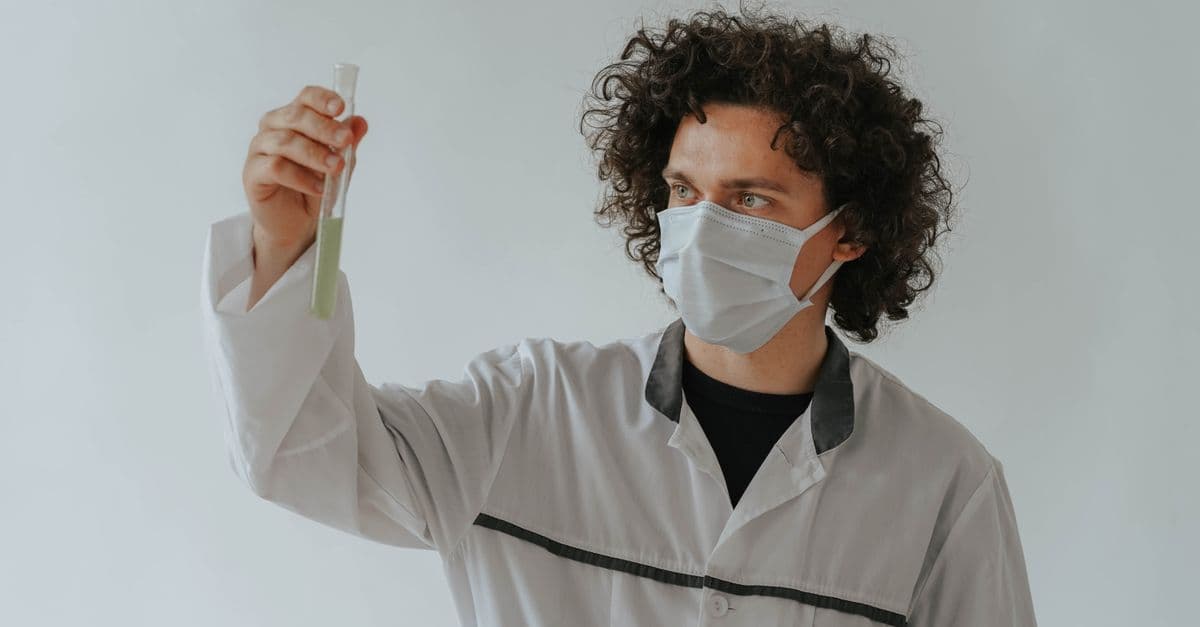
Photo: olia danilevich / Pexels
Alexander Fleming (1881–1955) is remembered as the man who discovered penicillin — a title that is accurate but incomplete. In September 1928, Fleming observed that a mold contaminating one of his petri dishes had killed the surrounding bacteria, correctly identified the mold as Penicillium notatum, and gave its active substance the name penicillin. He then spent over a decade failing to purify it for clinical use. Howard Florey and Ernst Boris Chain at Oxford did the work that turned Fleming's observation into a medicine. All three shared the Nobel Prize in 1945. The story of penicillin is a story about serendipity, recognition, and the difference between noticing something and doing something with it.
Quick Biography
Alexander Fleming was born on August 6, 1881, at Lochfield farm near Darvel in Ayrshire, Scotland, the third child of a farming family. His father Hugh died when Alexander was seven. The family was large — Fleming had seven siblings — and modest means directed most of them into trades or service. Alexander was a sharp student; he moved to London at thirteen to live with his older brother Tom, a doctor, and eventually worked as a shipping company clerk while attending the Polytechnic Institute.
At twenty he received a small inheritance that allowed him to pursue medicine. He enrolled at St. Mary's Hospital Medical School in London in 1901, qualified as a doctor in 1906, and joined the bacteriology department under Sir Almroth Wright, one of the leading immunologists of the era. Wright was a brilliant, difficult, and dogmatic man who believed almost entirely in the immune system as the mechanism of disease resistance and was skeptical of chemical treatments. Fleming worked in Wright's department for the rest of his career.
His experience in World War I was formative. He served in battlefield hospitals in France and witnessed the inadequacy of antiseptics applied to deep wounds — the antiseptics killed tissue faster than they killed bacteria in anaerobic wound environments, and soldiers were dying of bacterial infections that should have been survivable. Fleming left the war with a clear target: find a chemical substance that kills bacteria without killing the patient.
In 1915 he married Sarah Marion McElroy, known as Sareen, an Irish nurse he had known since before the war; they had one son, Robert. After Sareen's death in 1949, he married Amalia Koutsouri-Voureka, a Greek bacteriologist and fellow researcher at the Wright-Fleming Institute, in 1953. He was appointed director of the Wright-Fleming Institute at St. Mary's in 1946 and spent his later years receiving honorary degrees and visiting delegations from across the world. He died of a heart attack on March 11, 1955, at age 73.
Personal Life and Relationships
Sareen: The First Marriage
Sarah Marion McElroy — called Sareen by everyone who knew her — was an Irish-born nurse who trained at St. Mary's and met Fleming in the early years of his career. They married in 1915, when Fleming was thirty-three and had just experienced his first Crimean deployment. The marriage was by all accounts genuinely warm. Sareen shared Fleming's social interests, including his membership in the Chelsea Arts Club, and their household in Chelsea was a gathering point for a wide range of friends from medicine, art, and public life. Their son Robert became a general practitioner.
Sareen died in October 1949. Fleming was sixty-eight, recently retired from active laboratory work and at the height of his public fame from the Nobel Prize. Her death, after thirty-four years of marriage, left him visibly diminished. Colleagues and friends described a period of withdrawal before he reengaged with the speaking engagements and international visits that occupied his final years.
Amalia Voureka: The Second Marriage
In 1946, Amalia Koutsouri-Voureka, a Greek physician, arrived at the Wright-Fleming Institute on a British Council fellowship. She was thirty years younger than Fleming and had come to London specifically to study under him. She was, by all accounts, a formidable scientist in her own right — she eventually became a significant figure in Greek science and politics after returning to Greece following Fleming's death.
Their marriage in April 1953 surprised many colleagues. Fleming was seventy-one; Voureka was forty-one. His friends described it as genuine companionship rather than a late-life vanity project. Voureka accompanied him on his many international tours in his final years and was with him when he died of a heart attack at their Chelsea home in March 1955, two years after the wedding.
After Fleming's death, Voureka returned to Greece, where she became a prominent figure in laboratory medicine and, later, in Greek civic life. She died in 1986.
Major Contributions
The Observation of Penicillin
In the summer of 1928, Fleming left his laboratory at St. Mary's for a vacation without cleaning his workbench — a habit consistent with his chronic disinclination toward tidiness. He had been working with Staphylococcus aureus cultures. When he returned in September, he found that one of his petri dishes had been contaminated by a mold, and that the area surrounding the mold was clear of bacterial growth — the bacteria had been lysed, their cell walls destroyed.
Most researchers would have discarded the dish as contaminated. Fleming recognized the lysis as evidence of antibacterial activity. He cultured the mold, identified it as Penicillium notatum with the help of mycologist C.J. La Touche (whose office was directly below Fleming's laboratory and was the probable source of the contaminating spore), and published his findings in The British Journal of Experimental Pathology in 1929.
The paper is notable both for what it contains and what it does not contain. Fleming described the mold's antibacterial properties, tested it against multiple bacterial species, and showed it was not toxic to leucocytes. He did not present it as a therapeutic agent. He wrote that the substance might have potential as a surface antiseptic and as a laboratory tool for isolating penicillin-resistant bacteria. The clinical implications he suggested were tentative and limited.
Lysozyme: The Earlier Discovery
Before penicillin, Fleming made a discovery that is now largely overshadowed: in 1922, he discovered lysozyme, a naturally occurring enzyme present in tears, nasal mucus, saliva, and egg white that destroys bacterial cell walls by cleaving chemical bonds in peptidoglycan, the structural polymer of the cell wall. The discovery was characteristically accidental — he had a cold, and investigated what happened when nasal mucus was added to a bacterial culture.
The experiment was unsettling to watch: a drop of his own mucus cleared a bacterial culture within hours. He followed up systematically, testing tears, saliva, and other bodily secretions, and found that the enzyme was widespread in human physiology. Lysozyme turned out to be an important component of the innate immune system — the first line of defense against bacteria before the adaptive immune response activates. Fleming published the discovery in The Proceedings of the Royal Society B in 1922.
Lysozyme is now understood to be a critical part of the body's external barriers and is used industrially as a food preservative. The 1922 discovery preceded penicillin by six years and demonstrated, in the pattern that would repeat in 1928, that Fleming was specifically watching for antibacterial phenomena in places most bacteriologists would not think to look — in his own mucus, in a contaminated plate, in the spaces where laboratory disorder produced anomalies.
The Gap Between Observation and Application
Fleming's 1929 paper did not produce penicillin as a medicine. He attempted to purify the active compound over the following years and found it unstable and difficult to work with. By the mid-1930s he had largely abandoned the effort. It was not until Howard Florey and Ernst Chain at the Sir William Dunn School of Pathology in Oxford read Fleming's 1929 paper as part of a systematic review of antibacterial literature that serious purification work began. By 1940 they had produced enough purified penicillin to conduct animal trials. In 1941 the first human patient received it. Mass production, driven by the US pharmaceutical industry during World War II, produced enough penicillin to treat Allied casualties by 1944.
Fleming was not involved in this work. His contribution was the original observation and the published paper that preserved it. This matters not to diminish Fleming's role but to correct the mythology: the discovery was Fleming's; the medicine was Florey and Chain's.
Lesser-Known Habits and Quirks
The Germ Paintings
Fleming's most unusual hobby was painting — using bacteria as pigment. He grew cultures of bacteria that produced natural pigments in different colors — yellows, reds, greens, oranges — and used loops and pipettes to apply them to agar plates in the form of pictures. He made ballet dancers, soldiers, houses, and London street scenes, all composed of living bacterial colonies that developed color as they grew. He also painted with regular paints and then inoculated the painting with bacteria and fungi that grew in patterns determined by the underlying medium.
This was not an entirely idle hobby. Fleming was making the point that bacteria are organisms with visual properties, not merely invisible pathogens, and demonstrating his own technical precision — placing bacterial cultures accurately required the same manual control as any other fine work. He brought the germ paintings to scientific meetings and gifted them to visitors, including Winston Churchill and royalty. Several examples survive in the Alexander Fleming Laboratory Museum at St. Mary's Hospital.
His artistic production was documented by his colleague V.D. Allison in a memoir published in Medical History (1974), which describes the paintings in detail and confirms their living, bacterial medium.
His Laboratory Was Genuinely Messy
The mythology of Fleming's untidiness is real, though its meaning has been embellished. Colleagues at St. Mary's consistently described his bench as cluttered and his methods as informal by the standards of the day. He routinely left cultures longer than standard practice required, which is part of what allowed the contamination to develop — a cleaner lab practice would have eliminated the dish immediately.
Almroth Wright's department at St. Mary's had a particular culture of creative disorder, partly a product of Wright's own methodology and partly of the cramped, poorly funded conditions of the pre-NHS era. Fleming thrived in it. His own explanation for his approach was that bacteria and molds would reveal themselves if you watched them long enough without predetermined ideas about what to expect.
It is worth being precise about what happened in September 1928, because the popular version — that Fleming left a petri dish on a windowsill before going on holiday and returned to find penicillin — contains inaccuracies. The petri dish was not on a windowsill. The contamination most likely occurred before Fleming left, not during his absence. The critical period was not the holiday itself but the cool September temperatures at the bench, which slowed the bacterial growth relative to the mold's spread, allowing the lysis zone to become visible. Ronald Hare's detailed reconstruction of the conditions, in The Birth of Penicillin (1970), established that the contamination and lysis required a specific sequence of temperature and timing that would not have occurred in a warmer month.
The Visit That Almost Never Got Written Up
Gwyn Macfarlane's biography Alexander Fleming: The Man and the Myth (1984) documents that Fleming showed the contaminated plate to several colleagues who visited his laboratory in September 1928, before he published anything. Their reactions were interested but not urgent. The plate might have been discarded, the observation forgotten. Fleming's decision to write it up — even in the measured, limited terms of the 1929 paper — was itself a choice that required recognizing the observation as worth preserving. Not all accidental observations get published.
He Was a Marksman and a Chelsea Arts Club Regular
Fleming was a member of the Chelsea Arts Club and the Savage Club, both London institutions with strong artistic identities. He painted with conventional media as well as bacteria, and maintained an active social life notable for a man whose scientific reputation was as a quiet laboratory technician. He was also, for most of his adult life, a rifle marksman — he had joined the London Scottish Rifle Volunteers in his early twenties, primarily for social reasons, and remained a competitive shot for decades. Colleagues described him as a man who presented as reserved until he was not, at which point he was thoroughly engaged and occasionally combative.
He Was Recognized Before He Was Famous
Fleming was elected a Fellow of the Royal Society in 1943, recognized for his bacteriology work including lysozyme and penicillin. The Nobel Prize came in 1945. By this point Florey and Chain had already received the credit from the scientific community; Fleming's public fame was a separate phenomenon driven by press attention and the war narrative. He became, as Florey complained in private, the public face of a discovery that Florey and Chain had done the hard work to develop — though Florey, characteristically, gave few interviews and did little to correct it.
The Reluctant Celebrity
Fleming's post-Nobel life was spent in a state of sustained, slightly baffled celebrity. He was awarded honorary degrees from eighteen universities, made an honorary citizen of several cities, received the Pontifical Academy membership, and was mobbed on international trips in a way more consistent with a film star than a bacteriologist. He visited Spain in 1948 and found himself greeted by crowds of thousands; the Spanish press treated his arrival as a national event. In Rio de Janeiro, people reportedly pressed to touch him.
He handled this with the same practical composure he brought to his laboratory work. Colleagues who traveled with him described his response to crowds as good-natured puzzlement rather than vanity. He gave the same short speech about the importance of noticing unexpected things to every audience, which annoyed nobody since most audiences had never heard it.
For the connected thread of accidental discovery in medicine, see also Louis Pasteur, whose germ theory was itself partly founded on unexpected experimental results, and Florence Nightingale, whose sanitary reform work preceded the microbial explanation of infection by decades.
Famous Quotes
"One sometimes finds what one is not looking for." Fleming said this repeatedly in interviews about the penicillin discovery, and variants appear in multiple sources. It is his most accurate self-description: lysozyme and penicillin were both found while looking for something else.
"The unprepared mind cannot see the outstretched hand of opportunity." Widely attributed to Fleming in accounts of the penicillin story. The precise source is difficult to pin to a single document, but the sentiment is consistent with his documented view of scientific discovery as a matter of readiness rather than systematic search.
"A good gulp of hot whisky at bedtime — it's not very scientific, but it helps." From a 1954 interview in News Chronicle, in which he was asked about cold remedies. Given that he discovered lysozyme from his own nasal mucus while investigating cold treatments, the remark has a particular flavour.
"I have been trying to point out that in our lives chance may have an astonishing influence and, if I may offer advice to the young laboratory worker, it would be this: never neglect an extraordinary appearance or happening." From his Nobel Prize lecture, December 11, 1945. This is the closest Fleming came to a systematic statement of his scientific method.
Legacy
Penicillin and its derivatives have saved an estimated 200 million lives since their introduction. The entire class of beta-lactam antibiotics — penicillins, cephalosporins, carbapenems — derive from the bacterial wall disruption mechanism Fleming first observed. Modern medicine's capacity to perform surgery, treat infections, and support immunocompromised patients depends on it. Another scientific story that shaped modern medicine is that of Henrietta Lacks and the HeLa cells.
Fleming's laboratory at St. Mary's Hospital is preserved as a museum and receives tens of thousands of visitors annually. His Nobel Prize medal is held at the National Museum of Scotland. In 1999, Time magazine named him one of the hundred most important people of the 20th century.
The story is also, however, a useful caution about how discovery mythology works. Florey and Chain's Nobel Prize acceptance — less celebrated, because they were less famous — was the scientific climax of the penicillin story. Fleming's observation was necessary. Their chemistry was what made it matter.
FAQ
Q: Did Fleming really discover penicillin by accident? Yes, in the sense that the contamination of his petri dish was accidental. No, in the sense that recognizing the significance of the lysis zone required a prepared mind — Fleming had been looking for antibacterial substances since his World War I experience. The accident was in the contamination; the discovery was in the recognition.
Q: Why didn't Fleming develop penicillin into a medicine himself? The purification of penicillin in stable, concentrated form required chemical engineering techniques and resources Fleming did not have. He also worked in Almroth Wright's department, which was ideologically skeptical of chemical therapeutics. Florey and Chain approached the problem from a biochemistry background and with Oxford's resources and the impetus of a world war.
Q: Did Fleming, Florey, and Chain get along? Their relationship was complicated. Florey was irritated by the extent to which press coverage credited Fleming with the development of penicillin as a medicine, which he regarded as historically inaccurate. Fleming was gracious about the three-way prize in public. All three men acknowledged the others' contributions in their Nobel lectures. Private correspondence suggests a cooler relationship than the public narrative implied.
Q: Are the germ paintings real? Yes. Several examples survive and are held at the Alexander Fleming Laboratory Museum at St. Mary's Hospital in London. They are made from cultures of naturally pigmented bacteria and fungi. Photographs are available in the museum's published catalogue.
Q: What is antibiotic resistance, and would Fleming have predicted it? Fleming explicitly predicted antibiotic resistance in his 1945 Nobel Prize lecture, warning that misuse of penicillin would produce resistant bacteria. He was right. Staphylococcus aureus strains resistant to penicillin appeared within years of its widespread use. MRSA (methicillin-resistant Staphylococcus aureus) is now a major global health problem.
Q: What was lysozyme, and why does it matter? Lysozyme is an enzyme Fleming discovered in 1922 from his own nasal mucus. It destroys bacterial cell walls by cleaving the peptidoglycan layer — the same structural target that penicillin would later attack by a different mechanism. Lysozyme is part of the body's innate immune system and is found in tears, saliva, and mucus. The 1922 discovery is significant not only for its practical importance (lysozyme is now used as a food preservative) but because it established that the body already possessed its own antibacterial chemistry — exactly the kind of system Fleming was looking for when he found penicillin six years later.
Q: Who were Fleming's wives? Fleming married Sareen McElroy, an Irish nurse, in 1915. They had one son and were married for thirty-four years until her death in 1949. In 1953, Fleming married Amalia Koutsouri-Voureka, a Greek bacteriologist thirty years his junior who had come to the Wright-Fleming Institute on a research fellowship in 1946. She was with him when he died in 1955 and returned to Greece afterward, where she became a prominent figure in science and civic life.
Sources
- Fleming, Alexander. "On the Antibacterial Action of Cultures of a Penicillium, with Special Reference to Their Use in the Isolation of B. influenzae." British Journal of Experimental Pathology 10 (1929): 226–236.
- Fleming, Alexander. "On a Remarkable Bacteriolytic Element Found in Tissues and Secretions." Proceedings of the Royal Society B 93 (1922): 306–317.
- Hare, Ronald. The Birth of Penicillin and the Disarming of Microbes. Allen and Unwin, 1970.
- Macfarlane, Gwyn. Alexander Fleming: The Man and the Myth. Harvard University Press, 1984.
- Allison, V.D. "Personal Recollections of Sir Almroth Wright and Sir Alexander Fleming." Ulster Medical Journal 43 (1974): 89–98.
- Lax, Eric. The Mold in Dr. Florey's Coat: The Story of the Penicillin Miracle. Henry Holt, 2004.
- Nobel Lecture, Alexander Fleming. "Penicillin." December 11, 1945. NobelPrize.org.
- Brown, Kevin. Penicillin Man: Alexander Fleming and the Antibiotic Revolution. Sutton Publishing, 2004.
Follow new articles
Add SciHub101 to your feed reader to see new science and technology stories.
About the Author
SciHub101 is an independent science and technology publication founded and edited by Buğra Sözeri, a software engineer and app developer based in Türkiye. AI tools assist with drafting and research. Source documentation in the existing archive is uneven, and articles are being reviewed and corrected. The Editorial Team byline identifies editorial responsibility; it does not certify specialist or independent human review. Where we compare products, anything built by our own team is labelled as such — see the editorial guidelines and About page for how corrections and disclosures work.
Related Articles
Archimedes: The Naked Run, the Claw, and the Man Who Almost Invented Calculus
Archimedes of Syracuse: buoyancy, levers, war machines, and verified quirks — the Eureka story examined, the circle and the soldier, and why he came closer to calculus than anyone for 1,800 years.
Avicenna: The Persian Polymath Whose Medical Canon Ruled Europe for 600 Years
Ibn Sina (Avicenna) life, discoveries, and verified quirks: Quran memorized at 10, wine while writing, solving problems in dreams, and a Canon of Medicine used until 1650.
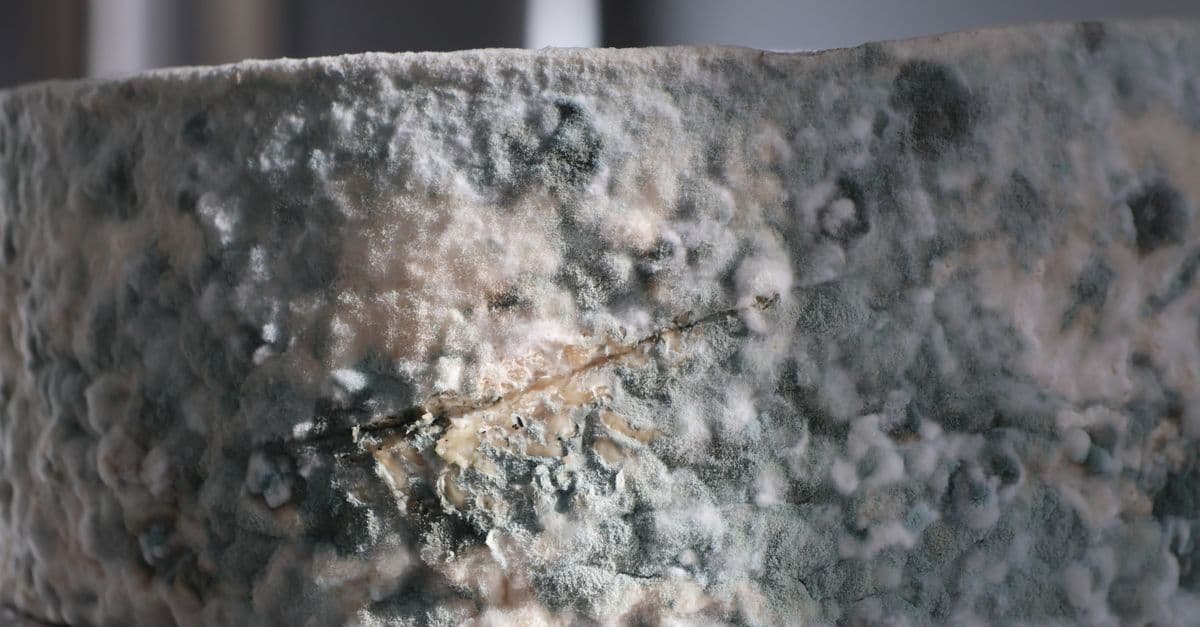
The Fleming Penicillin Discovery: How an Accident Changed Medicine
In 1928, Alexander Fleming noticed a mold dissolving bacteria on a contaminated plate. Here is the full story of the discovery, the 12-year gap before clinical use, and how it transformed medicine.
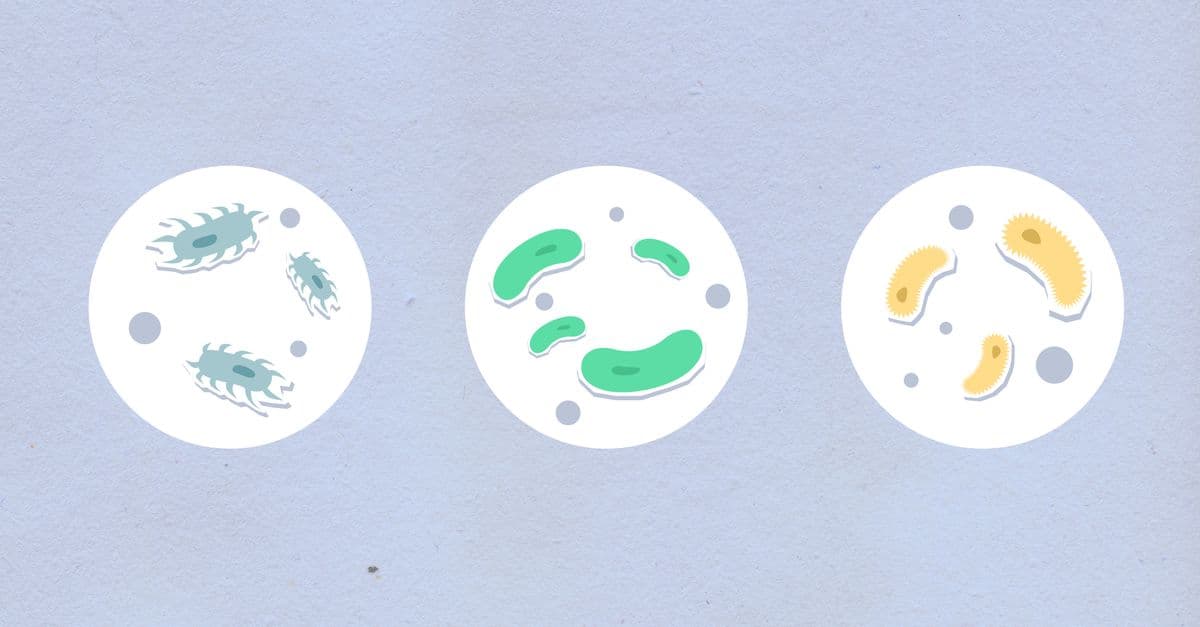
Louis Pasteur: Germ Theory, Vaccines, and the Falsified Notebooks
Louis Pasteur founded germ theory, developed the rabies vaccine, and invented pasteurization. His biography, verified quirks, and the 1995 discovery about his lab notebooks.
Antibiotics Invention: Penicillin, Fleming, Florey, and Chain
Antibiotics began with penicillin's discovery, but turning mold into medicine required chemistry, fermentation, wartime scale-up, and clinical testing.
The Discovery of Penicillin
How a contaminated petri dish in 1928 led to the world's first antibiotic, saving an estimated 200 million lives across eight decades of medicine.