Biology & Health
AI & Antibiotic Discovery: Fighting Drug-Resistant Bacteria
How machine learning discovers new antibiotics faster than traditional lab screening.
23 articles tagged with #microbiology
How machine learning discovers new antibiotics faster than traditional lab screening.
DNA is the blueprint, but proteins do the actual work of life. Here's how your cells read a genetic message and build the molecular machines that make you function.
Hidden alongside your blood vessels runs a parallel network most people barely know exists. The lymphatic system is your body's drainage service, immune checkpoint, and cancer pathway all in one.
Every move you make, every thought you think, every protein your body builds is paid for in one molecule. ATP is less a battery than a coin that is spent and reminted constantly.
Every second, millions of cells in your body divide with stunning precision. Here's how they copy themselves — and what happens when the process goes wrong.
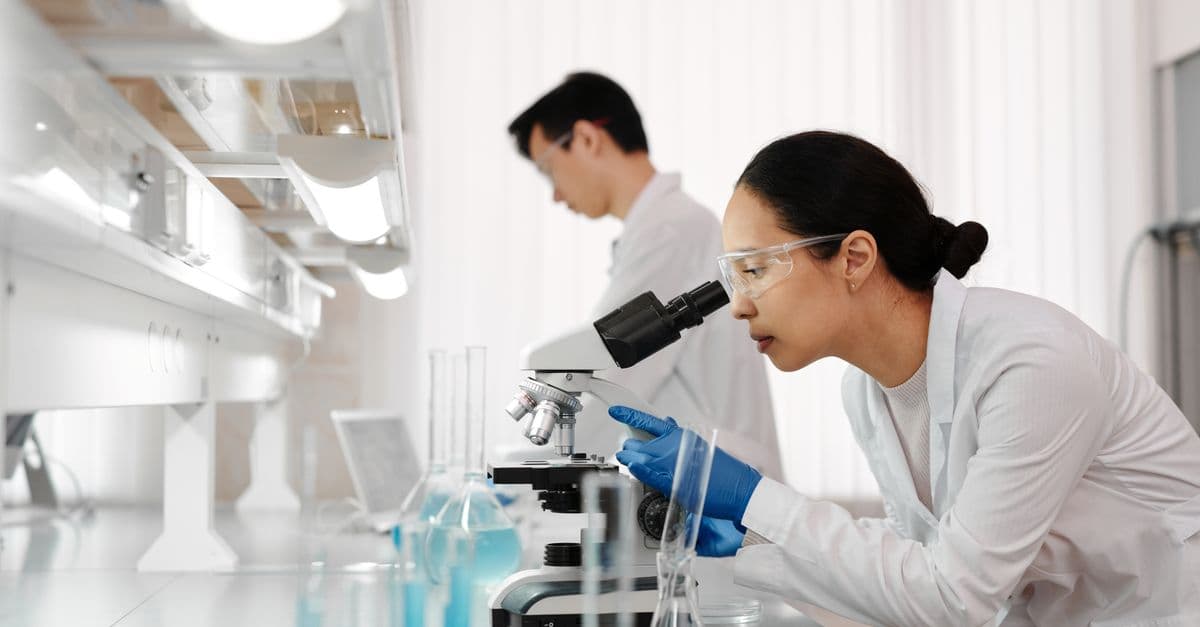
Fermentation is controlled microbial metabolism — ancient biotechnology that transforms raw ingredients into foods more nutritious, flavorful, and shelf-stable than the originals.
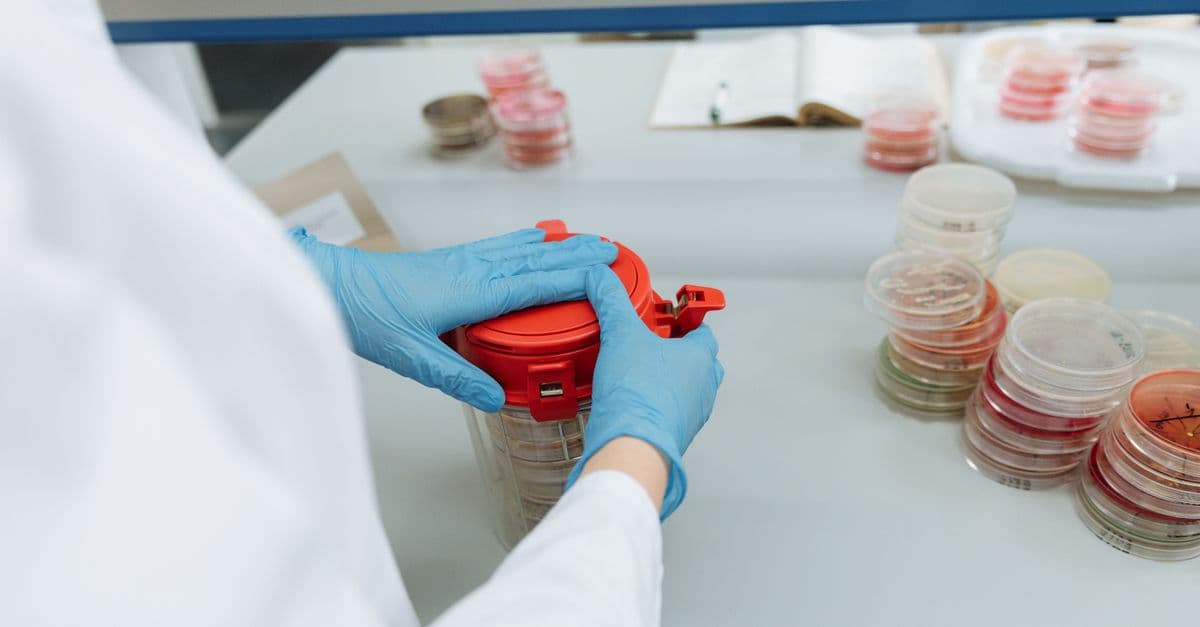
How germ theory revealed that microorganisms cause disease revolutionizing medicine and public health

ISS experiments reveal that bacteria behave differently in microgravity, becoming more virulent and developing antibiotic resistance faster—with surprising implications for spacecraft safety and planetary protection.
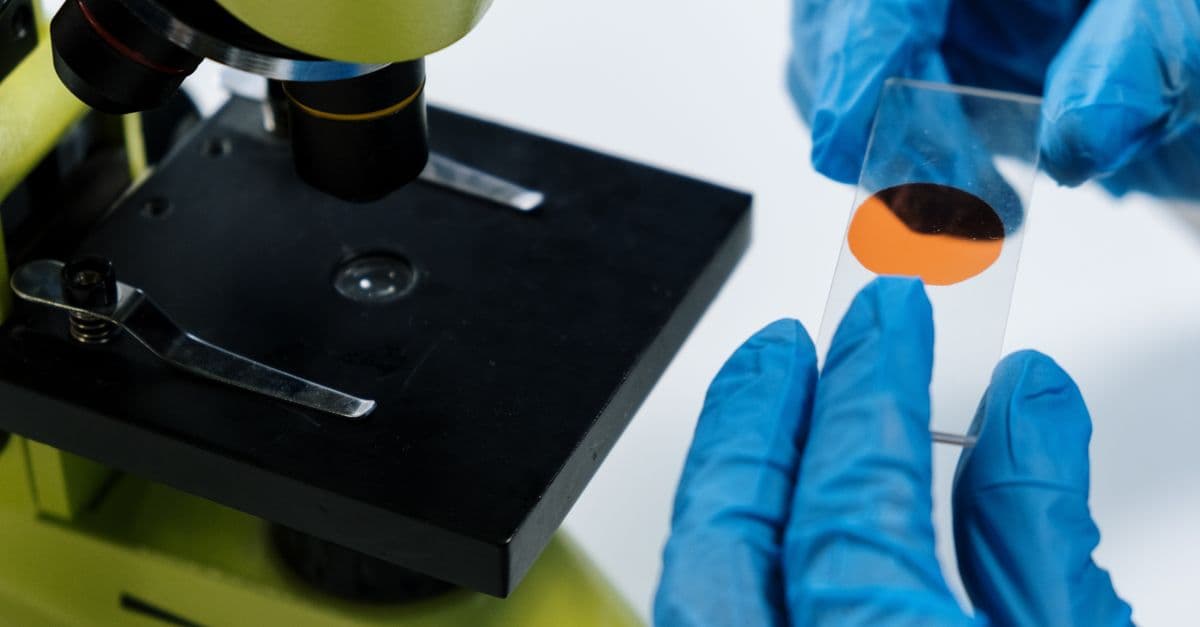
In the 1670s, Anton van Leeuwenhoek ground tiny lenses and became the first human to see microorganisms — bacteria, protozoa, and sperm cells. His observations opened the microbial world and laid the groundwork for germ theory.
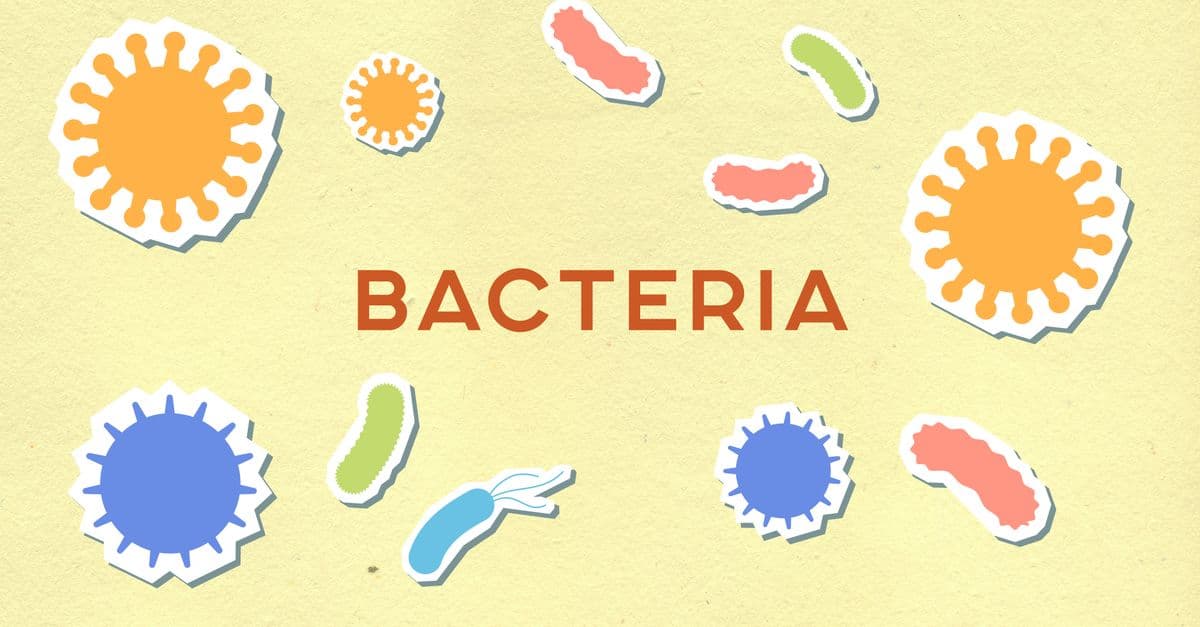
Bacteria have been on Earth for 3.5 billion years, outnumber all complex life combined, and solve optimization problems better than human computers in some cases. If they evolved intelligence through natural selection, they could become the dominant lifeform on Earth — and humanity might not stand a chance.
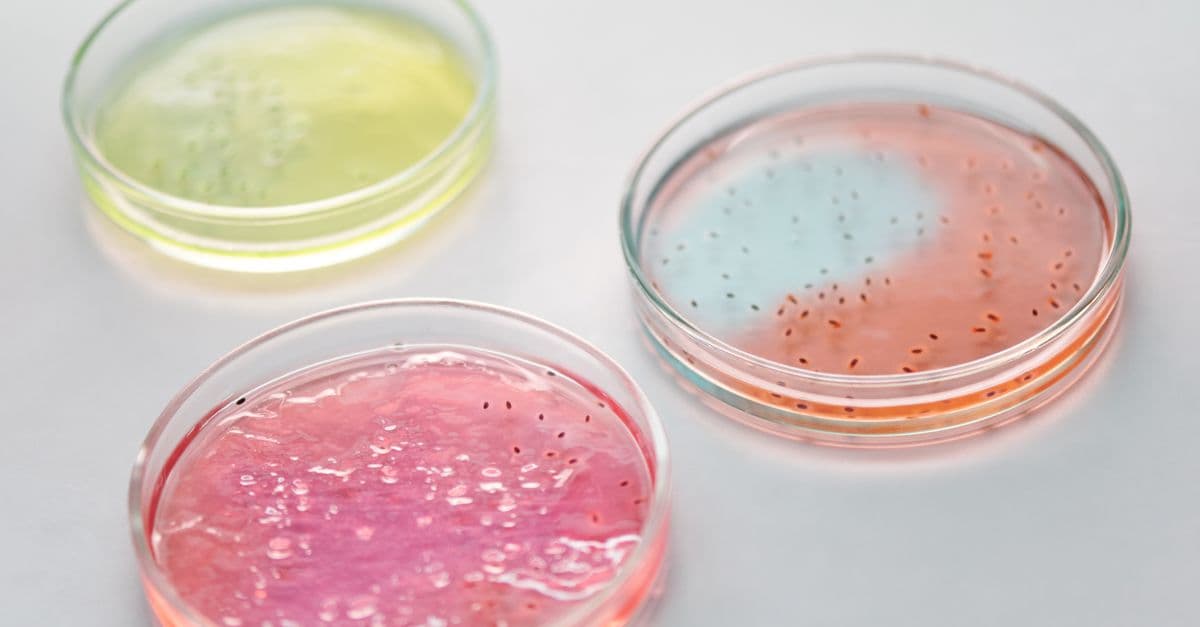
Viruses and bacteria both cause infections and both are too small to see, yet they differ in size, structure, reproduction, and treatment. Here is how to tell them apart.