What's the Difference Between Viruses and Bacteria?
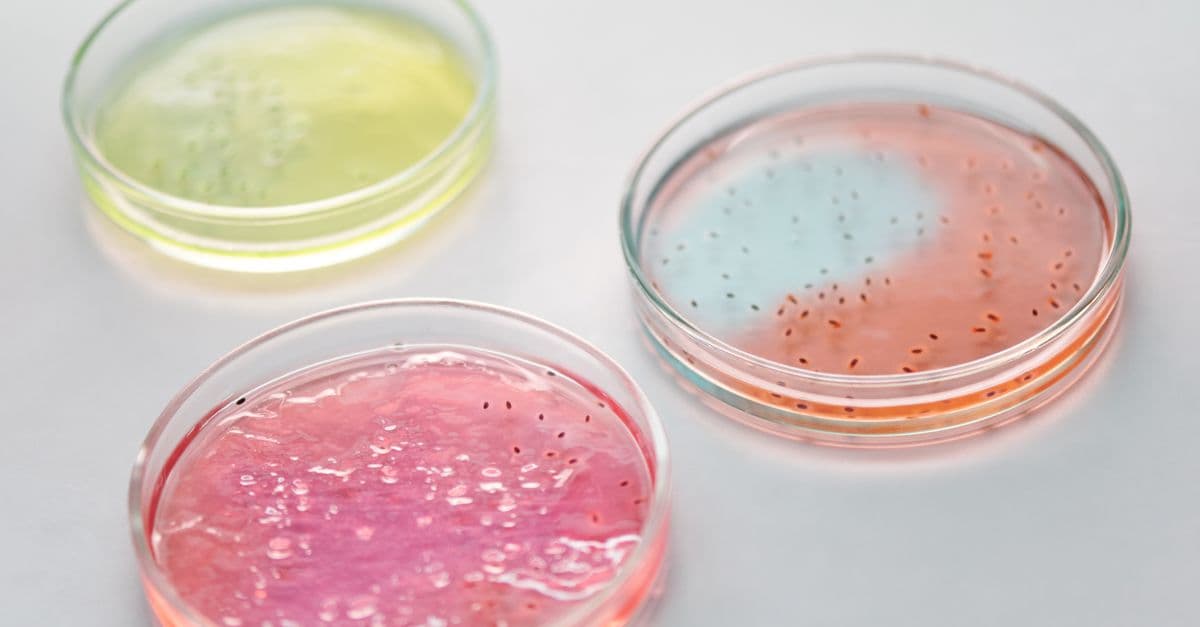
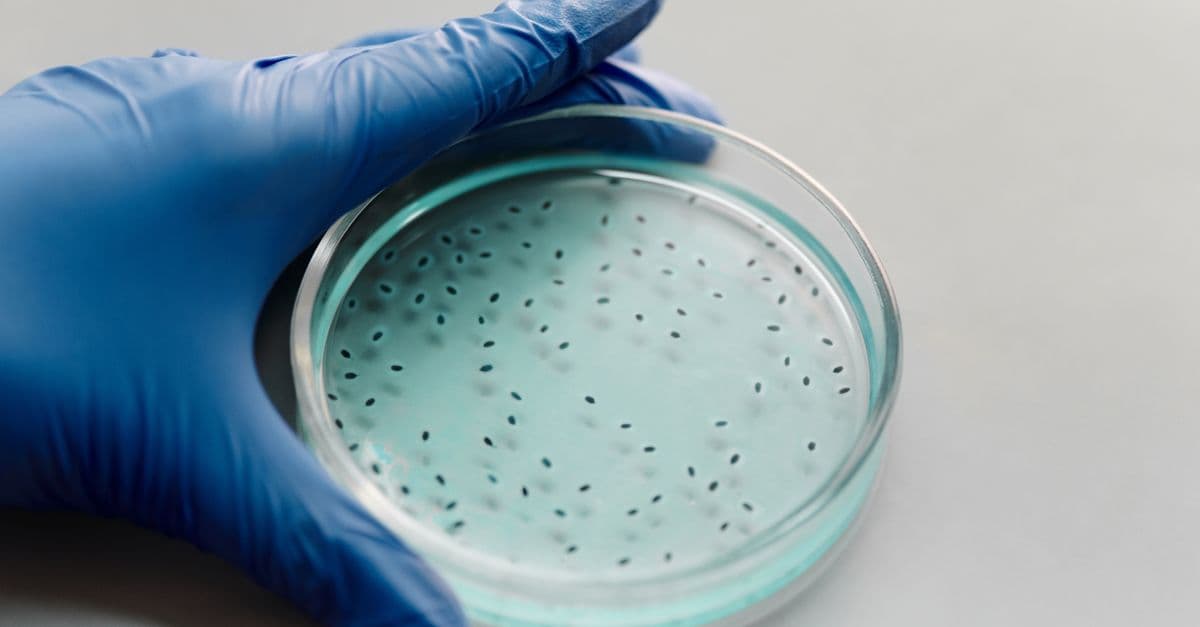
Photo: Edward Jenner / Pexels
The difference between viruses and bacteria starts with one fact: a bacterium is a living cell, and a virus is a package of genetic instructions that needs a cell to do anything at all. Both cause infections, both are invisible without a microscope, and both can give you a fever and a cough. They differ in size, structure, how they multiply, and, most practically, in what treats them. A sore throat caused by one may need an antibiotic. A sore throat caused by the other will not respond to one.
Educational content, not medical advice. Talk to your doctor before changing any medication, treatment, or routine. Information here reflects current research but every person's situation differs.
Key takeaways
- Bacteria are single-celled organisms that live on their own. Most are harmless or beneficial, and only a minority cause disease in humans.
- Viruses are protein shells (sometimes wrapped in a membrane) around DNA or RNA. They have no metabolism and replicate only inside host cells. Whether they count as "alive" is a matter of definition on which biologists disagree.
- Typical bacteria measure 0.5 to 5 micrometres. Typical viruses measure 20 to 300 nanometres, so a virus is often around 100 times smaller than a bacterium, though giant viruses blur the rule.
- Antibiotics work on bacteria, not viruses. The CDC states plainly that antibiotics do not work on viruses, and misuse contributes to antibiotic resistance.
- Both can spread through the same routes, and one infection can pave the way for the other.
Two analogies to keep in mind
Think of a bacterium as a tiny self-contained factory. It has walls, a gate, machinery, a copy of the blueprints, and its own power supply. Give it food and the right temperature, and it builds more factories, entirely on its own.
Think of a virus as a USB stick holding a program. The stick cannot run anything by itself. Plug it into a computer and the computer reads the instructions and starts making copies of the stick, often at the computer's expense. That image helps explain why viruses have no machinery to target with a drug that attacks "factory parts," and why the infected cell is both the victim and the production line.
Bacteria: the basics
Bacteria are single-celled organisms with a history that stretches back billions of years. They are among the oldest and most abundant forms of life, living in soil, oceans, hot springs, deep rock, ice, and inside other organisms.
Structure
A typical bacterium has:
- A cell wall, which gives structure and protection. In many bacteria it contains a mesh called peptidoglycan, a feature human cells lack.
- A cell membrane that controls what goes in and out.
- Cytoplasm holding the cell's machinery.
- Ribosomes, the protein-building machines. Bacterial ribosomes differ in structure from human ones, which matters for drugs.
- DNA in a single, usually circular chromosome that floats in the cytoplasm rather than sitting in a nucleus.
- Sometimes plasmids, small extra loops of DNA that can carry genes such as antibiotic resistance.
Size and reproduction
Typical bacteria range from about 0.5 to 5 micrometres (millionths of a metre) and are visible under an ordinary light microscope. They reproduce by binary fission: the cell grows, copies its DNA, and splits in two. Under ideal laboratory conditions, some bacteria such as E. coli can divide roughly every 20 minutes, which is why a few cells can become a visible colony overnight. In real bodies, with immune defenses and limited food, growth is much slower.
Bacteria do not need sex to share genes. They can pass plasmids to neighbors and pick up DNA from their surroundings, a process described in Horizontal Gene Transfer: How Microbes Swap DNA. That ability is a big reason resistance spreads so quickly.
Most bacteria are harmless or helpful
A 2016 estimate by Sender, Fuchs, and Milo put the number of bacterial cells in a reference 70 kg man at about 3.8 × 10¹³, roughly 38 trillion, mostly in the colon, and the number of human cells at about 3.0 × 10¹³. That is closer to a 1:1 ratio than the older, commonly quoted 10:1. Gut bacteria help digest food, make some vitamins, and train the immune system. (See The Gut Microbiome Explained.)
Elsewhere, bacteria decompose dead matter, fix nitrogen so plants can use it, and make foods such as yogurt, cheese, and sauerkraut. The disease-causing species are a small minority of the whole.
Viruses: the basics
A virus is a stranger kind of entity. It carries genes and evolves, but it has no cell, no metabolism, and no way to build proteins on its own.
Structure
A typical virus has:
- Genetic material: DNA or RNA, single-stranded or double-stranded.
- A capsid, a protein coat that protects the genetic material, built from repeating subunits.
- In some viruses, a lipid envelope taken from the membrane of a host cell. Enveloped viruses, such as influenza and HIV, tend to be more fragile outside the body than non-enveloped ones.
There is no cytoplasm and no ribosome. That is the whole kit.
Size
Many well-studied viruses are roughly spherical, with diameters of about 20 to 300 nanometres (billionths of a metre). Some filamentous viruses, including the filoviruses that cause Ebola and Marburg disease, are only about 80 nm wide but up to 1,400 nm long. Giant viruses are the exception that proves the rule: the capsid of Mimivirus measures about 400 nm across. For nearly all of the viruses you will hear about in medicine, an electron microscope is needed to see them.
How a virus reproduces
A virus cannot copy itself. It has to commandeer a host cell, which is why viruses are called obligate intracellular parasites. The sequence is similar across many viruses:
- Attach. A viral protein docks onto a matching receptor molecule on the cell surface. This match is the main reason a virus infects some species and tissues and not others.
- Enter. The virus injects its genome, or the cell engulfs it, or the viral envelope fuses with the cell membrane.
- Hijack. Viral genes direct the cell's ribosomes and enzymes to make viral proteins and copy the viral genome.
- Assemble. New particles are put together inside the cell.
- Release. New viruses leave, either by bursting the cell or by budding out through its membrane.
The step-by-step version is in How Viruses Work: From Infection to Replication.
Are viruses alive?
Scientific opinion is divided, and the answer depends on how you define life.
| Argument | Points |
|---|---|
| Against "alive" | No cells; no metabolism; cannot reproduce outside a host; can be purified and crystallized |
| For "alive" | Carry genetic information; evolve by natural selection; reproduce (with help); shape ecosystems and evolution |
Most biologists treat viruses as "organisms at the edge of life," neither clearly living nor merely chemical. The question is useful because it exposes what we mean by life, but it does not change how you treat an infection.
Where viruses came from
Nobody knows for sure. Three main hypotheses compete: viruses may be descendants of small cells that lost genes by parasitizing larger ones (the regressive hypothesis); they may have escaped from the genomes of larger organisms as pieces of DNA or RNA that learned to travel (the escape hypothesis); or they may have arisen alongside the first cells from complexes of protein and nucleic acid (the virus-first hypothesis). Different virus groups may have different origins. Viruses are also enormously diverse: as of its 2025 ratification, the International Committee on Taxonomy of Viruses had defined more than 16,000 species.
The first hint that infectious agents could be smaller than bacteria came in the 1890s, when researchers studying tobacco mosaic disease found that the infectious agent passed through filters fine enough to hold back bacteria. That discovery gave "virus" its modern meaning.
Comparing them side by side
| Feature | Bacteria | Viruses |
|---|---|---|
| Living organism? | Yes | Debated |
| Typical size | 0.5 to 5 micrometres | 20 to 300 nanometres |
| Made of cells? | Yes (one cell) | No |
| Own metabolism? | Yes | No |
| Reproduces independently? | Yes, by binary fission | No, needs a host cell |
| Genetic material | DNA | DNA or RNA |
| Visible with a light microscope? | Yes | No, usually needs electron microscopy |
| Antibiotics work? | Yes | No |
| Antivirals work? | No | Yes, for specific viruses |
| Vaccines exist? | Yes, for some | Yes, for many |
| Most are harmless to humans? | Yes | Many infect other organisms, but those that infect humans are often pathogenic |
| Living in your body? | Trillions, mostly beneficial | A variety, often unnoticed |
One more distinction: some viruses infect bacteria. They are called bacteriophages, and a bacterium is as vulnerable to a virus as you are.
Why antibiotics work on bacteria but not viruses
This is the most practical difference. The CDC states: "Antibiotics DO NOT work on viruses."
Antibiotics target bacterial features
Antibiotics are designed around structures that bacteria have and human cells do not, or that differ enough to be targeted:
| Mechanism | Example classes |
|---|---|
| Break down or block building of the cell wall | Penicillins, cephalosporins |
| Block bacterial protein synthesis at the ribosome | Tetracyclines, macrolides |
| Interfere with DNA replication enzymes | Fluoroquinolones |
| Disrupt cell membranes | Polymyxins |
For more on each mechanism, see How Do Antibiotics Actually Work, and Why Resistance Matters.
Why they do nothing to a virus
A virus has no cell wall to weaken and no ribosomes to jam. It uses the host cell's own ribosomes and enzymes, and a drug that wrecked those would wreck your cells too. Hitting a virus without hitting the host requires a different approach.
Antiviral drugs
Antivirals interrupt specific steps of a particular virus's life cycle:
- Block entry into the cell.
- Interfere with copying of the viral genome.
- Block the assembly or release of new virus particles.
- Support the cell's own antiviral responses.
Examples include oseltamivir for influenza, nucleotide analogue drugs for hepatitis C, and combination regimens for HIV. Because each virus has its own proteins, an antiviral is usually specific to one virus or a small family, which is one reason there is no broad-spectrum "antibiotic for viruses."
The misuse problem
Taking antibiotics for viral illnesses such as colds, flu, and most sore throats does not help you recover and exposes you to side effects. The CDC notes that any time antibiotics are used, they can cause side effects and contribute to the development of antibiotic resistance. Resistance is a large problem. The World Health Organization reports more than 4.7 million deaths associated with bacterial antimicrobial resistance in 2021, noting that misuse and overuse of antimicrobials drive the spread of drug-resistant pathogens. In the United States, the CDC's 2019 report estimated more than 2.8 million antimicrobial-resistant infections and more than 35,000 deaths each year. (For how it spreads, see How Antibiotic Resistance Spreads and Why Antibiotics Are Running Out.)
Diseases caused by each
| Disease | Cause | Type |
|---|---|---|
| Strep throat | Streptococcus pyogenes | Bacterial |
| Tuberculosis | Mycobacterium tuberculosis | Bacterial |
| Cholera | Vibrio cholerae | Bacterial |
| Plague | Yersinia pestis | Bacterial |
| Tetanus, anthrax, botulism | Clostridium and Bacillus species | Bacterial |
| Lyme disease | Borrelia burgdorferi | Bacterial |
| Many urinary tract infections | Often E. coli | Bacterial |
| Common cold | Rhinoviruses and others | Viral |
| Influenza | Influenza viruses | Viral |
| COVID-19 | SARS-CoV-2 | Viral |
| HIV/AIDS | HIV | Viral |
| Measles, mumps, rubella, chickenpox | Specific viruses | Viral |
| Rabies | Rabies virus | Viral |
| Ebola, Zika, dengue, yellow fever | Specific viruses | Viral |
Many conditions can be caused by either. Pneumonia, sinus infections, and diarrhea, for example, have both bacterial and viral causes, and telling them apart usually requires a test. The CDC notes that viruses cause colds, flu, most sore throats (strep throat is the exception), and most cases of bronchitis. More than 200 respiratory viruses can cause a cold, and rhinoviruses are the most common cause in the United States. (See Rhinovirus and the Common Cold Explained and Influenza Virus Explained.)
How doctors tell them apart
Symptoms overlap heavily. Fever, fatigue, cough, and sore throat can come from either kind of germ, and even experienced clinicians cannot always tell by looking. A few clues help. Viral illnesses tend to involve several body systems at once, such as a runny nose with cough and sore throat, and often improve within a week or so. Bacterial infections are more often localized to one site, and may worsen or fail to improve after several days. These are tendencies, not rules.
Testing resolves much of the uncertainty. Common approaches include:
- Rapid antigen tests for specific pathogens, such as strep throat, influenza, and COVID-19.
- PCR tests, which detect a pathogen's genetic material.
- Cultures, where a sample is grown in a lab to identify bacteria and test which antibiotics kill them.
- Blood markers and imaging, which can suggest bacterial infection but do not settle it alone.
Because the decision to use an antibiotic should depend on a likely bacterial cause, this is a matter for a clinician. Choosing from a pharmacy shelf, or using leftover pills, is exactly the pattern that fuels resistance.
How vaccines work for each
Vaccines train the immune system to recognize a pathogen before the real thing arrives. (See How Vaccines Actually Work.) The design depends on the target.
For viruses
| Vaccine type | What it contains | Examples |
|---|---|---|
| Live attenuated | Weakened virus | MMR, chickenpox |
| Inactivated | Killed virus | Some influenza, polio |
| Subunit or recombinant | Viral proteins only | HPV, hepatitis B |
| mRNA | Instructions for one viral protein | COVID-19 |
| Viral vector | Harmless virus carrying a target gene | Some COVID-19 vaccines |
For bacteria
Bacteria are larger and more complex, with many more proteins, and some hide behind sugar coats. Bacterial vaccines therefore target specific features:
- Toxoid vaccines train immunity against a bacterial toxin, as with tetanus and diphtheria.
- Polysaccharide vaccines target the sugar capsule, as with some pneumococcal vaccines.
- Conjugate vaccines attach that sugar to a protein to produce a stronger, longer-lasting response, as with Hib and some pneumococcal vaccines.
- Whole-cell vaccines use killed or weakened bacteria. BCG, used against tuberculosis, is a live weakened form.
Vaccines can also reduce antibiotic use indirectly, by preventing bacterial infections before they start.
How your immune system handles them
The immune system has two broad branches. The innate system acts within hours using general-purpose tools, and the adaptive system takes days to build a targeted response and then remembers it. Both branches engage both kinds of pathogens, with different emphasis. (A full overview is in The Immune System: How It Works Explained.)
Against bacteria, which live mostly outside cells:
- Phagocytes (neutrophils and macrophages) engulf and destroy them.
- Antibodies coat them, marking them for destruction and neutralizing toxins. (See Antibody Structure.)
- The complement system tags them and can punch holes in their membranes. (See Complement System.)
Against viruses, which hide inside cells:
- Interferons are signals from infected cells that warn neighbors to raise their defenses.
- Killer T cells find and destroy infected cells.
- Antibodies block free virus particles from entering new cells.
For a step-by-step account of the antiviral response, see How the Human Immune System Fights Viruses.
How they spread
Both kinds of pathogens use the same routes:
- Respiratory droplets and aerosols from coughs and sneezes.
- Direct contact, including skin and bodily fluids.
- Contaminated food or water.
- Insect bites and other animal vectors.
Individual pathogens specialize. Cholera spreads mostly through contaminated water. Measles spreads through the air. Tetanus bacteria enter through wounds. Hand washing and food safety reduce the spread of both groups.
Viruses also have a distinctive path to humans: zoonosis, the jump from animals. Many emerging viral diseases, including COVID-19 and avian influenza, have animal origins. (See How Viruses Jump From Animals to Humans.)
One illness, both germs
The two categories are not always separate. A viral infection can damage the airway lining and weaken local defenses, letting bacteria move in. Pneumonia after influenza and sinus or ear infections after a cold are familiar examples. In that situation, the antibiotic treats the bacterial complication and does nothing for the virus. This is why "I got better after antibiotics" does not prove the antibiotics treated the original illness.
Other microbes belong to neither category. Fungi, parasites such as the malaria parasite, and prions (misfolded infectious proteins, covered in What Are Prions?) cause disease through different mechanisms and need different treatments.
Common misconceptions
"Antibiotics will help my cold." Colds are viral. Antibiotics will not shorten them and can cause side effects.
"Bacteria are bad." Most are harmless or beneficial, and humans depend on them for digestion and immune development.
"All germs are the same." "Germs" loosely covers bacteria, viruses, fungi, and parasites. They are different biological categories.
"I took antibiotics, so I am protected from viruses." Antibiotics do not prevent or treat viral infections.
"Vaccines are only for viruses." Bacterial vaccines exist, including those for tetanus, pertussis, diphtheria, Hib, and pneumococcus.
"A stronger immune system always wins." A healthy lifestyle supports immune function, but "boosting" immunity with supplements has limited evidence. The immune system works as a balanced network, not a dial.
"Bacteria can turn into viruses." They cannot. They are separate lineages with different structures.
Frequently asked questions
Q: Why do I get colds even when I live healthily? A: More than 200 respiratory viruses can cause a cold, so catching one does not give you immunity to the rest. Healthy habits help your body fight an infection, but they do not stop you from being exposed. Most colds last under a week, with symptoms peaking within two to three days.
Q: Can one illness involve both a virus and a bacterium? A: Yes. A viral infection can lower local defenses and let bacteria invade, as in pneumonia after influenza. A clinician may prescribe an antibiotic for the bacterial part, which would not help the virus.
Q: Why are viruses harder to treat with drugs? A: They replicate inside your own cells using your own cellular machinery, so there are fewer targets that are unique to the virus. Antivirals exist, but each tends to work against one virus or a small group.
Q: Can bacteria become viruses, or the other way around? A: No. They are fundamentally different kinds of entities with separate evolutionary histories. The only connection is that some viruses, bacteriophages, infect bacteria.
Q: How do new viral diseases emerge? A: Through mutation and recombination, particularly when viruses cross from animal hosts to humans, a process called zoonosis or spillover. Not every spillover leads to sustained human transmission.
Q: Are viruses living things? A: Opinion is divided. Viruses carry genes and evolve, but they have no cells, no metabolism, and cannot replicate outside a host. Many scientists describe them as organisms at the edge of life.
The takeaway
A bacterium is a complete, living cell that can survive and multiply by itself, and most bacteria in and around you do useful work. A virus is a set of genetic instructions in a protein coat that only becomes active inside someone else's cell. That difference explains almost everything practical: why antibiotics target bacteria and leave viruses untouched, why antivirals are so specific, why vaccines against the two groups are built differently, and why using antibiotics for a cold adds risk without adding benefit. When one infection leads to another, as when a virus opens the door to bacterial pneumonia, treatment has to match the culprit, and finding the culprit is the doctor's job.
Sources
- CDC: About antibiotic use and resistance
- CDC: Common cold
- CDC: Antimicrobial resistance threats in the United States
- WHO: Antimicrobial resistance fact sheet
- Sender, Fuchs, and Milo (2016): Revised estimates for the number of human and bacteria cells in the body
- International Committee on Taxonomy of Viruses
Related Reading
- The Microbiome Explained — How Bacteria Shape Your Health
- How the Immune System Actually Works
- The Deadliest Viruses on the Planet — and What Makes Them So Dangerous
- How Do Antibiotics Actually Work — and Why Resistance Matters
- How Much Caffeine Is Too Much? The Science of Coffee and Energy Drinks
- Germ Theory: Pasteur and Koch's Microbial Discovery Explained
Follow new articles
Add SciHub101 to your feed reader to see new science and technology stories.
About the Author
SciHub101 is an independent science and technology publication founded and edited by Buğra Sözeri, a software engineer and app developer based in Türkiye. AI tools assist with drafting and research. Source documentation in the existing archive is uneven, and articles are being reviewed and corrected. The Editorial Team byline identifies editorial responsibility; it does not certify specialist or independent human review. Where we compare products, anything built by our own team is labelled as such — see the editorial guidelines and About page for how corrections and disclosures work.
Related Articles
Horizontal Gene Transfer: How Microbes Swap DNA
Horizontal gene transfer lets microbes pass genes sideways through transformation, conjugation, and transduction, and it blurs the tree of life.
The Science of Superpowers: Could Humans Really Fly?
Comic book heroes make flight look effortless — but a serious look at biology and physics shows why human flight is one of nature's hardest engineering problems.
The Skin Microbiome — Your Body's Outer Ecosystem
Your skin hosts ~1,000 bacterial species, fungi, viruses, and mites. How the skin microbiome shapes acne, eczema, odor, and immunity.
Germ Theory: Pasteur & Koch's Microbial Discovery Explained
How germ theory revealed that microorganisms cause disease revolutionizing medicine and public health
How Do Antibiotics Actually Work — and Why Resistance Matters
Antibiotics transformed medicine. Used right, they cure deadly infections in days. Used wrong, they're driving one of the biggest health threats we face. Here's how they really work.
Why Do We Have Blood Types? The Science and Evolution
Blood types are inherited molecular markers on red blood cells. The ABO polymorphism has been kept alive in primates for at least 20 million years, and infections such as malaria, cholera, and norovirus are the leading explanation for why.