Why Antibiotics Are Running Out — The Science Behind Antimicrobial Resistance
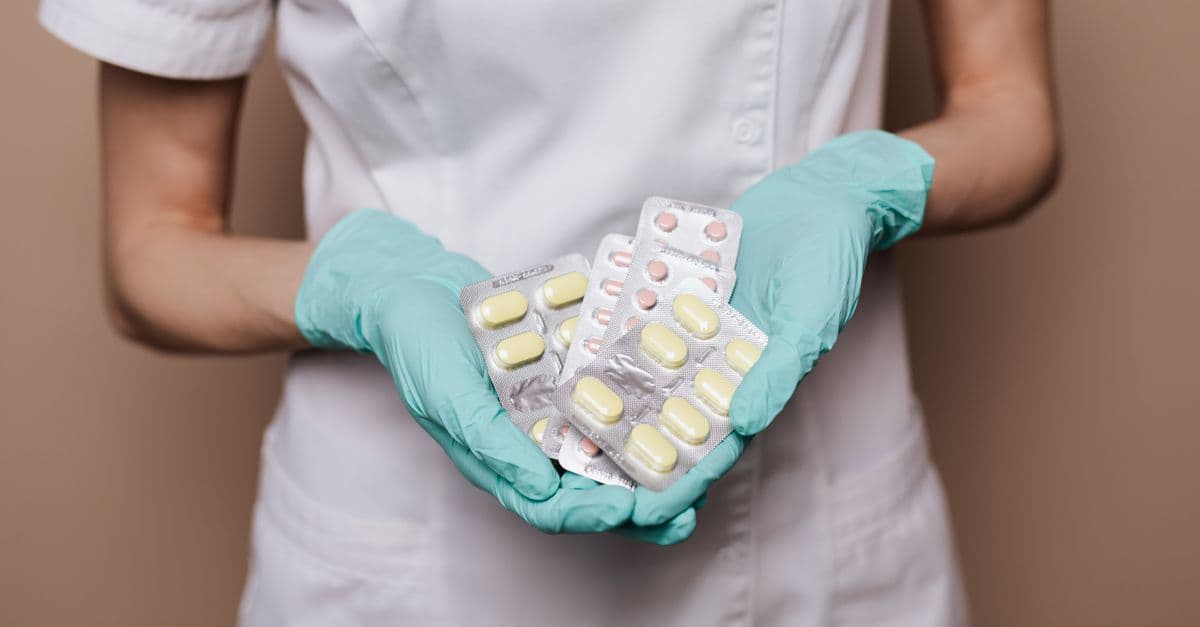
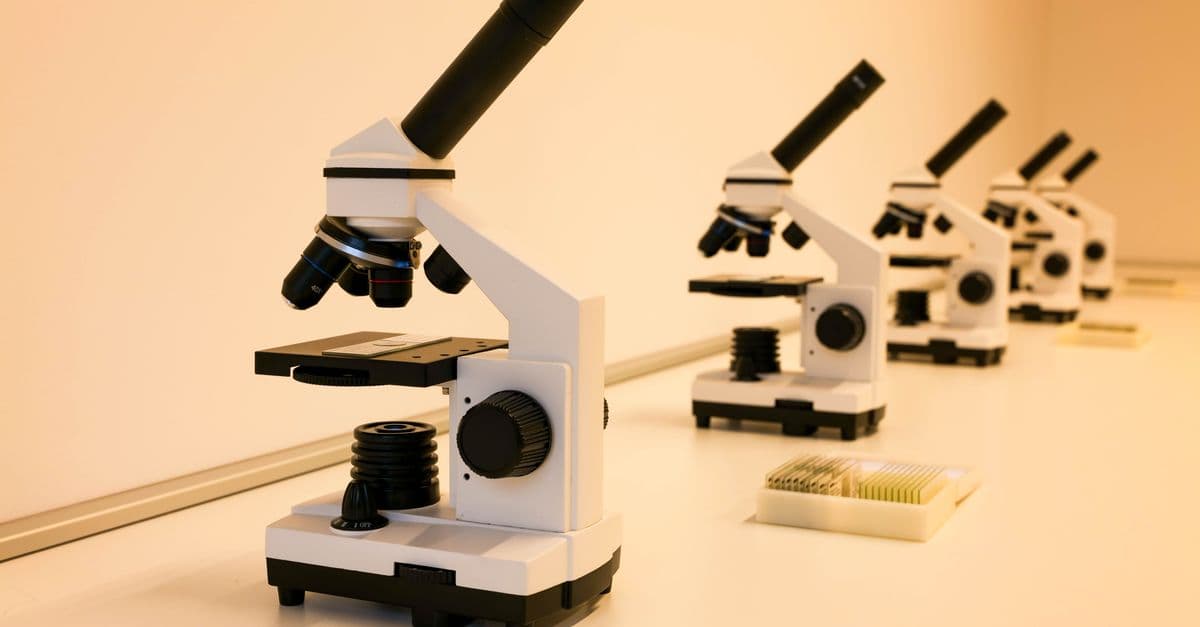
Photo: www.kaboompics.com / Pexels
In 1928, Alexander Fleming left a petri dish near an open window and came back to find mold killing his bacteria. That accident gave us penicillin, launched the antibiotic era, and saved an estimated 200 million lives over the following century. Today, that era is quietly ending. Bacteria are evolving resistance faster than we can develop new drugs, a looming public-health catastrophe that experts call one of the greatest threats to human civilization — and most people have never heard of it.
Educational content, not medical advice. Talk to your doctor before changing any medication, treatment, or routine. Information here reflects current research but every person's situation differs.
Key takeaways
- Antimicrobial resistance (AMR) occurs when bacteria evolve mechanisms to survive drugs designed to kill them, making infections untreatable
- No major new antibiotic class has been approved since 1987 — nearly four decades of therapeutic stagnation
- Horizontal gene transfer allows bacteria to share resistance genes across species, spreading invulnerability at terrifying speed
- MRSA and other superbugs already kill hundreds of thousands annually; the WHO maintains a formal priority pathogen list of the most dangerous
- 700,000 people die from drug-resistant infections each year today; projections reach 10 million deaths per year by 2050 — surpassing cancer
- Phage therapy, engineered antibodies, and economic incentives like "pull" funding models represent the most promising paths forward
How bacteria evolve resistance — fast
Bacteria reproduce roughly every 20 minutes under ideal conditions. A single E. coli cell can produce a billion descendants in a day. Each replication carries a small risk of mutation, and with billions of rolls of the evolutionary dice, useful mutations appear constantly. When an antibiotic kills 99.99 percent of a bacterial population, the survivors are not random — they are the rare individuals carrying mutations that happen to neutralize the drug. Those individuals reproduce, and within days, the entire population is resistant.
This is straightforward Darwinian selection, and it would be concerning enough on its own. What makes it truly alarming is horizontal gene transfer (HGT) — the ability of bacteria to swap genetic material directly with their neighbors, even across species boundaries. Through structures called plasmids (small, circular DNA molecules), bacteria can essentially hand resistance blueprints to completely unrelated organisms. A resistance gene that evolved in a harmless soil bacterium can jump, within hours, into a dangerous pathogen like Klebsiella pneumoniae or Acinetobacter baumannii. HGT turns resistance from a local problem into a global network.
Resistance mechanisms themselves are elegant and varied. Some bacteria produce beta-lactamase enzymes that physically dismantle penicillin and related drugs. Others alter the proteins that antibiotics target, so the drug binds to nothing. Still others develop efflux pumps — molecular machines that actively expel antibiotics from the cell as fast as they enter. Bacteria carrying multiple mechanisms simultaneously are classified as multi-drug resistant (MDR) or, when resistance covers nearly all available drugs, extensively drug-resistant (XDR).
MRSA and the rise of superbugs
Methicillin-resistant Staphylococcus aureus — MRSA — is the most recognizable face of the superbug crisis. S. aureus is a common bacterium that lives harmlessly on about a third of human skin. It becomes dangerous when it enters the bloodstream through a wound or surgical incision. Today, MRSA strains carry the mecA gene, which encodes an altered protein that methicillin cannot bind. The result is a staph infection that requires last-resort drugs like vancomycin — and some strains are developing resistance to those, too.
The WHO's Global Priority Pathogens List ranks bacteria by the urgency with which new treatments are needed. The "critical" tier includes carbapenem-resistant Acinetobacter baumannii, Pseudomonas aeruginosa, and Enterobacteriaceae — organisms that already cause untreatable infections in ICUs worldwide. These are not theoretical threats. They are killing people in hospitals today.
The discovery gap: why no new antibiotics since 1987
The last entirely new class of antibiotics to reach clinical use was daptomycin, developed from a compound discovered in the mid-1980s. The antibiotic pipeline did not dry up because scientists stopped trying. It dried up because the economics became catastrophic.
Developing a new antibiotic costs roughly $1–1.5 billion and takes 10–15 years — similar to cancer drugs. But antibiotics are used for days or weeks; cancer drugs are used for years. Doctors are also instructed to hold new antibiotics in reserve to slow resistance, meaning a breakthrough drug might treat only a few thousand patients annually. The financial return is minimal. Several major pharmaceutical companies, including AstraZeneca and Novartis, have shut their antibiotic research programs entirely. The market failure is structural: society needs antibiotics to sit on a shelf, barely used, as an insurance policy. That is an arrangement no pharmaceutical business model was built for.
The death toll: 700,000 now, 10 million by 2050
A landmark 2022 study in The Lancet attributed 1.27 million deaths directly to AMR in 2019, with drug-resistant infections contributing to nearly 5 million deaths when counted as an associated cause. The O'Neill Review on Antimicrobial Resistance, commissioned by the UK government, projected that without action, AMR will kill 10 million people per year by 2050 — more than cancer kills today — while costing the global economy $100 trillion in lost output.
The burden falls hardest on low- and middle-income countries, where infection rates are high, sanitation is limited, and access to second- and third-line drugs is restricted. Sub-Saharan Africa and South Asia account for the largest share of AMR deaths — a disparity that makes this both a scientific and a global-justice crisis.
Phage therapy and the alternatives pipeline
The most discussed alternative to antibiotics is bacteriophage therapy — using viruses that naturally prey on bacteria to eliminate infections. Phages are extraordinarily specific: a phage that kills Pseudomonas will ignore Staphylococcus entirely. This specificity is both a strength (no collateral damage to beneficial microbiome bacteria) and a challenge (you must identify the right phage for each patient's strain).
Phage therapy was explored in Eastern Europe throughout the Soviet era, largely ignored in the West after antibiotics arrived, and is now experiencing a scientific renaissance. Several compassionate-use cases — patients with untreatable infections given experimental phage cocktails — have produced remarkable recoveries, though rigorous clinical trial data remains limited.
Beyond phages, researchers are pursuing antimicrobial peptides (short proteins that punch holes in bacterial membranes), anti-virulence drugs (compounds that disarm bacteria without killing them, reducing selection pressure for resistance), CRISPR-based antimicrobials (gene-editing tools targeted at specific resistance genes), and monoclonal antibodies that neutralize bacterial toxins.
What governments and researchers are doing
The CARB-X program funds early-stage antibiotic research, filling a gap private investment refuses to touch. The UK has piloted a "subscription model" for antibiotic procurement — paying pharmaceutical companies a fixed annual fee for access to a new antibiotic regardless of how many doses are used, treating it like a fire extinguisher rather than a consumer product. The US has passed the PASTEUR Act, creating similar pull incentives.
The WHO's Global Action Plan on Antimicrobial Resistance calls on member states to reduce unnecessary antibiotic use in humans and — critically — in agriculture, where roughly half of all antibiotics worldwide are consumed to promote growth in livestock. International surveillance networks like GLASS now track resistance patterns across dozens of countries, identifying emerging threats before they become uncontrollable outbreaks.
The bottom line
Antibiotics are not simply running out. They are being outpaced — by evolution, by economics, and by decades of overuse that accelerated the very resistance we now struggle to contain. The biology is unforgiving: bacteria will always find a way to survive, given enough time and enough selection pressure. What we can control is the pace.
Reducing unnecessary prescriptions, eliminating agricultural overuse, funding the research the market will not fund, and investing seriously in alternatives like phage therapy are not optional extras. They are the difference between a manageable crisis and the return of a world where a scraped knee or a routine surgery carries a genuine risk of death. Fleming himself warned us in his 1945 Nobel Prize lecture: misuse of penicillin would breed resistant bacteria. It took 80 years for the full weight of that warning to land.
CRISPR and Genetic Engineering as Antimicrobial Strategies
A newer frontier is using CRISPR gene-editing to directly target resistance genes in bacteria. Antimicrobial CRISPR systems work by delivering Cas9 enzymes (paired with guide RNAs) into bacterial cells, where they cut resistance-conferring genes like mecA (in MRSA) or carbapenemase genes (in CPE).
The advantage: unlike antibiotics, which kill all bacteria indiscriminately, CRISPR-based antimicrobials can target the specific genetic resistance mechanism. A bacterium can't evolve resistance to having its resistance gene deleted—the gene is simply gone.
Challenges:
- Delivery: Getting CRISPR machinery into bacteria is hard. Phages can carry Cas9, but packaging constraints limit this.
- Specificity: Off-target cuts can kill essential genes.
- Regulation: CRISPR antimicrobials are still experimental; regulatory pathways are unclear.
Several companies (Eligo Bioscience, Synthetic Biologics) are pursuing this. Early clinical trials look promising but remain small-scale.
The Economics of Antibiotic Development
Why did the antibiotic pipeline stall so dramatically after 1987? The answer is pure economics.
A typical new antibiotic costs $1-1.5 billion to develop and takes 10-15 years — comparable to cancer drugs. But there's a critical difference:
Cancer drug: Used for years, often at premium pricing ($5,000-$10,000/month). A single patient = $60,000-$120,000/year. A company can recoup $1B investment through 10,000 patients over years.
Antibiotic: Used for days or weeks, at generic pricing ($10-$50/course). A single patient = $20. To recoup $1B, you'd need to treat 50 million patients — and only if there's no generic competition.
Worse: Doctors hold new antibiotics in reserve (stewardship) to slow resistance evolution, meaning only a fraction of patients get the new drug. The financial return is minimal.
The result: Pharma companies exited antibiotic research. Why develop a drug that barely breaks even when you could develop an oncology drug that's worth billions?
Policy Levers: "Push" and "Pull" Incentives
Governments are trying to fix this market failure through incentives.
Push incentives (grant funding):
- CARB-X (Combating Antibiotic-Resistant Bacteria Biopharmaceutical Accelerator) has invested $350M+ into early-stage research.
- NIH grants fund academic research on novel mechanisms.
Pull incentives (guaranteed markets):
- UK subscription model: The NHS buys licenses to new antibiotics at fixed annual prices (~$1-3M/year), regardless of how many patients use them. The drug sits on the shelf, ready if needed. This flips the incentive — companies get paid for the availability, not the volume.
- US PASTEUR Act: Similar model; companies get extended patent protection if they develop certain antibiotics.
These work but are politically difficult. Paying $2-3M/year for a drug few patients use feels wasteful to taxpayers. Yet that's the insurance premium for not returning to the pre-antibiotic era.
Agricultural Use: The Stealth Driver of Resistance
Here's a fact most people don't know: roughly 70% of antibiotics sold globally are used in agriculture, not human medicine. Farmers feed sub-therapeutic doses of antibiotics to livestock (chickens, pigs, cattle) to promote growth and prevent disease in crowded conditions.
This isn't treating an infection; it's constant selective pressure for resistance. Resistant bacteria in animal guts transfer resistance genes to human pathogens via horizontal gene transfer, contaminated food, or direct contact.
The WHO estimates that phasing out non-therapeutic antibiotic use in agriculture could reduce human AMR mortality by 10-15% without any new drugs or vaccines. Yet agricultural lobbying has stalled restrictions in many countries.
The EU banned most non-therapeutic use in 2006; the US still permits it for growth promotion (though restricted for human-critical antibiotics as of 2017). This gap in policy is actively creating new resistant pathogens.
The History of Antibiotic Discovery and the "Golden Age"
Understanding how we got into this crisis requires looking backward. The 50 years from 1935 to 1985 were the golden age of antibiotic discovery.
- 1935: Sulfonamides (the first synthetic antibiotics) introduced.
- 1941: Penicillin mass-produced for WWII. Millions of infected wounds are saved.
- 1950s–60s: Tetracyclines, aminoglycosides, macrolides, and cephalosporins discovered in rapid succession from soil-dwelling microorganisms.
- 1970s–80s: Fluoroquinolones and other classes continue to proliferate.
- 1987: Daptomycin approved — the last major new class of antibiotics.
Why did discovery dry up? Natural-product screening, which had worked for decades (screening thousands of soil fungi and bacteria for antibiotic-producing compounds), became increasingly expensive as the easiest compounds were already known. By the late 1980s, pharmaceutical companies had exhausted the low-hanging fruit. Rational drug design (computers designing molecules from first principles) was supposed to replace natural products, but it proved far slower and more expensive.
The result: a 37-year discovery drought. Novel mechanisms are rare; everything developed since 1987 is a variation on existing antibiotic classes (tweaks to fluoroquinolones, new beta-lactams, etc.).
Source: Czaplewski, L., et al. (2016). "Alternatives to antibiotics—a pipeline portfolio review." The Lancet Infectious Diseases, 16(2), 239–251 — Detailed history and analysis of the discovery pipeline.
Rapid Diagnostics and Test-Guided Therapy
One overlooked intervention is rapid diagnostics — tests that identify the causative bacteria and its resistance profile in hours rather than days.
Currently, a patient with a serious infection typically receives empiric therapy: a broad-spectrum antibiotic cocktail that covers common pathogens, with no knowledge of which specific organism is responsible. This excessive coverage selects for resistance.
If a rapid diagnostic (e.g., MALDI-TOF mass spec, nucleic acid amplification, or real-time PCR) could identify the pathogen in 2–4 hours, doctors could switch to targeted therapy — a narrower antibiotic that won't unnecessarily select for resistance in unrelated bacteria.
Biofire FilmArray, Rapid Genosc, and other platforms can identify 20+ pathogens and some resistance determinants in a few hours. But they're expensive ($500–$2,000 per test) and not universally available. Scaling these to low-income settings could reduce antibiotic overuse substantially.
Another approach: antibiotic susceptibility testing (AST) — growing the patient's isolate against multiple antibiotics and determining which work. AST takes 24–48 hours with standard methods but can be done in 8 hours with newer approaches. Wider adoption could reduce the empiric-therapy window.
The WHO recognizes diagnostic capacity as critical but under-resourced; most countries lack the infrastructure to test resistance patterns systematically.
Immunotherapy and Immune Boosting
Beyond direct antimicrobial agents, researchers are exploring ways to boost the immune system to clear infections that antibiotics can't.
Monoclonal antibodies targeting bacterial virulence factors (toxins, adhesins) can neutralize a pathogen's weapons without killing it. This "disarmament" approach doesn't select for resistance the way bactericidal antibiotics do. Opsonic (promoting phagocytosis) antibodies can tag bacteria for immune destruction.
Immunomodulators like interferon-gamma or GM-CSF can activate macrophages to kill bacteria more aggressively. In severe infections (sepsis with resistant bacteria), boosting innate immunity alongside whatever antibiotics remain effective can mean the difference between survival and death.
Fecal microbiota transplantation (FMT) and targeted probiotics restore beneficial bacteria after antibiotic damage, making the patient's microbiome more resistant to invading pathogens. FMT is widely used for Clostridioides difficile infections and is being explored for other resistant infections.
These approaches are not replacements for antibiotics but adjuncts — turning infections from "bug vs. drug" into "bug vs. drug vs. immune system." The potential is significant but remains understudied due to funding and regulatory gaps.
Combination Therapy: The Advanced Arsenal
Rather than relying on a single antibiotic, combination therapy uses two or more drugs simultaneously, working through different mechanisms.
Established examples:
- TB: Isoniazid + rifampicin + ethambutol for months. This combination is so effective that most TB cases now resolve even with drug-resistant strains (because resistance to all three simultaneously is vanishingly rare).
- HIV: Reverse transcriptase inhibitors + protease inhibitors + integrase inhibitors. No single drug works; combinations suppress virus to undetectable levels.
Emerging combinations for resistant bacteria:
- Colistin + rifampicin for carbapenem-resistant Acinetobacter.
- Fluoroquinolone + aminoglycoside for difficult gram-negatives.
- Beta-lactam + clavulanic acid (a beta-lactamase inhibitor) to restore efficacy of compromised drugs.
The advantage: resistance to all drugs in a combination simultaneously is mathematically improbable. The disadvantage: higher costs, more side effects, lower patient adherence.
Personalized combination therapy — using rapid diagnostics to identify the specific resistance determinants in a patient's isolate, then selecting a tailored drug combination — is the theoretical ideal but practically complex.
Surveillance and Early Warning Systems
The WHO's GLASS (Global Antimicrobial Surveillance System) aims to detect emerging resistance early. Participating countries report resistance patterns for priority pathogens; if a new resistance gene appears in a country, others can prepare.
But surveillance has gaps:
- Many low-income countries lack the lab infrastructure to test resistance patterns.
- Reporting is voluntary and inconsistent.
- Resistance can spread faster than surveillance can track it.
A truly global early-warning system would require investment in diagnostic capacity in under-resourced regions — not glamorous work, but essential. Initiatives like ResistanceMap (from the Center for Disease Dynamics, Economics & Policy) compile global resistance data from published studies, providing visibility into emerging threats. But passive surveillance of publications lags active laboratory testing by years.
Frequently Asked Questions
Q: Are antibiotics really running out, or is this overblown?
A: Not overblown. We have working antibiotics for now, but the pipeline of new classes is empty. Resistance is emerging faster than new drugs are approved. For some bacteria (carbapenem-resistant Enterobacteriaceae), we're already at the point where all standard options fail; we resort to last-line drugs like colistin that have severe side effects.
Q: If bacteria are so adaptable, will new antibiotics just become resistant too?
A: Eventually, yes — but with years or decades of delay. The goal isn't to end resistance forever (impossible), but to slow its emergence so we can develop new drugs faster than bacteria adapt. Rotating antibiotics and avoiding overuse buy time.
Q: Why don't hospitals just use multiple antibiotics at once to prevent resistance?
A: Combination therapy is used for some infections (TB, HIV, severe infections), but it's costly, increases side effects, and resistance to multiple drugs can still emerge. It's a tactic, not a solution.
Q: Will phage therapy really work as a replacement for antibiotics?
A: For some patients, yes. Phages are highly specific and reduce collateral damage to the microbiome. But they're not a universal replacement — they're slower-acting than antibiotics, require identifying the right phage for each strain, and face regulatory hurdles. Most likely future: combination therapy (antibiotics + phages) for hard-to-treat infections.
Q: What can an individual do to slow antibiotic resistance?
A: (1) Complete prescribed antibiotic courses even if symptoms disappear — incomplete treatment selects for resistance. (2) Don't demand antibiotics for viral infections (colds, flu) — antibiotics don't work on viruses. (3) Support antibiotic stewardship policies. (4) Reduce consumption of factory-farmed meat when possible.
Q: Could we ever reach a point where even last-resort antibiotics fail?
A: Yes. Some bacteria already show reduced susceptibility to colistin and carbapenems. If resistance to these spreads globally, we return to the pre-antibiotic era where routine surgeries and childbirth carry high infection risk. This is not hypothetical — it's the trajectory without intervention.
Read next:
- How the Immune System Works: Cells, Antibodies, and Self-Defense
- Microbiology Basics: Bacteria, Viruses, and Fungi
- How Vaccines Work: From mRNA to Immunity
Follow new articles
Add SciHub101 to your feed reader to see new science and technology stories.
About the Author
SciHub101 is an independent science and technology publication founded and edited by Buğra Sözeri, a software engineer and app developer based in Türkiye. AI tools assist with drafting and research. Source documentation in the existing archive is uneven, and articles are being reviewed and corrected. The Editorial Team byline identifies editorial responsibility; it does not certify specialist or independent human review. Where we compare products, anything built by our own team is labelled as such — see the editorial guidelines and About page for how corrections and disclosures work.
Related Articles

Why Saffron Is So Expensive — The World's Most Valuable Spice Explained
Saffron takes well over 100,000 hand-picked flowers per kilogram. Here is the biology, chemistry, labor, and fraud behind the price of the world's most expensive spice.
What Extreme Military Training Does to the Human Body — The Science Explained
Elite selection courses push stress hormones, sleep, energy balance, and the gut to their limits. Here is what measured studies show about the costs, the adaptations, and the injuries.
What If Antibiotics Stopped Working?
Antimicrobial resistance is rising fast. If antibiotics universally failed, common infections would kill again, surgery and chemotherapy would become extraordinarily risky, and life expectancy would drop by years. The world would resemble the medical landscape of 1925.
Norovirus vs Rotavirus: Key Differences
Norovirus vs rotavirus: how the two stomach bugs differ in biology, who they hit, how they spread, vaccines, and when dehydration needs a doctor.
AI & Antibiotic Discovery: Fighting Drug-Resistant Bacteria
How machine learning discovers new antibiotics faster than traditional lab screening.

Machine Learning and Pandemic Prediction in Epidemiology
Machine learning can scan news and travel data for outbreak signals, forecast cases weeks ahead, and track viral genomes. It cannot say when the next pandemic starts.