What If Antibiotics Stopped Working?
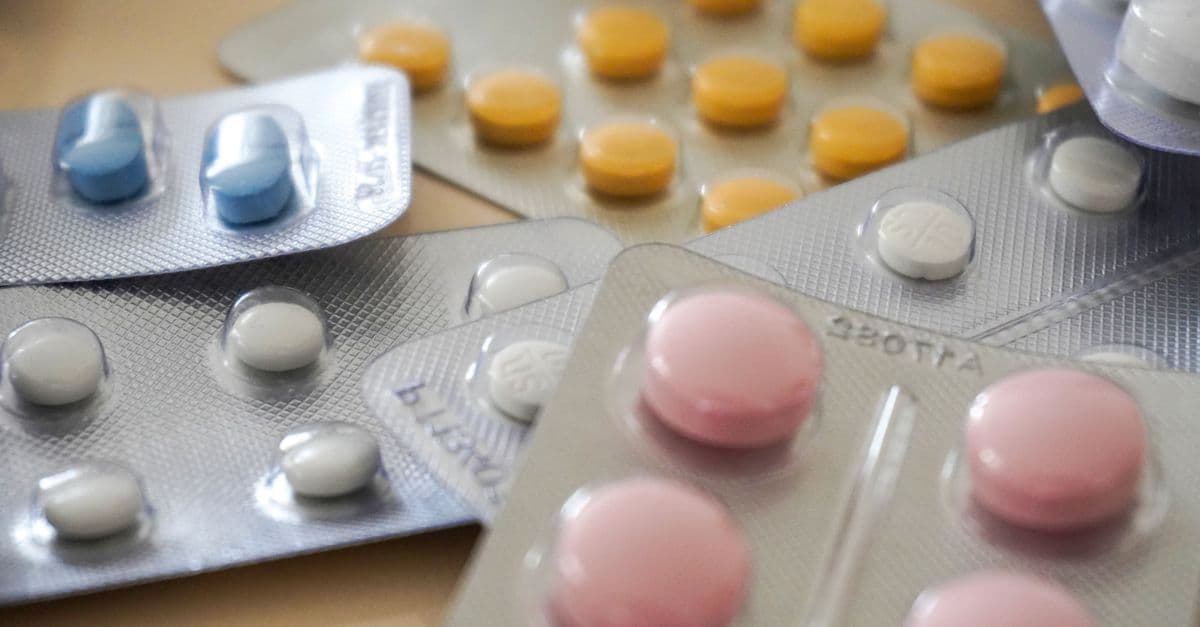
Photo: mehmetography / Pexels
In 1928, Alexander Fleming noticed that mould growing on a discarded petri dish had killed the Staphylococcus bacteria surrounding it. The discovery of penicillin, and the antibiotic era it launched, is one of the few interventions in history that measurably added years to average human lifespan. Surgery, chemotherapy, organ transplants, joint replacements, and neonatal intensive care all depend on being able to keep bacterial infection under control while the body heals.
Thought experiment. This article explores a hypothetical scenario for educational and speculative purposes. The events described are not predictions and should not be interpreted as warnings, advocacy, or instructions.
This is not a distant hypothetical bolted onto a news hook. Antimicrobial resistance already kills more than a million people directly every year, and researchers who study the trend project it will kill tens of millions more over the coming decades if nothing changes. This piece asks the harder question: what happens if resistance wins outright, and the antibiotics we rely on stop working across the board? The answer touches nearly every corner of modern medicine, and it explains why a "boring" class of 20th-century drugs is quietly one of the most consequential technologies humans have ever built.
Why antibiotics were such a big deal in the first place
Before antibiotics, doctors had almost no way to stop a bacterial infection once it took hold. A scraped knee, a burst appendix, or a difficult labor could turn fatal within days, not because medicine of the time was primitive across the board, but because there was no tool that selectively killed bacteria without also harming the patient.
Sulfa drugs arrived in the mid-1930s and were the first true breakthrough; British physicians Leonard Colebrook and Méave Kenny showed that prontosil could cut deaths from puerperal fever (a uterine infection following childbirth) from roughly 27% of cases to about 8%, according to a historical review of childbed fever mortality published on Wikipedia's summary of maternal mortality statistics, drawing on hospital records from the era. Penicillin followed in the 1940s, mass-produced in time to treat wounded soldiers in World War II, and a wave of new antibiotic classes came after it through the 1950s and 1960s. Life expectancy climbed. Surgery that had once been a last resort became routine. Infections that had been a routine cause of death became a footnote in a chart, not a line item on a death certificate.
Think of antibiotics as a fire suppression system built into a building. Nobody thinks about the sprinklers until there's a fire, and by then it's too late to install them. Modern medicine has been built for 80 years on the assumption that the sprinklers work. Surgeons cut you open assuming a course of prophylactic antibiotics will handle any bacteria that gets in. Oncologists suppress your immune system with chemotherapy assuming antibiotics will cover you while your white blood cell count is near zero. Pull the sprinklers out, and the building's design suddenly looks a lot riskier than anyone accounted for.
How antibiotics work, and how bacteria fight back
Antibiotics work by exploiting differences between bacterial cells and human cells. They target processes bacteria need to survive that human cells either don't have or build very differently, which is why (at the right dose) they can kill an infection without also poisoning the patient.
| Mechanism | How it kills bacteria | Example drug classes |
|---|---|---|
| Cell wall disruption | Blocks synthesis of peptidoglycan, the mesh that gives bacterial cells structural integrity; the cell ruptures under its own internal pressure | Penicillins, cephalosporins, vancomycin |
| Protein synthesis inhibition | Binds bacterial ribosomes (which differ structurally from human ribosomes) and halts production of proteins the cell needs | Tetracyclines, macrolides, aminoglycosides |
| DNA replication blockade | Inhibits enzymes (DNA gyrase, topoisomerase) bacteria need to unwind and copy their DNA | Fluoroquinolones |
| Folate synthesis inhibition | Blocks a metabolic pathway bacteria need to make folate; human cells get folate from food instead, so they're unaffected | Sulfonamides |
| Membrane disruption | Punches holes in the bacterial cell membrane, causing contents to leak out | Polymyxins (colistin) |
Table: The five broad mechanisms most clinical antibiotics rely on, and why they can target bacteria selectively.
Bacteria fight back through a handful of evolutionary tricks, and they're very good at it because a bacterial generation can be as short as 20 minutes, which means an extraordinary number of chances to stumble onto a resistance mutation.
- Target mutation: a random mutation changes the shape of the protein an antibiotic normally binds to, so the drug can no longer latch on.
- Efflux pumps: molecular pumps embedded in the cell membrane physically eject the antibiotic before it can act.
- Enzymatic destruction: some bacteria produce enzymes that chemically dismantle the antibiotic. Beta-lactamases, for instance, cleave the ring structure that makes penicillin-family drugs work.
- Bypass pathways: the bacterium evolves an alternate metabolic route that sidesteps the blocked process entirely.
What makes this a systemic threat rather than a one-drug problem is horizontal gene transfer. Bacteria can trade small loops of DNA called plasmids with other bacteria, including entirely different species, passing resistance genes around like a shared cheat sheet. A resistance gene that evolves in one hospital ward, in one patient, in one country, can end up in a completely unrelated bacterial species on another continent within a few years. The NDM-1 gene (New Delhi metallo-beta-lactamase-1), first documented in a patient in Sweden who had been hospitalized in India, was found to confer resistance to nearly all beta-lactam antibiotics, including carbapenems, which are typically reserved as a last resort. Within five years of its first description in 2010, researchers had detected NDM-1-carrying bacteria in more than 70 countries, according to reporting compiled by Medical News Today and the original clinical description published in the New England Journal of Medicine.
Why does resistance keep getting worse instead of stabilizing?
Every dose of antibiotic given to a person, an animal, or a crop is a selection event: susceptible bacteria die, resistant ones survive and multiply into the space left behind. Because antibiotics are used enormously in human medicine, livestock farming, and agriculture, resistant strains are under constant, worldwide selective pressure to spread, which is why global resistance trends have gone in one direction for decades.
How bad the problem already is
This isn't a slow-burning future risk. It's a current, measurable public health emergency, and the numbers are large enough that antimicrobial resistance is already one of the leading causes of death worldwide.
A 2022 analysis in The Lancet, covering data from 204 countries, estimated that bacterial antimicrobial resistance was directly responsible for 1.27 million deaths in 2019 and was a contributing factor in 4.95 million deaths overall, an estimate widely cited as the first global systematic accounting of the AMR burden. A follow-up Global Burden of Disease analysis published in The Lancet in 2024, using 2021 data, put the directly attributable toll at roughly 1.14 million deaths and the associated toll at 4.71 million, while projecting that bacterial AMR will cause 39 million deaths between 2025 and 2050 if current trends continue, according to the Lancet's 2024 systematic analysis and forecast and coverage from the Wellcome Trust. In the United States alone, the CDC's 2019 Antibiotic Resistance Threats Report found that resistant bacteria and fungi cause more than 2.8 million infections and 35,000 deaths every year, and estimated that someone in the US develops an antibiotic-resistant infection roughly every 11 seconds, according to the CDC's Antibiotic Resistance Threats report.
The 2016 Review on Antimicrobial Resistance, commissioned by the UK government and chaired by economist Jim O'Neill, produced the widely quoted projection that AMR could cause 10 million deaths a year by 2050, more than the current global toll of cancer, alongside a cumulative economic cost of $100 trillion, a figure documented in the O'Neill Review's final report and discussed with its caveats by Georgetown's O'Neill Institute. Researchers have since debated the precision of that number, but the directional trend across every major study, the 2016 O'Neill Review, the 2022 Lancet analysis, and the 2024 Lancet follow-up, points the same way: resistance is rising, and the death toll attributable to it is rising with it.
A handful of specific pathogens illustrate how far this has already gone in clinical practice:
- Methicillin-resistant Staphylococcus aureus (MRSA): resistant to nearly all penicillin-class drugs and common in hospital settings, requiring second- and third-line drugs with more side effects.
- Vancomycin-resistant Enterococcus (VRE): resistant to a drug historically held in reserve for cases where nothing else worked.
- Carbapenem-resistant Enterobacteriaceae (CRE): resistant to nearly the entire beta-lactam class, with the CDC classifying it as an urgent threat and clinical mortality for bloodstream infections frequently cited in the 30-50% range in hospital case series.
- Multi-drug-resistant and extensively drug-resistant tuberculosis (MDR-TB, XDR-TB): standard TB treatment runs about six months; drug-resistant strains can require up to two years of treatment with lower cure rates and more toxic drugs.
- Drug-resistant Neisseria gonorrhoeae: the World Health Organization has flagged strains resistant to nearly every antibiotic class historically used against it as a priority global health threat.
Total antibiotic failure: walking through the thought experiment
Now push the scenario to its logical extreme. Imagine every major antibiotic class in current clinical use loses its effectiveness within a short window, whether through the runaway spread of resistance genes like NDM-1 or a prolonged failure to develop replacements. This is the scenario researchers sometimes call a "post-antibiotic era," and it's worth walking through department by department, because the consequences aren't evenly distributed. Some fields of medicine would be inconvenienced. Others would functionally cease to exist as we know them.
Surgery becomes a high-stakes gamble again
Nearly all elective surgery today relies on prophylactic antibiotics, a single dose or short course given before or during a procedure to prevent infection at the incision site. Without that safety net, procedures that are currently considered routine and low-risk would carry meaningfully higher odds of a life-threatening complication.
- Joint replacements (hip and knee): pre-operative infection rates for these procedures are kept below 1% specifically through antibiotic prophylaxis and sterile technique working together; remove the antibiotic half of that equation and infection rates climb substantially, and a deep joint infection often means removing the implant entirely.
- Caesarean sections: a C-section is major abdominal surgery performed on a patient who is often already immunologically taxed by pregnancy and blood loss; infection risk without effective prophylaxis rises sharply.
- Appendectomy: currently one of the most routine emergency surgeries performed worldwide, it becomes considerably riskier once a ruptured appendix can seed an untreatable abdominal infection.
- Cardiac and transplant surgery: procedures involving prosthetic material (heart valves, stents, grafts) are especially vulnerable, because bacteria that colonize implanted material are notoriously hard to clear even with working antibiotics.
Cancer treatment loses its safety net
Chemotherapy works partly by killing rapidly dividing cells, and that includes the bone marrow cells that produce white blood cells. A common, expected side effect of many chemotherapy regimens is neutropenia, a period where the immune system is severely weakened and the patient is dependent on antibiotics to survive routine bacterial exposure. Take that dependency away, and the calculus of chemotherapy changes: the treatment that's supposed to cure the cancer becomes a treatment that might kill the patient through opportunistic infection before the cancer does. Oncologists already treat febrile neutropenia (fever during a low-white-cell-count period) as a medical emergency requiring immediate antibiotics precisely because the alternative is often fatal within days.
Organ transplantation becomes largely untenable
Transplant recipients take immunosuppressive drugs for the rest of their lives to prevent organ rejection, which means their immune systems are permanently, deliberately weakened. Transplant medicine as a field is built on the assumption that antibiotics can manage the infections that immunosuppression makes likely. Without that assumption holding, the risk-benefit calculation for offering someone a kidney, liver, or heart transplant changes fundamentally, and many patients who currently receive transplants would not be considered viable candidates.
Everyday infections become dangerous again
Beyond the hospital, ordinary infections that antibiotics currently resolve in days would once again carry serious risk of complication or death.
- Strep throat, left untreated, can progress to rheumatic fever, which can permanently damage heart valves.
- Minor skin infections can progress to cellulitis and, from there, to sepsis (a body-wide, life-threatening inflammatory response to infection).
- Bacterial pneumonia, currently treatable with antibiotics in the vast majority of cases, was a leading cause of death in the pre-antibiotic era.
- Tuberculosis, currently curable with a multi-drug regimen, would return to something closer to its historical mortality pattern.
- Childhood ear infections, usually a minor and self-limiting nuisance today, can progress to mastoiditis (infection of the skull bone behind the ear) or bacterial meningitis if untreated.
Childbirth and dentistry
Puerperal fever, a uterine infection following childbirth, is the clearest historical case study of what losing antibiotics looks like, because it's one of the few conditions where we have detailed before-and-after hospital mortality records. As covered above, ward-level death rates before effective antimicrobial treatment sat in the 20-25% range, and the introduction of sulfa drugs in the 1930s cut that dramatically within a few years. A world without effective antibiotics would put that risk back on the table for a routine, universal human experience.
Dental infections follow a similar logic on a smaller scale: a tooth abscess is, at its core, a localized bacterial infection, and it can spread into surrounding tissue, the jaw, or in rare untreated cases, the bloodstream. Antibiotics currently make that spread rare. Without them, a cavity left unaddressed becomes a meaningfully riskier problem than it is today.
What this would do to life expectancy
Average life expectancy at birth in high-income countries sits around 78-83 years today, up from roughly 47 years in the United States in 1900, according to historical CDC and demographic data. A meaningful share of that gain, alongside sanitation, vaccination, and clean water access, came from the ability to control bacterial infection. Reversing the antibiotic piece of that equation wouldn't erase every year of that gain, since sanitation and vaccines would still hold, but it would claw back a substantial portion of it.
The mortality shift would hit hardest at both ends of the age spectrum and at points of maximum vulnerability in between: infants and young children, whose immune systems are less experienced and who are disproportionately affected by pneumonia, sepsis, and meningitis; women during childbirth; elderly people, who are more susceptible to pneumonia, urinary tract infections progressing to sepsis, and post-surgical infection; and cancer patients, for whom chemotherapy would become a much riskier proposition. None of these groups would be spared by better nutrition or modern sanitation alone, because the specific failure mode is bacterial infection control, not general public health infrastructure.
What actually slows resistance down
The picture isn't hopeless, and it's worth being precise about what's currently working, because the world hasn't been standing still on this problem.
New antibiotic discovery has been sluggish but not dead. Between roughly 1987 and 2017, pharmaceutical companies brought almost no genuinely new classes of antibiotics to market, a period researchers refer to as the "discovery void," largely because antibiotics are commercially unattractive: they're taken for a short course and cure the patient, unlike a chronic-disease drug taken for decades. Teixobactin, discovered using a novel soil-bacteria cultivation method (the iChip) and first described in a 2015 Nature paper, was one of the first genuinely new-class candidates to emerge from that drought, though it remains in earlier-stage development rather than clinical use.
Phage therapy is a real, if narrow, alternative. Bacteriophages are viruses that infect and kill specific bacteria, and they've been used clinically in parts of the former Soviet Union for decades. Western medicine's most widely reported recent case is Tom Patterson, a UC San Diego psychiatry professor who contracted a multidrug-resistant Acinetobacter baumannii infection in Egypt in 2015 and fell into a coma as conventional antibiotics failed. A team from UC San Diego, working with researchers at Texas A&M's Center for Phage Technology and the US Navy, sourced an intravenous phage cocktail from existing phage libraries and environmental samples; Patterson began improving almost immediately and made a full recovery after nine months in the hospital, according to reporting from UC San Diego Health and UC San Diego Today. It was the first documented systemic use of intravenous phage therapy in the United States and led directly to the founding of the Center for Innovative Phage Applications and Therapeutics (IPATH) at UC San Diego, the first center of its kind in North America.
Antibiotic stewardship works, but requires constant effort. Hospital programs that audit and restrict unnecessary antibiotic prescribing have measurably slowed the growth of resistance in the facilities that implement them well. The CDC's own tracking found that prevention efforts had reduced US antibiotic-resistance-related deaths by 18% overall (and nearly 30% in hospitals specifically) between the 2013 and 2019 threat reports, even as the underlying resistance problem grew more complex.
Reducing agricultural use matters. A large share of global antibiotic use by volume goes into livestock, and several countries have restricted or banned the routine use of medically important antibiotics for growth promotion in farm animals, reducing one major source of selective pressure.
Better diagnostics reduce unnecessary prescribing. Rapid tests that distinguish bacterial from viral infection (a common source of inappropriate antibiotic prescriptions for colds and flu) help preserve the effectiveness of existing drugs by cutting down on use that was never going to help in the first place.
None of these measures alone would stop the resistance trend. Together, they slow it, and slowing it buys the time needed for the harder, slower work of drug discovery to catch up.
What people get wrong about antibiotic resistance
Myth: resistance means the drug "wears off" the way a battery loses charge. Antibiotics don't degrade with use. What happens is evolutionary selection: susceptible bacteria die off, and the small fraction that happened to carry (or acquire) resistance survive and reproduce, gradually making the resistant strain more common in the overall bacterial population. The drug itself works exactly the same on day one and day one thousand; it's the target population of bacteria that has shifted.
Myth: this is mainly a problem caused by patients not finishing their prescriptions. Incomplete courses can contribute to resistance in specific situations, but the dominant drivers at a population level are the sheer volume of antibiotic use in medicine and, especially, agriculture, plus the ease with which resistance genes spread between bacterial species through horizontal gene transfer. Individual prescription-completion behavior matters at the margins; it isn't the central mechanism.
Myth: we'll just discover new antibiotics as fast as bacteria evolve resistance to old ones. This was roughly true from the 1940s through the 1960s, the so-called golden age of antibiotic discovery. It stopped being true afterward. The nearly three-decade "discovery void" from 1987 to 2017 shows the pipeline can dry up for economic and scientific reasons that have nothing to do with how fast bacteria are evolving.
Myth: antibiotic resistance is a hospital problem, not something that affects healthy people. Resistant infections increasingly show up in community settings, not just hospitals, including skin infections, urinary tract infections, and sexually transmitted infections like drug-resistant gonorrhea. Anyone who ever needs a course of antibiotics, for any reason, is exposed to the consequences of a shrinking effective drug supply.
Myth: phage therapy is ready to replace antibiotics broadly. Cases like Tom Patterson's are genuinely significant, but phage therapy currently requires finding or engineering a phage that matches a specific bacterial strain, which is a slower, more individualized process than prescribing a broad-spectrum antibiotic off the shelf. It's a promising complement for specific hard cases, not yet a drop-in replacement at the scale modern medicine currently needs.
Frequently asked questions
Q: How many people currently die from antibiotic resistance each year? A: A 2022 global analysis in The Lancet estimated 1.27 million deaths were directly attributable to bacterial antimicrobial resistance in 2019, with a further 3.68 million deaths where resistance was a contributing factor, for a total associated toll of 4.95 million. A 2024 follow-up using 2021 data estimated roughly 1.14 million directly attributable deaths.
Q: Could antibiotics really stop working completely? A: Total, simultaneous failure of every antibiotic class is an extreme scenario used here as a thought experiment, not a specific prediction. What's real and already documented is the steady erosion of effectiveness across drug classes as resistance spreads, which is why organizations like the WHO treat AMR as an active global health priority rather than a future risk.
Q: What's the difference between antibiotic resistance and antimicrobial resistance? A: Antibiotic resistance specifically refers to bacteria evolving resistance to antibacterial drugs. Antimicrobial resistance (AMR) is the broader umbrella term that also covers resistant viruses, fungi, and parasites. Most of the public health data and projections discussed here focus specifically on bacterial AMR, since it currently represents the largest measured burden.
Q: Why don't pharmaceutical companies just make more new antibiotics? A: Antibiotics are commercially unattractive investments compared to drugs for chronic conditions. A new antibiotic is typically used for a short course, cures the patient, and is then held in reserve to slow resistance from developing against it, which limits the return on the investment required to bring it to market. This economic mismatch is a major reason the field saw almost no new drug classes between 1987 and 2017.
Q: Is phage therapy a realistic replacement for antibiotics? A: It's a genuinely promising complement for specific, hard-to-treat cases, as demonstrated in the Tom Patterson case at UC San Diego, but it isn't a broad replacement yet. Phages are typically specific to particular bacterial strains, which makes matching a phage to an infection a slower, more individualized process than reaching for a standard antibiotic.
Q: What can an individual actually do about antibiotic resistance? A: Take antibiotics only when a clinician has confirmed a bacterial infection, complete the prescribed course as directed, never share or reuse leftover antibiotics, stay current on vaccinations (which reduce infections that might otherwise require antibiotic treatment), and practice basic hygiene like handwashing to reduce transmission of resistant strains in the first place.
Q: Which infections are already the hardest to treat because of resistance? A: Carbapenem-resistant Enterobacteriaceae (CRE), extensively drug-resistant tuberculosis (XDR-TB), and drug-resistant Neisseria gonorrhoeae are among the pathogens public health agencies flag as urgent or priority threats, because they're resistant to most or all of the antibiotics that would normally be used against them.
Q: How much of the antibiotics used worldwide go to livestock rather than humans? A: Agricultural use represents a large share of global antibiotic volume, and it's a significant driver of resistance because it creates continuous selective pressure across huge animal populations. Several countries have restricted or banned routine antibiotic use for livestock growth promotion specifically to reduce this pressure.
Q: Did life expectancy really rise because of antibiotics, or is that overstated? A: Antibiotics are one of several major contributors to the roughly 30-year rise in life expectancy in high-income countries since 1900, alongside vaccination, sanitation, and clean water access. Isolating antibiotics' exact share is difficult, but the puerperal fever mortality data (a sharp drop specifically coinciding with the introduction of sulfa drugs in the 1930s) is one of the clearest single-cause examples on record.
The takeaway
Antibiotic resistance isn't a speculative risk waiting in the wings. It's already one of the leading causes of death worldwide, and the trend line across every major study points the same direction. The thought experiment of total antibiotic failure is useful precisely because it makes visible how much of modern medicine, not just infectious disease treatment but surgery, cancer care, transplantation, and childbirth, quietly depends on a class of drugs most people only think about when they have a sinus infection. The tools to slow the crisis exist: stewardship, better diagnostics, reduced agricultural use, and emerging alternatives like phage therapy. What's missing is the sustained investment and coordination to deploy them at the scale the problem demands, and that gap, not any single resistant bacterium, is the real variable that decides which direction this goes.
Read next:
Follow new articles
Add SciHub101 to your feed reader to see new science and technology stories.
About the Author
SciHub101 is an independent science and technology publication founded and edited by Buğra Sözeri, a software engineer and app developer based in Türkiye. AI tools assist with drafting and research. Source documentation in the existing archive is uneven, and articles are being reviewed and corrected. The Editorial Team byline identifies editorial responsibility; it does not certify specialist or independent human review. Where we compare products, anything built by our own team is labelled as such — see the editorial guidelines and About page for how corrections and disclosures work.
Related Articles

What If All Bees Went Extinct?
Bees pollinate roughly one-third of the food we eat. If they vanished, our diets would collapse to staple grains, the prices of fruits, nuts, and vegetables would soar, and entire ecosystems built on flowering plants would unravel within a generation.

What If Earth Had No Continents?
An Earth covered entirely by ocean — a 'water world' — would have no terrestrial life, simpler climate dynamics, and a chemistry profoundly altered by the absence of continental weathering. Land has shaped Earth far more than most people realize.
Why Antibiotics Are Running Out — The Science Behind Antimicrobial Resistance
Bacteria are evolving faster than we can fight them. No major new antibiotic class has been discovered since 1987, 700,000 people die from drug-resistant infections every year, and the clock is ticking. Here is the science behind antimicrobial resistance — and what might save us.

What If Humans Could Regrow Limbs Like Axolotls?
Axolotls do it effortlessly. What would it mean for medicine, warfare, disability, and human identity if we could too? The science is closer than you think — and the implications are stranger than you'd expect.
How Do Antibiotics Actually Work — and Why Resistance Matters
Antibiotics transformed medicine. Used right, they cure deadly infections in days. Used wrong, they're driving one of the biggest health threats we face. Here's how they really work.

What If Every Person Had a Personal AI Doctor?
A doctor who knows your complete medical history, never forgets, is available at 3 AM, and has read every study ever published. What's not to like?