How Do Antibiotics Actually Work — and Why Resistance Matters
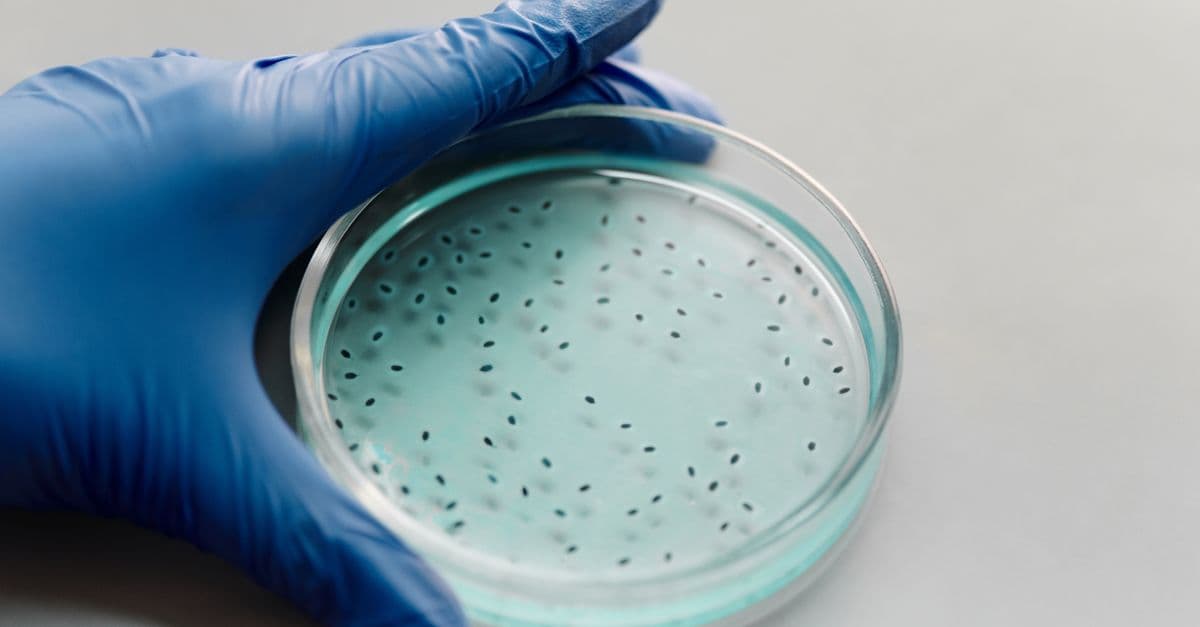
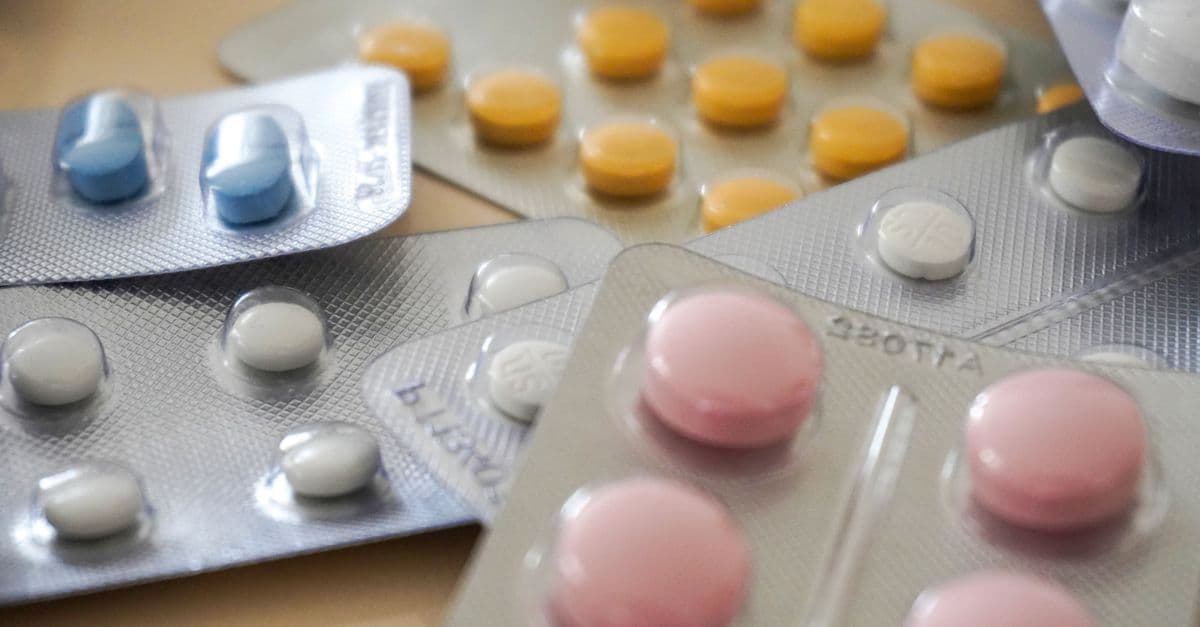
Photo: Edward Jenner / Pexels
Before antibiotics, an infected cut or a bout of pneumonia could kill within days, and doctors had little to offer. Knowing how antibiotics work explains both why penicillin transformed medicine after its discovery in 1928 and why bacteria keep evolving ways around every drug that followed. Antibiotics exploit differences between bacterial cells and human cells. Resistance is what happens when natural selection answers back. This article covers the five main mechanisms, why they fail against viruses, how resistance arises, and what current data show about its toll.
Educational content, not medical advice. Talk to your doctor before changing any medication, treatment, or routine. Information here reflects current research but every person's situation differs.
Key takeaways
- Antibiotics target structures that bacteria have and human cells lack or build differently: cell walls, ribosomes, DNA-copying enzymes, folate synthesis, and cell membranes.
- Some antibiotics kill bacteria (bactericidal) and others stop them from multiplying (bacteriostatic), which leaves the immune system to finish the job.
- Antibiotics do not work on viruses, which lack these targets and use the host cell's machinery.
- Resistance spreads by mutation, selection, and gene sharing between bacteria. A 2024 Lancet analysis put the 2021 toll at 1.14 million deaths directly attributable to bacterial resistance and 4.71 million deaths associated with it.
- The pipeline of truly new antibiotics is thin: the World Health Organization counted 90 agents in clinical development in 2025, only 15 of them innovative.
From a neglected plate to a new era
In the summer of 1928, Alexander Fleming left culture plates on a bench, came back to find mold on them, and noticed that bacteria near the mold had died. He published the finding a year later. Howard Florey and Ernst Chain's team in Oxford later turned the mold's active compound into a usable drug, and a Lancet report in 1941 described the first treated patients. Fleming, Florey, and Chain shared the 1945 Nobel Prize in Physiology or Medicine. Our deep dives on the Fleming penicillin experiment, the invention of antibiotics, and Fleming's life tell that story in full.
The warning came almost immediately. In December 1940, before penicillin was in wide use, Edward Abraham and Ernst Chain reported in Nature an enzyme from bacteria able to destroy penicillin. And in his Nobel lecture on December 11, 1945, Fleming said: "There is the danger that the ignorant man may easily underdose himself and by exposing his microbes to non-lethal quantities of the drug make them resistant" (quoted by Vanderbilt University Medical Center). The rest of this article is, in a sense, a long footnote to that sentence.
What an antibiotic targets, and why your own cells survive
A good antibiotic has to be a selective poison. It must wreck something a bacterium needs and leave human cells untouched. Think of a lock-picking kit that works only on a particular brand of lock: the drug fits a molecular feature that bacteria have and we lack, or that is shaped differently in us.
That is why the same few targets keep recurring. A recent review in Antibiotics sorts the drugs into five groups by what they attack: cell wall synthesis, membranes, nucleic acid synthesis, protein synthesis, and the folate pathway (Ma et al., 2026). The rest of this section walks through each group, with the table below summarizing them.
Two terms are worth knowing early. A bactericidal drug kills bacteria; a bacteriostatic drug halts their growth and leaves the immune system to clear them. The review lists beta-lactams, daptomycin, rifamycins, aminoglycosides, and polymyxins as bactericidal, and tetracyclines and sulfonamides as bacteriostatic. The line is not fixed. Quinolones, for example, are mainly bacteriostatic near their minimum inhibitory concentration (the lowest dose that stops visible growth) and kill rapidly at higher concentrations.
| Target | Example drugs | Usual effect | A resistance route described in the literature |
|---|---|---|---|
| Cell wall | Penicillins and cephalosporins (beta-lactams), vancomycin, fosfomycin | Beta-lactams kill by lysis (bursting) | Beta-lactamase enzymes; vancomycin-resistant bacteria swap the drug's binding site |
| Protein synthesis | Aminoglycosides (gentamicin), tetracyclines, macrolides (erythromycin), linezolid | Aminoglycosides kill; tetracyclines stop growth | Efflux pumps, drug-modifying enzymes, altered ribosomal RNA |
| DNA and RNA synthesis | Quinolones (ciprofloxacin), rifampicin, metronidazole | Quinolones kill at higher doses; rifamycins kill | Mutations in gyrase or in the RNA polymerase gene rpoB |
| Folate pathway | Sulfonamides, trimethoprim | Sulfonamides stop growth; the pair work together | Mutated or acquired folate enzymes |
| Cell membrane | Daptomycin, polymyxins (colistin) | Kill | Chemical modification of the membrane lipid (mcr genes) |
Cell wall drugs: why penicillin makes bacteria burst
Most bacteria are wrapped in a mesh called peptidoglycan, a molecular chain-link fence that is cross-linked into a rigid shell. It holds the cell's shape and stops it from swelling and popping under its own internal pressure. Human cells have no peptidoglycan, which is why a drug that attacks it is so selective.
Beta-lactams, the family that includes penicillin and cephalosporins, bind the enzymes called penicillin-binding proteins that stitch the mesh together. In the words of the Antibiotics review, they disrupt "peptidoglycan crosslinking" and cause bacterial lysis (Ma et al., 2026). A 2010 review in Nature Reviews Microbiology adds that beta-lactams block the cross-linking step by inhibiting the peptide-bond-forming reaction, and that killing involves the bacterium's own wall-cutting enzymes, called autolysins (Kohanski, Dwyer, and Collins, 2010). The picture is of a builder who keeps adding bricks while someone removes the mortar: the wall grows, but it cannot hold.
Other drugs in this class hit different steps. Vancomycin binds the D-alanine-D-alanine ends of the wall's building blocks, and fosfomycin blocks the first committed step of making them. The wall is not the only barrier, though: many dangerous bacteria wear a second layer outside it. The CDC notes that Gram-negative bacteria use their outer membrane to keep out some antibiotics (CDC). That is the reason the Gram stain, a classic lab test that sorts bacteria by how their walls take up a dye, still guides drug choice: Gram-positive and Gram-negative bacteria present different barriers.
Protein-synthesis drugs: jamming the assembly line
Every living cell builds proteins on molecular machines called ribosomes. Bacterial ribosomes are built from a small (30S) and a large (50S) subunit, and differ enough from human ones that drugs can tell them apart. Different antibiotics jam different points on the assembly line.
- Aminoglycosides such as gentamicin bind the 30S subunit and cause the ribosome to misread the message. The 2010 review notes that they "promote protein mistranslation through the incorporation of inappropriate amino acids," and they are the broadly bactericidal drugs in this group.
- Tetracyclines also bind the 30S subunit, but they work by "blocking the access of aminoacyl-tRNAs to the ribosome," which stops growth and does not usually kill.
- Macrolides such as erythromycin bind the 50S subunit and block the step where the growing chain is extended. They are typically bacteriostatic.
- Oxazolidinones such as linezolid bind the 50S subunit's catalytic center.
A useful comparison is sabotage in a factory. Blocking the conveyor belt stops production, but workers can restart it when the blockage clears; that is bacteriostatic. Scrambling the blueprints so that every product comes out defective is far harder to recover from, which is closer to what aminoglycosides do.
DNA, RNA, and folate drugs: attacking the copying machinery
Quinolones such as ciprofloxacin target two enzymes that manage DNA coiling during copying, DNA gyrase and topoisomerase IV. They trap the enzymes at the stage where they have cut the DNA, and the net effect, in the words of the 2010 review, is "to generate double-stranded DNA breaks" that stall replication. Gyrase is the main target in Gram-negative bacteria and topoisomerase IV in Gram-positives such as Streptococcus pneumoniae.
Rifamycins such as rifampicin block bacterial RNA polymerase, the enzyme that reads DNA into RNA, and are potent against Gram-positive bacteria and mycobacteria. Resistance can arise quickly through mutations in the rpoB gene. Metronidazole is a prodrug, meaning it is inactive until the bacterium's own chemistry switches it on, and that switch happens under low-oxygen conditions, which is why it is used against anaerobic bacteria.
Sulfonamides and trimethoprim hit two successive steps in making folate, a vitamin that cells need for building DNA. Bacteria must make their own folate, whereas humans get it from food, which is the basis of the drugs' selectivity. Taken together, the review says the combination shows strong synergy.
Membrane attackers: the last-resort group
A few drugs go for the cell membrane. Daptomycin forms pores in the membranes of Gram-positive bacteria in a calcium-dependent manner. Polymyxins, including colistin, displace the positively charged ions that stabilize the outer membrane of Gram-negative bacteria and so destabilize it. These drugs are generally reserved for difficult infections, partly because of side effects and partly to preserve their usefulness. Resistance to colistin has been traced to genes such as mcr-1, which the CDC describes as a case of bacteria changing the drug's target.
Why antibiotics do nothing against viruses
The CDC states it plainly: "Antibiotics DO NOT work on viruses." It lists colds, flu, most sore throats (strep throat is the exception), and most cases of bronchitis as viral illnesses that antibiotics do not treat (CDC). Taking them anyway will not help you feel better, and their side effects can still cause harm.
The reason follows from the targets above. A virus has no cell wall, no ribosomes, and no folate pathway of its own. It hijacks the host cell's machinery to copy itself, so a drug that hits that machinery would hit the patient's cells too. Antiviral drugs exist, but they are separate medicines developed for specific viruses. For how the body handles viral infections, see our guides to how the immune system fights viruses and how influenza works.
Why one drug fits one infection and not another
Doctors do not choose antibiotics at random. The choice depends on which bacterium is likely to be causing the infection, where in the body it is, and how local resistance patterns look.
Spectrum. A broad-spectrum antibiotic acts on many kinds of bacteria. A narrow-spectrum one acts on a small group. Broad drugs are convenient when the culprit is unknown, but they also hit harmless bacteria that live in the gut and on the skin. The gut microbiome is a community, and antibiotics can disturb it. Guidelines generally favor the narrowest drug that will work, once the organism is known.
Specific organisms. Treatment for tuberculosis uses a dedicated set of drugs. The World Health Organization reports that standard treatment of drug-susceptible TB takes four to six months of daily medication (WHO). That length is one reason adherence and resistance are such large issues for TB.
Where the bacteria live. Some drugs reach the bloodstream well, others concentrate in the urine, and some do not cross into the brain. That is why the same infection can need a different drug in a different organ.
How bacteria fight back: five resistance strategies
Resistance is evolution in plain sight. The CDC describes five general ways bacteria defend themselves, each with a concrete example (CDC):
- Restrict access. Change or reduce the entrances through which a drug enters. Gram-negative bacteria use their outer membrane this way.
- Pump the drug out. Efflux pumps expel drugs; some Pseudomonas aeruginosa strains pump out several antibiotics.
- Destroy the drug. Klebsiella pneumoniae can make carbapenemases, enzymes that break down carbapenems and most other beta-lactams.
- Change the target. E. coli carrying the mcr-1 gene alters the site that colistin binds.
- Bypass the target. Some Staphylococcus aureus strains develop alternative routes around the blocked step, as with trimethoprim.
Vancomycin resistance shows how precise this can be. Vancomycin normally binds the D-alanine-D-alanine ends of wall precursors. Resistant bacteria degrade those ends and replace them with D-alanine-D-lactate or D-alanine-D-serine, to which vancomycin binds poorly (Stogios and Savchenko, 2020). It is a one-atom change in a lock that the key no longer fits.
How resistance spreads: selection and gene sharing
Resistance needs two ingredients: variation and selection. In a very large bacterial population, a few cells will carry a mutation or a gene that gives some protection. Add an antibiotic and the susceptible majority dies. The survivors multiply into the space that is left. Think of a sieve that lets only the resistant cells through. The drug did not create the resistance; it only revealed and amplified it.
What makes bacteria different from most organisms is that resistance genes do not travel only from parent to offspring. Bacteria can pass genes sideways, a process called horizontal gene transfer, often on small DNA circles called plasmids. A resistance gene can therefore jump between species. We cover the mechanisms in horizontal gene transfer and trace real transmission routes in how antibiotic resistance spreads.
The CDC adds that resistance "can move easily across borders and can spread in places like hospitals, farms, the community and the environment." The World Health Organization says misuse and overuse of antibiotics "remains one of the main drivers" of antimicrobial resistance (WHO fact sheet, updated July 16, 2026). Use in animals matters as well. A 2023 modeling study (Mulchandani et al., PLOS Global Public Health) estimated that about 99,500 tonnes of antimicrobials were used in food animals worldwide in 2020, with a very wide uncertainty range, and a published response argued the model is too uncertain for policy use. In the European Union, the use of antibiotics as feed growth promoters was banned from January 1, 2006 (Times Higher Education report).
How big is the problem: the numbers now
Older articles often quote "700,000 deaths a year" and "10 million by 2050." Those figures date from a UK-commissioned review that projected the burden before it had been measured country by country. Newer studies measure it directly, and the picture is both more precise and sobering.
| Measure | Figure | Year and source |
|---|---|---|
| Deaths attributable to bacterial resistance | 1.27 million | 2019, Lancet 2022 |
| Deaths associated with bacterial resistance | 4.95 million | 2019, Lancet 2022 |
| Deaths attributable to bacterial resistance | 1.14 million | 2021, Lancet 2024 |
| Deaths associated with bacterial resistance | 4.71 million | 2021, Lancet 2024 |
| Forecast attributable deaths in 2050 | 1.91 million | Lancet 2024 |
| Forecast associated deaths in 2050 | 8.22 million | Lancet 2024 |
| US antimicrobial-resistant infections and deaths per year | More than 2.8 million and 35,000 | CDC report, 2019 data |
"Attributable" means deaths that would not have happened without resistance; "associated" counts deaths in which a resistant infection was involved. The 2019 analysis found that lower respiratory infections caused more than 1.5 million resistance-associated deaths, and that six pathogens (E. coli, S. aureus, K. pneumoniae, S. pneumoniae, A. baumannii, and P. aeruginosa) accounted for 929,000 attributable deaths. For 2021, the GRAM analysis reported about 130,000 attributable deaths from MRSA (methicillin-resistant Staphylococcus aureus), and an uneven pattern by age: attributable deaths in children under five fell by more than half since 1990, from 488,000 to 193,000, while those in adults over 70 rose by 89% (CIDRAP summary). The same coverage reports a forecast of more than 39 million attributable deaths cumulatively between 2025 and 2050 if nothing changes. The 2024 paper also estimated that better care and access to antibiotics could avert 92 million deaths over the same period.
The earlier projection of 10 million deaths a year by 2050, from the UK-commissioned O'Neill review, is higher than the 2024 forecast of 1.91 million attributable deaths and also higher than its 8.22 million associated deaths, so the older number is best read as a worst case. That does not make the problem small: WHO puts the number of deaths associated with bacterial resistance in 2021 above 4.7 million. And the CDC reported in July 2024 that six hospital-onset resistant infections rose by a combined 20% during the COVID-19 pandemic compared with before it.
Tuberculosis shows the stakes in a single disease. WHO data for 2024 report 10.7 million people falling ill with TB and 1.23 million deaths, with only about two in five people with drug-resistant TB accessing treatment. For a thought experiment on what an antibiotic-free world would look like, see What If Antibiotics Stopped Working?.
Why so few new antibiotics are coming
The pipeline is thin. WHO's 2025 analysis, released October 2, 2025, counted 90 antibacterial agents in clinical development, down from 97 in 2023. Of the 90, 50 are traditional antibacterials and 40 are non-traditional, such as bacteriophages, antibodies, and microbiome-modulating agents. Only 15 are considered innovative, and only five are active against at least one bacterium on WHO's "critical" priority list (WHO news release).
Part of the problem is economic. A drug taken for days earns far less than one taken for years, and a new antibiotic is often held in reserve by doctors to protect it, so sales stay low. For the longer story of why the pipeline dried up and what policy fixes are being tried, read why antibiotics are running out.
New ideas: AI-found molecules and new drug classes
Two recent results show what progress can look like.
In 2020, a team at MIT and the Broad Institute led by Jonathan Stokes, James Collins, and Regina Barzilay used a machine-learning model, trained on about 2,500 molecules, to search for compounds that inhibit bacterial growth. It flagged a molecule named halicin, which had previously been studied as a diabetes drug. In lab tests, E. coli did not develop resistance to halicin over 30 days, while resistance to ciprofloxacin began within one to three days and grew to about 200 times the starting level (MIT News). Those are laboratory results; halicin is not an approved drug. Our article on AI and antibiotic discovery covers this research direction.
In January 2024, researchers at Roche reported zosurabalpin, a member of a new class of tethered macrocyclic peptides. It blocks the LptB2FGC complex that moves lipopolysaccharide from the inner to the outer membrane of Gram-negative bacteria. In the Nature paper's abstract, it treated highly drug-resistant carbapenem-resistant Acinetobacter baumannii in the lab and in mouse infection models, and the authors noted that no new antibiotic class against that pathogen had reached patients in more than 50 years (Zampaloni et al., 2024). It is a candidate in clinical development, not a finished therapy.
Should you always finish the course? What the evidence says
The public message for decades was to finish every course even after you feel better. The CDC's current advice is to "take them exactly as prescribed," not to share them, and not to save leftovers for later illnesses (CDC).
In 2017, a group led by Martin Llewelyn published an analysis in the BMJ titled "The antibiotic course has had its day." Summaries of the paper report that the authors argued that there is no good evidence that stopping early raises the risk of resistance, that longer courses may add to resistance in bacteria beyond the target, and that more research on optimal duration was needed. Critics replied that shortening regimens should wait for trial evidence, and the UK's chief medical officer at the time said the public message should stay unchanged until more research was done. The article was a commentary, and the debate is about how long a course should be, not about whether to follow professional advice.
The practical upshot is modest. Appropriate durations are set by the type and severity of infection, and for many conditions shorter courses are being studied. Because that decision depends on the patient, the sensible approach is to follow the prescriber's instructions and to ask them directly if you want to know whether a shorter course would suit your case.
Common misconceptions
"Stronger antibiotics are better." The goal is the narrowest drug that works, not the most powerful. Broad drugs disturb more of the body's normal bacteria.
"Antibiotics work on any infection." They work on bacterial infections only. Colds, flu, and most sore throats and bronchitis are viral.
"My body becomes resistant." The bacteria become resistant, not you. A resistant bacterium can infect people who have never taken the drug.
"Resistance only matters in hospitals." Hospitals concentrate it, but the CDC notes resistance spreads across hospitals, farms, communities, and the environment.
"If it worked last time, it will work again." Local resistance patterns shift, so the right drug for the same infection can change over time.
The takeaway
Antibiotics work because bacteria are built differently from us: they have walls to burst, ribosomes to jam, DNA-copying enzymes to trap, vitamins to synthesize, and membranes to puncture. Resistance works because bacteria multiply fast, vary widely, and trade genes. The tools that follow from those two facts are not exotic: use antibiotics only where bacteria are the problem, choose the narrowest drug that works, prevent infections so fewer drugs are needed, and fund discovery that markets will not. Fleming saw the logic in 1945. The newest data show that the stakes are measured in millions of lives a year, and the newest drugs, from AI-screened molecules to new classes aimed at the outer membrane, show that discovery is not finished.
Frequently asked questions
Q: How do antibiotics kill bacteria without harming human cells? A: They target features that bacteria have and human cells lack or build differently, such as the peptidoglycan cell wall, bacterial ribosomes, bacterial DNA gyrase, and the bacterial folate pathway. The selectivity is not perfect, which is why antibiotics can cause side effects and disturb the gut microbiome.
Q: Why can't antibiotics treat a cold or the flu? A: Colds and flu are caused by viruses, which have no cell wall, ribosomes, or folate pathway of their own and instead use the host cell's machinery. The CDC states that antibiotics do not work on viruses and that taking them for viral illness will not help you feel better.
Q: What is the difference between bactericidal and bacteriostatic antibiotics? A: Bactericidal antibiotics, such as beta-lactams and aminoglycosides, kill bacteria. Bacteriostatic antibiotics, such as tetracyclines and sulfonamides, stop them from multiplying and rely on the immune system to clear the infection. The line can blur, because some drugs act differently at higher doses.
Q: How does antibiotic resistance develop? A: Random mutations or acquired genes let some bacteria survive a drug. Treatment kills the susceptible cells and leaves the resistant ones to multiply. Bacteria can also pass resistance genes to each other, even across species, through plasmids and other routes.
Q: How many people die from antibiotic-resistant infections? A: A 2024 Lancet analysis estimated 1.14 million deaths directly attributable to bacterial resistance in 2021, and 4.71 million deaths associated with it. It forecast 1.91 million attributable deaths and 8.22 million associated deaths in 2050 if current trends continue.
Q: Should I stop taking antibiotics when I feel better? A: Follow your prescriber's instructions. The CDC advises taking antibiotics exactly as prescribed. Researchers are studying whether shorter courses work for particular infections, but the right duration depends on the infection and the patient, so ask your clinician before changing a course.
Q: Are any new antibiotics on the way? A: A few. WHO counted 90 antibacterial agents in clinical development in 2025, but only 15 were innovative and five were active against a bacterium on its critical priority list. Zosurabalpin, a new class aimed at carbapenem-resistant Acinetobacter baumannii, was reported in 2024 and is still in development.
Sources
- Ma et al., Antibiotic mechanisms and resistance: molecular insights and therapeutic strategies, Antibiotics, 2026; Kohanski, Dwyer, and Collins, How antibiotics kill bacteria: from targets to networks, Nature Reviews Microbiology, 2010.
- GBD 2021 Antimicrobial Resistance Collaborators, Global burden of bacterial antimicrobial resistance 1990 to 2021, The Lancet, 2024; Antimicrobial Resistance Collaborators, The Lancet, 2022 (DOI 10.1016/S0140-6736(21)02724-0).
- CDC: how antimicrobial resistance happens, antibiotic use, and threats data.
- WHO: antimicrobial resistance fact sheet, tuberculosis fact sheet, and the October 2025 pipeline release.
- Zampaloni et al., A novel antibiotic class targeting the lipopolysaccharide transporter, Nature, 2024; MIT News, Artificial intelligence yields new antibiotic, February 20, 2020.
- Llewelyn et al., "The antibiotic course has had its day," BMJ 358:j3418, 2017.
Related Reading
Follow new articles
Add SciHub101 to your feed reader to see new science and technology stories.
About the Author
SciHub101 is an independent science and technology publication founded and edited by Buğra Sözeri, a software engineer and app developer based in Türkiye. AI tools assist with drafting and research. Source documentation in the existing archive is uneven, and articles are being reviewed and corrected. The Editorial Team byline identifies editorial responsibility; it does not certify specialist or independent human review. Where we compare products, anything built by our own team is labelled as such — see the editorial guidelines and About page for how corrections and disclosures work.
Related Articles

Is Sugar Really That Bad for You?
Sugar has been blamed for everything from obesity to cancer to Alzheimer's. The reality is more nuanced — quantity, source, and context all matter. Here's what nutrition science actually shows.
What Is CRISPR and How Does Gene Editing Actually Work?
Forget the headlines about designer babies for a minute. Here's what actually happens at the molecular level when Cas9 finds, unzips, and cuts a strand of DNA.
Germ Theory: Pasteur & Koch's Microbial Discovery Explained
How germ theory revealed that microorganisms cause disease revolutionizing medicine and public health
What's the Difference Between Viruses and Bacteria?
Viruses and bacteria both cause infections and both are too small to see, yet they differ in size, structure, reproduction, and treatment. Here is how to tell them apart.
What If Antibiotics Stopped Working?
Antimicrobial resistance is rising fast. If antibiotics universally failed, common infections would kill again, surgery and chemotherapy would become extraordinarily risky, and life expectancy would drop by years. The world would resemble the medical landscape of 1925.

Countries with the Most Doctors Per Capita (Physicians Per 1,000 People Ranked)
Cuba has 9.54 physicians per 1,000 people — the highest doctor-to-population ratio of any large nation on earth. That is nearly three times the OECD average of 3.7, and more than six times the WHO's minimum recommended threshold of 1.5. Behind Cuba sit Monaco, Greece, Belgium, and Lithuania in a top five dominated by an unexpected mix of a Caribbean socialist state and small European nations.