Inventions
Antibiotics Invention: Penicillin, Fleming, Florey, and Chain
Antibiotics began with penicillin's discovery, but turning mold into medicine required chemistry, fermentation, wartime scale-up, and clinical testing.
8 articles tagged with #antibiotics
Antibiotics began with penicillin's discovery, but turning mold into medicine required chemistry, fermentation, wartime scale-up, and clinical testing.
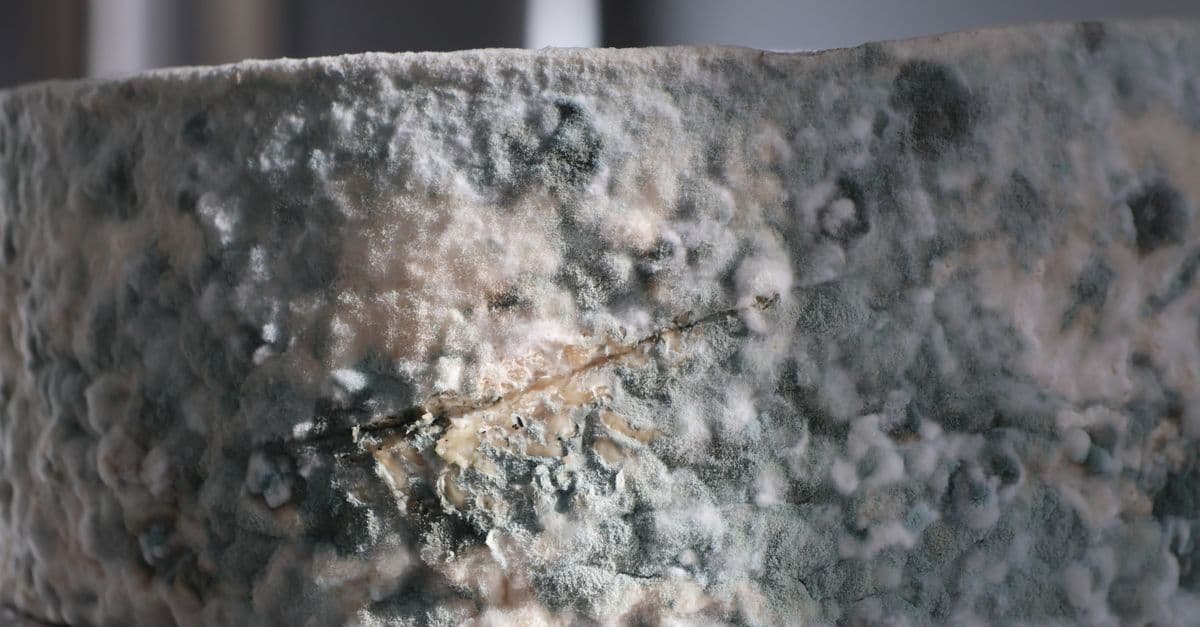
In 1928, Alexander Fleming noticed a mold dissolving bacteria on a contaminated plate. Here is the full story of the discovery, the 12-year gap before clinical use, and how it transformed medicine.
How a contaminated petri dish in 1928 led to the world's first antibiotic, saving an estimated 200 million lives across eight decades of medicine.
How machine learning discovers new antibiotics faster than traditional lab screening.
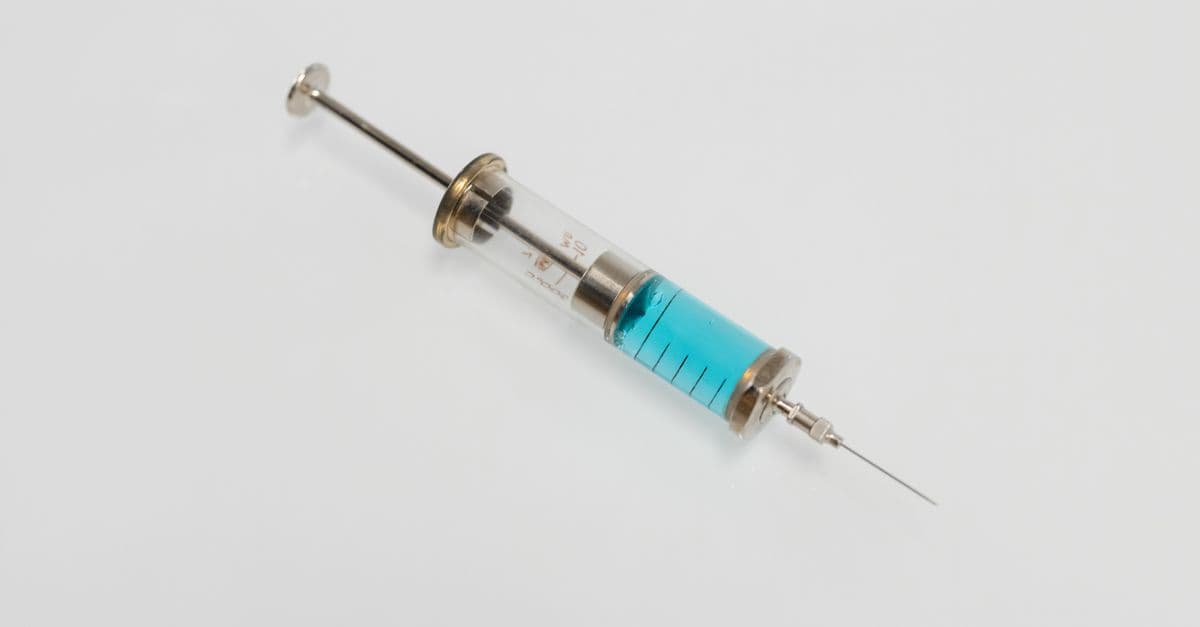
Medicine has gone from bloodletting and prayer to gene editing in just a few centuries. Here's how we got there.
Antimicrobial resistance is rising fast. If antibiotics universally failed, common infections would kill again, surgery and chemotherapy would become extraordinarily risky, and life expectancy would drop by years. The world would resemble the medical landscape of 1925.
Bacteria are evolving faster than we can fight them. No major new antibiotic class has been discovered since 1987, 700,000 people die from drug-resistant infections every year, and the clock is ticking. Here is the science behind antimicrobial resistance — and what might save us.
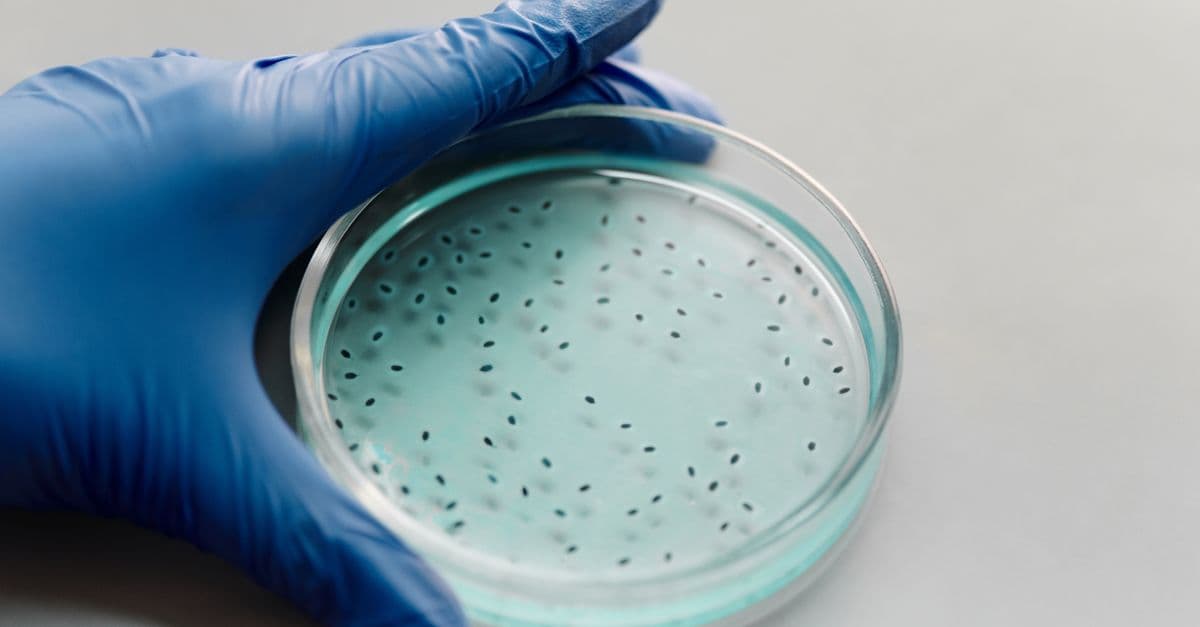
Antibiotics transformed medicine. Used right, they cure deadly infections in days. Used wrong, they're driving one of the biggest health threats we face. Here's how they really work.