The Science of Exercise — Why It Works and How Much You Actually Need

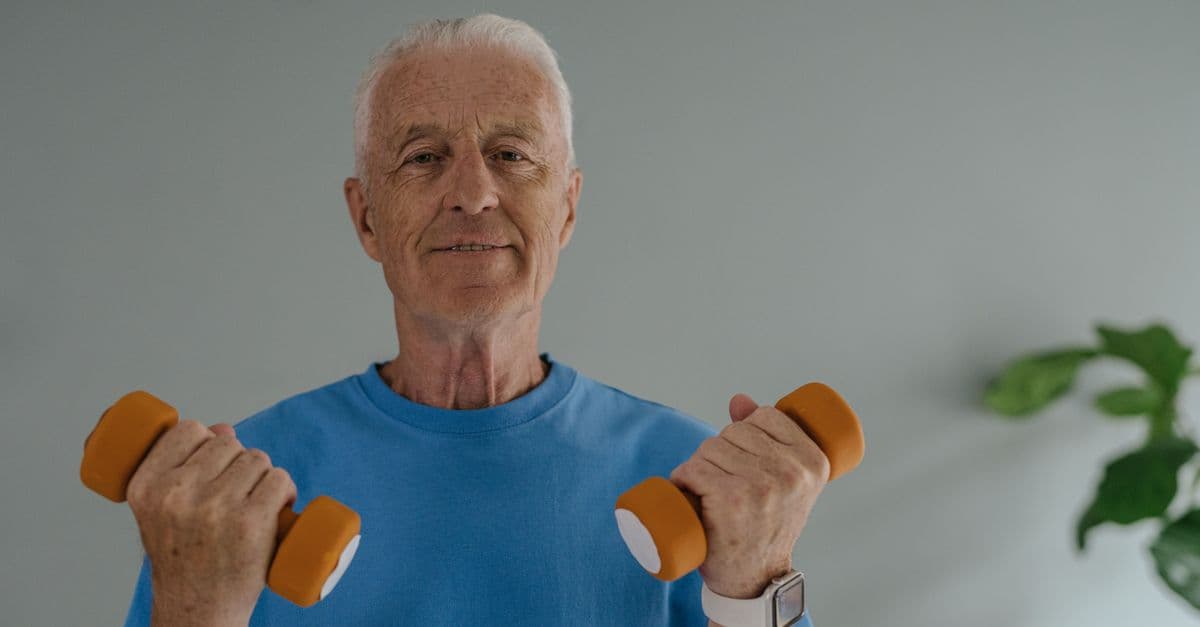
Photo: Andrej Klintsy / Pexels
Exercise is the closest thing we have to a universal wonder drug. Regular physical activity lowers the risk of most major chronic diseases, supports mental health, helps preserve muscle and bone as we age, and improves how people feel and function day to day. The striking part is not how large the benefits are but how small the dose needed to get most of them turns out to be. This article explains what exercise physically does to the body, what the major guidelines actually recommend and why, how strong the evidence is for each claim, and where the science is still unsettled.
Educational content, not medical advice. Talk to your doctor or another qualified clinician before starting a new exercise program, especially if you have heart disease, diabetes, high blood pressure, joint problems, are pregnant, or take regular medication. The figures here describe population averages from research; they are not a personal prescription.
Key takeaways
- The World Health Organization's 2020 guidelines recommend 150–300 minutes a week of moderate aerobic activity, or 75–150 minutes of vigorous activity, or a mix, plus muscle-strengthening on 2 or more days.
- According to WHO, people who are insufficiently active have a 20–30% higher risk of death than people who are sufficiently active.
- In 2022, 31% of adults worldwide (about 1.8 billion people) did not meet WHO's activity recommendations.
- The dose-response curve is steepest at the bottom: going from none to some delivers the largest gain per minute.
- Aerobic and strength training do different jobs. The guidelines ask for both, and older adults are advised to add balance-focused training on 3 or more days a week.
Why the body responds to exercise at all
Human physiology is built around a simple rule: tissues adapt to the demands placed on them, and they let unused capacity decay. Exercise is a controlled, repeated stress. Each session disturbs the body's internal balance — muscles burn through fuel, temperature rises, blood flow is redirected, tiny amounts of mechanical damage accumulate in muscle fibres and bone. Recovery then over-corrects slightly, leaving the system a little more capable than before. Biologists call this a hormetic response: a moderate dose of stress produces a beneficial adaptation, while too much, too often, without rest produces injury or exhaustion.
That framing explains several things people find puzzling. It explains why the benefits fade within weeks of stopping, why consistency matters more than any single heroic workout, and why the adaptations are specific to the type of stress applied. Running makes you better at running and improves heart and blood vessel function; lifting heavy loads makes muscles and bones stronger. It also explains why recovery is not wasted time. Much of the actual rebuilding happens in the hours and days after the session, which is one reason sleep and exercise are so closely linked.
What exercise actually does, system by system
Cardiovascular system
The heart is a muscle, and like other muscles it adapts to load. With regular aerobic training, the heart's chambers can fill with more blood and eject more per beat (a larger stroke volume), so the same work can be done at a lower heart rate. That is why trained people usually have a lower resting heart rate. The blood vessels adapt too: their inner lining, the endothelium, responds to the repeated increase in blood flow by releasing more nitric oxide, which helps vessels relax and widen. Over time, regular activity tends to improve blood pressure and blood lipid profiles. If you want the plumbing in more detail, see our explainer on how the heart works.
The headline epidemiology is consistent. WHO's physical activity fact sheet states that people who are insufficiently active have a 20% to 30% increased risk of death compared with people who are sufficiently active. A large part of that gap runs through cardiovascular disease.
Muscles
Skeletal muscle is the body's largest metabolic organ and one of its most plastic tissues. Resistance training produces two broad types of change. In the first weeks, most strength gains come from the nervous system — better recruitment of motor units and better coordination between muscles. Over subsequent months, the muscle fibres themselves grow (hypertrophy) as the rate of muscle protein synthesis outpaces breakdown during recovery. We cover the cellular side in how muscles grow.
Without that stimulus, muscle slowly declines with age. The US Office on Women's Health describes sarcopenia as typically beginning around age 30, with the body losing about 3–5% of its muscle mass per decade, changes that often become more noticeable by age 60. Strength training is the main tool known to slow that loss, and older adults respond to it far better than many people assume.
Bones and joints
Bone is living tissue that is constantly being broken down and rebuilt. Mechanical loading — impact and muscle pulling on bone — is one of the main signals that tells bone-building cells where to lay down new tissue. This is why weight-bearing activities (walking, running, jumping, lifting) matter for bone health, while non-weight-bearing activities such as swimming, though excellent for the heart, do less for the skeleton. Cartilage also depends on movement, since joint loading helps circulate the fluid that nourishes it.
Metabolism
When muscles contract, they take up glucose from the blood through a pathway that does not depend entirely on insulin. Exercise therefore lowers blood sugar during and after a session, and repeated training improves insulin sensitivity — the same amount of insulin clears more glucose. Muscle is also where most glucose is stored after a meal, so more muscle means more storage capacity. These mechanisms are a large part of why physical activity is a cornerstone of type 2 diabetes prevention and management, a condition whose global spread we track in the countries with the most diabetes.
Brain
Exercise has measurable effects on the brain, though this is also the area where popular claims most often run ahead of the evidence.
The best-known trial is Erickson and colleagues' 2011 study in PNAS. It randomised 120 older adults without dementia to a year of walking (40 minutes, three days a week) or a stretching and toning control. MRI showed that the anterior hippocampus — a region central to forming memories — grew by about 2% in the walking group and shrank by about 1.4% in the control group. That is a meaningful structural finding. But a published critique pointed out that the memory improvements did not clearly differ between the groups, so "exercise grew the hippocampus" is better supported than "exercise improved memory" from that trial alone.
Exercise also increases brain-derived neurotrophic factor (BDNF), a protein involved in the growth and survival of neurons and in neuroplasticity. Animal research on BDNF is strong; in humans the link between BDNF changes and specific cognitive gains is less clear-cut. The cautious summary is that regular activity is associated with better cognitive ageing, and some structural effects have been shown in randomised trials, but exercise is not a proven cure or guaranteed preventive for dementia.
Mental health
The evidence here has strengthened considerably. A 2024 systematic review and network meta-analysis in The BMJ by Noetel and colleagues pooled 218 randomised trials with about 14,170 participants. It found exercise to be an effective treatment for depression, with walking or jogging, yoga, and strength training performing best, and benefits larger at higher intensities. The authors suggested these forms of exercise could be considered alongside psychotherapy and antidepressants as core treatments. Two caveats: many trials could not blind participants, which can inflate effects, and "alongside" is the operative word — the study does not show exercise should replace existing treatment. Anyone managing depression should make changes with their clinician.
Part of the immediate mood effect likely runs through the brain's reward chemistry; our piece on dopamine and motivation explains why a habit that feels hard at first often becomes self-reinforcing.
Sleep, immunity and ageing
Regular activity is associated with better sleep quality, and moderate exercise is generally associated with healthy immune function. Claims that intense training "suppresses" immunity were popular in the 1990s but have been increasingly questioned since. More broadly, many of the processes covered in the biology of ageing — loss of muscle, declining mitochondrial function, chronic low-grade inflammation — are ones that exercise pushes in the opposite direction, which is why researchers often describe activity as one of the most reliable "anti-ageing" interventions available, while stressing that it slows decline rather than stopping it.
How exercise works at the cellular level
Underneath the system-level changes are a handful of molecular signals that are now reasonably well understood:
- AMPK activation. When a contracting muscle burns through its energy currency (ATP) faster than it can be replenished, an enzyme called AMP-activated protein kinase senses the energy shortfall and switches on fuel uptake and fat burning.
- Mitochondrial biogenesis. Repeated energy stress, signalling partly through a protein called PGC-1α, prompts muscle cells to build more and better mitochondria, increasing their aerobic capacity. See how mitochondria became cell powerhouses for the deep history.
- mTOR signalling. Mechanical tension from resistance training activates the mTOR pathway, which drives muscle protein synthesis during recovery.
- Capillary growth. Endurance training increases the density of capillaries around muscle fibres, improving oxygen delivery.
- Myokines. Contracting muscle releases signalling molecules (myokines) that act on other organs, one reason exercise has effects far from the muscles being used.
- Bone remodelling. Mechanical strain is sensed by osteocytes inside bone, which coordinate the cells that resorb and deposit bone tissue.
None of these is a single "magic" mechanism. Exercise works because it touches so many pathways at once, which is also why no pill has yet replicated it.
How much you actually need
The WHO 2020 guidelines
WHO published updated Guidelines on Physical Activity and Sedentary Behaviour on 25 November 2020. The main change from the 2010 version was moving from a single minimum to a range. For adults aged 18–64, the recommendations are:
- 150–300 minutes a week of moderate-intensity aerobic activity, or
- 75–150 minutes a week of vigorous-intensity aerobic activity, or
- an equivalent combination of the two;
- plus muscle-strengthening activities involving all major muscle groups on 2 or more days a week;
- and limiting sedentary time, replacing it with activity of any intensity.
Adults 65 and older are advised to meet the same targets and, in addition, to do varied "multicomponent" activity emphasising functional balance and strength on 3 or more days a week to improve function and prevent falls. The 2020 guidelines were also the first from WHO to include specific recommendations on sedentary behaviour and for pregnant and postpartum women and people living with chronic conditions or disability.
How national guidelines compare
| Guideline | Aerobic (moderate) | Aerobic (vigorous) | Strength | Extra for older adults |
|---|---|---|---|---|
| WHO, 2020 | 150–300 min/week | 75–150 min/week | 2+ days/week | Multicomponent balance + strength, 3+ days/week |
| US Physical Activity Guidelines for Americans, 2nd ed. (HHS, 2018), as summarised by CDC | at least 150 min/week (e.g. brisk walking) | at least 75 min/week (e.g. jogging, running) | 2+ days/week | Balance training included |
| WHO, 2010 (superseded) | at least 150 min/week | at least 75 min/week | 2+ days/week | Balance activities 3+ days/week for those with poor mobility |
In practical terms, 150 minutes is 30 minutes on five days of the week, or a little over 20 minutes every day. The upper end of the range, 300 minutes, is where additional health benefits are still clearly documented.
How many people meet the guidelines
Not many. WHO reports that in 2022, 31% of adults — about 1.8 billion people — were insufficiently active, an increase of 5 percentage points since 2010. If the trend continues, WHO projects inactivity will reach 35% by 2030. Among adolescents aged 11–17, about 80% did not meet recommendations. WHO's member states have set a target of a 15% relative reduction in physical inactivity by 2030 against the 2010 baseline, and WHO estimates that, without improvement, inactivity will cost public health systems roughly US$300 billion between 2020 and 2030 (about US$27 billion a year).
The dose-response curve: why the first minutes matter most
The single most important finding for most people is the shape of the dose-response curve. It is not a straight line. Benefits rise steeply when someone moves from doing nothing to doing a little, and then flatten.
A 2019 harmonised meta-analysis in The BMJ by Ekelund and colleagues pooled individual data from eight cohorts — about 36,000 adults wearing accelerometers, so activity was measured rather than self-reported — with a median follow-up of 5.8 years. Compared with the least active quarter of participants, the risk of death was roughly halved in the second quarter (hazard ratio 0.48) and fell further in the third (0.34) and most active quarters (0.27). The biggest step was the first one. The study also found that activity of any intensity, including light activity, was associated with lower mortality.
Steps tell the same story. Paluch and colleagues' 2022 meta-analysis in The Lancet Public Health pooled 15 cohorts with 47,471 adults. Mortality risk declined as daily steps increased, levelling off at about 6,000–8,000 steps a day for adults aged 60 and over and 8,000–10,000 steps a day for adults under 60. The authors noted that the familiar 10,000-step target has little evidence behind it as a specific threshold; it is a round number, not a biological one. Our separate piece on the case for walking looks at why the humblest form of exercise holds up so well.
Two cautions apply to all of these studies. They are observational, so people who are already healthier may also be more active (reverse causation), even though researchers try to adjust for it. And they describe averages; individual responses to the same training vary widely.
"Weekend warrior" patterns
Can people fit their weekly total into one or two days? An analysis by O'Donovan and colleagues, published in JAMA Internal Medicine in 2017, followed 63,591 adults aged 40 and over in England and Scotland. Compared with inactive people, "weekend warriors" who got their activity in one or two sessions had about a 30% lower risk of death from any cause, close to the risk reduction seen in people who exercised more regularly. The finding is encouraging for people with busy weekdays, though concentrating activity into fewer, longer sessions may carry more risk of overuse injury for people who are not conditioned for it.
Diminishing returns at the top
Above the upper end of the guidelines, gains in mortality risk become smaller for most outcomes. People who train much more do keep improving fitness, performance and body composition, and there is no good evidence that high but sensible training volumes are harmful for healthy people. But for health alone, the marginal value of the 600th minute a week is far smaller than that of the first 60.
Cardio vs. strength training
Both matter, and they are not interchangeable.
| Aerobic (cardio) training | Resistance (strength) training | |
|---|---|---|
| Main adaptations | Larger stroke volume, more capillaries and mitochondria, better endothelial function | Larger, stronger muscle fibres; better neural recruitment; stronger bones |
| Typical examples | Brisk walking, cycling, swimming, running, rowing | Weights, resistance bands, bodyweight exercises, heavy gardening |
| Particularly helpful for | Cardiorespiratory fitness, blood pressure, mood | Preserving muscle and function with age, bone loading, glucose storage |
| Guideline dose (WHO 2020) | 150–300 min moderate or 75–150 min vigorous per week | All major muscle groups, 2+ days per week |
The guidelines ask for both because each covers gaps in the other. Endurance athletes who never lift can still lose muscle and bone with age; people who only lift may have strong muscles but modest cardiorespiratory fitness. A mixed week is the default recommendation for good reason. For a refresher on what muscle tissue is actually doing during either kind of work, see how muscles work.
What "moderate" and "vigorous" actually mean
Intensity is measured relative to the person, not in absolute terms. A brisk walk can be vigorous for an unfit 70-year-old and light for a trained runner.
The talk test
The simplest gauge needs no equipment. During moderate activity you can talk but not sing. During vigorous activity you can say only a few words before pausing for breath.
METs
Researchers often express intensity in metabolic equivalents (METs), where 1 MET is the energy cost of sitting quietly. Moderate activity is conventionally 3 to just under 6 METs, and vigorous activity is 6 METs or more. Under that convention, one minute of vigorous activity counts roughly as two minutes of moderate activity, which is why the vigorous targets are half the moderate ones.
Heart rate
Heart-rate zones are another option, but the common "220 minus your age" formula for maximum heart rate is only a rough population estimate, and individuals can differ substantially from it. For most people, the talk test is a perfectly good guide.
Common myths
"I need to exercise every day"
Not necessary. The guidelines are weekly totals. Several sessions spread through the week, with rest days, work well, and the weekend-warrior data suggest even one or two sessions confer substantial benefit.
"Cardio is all that matters"
Without strength training, people tend to lose muscle and bone mass as they age. The guidelines treat strength work as a separate requirement, not an optional extra.
"I need a gym or fancy equipment"
Walking, stairs, bodyweight exercises and a pair of dumbbells or resistance bands are enough to meet both parts of the guidelines.
"No pain, no gain"
Some discomfort during hard effort and some muscle soreness a day or two after unaccustomed exercise are normal. Sharp pain, joint pain, or pain that persists is not, and is a signal to stop and get it assessed.
"Strength training will make me bulky"
Large gains in muscle size take years of deliberate, progressive training and appropriate nutrition. Twice-weekly sessions at guideline levels mainly improve strength and function.
"I'm too old to start"
Older adults respond to training, including people in their 80s and 90s. WHO's specific recommendation for multicomponent training in people 65 and older exists precisely because the benefits for balance, fall prevention and independence are so large.
"Exercise is the best way to lose weight"
Exercise burns energy, but the body partly compensates through appetite and other changes, so diet usually has the larger short-term effect on weight. Activity matters a great deal for maintaining weight loss and for health independent of weight — active people at a higher body weight can have better health markers than inactive people at a lower one.
"If I'm not sweating, it doesn't count"
Sweat is mainly about temperature regulation. It depends on the room, the weather, clothing and individual physiology as much as on effort.
Common mistakes
Doing too much, too fast
Most overuse injuries follow sudden jumps in volume or intensity. Gradual progression gives tendons, ligaments and bone — which adapt more slowly than muscle and the cardiovascular system — time to catch up. The popular "increase by no more than 10% a week" advice is a coaching rule of thumb rather than a tightly tested law, but the principle of gradual progression is sound.
Skipping recovery
Adaptation happens after training. Persistent fatigue, worsening performance, poor sleep and frequent minor illness can be signs that recovery is not keeping up.
Inconsistency and all-or-nothing thinking
Because adaptations fade when the stimulus disappears, a steady moderate routine maintained for years beats short bursts of intense effort followed by long breaks. A missed session is not a failed week.
Ignoring strength, balance and mobility
These are the elements most often dropped, especially by people who enjoy cardio. They become more important, not less, with age.
How to actually start
Talk to a clinician first if you have health conditions
Most healthy adults can begin light-to-moderate activity safely. People with known heart, lung or kidney disease, diabetes, uncontrolled blood pressure, recent surgery, chest pain, dizziness on exertion, or who are pregnant should talk to a doctor or physiotherapist about what is appropriate for them.
Start where you are
If you are currently inactive, the research above suggests a 10-minute walk is a meaningful first step, not a token one. WHO's guidance states plainly that doing some physical activity is better than doing none.
Make it routine
Tie activity to things you already do: a walk after lunch, cycling to work, a short strength routine before a morning shower. Habits beat motivation.
Add strength twice a week
A simple routine covering legs, hips, back, chest, shoulders and arms — for example squats or sit-to-stands, a hinge movement, rows, push-ups (against a wall if needed) and carries — meets the strength recommendation.
Track loosely
Step counts, a calendar tick or a simple log can help with motivation. Precision is not required.
Open questions in exercise science
Several important questions are still being worked out:
- Causation versus association. Much of the mortality evidence comes from observational cohorts. Randomised trials of exercise and lifespan are difficult to run for long enough, so researchers rely on careful adjustment and on mechanistic evidence.
- Individual response. Some people improve fitness markedly on a given programme and others barely change. How much of this is genetic, and whether different types of training rescue "low responders", remains debated.
- The brain. Structural changes in trials are clearer than lasting cognitive benefits. Whether exercise meaningfully delays dementia in people at risk is an active research question.
- Very high volumes. Some studies have reported higher rates of certain heart rhythm changes in lifelong endurance athletes. The clinical significance is still being studied.
- Sitting. Whether long sedentary periods carry risk independent of total activity, and how much activity offsets them, is still being refined.
Frequently asked questions
Q: How much exercise do adults need each week? A: WHO's 2020 guidelines recommend 150–300 minutes of moderate-intensity aerobic activity, or 75–150 minutes of vigorous activity, or a combination, plus muscle-strengthening activities on two or more days a week. Adults over 65 are also advised to do balance-focused multicomponent activity on three or more days.
Q: Is any exercise better than none? A: Yes. Large accelerometer and step-count studies show the biggest reduction in mortality risk comes from moving out of the least active group, and WHO's guidance explicitly says some physical activity is better than none, even below the recommended amounts.
Q: How many steps a day are enough? A: A 2022 Lancet Public Health meta-analysis of 47,471 adults found mortality risk levelled off at about 6,000–8,000 steps a day for people aged 60 and over and 8,000–10,000 for younger adults. The 10,000-step figure is a convenient target rather than a proven threshold.
Q: Is HIIT better than steady-state cardio? A: High-intensity interval training is time-efficient and counts as vigorous activity. For overall health, consistently doing either form is far more important than which one you choose, and many people benefit from a mix.
Q: Can exercise help with depression? A: A 2024 BMJ network meta-analysis of 218 trials found exercise, especially walking or jogging, yoga and strength training, effective for depression. The authors framed it as a treatment to consider alongside therapy and medication, so any change should be planned with a clinician rather than replacing existing treatment.
Q: How long until I see results? A: Strength often improves within the first few weeks, largely through nervous-system adaptation. Visible muscle growth and measurable changes in markers such as blood pressure usually take a few months of consistent training.
Q: Should I exercise when I'm sick? A: Common advice is that light activity may be fine with mild symptoms above the neck, such as a runny nose, but that people should rest when they have a fever, body aches or chest symptoms. When in doubt, ask a clinician.
The bottom line
Exercise works because the body adapts to the demands placed on it, and those adaptations reach almost every organ system. The global guidelines are modest — about 150 to 300 minutes of moderate activity a week plus two strength sessions — yet roughly a third of adults worldwide do not meet them. The best-supported message in the research is also the most encouraging: the largest benefit comes from the first steps away from inactivity. Start small, build gradually, include strength and balance, and get personal advice from a clinician if you have a health condition.
Sources
- World Health Organization — Physical activity fact sheet (inactivity prevalence 2022, mortality risk, 2030 target, cost estimates)
- World Health Organization — WHO guidelines on physical activity and sedentary behaviour (2020)
- US Centers for Disease Control and Prevention — Adult activity: an overview
- US Office of Disease Prevention and Health Promotion — Physical Activity Guidelines for Americans, 2nd edition
- US Office on Women's Health — Sarcopenia
- Erickson KI et al. (2011), PNAS — Exercise training increases size of hippocampus and improves memory
- Ekelund U et al. (2019), BMJ 366:l4570 — Dose-response associations between accelerometry-measured physical activity and all-cause mortality
- Paluch AE et al. (2022), The Lancet Public Health 7:e219–e228 — Daily steps and all-cause mortality
- Noetel M et al. (2024), BMJ 384:e075847 — Effect of exercise for depression: systematic review and network meta-analysis
Related Reading
- The Science of Sleep — Why You Need It and What Happens Without It
- How Much Caffeine Is Too Much? The Science of Coffee and Energy Drinks
- How Learning Actually Works — The Science of Getting Better at Anything
- Why Aging Is a Disease — And Could We Actually Cure It?
- How the Human Brain Actually Works — Neurons, Networks, and Consciousness
Follow new articles
Add SciHub101 to your feed reader to see new science and technology stories.
About the Author
SciHub101 is an independent science and technology publication founded and edited by Buğra Sözeri, a software engineer and app developer based in Türkiye. AI tools assist with drafting and research. Source documentation in the existing archive is uneven, and articles are being reviewed and corrected. The Editorial Team byline identifies editorial responsibility; it does not certify specialist or independent human review. Where we compare products, anything built by our own team is labelled as such — see the editorial guidelines and About page for how corrections and disclosures work.
Related Articles

Intermittent Fasting — What the Science Actually Says
Intermittent fasting works for some people for some reasons. Here's the actual research on what it does, what it doesn't, and how it compares to ordinary calorie restriction.

The Gut-Brain Connection — How Your Microbiome Affects Your Mind
Your gut and brain exchange signals through nerves, immune cells, and microbial chemicals. Here is what animal and human studies show about mood, anxiety, and cognition, and where the evidence is still thin.

What Happens to Your Body with No Sleep for 24 to 72 Hours
After 17 hours without sleep, your cognitive performance matches someone with a blood alcohol concentration of 0.05% — legally impaired to drive in most countries. After 24 hours, the equivalent is 0.10% — above the legal limit in all US states. After 72 hours, hallucinations are common, emotional regulation breaks down, and the immune system's ability to mount a response is measurably compromised. Sleep deprivation is not discomfort — it is a physiological insult to nearly every system in the body, and it unfolds on a precisely documented timeline.
Countries with the Highest Life Expectancy (Ranked)
Japan's women live to an average of 87.7 years — the longest female life expectancy ever recorded for a large country. At the national level, Hong Kong leads all territories at 85.5 years, while Japan tops sovereign nations at 84.7. This is a story of diet, healthcare, culture, and the biology of longevity.

How Lungs Work — Breathing and Gas Exchange
How the lungs move air, exchange oxygen and CO2, and what goes wrong in asthma, COPD, pneumonia, and at high altitude. A clear, evidence-based explanation...

What Is Inflammation and Why It Matters for Almost Every Disease
Inflammation is the immune system's emergency response. When it becomes chronic, it is tied to heart disease, cancer, and neurodegeneration.