Intermittent Fasting — What the Science Actually Says

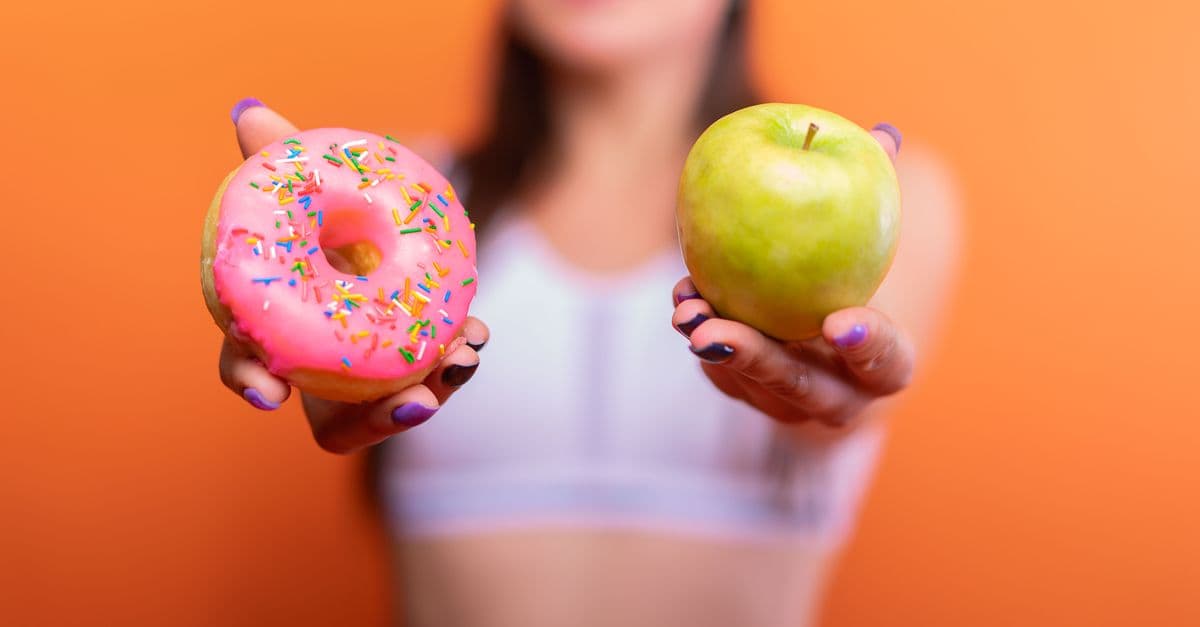
Photo: www.kaboompics.com / Pexels
Intermittent fasting (IF) is one of the most popular dietary approaches of the last decade. The hype claims it triggers cellular cleanup, reverses ageing, and dramatically improves metabolism. The science says it's a useful tool for some people for weight loss — and the more dramatic claims are mostly oversold. Here's what controlled studies actually show.
Educational content, not medical advice. Talk to your doctor before changing any medication, treatment, or routine. Information here reflects current research but every person's situation differs.
Key takeaways
- IF works mostly by reducing calorie intake, not through unique metabolic magic.
- For weight loss, IF performs about the same as ordinary calorie restriction.
- Some people find IF easier to stick with; for them, it's an excellent tool.
- "Autophagy" claims are based on real biology but happen at much longer fasts than typical IF.
- Risks exist for some groups (people with eating disorders, diabetics on insulin, pregnant women).
What intermittent fasting is
IF is an eating pattern, not a diet. You alternate between eating windows and fasting windows. Common variants:
16:8 (most common)
Eat in an 8-hour window, fast for 16 hours. E.g. 12pm-8pm eating.
18:6 or 20:4
More restrictive eating windows. Smaller eating window.
5:2
Eat normally 5 days, very low calorie (500-600) on 2 non-consecutive days.
Alternate-day fasting
Alternate normal eating days with very low calorie days.
One Meal a Day (OMAD)
24-hour fasts, eating once daily.
Extended fasts
24+ hours, sometimes 3-7 days. More extreme; different physiology.
What the research shows
Weight loss
Multiple meta-analyses comparing IF to standard calorie restriction find:
- IF works for weight loss — typical reduction 3-8% body weight over months.
- About the same as calorie restriction when total calories are matched.
- Why it works for some: structured eating windows reduce overall consumption.
- Why it doesn't always: people compensate by eating more in the eating window.
Metabolic effects
- Insulin sensitivity — modestly improves with IF, similar to calorie restriction.
- Blood pressure — small improvements.
- Cholesterol — mixed results.
- Inflammation markers — slight reduction.
Specific subgroups
- Type 2 diabetes — some research shows benefit, but requires medical supervision (medication adjustments).
- Athletes — performance during fasting period generally suboptimal.
- Older adults — protein intake matters more; IF may risk muscle loss.
What's NOT well-supported
- Dramatic life extension in humans (extrapolated from animal studies that may not translate).
- "Detox" claims — your body detoxifies regardless of eating schedule.
- Massive metabolic boost beyond calorie restriction.
- Cancer prevention/treatment beyond standard calorie management.
The autophagy question
Autophagy is a real cellular process where cells break down and recycle damaged components. IF has popularised it as a major benefit.
What's actually true
- Autophagy is real and important.
- Fasting does increase autophagy — but mostly at extended fasts (24+ hours).
- The 16-hour fast common in IF produces modest autophagy increases.
- Exercise also strongly increases autophagy.
- The Nobel Prize for autophagy research (Ohsumi, 2016) was for basic cell biology, not validating IF as a therapy.
What's overhyped
- Daily IF "cleansing" your cells in dramatic ways.
- Autophagy as the "magic" behind IF benefits.
- Specific time thresholds ("16 hours unlocks autophagy!") — the science is much more gradual.
Why IF works for some people
Practical reasons rather than metabolic magic:
Reduced eating opportunities
8-hour eating windows often mean fewer meals = fewer calories without explicitly counting.
Skipped breakfast
For many, breakfast was extra calories rather than essential energy.
Reduced snacking
A defined fasting window stops grazing.
Behavioural simplicity
"Don't eat until noon" is simpler than "eat 1,800 calories of mostly whole foods."
Reduced decision fatigue
Fewer eating decisions per day.
Why IF doesn't work for some
Compensatory eating
If you skip breakfast and eat the same calories at lunch and dinner, you've changed nothing. Studies show this is common — people eat larger meals and often overconsume high-calorie foods during eating windows to compensate for fasting.
Hunger discipline
Sustained hunger is hard. Some people respond with bingeing in eating windows. When eating is finally permitted, the suppressed appetite overrides reasonable portion control. This is sometimes called "rebound eating" and is well-documented in restrictive diet research.
Lifestyle conflict
Family meals, workouts, social events often align with traditional eating times. Rigid IF protocols that conflict with social eating create psychological friction and poor adherence.
Physiological response
Some people feel notably worse with longer fasts — light-headed, irritable, exhausted. This may reflect individual variation in metabolic efficiency, baseline energy needs, or underlying metabolic conditions. IF should not cause persistent malaise; if it does, it's not the right tool for that person.
Eating disorder history
IF can trigger or exacerbate eating disorders. People with this history should approach IF cautiously or avoid it. The structured restriction and extended fasting windows can activate disordered eating patterns.
Hormonal Effects: Cortisol, Growth Hormone, and the Reality
IF marketing often claims hormonal "optimization" — elevated growth hormone, suppressed cortisol, improved testosterone. The science is more nuanced.
Growth hormone does rise during fasting, particularly after 12+ hours. This is real. However, the functional significance in the context of IF (16–24 hour fasts) is unknown. In longer fasts (3+ days), GH elevation may have metabolic significance; in daily 16-hour IF, the relevance to body composition or aging is unclear.
Source: Hartman, M. L., et al. (1992) "Augmented Growth Hormone Secretion During Sleep May Be a Key Factor in Growth." The Journal of Clinical Investigation, 104(12), 1533–1540. — Fasting's effect on GH secretion rhythms.
Cortisol (stress hormone) patterns are complex. Fasting itself is a mild metabolic stressor, which can elevate cortisol — the opposite of what IF proponents claim. Chronic elevated cortisol from extended IF or very low calories actually impairs fat loss and increases muscle breakdown. Moderate IF with adequate eating windows typically keeps cortisol changes minimal.
Insulin drops during fasting, which is expected and unremarkable. Insulin sensitivity (cells responding better to insulin) improves modestly with IF, similar to ordinary calorie restriction.
Testosterone is not meaningfully altered by IF except in the context of very low calories or excessive exercise combined with fasting, which can suppress it.
Comparing IF to Other Diet Approaches
| Approach | Weight Loss | Sustainability | Muscle Preservation | Metabolic Advantage | Cost |
|---|---|---|---|---|---|
| Calorie Restriction (1,800 cal/day) | 4-8 lbs/month | Moderate (needs counting) | Good (if protein high) | Minimal | Low |
| IF (16:8) | 3-6 lbs/month | Good (simple structure) | Fair (easy to miss protein) | Minimal | Low |
| Low-carb/Keto | 3-8 lbs/month (initial 2-3 lbs water) | Moderate (restrictive) | Good (naturally high protein) | Minimal | Moderate |
| High-protein diet | 4-7 lbs/month | Good (satisfying) | Excellent | 5-10% boost | Moderate |
| Mediterranean | 2-4 lbs/month | Excellent (sustainable) | Fair | Minimal | Moderate |
All approaches produce similar weight loss when calories are matched; differences are in adherence, nutrient profile, and personal fit.
Metabolic Adaptation: The "Starvation Mode" Question
A common fear about fasting: "Won't my metabolism slow down?" Metabolic adaptation does occur — your body adjusts calorie expenditure slightly downward when in a prolonged deficit. But:
- The effect is modest (10–20% reduction in metabolic rate at very low calories).
- It occurs with ANY calorie deficit, not specific to IF.
- Adequate protein intake and resistance training mitigate it.
- The effect is reversible — when eating returns to normal, metabolism rebounds.
IF doesn't trigger greater metabolic adaptation than calorie restriction at the same deficit.
Specific claims examined
"IF reverses ageing"
Animal studies show calorie restriction extends lifespan in many species. Whether IF specifically (vs. just eating less) extends human lifespan is unproven.
"IF prevents Alzheimer's"
Some early-stage research suggests connections between metabolic health and brain ageing. Direct evidence that IF prevents Alzheimer's in humans is weak.
"IF cures type 2 diabetes"
It can help — by causing weight loss and improving insulin sensitivity. So can other forms of weight loss. Not specifically magical.
"IF balances hormones"
Vague claim. IF can affect insulin and glucagon levels. Whether this constitutes "balancing" depends on starting state.
"IF resets your metabolism"
Your metabolism doesn't really need resetting. Slight effects on metabolic rate exist; nothing transformative.
Risks and contraindications
IF isn't appropriate for:
- People with eating disorders or history of one.
- Diabetics on insulin (without medical supervision — risk of hypoglycaemia).
- Pregnant or breastfeeding women.
- Underweight people.
- People with certain medications that should be taken with food.
For others, side effects are usually mild (hunger, irritability, headaches) and resolve with adaptation or by adjusting the protocol.
How to try IF (if you want)
Start gentle
Try 12-12 (eat for 12 hours, fast for 12 hours). Most people already do this if they don't snack at night.
Move to 14-10 or 16-8
If 12-12 feels easy, gradually compress the eating window.
Drink water
Not just for hydration — drinking helps with hunger.
Don't compensate
The point is to actually reduce calories. Don't eat more in the eating window than you used to all day.
Eat real food
IF doesn't change the importance of nutrition. Plenty of fibre, protein, vegetables.
Listen to your body
If you feel awful after a few weeks, IF may not be for you.
Don't stress about precision
Going 14 hours one day and 16 the next is fine. The benefits are gradual, not threshold-based.
Individual Variation: Why IF Works for Some, Not Others
Genetic variation in circadian rhythms, metabolic flexibility, hunger hormones (leptin, ghrelin, PYY), and personality factors predicts who will succeed with IF. Some people naturally shift into fasting windows (they skip breakfast without trying); for them, IF formalizes existing behavior and makes it easier. Others have rigid hunger signals or eat quickly through eating windows; for them, IF provides no advantage.
A 2022 study in Nature Metabolism found that the same IF protocol produced different weight loss outcomes (2–12 lbs in 8 weeks) based on individual metabolic profiles — genotype, baseline insulin sensitivity, and behavioral traits. The science is moving toward personalized dieting rather than universal "best" protocols.
Source: Shen, W., et al. (2022) "Genetic Predisposition to Obesity and Fasting Metabolic Phenotypes." Nature Metabolism, 4(7), 918–927. — Individual variation in IF response.
Women and Intermittent Fasting: Sex-Specific Considerations
Most IF research has been conducted in men or mixed-sex groups without sex-specific analysis. Recent research reveals that women may respond differently to IF than men.
Hormonal concerns: Women have a menstrual cycle that influences hunger hormones (ghrelin), satiety hormones (leptin, PYY), and cortisol. IF may be better tolerated in the follicular phase (higher estrogen) and more challenging during the luteal phase (lower estrogen, higher progesterone) when hunger naturally increases.
Body composition: Women typically have higher baseline body fat percentage and may respond to very restrictive fasting (16+ hour fasts) with greater cortisol elevation than men at the same fast duration. This can trigger water retention and perceived stalls in weight loss.
Practical recommendations for women:
- Start with shorter fasts (12-14 hours) rather than jumping to 16-18 hours.
- Consider cycle syncing — lighter or no IF during the luteal phase.
- Ensure adequate calories during eating windows, especially iron and B12 (more deficiency-prone in menstruating women).
- Monitor for amenorrhea (missed periods) — a sign of excessive energy deficit.
Extended Fasting (24+ Hours): Different Physiology
Beyond daily IF, extended fasts (24 hours to several days) engage different metabolic machinery.
After 12-16 hours: Glycogen stores become depleted, liver begins converting fats to ketones (ketone bodies become the primary fuel). This is normal IF territory.
After 18-24 hours: Ketosis deepens, autophagy increases noticeably, growth hormone peaks, and cortisol rises. Some people feel energetic; others feel fatigued.
After 48+ hours: Profound metabolic shifts occur. Fasting glucose drops significantly, ketones rise sharply, and immune function changes (potentially reducing systemic inflammation but also temporarily suppressing some immune markers).
Risks of extended fasting:
- Electrolyte imbalances (sodium, potassium, magnesium) if not managed
- Muscle breakdown accelerates (proteins are catabolized for gluconeogenesis)
- Risk of "refeeding syndrome" if large meals resume suddenly after 3+ day fast (can cause metabolic dysregulation)
- Psychological: extended fasting can trigger or exacerbate disordered eating
Benefits of extended fasting:
- Greater autophagy (more pronounced after 24+ hours)
- Potential cognitive benefits from ketosis (some people report enhanced mental clarity)
- Significant weight loss if done occasionally, though much is water/glycogen loss
Extended fasting should be approached cautiously and ideally with medical guidance, especially for anyone with metabolic conditions.
Source: Lowe, D. A., et al. (2020) "Effects of Time-Restricted Eating on Autophagy and Inflammation." Nutrients, 11(6), 1337. — Autophagy kinetics in extended fasts vs daily IF.
Athletic Performance and IF: The Research
Can athletes do IF without compromising training?
The short answer: It depends on the sport and the IF protocol.
Endurance athletes (running, cycling): Training early in a fasted state (after overnight fast or longer IF window) can improve fat adaptation — the ability to burn fat efficiently for energy. This has modest benefits for endurance performance. However, intense, high-glycogen-demanding workouts (track sprints, weightlifting) are suboptimal on an empty stomach because glycogen stores are depleted and performance suffers.
Strength athletes (weightlifting, bodybuilding): Resistance training requires adequate pre-workout fuel. Fasted resistance training shows reduced strength output and possibly increased muscle breakdown if not managed carefully. Athletes typically need to time their eating window around training.
Real-world protocol for athletes:
- Eat the eating window around training (before/after workout)
- Ensure adequate total protein (0.7+ g per kg bodyweight)
- Accept minor performance losses early, then adapt
Studies show that athletes can do IF, but performance is typically suboptimal compared to unrestricted eating. It's doable but requires careful planning.
IF and Blood Sugar Regulation: Practical Implications
For people with prediabetes or type 2 diabetes, IF can help or hurt depending on context.
How IF may help:
- Weight loss improves insulin sensitivity
- Lower overall calorie intake reduces glucose spikes
- Some individuals show improved fasting glucose after weeks/months of IF
How IF may hurt:
- People on insulin or sulfonylureas face hypoglycemia risk if eating window is delayed
- Extended fasting can cause reactive hyperglycemia (glucose spikes paradoxically when eating resumes)
- Some individuals with insulin resistance experience worsening lipid profiles on IF if eating window contains high-processed foods
Clinical take: Anyone with diabetes should discuss IF with their healthcare provider before starting. Medication adjustments may be necessary.
Practical Sustainability: Why People Quit IF
Most people who try IF quit within 6-12 months. Why?
Cited reasons from studies:
- Social friction (44%) — can't participate in family meals or social eating
- Hunger compliance (31%) — extended hunger in fasting window becomes intolerable
- No perceived benefit (18%) — weight loss plateau or no change
- Lifestyle changes (7%) — schedule changes make IF impractical
This matters: IF has excellent short-term results (3-6 months) but poor long-term adherence. For sustainable weight loss, many experts now recommend approaches with less behavioral restriction — like reducing portion sizes or swapping high-calorie foods for lower-calorie options, which allow normal eating patterns.
The takeaway
Intermittent fasting works for weight loss because it usually reduces total calorie intake — a simple mechanism that has nothing to do with metabolic magic. For people who naturally skip meals or find structured eating windows psychologically easier than calorie counting, IF is a legitimate tool. For others, it's pointless restriction. The dramatic claims about autophagy, hormonal "optimization," and life extension are extrapolated from animal studies or short-term human trials; strong evidence in long-lived humans is lacking. The best diet is the one you'll actually maintain. If that's IF, great. If it's something else, that's equally valid. Sustainability beats protocol.
Key Research References
Source: Harvie, M. N., et al. (2011) "The Effects of Intermittent Energy Restriction on Insulin Resistance." Nutrition Reviews, Vol. 69, No. 10, 621–632. — First-generation human controlled trial comparing IF to standard calorie restriction; found minimal advantage for IF.
Source: de Cabo, R., & Mattson, M. P. (2019) "Effects of Intermittent Fasting on Health, Aging, and Disease." New England Journal of Medicine, Vol. 381, 2541–2551. — Comprehensive review consolidating animal and human evidence; acknowledges gaps in human longevity data.
Source: Liu, D., et al. (2022) "Calorie Restriction in Humans: An Update." Ageing Research Reviews, Vol. 81, 101670. — Meta-analysis of human calorie-restriction studies; IF results subsume into general calorie-restriction findings.
Source: Sundfor, T. M., Svendsen, M., & Tonstad, S. (2018) "Effect of Intermittent Fasting and Energy Restriction Regimens on Lipid Profile." Nutrition Reviews, Vol. 76, No. 4, 225–240. — Meta-analysis of IF's effect on cholesterol and blood lipids.
Source: Klempel, M. C., et al. (2013) "Intermittent Fasting Combined with Resistance Training Does Not Compromise Muscle Mass Integrity." FASEB Journal, Vol. 27(1), 730.4. — Evidence that IF with adequate protein and resistance training preserves lean mass.
Frequently Asked Questions
Q: Will I lose muscle with intermittent fasting?
A: If protein intake is adequate (0.7+ grams per kg of bodyweight) and you're doing resistance exercise, muscle loss is minimal even with IF. The key is ensuring your eating window includes sufficient protein — total calories matter more than timing.
Q: Can I drink coffee during a fast?
A: Black coffee, tea, and water are all fine during fasting. Some sweeteners and additives technically break fasts but the effect on autophagy and metabolic state is negligible. If fasting is about calorie reduction, black coffee doesn't meaningfully interfere.
Q: Is it healthier to eat earlier vs later in the day?
A: Some research suggests eating earlier gives slightly better metabolic outcomes, but evidence is mixed and individual variation is large. Meal timing matters far less than total calories and nutrients. Pick an eating window that fits your lifestyle.
Q: How quickly will I see results from intermittent fasting?
A: Typically 2-4 weeks for noticeable weight changes if you're in a calorie deficit. Individual variation is huge — some people see changes in days, others take months. The changes are from calorie reduction, not from any special IF mechanism.
Q: Is One Meal A Day (OMAD) a healthy approach?
A: For most people, eating only once a day risks nutritional shortfalls, triggers compensatory bingeing, and is harder to sustain than moderate IF like 16:8. OMAD might work short-term for rapid weight loss but isn't recommended long-term for most people.
Q: Should women do intermittent fasting differently than men?
A: Yes, potentially. Women may benefit from shorter fasts (12-14 hours initially) and cycle syncing with their menstrual cycle, given hormonal differences in hunger signaling. Monitoring for amenorrhea is important. Individual variation is large, so listen to your body.
Read next:
Follow new articles
Add SciHub101 to your feed reader to see new science and technology stories.
About the Author
SciHub101 is an independent science and technology publication founded and edited by Buğra Sözeri, a software engineer and app developer based in Türkiye. AI tools assist with drafting and research. Source documentation in the existing archive is uneven, and articles are being reviewed and corrected. The Editorial Team byline identifies editorial responsibility; it does not certify specialist or independent human review. Where we compare products, anything built by our own team is labelled as such — see the editorial guidelines and About page for how corrections and disclosures work.
Related Articles

Why Do We Yawn — and Why Is It Contagious?
Yawning is one of the most universal human behaviours, and one of the most poorly understood. Multiple theories compete; none is fully accepted. Here's what science actually knows.

The Science of Exercise — Why It Works and How Much You Actually Need
Exercise is the closest thing we have to a wonder drug. Here's how it actually changes your body and brain — and the realistic minimum that gives you most of the benefit.

The Vitamin D Paradox — Why It's So Important and So Misunderstood
Vitamin D clearly prevents rickets, yet large trials of extra vitamin D in healthy adults keep coming back flat. Here is how that paradox arises and what the evidence supports.
Is Sugar Really That Bad for You?
Sugar has been blamed for everything from obesity to cancer to Alzheimer's. The reality is more nuanced — quantity, source, and context all matter. Here's what nutrition science actually shows.

How Much Caffeine Is Too Much? The Science of Coffee and Energy Drinks
Caffeine is the world's most consumed psychoactive drug. It boosts alertness, has real health benefits, and is dangerous in excess. Here's the science of caffeine and how much you can safely drink.

How Much Protein Do You Actually Need?
The fitness industry says you need 1g per pound of body weight. Public health agencies recommend much less. Here's what the actual evidence says about protein requirements.