How Much Protein Do You Actually Need?
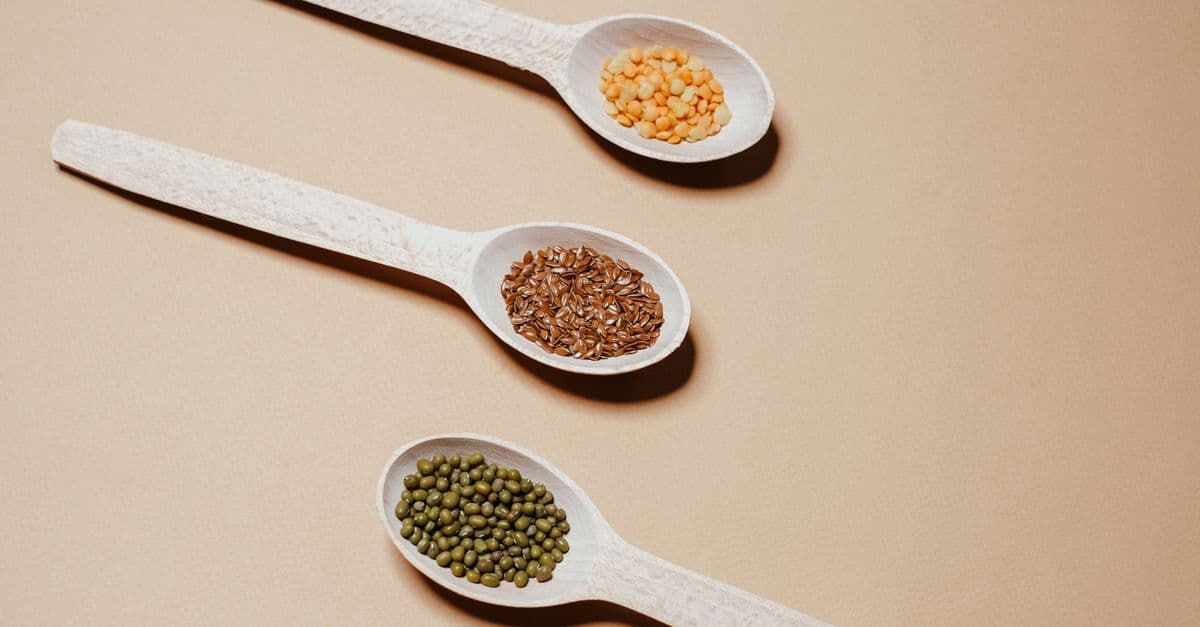
Photo: Vie Studio / Pexels
The official recommended dietary allowance for protein is 0.8 grams per kilogram of body weight per day. Fitness culture often repeats a different rule, one gram per pound, which works out to about 2.2 grams per kilogram and is nearly three times higher. Both numbers are real, and they answer different questions: the first is the amount that prevents deficiency in most healthy adults, and the second is a rule of thumb for people training hard to build muscle. This article lays out what the research supports for different groups, where the common claims go wrong, and how to read protein advice critically.
Educational content, not medical advice. Talk to your doctor before changing any medication, treatment, or routine. Information here reflects current research but every person's situation differs.
Key takeaways
- The US recommended dietary allowance (RDA) is 0.8 g of protein per kg of body weight per day. It is designed to prevent deficiency, not to maximize muscle or performance.
- For people doing resistance training, a 2018 meta-analysis found no further gain in fat-free mass above about 1.6 g/kg per day, and a sports nutrition position stand describes 1.4 to 2.0 g/kg as sufficient for most exercisers.
- Expert groups have proposed 1.0 to 1.2 g/kg for older adults.
- The average American eats more than the RDA, so protein deficiency is uncommon in the general population.
- Where the protein comes from matters: large cohort data link more plant protein to lower mortality and more red and processed meat to higher risk.
- Spreading protein across meals matters less than hitting a sensible daily total.
What protein is and what it does
Protein is a nutrient built from amino acids, small molecules that link in long chains and fold into three-dimensional shapes. Muscle fibers, enzymes, antibodies, many hormones, and the oxygen carrier hemoglobin are all proteins. Your cells assemble them according to instructions in DNA, a process described in how proteins are made.
Dietary protein is broken down in digestion into amino acids and small peptides, and the body reassembles them as needed. Think of it like a Lego set: the foods you eat are other people's finished models, and digestion takes them apart into bricks that your cells rebuild into whatever they need. Protein also supplies energy at 4 kilocalories (17 kilojoules) per gram, the same as carbohydrate, though energy is not its main job.
Essential and non-essential amino acids
Nine amino acids are classed as essential, meaning the body cannot make them in adequate amounts and they must come from food: phenylalanine, valine, threonine, tryptophan, methionine, leucine, isoleucine, lysine, and histidine. Some references debate whether the count is eight or nine, with the consensus leaning toward nine. Several others, including arginine, cysteine, glycine, glutamine, proline, and tyrosine, are conditionally essential, meaning the body may not make enough in certain states such as illness or rapid growth.
A person with the rare inherited condition phenylketonuria must keep phenylalanine intake extremely low, a reminder that "more protein" is not automatically better for every body.
What the RDA means, and what it does not
The National Academy of Medicine sets the protein RDA at 0.8 g per kg of body weight per day. At the reference body weights used in the US and Canadian tables, 70 kg for men and 57 kg for women, that equals 56 g per day for men and 46 g per day for women. Harvard's nutrition guidance translates it as just over 7 grams for every 20 pounds of body weight, or about 50 g per day for a 140-pound person and 70 g for a 200-pound person.
An RDA is set to cover the needs of nearly all healthy people in a group. It is a floor for avoiding deficiency, not a target for peak muscle growth or recovery from illness. Confusing the two is where most of the argument comes from.
The accepted macronutrient distribution range, which appears in the Dietary Guidelines for Americans, is 10% to 35% of calories from protein. That span is wide on purpose. For someone eating 2,000 kilocalories a day, it corresponds to 50 to 175 g of protein.
A sizing table
The table below applies a few common targets to body weights. The figures are straightforward arithmetic and not individual advice.
| Body weight | 0.8 g/kg (RDA) | 1.2 g/kg | 1.6 g/kg | 2.0 g/kg | 1 g per pound (about 2.2 g/kg) |
|---|---|---|---|---|---|
| 60 kg (132 lb) | 48 g | 72 g | 96 g | 120 g | 132 g |
| 70 kg (154 lb) | 56 g | 84 g | 112 g | 140 g | 154 g |
| 80 kg (176 lb) | 64 g | 96 g | 128 g | 160 g | 176 g |
| 90 kg (198 lb) | 72 g | 108 g | 144 g | 180 g | 198 g |
Do most people already get enough?
In the United States, yes. According to NHANES survey data from 2013 to 2014, women aged 20 and over averaged 69.8 g of protein per day and men averaged 98.3 g. If you assume the reference body weights of 57 kg and 70 kg, that is roughly 1.2 g/kg for women and 1.4 g/kg for men, both above the RDA. Surveys measure intake imperfectly, and averages hide individuals, so it is better to read these as evidence that deficiency is uncommon in the general population than as proof that any one person is fine.
Deficiency is a real concern in specific circumstances:
- Older adults with poor appetite or limited access to food.
- People with eating disorders or severely restricted diets.
- Patients with serious illness or recovering from surgery, who are managed by clinicians.
- Regions with food insecurity.
Poorly planned diets can fall short as well, including some vegetarian and vegan diets, which is covered below.
Protein for building muscle
The best evidence for higher intakes comes from people doing resistance training, such as weightlifting.
Morton and colleagues pooled randomized trials of protein supplementation during resistance training in a 2018 systematic review and meta-analysis in the British Journal of Sports Medicine. They analyzed 49 studies with 1,863 participants. Protein supplementation significantly increased one-repetition-maximum strength, fat-free mass, and muscle size. The benefit for fat-free mass shrank with age and was larger in people with prior training experience. The authors reported that total protein intakes above about 1.6 g/kg per day did not further contribute to gains in fat-free mass from resistance training.
That finding is the main reason the 1 g per pound rule looks generous. A person at the plateau of about 1.6 g/kg would need 112 g a day at 70 kg, not 154 g. The published analysis cannot say that nobody benefits from going higher, since individuals vary, but on average the extra protein does not buy extra muscle.
What sports nutrition groups recommend
The International Society of Sports Nutrition (ISSN) published a position stand in 2017, led by Jäger and colleagues. Its main points:
- For building or maintaining muscle, about 1.4 to 2.0 g/kg per day is sufficient for most exercisers.
- Higher intakes of roughly 2.3 to 3.1 g/kg per day may help resistance-trained people keep lean mass while dieting.
- A single dose of about 0.25 g/kg of high-quality protein, or 20 to 40 g, is a general recommendation, containing roughly 700 to 3,000 mg of the amino acid leucine.
- Protein is best spread across the day every three to four hours, and timing matters less than total daily intake.
- Endurance athletes should prioritize carbohydrate, although protein may help reduce muscle damage and aid recovery.
Other summaries put endurance exercise at 1.2 to 1.4 g/kg and strength exercise at 1.6 to 1.8 g/kg, and note that athletes in a calorie deficit may need 1.8 to 2.0 g/kg. The ranges overlap, and the reason is simple: studies differ in design and participants, and the biology has no sharp threshold.
Why muscle needs protein
Muscle is constantly being broken down and rebuilt. Exercise, especially resistance training, makes muscle more responsive to amino acids for a day or more, and the ISSN notes that the anabolic effect of exercise lasts at least 24 hours. To build net new tissue, you need enough amino acids and enough total energy, and a training stimulus that tells the muscle to grow. Protein alone, without training, does not build muscle, which is why supplement marketing that implies otherwise is misleading. The cellular energy side of this story is covered in how ATP works.
Older adults
Muscle mass and strength decline with age, a loss called sarcopenia. Aging muscle is also thought to respond less to small amounts of protein, an idea often called anabolic resistance, although it still responds to larger doses of protein or amino acids. Expert groups, including the PROT-AGE study group (2013) and the ESPEN expert group (2014), have proposed raising protein for older adults to 1.0 to 1.2 g/kg per day. The rationale is that older adults may use protein less efficiently and need more to prevent muscle loss.
The Morton meta-analysis also noted that the fat-free-mass benefit of supplementation shrank with age, a reminder that protein is one lever among several. Resistance exercise is the other main one, and the two work together. For the broader biology of aging and what is and is not established, see longevity interventions: what actually works and the hallmarks of aging.
Protein for weight management
Higher protein intakes are often used in diets for obesity, and one common finding is that increased protein helps reduce muscle loss during an energy deficit. That is why the ISSN suggests higher intakes for resistance-trained people who are cutting calories. The context is the energy balance: a calorie deficit determines weight loss, and protein influences what share of the weight lost is muscle.
For people using appetite-suppressing medications, which can sharply cut total food intake, getting enough protein within a smaller diet is an active clinical topic, and decisions belong with a doctor or dietitian. The mechanisms of those drugs are covered in how GLP-1 drugs work, and the wider biology of weight is in the biology of obesity and metabolic syndrome.
Food sources: what a serving actually delivers
Protein per serving depends heavily on portion size and on how a food is prepared. Harvard's Nutrition Source table gives the following values.
| Food (portion) | Protein | Saturated fat | Sodium |
|---|---|---|---|
| Sirloin steak, broiled (4 oz) | 33 g | 4.6 g | 66 mg |
| Sockeye salmon, grilled (4 oz) | 30 g | 1.1 g | 104 mg |
| Chicken thigh, no skin (4 oz) | 28 g | 2.7 g | 120 mg |
| Ham steak (4 oz) | 22 g | 1.6 g | 1,439 mg |
| Lentils, cooked (1 cup) | 18 g | 0.1 g | 4 mg |
| Milk (8 oz) | 8 g | 3.1 g | 115 mg |
The table shows why "protein source" is not a single thing. Four ounces (about 113 g) of ham and of salmon deliver 22 and 30 g, but the ham carries about 14 times the sodium. A cup of cooked lentils delivers 18 g along with a substantial amount of fiber and almost no saturated fat. Harvard's discussion calls this the "protein package": the fats, fiber, sodium, and other components that come with the protein probably matter more for health than the protein amount alone.
Protein supplements
Protein powders are convenient, and the Morton meta-analysis found that supplementation helped when people did resistance training. They are not essential, since whole foods can supply the same amino acids. Harvard notes that protein powders are not regulated by the FDA for safety and may contain added sugars, calories, or other ingredients, so reading the label matters.
Protein quality: complete, incomplete, and combined
A protein is described as complete when it contains all nine essential amino acids in adequate proportions. Animal foods generally supply complete protein. Plant foods often fall short in one or more essential amino acids, and the usual advice is to eat a variety of them.
Scientists score quality in two main ways. The Protein Digestibility Corrected Amino Acid Score (PDCAAS) became the industry standard in 1993. It combines the digestibility of a protein, measured on fecal matter in rats, with the score of its most limiting essential amino acid. The Digestible Indispensable Amino Acid Score (DIAAS), proposed by the FAO in 2013 as a replacement, measures digestibility at the end of the small intestine for each amino acid. It is harder to measure, but it avoids PDCAAS's tendency to overestimate digestibility.
By either measure, animal proteins such as whey, egg, and milk generally score at or near the top, and plant proteins often score lower. Cereals are typically limited by lysine, and legumes other than soy are typically limited by methionine. Because the two limits are different, eating grains and legumes over the same day can fill in each other's gaps. Heating that causes browning, through the Maillard reaction, can reduce the availability of lysine.
Do you need to combine proteins at the same meal?
No. The notion that you must pair rice and beans at a single sitting comes from a time when amino acid profiles were thought to need to match meal by meal. The body draws on a pool of amino acids, and varied eating over the day covers the gaps. Scoring individual foods can also mislead because of this complementation, a limit that reviewers of the scoring methods note. Infants have the highest essential amino acid requirements, so some plant proteins that fall short for children may be adequate for adults.
Plant-based diets
The Academy of Nutrition and Dietetics considers well-planned vegan diets appropriate for all stages of life, including pregnancy, lactation, and infancy, and has stated that concern that vegans and vegan athletes may not consume adequate protein is unsubstantiated. The same position says extra attention may be needed for several nutrients, including vitamin B12, long-chain omega-3 fats, vitamin D, calcium, iodine, iron, and zinc. Vitamin B12 can only come from fortified foods or supplements on a vegan diet, and deficiency can cause blood disorders and potentially irreversible neurological damage.
In practice, a vegan or vegetarian diet that includes legumes, soy foods, grains, nuts, and seeds can meet protein requirements, though it can take more planning and larger portions to hit the higher end of the ranges used by people in heavy training. Choosing foods by the protein package, not by protein alone, is the more useful lens. The gut also plays a role in what happens to the protein and fiber you eat, a topic covered in the gut microbiome explained.
Plant versus animal protein and health outcomes
Large cohort studies suggest the source matters. Harvard's summary of its analyses of more than 130,000 people followed for up to 32 years found that the percentage of calories from total protein was not related to overall or cause-specific mortality, but the source was. Higher red meat intake was linked to modestly higher mortality and higher plant protein intake to lower risk. Specific associations reported by Harvard include:
| Exposure | Outcome | Reported association |
|---|---|---|
| Each additional 3-oz daily serving of unprocessed red meat | Cardiovascular death | 13% higher risk |
| Each additional 1.5-oz daily serving of processed red meat | Cardiovascular death | 20% higher risk |
| Each additional daily serving of red meat | Type 2 diabetes | 12% higher risk |
| Each additional daily serving of processed red meat | Type 2 diabetes | 32% higher risk |
| Replacing red meat with nuts, low-fat dairy, or whole grains | Type 2 diabetes | 16% to 35% lower risk |
A meta-analysis of 36 trials with 1,803 participants found that diets higher in legumes, soy, and nuts lowered total and LDL cholesterol compared with diets higher in red meat. The International Agency for Research on Cancer classifies processed meat as carcinogenic to humans and red meat as probably carcinogenic to humans. These are observational associations and cannot prove that red meat causes the outcomes, since people who eat more of it differ in other ways, but the direction is consistent across many studies. Heart disease biology is covered in cardiovascular disease and atherosclerosis, and blood sugar in type 2 diabetes.
Timing and distribution
The ISSN position stand concluded that timing matters less than total daily intake. It recommends spreading intake over the day in doses of about 20 to 40 g every three to four hours for people trying to maximize muscle. It also describes pre-sleep intake of 30 to 40 g of casein as increasing overnight muscle protein synthesis. Because the anabolic effect of exercise lasts at least 24 hours, the idea of a narrow 30-minute "anabolic window" after training is not well supported.
For people who are not training for performance, there is little evidence that precise timing matters. The sleep side of recovery is covered in the science of sleep and a different timing strategy in intermittent fasting, where protein distribution is one of several open questions.
Is more protein harmful?
For healthy adults, the evidence for harm at ordinary high intakes is limited. No Tolerable Upper Intake Level has been established for protein. One proposed maximum is about 2 to 2.5 g/kg per day, roughly 25% of energy. The kidney question gets the most attention. A 2017 review suggested that protein intake above 1.5 g per kg of ideal body weight per day "may contribute to life-long risk of kidney damage," while a 2023 umbrella review found no evidence that intake above 0.8 g/kg per day specifically triggers chronic kidney disease. These are in tension, and the honest summary is that the question is not fully settled for healthy people. What is clear is that for people who already have chronic kidney disease, a low-protein diet of 0.6 to 0.8 g/kg per day may be used, although malnutrition can occur in some people, so that decision belongs with a nephrologist and dietitian. The organ's role in filtering the products of protein metabolism is covered in how the kidneys work.
The 2001 American Heart Association advisory against some high-protein diets, such as Atkins, cited potential health risks and a lack of long-term studies, and noted that high-protein diets high in saturated fat increase the risk of coronary artery disease and cancer. That is another way to see the protein package point: the issue is often what comes with the protein.
Common misconceptions
"You need a gram per pound." That rule is above what the 2018 meta-analysis found to matter for fat-free mass in the average resistance trainee and above the ISSN's 1.4 to 2.0 g/kg range for most exercisers. It is not dangerous for most healthy people, but it is not required, and it can crowd out other foods or raise cost.
"The body can only absorb 30 g per meal." Absorption is not capped like that. The ISSN's 20 to 40 g figure describes a dose that robustly stimulates muscle protein synthesis, not a limit on digestion. Larger amounts are still digested, and the amino acids are used for other purposes.
"Plant protein is incomplete, so vegans cannot build muscle." Individual plant foods may be limited, but varied plant diets provide all essential amino acids, and the Academy of Nutrition and Dietetics considers concern about vegan protein adequacy unsubstantiated for well-planned diets.
"Protein makes you gain weight." Weight change follows energy balance. Protein supplies 4 kilocalories per gram, the same as carbohydrate.
"Steak gives you energy." Carbohydrate and fat are the main fuels. Protein's main role is structural and functional.
"More protein means more muscle without limit." In the Morton data, additional protein beyond about 1.6 g/kg did not add fat-free mass on average, and training and total energy intake are the other limits.
How to think about your own number
This is a framework for reading advice, not a prescription. A few questions help.
- What is the goal? Avoiding deficiency, preserving muscle with age, building muscle, or cutting weight each point to a different range.
- Is there training? Without a resistance training stimulus, extra protein has little to act on.
- What comes with the protein? Fiber, saturated fat, and sodium differ greatly among sources.
- Is there a medical condition? Kidney disease, pregnancy, serious illness, and metabolic conditions change the answer, and a clinician should set the target.
- What do you already eat? Many people in countries like the US already exceed the RDA, so the practical question is often about quality, not quantity.
FAQ
Q: How much protein should I eat per day? A: The US RDA is 0.8 g per kg of body weight, about 56 g for a 70 kg man and 46 g for a 57 kg woman. Sports nutrition guidance runs 1.4 to 2.0 g/kg for most exercisers, and expert groups have proposed 1.0 to 1.2 g/kg for older adults. Individual needs depend on health, activity, and goals.
Q: Is 1 gram of protein per pound of body weight necessary? A: No. One gram per pound is about 2.2 g/kg, above the roughly 1.6 g/kg level where a 2018 meta-analysis found no further fat-free mass gains from resistance training. It sits above the ISSN's 1.4 to 2.0 g/kg range for most exercisers, though higher intakes of 2.3 to 3.1 g/kg are suggested for trained people who are cutting calories.
Q: Can you get enough protein on a vegetarian or vegan diet? A: Yes, with planning. The Academy of Nutrition and Dietetics regards well-planned vegan diets as appropriate for all life stages, and says concern about protein adequacy for vegan athletes is unsubstantiated. Vegans need a reliable source of vitamin B12, and attention to several other nutrients.
Q: Does protein timing matter? A: Less than total daily intake. The ISSN position stand suggests doses of 20 to 40 g every three to four hours for people maximizing muscle, and notes that exercise's anabolic effect lasts at least 24 hours, so a narrow post-workout window is not well supported.
Q: Does a high-protein diet damage the kidneys? A: In people with chronic kidney disease, protein is often restricted, with 0.6 to 0.8 g/kg per day cited as a range, under medical supervision. For healthy people the evidence is mixed: a 2017 review raised concern above 1.5 g/kg of ideal body weight, while a 2023 umbrella review found no evidence that intake above 0.8 g/kg triggers chronic kidney disease.
Q: Do I need protein supplements? A: Not necessarily. Whole foods can meet protein needs, and the ISSN describes supplements as a practical way to get enough protein without excess calories, especially for high-volume athletes. Harvard notes protein powders are not regulated by the FDA for safety, so labels are worth reading.
Q: Why does the source of protein matter? A: Foods come with other components. In Harvard's cohort analyses, total protein share was not linked to mortality, but higher plant protein intake was linked to lower risk and more red and processed meat to higher risk. These are observational associations and do not prove cause.
The takeaway
The two numbers in this debate answer different questions. The RDA of 0.8 g/kg is a minimum set to prevent deficiency, and most Americans already eat more than that. For people who train with weights, the evidence points to a plateau around 1.6 g/kg for muscle gain on average, with sports nutrition groups giving a range of 1.4 to 2.0 g/kg, and one gram per pound lies beyond it. Older adults are the group for whom expert advice moves above the RDA without a performance goal, and the source of protein can matter as much as the amount. The most useful habit is to ask what a number was designed to do before adopting it.
References
Sources consulted for figures (accessed October 22, 2026):
- Protein (nutrient) (Wikipedia)
- Harvard T.H. Chan School of Public Health, The Nutrition Source: Protein
- Morton, R.W., et al. (2018). "A systematic review, meta-analysis and meta-regression of the effect of protein supplementation on resistance training-induced gains in muscle mass and strength in healthy adults." British Journal of Sports Medicine, 52(6), 376-384.
- Jäger, R., et al. (2017). "International Society of Sports Nutrition Position Stand: protein and exercise." Journal of the International Society of Sports Nutrition, 14, 20.
- Protein quality (Wikipedia)
- Sarcopenia (Wikipedia)
- High-protein diet (Wikipedia)
- Veganism (Wikipedia)
Related Reading
Follow new articles
Add SciHub101 to your feed reader to see new science and technology stories.
About the Author
SciHub101 is an independent science and technology publication founded and edited by Buğra Sözeri, a software engineer and app developer based in Türkiye. AI tools assist with drafting and research. Source documentation in the existing archive is uneven, and articles are being reviewed and corrected. The Editorial Team byline identifies editorial responsibility; it does not certify specialist or independent human review. Where we compare products, anything built by our own team is labelled as such — see the editorial guidelines and About page for how corrections and disclosures work.
Related Articles

Sleep and Health: How Much You Need and When to Seek Help
Understand adult sleep recommendations, evening exercise evidence, and why persistent insomnia deserves clinical assessment and structured treatment.

How Much Caffeine Is Too Much? The Science of Coffee and Energy Drinks
Caffeine is the world's most consumed psychoactive drug. It boosts alertness, has real health benefits, and is dangerous in excess. Here's the science of caffeine and how much you can safely drink.

Is Sugar Really That Bad for You?
Sugar has been blamed for everything from obesity to cancer to Alzheimer's. The reality is more nuanced — quantity, source, and context all matter. Here's what nutrition science actually shows.

Macronutrients Explained — Proteins, Carbs, Fats
What proteins, carbohydrates, and fats actually do in the body, how many calories each delivers, and which diet approaches the evidence supports.
The Vitamin D Paradox — Why It's So Important and So Misunderstood
Vitamin D clearly prevents rickets, yet large trials of extra vitamin D in healthy adults keep coming back flat. Here is how that paradox arises and what the evidence supports.
Intermittent Fasting — What the Science Actually Says
Intermittent fasting works for some people for some reasons. Here's the actual research on what it does, what it doesn't, and how it compares to ordinary calorie restriction.