Cardiovascular Disease & Atherosclerosis: The Biology
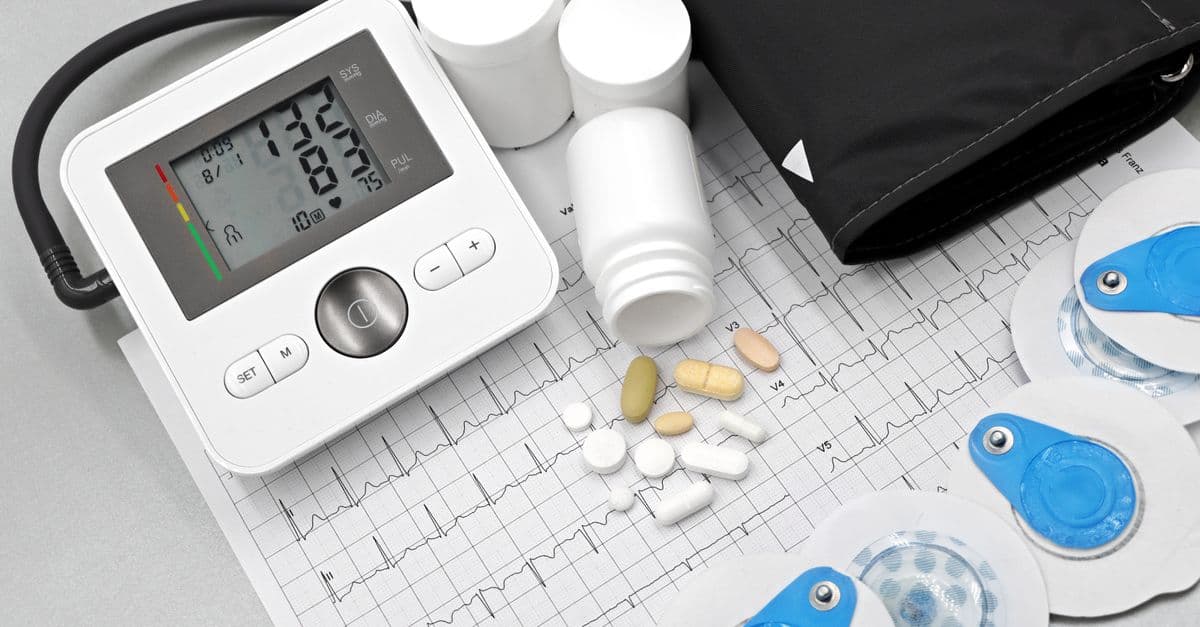
Photo: Marta Branco / Pexels
Cardiovascular disease (CVD) is the leading cause of death worldwide. The World Health Organization estimates that 19.8 million people died from it in 2022, about 32% of all deaths globally. Most of that toll starts with atherosclerosis, a process that runs silently in the artery wall for decades before the first heart attack or stroke. This article follows the disease from the first damaged cell to the clot, then explains how today's drugs interrupt it and why the heart sometimes fails afterward.
Educational content, not medical advice. Talk to your doctor before changing any medication, treatment, or routine. Information here reflects current research, but every person's situation differs.
How big is the problem, in numbers
Start with the scale, because it explains why researchers have spent a century on this one disease. The WHO's cardiovascular fact sheet reports that 85% of CVD deaths are caused by heart attack and stroke, and that more than three-quarters of CVD deaths occur in low- and middle-income countries (WHO, Cardiovascular diseases fact sheet). The same page lists the main behavioral drivers: unhealthy diet, physical inactivity, tobacco use, harmful alcohol use, and air pollution. These act through raised blood pressure, raised blood glucose, raised blood lipids, and excess weight.
Wealthy countries are not spared. The US Centers for Disease Control and Prevention reports that cardiovascular disease caused 919,032 US deaths in 2023, roughly one in three, and that about 805,000 Americans have a heart attack each year (CDC, Heart disease facts and statistics).
| Measure | Figure | Source and year |
|---|---|---|
| Global CVD deaths | 19.8 million | WHO, 2022 |
| Share of all global deaths | About 32% | WHO, 2022 |
| CVD deaths due to heart attack and stroke | 85% | WHO fact sheet |
| US CVD deaths | 919,032 | CDC, 2023 |
| US heart attacks per year | About 805,000 (605,000 first-time) | CDC |
| US heart attacks that are silent | About 1 in 5 | CDC |
That last row deserves a second look. A "silent" heart attack causes damage without the crushing chest pain people expect, which is one reason screening and prevention matter more than waiting for symptoms. Life expectancy gaps between countries partly reflect how well each health system handles this one disease; for the wider picture, see the ranking of countries by life expectancy.
Atherosclerosis is an inflammatory disease, not a plumbing problem
For decades, atherosclerosis was pictured as a plumbing problem: cholesterol passively accumulating in artery walls like scale inside an old water pipe. That picture is now obsolete. In 1999, the cardiologist Russell Ross published "Atherosclerosis: An Inflammatory Disease" in the New England Journal of Medicine, arguing that the disease is driven by a chronic immune response inside the arterial wall. Cholesterol supplies the trigger. Inflammation supplies the engine.
A better analogy is a wound that cannot close. Imagine a splinter lodged in your skin that your body keeps trying to wall off, flush out, and repair. The repair never finishes because the irritant never leaves, so the swelling grows. Atherosclerosis is the same loop playing out inside a blood vessel wall, with cholesterol particles as the splinter and immune cells as the repair crew that keeps making the lesion larger.
This reframing explains several observations that the plumbing model could not. It explains why people with ordinary LDL cholesterol can still develop disease, why inflammation markers such as high-sensitivity C-reactive protein (hsCRP, a blood protein the liver releases when inflammation is active) carry information beyond a lipid panel, and why drugs that lower cholesterol can have effects beyond the cholesterol number. It also led to a direct test: the CANTOS trial gave patients with prior heart attacks canakinumab, an antibody that blocks the inflammatory signal interleukin-1 beta, without changing their LDL, and reported fewer cardiovascular events. That result was an early proof that inflammation is a treatable cause rather than a bystander. The trial also showed the cost of dampening immunity, since treated patients had a higher rate of serious infection, which is why the approach has not become routine. For the immune background, see what inflammation is and why it matters.
How a plaque forms, step by step
The progression from healthy artery to heart attack follows a well-characterized sequence. The National Heart, Lung, and Blood Institute (NHLBI) notes that plaque often begins forming in childhood and worsens with age, built from cholesterol, fat, blood cells, and other substances that collect in artery walls (NHLBI, Atherosclerosis). Here is the sequence in more detail.
1. The lining of the artery gets damaged
The endothelium is a layer of cells one cell thick that lines every blood vessel. Think of it as a smart membrane rather than wallpaper: it regulates vessel width, discourages clotting, and controls what crosses into the wall beneath it. Healthy endothelial cells make nitric oxide, a gas that relaxes the surrounding muscle and keeps the vessel calm.
Risk factors injure this layer. High LDL, high blood pressure, tobacco smoke, diabetes, and excess abdominal fat all reduce nitric oxide production and make the lining leakier. The injured cells also display sticky adhesion molecules on their surface (VCAM-1 and ICAM-1 are two well-studied examples), which act like Velcro for passing white blood cells. This is the initiating step, and it tends to start at places where blood flow is turbulent, such as the branch points of arteries.
2. LDL slips in and is chemically modified
LDL stands for low-density lipoprotein, a particle that ferries cholesterol through the blood. When the lining is leaky, LDL particles lodge in the layer just beneath it, called the intima. There they meet reactive oxygen molecules and become chemically altered, or oxidized.
The distinction matters. Native LDL is not strongly inflammatory. Oxidized LDL looks like debris to the immune system, which treats it as a danger signal and responds accordingly.
3. Immune cells arrive and become foam cells
Oxidized LDL prompts the lining to release chemical messengers (chemokines, including one called MCP-1) that call monocytes, a type of white blood cell, out of the bloodstream. The monocytes cross into the intima and mature into macrophages, the immune system's engulfing cells.
Macrophages carry scavenger receptors, such as CD36, that take up oxidized LDL without the normal braking mechanism that stops a cell from overeating cholesterol. Imagine a vacuum cleaner with no off switch. The macrophages swell with fat droplets and under the microscope look foamy, which is how they got the name foam cells. Clusters of foam cells form the fatty streak, the earliest visible lesion, which is consistent with the NHLBI's statement that the process can begin in childhood.
4. A fibrous cap forms over a lipid core
As the lesion grows, smooth muscle cells migrate from the middle layer of the artery wall into the intima. They secrete collagen and other structural proteins that build a fibrous cap over the fatty core. The cap is protective in the short term, because it keeps the inflammatory contents of the plaque away from flowing blood.
Meanwhile, dead foam cells accumulate at the center and form a soft necrotic core. The plaque may also calcify over time, which is the basis for the calcium scan discussed later.
5. Stable plaque versus vulnerable plaque
Not all plaques are equally dangerous. A plaque with a thick cap and a small core can narrow the artery enough to cause predictable chest pain with exertion (stable angina), but it tends to stay put. A vulnerable plaque, sometimes called a thin-cap fibroatheroma, has a thin cap, a large lipid core, and active inflammation at its edges, where macrophages release enzymes (matrix metalloproteinases) that digest collagen and thin the cap further.
When a thin cap tears, the core is exposed to flowing blood. Platelets, the cell fragments that plug leaks, activate within moments, the clotting cascade fires, and a clot forms on the spot. If the clot blocks a coronary artery, the downstream heart muscle is starved of oxygen, and the result is a heart attack. If it blocks or travels to a brain artery, the result is a stroke. The NHLBI describes the same event: a ruptured plaque can cause a blood clot that blocks the artery or travels elsewhere in the body.
A counterintuitive consequence: the plaques that cause heart attacks are not always the ones that narrow the artery the most. A moderately narrowing plaque with a thin cap can rupture without warning, while a severely narrowing but well-capped plaque may cause only angina.
The LDL question: causation, not just correlation
The claim that LDL causes atherosclerosis is among the best-supported causal relationships in medicine, because several independent lines of evidence point the same way. Each approach has different weaknesses, so agreement between them carries weight.
Familial hypercholesterolemia. People who inherit mutations that disable the LDL receptor, the surface protein liver cells use to pull LDL out of blood, carry very high LDL from birth. Without treatment they develop coronary disease decades earlier than average. This is a natural experiment in which one variable changes and the outcome is dramatic.
Mendelian randomization. Genes are shuffled at conception, so they act like a lifelong randomized trial. Variants that raise LDL are associated with more cardiovascular disease, and variants that lower LDL, including loss-of-function variants in the PCSK9 gene, are associated with less. Because the allocation is random with respect to lifestyle, this approach sidesteps many confounders.
Randomized trials. The Cholesterol Treatment Trialists' Collaboration pooled individual data from 26 randomized statin trials covering roughly 170,000 participants. It found that each 1 mmol/L (about 39 mg/dL) reduction in LDL cholesterol was associated with about a 22% lower rate of major vascular events, and the authors found no clear LDL threshold below which the benefit stopped, nor a significant increase in cancer (Cholesterol Treatment Trialists' Collaboration, Lancet, 2010; PubMed ID 21067804).
Taken together, these show that LDL is not merely a marker. It is a cause, and the relationship holds across genetics, population studies, and drug trials. That said, causation does not mean LDL acts alone. Blood pressure, smoking, diabetes, and inflammation all change how much damage a given LDL level produces, which is why doctors estimate risk from several factors at once.
Reading a lipid panel
A standard lipid panel reports several numbers, and each carries a different kind of information.
| Lipid | What it is | Why it matters |
|---|---|---|
| LDL-C | Cholesterol carried in LDL particles | Primary driver of plaque; causal for CVD |
| HDL-C | Cholesterol carried in HDL particles | Involved in moving cholesterol back to the liver; low levels mark higher risk, but raising HDL by itself has not been shown to be protective |
| Triglycerides | Fat carried mainly in very-low-density particles | Marker of metabolic dysfunction; high levels often accompany insulin resistance |
| Lp(a) | LDL-like particle with an extra protein attached | Largely genetically determined; an independent risk factor that lifestyle changes barely move |
Targets vary by country, guideline, and the individual's overall risk, so this article does not list numerical cutoffs. Your clinician sets them based on the full picture.
Lp(a), the overlooked particle. Lipoprotein(a) looks like LDL with an extra protein, apolipoprotein(a), attached. Blood levels are mostly set by genes and respond little to diet, exercise, or statins. Elevated Lp(a) is an independent risk factor, and it remains a major gap in preventive cardiology because no approved drug targets it directly. Gene-silencing drugs aimed at Lp(a) have been in late-stage trials, so the picture may change.
Statins: the first-line pillar
Statins block HMG-CoA reductase, the rate-limiting enzyme in the liver's cholesterol production line. With less cholesterol being made inside, liver cells respond by putting more LDL receptors on their surface, which pulls more LDL out of the blood. The NHLBI describes statins as the most commonly prescribed cholesterol medicines and notes they reduce the risk of heart attack and stroke in people with high LDL (NHLBI, Blood cholesterol treatment).
Statins also appear to calm inflammation and stabilize plaques. The JUPITER trial tested this idea by giving rosuvastatin or placebo to people with normal LDL but elevated hsCRP. The trial was stopped early because the rosuvastatin group had fewer major cardiovascular events. The result supported the inflammatory view of the disease and showed that LDL alone does not describe a person's risk. It remains debated how much of statin benefit is independent of LDL lowering, since statins also lower LDL in those patients.
The safety record is generally reassuring, with caveats. The NHLBI states that statins usually cause no side effects, may raise diabetes risk mainly in people already at high risk, can produce abnormal liver enzyme results (actual liver damage is extremely rare), and in rare cases cause muscle damage. Muscle aches are the complaint patients raise most often. They are sometimes caused by the drug and sometimes not, because aches are common in people who are not taking statins, and clinicians often test a lower dose or a different statin before concluding a person cannot tolerate the class.
Beyond statins: newer lipid-lowering drugs
When statins are not enough or not tolerated, several other classes are available.
Ezetimibe blocks absorption of cholesterol from the gut, which cuts the supply reaching the liver.
PCSK9 inhibitors (evolocumab and alirocumab) are antibodies given by injection under the skin. PCSK9 is a protein that destroys LDL receptors; blocking it leaves more receptors on liver cells to clear LDL. The FOURIER trial of evolocumab, added on top of statin therapy in patients with established cardiovascular disease, showed a large further drop in LDL and a reduction in cardiovascular events. The NHLBI notes the most common side effects are itching, pain, or swelling at the injection site.
Inclisiran takes a different route. It is a small interfering RNA, a short strand of genetic material that silences the instructions for making PCSK9 inside liver cells. Because the effect lasts, dosing is measured in months rather than weeks.
Bempedoic acid is an oral drug that blocks an enzyme, ATP-citrate lyase, one step upstream of the one statins block. It is activated mainly in the liver rather than muscle, which is why it was developed for patients who cannot tolerate statins. The CLEAR Outcomes trial in statin-intolerant patients reported fewer major cardiovascular events with bempedoic acid than with placebo.
The sequence of discovery here is worth noticing. Human genetics pointed to PCSK9 as a target, and drug developers then built blockers that mimic the protective natural mutation. It is one of the cleaner examples of medicine learning from rare genes.
Heart attack, stroke, and the paradox of reperfusion
Atherosclerosis affects arteries throughout the body, but the consequences depend on where the clot lands. The NHLBI defines a heart attack, or myocardial infarction, as blood flow to part of the heart muscle suddenly becoming blocked, with that muscle beginning to die if flow is not restored quickly. Most heart attacks are caused by coronary artery disease.
Doctors separate heart attacks by what the ECG shows. In a STEMI (ST-elevation myocardial infarction), an artery is typically completely blocked, and the standard response is emergency catheter-based opening of the vessel, with speed measured in minutes from hospital door to balloon inflation. In an NSTEMI, the blockage is partial or intermittent, and treatment typically combines medication with early imaging of the arteries.
Restoring flow brings its own paradox. Blood returning to starved tissue triggers a burst of reactive oxygen molecules and calcium overload that can injure cells that would have survived. This reperfusion injury is why researchers keep searching for drugs to give alongside the opened artery, though none has yet become a standard add-on.
Most strokes are ischemic, caused by a clot blocking a brain artery by a mechanism similar to a heart attack. A smaller share are hemorrhagic, caused by a vessel rupturing, often linked to high blood pressure or malformed vessels. That distinction matters in emergencies, because clot-dissolving and blood-thinning treatments help one type and could be harmful in the other, which is why brain imaging comes first.
Heart failure: when the pump weakens
Surviving a heart attack often means living with damaged muscle. The NHLBI defines heart failure as the heart not pumping enough blood for the body's needs, a phrase that does not mean the heart has stopped. Coronary heart disease is one of the usual causes, along with high blood pressure, heart inflammation, cardiomyopathy, and irregular heartbeat. The agency also states there is currently no cure, though treatment can help many people improve their quality of life (NHLBI, Heart failure).
Clinicians commonly split heart failure by ejection fraction, the share of blood in the filled left ventricle that is pumped out with each beat. In heart failure with reduced ejection fraction (HFrEF), the muscle is weak and the chamber dilated, and the heart pushes out a smaller fraction per beat than normal. In heart failure with preserved ejection fraction (HFpEF), the pumping fraction looks normal but the stiff muscle cannot relax and fill properly. HFpEF is strongly associated with obesity, high blood pressure, and metabolic syndrome; see the biology of obesity and metabolic syndrome.
The core problem in HFrEF is that the body's emergency responses become harmful when they stay switched on. A failing heart triggers the renin-angiotensin-aldosterone system and the sympathetic nervous system to hold up blood pressure and output. Over months, those same signals overwork the heart and drive further remodeling, a vicious cycle. Standard drug therapy targets those signals: ACE inhibitors or related drugs, beta blockers, mineralocorticoid receptor antagonists, and, more recently, SGLT2 inhibitors. SGLT2 inhibitors started as diabetes drugs that make the kidney excrete glucose, and large trials of dapagliflozin and empagliflozin found fewer heart failure hospitalizations in patients with and without diabetes. How they protect the heart is still being worked out, and proposed mechanisms include mild diuresis, less inflammation, and better energy use by heart muscle. For how a healthy heart works, start with the anatomy and function of the heart.
Risk factors and what changes them
Risk factors rarely act alone, and their effects multiply. The table lists the major ones, how each harms the vessel wall, and the general category of intervention. It deliberately avoids per-person numbers, because absolute benefit depends on baseline risk.
| Risk factor | How it harms arteries | General approach |
|---|---|---|
| High blood pressure | Mechanical strain injures the lining and stiffens vessels | Lifestyle changes, blood pressure medicines |
| High LDL cholesterol | Supplies the lipid that builds plaque | Diet, statins, other lipid-lowering drugs |
| Tobacco use | Chemicals injure the lining and promote clotting | Cessation |
| Diabetes and high blood glucose | Damages the lining and accelerates plaque growth | Glucose control, weight management |
| Excess weight | Drives high blood pressure, glucose, and lipid changes | Weight management, activity |
| Physical inactivity | Worsens blood pressure, weight, and glucose control | Regular physical activity |
| High Lp(a) | Genetically set, LDL-like particle that promotes plaque | No approved targeted drug yet; reduce other risks |
The WHO lists unhealthy diet, physical inactivity, tobacco use, harmful alcohol use, and air pollution as the behavioral and environmental drivers behind these intermediate risks. If you want the physiology of why activity helps, read the science of exercise. Chronic stress hormones and poor sleep also feed in; cortisol and the stress response explains how, and the science of sleep covers the sleep side. Diabetes physiology is covered in insulin and diabetes explained.
What the Framingham Heart Study taught us
Much of modern risk assessment traces back to a single town. The Framingham Heart Study began in 1948 in Framingham, Massachusetts, with 5,209 men and women aged 30 to 62. The study later enrolled the original participants' children and spouses in 1971 (5,124 people) and the grandchildren in 2002 (NHLBI, Framingham Heart Study).
The findings arrived decade by decade, and each one changed clinical practice.
| Decade | Framingham finding |
|---|---|
| 1960s | Smoking, cholesterol, blood pressure, and ECG abnormalities linked to higher heart disease risk |
| 1970s | High blood pressure raises stroke risk; atrial fibrillation raises stroke risk about fivefold; menopause linked to heart disease risk |
| 1980s | High HDL cholesterol associated with lower risk of death |
| 1990s | Enlarged left ventricle shown to raise stroke risk |
| 2000s | Prehypertension associated with higher cardiovascular risk |
| 2010s | Sleep apnea linked to stroke risk; genes identified for heart disease risk factors |
| 2020s | Genes associated with coronary artery calcification and heart attack identified |
The study's real lesson is about method. Before Framingham, heart disease was often seen as an inevitable part of aging. Following healthy people forward in time revealed that identifiable, modifiable factors predicted who would get sick. The 1970s menopause finding also explains a pattern you will see in FAQs below: women tend to develop disease later than men, and risk changes after menopause. The sex hormones involved are covered in sex hormones explained.
How doctors find disease before symptoms
Because plaque grows silently, detection tools matter. The NHLBI describes several, each answering a different question (NHLBI, Coronary heart disease diagnosis).
- Coronary calcium scan. A cardiac CT scan that measures calcium in the walls of the coronary arteries. It can help assess risk in people with no symptoms. The calcium is a trace of plaque that has been present for years.
- Stress tests. The patient walks, runs, or receives a drug that makes the heart work harder while an ECG or imaging test looks for low blood flow to the heart muscle.
- Invasive coronary angiography. Contrast dye is injected into the coronary arteries through a catheter to locate blockages. It is typically used when other tests suggest coronary disease is likely.
- Coronary CT angiography. An X-ray imaging method that shows blood flow through the coronary arteries without a catheter.
A calcium score is not a verdict. A score of zero suggests low near-term risk but does not mean no plaque exists, because early, soft plaque has not yet calcified. The test is mainly used to refine decisions when a person's risk is borderline.
What people get wrong about heart disease
"It's a man's disease." The CDC reports heart disease is the leading cause of death for both men and women. Women can experience heart attack symptoms that differ from the classic crushing chest pain, which may contribute to delayed recognition.
"Normal cholesterol means safe arteries." LDL is the dominant driver, but risk is a composite. Blood pressure, smoking, diabetes, inflammation, and inherited factors such as Lp(a) all contribute, and a heart attack can occur at an LDL that a person was told was fine.
"Atherosclerosis cannot be reversed." The NHLBI states that atherosclerosis can sometimes be reversed through healthy lifestyle changes and medicines. Intensive LDL lowering has been shown on imaging to shrink plaque modestly, but the more realistic goal is stabilization, meaning plaques less likely to rupture.
"Heart attack and cardiac arrest are the same." A heart attack is a plumbing and supply problem: a blocked artery starves a region of muscle while the heart often keeps beating. Cardiac arrest is an electrical failure in which the heart stops pumping effectively. A heart attack can trigger cardiac arrest, but they are different events with different first responses.
"Statins are dangerous." The NHLBI describes serious harm as rare and the usual experience as no side effects, while noting some real risks such as a small rise in diabetes risk in people already near the threshold. Decisions about any drug belong with a clinician who knows your history.
Frequently asked questions
Q: Is atherosclerosis reversible? A: Partially. The NHLBI says it can sometimes be reversed through healthy lifestyle changes and medicines. Studies using intravascular ultrasound have shown modest plaque shrinkage with very aggressive LDL lowering. Established scar-like tissue does not fully disappear, so the practical aim is to stabilize plaques and slow progression.
Q: Can you have a heart attack with normal cholesterol? A: Yes. LDL is the primary driver, but it is one of several. High blood pressure, smoking, diabetes, inflammation, and Lp(a) all raise risk independently. This is why clinicians estimate risk from multiple factors and sometimes add tests such as a coronary calcium scan.
Q: What does a coronary artery calcium score measure? A: It measures calcium deposits in the walls of the coronary arteries using a CT scan. Calcium marks plaque that has been present for a long time. A zero score suggests low near-term risk, while higher scores indicate more plaque. It helps most when a person's risk is borderline and the case for treatment is unclear.
Q: Why do women tend to develop heart disease later than men? A: Researchers link it to hormones, among other factors. The Framingham study identified menopause as associated with heart disease risk in the 1970s, and risk in women rises with age after menopause. Mechanisms such as estrogen's effects on blood vessels have been proposed, but hormone therapy has not proven to be a prevention strategy, so this remains an area of active research.
Q: How do PCSK9 inhibitors work? A: PCSK9 is a protein that causes liver cells to destroy LDL receptors. Antibody drugs (evolocumab, alirocumab) bind PCSK9 in the blood, and the siRNA drug inclisiran reduces its production. Either way, more LDL receptors survive on the liver surface and clear more LDL. The NHLBI says these drugs are injected and are mainly prescribed to people at high risk or with familial hypercholesterolemia.
Q: What is the difference between a heart attack and cardiac arrest? A: A heart attack is a circulation problem, in which a blocked artery cuts oxygen to part of the heart muscle. Cardiac arrest is an electrical problem, in which the heart stops pumping effectively. A heart attack can lead to cardiac arrest, but the two are not interchangeable, and both need an emergency call.
Q: How does SGLT2 inhibition help in heart failure? A: SGLT2 inhibitors make the kidneys excrete glucose and some extra fluid. In heart failure, large trials found fewer hospitalizations, including in patients without diabetes. Proposed explanations include reduced fluid load, lower inflammation, and improved energy use by the heart. Researchers are still sorting out which mechanisms matter most.
The takeaway
Atherosclerosis is best understood as a slow, self-reinforcing wound: damaged lining lets LDL in, the immune system overreacts to it, and the resulting plaque can rupture years later and trigger a clot. That model explains why LDL lowering works, why inflammation matters, and why the same disease shows up as a heart attack in one person and a stroke in another. It also explains why prevention is so much more effective than rescue. The lesions begin early, change slowly, and respond to the factors that shape them: blood pressure, lipids, glucose, smoking, and genes.
Sources
- World Health Organization. Cardiovascular diseases (CVDs) fact sheet.
- US Centers for Disease Control and Prevention. Heart disease facts and statistics, page dated October 24, 2024.
- National Heart, Lung, and Blood Institute. Atherosclerosis.
- National Heart, Lung, and Blood Institute. Framingham Heart Study.
- National Heart, Lung, and Blood Institute. Blood cholesterol: treatment.
- National Heart, Lung, and Blood Institute. Coronary heart disease: diagnosis.
- National Heart, Lung, and Blood Institute. Heart failure and Heart attack.
- Cholesterol Treatment Trialists' Collaboration (2010). Efficacy and safety of more intensive lowering of LDL cholesterol. Lancet, 376(9753), 1670-1681. PubMed ID 21067804.
- Ross, R. (1999). Atherosclerosis: An inflammatory disease. New England Journal of Medicine, 340(2), 115-126.
Read next:
Follow new articles
Add SciHub101 to your feed reader to see new science and technology stories.
About the Author
SciHub101 is an independent science and technology publication founded and edited by Buğra Sözeri, a software engineer and app developer based in Türkiye. AI tools assist with drafting and research. Source documentation in the existing archive is uneven, and articles are being reviewed and corrected. The Editorial Team byline identifies editorial responsibility; it does not certify specialist or independent human review. Where we compare products, anything built by our own team is labelled as such — see the editorial guidelines and About page for how corrections and disclosures work.
Related Articles

Type 2 Diabetes: The Biology Behind the Epidemic
Type 2 diabetes starts with insulin resistance and failing beta cells. See the biology, what remission trials show, and how treatments target each step.

Longevity Interventions: What Actually Works
Evidence-based review of longevity interventions — from exercise and sleep to metformin, NMN, rapamycin, and what's genuinely overhyped.
The Biology of Obesity and Metabolic Syndrome
Obesity is a chronic disease shaped by hormones, brain, and environment. See how leptin, insulin resistance, and visceral fat drive metabolic syndrome.

What Is Inflammation and Why It Matters for Almost Every Disease
Inflammation is the immune system's emergency response. When it becomes chronic, it is tied to heart disease, cancer, and neurodegeneration.
Complement System: The Body's Cascade Defense Explained
How complement proteins amplify immune responses through coordinated molecular cascade activation
Complete Biology Guide 2026 — How Life Works
The complete guide to biology in 2026: cells and genetics, evolution, the human body, neuroscience, disease, immune systems, and the future of genetic engineering.