Complement System: The Body's Cascade Defense Explained
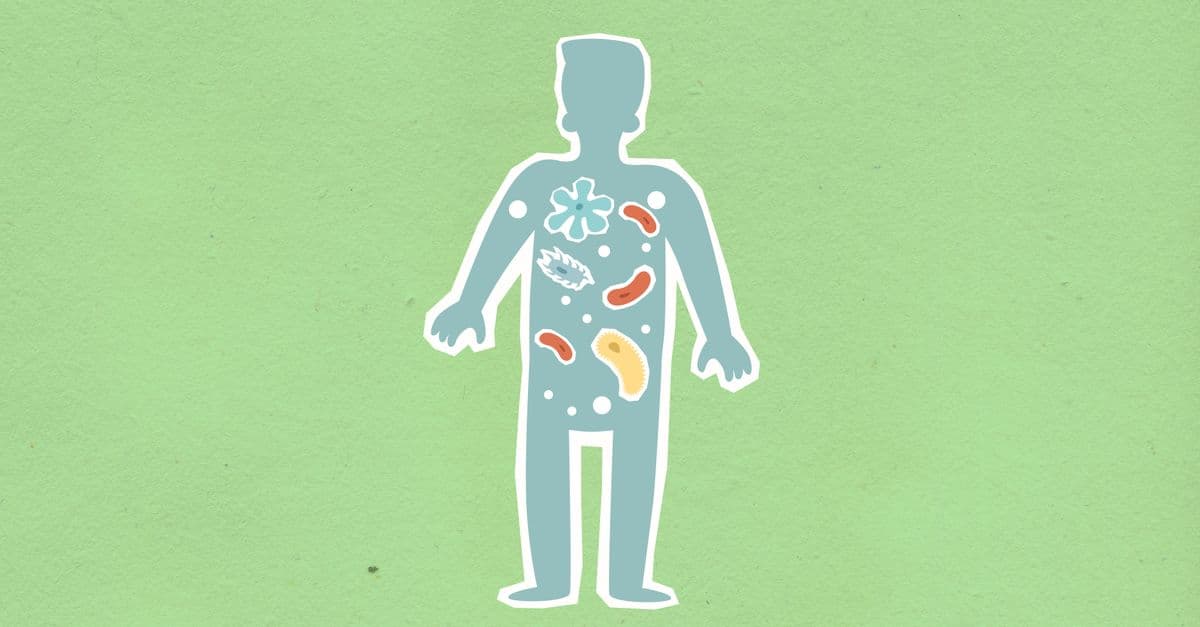
Photo: Monstera Production / Pexels
The complement system is a network of roughly 30 blood proteins that punches holes in bacteria, tags invaders for destruction, and calls in reinforcements within minutes of an infection starting. It doesn't wait for the immune system to learn what a pathogen looks like. It's already primed, circulating in inactive form, ready to snap into action the moment it detects a threat. Understanding how this cascade works explains everything from why some children get recurring meningitis to why a single injectable drug can stop a rare blood disease in its tracks.
Educational content, not medical advice. Talk to your doctor before changing any medication, treatment, or routine. Information here reflects current research but every person's situation differs.
Key Takeaways
- Complement comprises about 30 circulating and cell-surface proteins that amplify immune responses through sequential activation
- Three activation routes — classical, alternative, and lectin — converge on cleaving C3, the system's central amplification switch
- One activated molecule can trigger hundreds of downstream reactions, turning a tiny initial signal into a full-scale response within minutes
- Complement opsonizes (tags) pathogens for destruction, recruits immune cells to the site of infection, and can punch holes directly through bacterial membranes
- Both too little and too much complement activity cause disease — deficiency raises infection risk, while overactivation drives autoimmune and inflammatory conditions
What the complement system actually is
Think of complement as the immune system's motion-sensor alarm and automatic sprinkler system combined into one. Antibodies and T cells are more like a security guard who has to recognize a specific face before acting — precise, but it takes time to learn who to watch for. Complement proteins, by contrast, are pre-installed and untrained. They recognize generic danger patterns, like unusual sugar arrangements or foreign surfaces, and respond within seconds without needing to have "seen" the threat before.
That speed matters. Bacteria can double in number every 20 to 30 minutes under good conditions, so an immune response that takes days to ramp up is too slow to matter on its own. Complement buys time. It's part of what immunologists call innate immunity — the fast, non-specific first line of defense, in contrast to the slower, highly targeted adaptive immune system built around antibodies and memory cells (NCBI Bookshelf, Immunobiology).
The name itself is a historical accident worth knowing, because it tells you something about how the system actually functions. In the late 1800s, researchers noticed that fresh blood serum could kill bacteria, but only when combined with specific antibodies. Boil the serum first and it lost its killing power entirely, even with antibodies present. German physician Paul Ehrlich named the heat-sensitive component "complement" because it complemented — completed — the antibody's ability to destroy pathogens. Neither one alone did the job as well as the two working together.
How the cascade actually works, step by step
The system gets its name from cascading, not from any single protein. Complement components sit in the blood as inactive precursors, called zymogens, that only work once something clips them into an active shape. That clipping event exposes an active site on the next protein in line, which clips the following one, and so on. It's structurally similar to a row of dominoes, except each falling domino also knocks over five or six more, not just one.
Three separate triggers can start the cascade, and all three end up at the same checkpoint.
The classical pathway starts when antibodies (proteins made by B cells that latch onto a specific pathogen) bind their target. That binding changes the antibody's shape slightly, which exposes a docking site for the first complement protein, C1. Once C1 attaches, it activates C4 and then C2, and those combine to cleave C3.
The alternative pathway skips antibodies entirely. A small amount of C3 spontaneously breaks down all the time in the bloodstream, a phenomenon researchers call "tick-over." Normally this stray activity gets neutralized fast by regulatory proteins on healthy human cells. But pathogen surfaces lack those regulatory proteins, so any C3 fragment that lands on a bacterium keeps building instead of getting shut down, amplifying locally right where it's needed.
The lectin pathway uses a protein called mannose-binding lectin, which recognizes specific sugar patterns found on microbial surfaces but not on human cells. When it binds, it activates a mechanism nearly identical to the classical pathway's C4-C2 route, again converging on C3.
Why does everything converge on C3?
C3 is the system's central switch because cleaving it does two things at once: it produces C3a, a small fragment that recruits and activates immune cells, and C3b, a larger fragment that sticks to pathogen surfaces and both marks them for destruction and builds more C3-cleaving enzyme. That dual output is what turns a linear pathway into a self-reinforcing loop, which is the actual source of the system's amplification power (StatPearls, Biochemistry, Complement).
What happens after C3 activates?
C3b combines with other cleaved proteins to form C5 convertase, an enzyme that cleaves C5 into C5a and C5b. C5a is one of the most potent chemical signals in the body for pulling neutrophils and other immune cells toward an infection site. C5b starts the terminal pathway, recruiting C6, C7, C8, and multiple copies of C9 to assemble a ring-shaped structure called the membrane attack complex, which physically punches a pore through the pathogen's outer membrane (ScienceDirect Topics, Complement Membrane Attack Complex).
What complement actually does inside the body
It helps to think of complement's job in three separate roles, because each one fails differently when something goes wrong, and each one gets targeted by different drugs.
Opsonization is the tagging function. C3b coats a pathogen's surface the way spray paint marks a car for repossession — it doesn't destroy anything by itself, but it makes the target unmissable to phagocytes (immune cells that engulf and digest debris), which carry receptors specifically built to grab C3b-coated particles. Pathogens coated in C3b get engulfed far faster than uncoated ones.
Chemotaxis and inflammation is the recruitment function, driven mostly by C5a and, to a lesser extent, C3a. These fragments diffuse outward from the site of activation, forming a chemical gradient that immune cells follow like a scent trail back to the source. This is also the same mechanism that, when overactive, produces the tissue-damaging inflammation seen in sepsis and some autoimmune diseases.
Direct lysis is the kill function, carried out entirely by the membrane attack complex. This matters most against certain bacteria with thin outer membranes, particularly Neisseria species, the family that includes the bacteria responsible for meningococcal meningitis. That's also why people who lack terminal complement components are disproportionately vulnerable to that specific infection, a pattern seen clearly across decades of clinical data (CDC, Meningococcal Disease Clinical Information).
| Complement fragment | Primary job | What breaks if it's missing or blocked |
|---|---|---|
| C3b | Opsonization — tags pathogens for phagocytes | Slower pathogen clearance, recurring bacterial infections |
| C5a | Chemotaxis — recruits immune cells to the site | Weak inflammatory response, or if overactive, excess tissue damage |
| C5b-C9 (membrane attack complex) | Direct lysis — punches pores in pathogen membranes | Sharply increased susceptibility to Neisseria infections |
| Factor H | Regulation — prevents complement from attacking healthy cells | Uncontrolled complement activation, kidney damage (C3 glomerulopathy) |
Table: The complement system's core functional outputs, sourced from NCBI Immunobiology and StatPearls Biochemistry references.
Why so much medicine now depends on manipulating this system
For most of the twentieth century, complement was treated as a supporting character in immunology — important, but not a direct drug target. That changed once researchers understood the cascade's structure well enough to intercept it at specific points, and once they connected complement dysregulation to a growing list of diseases that had no good treatment before.
Deficiency-driven infection risk is the clearest illustration of the system's value. People with inherited deficiencies in early classical pathway components (C1, C4, C2) develop recurrent bacterial infections and a striking overlap with lupus-like autoimmune disease, because these same proteins help clear immune complexes and dying cells that would otherwise trigger inflammation. People deficient in terminal components (C5 through C9) face a specific and severe vulnerability to meningococcal disease, sometimes with multiple episodes over a lifetime, which is why the CDC recommends targeted meningococcal vaccination for anyone with a known complement deficiency (CDC ACIP guidance). Even vaccinated, protection is incomplete in these patients, because the underlying killing mechanism the vaccine relies on — complement-mediated lysis — is exactly what's missing.
Paroxysmal nocturnal hemoglobinuria (PNH) is the disease that turned complement into a mainstream drug target. In PNH, a genetic mutation strips red blood cells of the surface proteins that normally protect them from the body's own complement system. Unshielded, these red blood cells get destroyed by the membrane attack complex, causing chronic anemia, blood clots, and dark urine. Eculizumab, a monoclonal antibody that binds and blocks C5, was approved by the FDA in 2007 as the first drug purpose-built to interrupt this exact step in the cascade (PMC, Terminal Complement Inhibition in PNH). It works by preventing C5 from being cleaved at all, which stops both the membrane attack complex from forming and C5a from being released, protecting red blood cells from the lysis that defines the disease.
Age-related macular degeneration (AMD) is a newer front in complement medicine, and it illustrates the tradeoffs involved in blocking such a central pathway. On February 17, 2023, the FDA approved pegcetacoplan (brand name Syfovre) as the first treatment for geographic atrophy, a late, vision-destroying stage of dry AMD linked to chronic complement overactivation in the retina. Pegcetacoplan works upstream of eculizumab, blocking C3 itself rather than C5. In its pivotal OAKS trial, monthly injections reduced the rate of lesion growth by 22 percent over 12 months compared to sham injections, though the parallel DERBY trial narrowly missed its primary efficacy endpoint despite a 12 percent reduction (PMC, Drug Approval for Geographic Atrophy). Blocking further upstream, at C3, silences more of the cascade's downstream effects than blocking at C5, which can be an advantage or a liability depending on the disease.
Sepsis and acute inflammation represent the flip side of the same biology. In sepsis, complement activation runs unchecked, flooding tissue with C5a and driving the organ damage and vascular leakage that make severe sepsis so dangerous. Researchers have investigated C5a-blocking strategies as a way to dial down this excess inflammation without eliminating complement's antimicrobial function entirely, though this remains an active area of clinical investigation rather than a settled standard of care.
What people get wrong about complement
The most common misconception is treating complement like a single molecule or a simple on/off switch, when it's really a branching network with at least three entry points and multiple regulatory brakes built in at nearly every step. Saying "complement is activated" is a bit like saying "the highway system is busy" — technically true, but it tells you almost nothing about which route, how much traffic, or where it's headed.
A second misconception is assuming complement deficiency is always harmful and complement activity is always protective. In reality, the body spends enormous regulatory effort keeping complement in check on healthy tissue. Proteins like Factor H and CD55 sit on the surface of normal human cells specifically to stop complement from attacking them by mistake. When Factor H itself is deficient or mutated, complement turns on the kidney's own filtering structures, causing a disease called C3 glomerulopathy — a case where too much complement activity, not too little, is the direct cause of organ damage.
A third confusion, understandable given the naming, is mixing up complement with antibodies altogether. Antibodies are adaptive — they're built and refined against a specific pathogen over days to weeks and then remembered for years, which is the entire premise behind how vaccines train the immune system's memory B cells. Complement is innate — always present in some baseline form, always ready, but not specific to any one pathogen. The two systems cooperate constantly (that's the whole reason complement got its name) but they are structurally and functionally distinct arms of how the immune system recognizes threats.
Where complement fits into the rest of your defenses
Complement rarely acts alone, and understanding where it sits in the broader defense network clarifies why blocking it therapeutically carries real tradeoffs. Roughly a quarter of the complement proteins that circulate in blood are synthesized in the liver, but many others are also produced locally by macrophages and other immune cells, meaning tissue-level complement activity can be substantial even when circulating levels look normal.
The spleen filters blood constantly for damaged cells and pathogens, and complement-coated targets are exactly what its resident macrophages are built to recognize and remove — it's one of the main reasons people who have had their spleen removed face a sharply elevated risk of overwhelming bacterial infection, particularly from encapsulated bacteria that rely on complement-mediated clearance. Complement activation also intersects with the fever response: some of the same inflammatory signals that C5a triggers overlap with the pathways behind why fevers help fight infections, since both are coordinated pushes to make the body a harder environment for pathogens to survive in.
Blood transfusion medicine depends on complement biology too. Mismatched blood types trigger a complement-driven destruction of transfused red blood cells that can be severe enough to be life-threatening, which is a central reason blood types matter so much for transfusions — complement doesn't care whether the antibody flagging a red blood cell is fighting an infection or reacting to an incompatible transfusion, it responds to the antibody tag either way.
The regulatory brakes that keep complement from attacking you
A cascade this powerful needs equally powerful brakes, and the body has several. Factor H and Factor I work together to break down C3b before it can build more C3 convertase, essentially cooling the reaction down once it's served its purpose. CD55 (decay-accelerating factor) and CD59 sit directly on the surface of healthy human cells and physically block the assembly of convertases and the membrane attack complex, respectively. This is precisely the protection that fails in PNH — the mutation that causes the disease prevents red blood cells from anchoring CD55 and CD59 to their surface at all, leaving them undefended against a complement system that is otherwise functioning normally.
These regulators explain why complement deficiency and complement dysregulation are opposite problems that sometimes look similar on paper. A deficiency in an activating component like C2 mutes the whole cascade, weakening pathogen clearance. A deficiency in a regulatory component like Factor H does the opposite: it leaves the cascade unchecked, and the resulting chronic low-grade activation damages tissue, most notably in the kidneys, over months and years.
FAQ
Q: What is the complement system in simple terms? A: It's a group of about 30 blood proteins that activate in a chain reaction to fight infections. Each activated protein triggers several more, so a small initial signal — like an antibody binding a bacterium — rapidly amplifies into a coordinated attack involving tagging, recruiting immune cells, and directly destroying the pathogen's membrane.
Q: Why is it called the complement system? A: Nineteenth-century researcher Paul Ehrlich named it "complement" because it complemented, or completed, the bacteria-killing power of antibodies. Antibodies alone were weak killers in his experiments; adding fresh, unheated blood serum dramatically boosted their effectiveness, and that heat-sensitive booster component became known as complement.
Q: What are the three complement activation pathways? A: The classical pathway starts with antibodies binding a pathogen. The alternative pathway activates directly on unprotected microbial surfaces without needing antibodies. The lectin pathway activates when a protein called mannose-binding lectin recognizes specific sugar patterns on pathogens. All three converge on cleaving C3, the system's central amplification point.
Q: What happens when someone has a complement deficiency? A: It depends which protein is missing. Deficiencies in early components (C1, C4, C2) raise the risk of recurrent bacterial infections and lupus-like autoimmune disease. Deficiencies in terminal components (C5 through C9) sharply raise the risk of meningococcal infections specifically, since those late-stage proteins build the pore-forming membrane attack complex that normally kills that bacterial family.
Q: How does eculizumab treat paroxysmal nocturnal hemoglobinuria? A: Eculizumab is a monoclonal antibody that binds C5 and prevents it from being cleaved. That blocks both the release of C5a and the formation of the membrane attack complex, protecting red blood cells that have lost their normal complement-regulating surface proteins from being destroyed. It was approved by the FDA in 2007 as the first drug of its kind.
Q: Can too much complement activity cause disease on its own? A: Yes. Chronic overactivation contributes to kidney conditions like C3 glomerulopathy, drives tissue damage in sepsis, and is implicated in geographic atrophy, a severe form of age-related macular degeneration. Pegcetacoplan, approved by the FDA in 2023, blocks C3 directly to slow this kind of complement-driven tissue damage in the retina.
Q: Is complement part of innate or adaptive immunity? A: Innate. Complement proteins are always present in some baseline, ready-to-activate form and respond to generic danger signals rather than to a specific pathogen learned over time. That's different from antibodies, which are adaptive immune proteins built and refined against a particular threat and then remembered for future encounters.
Q: Why don't complement proteins attack the body's own healthy cells? A: Healthy human cells carry regulatory proteins on their surface, including CD55 and CD59, that block complement enzymes from assembling on them. Circulating regulators like Factor H and Factor I also break down stray activated complement fragments before they can build momentum. Diseases like PNH occur specifically when these protective proteins are missing.
Q: Does the complement system exist in animals other than humans? A: Complement-like cascades appear throughout the animal kingdom, with simplified versions found even in some invertebrates and more elaborate, multi-pathway systems in vertebrates. The conserved presence of cascading, amplifying defense systems across such a broad range of species is one reason researchers consider it an evolutionarily ancient strategy.
The takeaway
Complement's real power isn't any single protein, it's the branching, self-amplifying structure of the cascade itself, which turns a faint initial signal into a full defensive response within minutes. That same structure is exactly why medicine has learned to intervene at different points along it: blocking C5 stops red blood cell destruction in PNH, blocking C3 slows retinal damage in geographic atrophy, and understanding which components are missing explains why some people face a lifelong, specific vulnerability to meningococcal disease. The system rewards precision, both biologically and therapeutically, because tipping it too far in either direction, too little activity or too much, causes real disease.
Read next:
Follow new articles
Add SciHub101 to your feed reader to see new science and technology stories.
About the Author
SciHub101 is an independent science and technology publication founded and edited by Buğra Sözeri, a software engineer and app developer based in Türkiye. AI tools assist with drafting and research. Source documentation in the existing archive is uneven, and articles are being reviewed and corrected. The Editorial Team byline identifies editorial responsibility; it does not certify specialist or independent human review. Where we compare products, anything built by our own team is labelled as such — see the editorial guidelines and About page for how corrections and disclosures work.
Related Articles
Eric Kandel's Sea Slug Memory Research Explained
How studying sea slug neurons revealed molecular mechanisms of learning and long-term memory formation

Brain Mapping: Understanding Neural Circuits Explained
How electron microscopy and AI map complete neural circuits, revealing how brains process information, learn, and generate behavior.
The Immune System: How It Works Explained
Explore how the immune system defends your body — from skin barriers to T cells, vaccines, autoimmunity, and cancer immunotherapy.
Cardiovascular Disease & Atherosclerosis: The Biology
How atherosclerosis causes heart attacks and strokes: plaque formation, LDL causality, inflammation, statins, PCSK9 drugs, and heart failure biology.

The Biology of Obesity and Metabolic Syndrome
Obesity is a chronic disease shaped by hormones, brain, and environment. See how leptin, insulin resistance, and visceral fat drive metabolic syndrome.