inflammation
6 articles tagged with #inflammation

Human Body
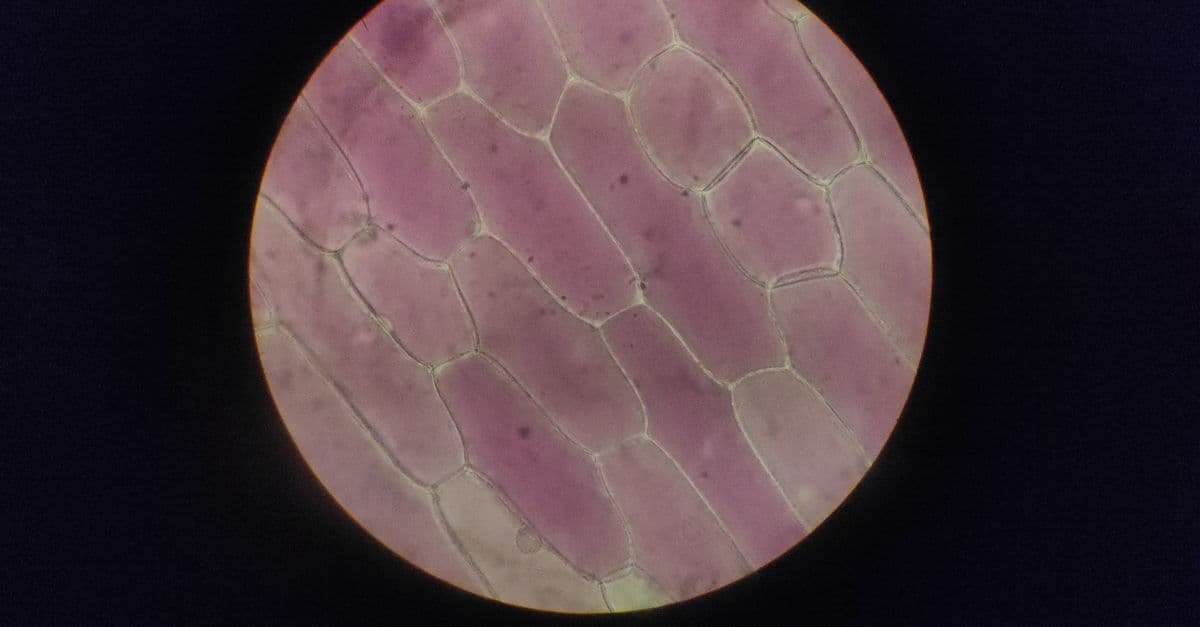
Why Do We Get Fevers? The Science of the Fever Response
A fever is not an illness but a weapon—your immune system's coordinated response to infection that raises your body's set-point temperature. When pathogens invade, immune cells release signaling molecules called pyrogens that travel to the brain and reset the temperature thermostat from 37°C to 39°C or higher. This increase is controlled and purposeful: the higher temperature slows bacterial growth, accelerates immune cell activity, and enhances antiviral proteins. Understanding fever as an adaptive defense explains why suppressing it indiscriminately can sometimes hinder recovery, yet also reveals when dangerous fevers require immediate treatment.
Biology & Health
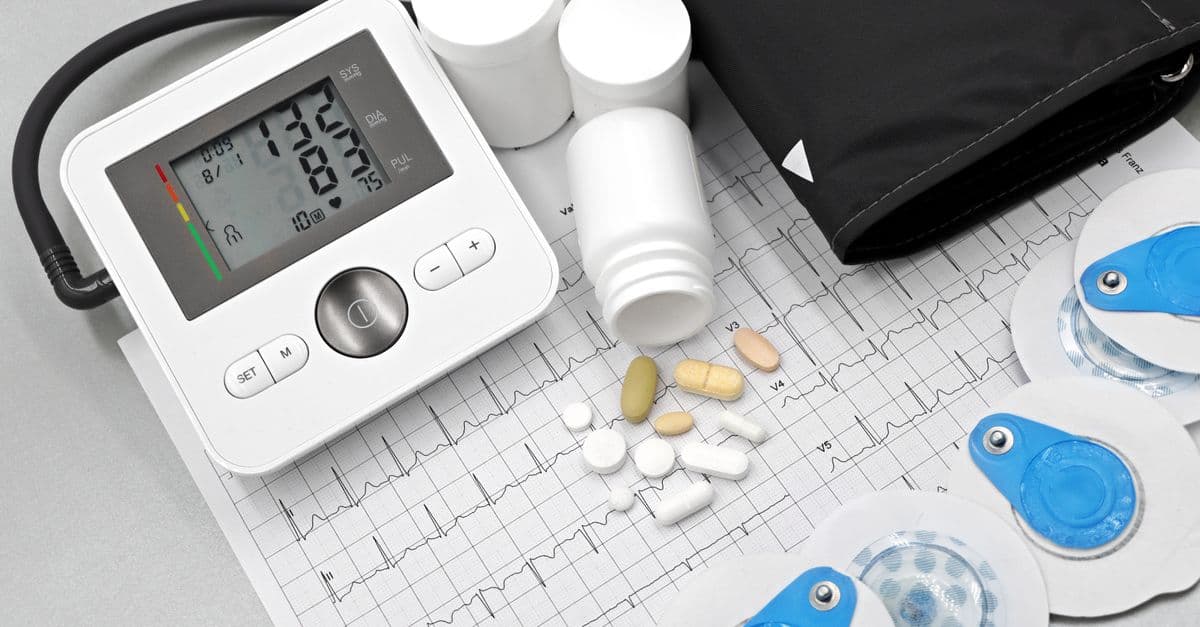
Cardiovascular Disease & Atherosclerosis: The Biology
How atherosclerosis causes heart attacks and strokes: plaque formation, LDL causality, inflammation, statins, PCSK9 drugs, and heart failure biology.

Biology & Health
The Biology of Obesity and Metabolic Syndrome
Obesity is a chronic disease shaped by hormones, brain, and environment. See how leptin, insulin resistance, and visceral fat drive metabolic syndrome.

Biology & Health
What Is Inflammation and Why It Matters for Almost Every Disease
Inflammation is the immune system's emergency response. When it becomes chronic, it is tied to heart disease, cancer, and neurodegeneration.
Biology & Health
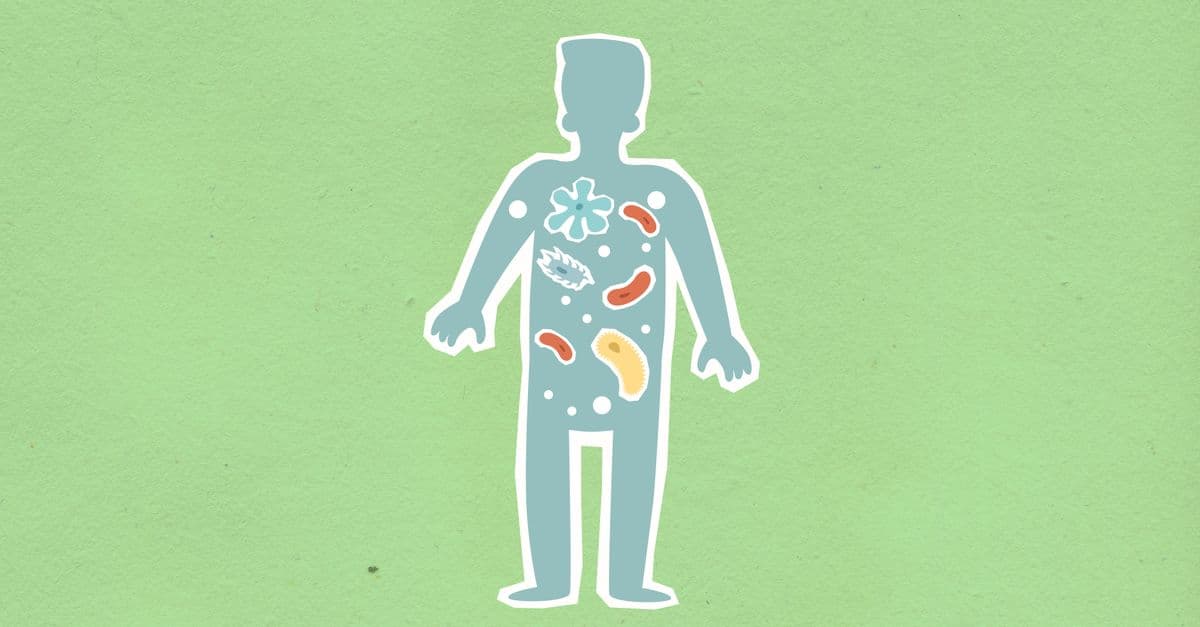
Complement System: The Body's Cascade Defense Explained
How complement proteins amplify immune responses through coordinated molecular cascade activation