Insulin and Diabetes Explained: Biology, Types, Treatment
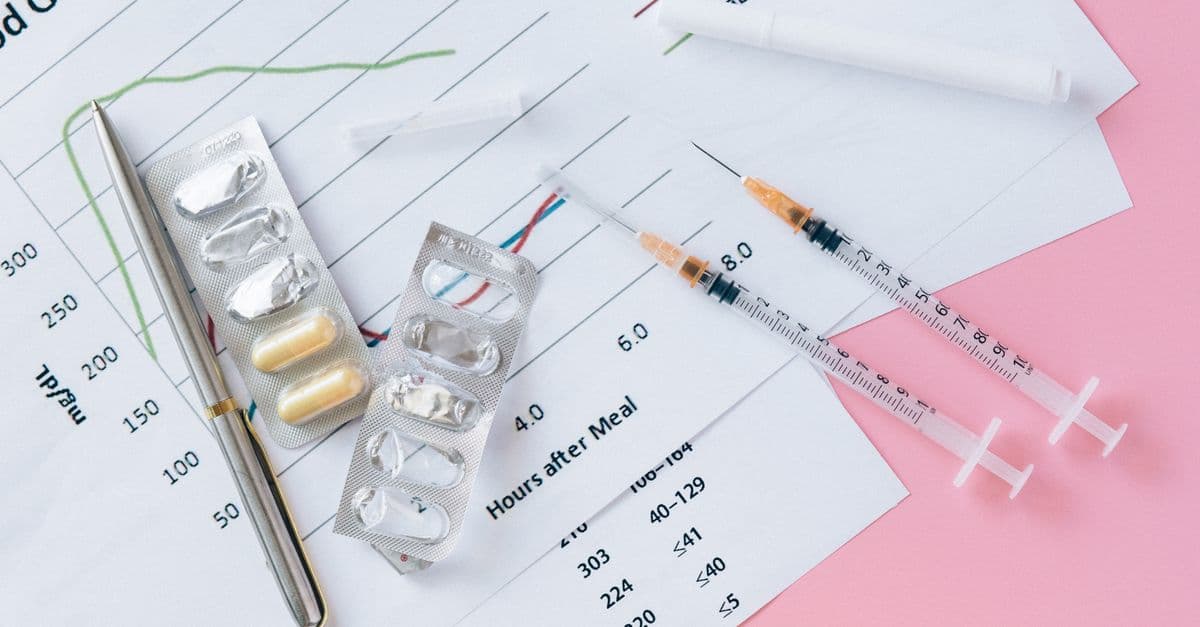
Photo: Nataliya Vaitkevich / Pexels
In January 1922, a patient named Leonard Thompson lay in Toronto General Hospital with type 1 diabetes, and doctors had nothing that could hold the disease back for long. After injections of a purified pancreatic extract, his blood glucose normalized and the sugar and ketones in his urine disappeared. He went on to live for years on daily injections. That extract was insulin, and understanding what it does explains why two very different diseases share the name diabetes, and why treatment has changed so much since.
Educational content, not medical advice. Talk to your doctor before changing any medication, treatment, or routine. This article describes general, well-established findings; every person's situation differs.
According to the World Health Organization, the number of people living with diabetes rose from 200 million in 1990 to 830 million in 2022 (WHO fact sheet, November 2024). Most of them are managing the condition rather than dying from it, using pens, pumps, tablets, and newer injectable drugs. The sections below cover the biology underneath: what insulin is, how a beta cell decides to release it, what goes wrong in each type of diabetes, and where the research is heading.
What insulin is and what it does
Insulin is a peptide hormone, a small protein made of 51 amino acids arranged in two chains, an A chain of 21 and a B chain of 30, joined by disulfide bridges. Frederick Sanger worked out the sequence of bovine insulin in 1953, after about 10 years of effort, and Dorothy Crowfoot Hodgkin described its three-dimensional structure in 1969 (Lambert and Delgado, Biomedicines, 2024). It is made by beta cells in clusters called the islets of Langerhans, scattered through the pancreas. Paul Langerhans described those cell nests in 1869 without knowing what they did.
The job of insulin is to lower blood glucose after a meal and to keep it from swinging too far between meals. You can think of it as a key that signals "fuel is available, store it." When insulin reaches a muscle, fat, or liver cell, the cell takes up glucose, burns some, and packs the rest away as glycogen (a branched glucose polymer) or fat. When insulin is scarce, the opposite program runs: the liver releases glucose, and fat tissue releases fatty acids.
The opposing hormone is glucagon, made by alpha cells in the same islets. Glucagon pushes the liver to produce glucose, while insulin tells it to stop, and the ratio between the two decides which way the liver's enzymes tilt (Galicia-Garcia et al., Int J Mol Sci, 2020). A thermostat is a fair analogy: two opposing signals, one heating and one cooling, hold a quantity near a set range. The "set range" in a healthy person is a fasting plasma glucose of 99 mg/dL (5.5 mmol/L) or below, according to the National Institute of Diabetes and Digestive and Kidney Diseases (NIDDK).
For a closer look at how the body stores and releases glucose in the absence of disease, see our explainer on how the body stores and releases glucose.
How a beta cell senses glucose
A beta cell works like a fuel gauge wired directly to a release valve. Glucose enters the cell mainly through a transporter called GLUT2, which also serves as the cell's glucose sensor. Once inside, glucose is broken down, and the ratio of ATP (the cell's energy currency) to ADP rises. That higher ratio closes ATP-sensitive potassium channels in the cell membrane, which depolarizes the membrane (shifts its electrical charge) and opens voltage-gated calcium channels. Calcium floods in and triggers the insulin-filled granules to fuse with the membrane and spill their contents into the blood (Galicia-Garcia et al., 2020).
The design is elegant because it makes insulin release proportional to the amount of glucose being burned. More glucose means more ATP, which means more calcium, which means more insulin. Other signals fine-tune the response, including the gut hormone GLP-1, which we return to below.
What happens when insulin reaches a target cell
Insulin binds the alpha subunit of its receptor on the outside of the cell, which makes the inside (beta subunit) add phosphate groups to itself. That recruits and activates adapter proteins called IRS proteins, which switch on an enzyme called PI3K. PI3K produces a signaling lipid that activates a kinase named AKT, and AKT drives the downstream effects (Galicia-Garcia et al., 2020). In muscle and fat, one of those effects is moving GLUT4 glucose transporters from internal storage to the cell surface. It is like opening more doors in a building that was nearly sealed.
The three main target tissues respond differently:
| Tissue | What insulin does there | What happens if the signal fails |
|---|---|---|
| Skeletal muscle | Moves GLUT4 to the surface so glucose can enter | Glucose uptake after meals drops; muscle is considered the most important extra-pancreatic site of insulin resistance in type 2 diabetes |
| Fat tissue | Promotes glucose uptake and suppresses fat breakdown | Fat breakdown is not suppressed, so more free fatty acids reach the blood |
| Liver | Switches off glucose production and promotes glycogen storage | The liver keeps making glucose even when blood glucose is already high |
Source: Galicia-Garcia et al., Int J Mol Sci 2020.
The discovery: from dog experiments to a patient in Toronto
The story starts earlier than most accounts suggest. In 1889, Oskar Minkowski and Joseph von Mering removed a dog's pancreas and found that the animal developed sugar in its urine. That linked the pancreas to blood sugar control, and it set off three decades of attempts to extract whatever the pancreas was supplying.
| Date | Event |
|---|---|
| 1889 | Von Mering and Minkowski show that removing a dog's pancreas causes excess sugar in the urine |
| October 31, 1920 | Frederick Banting writes down his idea for isolating the islets' internal secretion |
| May 17, 1921 | Banting and Charles Best begin experiments in Toronto |
| November 18, 1921 | A pancreatectomized dog given a fetal calf pancreas extract has sugar-free urine and lives 70 days |
| January 19, 1922 | James Collip isolates the active principle by selective precipitation with 95% ethanol |
| January 23, 1922 | Leonard Thompson receives the Collip-purified extract |
| Autumn 1922 | Eli Lilly, working with George Clowes, produces purified insulin at scale |
| October 25, 1923 | Nobel Prize in Physiology or Medicine awarded to Banting and John Macleod |
Sources: Lambert and Delgado, Biomedicines 2024; de Leiva-Hidalgo and de Leiva-Pérez, Acta Diabetologica 2023.
Collip's purification was the step that made human treatment possible. His double extraction in ether and precipitation with 80% ethanol removed fats and proteins that had made earlier extracts too impure to inject safely (de Leiva-Hidalgo and de Leiva-Pérez, 2023). Production moved quickly, and by the autumn of 1922 Eli Lilly was manufacturing purified insulin at scale.
Who actually discovered insulin?
The credit question is still debated by historians. The 1923 Nobel Prize went to Banting and Macleod, and the two shared the money with Best and Collip respectively, with Banting giving half to Best and Macleod giving half to Collip. A 2023 historical analysis argues that priority for the idea of a pancreatic antidiabetic extract belongs to European researchers, namely Eugène Gley (1900), Georg Zülzer (1908), and Nicolae Paulescu (1920), and that the active substance in their extracts was the same one Banting and Best later worked with (de Leiva-Hidalgo and de Leiva-Pérez, 2023).
The same paper notes that Paulescu protested the 1923 award in a letter dated November 6, 1923, and that the Nobel Foundation reworded the prize's purpose in 1972, from "for the discovery of insulin" to "for having produced the pancreatic hormone in a practical available form." That wording is a fair summary of what Toronto contributed: not the first suggestion that the pancreas makes an antidiabetic hormone, but the first reliable way to turn it into a medicine.
From animal insulin to designer molecules
For decades, insulin came from the pancreases of slaughtered animals. In 1946 Nordisk made zinc protamine insulin crystals, and it marketed NPH insulin in 1950, giving a longer-lasting preparation than regular insulin. The human insulin gene was identified in 1977, and a first clinical trial of recombinant human insulin ran on 17 volunteers at Guy's Hospital in London in July 1980. Recombinant human insulin, Humulin, was commercialized by Eli Lilly with Genentech in 1982 (Lambert and Delgado, 2024).
The same review dates the first rapid-acting analogue, Humalog, to 1996, and the first long-acting analogue, insulin glargine, to its marketing in the European Union in 2000. An analogue is insulin with a few amino acids changed so that it is absorbed faster or slower than the natural form. Those changes are the reason the insulin table later in this article has so many rows.
Type 1 diabetes: when the immune system removes the beta cells
Type 1 diabetes is an autoimmune disease: the immune system destroys the insulin-producing beta cells. Genes and environmental factors are thought to trigger the process, but no single cause has been established, and WHO says the cause and prevention of type 1 diabetes are unknown (WHO). A parent or sibling with the condition raises risk. It accounts for roughly 5% to 10% of people with diabetes and is most common in children and young adults, but it can begin at any age (NIDDK).
The symptoms NIDDK lists are frequent urination, intense thirst, hunger despite eating, weight loss, blurred vision, fatigue, slow-healing sores, and frequent infections. In children these tend to appear over days or weeks, while in adults they may develop slowly and resemble type 2 diabetes, which is one reason adult-onset type 1 is sometimes missed at first.
Without insulin, cells cannot take up glucose, so the blood fills with it while the cells starve. The body switches to burning fat, which produces acids called ketones. If ketones build up, the result is diabetic ketoacidosis (DKA), a medical emergency with warning signs that include fruity-smelling breath, vomiting, abdominal pain, trouble breathing, and fainting. NIDDK notes that DKA is often the first sign of type 1 diabetes in children. For the immunology behind the attack, see how the immune system works.
In the United States, about 2.1 million people have diagnosed type 1 diabetes, including 1.8 million adults and 314,000 children and adolescents, according to the CDC (2023 estimates). WHO estimated 9 million people with type 1 diabetes worldwide in 2017, mostly in high-income countries.
Stages of type 1 and the idea of delaying it
Autoimmunity can be present for a long time before symptoms appear. NIDDK describes teplizumab as a medicine that may delay symptoms in people who have two or more autoantibodies and rising blood glucose. The trial that established the idea enrolled relatives of people with type 1 diabetes. In that 2019 New England Journal of Medicine study, median time to diagnosis was 48.4 months with teplizumab and 24.4 months with placebo, and the hazard ratio for diagnosis was 0.41 (Herold et al., NEJM 2019). Put plainly, the drug roughly doubled the time to diagnosis in a high-risk group. It does not cure the disease.
Type 2 diabetes: a resistance problem that becomes a supply problem
Type 2 diabetes is a different disease. The pancreas still makes insulin, but the cells respond poorly to it. The pancreas compensates by releasing more, and for a time that keeps glucose in range. Over the years the beta cells cannot keep up, and blood glucose rises, first into the prediabetes range and then into diabetes (CDC, May 2024). An analogy: it is like speaking louder in a room that is slowly getting noisier. Eventually you cannot shout any louder, and the message stops getting through.
The CDC says 90% to 95% of Americans with diabetes have type 2, while WHO puts the global share at more than 95%; the gap reflects different populations and definitions. Risk factors listed by the CDC include prediabetes, overweight, age 45 or older, a parent or sibling with type 2 diabetes, physical activity fewer than three times a week, and a history of gestational diabetes. Some groups, including African American, Hispanic or Latino, American Indian, and Alaska Native people, have higher risk. Symptoms often develop gradually over several years and may go unnoticed.
Where resistance comes from
Insulin resistance is not one defect but several, in several organs at once. In muscle, inflammation in the fat tissue between and around muscle fibers impairs how the fibers handle glucose. In fat tissue, resistance means fat breakdown is not properly suppressed, so more free fatty acids circulate. In the liver, resistance means glucose production is not switched off and fat synthesis is enhanced (Galicia-Garcia et al., 2020).
Several processes feed back on each other. Excess free fatty acids and high glucose stress the endoplasmic reticulum (the cell's protein-folding factory) in beta cells, which leads to misfolded proinsulin and signals that promote cell death. Inflammatory molecules such as IL-6, TNF-alpha, and IL-1 add to the problem. The same review concludes that beta-cell dysfunction is usually more severe than insulin resistance, but both contribute early. This is why two people with similar weight can have very different glucose levels: the capacity of their beta cells matters as much as the sensitivity of their tissues.
Is sugar the cause?
Not in a simple way. Type 1 diabetes has nothing to do with sugar intake. Type 2 is driven by a mix of genes, body fat, inactivity, and age, and no single food causes it. Our articles on whether sugar is really that bad for you and on how glucose and fructose affect the body differently cover the evidence on added sugar in more detail.
Gestational diabetes and prediabetes
Gestational diabetes is diabetes that occurs only during pregnancy. Hormonal changes of pregnancy can make the body less able to use insulin, and doctors typically screen between 24 and 28 weeks with a glucose challenge test, followed by an oral glucose tolerance test if the first result is high. Women who had gestational diabetes are more likely to develop type 2 diabetes later, and their children are more likely to have obesity or type 2 diabetes (NIDDK).
Prediabetes is the zone between normal and diabetic. The CDC reports 115.2 million US adults with prediabetes (2023 estimate), and 52.1% of people aged 65 and older. How diabetes and prediabetes are diagnosed is shown in the table below, using NIDDK's thresholds for non-pregnant adults.
| Result | A1C (%) | Fasting plasma glucose (mg/dL) | 2 hours after oral glucose load (mg/dL) |
|---|---|---|---|
| Normal | Below 5.7 | 99 or below | 139 or below |
| Prediabetes | 5.7 to 6.4 | 100 to 125 | 140 to 199 |
| Diabetes | 6.5 or above | 126 or above | 200 or above |
Source: NIDDK, "Diagnosis of Diabetes and Prediabetes." A doctor usually confirms diabetes with a second test.
A1C reflects average blood glucose over roughly the previous three months. It works because glucose sticks to hemoglobin, the oxygen-carrying protein in red blood cells, and red cells live for months. NIDDK cautions that A1C can be less reliable with certain anemias, some pregnancy trimesters, and hemoglobin variants.
Why high glucose damages the body
Chronic high glucose injures small and large blood vessels and nerves, which is why diabetes complications take years to show up. NIDDK lists heart disease and stroke, nerve damage, kidney disease, eye disease, foot problems, and dental problems among them, and says that controlling blood glucose, blood pressure, and cholesterol is central to preventing many of these (NIDDK).
- Eyes: diabetes can lead to low vision and blindness, and NIDDK recommends a dilated eye exam at least once a year.
- Kidneys: diabetic kidney disease is caused by long-term damage to the kidney's filtering units; see how the kidneys work for the anatomy.
- Nerves and feet: nerve damage and poor blood flow can turn minor foot problems into infections.
- Heart and brain vessels: type 2 diabetes is linked to a coronary heart disease hazard ratio of 2.00 and an ischemic stroke hazard ratio of 2.27 (Galicia-Garcia et al., 2020). Our article on cardiovascular disease and atherosclerosis explains the vessel biology.
WHO counts 1.6 million deaths directly caused by diabetes in 2021, with 47% of them before age 70, plus another 530,000 kidney disease deaths caused by diabetes.
What the big trials showed about glucose control
Two landmark trials tested whether tighter control prevents these complications. The Diabetes Control and Complications Trial (DCCT) randomized 1,441 people with insulin-dependent diabetes to intensive or conventional therapy and followed them for a mean of 6.5 years. Intensive therapy reduced the development of retinopathy by 76% in the primary-prevention cohort and clinical neuropathy by 60% across the study (DCCT Research Group, NEJM 1993).
The UK Prospective Diabetes Study (UKPDS 33) randomized 3,867 newly diagnosed adults with type 2 diabetes over more than 10 years. Intensive treatment with a sulphonylurea or insulin brought HbA1c to 7.0% compared with 7.9% on conventional treatment, and it cut microvascular endpoints by 25%. The same study found no statistically significant reduction in diabetes-related death, and intensive treatment caused more hypoglycemia and weight gain, with a mean gain of 2.9 kg (UKPDS Group, Lancet 1998). The trade-off is real: tighter control helps small vessels but carries a risk of low glucose, which is why targets are set by clinicians for each person.
Insulin treatments: onset, peak, duration
Insulin therapy tries to copy the body's own pattern: a low, steady basal level all day, plus bolus surges at meals. NIDDK groups insulins by how fast they start, when they peak, and how long they last:
| Insulin type | Starts working | Peaks | Lasts |
|---|---|---|---|
| Rapid-acting | About 15 min | About 1 hour | 2 to 4 hours |
| Ultra rapid-acting | About 15 min | About 1 hour | 5 to 7 hours |
| Inhaled rapid-acting | 10 to 15 min | About 30 min | About 3 hours |
| Regular (short-acting) | About 30 min | 2 to 3 hours | 3 to 6 hours |
| Intermediate-acting | 2 to 4 hours | 4 to 12 hours | 12 to 18 hours |
| Long-acting | About 2 hours | No peak | About 24 hours |
| Ultra long-acting | About 6 hours | No peak | 36 hours or more |
| Premixed | 15 to 60 minutes | Varies by blend | 10 to 16 hours |
Source: NIDDK, "Insulin, Medicines, and Other Diabetes Treatments."
Insulin can be delivered by syringe, pen, pump, inhaler, or jet injector. A pump delivers steady insulin around the clock plus mealtime doses. NIDDK also notes that repeated injections in the same spot can harden tissue, so sites are rotated.
Sensors and "artificial pancreas" systems
A continuous glucose monitor (CGM) has a small sensor worn under the skin, a transmitter, and software on a phone, pump, or receiver. It estimates glucose in the fluid between cells (interstitial fluid) every few minutes, day and night, and that reading closely tracks blood glucose (NIDDK).
An automated insulin delivery system, often called an artificial pancreas, links a CGM, a pump, and software. The software calculates insulin needs from the glucose readings, delivers insulin when glucose rises above target, and reduces or stops it when glucose falls below. The system is mainly used by people with type 1 diabetes. The name is generous: it automates a thermostat loop, but the user still announces meals and manages the equipment.
Medicines other than insulin
Most people with type 2 diabetes begin with other medicines, and some later need insulin. The main classes work through different parts of the system:
- Metformin: the usual first medicine for most people with type 2 diabetes. It reduces glucose output from the liver and improves how the body uses insulin, and it may cause slight weight loss (NIDDK).
- Sulphonylureas: older drugs that push beta cells to release more insulin, and that were part of the intensive arm of UKPDS 33.
- SGLT2 inhibitors (such as empagliflozin): they make the kidneys remove more glucose through the urine. They are approved for lowering glucose in type 2 diabetes and also for certain people with heart failure or kidney disease, and they are not used for type 1 diabetes. Warnings include ketoacidosis, genital and urinary infections, and dehydration (MedlinePlus).
- GLP-1 receptor agonists: injected drugs that blunt blood sugar spikes after meals, may reduce appetite, and may aid weight loss. They do not replace insulin (NIDDK).
Why GLP-1 drugs work
GLP-1 is a gut hormone released by intestinal L cells, most densely in the distal ileum and colon. It stimulates insulin secretion only when glucose is high, slows gastric emptying, and inhibits food intake. Natural GLP-1 has a half-life of roughly 1 to 2 minutes, because the enzyme DPP-4 cleaves it and the kidneys clear it (Müller et al., Mol Metab, 2019). The drugs are chemically modified to survive far longer.
The natural hormone's timing is also instructive. Fasting total GLP-1 in humans is about 5 to 10 pmol/L and can rise to about 40 pmol/L after a meal, with carbohydrates and proteins producing a peak 30 to 60 minutes after intake and fats a later, longer rise (Müller et al., 2019). That timing shows how many signals converge on a single meal: within the first hour, gut hormones are priming the beta cells, glucose is crossing into the bloodstream, and insulin is being released. Injected rapid-acting insulin, which starts working in about 15 minutes and peaks around an hour, is an attempt to recreate that same window when the body cannot.
Our explainer on how GLP-1 drugs such as Ozempic and Wegovy work walks through the molecular design.
Can type 2 diabetes go into remission?
Sometimes. In the DiRECT trial, 49 primary care practices in Scotland and northeast England were randomized to an intensive weight-management program or to standard guideline-based care. About 46% of people in the intervention group reached diabetes remission at 12 months, compared with about 4% in the control group (Lean et al., Lancet 2018). Remission here means glucose returned to a non-diabetic range without glucose-lowering drugs, and it is not the same as a permanent cure, because the underlying tendency remains.
Prevention research points the same way. NIDDK, summarizing the Diabetes Prevention Program, recommends losing 5% to 7% of starting weight for people at risk, which is about 10 to 14 pounds for someone weighing 200 pounds (NIDDK). Exercise also changes how tissues respond to insulin; our article on the science of exercise explains why.
The frontier: replacing the beta cells
The long-term goal for type 1 diabetes is to give the body back its own insulin production. Three routes are in play, and each runs into the same obstacle: the immune system.
Donor islet transplants
On June 28, 2023, the FDA approved Lantidra, from CellTrans, the first allogeneic (donor) pancreatic islet cell therapy for type 1 diabetes. It is infused into the liver's portal vein and is intended for adults who cannot reach target glucose because of repeated severe hypoglycemia despite intensive management. In two non-randomized, single-arm studies of 30 participants, 21 went a year or more without insulin, while 5 never reached a single day of insulin independence. Most participants had at least one serious adverse reaction linked to the procedure or to the immunosuppressive drugs needed to keep the cells alive, and for some, stopping immunosuppressants meant losing islet function (FDA).
Stem-cell-derived islets
The supply of donor pancreases is tiny, so researchers have learned to grow islet-like cells from stem cells. A phase 1-2 trial of zimislecel (earlier called VX-880), an allogeneic stem cell-derived islet cell therapy, was published in the New England Journal of Medicine in 2025. Of 14 participants with at least 12 months of follow-up, all showed engraftment and islet function, shown by detectable C-peptide (a by-product released with insulin). Among 12 participants in the later parts of the study, all were free of severe hypoglycemia and had HbA1c below 7%, and 10 of 12 (83%) were insulin independent at day 365 (Reichman et al., NEJM 2025).
The caveats are in the same paper: the study was small and short, the analyses were interim and not prespecified, neutropenia (a low white blood cell count) was the most common serious adverse event, and two deaths occurred. The authors conclude only that the results support further clinical investigation. For background on how stem cells are steered into specialized cell types, see how stem cells know what to become.
Hiding the cells from the immune system
Because donor-derived cells are foreign, recipients need drugs that suppress the immune system, and those drugs carry their own risks. Researchers are therefore studying ways to shield transplanted cells, such as enclosing them in protective devices or engineering them to avoid immune detection. Gene editing is part of that toolkit; our overview of CRISPR gene editing in 2026 separates what has been shown from what is still hype. None of these shielding approaches is established clinical care yet.
Common confusions
"Type 2 means mild." The type 2 label says nothing about severity. Its complications are the same ones described above, and the numbers behind them are large: more than 40 million Americans have diabetes, and 27.6% of adults with diabetes in the United States are undiagnosed, about 11.0 million people (CDC, 2023 estimates).
"Insulin is a last resort or a failure." Insulin is a hormone the body needs. People with type 1 diabetes need it from the start. People with type 2 diabetes may need it when their own production falls behind, and NIDDK lists insulin among the medicines used for type 2 diabetes. Starting it reflects the biology of beta-cell decline, not a personal failing.
"Diabetes is the same everywhere." Prevalence and treatment access vary sharply. WHO reports that in 2022, 59% of adults aged 30 and older with diabetes were not taking medication, with the lowest treatment coverage in low- and middle-income countries. For a country-by-country comparison, see our ranking of countries with the most diabetes.
"If you can stop the drugs, you're cured." Remission, as in the DiRECT trial, means glucose stays in a non-diabetic range without glucose-lowering drugs. The tendency toward insulin resistance does not vanish, which is why follow-up testing continues.
The takeaway
Insulin is a 51-amino-acid hormone with one clear job, getting glucose out of the blood and into cells, and almost every form of diabetes is a failure somewhere along that route: beta cells destroyed by the immune system in type 1, tissues that stop listening plus beta cells that cannot compensate in type 2. That split explains why a pump works for one person and a tablet or a GLP-1 drug for another. A century after Leonard Thompson's first injections, treatment is far more precise, and the frontier has shifted from replacing the hormone to replacing the cells that make it. The unsolved part is protecting those cells without suppressing the whole immune system, and that is the problem the next decade of work will test.
FAQ
Q: Why do people with type 1 diabetes need insulin while many people with type 2 do not, at least at first? A: People with type 1 diabetes have lost their beta cells to autoimmune attack and need insulin from the start. In type 2 diabetes the pancreas still makes insulin, but tissues respond poorly to it. Many people with type 2 are first treated with lifestyle changes and medicines such as metformin, and some later need insulin if their own production declines.
Q: Can type 2 diabetes be reversed? A: Sometimes it can go into remission. In the DiRECT trial, about 46% of participants in an intensive weight-management program were in remission at 12 months, versus about 4% of the control group. Remission means glucose is in a non-diabetic range without glucose-lowering drugs. It is not a guaranteed permanent cure, so continued monitoring is standard.
Q: What is A1C? A: A1C is a blood test that reflects average blood glucose over roughly the previous three months, reported as a percentage. NIDDK lists below 5.7% as normal, 5.7% to 6.4% as prediabetes, and 6.5% or above as diabetes. It can be less reliable with certain anemias and hemoglobin variants, so doctors may confirm results with another test.
Q: What does a continuous glucose monitor measure? A: A CGM estimates glucose in the interstitial fluid between cells, not in the blood directly, every few minutes. A sensor under the skin sends readings to a phone, pump, or receiver. Some models need occasional fingerstick checks for calibration or confirmation. The readings track blood glucose closely but are an estimate.
Q: Why are GLP-1 drugs used in diabetes? A: GLP-1 is a gut hormone that stimulates insulin release when glucose is high, slows stomach emptying, and reduces appetite. Natural GLP-1 breaks down within minutes, so the drugs are chemically modified to last. They do not replace insulin, and like all medicines they have side effects that a prescriber weighs for each person.
Q: Is a cure for type 1 diabetes near? A: Not yet. Donor islet transplants and stem cell-derived islets have let some people stop insulin, for example 10 of 12 participants in the 2025 zimislecel study at one year. But those trials were small and short, and recipients need immunosuppressive drugs because the cells are foreign. Making the approach work without suppressing the immune system is the main unsolved problem.
Sources
- World Health Organization. Diabetes fact sheet, November 14, 2024.
- Centers for Disease Control and Prevention. Diabetes data and research (2023 estimates) and About type 2 diabetes, May 2024.
- NIDDK. Type 1 diabetes; Gestational diabetes; Diagnosis; Insulin, medicines, and other treatments; Continuous glucose monitoring; Preventing problems; Preventing type 2 diabetes.
- U.S. Food and Drug Administration. FDA approves first cellular therapy to treat patients with type 1 diabetes, June 28, 2023.
- Lambert C, Delgado E. "100 Years since the Discovery of Insulin, from Its Discovery to the Insulins of the Future." Biomedicines 2024. PMC10968222.
- de Leiva-Hidalgo A, de Leiva-Pérez A. "The Nobel Prize of Physiology or Medicine, 1923: controversies on the discovery of the antidiabetic hormone." Acta Diabetologica 2023. PMC10359383.
- Galicia-Garcia U et al. "Pathophysiology of Type 2 Diabetes Mellitus." Int J Mol Sci 2020. PMC7503727.
- Müller TD et al. "Glucagon-like peptide 1 (GLP-1)." Mol Metab 2019. PMC6812410.
- DCCT Research Group. N Engl J Med 1993;329:977-986. doi:10.1056/NEJM199309303291401.
- UK Prospective Diabetes Study Group. UKPDS 33. Lancet 1998;352:837-853. PubMed 9742976.
- Lean MEJ et al. DiRECT. Lancet 2018;391:541-551. doi:10.1016/S0140-6736(17)33102-1.
- Herold KC et al. "An Anti-CD3 Antibody, Teplizumab, in Relatives at Risk for Type 1 Diabetes." N Engl J Med 2019;381:603-613. doi:10.1056/NEJMoa1902226.
- Reichman TW et al. "Stem Cell-Derived, Fully Differentiated Islets for Type 1 Diabetes." N Engl J Med 2025;393:858-868. PubMed 40544428.
- MedlinePlus. Empagliflozin.
Follow new articles
Add SciHub101 to your feed reader to see new science and technology stories.
About the Author
SciHub101 is an independent science and technology publication founded and edited by Buğra Sözeri, a software engineer and app developer based in Türkiye. AI tools assist with drafting and research. Source documentation in the existing archive is uneven, and articles are being reviewed and corrected. The Editorial Team byline identifies editorial responsibility; it does not certify specialist or independent human review. Where we compare products, anything built by our own team is labelled as such — see the editorial guidelines and About page for how corrections and disclosures work.
Related Articles

Macronutrients Explained — Proteins, Carbs, Fats
What proteins, carbohydrates, and fats actually do in the body, how many calories each delivers, and which diet approaches the evidence supports.
How Kidneys Work — Filtration and Blood Pressure
Discover how kidneys filter 180 liters of blood daily, regulate blood pressure, and what happens when they fail. Nephrons, RAAS, dialysis explained.
Why Insulin Costs So Much in America — And Almost Nothing Everywhere Else
The inventors of insulin assigned their patent for $1 so no one would be priced out of a lifesaving drug. A century later, US list prices ran roughly 11 times those of peer countries. Here is how that happened.

Why Do We Shiver? Body's Heat-Making Reflex
Why do we shiver when cold? Inside the hypothalamus, muscle thermogenesis, brown fat (BAT), fever shivers, and what infants do instead.
Sex Hormones Explained — Testosterone and Estrogen
How testosterone, estrogen, and progesterone shape the body, the menstrual cycle, puberty, and menopause — and the science of hormone therapy.
How Hormones Work — The Endocrine System
How hormones work: chemical messengers, receptors, feedback loops, key hormones such as insulin and cortisol, and the endocrine disorders that follow.