How GLP-1 Drugs Work: Ozempic, Wegovy & Mounjaro
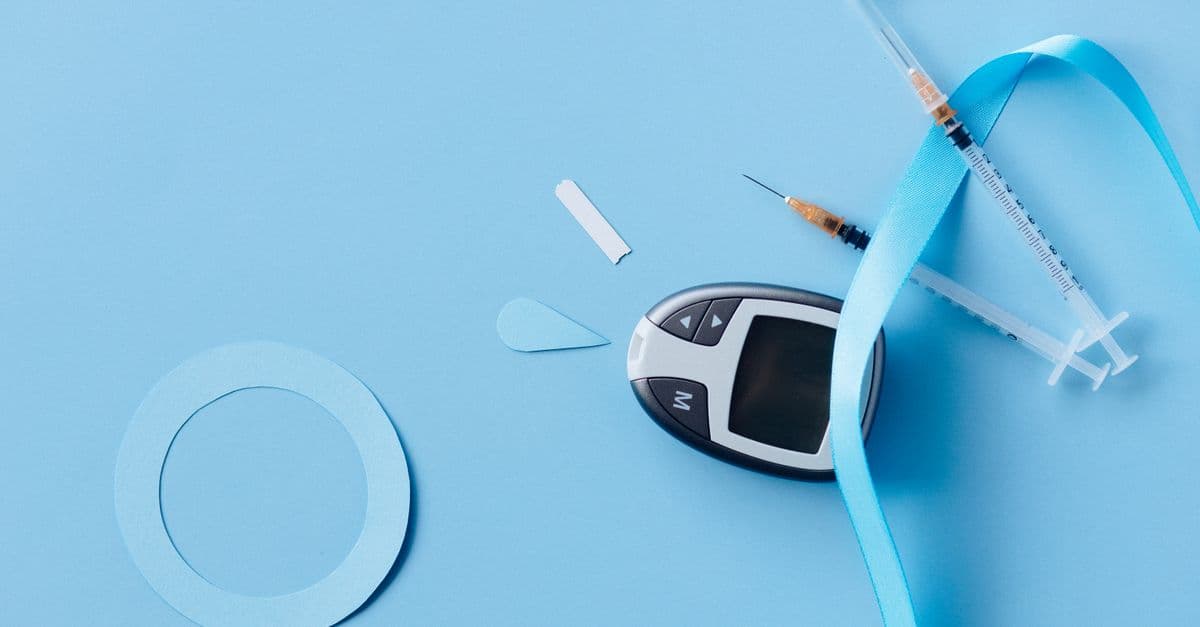
Photo: Nataliya Vaitkevich / Pexels
A hormone that a healthy gut releases for only a couple of minutes after a meal now underlies some of the most talked-about medicines of the decade. GLP-1, short for glucagon-like peptide-1, tells the pancreas to release insulin, tells the stomach to slow down, and tells the brain you have eaten enough. Engineered versions that last days instead of minutes are the active ingredients in Ozempic, Wegovy, Mounjaro, and Zepbound. This article explains the biology, the trials behind the headlines, the side effects, and the questions science has not settled.
Educational content, not medical advice. Talk to your doctor before changing any medication, treatment, or routine. Information here reflects published research as of the update date, but every person's situation differs.
The short version of the mechanism is that these drugs borrow a signal your body already uses. The longer version involves a four-decade chase from anglerfish pancreases to Gila monster saliva to fatty-acid chemistry, and it is worth following because it explains why the drugs behave the way they do.
What is GLP-1, and why does it only last two minutes?
GLP-1 is an incretin hormone, meaning a gut-derived signal that amplifies the insulin response to food. Specialized L-cells in the lining of the small intestine and colon release it when carbohydrates, fats, and proteins arrive. Its job is to coordinate the body's response to an incoming meal:
- It tells pancreatic beta cells to secrete insulin, but only when blood glucose is elevated.
- It suppresses glucagon, the hormone that tells the liver to release stored sugar.
- It slows gastric emptying, so nutrients reach the bloodstream gradually.
- It acts on the hypothalamus and brainstem to reduce appetite and promote the feeling of fullness.
The catch is that an enzyme called dipeptidyl peptidase-4 (DPP-4) chops native GLP-1 apart within roughly two minutes of release. Think of it like a text message that deletes itself almost as soon as it is read: the instruction gets through, but nothing lingers. That makes the natural hormone a poor drug, because an injection of it would vanish before doing much good.
Drug designers therefore had two options. They could block the enzyme that destroys GLP-1, which is what the older DPP-4 inhibitor class of diabetes pills does. Or they could build a GLP-1-like molecule that the enzyme cannot easily cleave and that stays in the blood for days. The second route produced the drugs that dominate the news, because it delivers a far stronger and more sustained signal than simply protecting the small amount the gut makes on its own.
How scientists found it: a 40-year path
The modern story starts in the early 1980s. Joel Habener's group at Massachusetts General Hospital isolated the gene for proglucagon, the precursor protein that the body cuts into glucagon and the GLP peptides, using tissue from anglerfish pancreatic islets. Svetlana Mojsov, working in the same hospital, showed with Habener and Daniel Drucker that a shortened form, GLP-1 (7-37), was the active hormone. In 1987 the group reported that it strongly stimulated insulin release in the perfused rat pancreas (Lasker-award profile, PMC).
The chemistry problem fell to Lotte Bjerre Knudsen at Novo Nordisk. Her group attached a fatty acid to GLP-1 so that it would bind reversibly to albumin, the abundant carrier protein in blood, which shields the peptide from degradation. That design produced liraglutide, the first GLP-1 analog suited to once-daily dosing, and a later redesign of the peptide and its fatty acid linker produced semaglutide for once-weekly use. In 2024, Habener, Mojsov, and Knudsen received the Lasker~DeBakey Clinical Medical Research Award for this work (PMC).
| Year | Milestone |
|---|---|
| Early 1980s | Habener's group isolates the proglucagon gene from anglerfish islets |
| 1987 | GLP-1 (7-37) shown to stimulate insulin release in the perfused rat pancreas |
| April 2005 | Exenatide (Byetta) approved by the FDA for type 2 diabetes |
| December 2017 | Semaglutide approved as Ozempic for type 2 diabetes |
| June 4, 2021 | Wegovy (semaglutide 2.4 mg) approved for chronic weight management |
| May 13, 2022 | Tirzepatide approved as Mounjaro for type 2 diabetes |
| November 8, 2023 | Zepbound (tirzepatide) approved for chronic weight management |
| December 2025 | Oral Wegovy (semaglutide 25 mg daily) approved for weight management |
Dates are the FDA approval dates; the sources are linked in the text and listed at the end of the article.
The Gila monster connection
A second thread of the story runs through a lizard. In the early 1990s, the endocrinologist John Eng at a Veterans Affairs medical center in New York identified a peptide called exendin-4 from the venom of the Gila monster (Heloderma suspectum) (Eng et al., Journal of Biological Chemistry, 1992). The peptide resembled GLP-1 closely enough to activate the same receptor, but the DPP-4 enzyme did not degrade it quickly.
The synthetic version, exenatide, was approved by the FDA in April 2005 as the first drug of its kind (Lilly and Amylin announcement). Its half-life is only a few hours, so it needed twice-daily dosing at first, and its weight effects were modest. What it proved was the principle: a GLP-1 receptor agonist (a molecule that switches on the GLP-1 receptor) could lower blood sugar safely in people with type 2 diabetes. Everything after it was an effort to make the signal stronger and longer lasting.
The main drugs: how they differ
The names on the pharmacy label can be confusing because the same molecule often has two brands, one for diabetes and one for weight management. The distinction is mostly about dose and the indication the company sought from regulators.
Liraglutide (Victoza, Saxenda) carries one fatty acid chain and has a half-life of roughly 13 hours, so it is injected daily. Victoza is the diabetes brand, and Saxenda is the higher-dose weight-management brand. In trials it produces less average weight loss than the newer agents.
Semaglutide (Ozempic, Wegovy, Rybelsus) uses a bulkier fatty acid and a modified peptide backbone that bind albumin more tightly, pushing the half-life to about one week. Ozempic is the diabetes injection. Wegovy is the weight-management injection at 2.4 mg weekly, which the FDA approved on June 4, 2021 (FDA announcement via BioSpace). Rybelsus is a daily tablet that gets the peptide through the stomach lining with an absorption enhancer called SNAC. In December 2025 the FDA approved a 25 mg oral Wegovy pill for weight management, the first oral GLP-1 drug for that purpose (Healio).
Tirzepatide (Mounjaro, Zepbound) is a "twincretin": one molecule that activates both the GLP-1 receptor and the receptor for GIP (glucose-dependent insulinotropic polypeptide), a second incretin hormone. It is dosed weekly with a half-life of about five days. Mounjaro is the diabetes brand, and the FDA approved Zepbound for chronic weight management on November 8, 2023 (FDA announcement).
| Drug | Brands | Receptors | Dosing | Approx. half-life | Largest placebo-controlled obesity result cited here |
|---|---|---|---|---|---|
| Exenatide | Byetta, Bydureon | GLP-1R | Twice daily or weekly | A few hours (Byetta) | Not developed as an obesity drug |
| Liraglutide | Victoza, Saxenda | GLP-1R | Daily injection | ~13 hours | Smaller than semaglutide in trials |
| Semaglutide | Ozempic, Wegovy, Rybelsus | GLP-1R | Weekly injection or daily tablet | ~1 week | 14.9% at 68 weeks (STEP 1) |
| Tirzepatide | Mounjaro, Zepbound | GLP-1R + GIPR | Weekly injection | ~5 days | 20.9% at 72 weeks, 15 mg (SURMOUNT-1) |
Half-lives are approximate figures from the drugs' prescribing information. Weight figures are average changes from the trial publications cited below, and different trials enrolled different people, so the columns are not a ranking.
How the drugs actually work in the body
A GLP-1 receptor is a docking site on the surface of a cell. When the drug binds, it triggers a chain of internal signals (centered on a messenger molecule called cyclic AMP) that vary by tissue. The same key turns different locks in different rooms, which is why one injection can affect blood sugar, digestion, and appetite at once.
The pancreas: insulin on demand
On beta cells, receptor activation amplifies insulin release, but only when glucose is already high. The effect is glucose-dependent, like a thermostat that raises the heat only when the room is cold. That is why GLP-1 drugs rarely cause dangerously low blood sugar on their own. The risk rises when they are combined with insulin or sulfonylureas, and the FDA label for Zepbound tells prescribers to consider lowering the dose of those medicines (FDA). On alpha cells, the drugs suppress glucagon, so the liver stops dumping glucose into the blood between meals.
For more on the insulin side of the story, see insulin and diabetes explained and the explainer on how the body stores and releases glucose.
The stomach: a slower conveyor belt
GLP-1 signaling slows gastric emptying, the rate at which the stomach passes food to the small intestine. Imagine a conveyor belt feeding a packing line: slowing the belt flattens the surge of boxes arriving at the other end. In the body, that blunts the post-meal spike in blood sugar and makes you feel full for longer. It also explains much of the nausea. The stomach is holding food longer than your body expects, and the brain registers the mismatch.
Nausea is most pronounced when doses go up, which is why the schedules step upward slowly. The broader plumbing of digestion is covered in how digestion works.
The brain: appetite and "food noise"
Most of the weight loss comes from the brain. GLP-1 receptors are found in the hypothalamus, the brainstem regions that process fullness signals from the gut, and parts of the reward circuitry. Activating them lowers appetite and the drive to eat for pleasure rather than hunger. Many patients describe "food noise," the constant background thought about the next snack, going quiet. That is a self-reported experience rather than a measured clinical endpoint, but it fits what is known about these circuits.
The reward-circuit angle connects to the biology of dopamine and motivation, and it is why researchers started asking whether the drugs might dampen cravings that have nothing to do with food.
What the landmark trials showed
Four trials account for most of what the public knows about these drugs. Each is a randomized, double-blind, placebo-controlled or head-to-head design, which means neither the participants nor the investigators knew who was taking what. For readers who want to judge such evidence themselves, how to read a research paper without getting lost covers the basics.
STEP 1: semaglutide in adults with obesity
The STEP 1 trial enrolled 1,961 adults with obesity or overweight, without diabetes. After 68 weeks, mean body weight fell 14.9% on semaglutide 2.4 mg versus 2.4% on placebo, and all participants also received lifestyle counseling. Gastrointestinal side effects were the main trade-off, and 4.5% of the semaglutide group stopped treatment because of them versus 0.8% on placebo (Wilding et al., NEJM, 2021).
SURMOUNT-1: tirzepatide in adults with obesity
SURMOUNT-1 enrolled 2,539 adults with obesity or overweight and no diabetes. After 72 weeks, mean weight change was about 15.0% at 5 mg, 19.5% at 10 mg, and 20.9% at 15 mg, compared with 3.1% on placebo. Between 2.6% (placebo) and 7.1% (10 mg group) of participants stopped treatment because of adverse events (Jastreboff et al., NEJM, 2022).
SURMOUNT-5: the head-to-head test
For years, the question of which drug is stronger rested on comparing separate trials. SURMOUNT-5 settled it for the highest tolerated doses. In 751 adults with obesity but without diabetes, tirzepatide produced an average weight reduction of 20.2% at 72 weeks, compared with 13.7% for semaglutide. Waist circumference fell 18.4 cm versus 13.0 cm. The trial was open label and funded by Eli Lilly, which makes tirzepatide's manufacturer the sponsor of the comparison (Aronne et al., NEJM, 2025).
SELECT: heart outcomes without diabetes
SELECT asked a different question. It enrolled 17,604 adults aged 45 or older with established cardiovascular disease and a body mass index of at least 27, but no diabetes. Over an average follow-up of about 39.8 months, the composite of cardiovascular death, nonfatal heart attack, or nonfatal stroke occurred in 6.5% of the semaglutide group and 8.0% of the placebo group (hazard ratio 0.80). Adverse events led to permanent discontinuation in 16.6% of the semaglutide group versus 8.2% on placebo (Lincoff et al., NEJM, 2023).
| Trial | Drug | Participants | Duration | Main result |
|---|---|---|---|---|
| STEP 1 | Semaglutide 2.4 mg | 1,961 | 68 weeks | -14.9% weight vs -2.4% placebo |
| SURMOUNT-1 | Tirzepatide 5, 10, 15 mg | 2,539 | 72 weeks | -15.0%, -19.5%, -20.9% vs -3.1% placebo |
| SURMOUNT-5 | Tirzepatide vs semaglutide | 751 | 72 weeks | -20.2% vs -13.7% |
| SELECT | Semaglutide 2.4 mg | 17,604 | ~39.8 months | Major cardiovascular events 6.5% vs 8.0% |
A subtlety worth keeping in mind is that the weight numbers are averages. Some participants lost far more than the mean and some lost little, and every trial dropped some people along the way because they could not tolerate the drug. An average tells you what to expect from a population, not from a particular patient.
What happens when treatment stops
Obesity researchers increasingly describe obesity as a chronic, relapsing condition, and the withdrawal trials support that framing. In STEP 4, all participants took semaglutide 2.4 mg for a 20-week run-in and lost an average of 10.6% of their body weight. They were then randomized to continue the drug or switch to placebo. Over the next 48 weeks, those who continued lost a further 7.9%, while those switched to placebo regained 6.9%. That is roughly two-thirds of what they had lost during the run-in (Rubino et al., JAMA, 2021).
SURMOUNT-4 found the same pattern with tirzepatide. After a 36-week open-label lead-in with an average loss of 20.9%, participants switched to placebo gained back 14.0% over the following 52 weeks, while those who continued tirzepatide lost another 5.5%. Only 16.6% of the placebo group kept at least 80% of their lead-in loss, compared with 89.5% of those who stayed on tirzepatide (Aronne et al., JAMA, 2024).
Both trials were short relative to a lifetime, and neither can say how a gradual taper, a lower maintenance dose, or lasting changes in diet and exercise would change the outcome. What they show is that the biology the drugs engage does not reset permanently. The analogy to blood pressure medicine is imperfect but useful: stop the pill, and the number drifts back.
Side effects, from common to rare
Gastrointestinal effects
Nausea, vomiting, diarrhea, and constipation dominate the profile. In STEP 4, gastrointestinal events were reported by 49.1% of those on semaglutide versus 26.1% on placebo, though only 2.4% and 2.2% stopped treatment because of adverse events in the two arms (Rubino et al.). These effects cluster around dose increases, which is why labels prescribe a gradual step-up over many weeks. For tirzepatide, the FDA describes a dose that rises over 4 to 20 weeks to a maximum of 15 mg (FDA).
Muscle and body composition
Weight lost on any effective diet includes some lean tissue, and GLP-1 drugs are no exception. Recent reviews describe lean-mass loss on semaglutide and tirzepatide as generally proportional to the total weight lost, with most of the loss still coming from fat (Nutrients, 2026 review). The open clinical question is whether that lean-mass loss matters for strength and long-term health, particularly in older adults. Whether resistance exercise or other strategies offset the loss is still under study, and no settled guidance exists. Exercise physiology is covered in the science of exercise.
"Ozempic face"
The term describes facial hollowing after rapid weight loss. It is not a pharmacological side effect of semaglutide specifically; fat is lost from the face as it is from everywhere else, and the same thing happens after bariatric surgery or any large weight reduction. The label stuck because the drugs made large, fast weight loss common.
Rare but serious risks
The FDA labeling for these drugs carries a boxed warning for thyroid C-cell tumors, which appeared in rodents. Whether they occur in humans is unknown, and the drugs are not to be used by people with a personal or family history of medullary thyroid cancer or the genetic condition MEN 2. Other label warnings include pancreatitis, gallbladder problems, acute kidney injury, diabetic retinopathy complications in people with type 2 diabetes, and suicidal behavior or thoughts. The FDA notes that the drugs have not been studied in people with a history of pancreatitis or severe gastrointestinal disease such as gastroparesis (FDA, Zepbound announcement; FDA, Wegovy announcement via BioSpace).
Beyond weight: what else the drugs may do
Once large populations were taking GLP-1 drugs, researchers started finding effects that were not about weight alone. The evidence ranges from firm to speculative, so it helps to sort it.
Heart disease: firm
SELECT showed fewer major cardiovascular events in people with existing heart disease and excess weight. Scientists still debate how much of the benefit comes from weight loss itself, lower blood pressure, reduced inflammation, or direct effects on blood vessels and the heart. The answer matters because it determines which other drugs might do the same. For background on the organ itself, see how the heart works.
Fatty liver disease: encouraging
In the ESSENCE trial, 1,197 adults with biopsy-confirmed MASH (metabolic dysfunction-associated steatohepatitis, the new name for NASH) and moderate or advanced fibrosis were randomized to semaglutide 2.4 mg or placebo. In the planned week-72 analysis of the first 800 participants, MASH resolved without worsening fibrosis in 62.9% on semaglutide versus 34.3% on placebo, and fibrosis improved without MASH worsening in 36.8% versus 22.4%. The trial is designed to run to 240 weeks, so long-term outcomes are still to come (Sanyal et al., NEJM, 2025). The liver's normal job is described in how the liver works.
Sleep apnea: approved
In the two SURMOUNT-OSA trials, adults with obesity and moderate-to-severe obstructive sleep apnea took tirzepatide for 52 weeks. In the trial of people not using airway pressure devices, the apnea-hypopnea index (breathing interruptions per hour of sleep) fell by 25.3 events per hour on tirzepatide versus 5.3 on placebo. The FDA approved Zepbound for this use on December 20, 2024 (Malhotra et al., NEJM, 2024).
Alcohol use: early
A phase 2 trial of 48 adults with alcohol use disorder who were not seeking treatment found that nine weeks of semaglutide reduced alcohol consumption in a laboratory self-administration task, along with drinks per drinking day and weekly craving. It did not change average drinks per day or drinking days. The authors argued for larger studies; the sample was small, and the outcome was partly measured in an artificial lab setting (Hendershot et al., JAMA Psychiatry, 2025).
Alzheimer's disease: a setback
Animal studies and observational data had raised hopes that GLP-1 drugs might slow neurodegeneration. The two phase 3 EVOKE trials tested that directly in 3,808 adults aged 55 to 85 with mild cognitive impairment or mild Alzheimer's dementia. Oral semaglutide did not significantly slow disease progression on the primary clinical scale, although some biomarkers improved by up to about 10% (Alzheimer Europe, December 2025). The result is a reminder that a plausible mechanism and promising biomarkers are not the same as a clinical benefit. For the disease itself, see Alzheimer's disease biology explained.
Cost, access, and supply
Demand for these drugs has been intense, and the price in the United States has been the most visible barrier. In November 2025, the Trump administration announced agreements with Novo Nordisk and Eli Lilly intended to cut prices. Reporting at the time described Wegovy falling from about $1,350 a month to $350 through a government-run cash-purchase website, and a push toward broader Medicare coverage starting in 2026 (Fortune, November 6, 2025). Terms, eligibility, and prices change often, and insurance coverage still varies by plan, so any figure here should be checked against the current manufacturer and payer information.
Cost shapes the science too. Because the benefit appears to last only as long as treatment does, the economics depend on years of use, not a short course. Researchers and payers are still working out which patients gain enough to justify that, and the global obesity statistics in countries with the highest obesity rates give a sense of the scale of the demand.
What people get wrong about GLP-1 drugs
"It is just an appetite suppressant." The drugs act on the pancreas, stomach, and brain, and some benefits, such as fewer cardiovascular events, may not depend entirely on appetite. Calling them appetite pills misses most of the pharmacology.
"It is a shortcut that bypasses willpower." The trials paired drugs with lifestyle counseling, and the drugs change the biology of hunger rather than replacing behavior. Obesity involves hormones, genes, and environment, as explained in the biology of obesity and metabolic syndrome.
"The weight comes off and stays off." The withdrawal trials show substantial regain after stopping. That is a property of the condition, not a failure of the people taking the drug.
"Tirzepatide is strictly better for everyone." In SURMOUNT-5 it produced more average weight loss than semaglutide, but semaglutide has the large cardiovascular outcome trial for people with existing heart disease. Tolerability, availability, and individual response all influence which drug a clinician chooses.
"These drugs are the same as fasting or low-carb diets." The mechanism differs. For what fasting protocols can and cannot do, see what the science says about intermittent fasting.
How GLP-1 biology connects to the rest of the body
GLP-1 pharmacology shows how a single signaling system can touch many organs. The same gut-brain communication network is implicated in the microbiome's effects on mood, immunity, and metabolism, which is the subject of the gut microbiome explained. It also illustrates a broader pattern in drug design: just as viruses hijack cellular machinery to get their own instructions carried out, GLP-1 drugs hijack an existing physiological signal, but with engineered longevity and for the patient's benefit.
Frequently asked questions
Q: Is Ozempic the same drug as Wegovy? A: Both contain semaglutide. The difference is the approved indication and dose. Ozempic is approved for type 2 diabetes, while Wegovy is the weight-management product at 2.4 mg weekly. A higher dose generally means more gastrointestinal side effects, which is why both are started low and increased gradually.
Q: How does tirzepatide differ from semaglutide? A: Tirzepatide activates two receptors, GLP-1 and GIP, while semaglutide activates only the GLP-1 receptor. In the head-to-head SURMOUNT-5 trial, tirzepatide produced a 20.2% average weight reduction versus 13.7% for semaglutide at 72 weeks. Semaglutide has the longer track record and the SELECT cardiovascular outcome trial.
Q: Do GLP-1 drugs cause hypoglycemia? A: On their own they rarely do, because they raise insulin release only when blood glucose is elevated. The risk increases when they are combined with insulin or sulfonylureas, which is why prescribers may adjust those doses. Anyone with diabetes should rely on their own care team for dosing decisions.
Q: Why do these drugs cause nausea? A: They slow gastric emptying and act on brainstem regions that process nausea and fullness. Symptoms are most common during dose increases, and the gradual step-up schedules exist to reduce them. In STEP 1, 4.5% of semaglutide users stopped treatment for gastrointestinal reasons versus 0.8% on placebo.
Q: Will weight come back if treatment stops? A: In the withdrawal trials, yes, substantially. After the semaglutide run-in in STEP 4, participants switched to placebo regained 6.9% of body weight over 48 weeks, roughly two-thirds of what they had lost. After tirzepatide in SURMOUNT-4, the placebo group regained 14.0% over 52 weeks.
Q: What is "food noise" and do the drugs really reduce it? A: "Food noise" is a patient-reported term for intrusive, constant thoughts about food. It is not a formal diagnosis, and trials have not standardized how to measure it. GLP-1 receptors in the hypothalamus and reward circuits plausibly explain why many patients report it quieting, but the claim rests on reports and mechanism, not a settled endpoint.
Q: Are these drugs approved for conditions beyond diabetes and obesity? A: Yes, in specific cases. Wegovy's label includes reducing cardiovascular risk in certain adults with established heart disease, and Zepbound is approved for obstructive sleep apnea in adults with obesity. Uses such as alcohol use disorder and Alzheimer's disease are investigational, and the first large Alzheimer's trials were negative.
The takeaway
GLP-1 drugs work because they take a signal your gut already sends, make it last, and make it louder. The result is a medicine that acts on the pancreas, the stomach, and the brain at once, which explains both the weight loss and the nausea. The trial evidence is strong for weight loss, blood sugar control, heart protection in people with existing heart disease, and sleep apnea, and still preliminary for addiction and negative so far for Alzheimer's. The most important open questions are practical: how long treatment must continue, what happens to muscle and bone over years, and who gains enough to justify the cost. Those answers will decide how much of the early excitement turns into lasting medicine.
Sources
- Wilding JPH et al. "Once-Weekly Semaglutide in Adults with Overweight or Obesity." NEJM 2021;384:989-1002 (STEP 1). doi.org/10.1056/NEJMoa2032183
- Jastreboff AM et al. "Tirzepatide Once Weekly for the Treatment of Obesity." NEJM 2022;387:205-216 (SURMOUNT-1). doi.org/10.1056/NEJMoa2206038
- Aronne LJ et al. "Tirzepatide as Compared with Semaglutide for the Treatment of Obesity." NEJM 2025 (SURMOUNT-5). doi.org/10.1056/NEJMoa2416394
- Lincoff AM et al. "Semaglutide and Cardiovascular Outcomes in Obesity without Diabetes." NEJM 2023;389:2221-2232 (SELECT). doi.org/10.1056/NEJMoa2307563
- Rubino D et al. "Effect of Continued Weekly Subcutaneous Semaglutide vs Placebo on Weight Loss Maintenance." JAMA 2021;325:1414-1425 (STEP 4). Europe PMC
- Aronne LJ et al. "Continued Treatment With Tirzepatide for Maintenance of Weight Reduction in Adults With Obesity." JAMA 2024 (SURMOUNT-4). Europe PMC
- Sanyal AJ et al. "Phase 3 Trial of Semaglutide in Metabolic Dysfunction-Associated Steatohepatitis." NEJM 2025;392 (ESSENCE). Europe PMC
- Malhotra A et al. "Tirzepatide for the Treatment of Obstructive Sleep Apnea and Obesity." NEJM 2024 (SURMOUNT-OSA). Europe PMC
- Hendershot CS et al. "Once-Weekly Semaglutide in Adults With Alcohol Use Disorder." JAMA Psychiatry 2025;82(4):395-405. ClinicalTrials.gov NCT05520775
- Eng J et al. "Isolation and characterization of exendin-4." J Biol Chem 1992;267:7402-7405. Europe PMC
- U.S. Food and Drug Administration. "FDA Approves New Medication for Chronic Weight Management" (Zepbound), November 8, 2023. fda.gov
- Lasker~DeBakey award profile of Habener, Mojsov, and Knudsen. PMC11446598
Read next:
Follow new articles
Add SciHub101 to your feed reader to see new science and technology stories.
About the Author
SciHub101 is an independent science and technology publication founded and edited by Buğra Sözeri, a software engineer and app developer based in Türkiye. AI tools assist with drafting and research. Source documentation in the existing archive is uneven, and articles are being reviewed and corrected. The Editorial Team byline identifies editorial responsibility; it does not certify specialist or independent human review. Where we compare products, anything built by our own team is labelled as such — see the editorial guidelines and About page for how corrections and disclosures work.
Related Articles

Norovirus vs Rotavirus: Key Differences
Norovirus vs rotavirus: how the two stomach bugs differ in biology, who they hit, how they spread, vaccines, and when dehydration needs a doctor.

AlphaFold: How AI Solved Protein Folding
DeepMind's AlphaFold solved a 50-year biological mystery: predicting how proteins fold.

Type 2 Diabetes: The Biology Behind the Epidemic
Type 2 diabetes starts with insulin resistance and failing beta cells. See the biology, what remission trials show, and how treatments target each step.

The Biology of Obesity and Metabolic Syndrome
Obesity is a chronic disease shaped by hormones, brain, and environment. See how leptin, insulin resistance, and visceral fat drive metabolic syndrome.
Countries with the Most Diabetes (2026 Ranked)
589 million adults now have diabetes — 1 in 9 globally. China has 148 million cases, the most of any country. Pakistan's age-standardised prevalence rate of 31.4% means nearly 1 in 3 adults is diabetic. The IDF's 2025 Atlas projects 853 million by 2050. Here is the full country-by-country breakdown and what drives these numbers.
Cholesterol Explained — LDL, HDL, and Heart Risk
What cholesterol is, how LDL and HDL differ, how artery plaques form, and what trials show for statins, PCSK9 drugs, bempedoic acid, and inclisiran.