Macronutrients Explained — Proteins, Carbs, Fats

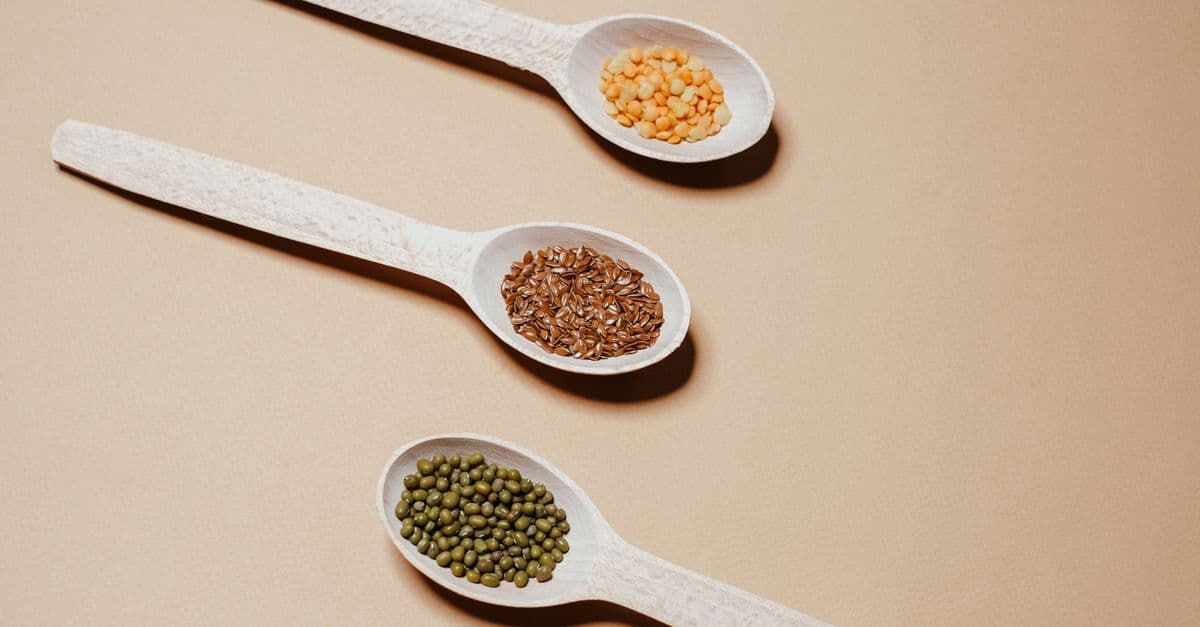
Photo: ready made / Pexels
Strip away every diet book, supplement ad, and wellness feed, and what you eat is mostly three kinds of molecule: protein, carbohydrate, and fat. These are the macronutrients, called "macro" because the body needs them in gram quantities each day instead of the milligrams or micrograms that vitamins and minerals require. This article explains what each macronutrient does, how calories are counted, how the body decides which one to burn, and what randomized trials and large cohort studies say about how much of each to eat.
Educational content, not medical advice. Talk to your doctor before changing any medication, treatment, or routine. Information here reflects current research but every person's situation differs.
How a calorie is counted, and why 4-4-9 is an approximation
A calorie in nutrition means a kilocalorie (kcal): the heat needed to raise 1 kilogram of water by 1 degree Celsius. Food labels use that unit because it is a convenient measure of how much chemical energy a food holds. When you digest food, your cells capture that energy mostly as ATP, the universal cellular currency; see how ATP energy works in cells for the mechanism.
The energy figures on a label come from the Atwater system, developed by Wilbur Olin Atwater and colleagues at Wesleyan University in Connecticut in the late nineteenth and early twentieth centuries. It became common practice to assign 4 kcal per gram to carbohydrate and protein and 9 kcal per gram to fat. Alcohol, which is not a nutrient but supplies energy, is conventionally given 7 kcal per gram.
| Component | Typical energy value | Main role |
|---|---|---|
| Protein | 4 kcal per gram | Structure, enzymes, signaling |
| Carbohydrate | 4 kcal per gram | Fast fuel, especially for brain and working muscle |
| Fat | 9 kcal per gram | Stored energy, cell membranes, hormone precursors |
| Alcohol | 7 kcal per gram | Supplies energy; no nutritional requirement |
| Fiber | Roughly 0 to 2 kcal per gram | Partly fermented by gut bacteria |
These are conventions, not constants. The Atwater system relies on average digestibility, and fecal losses vary even when someone eats the same diet every day. Weighing errors and differences in food composition add more uncertainty. A reasonable summary is that a calorie count on a label is a good estimate, not a measurement of what your body will extract from that particular meal.
Think of the energy values as exchange rates. A gram of fat buys you more than twice the energy of a gram of carbohydrate, which is why oils, nuts, cheese, and fried foods pack a lot of energy into a small volume and are easy to overeat. Fiber is the odd currency: some of it is fermented by bacteria in the large intestine into short-chain fatty acids that supply a little energy, but the data are too uncertain for firm guidance.
Digestion itself also costs energy. This "thermic effect of food" is highest for protein; commonly cited estimates put it at roughly 20 to 30% of the calories in protein, against 5 to 10% for carbohydrate and 0 to 3% for fat. A review by Halton and Hu concluded that there is convincing evidence that a higher protein intake increases thermogenesis and satiety, with longer-term studies still needed. Even so, the effect is modest next to the large differences in how people eat day to day.
Protein: the body's construction material, not mainly fuel
Proteins are chains of amino acids, 20 standard types of which nine are essential, meaning the body cannot make them and they must come from food. The full chemistry, including how chains fold, is in proteins and amino acids explained.
Protein is mostly structure and machinery. It makes up muscle filaments, the collagen in skin and bone, every enzyme, every antibody (see antibody structure and immune defense), many hormones such as insulin (see insulin and diabetes explained), and most of the molecular machinery in cells. The body also recycles protein constantly. Estimates of whole-body protein turnover are usually put at around 300 grams per day for an adult, with published estimates ranging from roughly 250 to 400 grams, much more than the 50 to 80 grams typically eaten. Most of the amino acids released are reused, and food replaces the fraction that is lost.
How much protein? It depends on who is asking
The Recommended Dietary Allowance (RDA) for protein is a minimum of 0.8 grams per kilogram of body weight per day, according to the National Academy of Medicine. That works out to about 56 g for a 70-kg adult. It is designed to prevent deficiency in healthy adults, not to be an ideal for every person or goal. The Academy's acceptable range is 10 to 35% of daily calories.
| Group | Intake suggested by the research | Source |
|---|---|---|
| Healthy adults, minimum to avoid deficiency | 0.8 g/kg/day | National Academy of Medicine RDA |
| Healthy older adults | At least 1.0 to 1.2 g/kg/day | PROT-AGE Study Group, 2013 |
| Older adults who exercise or are active | At least 1.2 g/kg/day | PROT-AGE Study Group, 2013 |
| Older adults with acute or chronic disease | About 1.2 to 1.5 g/kg/day | PROT-AGE Study Group, 2013 |
| Healthy adults doing resistance training | Gains in fat-free mass leveled off above about 1.6 g/kg/day in one meta-analysis | Morton et al., 2018 |
Two cautions apply. The 2018 meta-analysis by Morton and colleagues pooled 49 studies with 1,863 participants and found that total protein intake above 1.62 g/kg/day produced no further gains in fat-free mass from resistance training, and that the benefit of protein supplementation shrank with age. And the PROT-AGE position paper notes that older people with severe kidney disease who are not on dialysis may need to limit protein. Anyone with kidney disease or another chronic condition should get individual advice from a clinician or dietitian.
A Harvard analysis of more than 130,000 people found that the percentage of calories from total protein was not related to overall mortality or to specific causes of death. That is an observational finding, so it does not show that more or less protein is harmless, but it argues against treating protein quantity as a simple health score.
Protein quality
Animal foods and soy supply all nine essential amino acids in useful proportions, which makes them "complete" proteins. Many plant proteins are low in one amino acid: lysine in cereal grains, methionine plus cysteine in legumes. Eating a variety of plant foods over a day covers the gaps, which is why mixing beans and grains works. For the detailed version of the question, see how much protein you actually need.
Carbohydrates: sugars, starches, and fiber
Carbohydrates are sugars and chains of sugars. The most common forms are sugars, starches, and fibers. When you digest sugars and starches, they end up as glucose, which circulates in the blood and fuels the brain and working muscle. The story of what happens next is told in how the body stores and releases glucose.
| Type | Examples | What happens in the body |
|---|---|---|
| Simple sugars | Glucose, fructose, sucrose (table sugar), lactose | Absorbed quickly; the glucose part raises blood sugar fast |
| Starches | Grains, potatoes, legumes | Long chains of glucose, broken down more slowly |
| Fiber | Oats, beans, vegetables, wheat bran | Not digested by human enzymes; adds bulk or is fermented by gut bacteria |
Fiber has a special role. Soluble fiber, found in oats and beans, is fermented by gut bacteria, and insoluble fiber adds bulk. The gut bacteria that do the fermenting are the subject of the gut microbiome explained. The Institute of Medicine's adequate intake is about 14 grams of fiber per 1,000 kcal eaten.
Glycemic index and food form
The glycemic index (GI) ranks carbohydrate foods by how quickly they raise blood sugar compared with pure glucose. Refined starches and sugars sit toward the high end, while intact legumes and many whole grains sit lower. GI is useful but imperfect. It depends on how a food is cooked and what it is eaten with, and a high-GI food in a mixed meal behaves differently than it does alone.
The Harvard Nutrition Source says whole grains deliver vitamins, minerals, fiber, and phytonutrients, and advises limiting refined grains such as white rice and white bread, and avoiding sugary drinks. It links highly processed carbohydrate sources, including sodas, with weight gain, difficulty losing weight, diabetes, and heart disease. For more on what sugar does in the body, see is sugar really that bad for you and sugar science: how glucose and fructose affect your body differently.
Do you need carbohydrate at all?
Strictly speaking, the body can run without dietary carbohydrate. The liver can make glucose from amino acids and other molecules in a process called gluconeogenesis, and the brain can adapt to using ketones, which are made from fat, for part of its energy in prolonged fasting or very low-carbohydrate eating. But the Institute of Medicine still set a recommended dietary allowance for carbohydrate of 130 grams per day for adults, an amount linked to the brain's glucose use. The National Academy of Medicine's acceptable range is 45 to 65% of calories.
Whether people do better below or inside that range is a question that studies answer in different ways. In the PURE cohort of 135,335 adults aged 35 to 70 in 18 countries, followed for a median of 7.4 years, people in the highest quintile of carbohydrate intake had a higher risk of total mortality (hazard ratio 1.28) than people in the lowest, but no association with cardiovascular disease. Because the study is observational, it can show association but not cause, and diets in different countries differ in many ways other than carbohydrate.
Fats: more than energy storage
Fats are mostly triglycerides: three fatty acid chains attached to a glycerol backbone. They are the body's long-term energy store, the main material of cell membranes, and the starting point for steroid hormones, including estrogen, testosterone, and cortisol. Fat is also needed to absorb the fat-soluble vitamins A, D, E, and K. A kilogram of body fat holds roughly 7,000 to 7,700 kcal, a commonly used approximation that varies with how much water and other tissue is mixed in.
Fatty acids come in families, and their chemistry shapes their behavior. Saturated fats have no double bonds in their carbon chains and tend to be solid at room temperature. Unsaturated fats have one (monounsaturated) or more (polyunsaturated) double bonds and tend to be liquid. Two polyunsaturated families, omega-6 (linoleic acid) and omega-3 (alpha-linolenic acid), are essential, because the body cannot make them.
| Type | Common sources | What the evidence says |
|---|---|---|
| Saturated | Butter, cheese, fatty meat, coconut and palm oil | Replacing with polyunsaturated fat is linked to fewer cardiovascular events; replacing with refined carbohydrate shows no heart benefit |
| Monounsaturated | Olive oil, avocado, many nuts | Part of the Mediterranean pattern tested in PREDIMED |
| Polyunsaturated | Sunflower, corn, soybean oils; walnuts; flax; fish | The AHA recommends replacing saturated fat with it |
| Omega-3 (EPA and DHA from fish) | Salmon, sardines, other fatty fish | Lowers triglycerides; little or no effect on heart events in trials overall |
| Trans (industrial) | Partially hydrogenated oils | Raises LDL, lowers HDL; removed from the U.S. food supply |
Saturated fat: a more careful story
For decades, saturated fat was blamed for heart disease. The evidence is better described as a set of narrower findings. A 2020 Cochrane review of 12 trials and 53,758 participants found that reducing saturated fat lowered combined cardiovascular events by about 17% (relative risk 0.83), with little or no effect on all-cause mortality or cardiovascular mortality. It concluded that replacing saturated fat energy with polyunsaturated fat or carbohydrate appears useful, while the effect of replacing it with monounsaturated fat was unclear.
The American Heart Association's 2017 presidential advisory went further on the type of replacement. It concluded that trials replacing saturated fat with polyunsaturated vegetable oil reduced cardiovascular disease by about 30%, similar to statin treatment, while replacing it with mostly refined carbohydrates and sugars was not associated with lower disease rates. The Harvard Nutrition Source puts the practical point in one sentence: cutting saturated fat helps if it is replaced with unsaturated fats, but offers no net heart benefit if refined carbohydrates take its place, because that swap also lowers HDL and raises triglycerides. For the lipid side of this story, see cholesterol explained: LDL, HDL, and heart risk.
Cohort studies point in a different direction, which is why the picture is not simple. In PURE, higher saturated fat intake was associated with lower total mortality (hazard ratio 0.86) and lower stroke risk (0.79), and total fat and types of fat were not associated with cardiovascular disease. The authors concluded that dietary guidelines should be reconsidered. Randomized trials and cohort studies measure different things, and a person who replaces saturated fat with refined starch in one setting is very different from a person who eats little of either in another. A summary of the data that is faithful to both would say: the food that replaces saturated fat matters at least as much as the saturated fat itself. The Dietary Guidelines for Americans advise keeping saturated fat under 10% of daily calories; the American Heart Association advises aiming for 5 to 6%.
Trans fat: the clear case
Industrial trans fats are made by hydrogenating liquid vegetable oils, and they are the one fat where the evidence is consistent. They raise LDL cholesterol and lower HDL cholesterol, and each additional 2% of daily calories from trans fat is associated with a 23% higher risk of coronary heart disease. In 2015, the FDA determined that partially hydrogenated oils are no longer generally recognized as safe. Manufacturers could not add them to most foods after June 18, 2018, and the final compliance date for products already in distribution was extended to January 1, 2021. The FDA estimates that removing them prevents thousands of heart attacks and deaths each year. Other regulators have used limits instead of outright bans, so "banned everywhere" overstates the rules in many countries.
Omega-3 and the Mediterranean pattern
Fish oil is a good illustration of how a plausible mechanism can outrun the evidence. A Cochrane review of long-chain omega-3 fats, covering 39 trials and 8,189 deaths, found little or no effect on all-cause mortality (relative risk 0.98) and little or no effect on cardiovascular events (0.99), both rated high-quality evidence. An initial signal for coronary heart disease events did not hold in sensitivity analyses. What the supplements did reliably do was lower triglycerides, by about 15% in a dose-dependent way.
The Mediterranean-style diet has the stronger trial support. The PREDIMED trial randomized 7,447 adults aged 55 to 80 at high cardiovascular risk to a Mediterranean diet supplemented with extra-virgin olive oil, a Mediterranean diet with mixed nuts, or a control diet advising reduced fat. After a median 4.8 years, the hazard ratio for major cardiovascular events was 0.69 for the olive oil group and 0.72 for the nut group against control. The original 2013 report was withdrawn after problems with randomization were found, and the authors republished revised estimates in 2018, with results that were similar when participants with known protocol departures were excluded. That history is worth keeping in mind: even a landmark trial gets corrected, and the corrected result held. For an introduction to why randomized design matters, see why randomized trials are powerful.
Which fuel does your body burn first?
The body does not burn the three macronutrients in strict sequence, but there is a rough hierarchy that depends on what is available and what the body is doing. A useful analogy is household money. Blood glucose is cash in your pocket, glycogen is the checking account, body fat is the savings account, and protein is the furniture you sell only when everything else is gone.
- Carbohydrate is the quick-access fuel. Glucose in the blood is used immediately. The excess is stored as glycogen, a branched chain of glucose, mainly in the liver and in muscle. Textbook estimates are on the order of 100 grams in the liver and several hundred grams in muscle, depending on muscle mass. When those stores are full, the body converts surplus carbohydrate into fat.
- Fat is the long-term fuel. At rest and during low-intensity activity, fat supplies much of the energy. Even a lean person carries tens of thousands of kilocalories of fat, far more than glycogen holds.
- Protein is the reserve. Under normal conditions, little protein is burned for energy. In prolonged starvation or extreme exercise, more is broken down, and it comes from tissues such as muscle.
The traffic director is insulin, a hormone released after meals that tells tissues to take up and store nutrients. Carbohydrate triggers the largest insulin response, protein a moderate one, and fat the smallest. Insulin promotes storage and restrains the release of fat from fat cells. For the metabolic disease that results when this system stops responding, see type 2 diabetes: the biology behind the epidemic. The cellular process that turns fuel into ATP, including the pathway that handles breakdown products of all three macronutrients, is described in the Krebs cycle explained.
When carbohydrate is scarce, as during fasting, the liver converts fatty acids into ketone bodies that the brain and other tissues can use. That adaptation is why some people can feel fine on very low-carbohydrate diets, and it underlies the ketogenic diet, which is an established clinical treatment for drug-resistant epilepsy under medical supervision. It does not follow that ketosis is needed or better for everyone. For related ideas about timing, see what the science says about intermittent fasting.
What diet trials show
Diet patterns are usually described by their macronutrient mix, but the labels hide a lot of variation. A Mediterranean pattern, a vegan pattern, and a low-carbohydrate pattern can each be done with whole foods or with processed products.
| Pattern | Defining features | Strongest evidence | Limitations |
|---|---|---|---|
| Mediterranean | Olive oil, nuts, vegetables, legumes, fish | PREDIMED randomized trial: fewer major cardiovascular events | Hard to define precisely; high-risk older participants |
| Low-fat (healthy) | Less fat, emphasis on whole foods | DIETFITS: similar weight loss to low-carbohydrate at 12 months | Quality of carbohydrate varies |
| Low-carbohydrate (healthy) | Fewer carbohydrates, whole-food emphasis | DIETFITS: similar weight loss to low-fat at 12 months | Quality of fat and protein matters |
| Ketogenic | Very low carbohydrate, most calories from fat | Established for drug-resistant epilepsy | Hard to sustain; use under supervision |
| DASH | Fruit, vegetables, whole grains, low-fat dairy, lower sodium | Blood-pressure reduction in trials | Designed for blood pressure, not weight loss |
DIETFITS: ratio versus adherence
The DIETFITS trial, published in JAMA in 2018, randomized 609 adults aged 18 to 50 without diabetes and with a body mass index of 28 to 40 to a healthy low-fat or a healthy low-carbohydrate diet for 12 months. The low-fat group lost 5.3 kg on average, and the low-carbohydrate group lost 6.0 kg. The 0.7 kg difference was not statistically significant. The researchers had also tested whether people's genotype pattern or insulin secretion would predict which diet worked better, and found no significant interaction for either. The practical reading is that neither macronutrient ratio nor those biological markers was a reliable predictor of success in this trial, which suggests that factors such as food quality and whether a person can stick with a plan deserve at least as much attention.
A metabolic ward on processed food
The NIH inpatient trial led by Kevin Hall, published in Cell Metabolism in 2019, took 20 weight-stable adults and fed them an ultra-processed diet for 2 weeks and an unprocessed diet for 2 weeks, in randomized order. Meals were matched for presented calories, energy density, macronutrients, sugar, sodium, and fiber, and participants could eat as much as they wanted. On the ultra-processed diet they ate about 508 kcal per day more, and gained about 0.9 kg, while on the unprocessed diet they lost about 0.9 kg. The extra intake came mostly from carbohydrate and fat, and protein intake did not differ meaningfully.
This is a small, short study, so it does not settle how ultra-processed food affects health over years. What it shows is that two diets with the same label macros can differ in how much people eat. The authors suggested that limiting ultra-processed foods may help with obesity prevention and treatment. The mechanism is not established.
Cohorts versus trials
Large cohort studies such as PURE track what people eat and what happens to them, which allows long follow-up and large numbers. But people who eat more carbohydrate or fat differ in income, activity, medication, and other ways that diet questionnaires cannot fully capture. Randomized trials, by contrast, can show cause but are usually short and small. Both kinds of evidence matter, and conflicts between them, like the saturated fat example above, usually mean the question is more specific than it first appears. For background, see how correlation differs from causation.
Macronutrients versus micronutrients
Macronutrients provide energy and bulk. Micronutrients, the vitamins and minerals, are needed in milligram or microgram amounts: iron, calcium, vitamin D, B12, magnesium, zinc, iodine, and dozens more. You could eat a "perfect" macro split made of refined sugar, protein powder, and seed oil and still develop a deficiency disease.
History has two vivid examples. James Lind's 1747 trial showed that citrus fruit prevented scurvy, decades before vitamin C was identified; see the Lind scurvy trial. Christiaan Eijkman's chickens, which developed a beriberi-like illness on polished rice, led toward the idea of vitamins; see Eijkman's chickens and how beriberi led to vitamins. Both were about nutrients invisible in a macronutrient count.
Digestion is where macronutrients are separated from micronutrients and made absorbable; the process is covered in how digestion works.
Common mistakes about macronutrients
"Carbs make you fat" or "fat makes you fat." Weight change tracks energy balance over time. Macronutrients influence hunger, fullness, and hormones, which can change how much people eat, but in controlled trials such as DIETFITS, two very different macronutrient strategies produced similar weight loss when the food quality was good.
"Calories do not matter." The opposite error is just as common. In the NIH ward study, weight change correlated strongly with energy intake (r = 0.8). What the study also showed is that people do not always control their intake as precisely as they think, and that the food itself affects how much they eat.
"All carbohydrates are the same." The category covers soda and lentils. The health associations differ by food, which is why guidance stresses whole grains, legumes, vegetables, and fruit over refined grains and sugary drinks.
"Protein is only for people who lift weights." Everyone needs it to replace the hundreds of grams the body breaks down and rebuilds each day, and older adults appear to need more per kilogram than younger ones.
"Fat is a single thing." The effects of trans fat, saturated fat, polyunsaturated fat, and omega-3 supplements differ so much that lumping them together hides the actual findings.
"A label's calories are exact." They are Atwater estimates. Individual digestion and how food is cooked and processed shift the real number.
GLP-1 drugs, which reduce appetite, have changed the conversation about weight in recent years; see how GLP-1 drugs work. They act on hunger signaling, not on any change in what a macronutrient is, and the obesity biology behind them is covered in the biology of obesity and metabolic syndrome. For why people tend to seek out fat, sugar, and salt in the first place, see why humans crave salt, fat, and sugar.
The takeaway
The three macronutrients are best understood as different tools instead of competing teams. Protein builds and runs the machinery, carbohydrate supplies quick fuel and fiber feeds the gut, and fat stores energy and builds membranes and hormones. The trials that compare diets mostly find that when food quality is good, the ratio of the three matters less than most diet marketing suggests, while the quality of each macronutrient, such as whole grains versus refined, polyunsaturated versus trans, and whole foods versus ultra-processed products, matters a great deal. The practical value of knowing the biology is that it lets you read a claim, ask what was measured, and notice when a headline about "carbs" or "fat" is really about something narrower.
FAQ
Q: How much protein do I need per day? A: The National Academy of Medicine's recommended minimum for healthy adults is 0.8 g per kilogram of body weight, about 56 g for a 70-kg person, within an acceptable range of 10 to 35% of calories. Research on older adults suggests at least 1.0 to 1.2 g/kg, and one meta-analysis found muscle-gain benefits from resistance training leveled off above about 1.6 g/kg. Individual needs depend on health, so ask a clinician or dietitian.
Q: Are carbs bad for you? A: Carbohydrate is not one thing. Whole grains, legumes, vegetables, and fruit are generally associated with better health than refined grains and sugary drinks, which the Harvard Nutrition Source links with weight gain, diabetes, and heart disease. In the large PURE cohort, the highest carbohydrate intake was associated with higher total mortality, but observational data cannot show cause.
Q: Is saturated fat actually unhealthy? A: The evidence is nuanced. A 2020 Cochrane review found that reducing saturated fat cut combined cardiovascular events by about 17% but had little effect on mortality, and the AHA found that replacing it with polyunsaturated fat helps while replacing it with refined carbohydrate does not. Cohort data such as PURE have not found saturated fat associated with cardiovascular disease.
Q: Can I survive on a zero-carbohydrate diet? A: Biologically, the liver can make glucose from amino acids, and the brain can use ketones for part of its energy. But the Institute of Medicine still set 130 g per day as the recommended carbohydrate intake for adults, and the long-term effects of very low or zero-carbohydrate eating are less well studied. Such diets should be discussed with a clinician first.
Q: Do I need to count macros? A: Most people do not need to. Counting can be useful for a specific athletic goal or for managing a condition such as diabetes under a clinician's guidance. For general health, emphasizing minimally processed foods and enough protein covers most of what the evidence supports.
Q: Do all calories count the same? A: Calories measure energy, but foods differ in how much they fill you, how much energy digestion consumes, and how much people end up eating. In the NIH ward trial, 20 adults ate about 508 kcal per day more on an ultra-processed diet than on an unprocessed one, with meals matched for presented macronutrients, and gained about 0.9 kg in two weeks.
Sources
- Gardner, C. D. et al. (2018). "Effect of Low-Fat vs Low-Carbohydrate Diet on 12-Month Weight Loss in Overweight Adults and the Association With Genotype Pattern or Insulin Secretion: The DIETFITS Randomized Clinical Trial." JAMA, 319(7), 667-679.
- Hall, K. D. et al. (2019). "Ultra-Processed Diets Cause Excess Calorie Intake and Weight Gain: An Inpatient Randomized Controlled Trial of Ad Libitum Food Intake." Cell Metabolism, 30(1), 67-77.
- Estruch, R. et al. (2018). "Primary Prevention of Cardiovascular Disease with a Mediterranean Diet Supplemented with Extra-Virgin Olive Oil or Nuts." New England Journal of Medicine, 378, e34.
- Dehghan, M. et al. (2017). "Associations of fats and carbohydrate intake with cardiovascular disease and mortality in 18 countries from five continents (PURE)." The Lancet, 390, 2050-2062.
- Hooper, L. et al. (2020). "Reduction in saturated fat intake for cardiovascular disease." Cochrane Database of Systematic Reviews, CD011737.
- Abdelhamid, A. S. et al. (2018). "Omega-3 fatty acids for the primary and secondary prevention of cardiovascular disease." Cochrane Database of Systematic Reviews, CD003177.
- Sacks, F. M. et al. (2017). "Dietary Fats and Cardiovascular Disease: A Presidential Advisory From the American Heart Association." Circulation, 136, e1-e23.
- Morton, R. W. et al. (2018). "A systematic review, meta-analysis and meta-regression of the effect of protein supplementation on resistance training-induced gains in muscle mass and strength in healthy adults." British Journal of Sports Medicine, 52, 376-384.
- Bauer, J. et al. (2013). "Evidence-based recommendations for optimal dietary protein intake in older people: a position paper from the PROT-AGE Study Group." Journal of the American Medical Directors Association, 14, 542-559.
- U.S. Food and Drug Administration. "Trans Fat." fda.gov/food/food-additives-petitions/trans-fat
- Harvard T.H. Chan School of Public Health, The Nutrition Source. "Protein," "Carbohydrates," and "Types of Fat." nutritionsource.hsph.harvard.edu
Read next:
Follow new articles
Add SciHub101 to your feed reader to see new science and technology stories.
About the Author
SciHub101 is an independent science and technology publication founded and edited by Buğra Sözeri, a software engineer and app developer based in Türkiye. AI tools assist with drafting and research. Source documentation in the existing archive is uneven, and articles are being reviewed and corrected. The Editorial Team byline identifies editorial responsibility; it does not certify specialist or independent human review. Where we compare products, anything built by our own team is labelled as such — see the editorial guidelines and About page for how corrections and disclosures work.
Related Articles

How Hearing Works — From Sound to Brain
How the ear turns air pressure waves into the experience of sound — outer, middle, and inner ear anatomy, cochlear mechanics, and hearing loss.

Insulin and Diabetes Explained: Biology, Types, Treatment
How insulin controls blood glucose, why type 1 and type 2 diabetes differ, and how treatment moved from animal extracts to pumps, drugs, and stem cells.
How Much Protein Do You Actually Need?
The fitness industry says you need 1g per pound of body weight. Public health agencies recommend much less. Here's what the actual evidence says about protein requirements.

Postprandial Sleepiness — Why Eating Makes Tired
Why do meals make you sleepy? The science of food coma — insulin, orexin neurons, the circadian dip, and the tryptophan myth.

The Vitamin D Paradox — Why It's So Important and So Misunderstood
Vitamin D clearly prevents rickets, yet large trials of extra vitamin D in healthy adults keep coming back flat. Here is how that paradox arises and what the evidence supports.

Is Sugar Really That Bad for You?
Sugar has been blamed for everything from obesity to cancer to Alzheimer's. The reality is more nuanced — quantity, source, and context all matter. Here's what nutrition science actually shows.