Why Do We Yawn — and Why Is It Contagious?
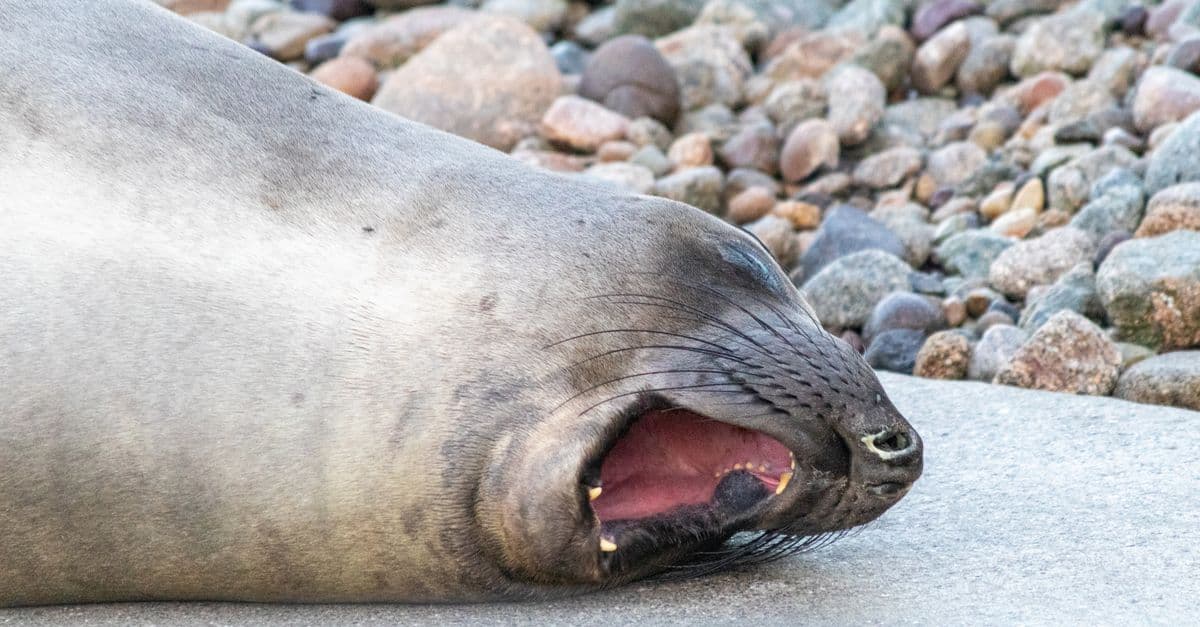
Photo: Griffin Wooldridge / Pexels
Yawning is one of the most universal human behaviours, observed across all cultures and throughout the lifespan. We do it when tired, bored, hungry, anxious, or in groups. Watching someone yawn — or even reading about it — often triggers your own. Yet despite being studied intensively for over a century, scientists don't fully agree on why we yawn or what it does. The phenomenon remains one of biology's unsolved mysteries, despite being witnessed thousands of times by every human being.
Yawning — an involuntary reflex involving deep inhalation, jaw stretching, and often brief facial muscle tension; triggered by fatigue, boredom, social cues, or transitions between alertness states.
Key takeaways
- Yawning is universal across vertebrates — fish, reptiles, birds, mammals all do it.
- The most-supported recent theory is brain temperature regulation.
- The "low oxygen" theory has been mostly disproven.
- Yawning is contagious in humans, chimps, dogs, and other social species.
- Contagion is correlated with empathy — possibly a window into social cognition.
What yawning actually involves
A yawn isn't just opening your mouth. The full action involves:
Deep inhalation
Stretching the lungs, often followed by a brief stretching of facial and throat muscles.
Mouth opening
Wide stretching that pulls on jaw muscles.
Tympanic membrane stretching
Brief activation that can cause that "pop" in your ears.
Tear production
Yawning often produces tears — tear ducts get squeezed.
Brief alertness
A rush of blood and possibly cool air.
Fatigue follow-up
Yawning often happens before sleepiness intensifies.
The major theories
Over a century of research has produced multiple theories — none fully accepted:
Brain cooling
Currently the leading hypothesis. The deep inhalation cools blood flowing to the brain. Brain temperature affects cognitive performance; cooling may reset.
Evidence: yawning increases when ambient air is cooler than body temperature. Yawning rates vary with brain temperature in monkey studies.
Oxygen / CO₂ regulation
Older theory: yawning is a response to low blood oxygen or high CO₂.
Evidence: Mostly disproven. Studies in 1986 and later found yawning isn't significantly affected by CO₂ or O₂ levels in the air. People yawn just as much when given pure oxygen.
Arousal / alertness
Yawning may signal a transition between sleep and wakefulness, or between attention states.
Evidence: people yawn more during transitions (waking, going to sleep). Pre-event arousal (athletes before competition, parachutists before jumps) shows increased yawning.
Stretching
The deep inhalation and muscle stretching may be what matters. Yawning is a kind of stretching for the diaphragm and throat.
Evidence: animals stretch and yawn together more often than chance. Likely related muscle groups.
Social signaling
In group-living animals, yawning may communicate — fatigue, transition, social bond. Another involuntary social signal is covered in why we blush.
Evidence: contagious yawning supports social communication. Many social species do it; many less-social ones do it less.
The honest summary: yawning probably serves multiple functions. Brain cooling has the best recent evidence; arousal and stretching probably play roles too.
Why yawning is contagious
The contagion phenomenon is more interesting than yawning itself.
How contagious is it?
About 40-60% of people yawn after seeing or hearing a yawn. Reading about yawning triggers it in some readers (sorry).
Mirror neurons
The brain regions activated by seeing someone yawn overlap with those activated by yawning yourself. Mirror neurons — cells that fire both when performing an action and when observing it — likely contribute.
Empathy connection
People high in empathy show more contagious yawning. Children below age 4 (before developing theory of mind) rarely show it. Autistic individuals may show reduced contagious yawning.
Other species
Chimpanzees, dogs, wolves, and some other species exhibit contagious yawning — typically only with familiar individuals or species. Suggests social bonding role.
Cross-species
Dogs yawn contagiously when humans yawn — especially if they know the human well. Humans also yawn back to dogs. Genuine cross-species social transmission.
What the brain is doing during yawning
Neuroscience research has identified:
Hypothalamic involvement
The hypothalamus — involved in temperature regulation, sleep, and hormones — coordinates the act of yawning.
Mirror neuron activation
When watching others yawn, motor cortex regions associated with yawning activate.
Empathy networks
Brain regions associated with empathy (ventromedial prefrontal cortex) show increased activity during contagious yawning.
Hormonal connections
Yawning is associated with various neurotransmitters and hormones — dopamine, serotonin, oxytocin. Why exactly is unclear.
Why we yawn at specific times
Different triggers:
When tired
Possibly part of transition between alertness states. Or may help maintain alertness.
When bored
Decreased stimulation, possibly alertness regulation.
Before exercise / events
Pre-arousal yawning is well documented.
When hungry
Less studied but reported. Possibly metabolic.
When anxious or stressed
Some yawning correlates with anxiety. Possibly self-soothing or stress response.
In groups
Social transmission. Familiar groups yawn together.
When seeing/hearing yawns
Contagion.
When falling asleep / waking
Common transition.
Why contagious yawning matters scientifically
Beyond curiosity, contagious yawning is interesting because:
Social cognition window
It tracks with empathy, theory of mind, and social bonding. Studying it helps understand these.
Developmental marker
When children develop contagious yawning correlates with theory-of-mind development.
Autism research
Reduced contagious yawning is sometimes (not always) associated with autism. Not diagnostic but suggestive.
Cross-species cognition
Apes, dogs, and other animals showing it provides comparative data on social cognition.
Mirror neuron studies
Yawning is one of the cleanest examples of mirror neuron-related behaviour.
What we still don't know
Why yawning evolved
Adaptive value is unclear. Multiple proposed functions but none definitively supported.
Why specific triggers work
Tiredness, boredom, anxiety, group settings — what's common?
Individual variation
Some people yawn frequently; others rarely. Why?
Animal cognition
Why do some species yawn contagiously and others don't?
Why dogs yawn back
Adaptation to human cohabitation? Pre-existing canine sociality?
Why reading triggers it
Word-based imagery activating motor mirror systems.
Common misconceptions
"Yawning means I need oxygen"
Largely disproven. Yawning rate doesn't change with available oxygen.
"Yawning is a sign of disrespect"
Common cultural belief but yawning is largely involuntary. Suppressing in formal situations is possible but takes effort.
"Yawning means the meeting is boring"
Not necessarily. Bored, tired, hungry, transitioning — many causes.
"Animals don't yawn"
Many animals yawn. It's an ancient vertebrate behaviour.
"I should fight the urge to yawn"
Suppressing yawning has no clear benefit. Just yawn.
"Contagious yawning is just learned imitation"
Some learning, but contagious yawning happens too quickly and reliably to be conscious imitation. Mirror neuron activation is involuntary.
Evolution and Comparative Yawning
Yawning is ancient. Fish yawn, though without eyelids they look different. Reptiles, birds, and all mammals yawn. The behaviour likely emerged hundreds of millions of years ago and has been preserved by evolution, suggesting it serves some adaptive function — but what?
One clue is that yawning is energetically expensive. A full yawn involves rapid, forceful jaw opening, deep inhalation, and coordinated muscle contractions. Behaviours this costly tend to be maintained by natural selection only if they provide real benefits. Yet for something so widespread and costly, we have remarkably little clarity on what those benefits are.
Source: Gallup, A. C., et al. (2016). "Yawning and the Brain." Current Biology, 26(6), R214-R215.
The Thermoregulatory Model in Detail
Andrew Gallup and colleagues at SUNY Oneonta have developed the most empirically supported modern theory: yawning is a thermoregulatory mechanism, cooling the brain. Their logic is elegant. Brain temperature is tightly regulated but can drift slightly, particularly during state transitions. Even small increases in brain temperature impair cognitive performance and increase sleepiness. Yawning — by drawing in cool air (or at least air cooler than body temperature) and increasing blood flow through facial arteries — could reset brain temperature.
Evidence includes:
- Yawning frequency increases when ambient temperature is warm (close to or above body temperature), but decreases when the air is cold — exactly what the cooling hypothesis predicts.
- Squirrels yawn before hibernation more frequently than during other seasons.
- Brain temperature fluctuates in primates, and yawning frequency varies with these fluctuations.
- Chronic sleep deprivation (which impairs temperature regulation) increases yawning in both humans and animals.
The theory isn't proven, but it's the most coherent explanation currently available.
Source: Gallup, A. C., et al. (2010). "Yawning and the Thermoregulation Hypothesis: Arousal Effects or Fundamental Physiological Adaptation?" Evolutionary Psychology, 8(4).
Yawning and Sleep Onset
How memory works in the brain and sleep are intimately connected. Yawning often precedes sleep onset and can occur as you wake. This makes intuitive sense if yawning is a state-transition mechanism — shifting between alertness and sleep requires physiological adjustments. Brain temperature regulation during this transition fits the thermoregulatory hypothesis well.
During the transition to sleep, metabolic rate drops, and brain temperature would normally fall. Conversely, on waking, you need to increase cognitive arousal. A yawn's cooling effect might stabilize brain temperature during these vulnerable transitions.
The Frequently Asked Questions
Q: Why does my dog yawn at me?
A: It could be tiredness, transitioning to rest, or a social signal of comfort and affiliation. Dogs show contagious yawning more readily to humans they know well — similar to chimpanzees and other social species. Cross-species yawning suggests your dog's social bonding to you is real.
Q: Are people who yawn more frequently dumb or lazy?
A: No correlation has been found. Yawning frequency varies enormously between individuals and doesn't reflect personality, intelligence, or work ethic. Athletic individuals, executives, and artists yawn at similar rates. The variation is likely genetic and neurobiological.
Q: Why do some people barely yawn, while others yawn constantly?
A: Individual variation in yawning frequency is substantial and poorly understood. Some neurological conditions (Parkinson's disease) reduce yawning frequency. Some medications affect it. Most variation, however, seems to be normal biological diversity.
Q: Can I make myself yawn intentionally?
A: Some people can voluntarily trigger yawns by thinking about it, visualizing yawning, or beginning the facial motions. Many others cannot. This ability seems to correlate with contagious yawning susceptibility — people who catch yawns easily also tend to self-trigger more easily. It suggests common neural mechanisms.
Q: Is excessive yawning ever a sign of a medical problem?
A: Rarely. Most yawning is perfectly normal. However, sudden persistent excessive yawning can occasionally signal sleep disorders, certain neurological conditions affecting the brain stem, or in rare cases, cardiac issues. If you experience a dramatic change in yawning frequency alongside other symptoms, it's worth discussing with a doctor.
Q: Why is contagious yawning linked to empathy and autism?
A: The connection is empirical but not fully understood. People with higher trait empathy show more contagious yawning. Young children (below age 4, before theory of mind develops) rarely show it. Some autistic individuals show reduced contagious yawning, though not all. The link suggests contagious yawning depends on social-cognitive circuits, but causality is unclear — reduced empathy might cause reduced contagious yawning, or both might reflect the same underlying neural difference.
Yawning and Neurotransmitter Systems
Recent research has identified several neurotransmitter systems involved in yawning, though exactly how they drive the behavior remains unclear.
Dopamine seems to play a central role. Dopamine agonists (medications that mimic dopamine) can increase yawning frequency. Parkinson's disease patients, who have dopamine depletion, typically show reduced yawning. Conversely, dopamine antagonists (antipsychotics) can suppress yawning. The mechanism isn't entirely understood, but dopamine's role in arousal and state transitions fits with yawning's apparent relationship to shifting between alertness states.
Serotonin (specifically via the 5-HT1A receptor) also influences yawning. SSRIs (selective serotonin reuptake inhibitors), the most common class of antidepressants, often reduce yawning as a side effect. Some studies show serotonin's role in inhibiting yawning, though the pathway is complex.
Oxytocin, the "bonding hormone," is elevated during certain social yawning scenarios, particularly in response to contagious yawning from trusted individuals. This links yawning to social attachment and empathy circuits, consistent with the observation that contagious yawning correlates with social bonding.
GABA (gamma-aminobutyric acid), an inhibitory neurotransmitter, may modulate yawning through GABAergic pathways in the brainstem and hypothalamus. GABA agonists (like benzodiazepines) can affect yawning, though the direction of effect varies by dose and receptor subtype.
Glutamate, the primary excitatory neurotransmitter, also plays a role. Glutamatergic neurons in the brainstem coordinate the motor output of yawning. The interplay between glutamate's excitatory signals and GABA's inhibitory signals likely determines whether a yawn is triggered.
The takeaway: yawning isn't controlled by a single neurotransmitter but by the balance and coordination across multiple systems. This explains why yawning can be triggered by different things (fatigue, boredom, social cues) — different triggers activate yawning through different neurotransmitter pathways, converging on the same motor output.
Source: Argiolas, A., & Melis, M. R. (2013). "The neuropharmacology of yawning." European Journal of Pharmacology, 668, S64-S80.
Yawning in Clinical and Neurological Conditions
Yawning frequency and patterns sometimes change in disease states, making it potentially medically meaningful.
Parkinson's Disease: As mentioned, Parkinson's patients typically show reduced yawning due to dopamine loss. This reduction correlates with disease severity and motor symptoms. Paradoxically, L-DOPA treatment (dopamine replacement) can temporarily increase yawning, providing indirect evidence for dopamine's role.
Epilepsy: Some seizure types (temporal lobe epilepsy, in particular) are preceded by prodromal yawning — yawning can occur minutes to hours before a seizure. The mechanism is unclear, but it may relate to the electrical activity buildup preceding seizure discharge in brainstem regions involved in yawning.
Multiple Sclerosis: Some MS patients report excessive yawning as a symptom, correlating with brainstem demyelination (damage to myelin coating nerve fibers). This suggests yawning circuits may be sensitive to demyelination.
Amyotrophic Lateral Sclerosis (ALS): ALS patients sometimes experience involuntary excessive yawning and laughing ("pseudobulbar affect"), reflecting dysfunction in bulbar regions controlling these reflexes.
Traumatic Brain Injury: Yawning patterns can change following TBI, reflecting disruption of brainstem circuitry.
Obstructive Sleep Apnea: Some research suggests excessive yawning precedes sleep apnea episodes, possibly reflecting arousal attempts. The relationship isn't well characterized.
Attention Deficit Hyperactivity Disorder (ADHD): Some evidence suggests ADHD individuals yawn excessively, possibly related to dopamine dysregulation. However, the literature is sparse.
These clinical presentations suggest yawning is genuinely hardwired into brainstem circuits governing arousal and state transitions, and disruption of these circuits manifests in altered yawning patterns.
Source: Eckberg, D. L., et al. (2020). "Yawning as a Brainstem Reflex in Conditions Affecting Arousal." Neurology, 94(5), e451-e459.
Yawning in Developmental Disorders: Autism and Theory of Mind
The relationship between contagious yawning and autism is subtle and remains incompletely understood. Some autistic individuals show reduced contagious yawning, while others show normal rates. This variability has led researchers to investigate whether contagious yawning reflects theory of mind or empathy capacities.
Theory of mind — the ability to infer mental states in others — typically develops around age 4–5. Children younger than 4 rarely show contagious yawning. Children with autism spectrum disorder, who may have differences in theory of mind, show variable contagious yawning — some reduced, some normal. This suggests contagious yawning depends on the ability to mentally model others' states, though the pathway is unclear.
Empathy is associated with contagious yawning in neurotypical individuals. Higher trait empathy correlates with greater susceptibility to contagion. Some autism researchers propose that reduced contagious yawning in some autistic individuals reflects differences in empathic mirroring, not absence of empathy but potentially different mechanisms of understanding others' states.
However, it's critical to note that not all autistic individuals show reduced yawning, and reduced contagious yawning isn't diagnostic of autism. The relationship is probabilistic, not absolute — useful for research but not for individual diagnosis.
One hypothesis is that contagious yawning is mediated by mirror neurons in the motor cortex, which activate when both performing and observing actions. Autism is associated with differences in mirror neuron function in some studies, though this remains debated. If mirror neuron dysfunction underlies reduced contagious yawning in some autistic individuals, it would support the theory that social synchrony (including contagious yawning) depends on motor-mimicry circuits.
Yawning Across Vertebrate Evolution
Yawning is truly ancient. Fish yawn, though in a form that looks bizarre to humans — their gill arches open wide as if gaping, serving likely to clear gills or change water flow, with yawning's thermoregulatory function probably not yet evolved. Reptiles yawn clearly and recognizably, with jaw-opening nearly identical to mammals. Birds yawn, though with some variation in form. All mammals yawn.
The preservation of yawning across 300+ million years of vertebrate evolution suggests it serves an adaptive function crucial enough to be maintained. Yet it's striking that we have so little clarity on what that function is. Most behaviors as widespread and energetically costly are maintained because they provide survival or reproductive advantages. The mystery is what yawning's advantage actually is.
One possibility is that yawning serves not one function but multiple functions that differ across contexts and species. For example, in fish it might be gill management, in reptiles arousal regulation, in social mammals arousal coordination plus social signaling. This "multiple functions" hypothesis is consistent with the observation that yawning correlates with different triggers in different species and contexts.
Another possibility is that yawning is a side effect — a spandrel — of selection for other traits. If brain thermoregulation in particular contexts selected for a jaw-stretching, inhalation response, and this response happened to be contagious via mirror neurons (which were selected for other reasons like motor learning), then contagious yawning becomes an incidental feature, not a directly selected one.
Modern Neuroimaging: What Brain Regions Light Up During Yawning
Modern functional MRI (fMRI) studies have identified the brain regions active during yawning:
During voluntary yawning:
- Premotor cortex (motor planning)
- Primary motor cortex (execution)
- Supplementary motor area (coordination)
- Cerebellum (fine motor control)
- Anterior insula (interoception — sensing internal bodily states)
During contagious yawning (watching someone yawn):
- All of the above PLUS
- Temporo-parietal junction (theory of mind)
- Ventromedial prefrontal cortex (empathy, social cognition)
- Superior temporal sulcus (biological motion perception)
- Mirror neuron regions (inferior frontal gyrus)
The activation of social-cognitive regions during contagious (but not voluntary) yawning supports the idea that contagion involves explicit mental modeling of the yawning person — essentially, your brain infers their mental state and mimics it via mirror neurons.
Age and individual differences in these activations correlate with contagious yawning susceptibility. Greater activation in empathy regions predicts greater contagion. Brain connectivity between motor and empathy regions varies and predicts individual differences in susceptibility.
Source: Didyuk, B. V., et al. (2019). "The neural mechanisms of contagious yawning." NeuroImage, 201, 116016.
The Takeaway
Yawning is a universal vertebrate behavior that remains genuinely mysterious despite a century of study. The "low oxygen" theory, long popular in casual explanations, has been mostly disproven by research. The brain-cooling hypothesis has the strongest recent evidence but isn't conclusively proven. Contagious yawning — fascinating because it correlates with empathy, theory of mind, and social bonding — provides a window into how social brains coordinate and transmit information. Multiple neurotransmitter systems (dopamine, serotonin, oxytocin, GABA, glutamate) coordinate yawning, explaining why it can be triggered by different conditions through different neural pathways. Clinical conditions affecting brainstem function alter yawning patterns, confirming that yawning is a genuine reflex rooted in neural circuitry. Despite being observed thousands of times by every human being, yawning's evolutionary purpose remains one of biology's unsolved puzzles. The behavior has survived hundreds of millions of years of evolution, suggesting it serves a real function. We just haven't figured out what it is yet.
Yawning is a universal vertebrate behaviour that remains genuinely mysterious despite a century of study. The "low oxygen" theory, long popular in casual explanations, has been mostly disproven by research. The brain-cooling hypothesis has the strongest recent evidence but isn't conclusively proven. Contagious yawning — fascinating because it correlates with empathy and social bonding — provides a window into how social brains coordinate and transmit information. Despite being observed thousands of times by every human being, yawning's purpose remains one of biology's unsolved puzzles. The behavior has survived millions of years of evolution, suggesting it serves a real function. We just haven't figured out what it is yet.
Read next:
Follow new articles
Add SciHub101 to your feed reader to see new science and technology stories.
About the Author
SciHub101 is an independent science and technology publication founded and edited by Buğra Sözeri, a software engineer and app developer based in Türkiye. AI tools assist with drafting and research. Source documentation in the existing archive is uneven, and articles are being reviewed and corrected. The Editorial Team byline identifies editorial responsibility; it does not certify specialist or independent human review. Where we compare products, anything built by our own team is labelled as such — see the editorial guidelines and About page for how corrections and disclosures work.
Related Articles

How Photosynthesis Works — The Process That Feeds the Planet
Photosynthesis takes sunlight, water, and CO₂ and produces sugar and oxygen. It powers nearly every food chain on Earth — and it produced the air you're breathing right now.

Intermittent Fasting — What the Science Actually Says
Intermittent fasting works for some people for some reasons. Here's the actual research on what it does, what it doesn't, and how it compares to ordinary calorie restriction.
Complete Biology Guide 2026 — How Life Works
The complete guide to biology in 2026: cells and genetics, evolution, the human body, neuroscience, disease, immune systems, and the future of genetic engineering.
Why We Yawn — The Biology of Yawning
What yawning actually is, why it's contagious, and why brain cooling — not oxygen — is the leading scientific explanation.
How Memory Works — The Neuroscience of Remembering
How the brain encodes, stores, and retrieves memories: the hippocampus, long-term potentiation, sleep consolidation, forgetting, and why false memories feel real.

Animal Sleep: How Different Species Sleep (And Why Some Barely Sleep at All)
Elephants sleep 2 hours a night. Koalas sleep 22 hours. Dolphins sleep with one eye open. Sleep is stranger across the animal kingdom than you imagined.