Why We Yawn — The Biology of Yawning
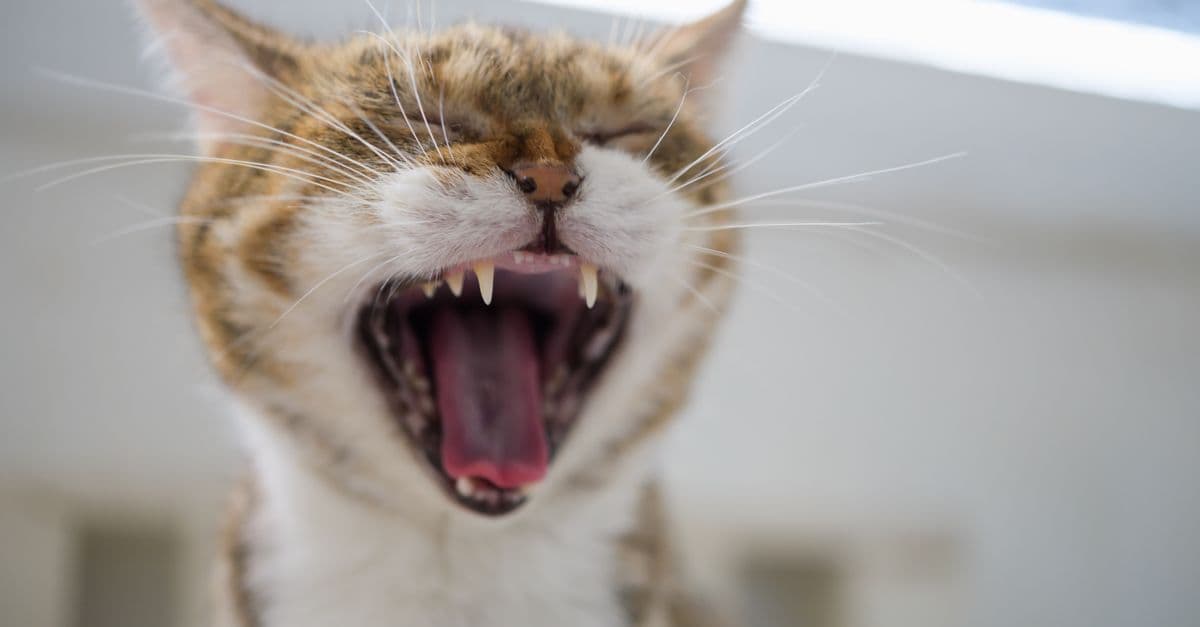
Photo: Pitipat Usanakornkul / Pexels
Almost everyone yawns. Babies do it in the womb. Cats, dogs, lions, snakes, parrots, and even fish do it. We do it when we're tired, when we're bored, when we're transitioning between sleep and wakefulness — and bizarrely, we do it just because we saw someone else do it, even on a screen, even when it's a stranger. After more than a century of investigation, scientists still don't have a fully settled answer for why. But the leading theories have narrowed considerably, and the most popular explanation in pop science — that you yawn because you need more oxygen — turns out to be wrong.
What a Yawn Actually Is
A yawn is a stereotyped motor pattern that lasts about 5–10 seconds. It begins with a slow, deep inhalation through a widely opened mouth, with the jaw stretched to roughly maximum gape. The diaphragm pulls down, the chest expands, and air rushes in. Toward the peak, the eustachian tubes open and the small muscles of the middle ear contract, briefly muffling hearing — which is why your ears sometimes pop or sounds fade during a yawn. Tear glands compress, often pushing a small amount of fluid into the eyes. The yawn ends with a shorter exhalation, frequently accompanied by stretching of the arms, neck, or back (a combined movement called pandiculation).
Yawning is generated by a small network in the brainstem, particularly the paraventricular nucleus of the hypothalamus and structures in the medulla and pons. Dopamine, oxytocin, ACTH, and nitric oxide have all been shown to trigger yawning when injected into specific brain regions in animal studies, while opioids suppress it.
Theory 1: Brain Cooling
The leading current hypothesis, developed by psychologist Andrew Gallup and colleagues starting around 2007, is that yawning helps cool the brain. The brain operates within a narrow temperature range — about 37 °C in humans — and even small increases in temperature reduce cognitive performance and contribute to drowsiness.
A yawn moves a large slug of cool ambient air through the nasal and oral passages, which sit close to major cerebral arteries and venous sinuses. The deep inhalation also stretches jaw muscles, increasing blood flow that may carry heat away from the cranium.
The brain-cooling theory makes a specific testable prediction: yawning should be more frequent when ambient air is cooler than body temperature (so the air actually cools the brain) and less frequent when it's hotter. That's exactly what Gallup's field studies in Arizona and Vienna found. Yawning peaked at intermediate temperatures and largely disappeared when outdoor temperatures exceeded body temperature. Applying a cold pack to the forehead also reduced yawning frequency.
Theory 2: Arousal and State Transitions
A second prominent theory frames yawning as part of a brain state-transition system. Yawns cluster around going-to-sleep and waking-up moments, after long periods of monotony, and before high-stakes events (Olympic athletes yawn at the starting block; paratroopers yawn before jumps). This isn't sleepiness — it's the brain shifting gears between modes.
Neurally, this aligns with circuits in the brainstem and arcuate region that act as on/off switches between behavioral states. Yawning may help reset attentional and autonomic baselines as the brain pivots from one mode to another. This view is compatible with brain cooling — both can be true.
Theory 3: Oxygen (Mostly Wrong)
The folk explanation is that yawning sucks in oxygen when blood O₂ runs low. It's intuitive and almost completely unsupported.
In experiments where subjects breathed pure oxygen or air enriched with CO₂, yawning rates didn't change in the way the theory predicts. People in low-oxygen environments (like high altitude) don't yawn more — they breathe faster, which is a different reflex driven by chemoreceptors, as covered in our explainer on how the lungs work. Yawns also don't reliably raise blood oxygen saturation in measurements. The oxygen theory persists because the mouth-wide-open posture looks like air-hunger, but the physiology doesn't back it up.
Theory 4: Social Communication and Contagion
Then there's the strangest feature of yawning: it's contagious. Roughly 60–70% of adults will yawn after seeing, hearing, or even reading about someone yawning (if you haven't yet, give it a few seconds). Contagious yawning is stronger between people who are emotionally close — family members and friends trigger it more than strangers — and correlates with measures of empathy. People with conditions involving reduced social cognition, including some forms of autism spectrum disorder and schizophrenia, are less susceptible to yawn contagion in lab studies.
It's not just a human quirk. Chimpanzees catch yawns from other chimps. Dogs catch yawns from humans — one of the few documented cases of cross-species emotional contagion. Even lions and budgerigars show yawn synchronization in groups. The leading interpretation is that yawning evolved partly as a social signal of state — drowsy, alert, or transitioning — that helps synchronize group behavior.
Theories Compared
| Theory | Core Claim | Strongest Evidence | Biggest Weakness |
|---|---|---|---|
| Brain cooling | Yawns dump heat from the brain | Temperature-dependence in field studies; forehead cooling reduces yawning | Mechanism not fully proven in humans |
| Arousal / state transition | Yawns mark shifts between behavioral states | Timing around sleep/wake, before events | Not strictly testable as a single mechanism |
| Low oxygen | Yawns bring in needed O₂ | Intuitive appeal | Experimental data contradict it |
| Social communication | Yawns synchronize group state | Contagion, cross-species spread, empathy correlations | Doesn't explain solo yawning |
The current consensus among researchers is that yawning is multifunctional. Brain cooling and state transitions plausibly explain individual yawns; social contagion is an evolved layer on top that helps groups stay coordinated.
Yawning Across the Lifespan and the Animal Kingdom
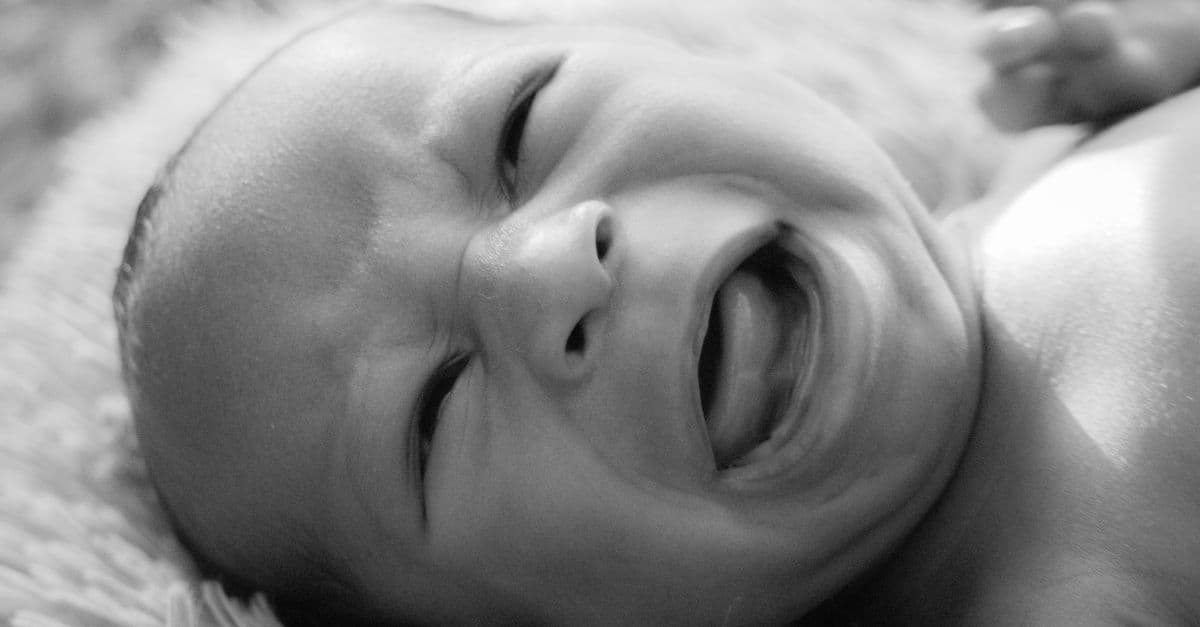
Fetal yawning has been documented by ultrasound from about 20 weeks gestation, well before birth and well before any obvious need for cooling or arousal. The function in utero is unclear — it may help develop the jaw and respiratory muscles, or simply be a side effect of brainstem circuit maturation.
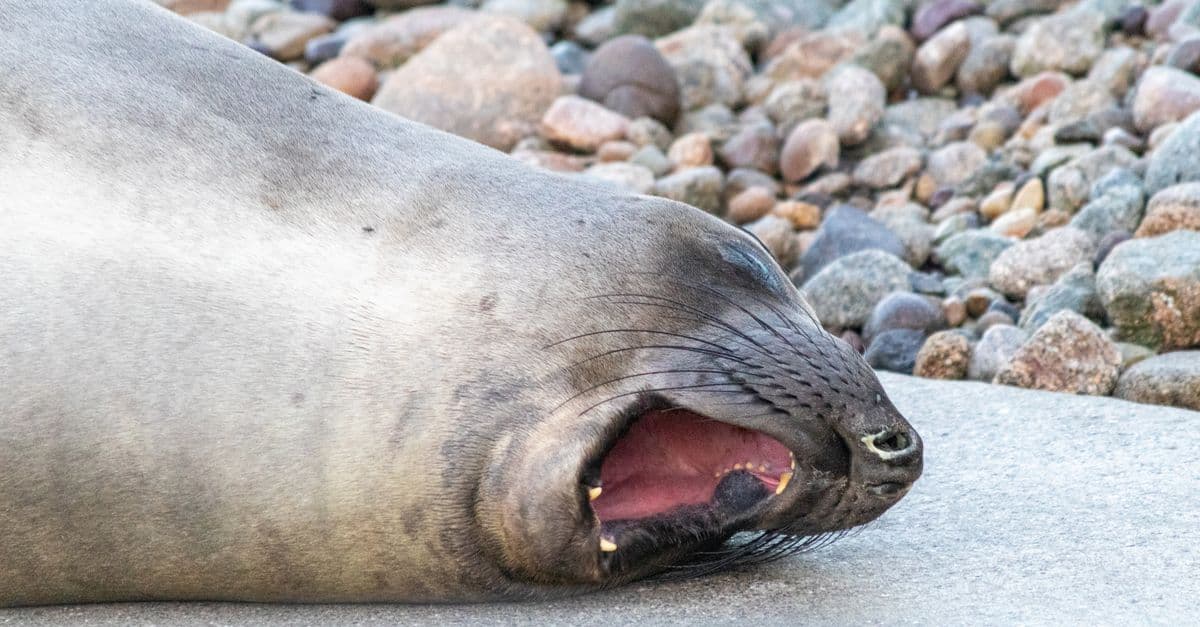
Across vertebrates, yawning appears in fish, reptiles, birds, and mammals. Snakes yawn after large meals, possibly to realign jaw structures. Penguins yawn during courtship. The widespread distribution suggests yawning is an ancient behavior with deep evolutionary roots.
When Yawning Is a Warning Sign
Most yawning is benign. But excessive yawning — far more than baseline, especially without an obvious cause — can be a clinical signal worth checking out. Reported associations include:
- Side effect of SSRIs and certain other medications
- Vasovagal reactions and impending fainting
- Brainstem strokes and multiple sclerosis flares
- Migraine prodrome
- Severe heart conditions, where vagal nerve stimulation triggers yawning
If yawning becomes dramatically more frequent in a way that disrupts daily life, especially alongside other symptoms, it's worth flagging to a clinician.
Why Animals Yawn: Evolutionary Perspectives
Yawning appears across the entire vertebrate tree — fish, reptiles, birds, and mammals all do it. This deep evolutionary history suggests yawning serves a fundamental function(s) that predates mammals.
Fish yawning: Fish yawn to clear gills and reset jaw joint position. The mechanics are the same: wide gape, quick reversal.
Reptile yawning: Snakes yawn after feeding to realign their jaw. Crocodiles and lizards yawn in contexts similar to mammals — state transitions, before feeding, during arousal.
Bird yawning: Penguins and cormorants yawn during courtship displays, possibly signaling fitness or state to potential mates.
Primate yawning: Contagious yawning is strongest in primates — which makes sense if it evolved as a group-synchronization signal. Yawning before collective activity (hunting, conflict, migration) would align arousal levels.
The universality suggests yawning's core functions (arousal, cooling, jaw mobility) are ancient. The social contagion layer is likely a more recent elaboration in social species like primates and some birds.
Yawning and Mental State: The Arousal-Control Hypothesis
An underexplored angle: yawning may be part of an arousal-regulation system. When the brain is understimulated (boredom, tiredness), it yawns to boost alertness. When overstimulated (stress, anticipation), it yawns to recalibrate.
Evidence:
- Yawning peaks at behavioral transitions (sleep/wake, rest/activity, attention shift).
- Athletes and soldiers yawn before high-stakes events, not out of tiredness but as arousal preparation.
- Patients with frontal lobe injuries (affecting arousal regulation) often yawn excessively.
- Dopamine and oxytocin, both involved in motivation and social bonding, trigger yawning when injected into certain brain regions.
This "arousal modulation" theory is compatible with brain cooling — both serve the overarching goal of maintaining optimal brain function and state alertness.
Neurochemistry: The Molecules Behind the Yawn
Dopamine: Central to yawning. Dopamine agonists (drugs that mimic dopamine) increase yawning; dopamine antagonists decrease it. This is why some antipsychotics and anti-nausea drugs (which block dopamine) suppress yawning.
Oxytocin: The "bonding hormone." Oxytocin injected into the hypothalamus triggers yawning. This may explain why yawning is contagious in social/bonded animals — oxytocin rises during social interaction, triggering yawns in group members.
ACTH (adrenocorticotropic hormone): Triggers yawning when injected into brainstem. Involved in stress response; explains why some people yawn under anxiety (not from tiredness, but from neurochemical cascades).
Nitric oxide: A signaling molecule; injected into specific brain regions, it causes yawning. Its role is less understood.
The fact that so many neuromodulators trigger yawning suggests it's a multi-function behavior — perhaps with different triggers in different contexts.
Clinical Applications: Yawning as a Diagnostic Sign
Excessive yawning can signal several conditions worth knowing about:
1. Vasovagal syncope (fainting): Yawning before a faint is common. The vagal nerve is firing, and yawning is a symptom of that cascade. If someone suddenly yawns repeatedly, ask if they're feeling dizzy.
2. Temporal lobe seizures: Some patients report yawning (or yawn-like behavior) as a seizure prodrome or aura.
3. Brainstem lesions: Strokes or tumors in the brainstem can cause uncontrollable yawning.
4. Multiple sclerosis: MS patients sometimes report excessive yawning as a relapse symptom.
5. Medication side effects: SSRIs, some anticonvulsants, and other CNS drugs can increase yawning.
6. Cardiac problems: Severe heart conditions (particularly those activating the vagus nerve) can trigger yawning.
The key: excessive yawning, not baseline. Everyone yawns dozens of times a day; that's normal. A sudden increase in yawning frequency, especially with other neurological symptoms, warrants investigation.
Yawning During Pregnancy and Fetal Development
Fetal yawning, first documented via ultrasound in the 1980s, occurs around 20 weeks gestation — well before birth and long before the infant has any apparent need for thermoregulation or social signaling. This early appearance suggests yawning is partly developmental, not purely functional in the adult sense.
Theories of fetal yawning:
Jaw development: Yawning may be a way of exercising jaw muscles and testing the mechanical range of the temporomandibular joint. Regular stretching and contracting of jaw muscles during development ensures proper joint formation and alignment.
Respiratory circuit maturation: Yawning involves deep inspiration and may help develop neural circuits controlling respiration. Before birth, the fetus doesn't breathe air, but breathing circuitry is forming and requires exercise.
Arousal system priming: The brainstem circuits that will later control arousal, sleep-wake transitions, and alertness may be "testing" themselves in the womb via yawning.
Developmental noise: Some researchers propose fetal yawning is simply a byproduct of brainstem circuit maturation and may have no specific function in utero — a developmental epiphenomenon.
During pregnancy, maternal yawning patterns can change. Pregnant women sometimes report either increased or decreased yawning in different trimesters, possibly related to changing hormonal profiles (oxytocin rises during pregnancy) and arousal regulation.
Source: Gallup et al. (2016) — Fetal yawning and behavioral development; Walusinski (2020) — The Mystery of Yawning in Medicine and Neuroscience
Environmental Factors and Yawning Frequency
Temperature is the most established environmental factor, but others modulate yawning:
Temperature: The brain-cooling hypothesis predicts (and Gallup's studies confirm) that yawning peaks at intermediate ambient temperatures. In summer heat (above 37°C), yawning drops to near-zero. In winter cold (below 5°C), it's reduced but not absent. The sweet spot for yawning is 15–30°C, when cool air can effectively cool the brain without requiring extreme jaw gape.
Oxygen concentration: Despite the folk belief, yawning doesn't correlate with low atmospheric oxygen. People at high altitude (where oxygen is scarce) don't yawn more; they hyperventilate instead (a chemoreceptor-driven response). Astronauts in low-oxygen environments don't report excessive yawning.
Carbon dioxide levels: Similarly, elevated CO₂ doesn't reliably increase yawning, contrary to the "need oxygen" theory.
Light and circadian phase: Yawning is more frequent near sleep-wake transitions. Bright light in the morning and dim light at night entrain the circadian system; yawning may cluster around these phase-transition times. People transitioning into sleep (evening) or out of sleep (morning) yawn more than midday.
Social context: Contagious yawning is stronger with emotionally close others and weaker with strangers, showing that social factors modulate the yawn response.
These environmental and social modulators suggest yawning is not a simple reflex but a complex behavior influenced by multiple systems: thermoregulation, arousal, circadian rhythms, and social context.
Source: Gallup & Gallup (2016) — "The Thermoregulatory Theory of Yawning"; Provine (2012) — Curious Behavior monograph
Yawning in Different Psychological States
Yawning varies with attention, emotion, and cognitive load:
Boredom and monotony: Yawning spiked during boring tasks (watching paint dry, listening to monotonous speech) in lab studies. This fits both the cooling and arousal theories — boredom under-stimulates the brain, yawning helps reset arousal.
Stress and anticipation: Athletes yawn at the starting block; soldiers yawn before combat. The yawning isn't sleepiness — it's arousal regulation. Studies show dopamine and oxytocin surge during these moments, consistent with yawning's neurochemistry.
Anxiety: Some anxious individuals report excessive yawning. This may relate to the vagal-activation hypothesis — anxiety activates the vagus nerve, which can trigger yawning.
Attention demand: During cognitively demanding tasks (a difficult exam, solving a math problem), yawning usually decreases. The brain is engaged, arousal is high, no thermoregulation or re-setting is needed.
Post-decision yawning: After making an important decision, people often yawn. This may reflect the brain "resetting" after high cognitive demand.
This context-dependence reinforces the multifunctional model: yawning appears when the brain needs to adjust state — whether cooling (in warm environments), resetting arousal (boredom, anticipation), or facilitating group synchronization (social contagion).
Source: Provine (2005) — Euralogist research on yawning contexts; Gupta et al. (2013) — "The effects of task complexity on yawning frequency"
Contagious Yawning Across Species and the Empathy Connection
Contagious yawning is rare in the animal kingdom but present in species with high social cognition: primates and, surprisingly, dogs.
Primates: Chimpanzees, bonobos, and macaques all show contagious yawning — strongest with kin and group-mates, weaker with unfamiliar individuals. The response appears in juvenile primates and strengthens with age, suggesting it develops during social learning. This mirrors human development, where how the brain develops during childhood includes the emergence of theory-of-mind and social cognition that enables contagious yawning.
Dogs: One of the few cross-species emotional contagions is that dogs yawn in response to human yawning — but only to humans they know. The response isn't automatic; it requires social attachment. This suggests the dog's brain interprets a human yawn partly as a social signal from an important individual.
Humans: Contagious yawning appears around 2–4 years of age (coinciding with theory-of-mind development) and strengthens into adolescence. It's most robust with family members and friends and correlates with:
- Higher empathy scores on standard psychological tests
- More activation in brain regions associated with empathy (anterior cingulate cortex, anterior insula)
- Greater theory-of-mind ability (understanding others' mental states)
Notably, autism spectrum disorder individuals show reduced contagious yawning, particularly those with impaired social cognition. This isn't because they can't physically yawn — spontaneous yawning is normal — but because the social-mirror mechanism that triggers contagion appears to be dampened.
The empathy link suggests contagious yawning is a theory-of-mind phenomenon: when you see someone yawn, your brain automatically models their mental state ("they're transitioning to sleep, or preparing for activity") and your brain resonates, producing a yawn. It's a form of emotional contagion similar to mimicry of facial expressions or catching someone else's laughter.
Source: Gallup et al. (2011) — "Empathy and theory of mind deficits in autism predict differences in yawn contagion"; Platek et al. (2003) — "Contagious yawning and the brain"
Future Research: Open Questions in Yawn Science
Despite over a century of study, yawning remains incompletely understood:
Why is contagious yawning absent in most animals? If it's purely a social signal, why haven't other social species (elephants, dolphins, corvids) evolved it? Is it a byproduct of primate-specific neurobiology, or is there a deeper reason?
What is the exact mechanism of brain cooling? While temperature-dependent field studies support cooling, the how remains unclear. Does air flowing through nasal passages cool arterial blood feeding the brain? Does jaw-muscle stretching increase blood flow? Lab confirmation of the mechanism is still lacking.
Why is yawning contagious at different strengths? Why do some people yawn after reading about yawns (as you may be doing now), while others require seeing or hearing it? Neuroimaging studies could shed light on individual differences in mirror-neuron activity.
Can yawning predict neurological events? Excessive yawning sometimes precedes strokes or seizures. Can yawning frequency be used as an early warning system? Longitudinal clinical studies are needed.
Is fetal yawning functional or developmental noise? Experiments are hard in utero, but better ultrasound and animal models might clarify whether fetal yawning serves a purpose or is an epiphenomenon of brain maturation.
The next decade of yawn research will likely focus on neuroimaging (fMRI studies of yawn-contagion circuits), clinical applications (yawning as a biomarker), and cross-species comparative work to understand how yawning evolved.
Frequently Asked Questions
Q: Why is yawning contagious if it's just a thermoregulation reflex?
A: Contagion likely indicates a social function layered on top of the core cooling/arousal functions. It's stronger between people with social bonds, correlates with empathy, and appears across species with complex social structures. Yawning may signal state transitions (preparation for sleep, arousal changes) that synchronize group behavior.
Q: If yawning isn't for oxygen, why does it feel like I need oxygen when I yawn?
A: The wide-open mouth and deep inhalation feel like air hunger, but they're not driven by low blood oxygen. The feeling is likely an artifact of the mechanical sensation — your brain interprets the wide gape and rapid airflow as "air intake," but the neurochemical triggers have nothing to do with O₂/CO₂ levels.
Q: Why does seeing someone yawn on video make me yawn?
A: Visual simulation of yawning activates the same empathy and social-mirroring circuits that direct yawning does. The brain responds to the concept of yawning (or the visual cue) by generating a yawn. This works even across species — dogs yawn in response to human yawning.
Q: Do all animals yawn contagiously?
A: No. Most vertebrates yawn, but contagious yawning is strongest in primates. Chimpanzees, bonobos, and humans show it reliably. Cross-species contagion (dogs responding to human yawns) is rare but documented. Monkeys show it to other monkeys but not humans.
Q: Is a yawn ever a sign of a medical emergency?
A: Rarely, but yes. Sudden new-onset excessive yawning, especially with dizziness, weakness, vision changes, or headache, can signal a stroke, seizure, or cardiac event. If yawning accompanies other neurological symptoms, seek medical attention. Baseline yawning is benign.
Q: Can I stop yawning if I try hard, or is it involuntary?
A: Mostly involuntary but partially suppressible. You can delay or reduce a yawn's intensity through conscious effort, but the urge typically overpowers suppression. The brainstem circuitry driving yawns is below conscious control, similar to other autonomic reflexes.
Read next:
- The Science of Sleep — Why You Need It and What Happens Without It
- How the Brain Works: Neurons, Neurotransmitters, and Neural Networks
- The Autonomic Nervous System: Your Body's Automatic Pilot
Follow new articles
Add SciHub101 to your feed reader to see new science and technology stories.
About the Author
SciHub101 is an independent science and technology publication founded and edited by Buğra Sözeri, a software engineer and app developer based in Türkiye. AI tools assist with drafting and research. Source documentation in the existing archive is uneven, and articles are being reviewed and corrected. The Editorial Team byline identifies editorial responsibility; it does not certify specialist or independent human review. Where we compare products, anything built by our own team is labelled as such — see the editorial guidelines and About page for how corrections and disclosures work.
Related Articles
Personalized Medicine & AI-Driven Genomics
How genetic data and machine learning guide drug choice, and what trials of cancer, warfarin, and antidepressant testing actually show.
How Lungs Work — Breathing and Gas Exchange
How the lungs move air, exchange oxygen and CO2, and what goes wrong in asthma, COPD, pneumonia, and at high altitude. A clear, evidence-based explanation...

Cortisol and the Stress Response — How Your Body Handles Pressure
How cortisol and the HPA axis work, why the daily cortisol rhythm matters, what chronic stress does to the body, and what the evidence says about cortisol.
Pavlov's Classical Conditioning: Learning Theory Explained
How Ivan Pavlov's dogs revolutionized understanding of learned behavior and memory formation
Why Do We Yawn — and Why Is It Contagious?
Yawning is one of the most universal human behaviours, and one of the most poorly understood. Multiple theories compete; none is fully accepted. Here's what science actually knows.
Why Yawning Is Contagious — The Science
Contagious yawning catches 50-60% of adults. Empathy, mirror neurons, social bonding — what the research really says about why we copy yawns.