What If "Natural" Medicines Were More Effective Than Modern Drugs?
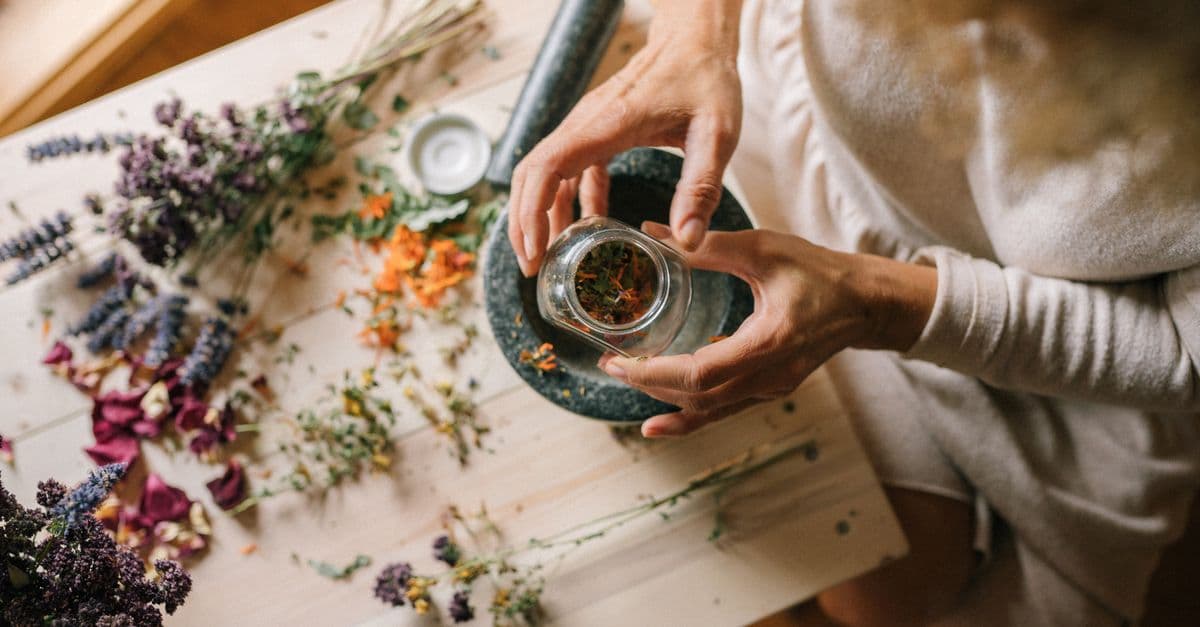
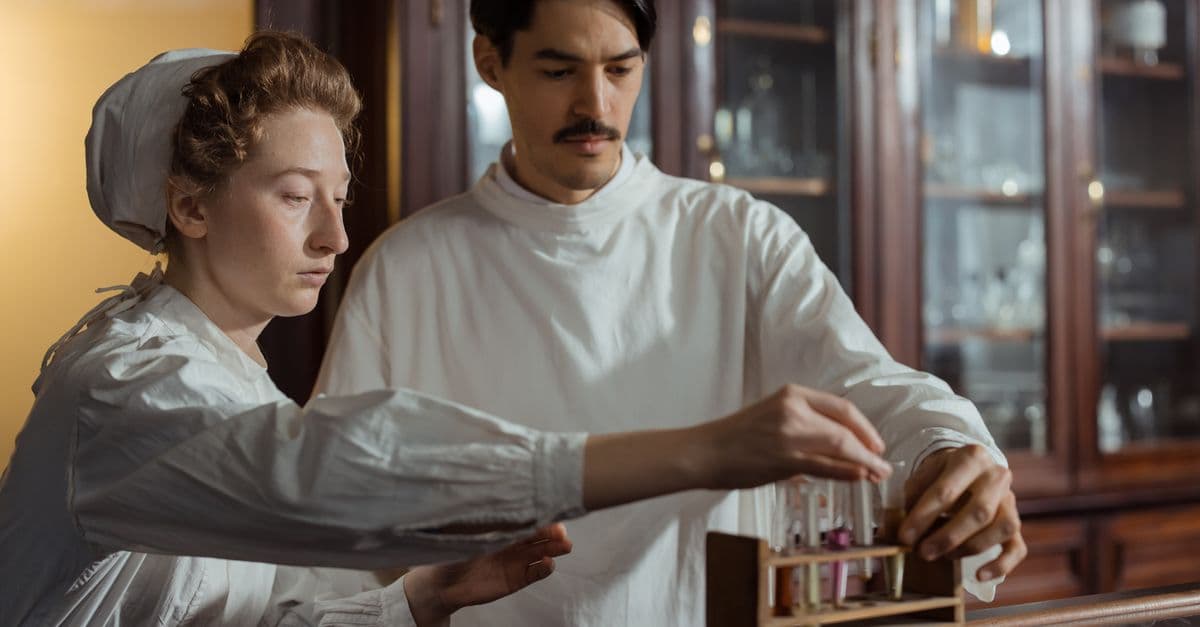
Photo: Yan Krukau / Pexels
A surprising number of the pills in a modern pharmacy started life as a plant. Aspirin traces back to willow bark. The chemotherapy drug paclitaxel comes from Pacific yew bark. The malaria drug artemisinin comes from sweet wormwood and won its discoverer a Nobel Prize. So the claim that "natural medicine" and "modern medicine" are opposites is already shaky before you look at a single clinical trial.
Thought experiment. This article explores a hypothetical framing, "what if natural medicines were more effective than modern drugs," for educational purposes. It is not medical advice, a prediction, or an endorsement of any product. Talk to a licensed clinician before starting, stopping, or combining any treatment or supplement.
The honest picture is more interesting than either "Big Pharma is evil" or "herbs are all snake oil." Some plant-derived compounds are among the most important medicines ever discovered. Others, marketed as natural alternatives, have been tested in randomized trials and failed. A few have caused real, documented harm. This article walks through the evidence, remedy by remedy, and then asks what the world would have to look like for "natural" to beat "modern" across the board.
What "natural" actually means in a pharmacy
"Natural" is a marketing category, not a scientific one. Chemically, there is no meaningful line between a molecule extracted from a plant and the identical molecule made in a factory, because the atoms carry no record of where they came from. Cyanide, arsenic, and botulinum toxin are all natural. So is digitalis, a heart drug whose source plant, foxglove, can stop a heart if the dose is wrong.
Natural-product chemistry is also one of the main pipelines modern pharmacology draws from. In a review of drugs approved over 30 years, Newman and Cragg found that 48.6 percent of the 175 small-molecule cancer drugs approved between 1950 and 2010 were natural products or directly derived from them, and that anti-infective drugs depend heavily on natural products as well (Newman & Cragg, Journal of Natural Products, 2012). The same paper concludes that natural products are a valuable source of novel structures, though not always the final drug. That wording matters, and the rest of this article keeps returning to it.
What separates a "natural remedy" sold as a supplement from a "drug" prescribed by a doctor is not the source material. It is what happened after the plant was identified: isolation of the specific active molecule, precise and reproducible dosing, and testing in controlled trials against a placebo or an existing treatment.
Consider an analogy. A plant is like a pile of unsorted ore. It may contain something valuable, but the amount varies from one shovelful to the next, and it is mixed with other material, some harmless and some toxic. A drug is the refined bar: the same purity every time, stamped with a weight. Willow bark contains salicin at a concentration that varies with species, season, and soil. A regular aspirin tablet contains a stated amount of acetylsalicylic acid, about 325 milligrams in the United States, identical from tablet to tablet (Wikipedia, Aspirin).
Where natural compounds became real medicine
This is the strongest, best-documented part of the natural-medicine story: plant and fungal compounds that were isolated, tested, and became standard-of-care drugs. The dates below show how long the journey from plant to pill usually takes.
| Drug | Natural source | Key dates | What had to happen |
|---|---|---|---|
| Aspirin | Willow bark and other salicylate-rich plants | Willow's effects reported to the Royal Society in 1763; stable acetylsalicylic acid made at Bayer in 1897 | Identify the active chemical, make a pure and stable form |
| Digoxin (from digitalis) | Foxglove | An Account of the Foxglove published 1785 | Test preparations of the plant, document 156 cases, record toxicity |
| Paclitaxel (Taxol) | Pacific yew bark | Bark collected 1962; cell-killing activity found 1964; FDA approval for ovarian cancer 1992 | Clinical trials, then a semisynthetic route so trees did not have to be felled |
| Artemisinin | Sweet wormwood (Artemisia annua) | Isolated 1972; Nobel Prize 2015 | Screen traditional texts, extract, purify, test |
| Metformin | Goat's rue (Galega officinalis) | Guanidine reported to lower blood glucose in animals 1918; first diabetes use reported 1957; US introduction 1995 | Decades of chemistry, safety lessons from related drugs |
Sources: Wikipedia, Aspirin; Wikipedia, William Withering; National Cancer Institute, Taxol; Wikipedia, Tu Youyou; Bailey, Diabetologia, 2017.
Salicin to aspirin
Willow bark's pain-relieving effect was used for centuries. Chemists later identified the active compound and in 1897 made acetylsalicylic acid in a pure, stable form at Bayer, which sold it as Aspirin by 1899. The pure drug also carries risks that raw bark does not hide: stomach bleeding is a recognized side effect, and aspirin is generally not recommended for children with viral infections because of the risk of Reye syndrome (Wikipedia, Aspirin). Knowing a dose precisely is what makes risks like these measurable.
Foxglove and the 156 cases
In 1785 the English physician William Withering published An Account of the Foxglove and Some of Its Medical Uses. Over roughly ten years he tested preparations gathered in different seasons, documented 156 cases, and recorded both the benefits and the toxicity (Wikipedia, William Withering). It is an early example of a case series that tried to answer the dosing question rather than just praising the plant. Digoxin, the modern heart drug derived from foxglove, still has a narrow gap between a helpful dose and a harmful one.
Artemisinin
Chinese chemist Tu Youyou led a research group within Project 523, a secret program begun in 1967 to find a treatment for chloroquine-resistant malaria. Her team isolated the pure substance in 1972. She received half of the 2015 Nobel Prize in Physiology or Medicine, "for her discoveries concerning a novel therapy against Malaria" (Wikipedia, Tu Youyou; the story is told in more detail in our profile of Tu Youyou). The World Health Organization says artemisinin-based combination therapy is the most effective treatment for P. falciparum malaria, and notes concern about partial artemisinin resistance in several African countries (WHO malaria fact sheet). In 2024, the WHO estimated 282 million malaria cases and 610,000 deaths worldwide.
Paclitaxel
The path of Taxol shows how much work separates a promising bark from a cancer drug. A USDA botanist collected Pacific yew bark in 1962; in 1964 yew extracts were found to be toxic to living cells, and chemists went on to isolate the most cytotoxic compound; in 1977, after mouse studies showed efficacy, the National Cancer Institute confirmed its antitumor activity and selected it for clinical development. A 1989 phase II trial found that 30 percent of patients with advanced ovarian cancer responded. Harvesting the bark killed the tree, so supply was a crisis until a semisynthetic version arrived in 1991. The FDA approved Taxol for ovarian cancer in 1992 and for breast cancer in 1994 (National Cancer Institute).
Metformin and the weed in the field
The most widely prescribed glucose-lowering drug in the world traces back to goat's rue, a traditional European herbal medicine that contains guanidine, which was reported in 1918 to lower blood glucose in animals. Early guanidine derivatives were abandoned over toxicity and the arrival of insulin, and metformin was rediscovered during antimalarial research in the 1940s. A French physician, Jean Sterne, first reported using it for diabetes in 1957; it reached the United States in 1995; and the UK Prospective Diabetes Study in 1998 identified long-term cardiovascular benefits (Bailey, "Metformin: historical overview," Diabetologia, 2017). The folk remedy supplied a clue. About sixty years of chemistry and trials turned it into a drug.
Penicillin
Technically a fungal product rather than a plant one, penicillin follows the same logic. Alexander Fleming noticed in 1928 that Penicillium mold killed bacteria, but it took years of purification and dosing work by other researchers before the substance became a reliable, mass-produced antibiotic. The history is covered in our profile of Alexander Fleming.
In every one of these cases, the plant or fungus was the starting clue, not the finished treatment. The work that turned an observation into a medicine, identifying the molecule, standardizing the dose, and running trials, is exactly the process that natural-medicine marketing often skips. Computational methods now speed up the first part of that journey; see how AI is changing drug discovery.
Which herbal remedies have real trial evidence
Not every plant-based remedy needs to be turned into a purified pharmaceutical to have evidence behind it. A handful of herbs, used for specific conditions, have been tested in randomized controlled trials with results that hold up reasonably well.
| Remedy | What the evidence shows | Caveat |
|---|---|---|
| St. John's wort | In a Cochrane review of 29 trials and 5,489 patients, extracts were superior to placebo in major depression and similarly effective to standard antidepressants; the National Center for Complementary and Integrative Health (NCCIH) says it "may be helpful for mild or moderate depression" | Dangerous interactions with many drugs; unclear benefit in severe depression or beyond 12 weeks |
| Ginger | NCCIH: research shows ginger "may be helpful for nausea and vomiting associated with pregnancy" | For chemotherapy-related nausea, it is uncertain whether it adds to standard treatment |
| Peppermint oil | A 2022 review of 10 studies (1,030 participants) found it beat placebo for overall IBS symptoms and abdominal pain; a 2021 American College of Gastroenterology guideline recommends it for overall IBS symptoms | More side effects than placebo, such as heartburn; may worsen indigestion in some people |
| Cranberry products | The 2023 Cochrane update (50 trials, 8,857 participants) found a lower risk of symptomatic UTI overall (risk ratio 0.70) | Benefit seen in women with recurrent UTIs, children, and people susceptible after an intervention; little or no benefit in older people in institutions, pregnant women, or adults with neuromuscular bladder dysfunction |
| Vitamin C | General community trials: no meaningful effect on how many colds people catch; regular use shortened colds by about 8 percent in adults and 14 percent in children | Benefit for preventing colds appeared only in people under heavy physical stress, such as marathon runners, skiers, and soldiers on subarctic exercise, where risk was roughly halved |
Sources: NCCIH on St. John's wort; NCCIH on ginger; NCCIH on peppermint oil; Cochrane reviews on St. John's wort (29 trials), cranberries (2023, CD001321), and vitamin C (Hemilä & Chalker, 2013).
Notice the pattern: even the remedies with real support come with a specific condition, a specific preparation, and a specific caveat. None of them is "natural = broadly better than the alternative." They are narrow, evidence-bounded exceptions inside a much larger field of unproven claims.
The cranberry story is worth pausing on, because it shows how evidence moves. The 2012 version of the Cochrane review (24 trials, 4,473 participants) found a risk ratio of 0.86 that was not statistically significant, and concluded cranberry juice could not currently be recommended for preventing urinary tract infections. The 2023 update, which added 26 trials, reached a more favorable conclusion for specific groups. A good evidence summary is a snapshot with a date on it, and the newer review changes the picture.
Where the evidence says no
For every artemisinin, there are several widely marketed remedies that clinical trials have failed to support once they were actually tested.
Echinacea and the common cold
Echinacea is one of the best-studied "immune boosting" herbs, and the results are underwhelming. A Cochrane review pooled 24 double-blind randomized trials with 4,631 participants. For prevention, none of the 12 comparisons that reported the number of people catching at least one cold found a statistically significant difference. For treatment, only one of seven trials reporting cold duration showed a significant benefit over placebo. The authors concluded that echinacea did not show clear benefits for treating colds, and that a weak benefit from some products is possible but of questionable clinical relevance (Karsch-Völk et al., Cochrane, 2014). This is a good example of "used for centuries" not translating into "works when tested."
Ginkgo biloba for memory
The Ginkgo Evaluation of Memory (GEM) study enrolled 3,069 community volunteers aged 75 or older and gave half of them 120 milligrams of ginkgo extract twice a day (240 milligrams daily) and half a placebo. After a median follow-up of 6.1 years, the hazard ratio for all-cause dementia was 1.12 (95 percent confidence interval 0.94 to 1.33), meaning no reduction in dementia; the authors concluded the extract was not effective (DeKosky et al., JAMA, 2008). NCCIH calls it the largest clinical trial ever to evaluate ginkgo's effect on dementia (NCCIH). It remains one of the largest and most rigorous tests any herbal supplement has ever received, and it came back negative.
Homeopathy
Homeopathic preparations are diluted until, in many cases, no molecule of the original substance remains. At dilutions around 12C (one part in 10^24), chemistry says the original substance is unlikely to be present at all. Australia's National Health and Medical Research Council concluded in a 2015 review that there were no health conditions for which there was reliable evidence that homeopathy was effective (summarized in Wikipedia, Homeopathy). This is not a case of "not enough research yet." It is a proposed mechanism that conflicts with basic chemistry, tested and found wanting.
Alternative cancer treatments
This is the highest-stakes category. Laetrile, also marketed as "vitamin B17" and derived from apricot kernels, was reviewed by Cochrane in 2015; the reviewers found over 200 references, none of which met the criteria for a randomized or quasi-randomized controlled trial. They concluded the claims of benefit "are not currently supported by sound clinical data" and warned of a "considerable risk of serious adverse effects from cyanide poisoning," especially after oral ingestion (Milazzo & Horneber, Cochrane, 2015).
Gerson therapy, a regimen of strict diet, supplements, and coffee enemas, is described by the National Cancer Institute as lacking controlled-trial evidence of benefit. The NCI reviewed 60 patients treated by Dr. Gerson in 1947 and 1959 and found no proof of benefit, and notes that three deaths may be related to coffee enemas (National Cancer Institute). Patients who delay proven treatment for an unproven one risk losing the window in which treatment works best. Anyone facing a cancer decision should discuss all options with their oncology team.
When "natural" turns actively harmful
The clearest counter-evidence to "natural is inherently safer" is the list of documented injuries from natural products that were unregulated, unstandardized, or interacted with something else the patient was taking.
Aristolochic acid nephropathy. The condition was first described in Belgium in a cohort of more than 100 patients who took slimming pills containing the Chinese herb Aristolochia fangchi. It causes progressive kidney scarring and is frequently associated with urothelial cancers. Researchers have also suggested that aristolochic acid, from wheat flour contaminated with Aristolochia clematitis seeds, may cause Balkan endemic nephropathy (Debelle, Vanherweghem & Nortier, Kidney International, 2008).
Ephedra. Marketed as a natural weight-loss and energy supplement, ephedra drew mounting safety concern. A 2000 New England Journal of Medicine review linked it to sudden cardiac death and severe disability, and a RAND meta-analysis found only modest short-term weight loss alongside significant side effects. In 2002 the Department of Justice compelled one manufacturer, Metabolife, to turn over reports of more than 15,000 ephedra-related adverse events. The FDA published a final rule banning ephedrine alkaloid supplements on April 12, 2004 (Wikipedia, Ephedra). A 2015 NEJM letter titled "Reduction in ephedra poisonings after FDA ban" tracked what happened afterward (Zell-Kanter et al.). The supplement was not made safer by being natural; it was made safer by being removed from the market.
Contamination. A 2008 JAMA study bought Ayurvedic medicines online, buying a random sample of 230, of which 193 arrived and were analyzed. About one in five (roughly 20 percent) contained detectable lead, mercury, or arsenic, and every metal-containing product exceeded at least one daily intake standard for toxic metals (Saper et al., JAMA, 2008). The FDA states that under the Dietary Supplement Health and Education Act of 1994 it is "not authorized to approve dietary supplements for safety and effectiveness before they are marketed," and works after the fact to find and remove unsafe products (FDA). Prescription drugs, by contrast, must be shown to be safe and effective before they are sold.
St. John's wort interactions. NCCIH warns that St. John's wort "can interact in dangerous, sometimes life-threatening ways with a variety of medicines." It can weaken birth control pills, warfarin, cyclosporine used to prevent transplant rejection, some anti-seizure drugs, some HIV drugs, and some cancer drugs, and combining it with certain antidepressants may increase serotonin-related side effects, which can be serious (NCCIH). The mechanism is the liver's drug-processing machinery speeding up the breakdown of other drugs; how that organ handles chemicals is explained in how the liver detoxifies blood. This is the same herb with real antidepressant evidence behind it. The point is not that it is fake. The point is that "natural" did nothing to make it interaction-free.
What would have to be true if natural really beat modern?
Treat the title as a real thought experiment. If natural medicines were more effective than modern drugs across the board, what would we see in the evidence?
First, head-to-head trials would favor herbs. Instead, where herbs have been tested against standard drugs, the best result is roughly a tie. St. John's wort performed about as well as standard antidepressants in mild to moderate depression, with response rate ratios of 1.02 against older antidepressants and 1.00 against SSRIs in the Cochrane review. A tie is a respectable outcome for a remedy with a long tradition. It is not superiority. And that review noted that trials from German-speaking countries reported more favorable results, a reminder that where a study is run can influence what it finds.
Second, the large, rigorous trials of famous herbs would be positive. Instead, the largest dementia-prevention trial of ginkgo and the largest pooled analyses of echinacea were negative, and the vitamin C story shows an effect so small and so narrow that it rarely changes decisions.
Third, regulators and companies would have strong incentives to market the winners. They do, and that is why the winners are already in the pharmacy. Companies have no reason to hide a compound that works. Artemisinin and paclitaxel are marketed worldwide. A real herbal breakthrough would be patented as an extract or formulation and sold, as many have been.
Fourth, natural products would be the safe default. The documented record points the other way: aristolochic acid destroyed kidneys, ephedra drew a federal ban, and St. John's wort can undermine other medicines. Where natural compounds do beat the alternatives, the usual reason is a specific molecule with a specific action, such as the antibiotics whose decline is covered in how antibiotic resistance spreads and why antibiotics are running out.
A fairer version of the thought experiment goes the other way: suppose we tested every traditional remedy as carefully as Taxol was tested. Some would turn into drugs, and many would drop out. That is how most of the successes above were found. The what-if is already happening, one compound at a time, and the key question is always the one clinical researchers ask: compared with what, in whom, at what dose?
Why unproven remedies feel like they work
If echinacea and ginkgo do not outperform placebo in controlled trials, why do so many people swear by them? A few well-documented effects explain most of the gap between personal experience and trial data.
The placebo effect
Placebo responses can produce measurable symptom improvement, especially for subjective symptoms such as pain or mood, because expecting relief changes how the brain processes symptoms. This is real, but it is not the same as the remedy having a pharmacological effect on the underlying condition. More on the mechanism in how placebos change real symptoms.
Regression to the mean and self-limiting illness
Most people reach for a remedy when they feel worst, which is also the point at which they are statistically most likely to improve regardless of what they do next. Colds resolve in about a week whether or not you take echinacea. Whatever you took right before you started feeling better tends to get the credit. The general problem of mistaking sequence for cause is covered in how correlation differs from causation.
Variable, uncontrolled products
Herbal supplement potency can differ widely between brands and batches, because the active-ingredient concentration depends on growing conditions, harvest timing, and extraction method. NCCIH notes that because supplements are not approved by the FDA before sale, product quality and labeling can vary. A trial showing "no effect" for a standardized extract does not necessarily describe what is in a random bottle on a store shelf, and the reverse is also true. Inconsistency cuts in both directions.
How modern drug testing tries to separate signal from noise
The randomized controlled trial (RCT) assigns participants at random to the treatment or a placebo, and neither the patient nor, ideally, the researcher knows which until the end. It exists specifically to strip out placebo effects, regression to the mean, and wishful thinking from the question "does this actually work?" The logic is laid out in why randomized trials are powerful. It is the closest thing medicine has to a referee.
The FDA approval process layers three phases of human trials on top of that. Phase 1 tests safety in a small group; Phase 2 tests effectiveness and dosing in a larger group; Phase 3 compares the drug with a placebo or standard treatment in a large, often multi-site trial. Post-market surveillance then keeps tracking rare side effects that only appear once millions of people take the drug. The system is slow, expensive, and imperfect. It is also the system that turned a foxglove tea into a measured dose and a Chinese wormwood extract into a first-line malaria therapy.
Why does dosing consistency matter so much?
A tablet delivers the same milligram dose every time because manufacturing is regulated and tested batch by batch. A dried herb's active-compound concentration depends on the plant's growing conditions, species, and preparation, which means the same dose by weight can deliver very different amounts of the active ingredient from one bottle to the next. For drugs with a narrow gap between effective and toxic doses, such as digoxin, that difference can matter a great deal.
Common misconceptions worth correcting
"Natural means safe." Aristolochic acid, ephedra, and digitalis are all natural and all capable of serious harm. Toxicity is about the molecule and the dose, not the source.
"Modern drugs are synthetic, so they're unnatural." Many modern drugs are extracted from natural sources, derived from them, or are synthetic copies of molecules nature already produces. The manufacturing method does not change the chemistry.
"If it's been used for centuries, it must work." Bloodletting and mercury treatments for syphilis were used for centuries too. Longevity of use reflects tradition, not evidence, and history is full of remedies that persisted for reasons other than efficacy.
"Drug companies are hiding natural cures to protect profits." A company that finds an effective compound, natural or synthetic, stands to make enormous profits, which is precisely why artemisinin and paclitaxel reached the market rather than being buried. For a longer look at this claim, see what if Big Pharma were hiding a cure for cancer.
"Supplements are regulated like drugs." In the United States, dietary supplements do not need FDA approval before sale, and manufacturers are not required to prove efficacy the way drug companies are (FDA). That regulatory gap is a major reason contamination and inconsistent dosing turn up in supplement testing.
Frequently asked questions
Q: Are natural remedies ever more effective than modern drugs? A: For specific conditions, some natural compounds perform comparably to standard treatments in trials. St. John's wort for mild to moderate depression is the clearest example. "More effective across the board" is not supported: the evidence is condition-specific and often comes with meaningful interaction risks.
Q: Why do so many modern drugs come from plants if natural medicine doesn't work? A: Plants and fungi produce complex, biologically active molecules, which makes them a rich source of leads. What does not work reliably is skipping isolation, standardized dosing, and clinical testing and simply consuming raw plant material at an unmeasured dose. Of 175 small-molecule cancer drugs approved from 1950 to 2010, 48.6 percent were natural products or direct derivatives.
Q: Is it dangerous to combine herbal supplements with prescription medication? A: It can be. St. John's wort is documented to weaken birth control pills, blood thinners such as warfarin, and transplant drugs, and to raise serotonin-related side effects when combined with some antidepressants. Anyone taking prescription medication should tell a doctor or pharmacist about any supplement before starting it.
Q: Why isn't "used for thousands of years" good evidence? A: Historical use tells you a remedy was popular, not that it worked better than doing nothing. Bloodletting and mercury for syphilis were used for long periods before being abandoned once they were tested against modern evidence standards.
Q: How can I tell whether a natural remedy has real evidence behind it? A: Look for randomized controlled trials in peer-reviewed journals, Cochrane systematic reviews, and statements from bodies such as the NIH's National Center for Complementary and Integrative Health. Be skeptical of claims that cite only testimonials, animal studies, or "Big Pharma doesn't want you to know." Check the date, because conclusions change as trials accumulate.
Q: Did the cranberry evidence change? A: Yes. A 2012 Cochrane review of 24 trials did not find a significant overall effect. A 2023 update of 50 trials and 8,857 participants found a lower risk of symptomatic urinary tract infection overall and in women with recurrent infections and children, with little or no benefit in some other groups.
The takeaway
The natural-versus-modern framing is a false choice built on a category error. "Natural" describes where a molecule came from, not whether it works or is safe. Some of medicine's most important drugs, aspirin, artemisinin, paclitaxel, and metformin, began as natural compounds and became effective because researchers isolated them, standardized the dose, and tested them. Other natural products, tested with the same rigor, failed outright, as echinacea and ginkgo did, or caused documented harm, as aristolochic acid and ephedra did. If natural medicines really were better than modern drugs, trials would keep showing it. What they show instead is a line that runs straight through both categories: tested versus untested.
Sources
- Newman & Cragg, "Natural products as sources of new drugs over the 30 years from 1981 to 2010," Journal of Natural Products, 2012: PubMed 22316239
- National Cancer Institute, history of Taxol: cancer.gov
- NCCIH on St. John's wort, ginger, peppermint oil, and the GEM ginkgo study
- Karsch-Völk et al., Cochrane echinacea review, 2014: Europe PMC
- DeKosky et al., GEM trial, JAMA, 2008: Europe PMC
- Hemilä & Chalker, Cochrane vitamin C review, 2013: Europe PMC
- Debelle, Vanherweghem & Nortier, Kidney International, 2008: PubMed 18418355
- National Cancer Institute, Gerson therapy summary: cancer.gov
- FDA, information for consumers using dietary supplements: fda.gov
- WHO malaria fact sheet: who.int
Read next:
Follow new articles
Add SciHub101 to your feed reader to see new science and technology stories.
About the Author
SciHub101 is an independent science and technology publication founded and edited by Buğra Sözeri, a software engineer and app developer based in Türkiye. AI tools assist with drafting and research. Source documentation in the existing archive is uneven, and articles are being reviewed and corrected. The Editorial Team byline identifies editorial responsibility; it does not certify specialist or independent human review. Where we compare products, anything built by our own team is labelled as such — see the editorial guidelines and About page for how corrections and disclosures work.
Related Articles
What If Gravity Suddenly Became 10% Weaker?
Lower gravity sounds like a fitness boost — but the consequences would cascade through the planet, the climate, and life itself in ways most people don't expect.
What If You Removed All the Empty Space from Matter?
Atoms are almost entirely empty space. If you compressed all of humanity to nuclear density, the result would be about the size of a sugar cube. Here's the quantum physics behind why that doesn't work in ordinary matter, and where stars do it anyway.

The Lind Scurvy Trial: The First Controlled Clinical Trial
James Lind's 1747 experiment on HMS Salisbury tested six treatments for scurvy on 12 sailors. Only citrus worked. Discover how it became the blueprint for clinical trials.
Why Anesthesia Is Still a Mystery
We've used general anesthesia since 1846 and perform 300 million surgeries a year with it — but we still don't know exactly how it works.