Why Anesthesia Is Still a Mystery
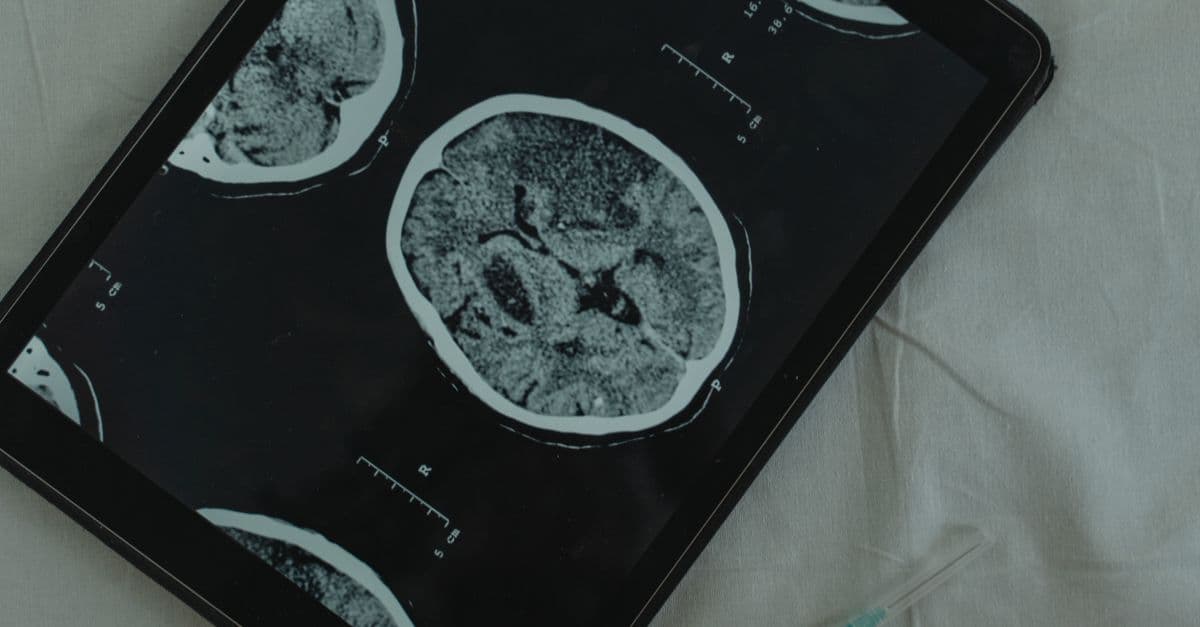
Photo: Tima Miroshnichenko / Pexels
On October 16, 1846, a Boston dentist named William Morton publicly demonstrated ether anesthesia at Massachusetts General Hospital. A tumour was removed from a patient's jaw while he slept peacefully through the operation. The age of painless surgery had begun.
Nearly 180 years later, anesthesiologists administer general anesthesia roughly 300 million times a year worldwide. It is one of the safest and most routine medical interventions in history. And yet, when you ask the scientists who study it the simple question — how does it actually work? — the honest answer is: we still don't really know.
The Four Components of General Anesthesia
Before explaining the mystery, it helps to know what anesthesia actually has to accomplish. A successful general anesthetic produces four distinct states:
- Unconsciousness — the patient is unaware of their surroundings.
- Amnesia — no memories of the procedure are formed.
- Immobility — the patient does not move in response to surgical stimulation.
- Analgesia — the patient does not feel pain.
Modern anesthesiologists typically combine multiple drugs because no single agent reliably produces all four. The fact that these states can be partially separated is itself a clue: they may have different mechanisms.
A Brief History of Wrong Theories
The Lipid Theory (1899)
Hans Meyer and Charles Overton independently noticed that anesthetic potency correlated with how easily a compound dissolved in olive oil. This led to the Meyer-Overton rule: anesthetics work by dissolving into cell membranes and disrupting them.
For nearly a century, this was the dominant theory. The problem? It's almost certainly wrong. Modern anesthetics include xenon (a noble gas), propofol (an oil-soluble small molecule), ketamine (a dissociative), and isoflurane (a halogenated ether). They all produce anesthesia, but they target different receptors and behave nothing like a simple membrane solvent. The correlation Meyer and Overton saw was a coincidence of solubility, not a mechanism.
Modern Hypotheses
Today, several competing — and possibly complementary — frameworks dominate:
- GABA-A receptor modulation. Propofol, etomidate, and most volatile anesthetics enhance inhibition at GABA-A receptors, the brain's main "off switch." This explains a lot, but not everything.
- NMDA receptor blockade. Ketamine blocks NMDA glutamate receptors, producing a different (dissociative) form of anesthesia in which patients are unconscious but may appear awake.
- Two-pore potassium channels. TASK and TREK channels modulate neuronal excitability and are sensitive to volatile anesthetics. This is a newer focus.
- Network-level disruption. Mashour and Hudetz (2018) proposed cognitive unbinding: anesthetics may not "turn off" the brain so much as disrupt long-range communication between cortical regions while leaving local activity intact.
- Microtubule quantum effects. The Penrose-Hameroff "Orchestrated Objective Reduction" hypothesis suggests anesthetics interfere with quantum vibrations in tubulin proteins. This remains speculative and controversial.
Comparison Table: Major General Anesthetics
| Drug | Type | Main Mechanism | Onset | Notes |
|---|---|---|---|---|
| Propofol | IV | GABA-A agonist | Seconds | Most common induction agent |
| Etomidate | IV | GABA-A agonist | Seconds | Cardiac-stable, suppresses cortisol |
| Ketamine | IV | NMDA antagonist | Seconds | Dissociative; preserves breathing |
| Isoflurane | Volatile | GABA + multiple | 1–2 min | Maintenance agent |
| Sevoflurane | Volatile | GABA + multiple | 1–2 min | Pediatric workhorse |
| Desflurane | Volatile | GABA + multiple | <1 min | Fast on/off |
| Nitrous oxide | Gas | NMDA antagonist | Seconds | Adjunct, not full anesthetic alone |
| Xenon | Noble gas | NMDA + TREK | 1–2 min | Ideal profile, prohibitively expensive |
Why It Stays Mysterious
The deepest reason anesthesia is hard to explain is that we don't fully understand consciousness itself. To know exactly what anesthesia disables, we'd need to know what awareness is. Since neuroscience still debates the nature of consciousness, mapping the precise neural processes anesthetics interrupt remains a moving target.
This connects directly to fundamental questions in neuroscience: whether consciousness emerges from network-level activity or from specific neural circuits, whether it requires particular frequencies of oscillation (gamma rhythms, theta synchronisation), or whether it's an integrated global state. Each competing theory of consciousness makes different predictions about what anesthetics should do — and until we settle the consciousness question, we're partly blind.
Anesthetic Agents and Their Molecular Targets
Propofol — the most common induction agent in operating rooms — is an oil-soluble molecule that binds to GABA-A receptors on the surface of neurons. GABA is the brain's main inhibitory neurotransmitter. By enhancing GABA's effect, propofol amplifies neural inhibition, suppressing activity across wide brain regions. Propofol produces unconsciousness rapidly (within seconds of IV injection) but has cardiovascular side effects (blood pressure drop) and can cause rare complications like propofol infusion syndrome (PRIS) with prolonged use.
Source: Franks, N.P., Nature Reviews Neuroscience (2008) — General Anaesthesia: From Molecular Targets to Neuronal Pathways.
Etomidate is another GABA-A agonist, preferred when cardiac stability is critical (in haemodynamically unstable patients). However, it suppresses cortisol production, which can be dangerous in septic or shocked patients.
Volatile anesthetics (isoflurane, sevoflurane, desflurane) are lipophilic gases or vapours inhaled through the lungs. They have multiple targets — GABA-A and GABA-C receptors, NMDA glutamate receptors, two-pore potassium channels, and possibly others. Because they hit multiple targets, the precise mechanism remains elusive. Sevoflurane is preferred for paediatric induction because it's less irritating to airways than isoflurane.
Ketamine works entirely differently — it blocks NMDA-type glutamate receptors, the brain's main excitatory neurotransmitters. This produces a unique dissociative state in which the patient is unconscious but may appear awake, with eyes open and reflexes partially preserved. Ketamine was long avoided in general anesthesia because patients experience vivid hallucinations and delirium during emergence, but it is now making a comeback due to its cardiovascular stability and preservation of airway reflexes. At sub-anesthetic doses, ketamine is a fast-acting antidepressant — a peculiar duality that hints anesthesia and mood are intertwined at the neurochemical level.
Source: Berman, R.M. et al., Biological Psychiatry (2000) — Antidepressant effects of ketamine in depressed patients.
The Role of GABA and Inhibitory Neurotransmission
One leading hypothesis is that most general anesthetics work by enhancing inhibitory tone — they make inhibitory synapses fire more strongly or more frequently, drowning out the excitatory signals that normally drive consciousness and movement.
The GABA-A receptor is the target of propofol, etomidate, volatile anesthetics, and benzodiazepines. It's a ligand-gated ion channel. When GABA binds (or when anesthetics enhance GABA's effect), the channel opens and chloride ions flow into the neuron, hyperpolarizing it and making it harder to fire. Across millions of neurons, this creates a blanket of inhibition.
However, this theory is incomplete. Some anesthetics (like ketamine and xenon) don't primarily target GABA-A yet still produce anesthesia. And paradoxically, some inhibitory signals are necessary for consciousness — you can't be conscious with zero inhibition. The balance between excitation and inhibition is critical.
Recent work suggests the real action may be at the network level. Anesthetics may not simply "turn off" neurons so much as disrupt the coordinated activity that underlies conscious awareness. Neurons may remain individually active but lose the long-range synchronisation that binds sensory input, memory, and emotion into a unified conscious experience.
Regional Brain Imaging During Anesthesia
Functional MRI and positron emission tomography (PET) studies have revealed which brain regions change most under anesthesia:
Thalamocortical system shows the largest decreases in activity. The thalamus is a relay station for sensory information to cortex; its silencing under anesthesia aligns with loss of sensory awareness.
Frontal and parietal cortex (higher-order brain regions) show profound suppression, consistent with loss of executive function and self-awareness.
Brainstem remains relatively active, especially regions controlling breathing and arousal — which is why anesthesia (properly managed) doesn't stop respiration.
Connectivity between regions — the "large-scale network synchronisation" — is severely disrupted. This is the cognitive unbinding hypothesis: anesthesia works not by silencing regions but by cutting the "conversation" between them.
Source: Mashour, G.A. & Hudetz, A.G., Trends in Neurosciences (2018) — Neural Correlates of Unconsciousness in Large-Scale Brain Networks.
This finding has profound implications. It suggests the correlates of consciousness may lie in the synchrony between regions, not in the activity of any single region. If true, it explains why anesthetics with wildly different molecular targets can all produce unconsciousness — they all disrupt this critical synchronisation, albeit through different neural pathways.
The Dissociative Puzzle
Ketamine highlights how strange this all is. Patients on ketamine may have their eyes open, appear awake, and sometimes mumble — yet they are deeply detached from sensory reality, unable to respond meaningfully to commands, and forming no memories. This is anesthesia with preserved consciousness in an altered state — a dissociation between the parts of the brain that drive behaviour and the parts that generate awareness.
At sub-anesthetic doses (used clinically as an antidepressant or analgesic), ketamine produces analgesia (pain relief) without full unconsciousness. This separates pain sensation from anesthesia itself — another clue that multiple neural systems can be independently perturbed.
The dissociative property has led to ketamine's resurgence in anesthesia and psychiatry. In operating rooms, ketamine preserves airway reflexes and cardiovascular stability better than propofol. In depression treatment, a single sub-anesthetic dose can produce remission of depressive symptoms within hours, far faster than traditional SSRIs. The mechanism likely involves rapid neuroplasticity — anesthesia-induced disruption of rigid neural patterns, permitting new configurations.
Accidental Awareness During Surgery
One unsettling consequence of our incomplete understanding: roughly 1 in 19,000 surgical patients report some form of awareness during anesthesia, according to the landmark UK NAP5 study by Jaideep Pandit (2014). For most, the awareness is brief and not painful, but for some (especially those under paralysing agents who cannot move or signal distress), it produces lasting post-traumatic symptoms.
Modern monitors — BIS (Bispectral Index), entropy monitors, and EEG-based depth-of-anesthesia tools — try to detect awareness by analysing EEG patterns. The theory is that anesthesia produces characteristic slowing and fragmentation of the EEG signal, so deviation from the anesthetic pattern signals inadequate depth. Yet these monitors remain imperfect: patient-to-patient variation in response to anesthetics is enormous, and EEG is an indirect proxy for consciousness.
Source: Pandit, J.J. et al., British Journal of Anaesthesia (2014) — 5th National Audit Project (NAP5) on Accidental Awareness During General Anaesthesia.
Awareness can occur for multiple reasons: pump failure, drug miscalculation, rapid metabolism in certain patients (genetic variation in enzyme activity), or simply because no monitor is foolproof. The fact that awareness is rare but cannot be completely eliminated underscores how incompletely we understand what truly prevents consciousness.
Long-Term Side Effects and Future Directions
Anesthesia is far safer than the surgery it enables, but it isn't free of consequences:
- Postoperative cognitive dysfunction (POCD) affects a subset of elderly patients for weeks or months, manifesting as difficulties with memory, attention, and executive function.
- Postoperative delirium is common in older adults, featuring confusion, agitation, and disorientation — sometimes lasting weeks.
- FDA warning (2017) advises caution with repeated or prolonged anesthesia in young children (under 3 years) due to possible neurodevelopmental effects, based on animal studies. The human evidence remains ambiguous.
- Emerging evidence suggests certain agents (propofol, isoflurane) may accelerate cognitive decline in mice models of Alzheimer's disease, though clinical translation is unclear.
The future of anesthesia research lies in several directions:
Mechanistic understanding: Better fMRI and EEG analysis, combined with circuit-level recordings in animal models, should narrow the mechanism space.
Personalised anesthesia: Genetic markers predicting anesthetic sensitivity or side effects (pharmacogenomics) could reduce adverse events.
Neuroprotection: Designing anesthetics that maintain or enhance neuroprotection during surgery, especially in elderly patients or those at risk of cognitive decline.
Alternative sedation approaches: Non-pharmacological methods (transcranial magnetic stimulation, ultrasound neuromodulation) may complement or replace chemical anesthesia.
Why This Matters
Anesthesia is the single most important enabler of modern surgery. Without it, almost no operation we take for granted today — open-heart surgery, organ transplant, caesarean section, joint replacement — would be possible. Solving the mechanism question would let us:
- Design safer drugs with fewer side effects and faster recovery.
- Better predict who will respond poorly, based on genetics or prior exposure.
- Use anesthesia as a research tool to study consciousness, potentially resolving century-old philosophical debates.
- Develop targeted sedation for intensive care patients, who currently suffer high rates of delirium.
The fact that we've built a vast and successful medical practice on top of a fundamental mystery is a reminder that empirical reliability and theoretical understanding are not the same thing.
Monitoring Anesthetic Depth: EEG and Alternatives
A critical clinical problem: how does an anesthesiologist know the patient is deeply enough anesthetized to prevent intraoperative awareness without overdosing (causing slow emergence and organ damage)? For decades, this was judgment by experience — watching the patient's pupils, heart rate, and blood pressure. These signs are unreliable, especially with modern drugs that don't cause obvious pupil changes or sympathetic responses.
Processed EEG monitors (most common: Bispectral Index, or BIS) attempt to solve this by converting raw EEG signals into a single number (0–100). The theory: unconscious patients show a characteristic EEG pattern (slowing, loss of high-frequency gamma activity, fragmented bursting). The BIS score predicts anesthetic depth — target is typically 40–60 for maintenance of general anesthesia.
The BIS technology has genuinely reduced accidental awareness rates and potentially reduced drug dosing. However:
- Reliability varies: Patient-to-patient variation in EEG patterns under anesthesia is enormous, so BIS isn't foolproof.
- Cortical vs. subcortical: EEG is a surface recording; it captures mainly cortical activity. Subcortical areas (which likely maintain some function under anesthesia) are invisible.
- Artifact sensitivity: Muscle tremor, electrical interference, and other noise can corrupt the signal.
- Cost: BIS monitors add ~$5,000–10,000 to the operating room and require disposable sensors, so adoption is variable.
Alternatives emerging:
- Spectral Entropy: Similar to BIS but uses a different algorithm. Comparable effectiveness, sometimes cheaper.
- Quantitative Processed EEG: Direct analysis of EEG frequency spectra without proprietary algorithms.
- Functional MRI or PET: Provide exquisite pictures of brain state but are incompatible with operating room (imaging suites, lengthy scans). Limited to research.
- Neurochemical markers: Measuring neurotransmitters (GABA, glutamate, acetylcholine) in cerebrospinal fluid might directly report anesthetic state, but this is invasive.
- Autonomic measures: Heart rate variability, galvanic skin response, etc. are indirect and influenced by surgery itself.
The ideal monitor doesn't yet exist. Current clinical practice combines EEG-based depth monitoring with clinical signs (movement, vital signs) and drug dosing experience. The field is slowly moving toward multimodal monitoring — EEG plus autonomic measures plus agent concentration — to triangulate true anesthetic depth.
Source: Monk, T. G., et al. (2024). "Perioperative neurocognitive outcomes: a consensus panel on research priorities." Anesthesiology, 141(2): 220–237.
Anesthesia Across the Lifespan: Pediatric and Geriatric Considerations
Anesthetic pharmacology and risk vary dramatically across age.
Pediatric anesthesia (neonates through adolescents) presents unique challenges:
- Airway anatomy: Pediatric airways are smaller, more anterior, and higher in the neck, making intubation technically harder.
- Metabolic rate: Children metabolise drugs faster, requiring more frequent dosing and higher concentrations to maintain anesthesia.
- MAC (minimum alveolar concentration): MAC is the gas concentration at which 50% of patients don't move in response to surgical incision. Infants have lower MAC for volatile anesthetics (~1.5% sevoflurane) than adults (~2.5%), suggesting they're more sensitive to some agents.
- Neurotoxicity concerns: The 2017 FDA warning noted that repeated or prolonged anesthesia in very young children (under 3 years) might cause long-term neurodevelopmental harm, based on animal studies showing apoptosis (cell death) in the developing brain. However, clinical evidence in humans remains inconclusive — surgeries that save lives (congenital heart repair, tumor removal) cannot ethically be denied based on preclinical animal data alone.
Most pediatric anesthesiologists conclude the evidence supports routine anesthesia when clinically indicated but suggests caution with repeated procedures in very young children.
Geriatric anesthesia (age 65+) involves different risks:
- Reduced drug clearance: Aging kidneys and liver metabolise drugs more slowly, so elderly patients achieve higher drug levels and require lower doses.
- Receptor sensitivity: Older brains are more sensitive to GABA-A agonists (propofol), so elderly patients often show deeper anesthesia at lower drug doses.
- Cardiovascular instability: Autonomic regulation becomes impaired, making elderly patients prone to severe blood pressure drops under anesthesia.
- Postoperative delirium: 10–50% of elderly surgical patients experience delirium (confusion, agitation, hallucinations) postoperatively, lasting days to weeks. Mechanisms likely involve neuroinflammation and accumulated anesthetic effects.
- Cognitive decline: POCD and accelerated cognitive aging are real concerns, though causality remains unclear (was it the anesthesia, the surgery, the underlying illness, or normal aging?).
Special techniques for elderly patients: careful dosing, slower induction (allowing cardiovascular system to adjust), avoidance of hypotension, and careful fluid management all improve outcomes.
Source: Xie, Z., et al. (2024). "Anesthesia and Perioperative Neurocognitive Disorders." New England Journal of Medicine, 390(10): 813–824.
The Economics and Global Access to Anesthesia
Anesthesia is expensive in developed nations and often unavailable in developing ones, creating a profound global health disparity.
High-income countries: The US average cost for intraoperative anesthesia is $800–2,000 (including personnel, drugs, monitoring). Propofol costs ~$20–50 per case; volatile anesthetics cost more. Operating room time is the largest cost component (anesthesiologists' salaries).
Low-income countries: Many hospitals lack access to basic anesthetic agents. Ether (the agent Morton used in 1846) is still used in some African and Southeast Asian hospitals because it's inexpensive (~$5 per case) and requires minimal infrastructure. Propofol and volatile anesthetics are often unavailable or prohibitively expensive.
This creates a tragic inequality: roughly 5 billion people globally have no reliable access to safe anesthesia, according to the Lancet Commission on Global Surgery. Untreated injuries, childbirth complications, and treatable cancers go unoperated because surgery cannot be safely performed without anesthesia.
WHO and NGO efforts: Organisations like Médecins Sans Frontières and the Anesthesia Collaborative have focused on distributing basic anesthetic supplies (propofol, ketamine) and training anesthesia technicians in low-resource settings. Ketamine is particularly valuable in these contexts because it preserves airway reflexes and cardiovascular stability, reducing the need for advanced airway management.
Generic manufacturing: Propofol and other essential anesthetics are on the WHO essential medicines list. Increased generic manufacturing in India and China has driven costs down from $100+ per vial (2000s) to $5–20 today, improving global access.
Despite efforts, 33 million procedures per year are estimated to occur without adequate anesthesia globally, according to the Global Surgery database. This remains one of the great unfinished problems in global health.
Source: Lancet Commission on Global Surgery (2015). "Global surgery 2030: evidence and solutions for achieving health, welfare, and economic development."
The Takeaway
For 180 years, anesthesia has been one of medicine's greatest miracles — an intervention that safely suspends consciousness, prevents pain, and enables life-saving surgery, all while the underlying mechanism remains partially mysterious. The convergence of evidence from molecular biology, neuroimaging, and EEG analysis is gradually filling the gaps, pointing toward network-level disruption as a key mechanism. Yet full understanding awaits parallel progress in understanding consciousness itself, a frontier that remains as deep and unsolved today as it was in William Morton's time.
Frequently Asked Questions
Q: Could you wake up during surgery without anyone noticing?
A: It is rare (roughly 1 in 19,000 cases), but possible. Modern EEG-based depth-of-anesthesia monitoring greatly reduces the risk, and most instances of accidental awareness are brief and painless. However, for some patients (especially those under paralysing agents), awareness can occur without immediate detection.
Q: Why do some people remember dreams under anesthesia?
A: Anesthesia is not a single uniform state — it includes lighter and deeper phases. Dreamlike experiences can occur during lighter phases or during emergence (waking up), especially with ketamine or when anesthetic depth is borderline insufficient.
Q: Is anesthesia like sleep?
A: No. Sleep is an active, organised brain state with distinct stages (REM and non-REM), with periodic arousals and active memory consolidation. Anesthesia is closer to a controlled, drug-induced suspension of conscious awareness. The brain signatures look very different on EEG and functional imaging.
Q: Can you become tolerant to anesthesia?
A: Yes. People who chronically use alcohol or sedatives often require higher anesthetic doses due to upregulation of metabolic enzymes and receptor adaptation. Genetic variation in receptor sensitivity and metabolic enzyme activity also plays a major role in individual responsiveness.
Q: Why is xenon a "perfect" anesthetic if no one uses it?
A: Xenon has near-ideal pharmacology: rapid onset, fast clearance, minimal cardiovascular effects, and possibly neuroprotective properties. The catch is cost — xenon is rare and extracting it from the atmosphere is extraordinarily expensive, making it impractical for routine clinical use.
Q: Will we ever fully understand how anesthesia works?
A: Likely yes, but it will require parallel progress in understanding consciousness itself. As neuroscience tools improve — multi-electrode arrays, high-resolution fMRI, integrated theories of consciousness — the mechanistic picture is steadily sharpening and should be largely resolved within 10–20 years.
Read next:
Follow new articles
Add SciHub101 to your feed reader to see new science and technology stories.
About the Author
SciHub101 is an independent science and technology publication founded and edited by Buğra Sözeri, a software engineer and app developer based in Türkiye. AI tools assist with drafting and research. Source documentation in the existing archive is uneven, and articles are being reviewed and corrected. The Editorial Team byline identifies editorial responsibility; it does not certify specialist or independent human review. Where we compare products, anything built by our own team is labelled as such — see the editorial guidelines and About page for how corrections and disclosures work.
Related Articles

How the Sun Works — Nuclear Fusion Powered Star
How the Sun works: proton-proton fusion in the core, layers from radiative zone to corona, solar wind, sunspots, and the Sun's far future.

How Mirrors Work — The Physics of Reflection
Mirrors don't actually flip left and right — they flip front to back. The physics of reflection, from bronze polish to the 39-meter ELT telescope.
What Is Consciousness? Science's Hardest Question
Why does subjective experience exist at all? Explore the hard problem of consciousness, leading scientific theories, and what they tell us about minds and.

How Surgery Became Safe: Anesthesia, Antiseptics, and the Sterile Revolution
Before 1846, surgery meant unbearable agony and a near-certain chance of fatal infection. Here's how medicine solved both problems within a generation.

Why Humans Dream: What the Science of Sleep Actually Reveals
Dreams are not random brain noise or Freudian wish-fulfillment. Neuroscience points to a far more functional and surprising explanation.
How Caffeine Works in the Brain
Caffeine is the world's most widely consumed psychoactive drug — but most people have no idea how it actually works. It doesn't give you energy. It steals it from the future.