How Caffeine Works in the Brain
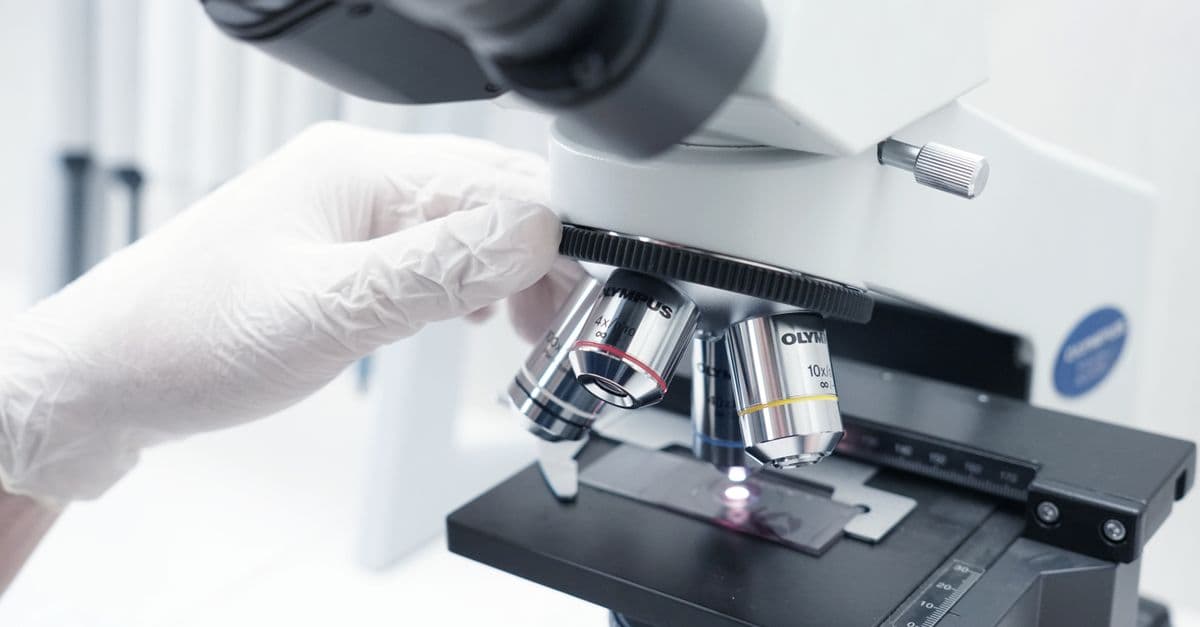
Photo: Mikhail Nilov / Pexels
Every morning, billions of people reach for coffee, tea, or energy drinks, not for flavor, but for effect. Caffeine is the most widely consumed psychoactive substance on Earth. It is legal, socially encouraged, and available in thousands of products. Yet most people who rely on it daily could not explain what it actually does inside their brain.
The short answer: caffeine does not give you energy. It blocks the signal that tells your brain you are tired. That distinction explains almost everything else in this article, including why tolerance develops, why withdrawal hurts, why the same cup of coffee hits two people so differently, and why the timing of your last cup matters more than most people realize.
What caffeine actually is, chemically and historically
Caffeine is a naturally occurring alkaloid in the methylxanthine family, structurally related to theobromine (found in chocolate) and theophylline (found in tea, and once used medically to treat asthma). Plants produce it as a natural pesticide. In insects that try to eat coffee or tea leaves, caffeine disrupts nerve signaling and can be lethal at the concentrations found in the plant. In humans, at the doses found in a cup of coffee, it does something much milder: it gets in the way of one specific molecule's ability to do its job.
The German chemist Friedlieb Ferdinand Runge is credited with first isolating caffeine from coffee beans in 1819, reportedly at the suggestion of Johann Wolfgang von Goethe, who handed him a sample of coffee beans and asked him to analyze them chemically (Newsweek). Runge initially called the compound "Kaffebase." It would take more than a century for scientists to work out the receptor-level mechanism that explains why it works.
That mechanism turns out to hinge on a single molecule your brain produces on its own, called adenosine.
The adenosine system: your brain's built-in fatigue clock
To understand caffeine, you first need to understand adenosine. As your neurons fire throughout the day, adenosine accumulates in the brain as a byproduct of cellular energy use. Adenosine binds to specific receptors, mainly the A1 and A2A subtypes, and produces a progressive feeling of drowsiness (Physiological Reviews). The longer you are awake, the more adenosine builds up, and the sleepier you feel.
This buildup is called "sleep pressure," and it is one of two systems that regulate when you sleep. The other is your circadian rhythm, the roughly 24-hour internal clock driven mainly by light exposure hitting your retina. Sleep pressure and circadian rhythm normally align, which is why you get sleepy at night and alert during the day. But they are separate systems, and caffeine only interferes with one of them.
Think of adenosine like sand piling up in an hourglass sitting on top of a switch. The more sand accumulates, the more weight presses down on the switch, and eventually it trips, and you feel the unmistakable pull toward sleep. Caffeine does not remove the sand. It just wedges something under the switch so the weight cannot press it down.
How caffeine blocks the tired signal
Caffeine is structurally similar enough to adenosine that it fits into the same receptors. But instead of activating them the way adenosine does, caffeine blocks them, or in the case of the A2A receptor, appears to act as what pharmacologists call an inverse agonist, meaning it does not just sit passively in the socket but actively dampens the receptor's baseline signaling (ACS Chemical Biology). Either way, the practical effect is the same: adenosine keeps being produced normally, it just cannot dock and deliver its "slow down" message. You feel alert not because you generated more energy, but because the fatigue signal got jammed at the reception desk, not at the source.
Caffeine is not fully selective. It binds with different strength to all four known adenosine receptor subtypes, A1, A2A, A2B, and A3, though A1 and A2A are the ones most responsible for its alerting effects on the central nervous system (Wiley Pharmacology & Toxicology review). A1 receptors are especially dense in areas tied to cognition and arousal, while A2A receptors are concentrated in the basal ganglia, a brain region central to movement and motivation.
Why does caffeine give you a crash later?
The crash happens because caffeine blocks receptors, but it does not stop adenosine production. When caffeine clears your system, typically after 4 to 6 hours, a backlog of unbound adenosine floods the now-available receptors at once. That sudden, concentrated signal often feels worse than the gradual tiredness you would have experienced naturally without ever drinking coffee.
Downstream effects: dopamine, adrenaline, and why coffee feels good
Adenosine blockade has important knock-on effects well beyond simple alertness. In the basal ganglia, adenosine A2A receptors normally act as a brake on dopamine signaling, physically clustering with dopamine D2 receptors on the same neurons and dampening their activity (Neuropsychopharmacology). When caffeine blocks the adenosine side of that pairing, the brake loosens, and dopamine signaling gets relatively more room to operate. That contributes to caffeine's mood-elevating and motivating effects and is part of why caffeine feels rewarding and why habitual use can become psychologically reinforcing, distinct from a true chemical addiction in the way nicotine or opioids create one.
Caffeine also indirectly triggers the release of adrenaline (epinephrine) from the adrenal glands, largely because adenosine normally has a calming, inhibitory effect on sympathetic nervous system activity, and removing that inhibition tips the balance toward arousal. This activates the "fight or flight" response: heart rate increases, airways dilate slightly, blood sugar rises, and blood vessels in most of the body constrict while those feeding skeletal muscle dilate. This is one reason some people feel jittery or anxious after too much caffeine, especially on an empty stomach, and it is the same broad physiological pathway involved in the mood and reward circuitry covered in detail in our piece on how dopamine works in the brain.
Does caffeine also boost athletic performance?
Yes, and this is one of the best-replicated findings in sports science. Caffeine has a well-documented ergogenic (performance-enhancing) effect on endurance exercise, sprinting, and resistance training, with meta-analyses reporting effect sizes ranging from small (0.16) for isokinetic peak torque to moderate (0.51) for aerobic endurance performance (International Society of Sports Nutrition position stand). The proposed mechanisms include increased central nervous system drive from adenosine blockade, greater catecholamine release, and direct effects on skeletal muscle contractile capacity (PMC review). Notably, the ergogenic effect tends to be larger in people who do not use caffeine regularly than in habitual users, which loops back to the tolerance mechanism explained below.
Half-life and timing: why your 2 PM coffee ruins your midnight
Caffeine's half-life, the time it takes for your body to clear half of it, is approximately 4 to 6 hours in the average healthy adult, with most sources converging on a range near 5 hours (PMC, CYP1A2 genetics review). That means if you drink 200 mg of caffeine at 2 PM, roughly 100 mg is still circulating in your bloodstream at 7 or 8 PM, and 50 mg or more may remain past midnight. This meaningfully disrupts sleep architecture even when you fall asleep without any perceived difficulty, because caffeine reduces slow-wave (deep) sleep, the most physically restorative sleep stage, and can shorten total sleep time even at doses taken hours before bed.
| Time of last dose | Caffeine remaining at bedtime (approx., 200 mg dose, 5-hour half-life) | Expected sleep impact |
|---|---|---|
| Noon (bedtime ~11 PM) | Roughly 25–35 mg | Minimal for most fast metabolizers |
| 3 PM | Roughly 65–75 mg | Reduced deep sleep possible |
| 6 PM | Roughly 100–120 mg | Longer time to fall asleep, less deep sleep |
| 9 PM | Roughly 150–180 mg | Significant sleep disruption likely |
Caption: Estimated residual caffeine at an 11 PM bedtime, assuming a 200 mg dose and an average 5-hour half-life. Actual values vary substantially by individual metabolism; see the genetics section below.
Why does the same coffee affect two people so differently?
Half-life varies substantially between individuals, mostly because of genetic variation in the CYP1A2 enzyme, which handles more than 95% of caffeine's metabolism in the liver (PMC, CYP1A2 kidney study). A single-nucleotide polymorphism labeled rs762551 sorts people into fast, intermediate, and slow metabolizer categories. In one meta-analysis of Caucasian populations, roughly half carried the fast-metabolizer genotype, about 41% were intermediate, and about 8% were slow metabolizers whose caffeine half-life can run considerably longer than average. Smokers metabolize caffeine roughly twice as fast as non-smokers because tobacco smoke induces CYP1A2 activity. Pregnant women in the third trimester metabolize caffeine much more slowly, with half-life extending to 15 hours or more, which is a major reason pregnancy caffeine guidelines are stricter (more on this below). Oral contraceptives also slow clearance.
Tolerance: why one cup becomes four
With regular caffeine use, the brain adapts. Neurons respond to chronic receptor blockade by upregulating, meaning they grow more adenosine receptors to compensate for the ones caffeine keeps occupying. This is a well-documented form of receptor sensitization, and animal studies show measurable increases in A1 receptor density after just days of repeated caffeine exposure (Neuropsychopharmacology). As a result, the same dose produces less effect over time, and you need more caffeine to achieve what used to happen with less.
Tolerance develops quickly, often within one to two weeks of consistent daily use. This does not just mean the alerting effect fades; it also means your neurological baseline shifts. A regular caffeine user is not more alert than a non-user when caffeinated; they are largely just back to the baseline a non-user experiences naturally, without ever having taken anything. This is consistent with the sports-performance data referenced above, where habitual caffeine users show a smaller net performance boost from caffeine than non-users do, because part of what looks like "improvement" in regular users is actually just reversing their own mild caffeine withdrawal.
Genetics play a role here too, though a smaller one than many people assume. A pilot study using CYP1A2 genotyping in exercise contexts found that genotype did not meaningfully change the size of caffeine's acute performance benefits or drawbacks, suggesting that while genetics strongly shape how long caffeine stays in your system, they do not necessarily determine how strongly you respond to a given dose (PMC pilot study).
Withdrawal: the biology of the Monday headache
When a habitual caffeine user stops suddenly, the upregulated adenosine receptors, no longer blocked, are flooded with adenosine that has nowhere else to go. Symptoms typically appear within 12 to 24 hours of the last dose and peak somewhere between 20 and 51 hours after cessation. The signature symptom is a throbbing headache, caused largely by cerebral vasodilation, meaning blood vessels in the brain widen once adenosine is free to act on the vascular receptors it normally influences. Other common symptoms include fatigue, irritability, difficulty concentrating, low mood, and flu-like muscle aches.
Symptoms usually resolve within 2 to 9 days as the brain gradually downregulates its excess receptor density back toward normal. Tapering, meaning reducing intake by roughly 10 to 25% every few days rather than quitting outright, substantially reduces withdrawal severity for most people. This is the same broad principle of gradual dose reduction used in other physiological dependence contexts, though caffeine withdrawal is considerably milder and shorter than dependence on substances that act on opioid or GABA receptor systems.
Caffeine, sleep, and memory: the parts most people miss
Caffeine's interference with adenosine does not just make you feel more awake in the moment. Because deep, slow-wave sleep plays a documented role in memory consolidation, and REM sleep specifically helps process and soften emotionally charged memories, chronically shortened or lower-quality sleep from late caffeine intake can have knock-on effects on how well the brain files away what happened during the day. Our companion piece on how sleep shapes emotional memory covers this consolidation process in more depth, and the broader mechanics of encoding and retrieval are covered in how memory works in the brain. The practical takeaway from combining these two bodies of research: caffeine's sleep-disrupting effect several hours after intake is not just a subjective annoyance, it is a plausible pathway by which afternoon coffee could modestly interfere with next-day memory performance, even in people who report sleeping "fine."
Health effects: what the long-term research actually shows
The long-term health data on moderate caffeine consumption, roughly 3 to 4 cups of coffee, or 300 to 400 mg per day, is broadly positive in large population studies. Large observational studies associate moderate coffee consumption with reduced risk of type 2 diabetes, Parkinson's disease, certain liver diseases including cirrhosis and liver cancer, and age-related cognitive decline. It is worth being precise here: many of these studies are on coffee specifically, not isolated caffeine, and coffee contains hundreds of other bioactive compounds, including chlorogenic acids and diterpenes, so the protective association cannot be attributed to caffeine alone. Association is also not the same as causation; people who drink moderate coffee may differ from non-drinkers in other health-relevant ways that observational studies cannot fully control for.
The regulatory picture on safe upper limits is fairly consistent internationally. The European Food Safety Authority concluded in a formal 2015 scientific opinion that single doses up to 200 mg and total daily intakes up to 400 mg do not raise safety concerns for the general adult population, roughly the amount in up to five cups of coffee (EFSA Journal, 2015). For pregnant and lactating women, EFSA and other bodies recommend a considerably lower ceiling of 200 mg per day from all sources, reflecting both slower maternal metabolism in later pregnancy and the fact that caffeine crosses the placenta to a fetus that lacks the enzymatic machinery to clear it efficiently (Coffee & Health / EFSA guidance summary).
The known risks: caffeine raises blood pressure modestly, though tolerance develops to this effect with regular use; it can worsen symptoms in people with pre-existing anxiety disorders; it disrupts sleep quality even when it does not prevent sleep onset outright, as covered above; and a 2023 kidney-focused study found that slow CYP1A2 metabolizers who drank three or more cups daily showed meaningfully higher rates of kidney dysfunction, albuminuria, and hypertension than fast metabolizers drinking the same amount, underscoring that genetics can change not just how caffeine feels but how safe a given habitual dose actually is for a given person (PMC, CYP1A2 and kidney function). At the extreme end, doses above roughly 1,200 mg taken rapidly can cause seizures and are potentially lethal; case-series research on fatal caffeine toxicity has documented deaths almost exclusively linked to concentrated powder or pill supplements rather than beverages, since reaching a dangerous dose from coffee or tea alone would require consuming dozens of cups in a short window (PMC, pharmacogenetics of caffeine toxicity case series).
Common confusions and myths about caffeine
"Caffeine gives you energy." This is the single most common misconception and the one this entire article has been built to correct. Caffeine does not add usable energy to your system; it masks the biochemical signal that tells your brain to feel tired. The underlying fatigue, and any sleep debt behind it, is still there and still needs to be paid down with actual sleep.
"Decaf has zero caffeine." Decaffeinated coffee is not caffeine-free. Depending on the decaffeination method and the brand, an 8-ounce cup of decaf typically contains somewhere around 2 to 15 mg of caffeine, compared to roughly 95 mg in regular brewed coffee, according to Mayo Clinic's caffeine content reference (Mayo Clinic). That is a small amount for most people, but it is not literally zero, which occasionally matters for people who are extremely sensitive or trying to eliminate caffeine entirely for a medical reason.
"Tolerance means caffeine stopped working." Tolerance does not mean the receptor mechanism has changed; it means your brain grew more receptors to compensate, so the same dose now has proportionally less blocking effect. The mechanism caffeine uses is identical whether you are a first-time drinker or a ten-year daily user. What changed is your baseline receptor count, not caffeine's chemistry.
"Espresso has more caffeine than drip coffee." Per fluid ounce, yes, espresso is far more concentrated. But a typical single shot of espresso (about 1 ounce) contains somewhere around 63 mg of caffeine, while a typical 8-ounce cup of drip coffee contains around 95 mg, meaning a standard cup of drip coffee usually delivers more total caffeine than a single shot, simply because of serving size (Mayo Clinic).
"Everyone should stop drinking caffeine after noon." This is a reasonable default for people with sleep complaints, but it is not a universal rule. A fast CYP1A2 metabolizer with no sleep issues may tolerate an early-afternoon coffee with little measurable effect on sleep architecture, while a slow metabolizer may need to stop by late morning to avoid the same outcome. Genetics, not the clock alone, determines the safe cutoff for a given person.
What this means
Caffeine's entire effect, from the jolt of alertness to the afternoon crash to the pounding Monday headache after a skipped cup, traces back to one simple trick: it occupies the same receptor sites as adenosine without delivering adenosine's message. Everything downstream, the dopamine boost, the adrenaline surge, the athletic edge, the slow creep of tolerance, and the specific, predictable timeline of withdrawal, follows from that one blocked signal. Understanding that mechanism turns caffeine from a mysterious daily ritual into something genuinely manageable: you can time doses around your own metabolism, protect your sleep by respecting the 5-hour half-life rule, and stop mistaking "back to baseline" for "genuinely more energized."
Read next:
- How Dopamine Works in the Brain
- How Memory Works in the Brain, Explained
- How Sleep Shapes Emotional Memory
FAQ
Q: Does caffeine actually dehydrate you? At typical doses (under 300 mg), the mild diuretic effect of caffeine is more than offset by the fluid in the beverage itself. You are not net dehydrated from drinking coffee or tea at normal amounts.
Q: Why does caffeine stop working for me? Tolerance. Daily use causes the brain to grow more adenosine receptors, reducing caffeine's relative effect. A 2 to 4 week abstinence period generally allows receptor density to reset, restoring sensitivity to something closer to your original response.
Q: Is it possible to be immune to caffeine? True immunity is very rare, but genetics create real differences in how strongly and how long people feel caffeine's effects. A polymorphism in the CYP1A2 gene sorts people into fast, intermediate, and slow metabolizer categories, which is a major driver of why the same dose lands so differently from one person to the next.
Q: What's the best time to drink coffee in the morning? Many sleep researchers suggest waiting 60 to 90 minutes after waking before having caffeine, to let the natural morning cortisol spike subside first. Drinking caffeine during peak cortisol, typically in the first hour after waking, may blunt both the cortisol effect and caffeine's own effect, essentially wasting some of the dose.
Q: Can caffeine kill you? Technically yes, but not from normal beverages. The lethal range for caffeine is estimated around 150 to 200 mg per kilogram of body weight, which for an average adult would require roughly 75 to 100 cups of coffee consumed very rapidly, an essentially impossible amount from beverages alone. Documented fatal cases are overwhelmingly linked to concentrated caffeine powder or pill supplements, where a small measuring error can deliver a lethal dose in a teaspoon-sized amount.
Q: Does coffee cause anxiety? In people with existing anxiety disorders, caffeine can meaningfully worsen symptoms because it activates the same adrenaline-driven physiological stress response the body uses during a genuine anxiety episode. Even in healthy people, high doses can cause jitteriness, restlessness, and a racing heart. Individual sensitivity varies widely based on genetics, baseline anxiety levels, and how much tolerance a person has already built up.
Q: How much caffeine is safe per day? The European Food Safety Authority's 2015 scientific opinion concluded that up to 400 mg per day, and single doses up to 200 mg, do not raise safety concerns for most healthy adults, roughly the amount in four to five cups of brewed coffee. Pregnant and breastfeeding women are advised to stay under 200 mg per day, and people with certain heart conditions, anxiety disorders, or slow-metabolizer genetics may need a lower personal ceiling.
Q: Does caffeine actually improve athletic performance, or is that a myth? It genuinely improves performance for most people, and this is one of the more consistently replicated findings in sports science, with documented benefits for endurance running, sprinting, and resistance training in multiple meta-analyses. The effect tends to be smaller in habitual daily users than in people who rarely consume caffeine, since part of the "boost" habitual users get is simply caffeine reversing their own mild withdrawal state rather than adding something new.
Q: Is decaf coffee completely caffeine-free? No. Decaffeination removes most, not all, of the caffeine. An 8-ounce cup of decaf typically still contains a small amount of caffeine, commonly cited in the range of a few milligrams up to around 15 mg, compared to roughly 95 mg in a regular cup. This is negligible for most people but can matter for those who need to eliminate caffeine entirely.
Q: Why do smokers metabolize caffeine faster than non-smokers? Compounds in tobacco smoke induce greater activity in the CYP1A2 liver enzyme, the same enzyme responsible for over 95% of caffeine's breakdown. This roughly doubles the speed at which smokers clear caffeine from their bloodstream compared to non-smokers, which is one reason smokers often report needing more coffee to feel the same effect.
Follow new articles
Add SciHub101 to your feed reader to see new science and technology stories.
About the Author
SciHub101 is an independent science and technology publication founded and edited by Buğra Sözeri, a software engineer and app developer based in Türkiye. AI tools assist with drafting and research. Source documentation in the existing archive is uneven, and articles are being reviewed and corrected. The Editorial Team byline identifies editorial responsibility; it does not certify specialist or independent human review. Where we compare products, anything built by our own team is labelled as such — see the editorial guidelines and About page for how corrections and disclosures work.
Related Articles
How Plastics Are Made: The Science of Polymer Chemistry
Plastics are engineered at the molecular level — long chains of repeating units that give materials their remarkable properties and their persistence problem.
Why Humans Crave Salt, Fat, and Sugar: The Science Explained
You're not weak-willed. You're running ancient survival software in a world that has figured out exactly how to exploit it.
Why Anesthesia Is Still a Mystery
We've used general anesthesia since 1846 and perform 300 million surgeries a year with it — but we still don't know exactly how it works.
Why Does Food Taste Good? The Science of Flavor
Flavor is not just taste — it's a symphony of chemistry, physics, and neuroscience happening in your mouth and brain.

Dream Science: Why the Brain Creates Stories at Night
Dreams may support memory, emotional processing, threat simulation, and brain maintenance. This guide separates evidence from popular myths.

What Happens to Your Body with No Sleep for 24 to 72 Hours
After 17 hours without sleep, your cognitive performance matches someone with a blood alcohol concentration of 0.05% — legally impaired to drive in most countries. After 24 hours, the equivalent is 0.10% — above the legal limit in all US states. After 72 hours, hallucinations are common, emotional regulation breaks down, and the immune system's ability to mount a response is measurably compromised. Sleep deprivation is not discomfort — it is a physiological insult to nearly every system in the body, and it unfolds on a precisely documented timeline.