Why Does Food Taste Good? The Science of Flavor
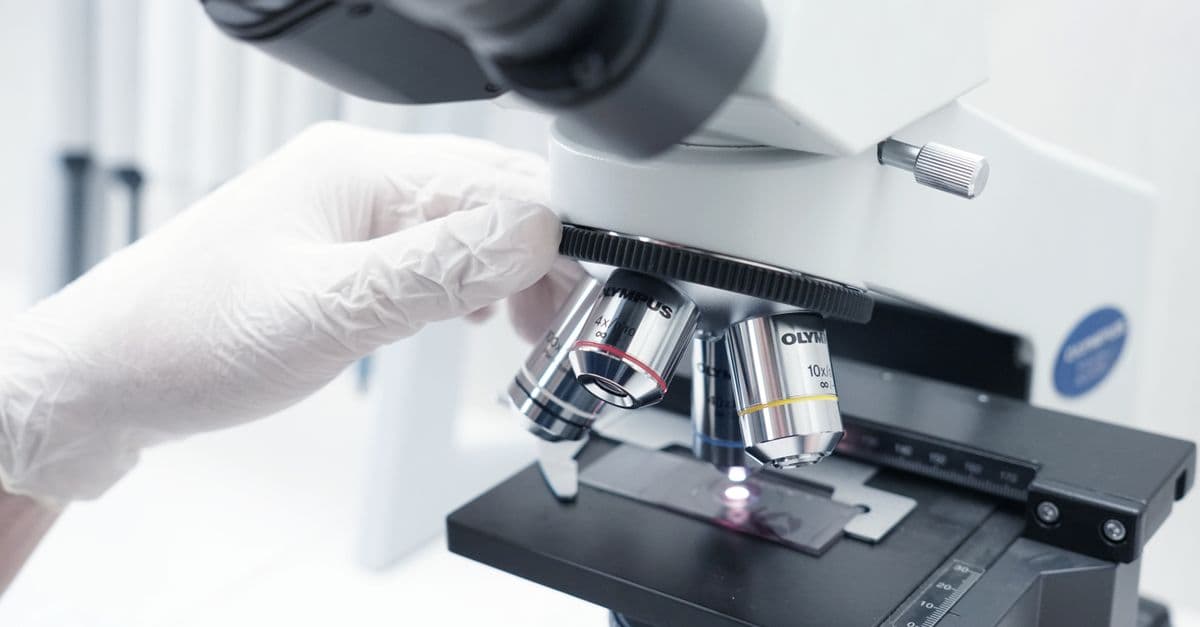
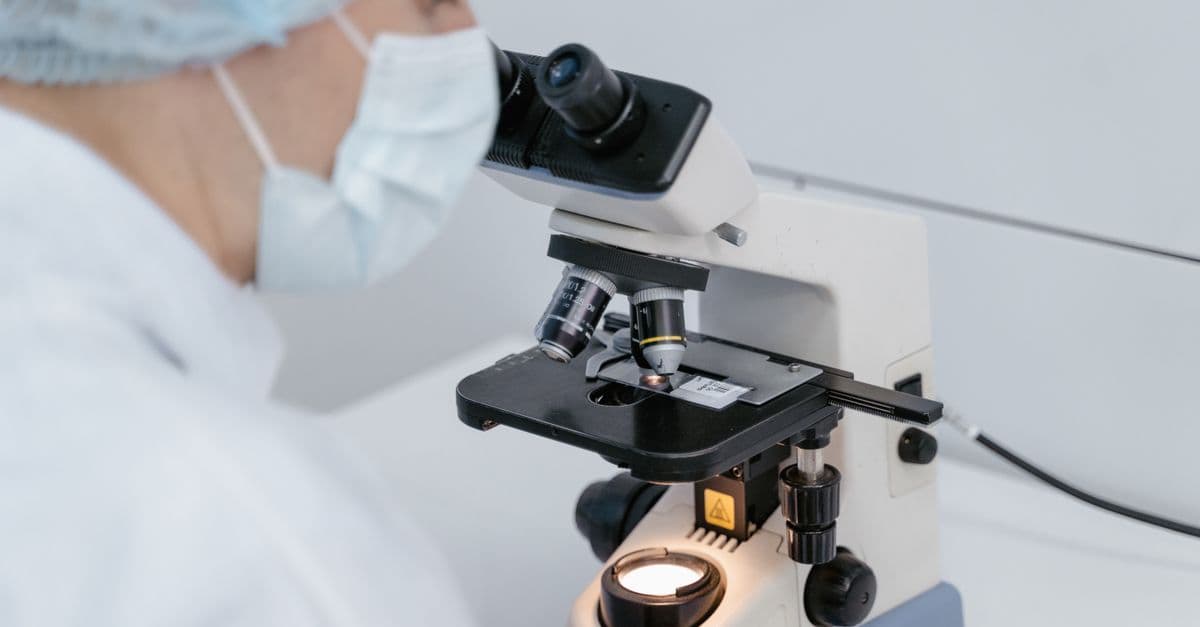
Photo: indra projects / Pexels
Here is something that will rearrange your worldview at the dinner table: you cannot actually taste food with your tongue alone. About 80 percent of what you perceive as "flavor" is smell. When people lose their sense of smell — from a cold, or the lingering effects of a viral infection — food famously becomes grey and cardboard-like. The tongue is still working. But without olfaction, flavor collapses into a blunt instrument capable of distinguishing only sweet, salty, sour, bitter, and umami. Everything else — the difference between a strawberry and a raspberry, between a Bordeaux and a Burgundy — lives in your nose.
That realization opens the door to one of biology's most dazzling rabbit holes: the science of flavor. It involves volatile chemistry, protein receptors shaped like locks waiting for molecular keys, ancient evolutionary trade-offs, and a brain wiring system that evolved long before restaurants existed.
Key takeaways
- Flavor is a combination of taste (gustation), smell (olfaction), texture, temperature, and even sound
- The tongue detects five basic tastes: sweet, salty, sour, bitter, and umami
- Roughly 80% of perceived flavor comes from retronasal olfaction — aroma traveling up from the back of the throat
- The brain's reward circuits treat pleasurable food flavors similarly to other rewards, releasing dopamine
- Cultural conditioning and memory powerfully shape which flavors we perceive as "good"
The Five Basic Tastes — And the Sixth Waiting in the Wings
Your tongue is studded with about 10,000 taste buds, each containing 50–100 specialized receptor cells. These cells express proteins tuned to detect specific chemical categories. Sweet receptors (TAS1R2/TAS1R3) respond to sugars and some amino acids. Bitter receptors (the TAS2R family — humans have about 25 variants) detect a huge range of potentially toxic alkaloids. Sour receptors respond to hydrogen ions, essentially measuring acidity. Salty taste is triggered primarily by sodium ions flowing through ion channels. And umami — discovered and named by Japanese chemist Kikunae Ikeda in 1908 — responds to glutamate, the amino acid that signals protein-rich food.
A strong candidate for a sixth basic taste is "fat taste," or oleogustus, identified by researchers at Purdue University in 2015. Free fatty acids — released when fats break down — appear to activate specific receptors. The sensation alone is reportedly unpleasant (rancid, greasy), but in combination with other tastes it contributes to the satisfying richness of well-cooked food. Other contenders include starchy taste, kokumi (a sense of mouthfulness and continuity), and even the metallic sensation from carbonation's conversion to carbonic acid on the tongue.
Smell: The Real Flavor Workhorse
When you chew food, volatile aromatic compounds are released and travel up through the back of your throat to the olfactory epithelium — a postage-stamp-sized patch of tissue at the top of your nasal cavity loaded with about 400 types of olfactory receptors. This retronasal olfaction is distinct from sniffing something directly (orthonasal olfaction), though both use the same receptors.
The human olfactory system can theoretically distinguish more than a trillion different odor combinations, according to a 2014 Rockefeller University study. A single food can contain hundreds of volatile compounds. Coffee has over 800. The flavor of a ripe strawberry involves at least 360 identified volatile molecules, with a compound called furaneol (2,5-dimethyl-4-hydroxy-3(2H)-furanone) contributing the characteristic caramel-berry note.
These molecules bind to olfactory receptor proteins, triggering electrical signals that travel to the olfactory bulb and then directly to the limbic system — the brain's emotional and memory centers. This anatomical shortcut is why smells trigger vivid memories so powerfully: the olfactory pathway bypasses the thalamus, the sensory relay station that all other senses pass through first.
Texture, Temperature, and the "Mouthfeel" Factor
Flavor is not a two-sense experience — it is multisensory. The trigeminal nerve, which covers your face and mouth, detects temperature, pain, and mechanical sensation. This is why carbonation "tingles," why chili feels hot, and why the crunch of a potato chip is part of what makes it delicious.
Sound plays a role too. In experiments by Oxford psychologist Charles Spence, participants rated potato chips as significantly crunchier and fresher when they heard louder, higher-pitched crunch sounds through headphones while eating — even when the chips were identical. The brain integrates auditory feedback into its flavor assessment in real time.
Temperature dramatically shifts flavor perception. Cold suppresses sweetness receptors (which is why warm cola tastes sickeningly sweet compared to cold), while heat volatilizes aromatic compounds, intensifying aroma. This is why wine sommeliers serve different wines at specific temperatures: a red served too cold loses its fruit aromatics; a white served too warm loses its crisp brightness.
The Brain's Pleasure Circuit and Why Some Foods Hook Us
When you eat something your brain has learned to associate with reward — calorie-dense, safe, nutritious — the nucleus accumbens releases dopamine. This is the same reward circuitry involved in social bonding and, critically, addiction. The dopamine release isn't just pleasurable; it encodes a learning signal: find this again.
Evolutionary pressure shaped our preferences toward high-calorie, high-nutrient foods. Sweetness signals carbohydrates and quick energy. Fat signals caloric density and fat-soluble vitamins. Umami signals protein. Bitterness and sourness are warning signals — many plant toxins are bitter, and sourness can indicate spoilage or unripe fruit.
The food industry has spent decades mapping and exploiting these circuits. Hyperpalatable foods — engineered combinations of fat, sugar, salt, and umami — activate reward pathways more intensely than whole foods. Some researchers argue this constitutes a form of manufactured craving, though the science of food addiction remains genuinely contested.
Why Culture and Memory Shape What Tastes "Good"
Genetics loads the gun; culture pulls the trigger. The TAS2R38 gene, for instance, controls sensitivity to bitter compounds called glucosinolates found in Brussels sprouts and broccoli. About 25% of people are "supertasters" who experience these as intensely bitter; another 25% are "non-tasters" who barely perceive them. But cultural exposure matters enormously too. Children raised in households where bitter foods are presented positively, paired with fats and sauces, and eaten by respected adults are far more likely to enjoy them later.
Flavor memory is formed through the brain's pairing of sensory signals with the metabolic consequences of eating. If you eat something novel and feel ill afterward — even if the illness was unrelated to the food — you are likely to develop a strong aversion to it. This "conditioned taste aversion" can form after a single exposure and can last a lifetime, a phenomenon so robust that oncologists now sometimes give cancer patients a distinctive "scapegoat flavor" before chemotherapy to prevent patients from developing aversions to everyday foods they ate before the nausea-inducing treatment.
Source: Birch, L. L., & Marlin, D. W. (1982). "I don't like it; I never tried it: effects of exposure on two-year-old children's food preferences." Appetite, 3(4): 353–360.
The Chemistry of Flavor: How Molecules Tell Your Brain What to Feel
The specificity of flavor perception depends on precise molecular-level interactions. Consider coffee's complexity — those 800+ volatile compounds don't just combine randomly. Furans (heterocyclic compounds formed during roasting) contribute nutty, caramel notes. Pyrazines add earthy, toasted flavors. Thiazoles and thiophenes (sulfur-containing compounds) create meaty, savory undertones. An espresso's "bite" involves acidity from chlorogenic acids paired with bitter alkaloids like caffeine — two sensations that, separately, would be unpleasant but together create a sought-after punch.
This is why flavor engineering works. The food industry maps these molecular components and recreates desirable combinations artificially. A strawberry flavor compound can be synthesized from petroleum or fermented corn — chemically indistinguishable from the natural molecule — yet many tasters can somehow "tell the difference." This perceptual gap isn't because the molecules are different; it's because our brains integrate context clues (label, price, memory) into flavor perception, a phenomenon called retroactive priming.
The nose's olfactory receptors work like a chemical scanner. Each of the ~400 receptor types binds specific molecular shapes and sizes, not because of a perfect lock-and-key fit but because of partial matching. A single odorant molecule can bind multiple receptor types, and the brain reconstructs the "olfactory image" from this population code. This is why the smell of rotting fruit shares notes with the smell of good cheese — isoamyl acetate (fruity-banana note) and butyric acid (rancid note) bind overlapping receptor sets. Context tells your brain which interpretation to settle on.
Source: Bushdid, C., et al. (2014). "Humans can discriminate more than 1 trillion olfactory stimuli." Science, 343(6177): 1370–1372.
Flavor Across Species: Why Humans Are Taste Extremists
Cats cannot taste sweetness — they lack functional TAS1R2 receptors. This reflects their obligate carnivore evolutionary history; there was no selective pressure to detect sugar. Pigs, by contrast, have exquisite sweetness sensitivity and seek out sugary roots and fruits. Birds vary wildly: most lack taste buds for umami, but some (like pigeons) have them highly developed.
Humans stand out for balanced sensitivity across all five basic tastes, suggesting an evolutionary strategy of dietary flexibility. Our ancestors needed to be generalists — able to eat fruits, seeds, tubers, hunted animals, insects, and plants depending on season and geography. Too much bitter sensitivity and you'd reject protein-rich but slightly-bitter insects. Too little and you'd poison yourself on toxic plants. The "sweet spot" for taste genetics appears to be somewhere in the middle of sensitivity, with enormous individual variation that allowed populations to adapt to local foodscapes.
The umami receptor — found predominantly in humans, other primates, and some carnivores — specifically flags protein-rich foods. This makes evolutionary sense: dietary protein was historically scarce and energetically valuable. A strong reward signal for umami-rich foods would drive consumption of meat and plant proteins when available, maximizing reproductive fitness. Today, food manufacturers exploit this ancient wiring by adding monosodium glutamate (MSG) and other umami compounds to processed foods, hijacking a system that evolved to signal nutritional value.
Source: Li, X., Staszewski, L., et al. (2002). "Human receptors for sweet and umami taste." PNAS, 99(7): 4692–4696.
Flavor Defects and Neurological Taste Loss: When Flavor Vanishes
Beyond the common cold, several conditions can damage taste and smell perception, revealing how much depends on each sense. Anosmia (loss of smell) can be caused by head trauma, viral infection (including COVID-19), Parkinson's disease, or Alzheimer's disease. Ageusia (loss of taste) is rarer but can result from chemotherapy, antibiotic side effects, or zinc deficiency.
The loss can be devastating. Patients report food becoming a mere texture — cardboard, mud, or ash-like. Depression and malnutrition often follow. Some cancer patients lose appetite entirely because the chemotherapy damages taste and smell simultaneously, breaking the reward loop that drives eating. This has led to research into flavor therapy: using intensely aromatic or strongly-flavored foods (garlic, ginger, vinegar, chili) to activate remaining olfactory capacity. The approach shows modest success.
COVID-19's "taste loss" was often actually smell loss — the anosmia was sometimes so profound that even the person's own breath went unsmelled. Olfactory recovery varies; some people regain taste within weeks, others experience months of "parosmia" — distorted smell perception where coffee smells like tar or chocolate smells like rotten eggs. The phenomenon points to damage in olfactory epithelial regeneration or neural pathway reestablishment, processes we still don't fully understand.
Source: Parma, V., et al. (2020). "More than smell — COVID-19 is associated with severe impairment of smell, taste, and chemesthesis." Chemical Senses, 45(9): 845–847.
Genetic Diversity in Taste Perception: Supertasters, Tasters, and Non-Tasters
One of the most striking discoveries in taste genetics involves the TAS2R38 gene, which codes for a bitter taste receptor tuned to detect glucosinolates — compounds found in cruciferous vegetables like broccoli, Brussels sprouts, and cabbage. Natural variation in this gene creates three phenotypes with radically different taste experiences:
Supertasters (~25% of population) have two functional copies of the gene and experience glucosinolates as intensely, unpleasantly bitter. For a supertaster, raw broccoli tastes acrid and almost inedible; Brussels sprouts seem toxic.
Heterozygotes/Tasters (~50%) have one functional copy and experience moderate bitterness — these foods are acceptable but not sought out.
Non-tasters (~25%) have two non-functional copies and barely perceive bitterness in glucosinolates at all. They find cruciferous vegetables neutral or even mildly sweet and are far more likely to enjoy them raw.
This genetic diversity reflects evolutionary trade-offs. In ancestral environments where vegetation was abundant but many plants contained bitter toxins, heightened bitter sensitivity was protective — children with high sensitivity were less likely to poison themselves. But this same sensitivity makes nutritious bitter plants aversive. A supertaster child faced with Brussels sprouts for dinner experiences a genuine taste nightmare, not mere pickiness.
The TAS2R family has about 25 different functional receptors in humans (compared to only 1 in cats), reflecting our omnivorous evolutionary history. We needed fine-grained discrimination of bitter compounds to separate nutritious plants from toxic ones. But this hypersensitivity has costs: supertasters experience some foods as actively painful to consume, potentially driving nutritional deficiencies if they avoid cruciferous vegetables that contain beneficial glucosinolates, fiber, and vitamins.
Source: Kim, U., et al. (2003). "Positional cloning of the human quantitative trait locus underlying taste sensitivity to 6-n-propylthiouracil." Science, 299(5610): 1221–1225. — Landmark study of TAS2R38 genetic variation.
The social implications are fascinating. Supertasters show heightened taste perception across all modalities — not just bitterness but sweetness, saltiness, and umami. This might seem advantageous, but it often results in narrower food preferences (supertasters are pickier eaters), higher rates of certain cancers (due to limited vegetable intake), and less enjoyment of foods that contain beneficial but bitter compounds. Children identified as supertasters benefit from strategies like pairing bitter vegetables with fats and sauces that mask bitterness or training taste perception through repeated exposure in positive social contexts.
The Future of Flavor: Designer Food and Personalized Taste
Emerging technologies hint at flavor's future. Gene editing could create vegetables with lower bitter alkaloid content, making nutritious greens more palatable to children — a boon for supertasters. Alternatively, gene therapy might modulate TAS2R expression, reducing bitter sensitivity in supertasters to more typical levels. Precision fermentation allows food companies to create exactly the molecules that give cheese or wine their flavor, without years of aging or geographic specificity — a potential revolution for sustainability but also a cultural threat that troubles food traditionalists.
Flavor prediction AI is arriving. DeepMind and other groups have trained neural networks on the chemical composition and sensory ratings of thousands of foods, enabling prediction of how a new molecule will taste. The models aren't perfect but are remarkably accurate at predicting what compounds will be perceived as bitter, sweet, or savory. Such tools could personalize flavor — designing foods optimized for an individual's unique receptor genetics (genotyping TAS2R38 variants, for instance) and learned preferences.
Molecular gastronomy has already experimented with controlled-release taste compounds: microcapsules that burst at different points during chewing, releasing flavor sequentially. This extends flavor perception over time and can make bitter compounds seem less intense by buffering them with delayed sweetness. Such techniques suggest that "flavor design" — treating taste and smell as engineering challenges — will only grow more sophisticated.
Source: Chung, S. J., et al. (2015). "Instrumental and sensory characterization of aroma-active compounds in chevre-style goat cheese." Journal of Dairy Science, 98(4): 1923–1935.
The Takeaway
Flavor is one of human biology's most elaborate sensory achievements — a construction that your brain assembles from volatile chemistry, ancient evolutionary wiring, and years of accumulated memory and culture. The tongue's five basic tastes are merely the foundation; the actual experience of eating depends overwhelmingly on smell, texture, temperature, and context. Understanding this explains why a lost sense of smell makes food gray and why your childhood comfort food triggers vivid memory. It also reveals how the food industry crafts cravings by exploiting the neurobiology we didn't evolve to handle — hyperpalatable foods that hit multiple reward circuits simultaneously. As flavor science advances, we'll gain the ability to design tastes precisely, personalize them to individual genetics, and sustain food systems with less environmental cost. But the deepest lesson is humbling: flavor isn't something your tongue "detects" in any simple sense. It's something your brain constructs, moment by moment, from incomplete signals interpreted through the lens of evolutionary history and personal experience.
Frequently Asked Questions
Q: Why does food taste bland when you have a cold?
A: A congested nose blocks airborne volatile molecules from reaching your olfactory epithelium. Since roughly 80% of flavor perception comes from retronasal smell, blocking olfaction dramatically diminishes the complexity of what you taste. Your tongue still detects the five basic tastes, but without aroma, foods lose their distinctive character.
Q: What is umami and what foods contain it?
A: Umami is the taste of glutamate, an amino acid that signals protein-rich food. It produces a savory, mouth-filling sensation. Foods high in umami include aged cheeses (especially Parmesan), cured meats, soy sauce, mushrooms, tomatoes, and anchovies. Many traditional cuisines combine multiple umami sources — like the dashi broth in Japanese cooking — to create deep, layered savoriness.
Q: Why do children dislike vegetables that adults enjoy?
A: Children have more taste buds and are genuinely more sensitive to bitter compounds. Evolutionary biologists believe children's heightened bitter sensitivity is protective — small bodies are more vulnerable to plant toxins, so caution makes sense. As taste bud density decreases with age and cultural exposure accumulates, many adults come to enjoy foods they hated as children.
Q: Can you train yourself to like a flavor?
A: Yes. Repeated exposure — especially in positive social contexts and paired with foods you already like — can shift flavor preferences significantly. This is called "mere exposure effect" in psychology. Pairing bitter vegetables with fats, acids, or umami-rich sauces can also change perceived flavor by making the overall taste profile more complex and rewarding.
Q: What is the difference between taste and flavor?
A: Taste is the narrow sense detected by taste buds on your tongue: sweet, salty, sour, bitter, umami. Flavor is the full multisensory experience combining taste, retronasal smell, texture, temperature, sound, and even visual cues. When people say food "tastes" like strawberry, they're really describing its flavor — a construction that depends far more on smell than on the tongue itself.
Q: Can you lose your sense of taste permanently?
A: Smell loss (anosmia) and taste loss (ageusia) can be temporary or permanent depending on the cause. Colds and flu usually resolve within weeks. COVID-19 anosmia sometimes lasts months or longer. Chemotherapy, head trauma, and Parkinson's disease can cause lasting damage. Recovery depends on whether the underlying receptor cells or neural pathways regenerate — a process we still incompletely understand.
Read next
Follow new articles
Add SciHub101 to your feed reader to see new science and technology stories.
About the Author
SciHub101 is an independent science and technology publication founded and edited by Buğra Sözeri, a software engineer and app developer based in Türkiye. AI tools assist with drafting and research. Source documentation in the existing archive is uneven, and articles are being reviewed and corrected. The Editorial Team byline identifies editorial responsibility; it does not certify specialist or independent human review. Where we compare products, anything built by our own team is labelled as such — see the editorial guidelines and About page for how corrections and disclosures work.
Related Articles
Marie Curie: Discovering Radioactivity and Redefining Science
Marie Curie's discovery of radioactivity and isolation of radium revolutionized physics and chemistry. The first woman to win a Nobel Prize, she sacrificed health for science.
Nikola Tesla: The Quest for Wireless Electricity
Tesla tried to turn the Earth itself into a conductor and beam electricity to the whole planet without a single wire. The tower he built to do it never worked, and the physics explains exactly why.
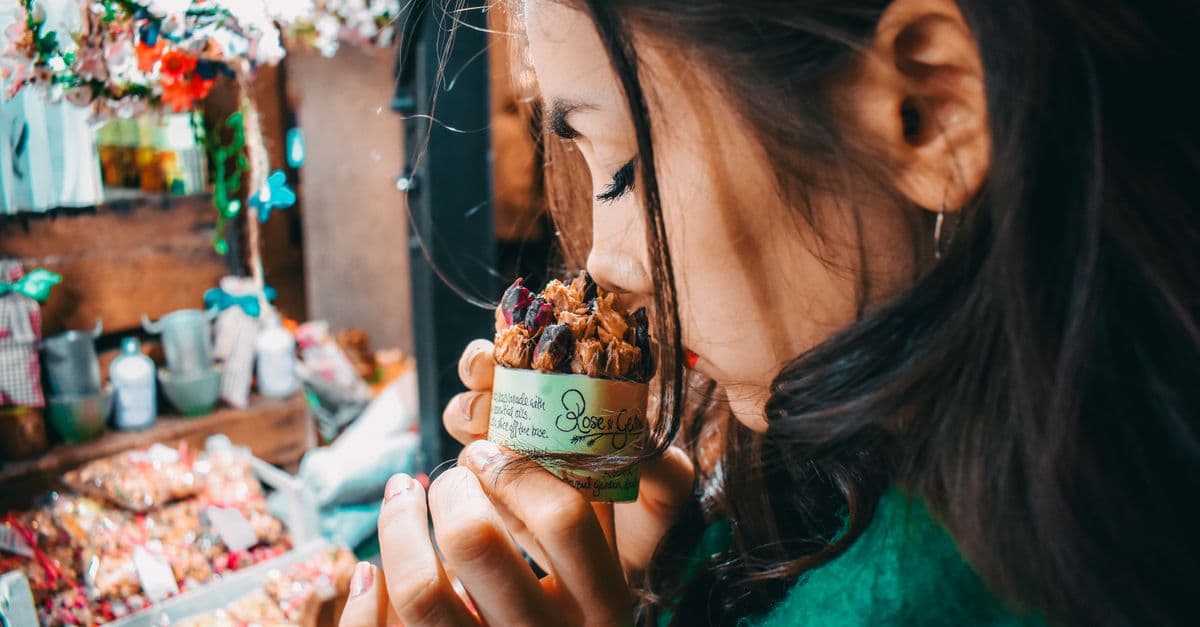
How Taste and Smell Work: The Neuroscience of Flavor
When you bite into a strawberry and experience something that feels like one unified sensation, you are experiencing the product of two entirely separate sensory systems — taste and smell — being fused by your brain into something that does not exist in the physical world. Flavor is a construction. The tongue detects five (or possibly six) basic chemical categories. The nose distinguishes potentially a trillion different molecules. Without the nose, the strawberry tastes like sweetened water. The neuroscience of how these signals combine reveals why eating is a fundamentally cognitive act.

How Fermentation Works: The Science Behind Bread, Beer, and Yogurt
Fermentation is controlled microbial metabolism — ancient biotechnology that transforms raw ingredients into foods more nutritious, flavorful, and shelf-stable than the originals.
Sugar Science: How Glucose and Fructose Affect Your Body Differently
Not all sugars are equal. Glucose and fructose follow completely different metabolic pathways — and understanding the difference explains why the source of sugar in your diet matters as much as the amount.
How Digestion Works: From Mouth to Gut
Every bite you take embarks on a 30-foot journey through an assembly line of acids, enzymes, and bacteria that extracts energy and nutrients while discarding the rest — here's how it actually works.