How Fermentation Works: The Science Behind Bread, Beer, and Yogurt
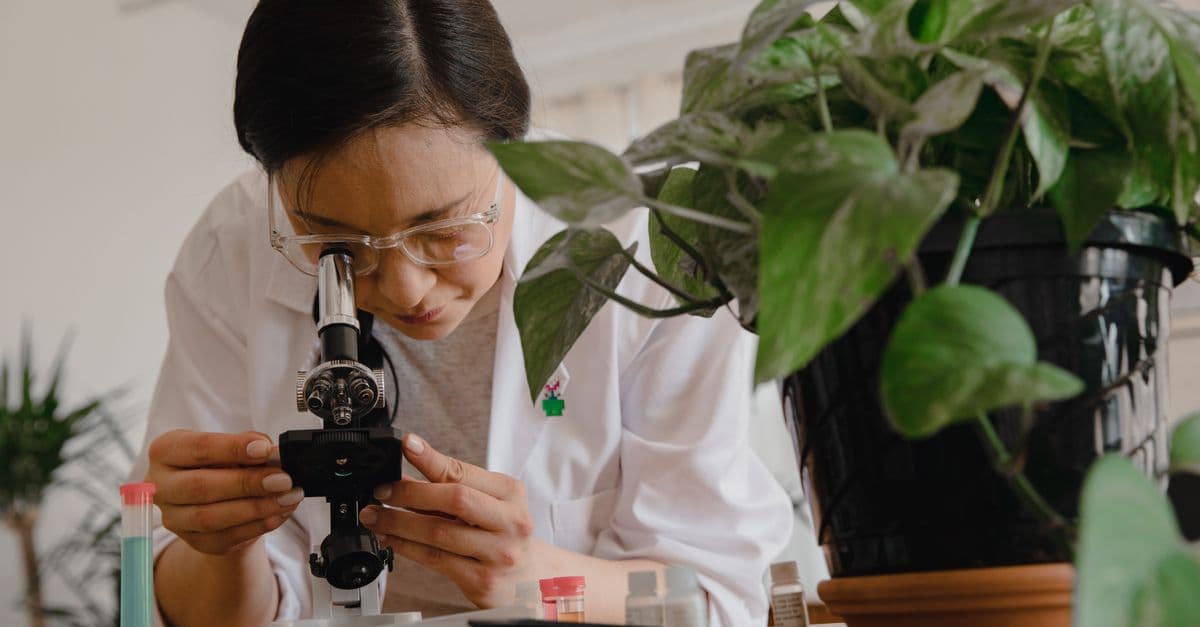
Photo: Edward Jenner / Pexels
In 1857, Louis Pasteur published a paper proving that fermentation was caused by living microorganisms — not by spontaneous chemical decomposition as scientists had assumed. It was one of the most consequential findings in the history of food science, and it was met with fierce resistance. The chemist Justus von Liebig, one of the giants of nineteenth-century science, refused to believe it until his death. He could not accept that something as grand as turning grape juice into wine was the work of microscopic creatures going about their metabolic business.
Von Liebig was wrong, and Pasteur was right. Fermentation is biology, spectacularly small-scale and yet responsible for an astonishing portion of humanity's most beloved foods: bread, beer, wine, cheese, yogurt, soy sauce, vinegar, coffee, chocolate, kimchi, miso, sourdough, and sauerkraut. Understanding the chemistry is understanding some of the oldest biotechnology on Earth.
Key takeaways
- Fermentation is a metabolic process where microorganisms convert sugars into other compounds — typically alcohol, acids, or gases — without oxygen
- There are three main types relevant to food: alcoholic fermentation (yeast), lactic acid fermentation (bacteria), and acetic acid fermentation (bacteria converting alcohol to vinegar)
- Fermentation often improves nutritional quality by breaking down antinutrients, synthesizing vitamins, and pre-digesting complex molecules
- The flavor complexity of fermented foods comes from hundreds of secondary metabolites produced by microbial communities
- Modern sourdough uses wild yeast and bacteria co-existing in a complex ecosystem maintained by regular "feeding" of flour and water
What Is Fermentation, Chemically Speaking?
At its most fundamental, fermentation is anaerobic respiration — energy production without oxygen. When cells cannot use the efficient aerobic pathway (which requires oxygen and yields about 36–38 ATP molecules per glucose), they fall back on fermentation, which yields only 2 ATP per glucose but keeps the metabolic machinery running.
In alcoholic fermentation, the pathway used by Saccharomyces cerevisiae (baker's and brewer's yeast), glucose is first broken down into pyruvate via glycolysis. Pyruvate is then decarboxylated into acetaldehyde (releasing CO₂), and acetaldehyde is reduced to ethanol using NADH as the electron donor. The reaction regenerates NAD⁺, which is essential for glycolysis to continue. The net equation is elegantly simple:
C₆H₁₂O₆ → 2 C₂H₅OH + 2 CO₂
One glucose molecule yields two ethanol molecules and two carbon dioxide molecules. In bread, the CO₂ is trapped in gluten's protein network, forming bubbles that expand in the oven's heat. In beer, the CO₂ either escapes or is captured as carbonation.
In lactic acid fermentation, used by Lactobacillus and other bacteria, pyruvate is instead converted directly to lactic acid. No CO₂ is produced. The accumulating acid lowers pH, creating an inhospitable environment for competing microorganisms and the sharp, tangy flavor characteristic of yogurt, cheese, and sauerkraut.
Bread: A Three-Part Molecular Drama
Bread making involves three interacting processes: yeast fermentation, bacterial fermentation (in sourdough), and enzyme activity in the flour itself.
Flour contains amylase enzymes that break down starch into maltose and glucose, feeding the yeast. Yeast produces CO₂ for leavening and small amounts of ethanol (which evaporates in baking). But it also produces flavor compounds: esters, aldehydes, and fusel alcohols that survive the oven and contribute to bread's complex aroma.
Sourdough introduces a second player: lactic acid bacteria (LAB), particularly Lactobacillus species. These bacteria ferment sugars into lactic acid and acetic acid. Lactic acid contributes a mild, yogurt-like tang; acetic acid contributes the sharper, vinegar-like sourness. The ratio depends on hydration and temperature — wetter, warmer doughs favor lactic acid; stiffer, cooler doughs favor acetic acid.
The LAB also produce proteases that partially break down gluten, improving digestibility. Some research suggests that properly made sourdough fermentation can reduce the glycemic index of bread and partially degrade gluten proteins, making it better tolerated by some people with non-celiac gluten sensitivity (though not by those with celiac disease).
Beer and Wine: Yeast at Industrial Scale
Brewing is essentially controlled agricultural fermentation. Malted barley — grain that has been allowed to germinate, activating its own enzyme system, then kiln-dried — provides starch. Mashing (soaking in hot water) activates amylases to convert starch to fermentable sugars. The resulting wort is boiled with hops (which contribute bitterness, aroma, and antimicrobial compounds), cooled, and inoculated with yeast.
Fermentation temperature dramatically influences flavor. At cooler temperatures (below 15°C), ale yeasts produce fewer fruity esters. At warmer temperatures, ester production increases, yielding the fruity, banana-like notes characteristic of hefeweizen. Lager yeast (S. pastorianus) ferments at even colder temperatures and contributes a clean, neutral profile — the flavor is shaped more by malt and hops than by yeast metabolites.
Wine fermentation is often wild fermentation — natural yeasts present on grape skins and in the winery begin the process. The transition from wild yeasts to S. cerevisiae (which tolerates higher alcohol concentrations) as fermentation progresses creates a succession of microbial communities, each contributing different secondary metabolites to wine's extraordinary aromatic complexity.
Yogurt and Cheese: Lactic Acid Transforms Milk
Yogurt begins with milk inoculated with a starter culture — typically Streptococcus thermophilus and Lactobacillus delbrueckii subsp. bulgaricus, which have a remarkable mutualistic relationship. S. thermophilus grows first, lowering the pH and producing formate and CO₂ that stimulate Lactobacillus. Lactobacillus then produces proteolytic enzymes that break down milk proteins into peptides and amino acids that feed S. thermophilus. Together they produce lactic acid far faster than either can alone.
The accumulating lactic acid denatures milk proteins, particularly casein, which clumps into the characteristic gel structure of yogurt. Acetaldehyde, produced by both species, is yogurt's primary flavor compound — the clean, slightly green, dairy-fresh note that distinguishes quality yogurt.
Cheese is yogurt taken further: rennet (containing proteases traditionally from calf stomachs, now often from microbial or genetically engineered sources) cleaves casein proteins, causing firm coagulation. The curd is cut, pressed, salted, and aged. Aging involves successive waves of microorganisms — fungi, yeasts, bacteria — each breaking down proteins and fats into flavor compounds. The blue veins of Roquefort are Penicillium roqueforti growing along channels made by needle-piercing; the white rind of Brie is Penicillium camemberti; the complex funk of aged Gouda comes from Brevibacterium linens and the proteolysis of casein into amino acids and then into aromatic compounds including thiols, sulfides, and pyrazines.
Why Fermentation Often Improves Nutrition
Raw legumes and grains contain antinutrients — compounds like phytates, oxalates, lectins, and tannins that bind minerals and interfere with digestion. Fermentation produces enzymes (phytases, proteases, cellulases) that degrade these compounds, increasing the bioavailability of iron, zinc, calcium, and other minerals.
Fermentation can also synthesize vitamins. Lactobacillus strains produce B vitamins including folate, riboflavin, and B12. Certain fermented foods become significantly richer in these vitamins than their raw ingredients. Tempeh, made from fermented soybeans, is one of the few plant-based foods with meaningful amounts of B12, produced by bacterial contamination during traditional fermentation.
The pre-digestion argument is real too. Proteases break proteins into peptides; amylases break starches into simpler sugars; lipases liberate fatty acids. Fermented foods put less digestive work on the gut, which may partly explain why many people with lactose intolerance tolerate yogurt better than milk — the bacteria have already converted much of the lactose into lactic acid.
FAQ
Is all fermentation alcoholic? No. Fermentation is a broad category of anaerobic metabolism. Alcoholic fermentation (yeast) produces ethanol and CO₂. Lactic acid fermentation (bacteria) produces lactic acid. Acetic acid fermentation (bacteria acting on ethanol) produces vinegar. Many fermented foods involve multiple types simultaneously — sourdough bread uses both yeast (alcoholic) and bacteria (lactic acid) fermentation at the same time.
Why does sourdough bread taste sour? Sourdough's tang comes from organic acids — primarily lactic acid (mild, yogurt-like) and acetic acid (sharper, more vinegar-like) — produced by lactic acid bacteria in the starter culture. The ratio of the two acids depends on fermentation conditions: wetter starters at warmer temperatures favor lactic acid; stiffer starters at cooler temperatures favor acetic acid, making a more aggressively sour loaf.
Are fermented foods the same as probiotic foods? Not always. Probiotic foods contain live microorganisms that reach the gut and confer health benefits. Many fermented foods qualify — live yogurt, kefir, kimchi, sauerkraut, miso. But some fermented foods (beer, wine, most commercial bread, canned sauerkraut that's been pasteurized) have had their microbes killed or removed. The fermentation happened, but no live organisms remain. Heat processing destroys probiotic value.
Why does fermentation preserve food? Fermentation creates conditions hostile to most spoilage organisms and pathogens. Lactic acid fermentation lowers pH dramatically, killing acid-sensitive bacteria. Alcoholic fermentation produces ethanol, which is antimicrobial above certain concentrations. Salt, used in many fermentations, draws out water and creates an osmotically challenging environment. The combination of acid, alcohol, salt, and anaerobic conditions explains why properly fermented foods can last months or years without refrigeration.
Can you ferment anything? In principle, any substrate containing fermentable sugars or convertible compounds can be fermented. Humans have fermented honey (mead), rice (sake), agave (pulque), cassava (chicha), palm sap (toddy), and mare's milk (kumiss). Even meat can be fermented — salami and dry-cured sausages rely partly on lactic acid fermentation to preserve and flavor the meat. If there are sugars and microbes, fermentation is possible.
Read next:
Follow new articles
Add SciHub101 to your feed reader to see new science and technology stories.
About the Author
SciHub101 is an independent science and technology publication founded and edited by Buğra Sözeri, a software engineer and app developer based in Türkiye. AI tools assist with drafting and research. Source documentation in the existing archive is uneven, and articles are being reviewed and corrected. The Editorial Team byline identifies editorial responsibility; it does not certify specialist or independent human review. Where we compare products, anything built by our own team is labelled as such — see the editorial guidelines and About page for how corrections and disclosures work.
Related Articles
The Psychology of Happiness: What 50 Years of Research Actually Shows
Money, achievement, and even marriage have smaller effects on lasting happiness than people expect. The science reveals a more surprising picture.
How Dopamine Really Works: The Truth Behind the Reward Chemical
Dopamine is not the 'pleasure chemical' — it's the anticipation chemical, and that distinction changes everything about how motivation works.
Sugar Science: How Glucose and Fructose Affect Your Body Differently
Not all sugars are equal. Glucose and fructose follow completely different metabolic pathways — and understanding the difference explains why the source of sugar in your diet matters as much as the amount.
How Digestion Works: From Mouth to Gut
Every bite you take embarks on a 30-foot journey through an assembly line of acids, enzymes, and bacteria that extracts energy and nutrients while discarding the rest — here's how it actually works.

How Preservatives Keep Food Safe: The Chemistry Explained
Before refrigerators, salt and vinegar kept people alive. Today, a few molecules in the parts-per-million range prevent millions of cases of food poisoning a year. Here's how.

Food Allergies vs. Food Intolerance: The Science Explained
They both make you feel terrible after eating certain foods. But a food allergy and a food intolerance are different biological mechanisms, and confusing them can be dangerous.