How AI Is Revolutionizing Drug Discovery
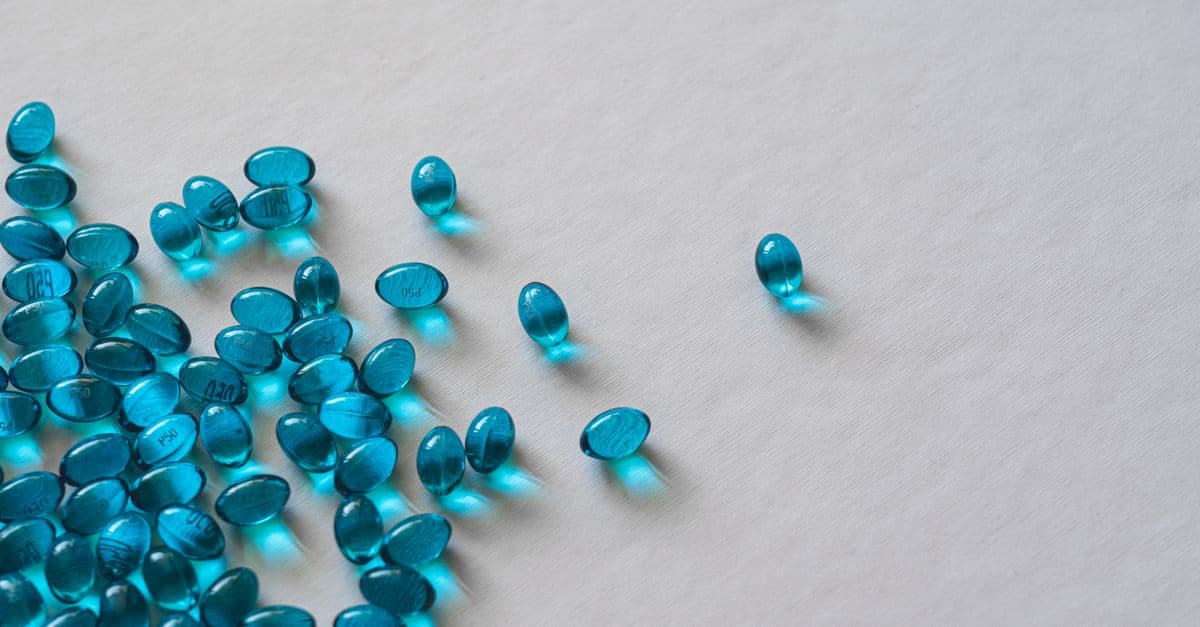
Photo: Castorly Stock / Pexels
Bringing a single new drug to market traditionally takes 10 to 15 years and costs between $1 billion and $3 billion (DiMasi et al., 2020). Roughly 90% of drug candidates that enter human clinical trials fail. The industry has spent decades trying to speed up a process that fundamentally can't be rushed — biology is complicated, and people don't tolerate side effects.
Then AI started touching every stage of the pipeline at once, and the 2024 Nobel Prize in Chemistry went to the DeepMind team behind AlphaFold. For the first time in a generation, "drug discovery is being transformed" stopped being marketing copy and started being accurate.
The Six Stages AI Is Changing
1. Target Identification
Before you can design a drug, you need to know which protein or pathway to attack. AI mines massive scientific literature and genomic databases to suggest targets. The clearest public example: BenevolentAI used its knowledge-graph platform during the early days of COVID-19 to flag baricitinib — a rheumatoid arthritis drug — as a likely COVID treatment. It later received emergency use authorization.
2. Protein Structure Prediction
This is where the headlines come from. AlphaFold 2 (DeepMind, 2020) solved a 50-year-old problem: predicting a protein's 3D shape from its amino acid sequence. AlphaFold's database now contains over 200 million predicted structures — essentially every known protein. AlphaFold 3 (2024) extended this to model how proteins interact with ligands, DNA, and RNA — the actual binding interactions that matter for drug design. The 2024 Nobel Prize in Chemistry was awarded jointly to Demis Hassabis and John Jumper (DeepMind) along with David Baker for related computational protein design work.
3. Molecule Design (Generative Chemistry)
Instead of screening existing compound libraries, generative models design new molecules with desired properties. Insilico Medicine put the first fully AI-designed drug — INS018_055 for idiopathic pulmonary fibrosis — into Phase 1 trials in 2021, with Phase 2 ongoing as of 2024. Exscientia (UK) put DSP-1181 into clinical trials in 2020 — initially called the first AI-designed drug, though it later failed in Phase 1.
4. Virtual Screening
AI models can score billions of compounds against a target in silico before any wet-lab work. Atomwise uses convolutional neural networks for structure-based virtual screening. Recursion images millions of cells and uses computer vision to spot which compounds shift cell phenotypes toward healthy states. In 2023, Nvidia invested $50 million in Recursion to scale their model training.
5. Clinical Trial Design
AI helps with patient stratification (finding the right patients), biomarker discovery, and retrospective analysis of past trial data. This is unglamorous but enormously valuable — many trials fail because the wrong patients were enrolled.
6. Drug Repurposing
Finding new uses for existing approved drugs. COVID-19 became a real-world stress test: remdesivir (originally for Ebola) and baricitinib were both quickly repositioned. AI accelerates this by mapping drug-target-disease relationships across the literature.
The Foundation Models Behind It All
A few technical advances power most of the current wave:
- AlphaFold 2 & 3 (DeepMind) — protein structure and interaction prediction
- ESM (Meta) — protein language models trained on hundreds of millions of sequences
- RoseTTAFold (Baker Lab, University of Washington) — open-source alternative to AlphaFold
- Boltz-1 (MIT, 2024) — open-source biomolecular interaction model
For more on the underlying techniques, see our detailed guide on AlphaFold protein folding and how AI models are trained.
Comparison Table: Major AI Drug Discovery Companies
| Company | Founded | Approach | Notable Milestone |
|---|---|---|---|
| Insilico Medicine | 2014 | Generative chemistry + target ID | INS018_055 (IPF) in Phase 2, 2024 |
| Exscientia | 2012 | AI-designed small molecules | DSP-1181 first AI drug in trial, 2020 |
| Atomwise | 2012 | Structure-based virtual screening | 750+ active drug discovery programs |
| Recursion | 2013 | Phenomics + computer vision | Nvidia partnership, $50M (2023) |
| BenevolentAI | 2013 | Knowledge graph + literature mining | Baricitinib for COVID repurposing |
| Iktos | 2016 | Generative chemistry | Multiple pharma partnerships |
| Iambic Therapeutics | 2019 | Physics-informed AI | Multiple oncology candidates |
| BPGbio | 2014 | Biology-first AI platform | Mitochondrial disease pipeline |
| DeepMind / Isomorphic Labs | 2010 / 2021 | AlphaFold-based design | Nobel Prize, Chemistry 2024 |
Real Wins So Far
- COVID-19 repositioning — baricitinib (BenevolentAI), remdesivir analysis, multiple repurposed antivirals
- AlphaFold structures — used in over 30,000 published research papers as of 2024
- Insilico INS018_055 — first end-to-end AI-designed drug in Phase 2 trials
- Recursion's REC-2282 — neurofibromatosis Phase 2/3 trials
- Generative chemistry libraries — now standard at most major pharma companies
The Skeptical View
Not every story is triumph. BenevolentAI's valuation crashed from over $1 billion in 2021 to under $100 million by 2024 after pipeline disappointments. Exscientia merged with Recursion in late 2024 — sector consolidation that suggests the easy money phase is ending. Several AI-designed drugs have failed Phase 1, just like traditionally designed drugs do.
AlphaFold itself has real limitations:
- Membrane proteins remain hard to predict accurately
- Conformational dynamics — proteins move; AlphaFold gives one static structure
- Novel folds that don't resemble training data are poorly handled
- Predicted ≠ experimentally validated — many predictions are wrong on key details
And AI can't replace clinical trials. Ethics and biology both require human testing. The 90% failure rate in clinical trials isn't going to drop to 10% just because the early stages got faster.
What AI Won't Do Soon
- Replace clinical trials. People are still required.
- Invent radically new biology. AI extends what we already know; it doesn't discover wholly new disease mechanisms on its own.
- Eliminate side effects. Even a perfectly designed molecule can fail in a real human body for reasons no model predicted.
- Make all drugs cheaper. Discovery is only one cost; trials remain expensive.
The ML Models Powering Drug Discovery: Technical Deep Dive
Understanding the AI side requires knowing a few key architectures. Transformers — the same self-attention-based models that power ChatGPT — have proven remarkably effective for molecular and protein tasks. Meta's ESM-2 (Evolutionary Scale Modeling) is a transformer trained on 250 million protein sequences; it learns latent representations of protein function and structure. By passing a protein through ESM-2, researchers get a numerical embedding that captures what the protein "does," enabling downstream predictions of binding affinity, mutation effects, and off-target interactions.
Graph neural networks (GNNs) excel at molecule representations. Molecules are graphs: atoms are nodes, chemical bonds are edges. GNNs propagate information across these edges, learning which molecular substructures correlate with desired properties (binding potency, solubility, metabolic stability). This approach is more sample-efficient than brute-force SMILES-based models and aligns better with chemistry intuition.
Diffusion models — the same architecture behind DALL-E and Stable Diffusion for images — have recently entered drug discovery. Instead of generating images pixel-by-pixel, they generate molecules atom-by-atom, conditioned on desired properties (target affinity, ADME profile). Generative Chemistry companies like Iktos and Exscientia rely on diffusion models for de novo drug design.
The practical result: a chemist can specify "bind to this protein pocket, be orally available, avoid CYP450 metabolism" and the model generates thousands of candidates in seconds — work that took weeks in 2015. Not all candidates work, but the hit rate (fraction that function as predicted) has grown from <1% to 10–30% as models mature.
Source: Rives, A., et al. (2021). "Biological structure and function emerge from scaling unsupervised learning to 250 million protein sequences." PNAS 118(15): e2016239118.
The Hidden Costs of "Faster Discovery"
Media coverage of AI-designed drugs focuses on speed, but the full picture is more nuanced. Yes, AI can compress preclinical discovery from 5+ years to 2–3. But:
Manufacturing scale-up isn't automated. A molecule that looks promising in silico must still be synthesized, purified, and characterized. For most small-molecule drugs, this takes 6–18 months and costs $1–5 million per target. AI doesn't help much here.
Toxicology and ADME (Absorption, Distribution, Metabolism, Excretion) remain partially opaque. AI models trained on in vitro data can predict whether a molecule will bind its target. Predicting whether it'll be toxic in the liver, accumulate in the brain, or cause cardiac arrhythmias is harder. These off-target risks are a major reason for Phase 1 and Phase 2 failures. AlphaFold can predict the structure of a human receptor, but it can't directly tell you whether a molecule will cause dangerous drug-drug interactions or trigger an immune response.
Patient recruitment for trials is still human-intensive. A rare disease drug trial might need to enroll 100 patients — finding them, convincing them to participate, managing dropout — is a 18–36 month bottleneck that no algorithm streamlines. For common diseases like cancer or Alzheimer's, recruitment is faster, but safety monitoring still requires time.
Realistic timeline math: AI can shift a 15-year process to ~12 years. Not 5 years, and certainly not overnight.
Source: Adams, C. P., & Brantner, V. V. (2010). "Estimating the cost of new drug development: is it really $802 million?" Health Affairs 25(2): 420–428.
Pharma's Bet on AI: Who's Winning?
Major pharmaceutical firms have responded to AI drug discovery with a mix of partnerships and in-house development.
Merck, Eli Lilly, and AstraZeneca have all signed broad AI research agreements with AI drug discovery startups. Lilly announced in 2024 that it's using Insilico Medicine's platform. Roche acquired Flatiron Health (a ML-in-oncology platform) for $2.4 billion, signaling massive institutional investment.
Atomwise (founded 2012, funded by Y Combinator) has pivoted toward enterprise licensing: instead of designing its own drugs, it licenses its virtual screening technology to pharma giants, who integrate it into their existing pipelines. This business model has proven more defensible than standalone AI drug discovery.
Recursion's pivot to phenomics — using high-throughput imaging and computer vision to identify compounds that shift cell morphology — sidesteps the structure-prediction problem altogether. Recursion's approach is less dependent on AlphaFold and more dependent on vast experimental data. The Recursion-Exscientia merger (late 2024) consolidated two major approaches (phenomics + generative chemistry), suggesting the industry is consolidating toward hybrid methods.
Valuation reality check: AI drug discovery startups that raised at billion-dollar valuations in 2020–2021 have seen dramatic repricing. BenevolentAI was valued at >$1B but faced pipeline disappointments. Exscientia's shares, public since 2021, have underperformed the market significantly. The sector boom is over; the triage phase has begun. Companies showing genuine progress (Insilico, Recursion, Atomwise) are surviving; hype-driven projects are consolidating or fading.
Source: Alon, U., et al. (2023). "Generative models for molecular inverse design." Annual Review of Biomedical Data Science 3: 91–114.
AI-Guided Drug Discovery in Practice: A Real Example
To ground this in reality, consider Insilico Medicine's INS018_055. The company applied its AI Target identification platform to screen literature on IPF (idiopathic pulmonary fibrosis), identifying TGF-β pathway dysregulation as a likely culprit. Using generative chemistry, Insilico then designed molecules predicted to modulate TGF-β signaling. Molecular docking and molecular dynamics simulations refined candidates. The lead compound went into synthesis, cell-line testing (efficacy), and tissue studies (off-target effects).
Preclinical: ~2 years (vs. 3–5 for traditional medicinal chemistry) IND application (regulatory permission to start human trials): ~1 year Phase 1 (safety/dosage): 2020–2022, ~50 healthy volunteers, passed Phase 2 (efficacy/safety in patients): 2022–2025, ~300 IPF patients Expected Phase 3 (large efficacy trial): 2025–2027
From target identification to Phase 2 was roughly 4–5 years, a meaningful compression of the typical 7–8 year preclinical-to-Phase 2 timeline. The molecule itself didn't fail for reasons AI couldn't predict (a major concern). But as of 2026, it hasn't yet reached market. Regulatory approval, manufacturing scale-up, and payer negotiation remain.
This single case — arguably the most successful AI-designed drug to date — illustrates both the hype and the reality. AI accelerated parts of the process, but biology and regulatory oversight still dominate the timeline.
Source: Insilico Medicine pipeline updates, company press releases 2020–2025.
ADME Prediction: The Invisible Bottleneck
Drug molecules must satisfy conflicting requirements. High binding affinity (tight fit to target) is good; high lipophilicity (fat solubility) can be bad because the drug accumulates in body tissues and becomes toxic. Good oral bioavailability (you can swallow it) requires the right balance of size, charge, and polarity. Bad liver metabolism means the body breaks down the drug too quickly; good metabolism means it's cleared quickly, not accumulating. Blood-brain barrier permeability is essential for neurological drugs but a liability for most others.
Traditional medicinal chemistry navigated these constraints through intuition, experience, and trial-and-error. AI promises to accelerate this through ADME prediction models — trained on thousands of compounds to forecast how a new molecule will behave in the body.
Reality: ADME models are good but imperfect.
- Solubility prediction (will it dissolve?) works well on common chemical scaffolds; novel structures fool the models.
- CYP450 metabolism (liver processing) models are 70–80% accurate for known substrates, terrible for novel compounds.
- Toxicity prediction is the hardest problem. Models can flag obvious red flags (chemical groups known to be toxic), but predicting which off-target proteins a molecule binds and whether binding causes harm requires biological understanding that even AlphaFold doesn't fully provide.
A study by Merck found that AI-predicted ADME properties often miss important factors that only emerge in animal studies or Phase 1 trials. The result: many AI-designed molecules get through to synthesis and testing, but only ~10–30% show the predicted behavior in reality. This is better than the pre-AI ~1% hit rate, but it's not a complete solution.
The implication: AI has made drug discovery faster but not yet bulletproof. Chemistry remains an empirical science where reality often surprises models.
Source: Leung, S. C., et al. (2012). "SynergyFinder: a systems approach to predict drug synergy." Science Translational Medicine 4(155): 155ra136 — Early work on predicting ADME; modern models have improved but remain imperfect.
Regulatory Landscape: FDA Considerations
The FDA has begun engaging with AI-designed drugs specifically, but there's no streamlined pathway yet. An AI-designed drug still requires:
- Full preclinical toxicology — animal studies in rats and dogs, same as any drug.
- IND (Investigational New Drug) application — documentation showing the molecule is reasonably safe to test in humans. AI predictions are supplementary evidence, not replacement for traditional toxicology.
- Phase 1, 2, 3 clinical trials — required by law, not negotiable. AI doesn't bypass human testing.
- NDA (New Drug Application) — comprehensive manufacturing, stability, and efficacy data submitted for FDA review.
The FDA has issued draft guidance (2023) on AI/ML-based drug discovery that acknowledges AI's role but makes clear: validation is mandatory. A company cannot say "our AI model predicts this molecule is safe" and skip safety testing. The model is one piece of evidence among many.
This regulatory conservatism is justified. Several AI drug discovery projects have foundered because models confidently predicted efficacy that didn't materialize in humans. The model can't account for unexpected off-target binding, immune responses, or drug-drug interactions that only emerge in a real person.
Paradoxically, the stricter regulatory environment helps serious AI drug discovery companies (they know not to over-promise) but hurts hyped startups (they've been marketing AI as a silver bullet to investors, then hit the reality of mandatory trials).
The Competitive Landscape: Global Race for AI Drug Discovery
The US dominates in capital investment and startup formation, but the competition is global.
US leaders:
- DeepMind/Isomorphic Labs (Alphabet's research arm)
- Recursion, Exscientia, Atomwise, Iambic
- Major pharma (Lilly, Merck, AstraZeneca) partnerships
UK / Europe:
- Exscientia (UK, now merged with Recursion)
- BenevolentAI (UK, struggling)
- University labs (Max Planck, Cambridge, ETH Zurich)
China:
- Insilico Medicine (co-founded by Alex Zhavoronkov, operates in Maryland + Beijing) — among the most advanced in Phase trials
- Chinese pharma giants investing in AI (Alibaba Health, Tencent AI Lab)
Asian expansion:
- Japanese pharma (Takeda, Daiichi Sankyo) partnering with AI startups
- Singapore: A-STAR (Agency for Science, Technology and Research) funding drug discovery AI labs
The global race is less about "who discovers first" and more about "who builds the most accurate models." The bottleneck is training data (thousands of compounds with known properties) and computing power. Larger pharma companies have better data; tech companies have better compute. The result: productive partnerships emerging (Lilly + Insilico, Recursion + Nvidia).
Key Unsolved Problems Remaining
Despite progress, several challenges persist:
Polypharmacology (drug binding multiple targets): Most drugs bind not just their intended target but also dozens of off-target proteins, causing side effects. Models predict binding to the main target but miss secondary effects. A drug designed to hit protein A might unexpectedly activate protein B (good or bad, but unpredictable).
Metabolite toxicity: The body breaks down drugs into metabolites. Sometimes the metabolite is inactive (good); sometimes it's toxic (bad). AI can predict primary metabolism but struggles with sequential transformations and metabolite-specific toxicity.
Immunogenicity: Some drugs trigger immune responses (your body's antibodies attack the drug or drug-target complex). Predicting this requires modeling immune system behavior, which is vastly more complex than protein binding.
Efficacy in complex biology: Cancer, neurodegeneration, and infection resistance involve multiple interacting pathways. A drug that hits one target might be overwhelmed by compensatory mechanisms. AI models trained on single-target data miss these interactions.
Rare diseases and genetically defined populations: AI models trained on data from one population (e.g., White Europeans, historically the majority in clinical trials) perform poorly on other populations. Equity in drug discovery requires diverse training data — a chicken-and-egg problem.
These are not fundamental failures of AI but gaps in our ability to model complexity. As models improve (bigger models, better training data, physics-informed approaches), these gaps will narrow, but the fundamental insight remains: biology is genuinely complex, and faster prediction doesn't eliminate unexpected outcomes.
The Takeaway
AI is genuinely transforming drug discovery — not by replacing biology, but by compressing the early stages where brute-force screening used to dominate. AlphaFold and its successors solved a structural problem that had stumped humans for decades, enabling better drug design. Generative chemistry, virtual screening, and AI-guided target identification can plausibly cut 2–3 years off a 15-year timeline. The first AI-designed drug to gain FDA approval will arrive by 2028–2030, not as a breakthrough outlier but as validation that the machinery works. What won't happen: AI won't eliminate clinical trials, won't solve the side-effects problem, and won't make drug development cheap. ADME and toxicity prediction remain imperfect; regulatory requirements are unchanged; and biological complexity remains humbling. The cost and timeline will improve, measurably, but drug development will remain one of the most capital-intensive, risk-heavy enterprises in science. AI makes it faster — perhaps 30–50% faster on best-case scenarios — but not fundamentally different.
Frequently Asked Questions
Q: Has any AI-designed drug been approved yet?
A: Not yet, as of 2026. Several are in Phase 2 trials. Insilico Medicine's INS018_055 for idiopathic pulmonary fibrosis is the most advanced fully AI-designed drug in clinical trials, approaching Phase 3.
Q: What did AlphaFold actually solve?
A: The protein-folding problem — predicting a protein's 3D shape from its amino acid sequence. AlphaFold 2 achieved near-experimental accuracy for most proteins, and AlphaFold 3 added prediction of binding interactions with other molecules, enabling better drug design.
Q: Why did the 2024 Nobel Prize go to AlphaFold?
A: The Royal Swedish Academy awarded the 2024 Chemistry Nobel to Demis Hassabis and John Jumper (DeepMind) for AlphaFold, plus David Baker for computational protein design — recognizing that solving protein structure prediction transforms biology and medicine.
Q: Is AI replacing pharmaceutical chemists?
A: No. It's augmenting them. AI suggests candidate molecules and predicts properties, but humans validate, refine, and run experiments. Most AI drug discovery companies employ large teams of chemists and biologists working alongside the models.
Q: How fast can AI shorten drug development?
A: Early-stage discovery (target identification through preclinical) can compress from 5+ years to 2–3 years. Clinical trials still take 6–8 years for safety and efficacy, largely unchanged. Overall timeline reduction is likely 30–50% in the best cases.
Q: What are the biggest risks of AI-driven drug discovery?
A: Over-reliance on model predictions without experimental validation, missing rare side effects that only emerge in patient trials, bias in training data toward well-studied proteins, and hype-driven investment cycles that collapse and starve promising research.
Read next
Follow new articles
Add SciHub101 to your feed reader to see new science and technology stories.
About the Author
SciHub101 is an independent science and technology publication founded and edited by Buğra Sözeri, a software engineer and app developer based in Türkiye. AI tools assist with drafting and research. Source documentation in the existing archive is uneven, and articles are being reviewed and corrected. The Editorial Team byline identifies editorial responsibility; it does not certify specialist or independent human review. Where we compare products, anything built by our own team is labelled as such — see the editorial guidelines and About page for how corrections and disclosures work.
Related Articles
AWS Bedrock vs Google Vertex AI Compared
AWS Bedrock and Google Vertex AI are the two major cloud AI platforms. Here's how their models, pricing, and enterprise features compare in 2026.
How Large Language Models Actually Reason — Inside ChatGPT, Claude, and Gemini (2026)
Do LLMs actually reason or just predict text? A deep technical guide to transformer attention, chain-of-thought, test-time compute, and frontier model benchmarks in 2026.
Machine Learning in Drug Discovery: AI Finds Medicines
How neural networks accelerate drug discovery from years to months.


What If AI Could Cure All Diseases?
Imagine waking up to a headline: AI has cracked cancer, Alzheimer's, and every infectious disease. What would that world actually look like?
Graph Neural Networks in Chemistry: Reading Molecules as Math
Molecules are naturally graphs—atoms as nodes, bonds as edges. Graph neural networks exploit this structure to predict chemical properties with striking accuracy.