Biology & Health
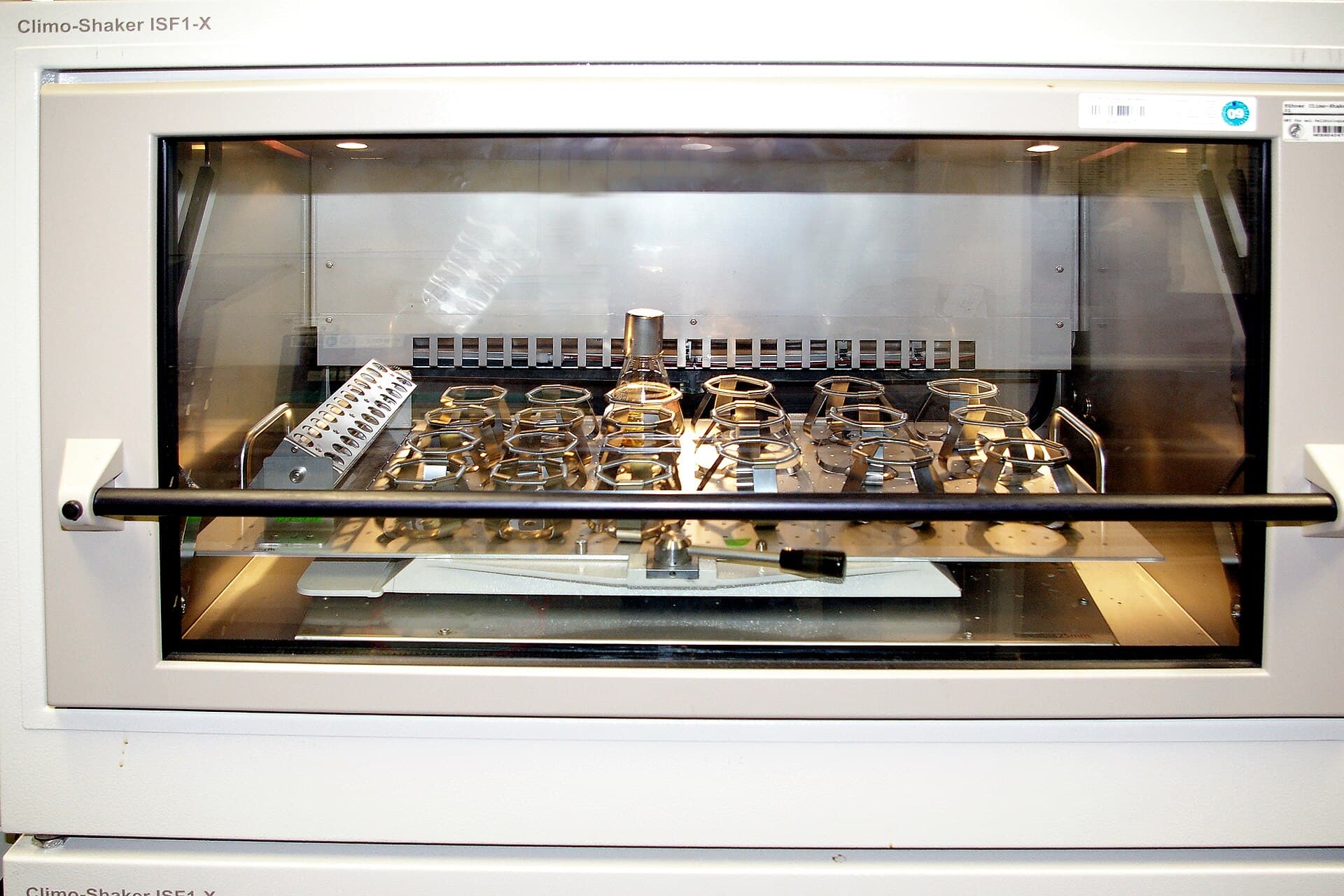
Organoids Explained: What Mini-Organs Can and Cannot Model
Organoids are 3D cell cultures that self-organize into organ-like structures. See how they are grown, what they have taught us, and why they are not tiny organs.
8 articles tagged with #drug-discovery
Organoids are 3D cell cultures that self-organize into organ-like structures. See how they are grown, what they have taught us, and why they are not tiny organs.
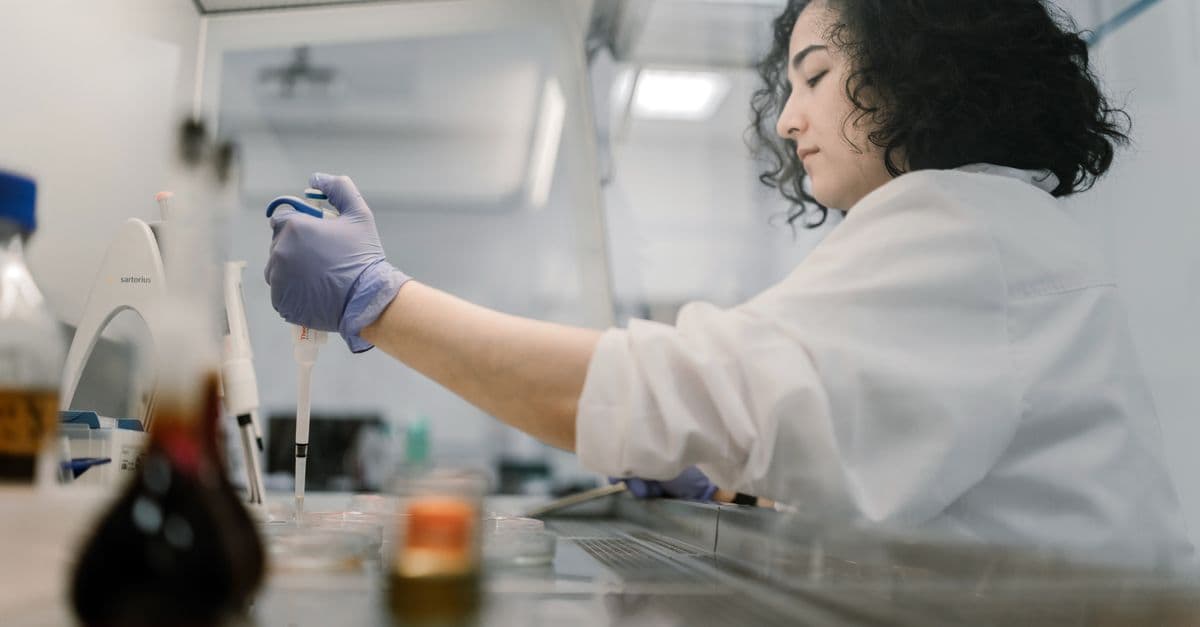


The geography cone snail is slow, has no fangs, and looks harmless enough to pick up from a beach. Its venom has killed people, and there is no antivenom. Venom is not one thing. It is a chemical toolkit that evolved independently more than 100 times, and some of its molecules have become medicines.
AlphaFold won the 2024 Nobel. The first AI-designed drugs are in clinical trials. How AI is reshaping every stage of pharmaceutical R&D.
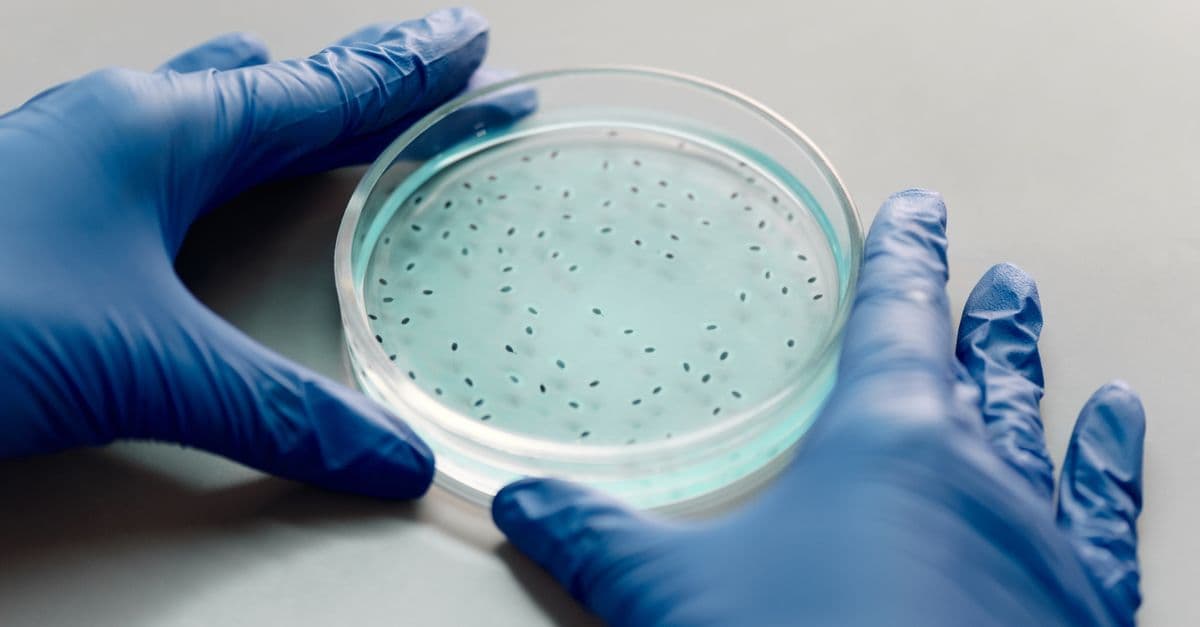
How neural networks accelerate drug discovery from years to months.

Imagine waking up to a headline: AI has cracked cancer, Alzheimer's, and every infectious disease. What would that world actually look like?
Molecules are naturally graphs—atoms as nodes, bonds as edges. Graph neural networks exploit this structure to predict chemical properties with striking accuracy.